


The idea is to create a new generation of land stewards, in which people come together to restore nature―making functionality fun.
This article is written from the perspective of someone living in the United Kingdom; however, I suspect that, given my conversations over the years with people across the Globe, some of the experiences and suggestions here may resonate. I hope so.
Cities need maintenance. There is much more going on than we realise, and even low-maintenance elements building facades soon make it clear that maintenance has ceased when a building has been abandoned. Lawns and even pavements are overgrown within a few growing seasons. Trees can fall without warning if neglected. Litter can build up into drifts if not collected daily, and abandoned waterways soon fill with trash. Both local authorities and private owners spend significant sums maintaining and repairing both the grey and the green. Grey infrastructure, including buildings, roads, bridges, and utilities, makes up the majority of the overall spend. The maintenance of grey infrastructure is often mandatory, and there are usually plenty of strict standards to be met by highly specialised technicians. In contrast, green infrastructure, in most cities, is usually considered to be discretionary and is less likely to be required by law. Standards are not always rigorous, and maintenance tasks are likely to be categorised as “unskilled”. Green infrastructure is often maintained by NGOs or volunteers, and funding is provided by community groups or local businesses.
It can be difficult to know the balance between expenditure on maintenance of grey and green in local authorities because responsibilities are often divided between national agencies, counties, towns, and parishes, and green infrastructure is included in accounts under various overarching categories. An example of the difference between green and grey, however, can be seen by looking at national figures. The UK Parliament, for example, reported that annual spending by local authorities on road maintenance alone was £4.8 billion in England. Whilst spending on greenspace maintenance in England by local authorities is approximately £1 billion and has fallen by 25% since 2010. Green infrastructure seems to be one of the easiest targets in the current culture of budget cuts in the UK.
Although the evidence for the benefits of investing in green infrastructure is now well established and has been described in increasingly convincing detail over the last 20 years (for example, see Natural England’s Green Infrastructure Framework), there still is a commonly encountered view that maintaining greenspace is a burden, suggesting that the message has yet to permeate into the mainstream. The viewpoint that the maintenance of greenspace is a burden can sometimes be manifested as a reason not to support new greening, either as stand-alone projects or where greening is part of larger “grey” projects. Many have yet to have had the realisation that spending on green infrastructure is “money well spent”.
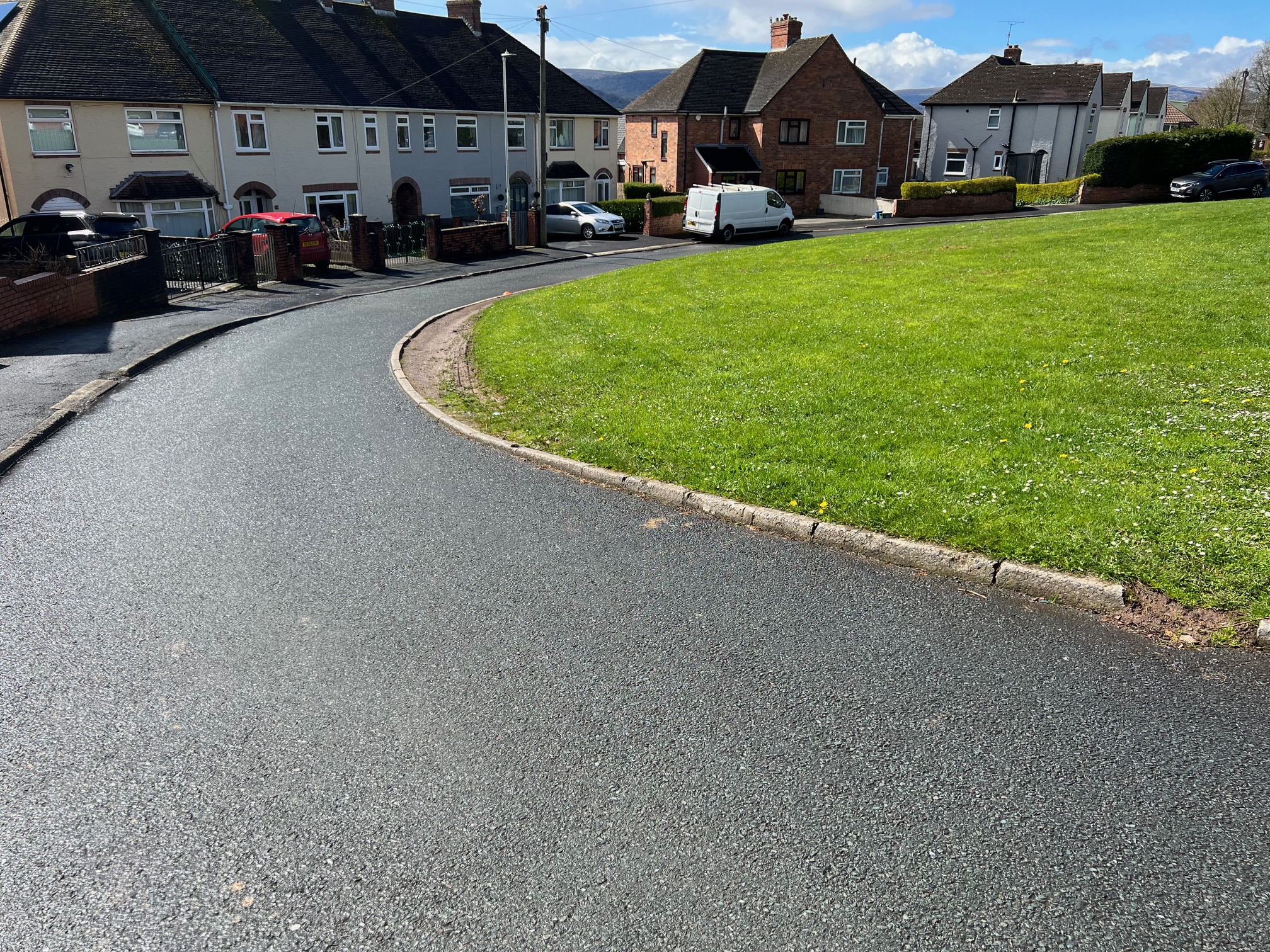
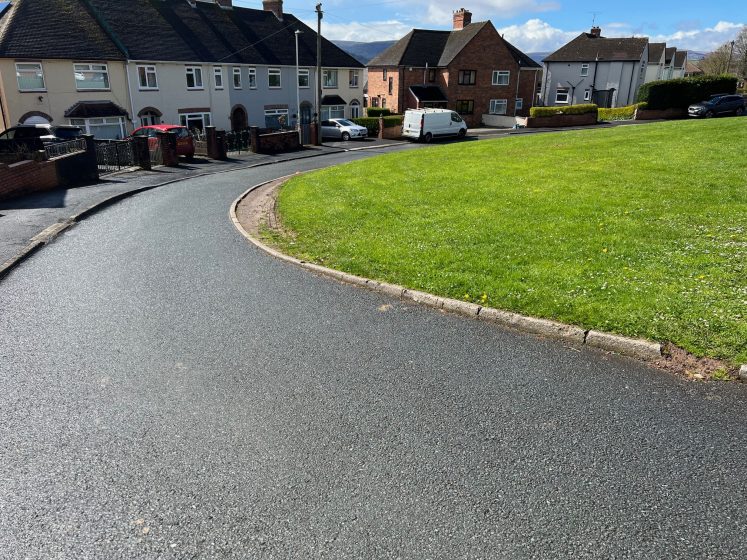
Where green does exist, there can be attempts to simplify vegetation cover for ease of maintenance, resulting in ecological impoverishment. This process has been underway for decades, with parks and gardens being simplified and maintenance streamlined to a cheaper “mow, blow and go” approach ― that is, a carbon-heavy, mechanised, noisy process of cutting low-biodiversity amenity grass wherever and whenever this service is required, with no interaction with local people. This streamlining approach can even lead to the paving over of green areas, for example, tree pits when street trees are felled, in order to facilitate the operation of street cleaning equipment, resulting in ecological impoverishment and an increase in surface water runoff.
I predict that the quantity and quality of green infrastructure will improve if we can change the narrative away from “the burden of maintenance” to the “joy of nurture”. The training of gardeners, who are faithful to a local patch, observe their surroundings, listen to people, and work with nature, will boost biodiversity and improve green infrastructure for people. This is likely to create a virtuous circle of improvement and support, so that the case for more funding and better training is more easily made. More jobs can be created―new opportunities for young people, as well as those looking for a change of career.
There are moves underway to start this process with, for example, the brownfield gardener John Little, who has said that the most useful thing he ever did as a gardener was to remove his ear defenders so that he could listen to the residents that he was working for. John’s training for gardeners taps into his experience in boosting biodiversity in gardens, including his own garden at Hilldrop, Essex, east of London.

Green space projects never reach completion. Even when trees reach maturity, and even where there are urban woodlands, there is always renewal. In urban areas with the dominance of grassland, there are other possibilities, including the early successional stages of bare ground, ephemeral colonising vegetation, species-rich grasslands, wetlands, ponds, scrub (shrubs), trees, and trees growing in more natural associations with understorey and ground flora. The “green deserts” of amenity grass can be largely replaced by intimate mosaics of vegetation that teem with wildlife and people, nurtured by gardeners. The quality of such more natural green spaces is more about stewardship, care, and continuous investment in time than the conventional approach (which mirrors our approach to the built environment) of maintaining something that is thought to be complete. This new paradigm, of investing in people, will create jobs, build communities, improve our understanding of nature, and boost biodiversity itself and the benefits that nature provides. Climbing down from the ride-on mower and converting some of the short grass into species-rich beds with a diversity of soils and plenty of interesting features with nooks and crannies for wildlife (like stones and deadwood) makes all the difference.
This new approach is also about breaking down the barriers between the narrowly defined roles of managers, groundsmen, horticulturalists, naturalists, ecologists, and community workers. The idea is to create a new generation of gardeners who bring people together to restore nature―making functionality fun.
Gary Grant
London




Leave a Reply