

Cities are not only social systems. They are not only technical systems. They are ecological systems.
Istanbul’s Northern Watersheds provide drinking water to sixteen million people. Stretching across forests, reservoirs, wetlands, and agricultural landscapes on the northern edge of the metropolitan region, they perform ecological functions without which the city simply could not survive. They regulate floods, recharge groundwater, support biodiversity, and sustain water security for one of Europe’s largest urban populations.
Yet, despite their ecological significance, they are almost entirely absent from Urban Living Lab discussions. That absence is not unique to Istanbul. It reflects a broader blind spot within the global Urban Living Lab movement.
If you asked someone to imagine an urban living lab — a real-world site where a city tests new ways of doing things, with residents, researchers, and public agencies experimenting side by side — what would come to mind? Most likely smart mobility, digital infrastructure, citizen engagement platforms, energy transitions, or urban innovation districts. Ask instead about watersheds, aquifers, wetlands, ecosystem services, or biodiversity corridors, and the conversation often changes — or stops altogether.
That is a problem.
Because cities do not survive on apps.
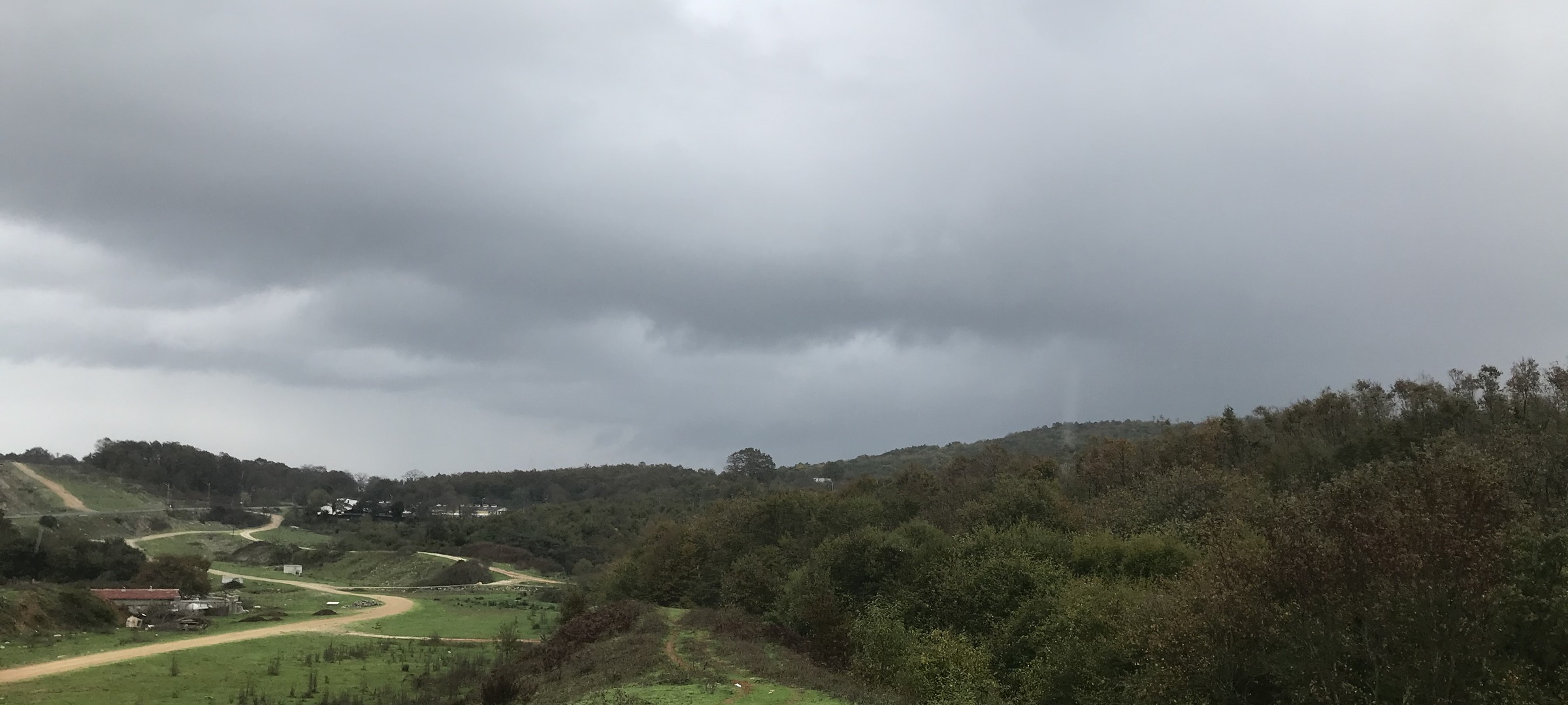
Cities survive on ecosystems. They depend on watersheds that provide drinking water, wetlands that absorb floodwaters, agricultural landscapes that support regional resilience, and biodiversity networks that sustain ecological functions across fragmented urban territories. These systems are not simply the backdrop to urban life. They are the foundations that make urban life possible. Yet they remain largely outside the experimental imagination of contemporary Urban Living Labs.
What Urban Living Labs were built to do
For more than two decades, Urban Living Labs have helped cities rethink how people move, interact, consume energy, and participate in governance. The movement emerged at the intersection of innovation studies, smart city agendas, and participatory planning. Through the European Network of Living Labs, hundreds of laboratories have tested new approaches to mobility, digital governance, climate adaptation, and citizen participation. These experiments have demonstrated that cities can move beyond static planning processes and embrace adaptive, collaborative forms of governance — and that experimentation can become a legitimate planning tool rather than an exceptional practice.
But if we look closely at what most Urban Living Labs actually experiment with, a pattern emerges. The focus is overwhelmingly placed on the built environment: streets, buildings, mobility systems, energy infrastructure, digital technologies, and public spaces. The living infrastructure that makes those systems possible remains largely outside the frame.
Most Urban Living Labs experiment with how a city’s people and infrastructure interact. Very few examine the ecological systems that make cities possible.
This is more than an oversight. It reflects a deeper assumption embedded within much of the Urban Living Lab tradition: that the city is primarily a social and technical system rather than an ecological one. That assumption is becoming increasingly difficult to sustain.
The infrastructure nobody innovates
To be clear, ecology is not entirely absent from Urban Living Lab practice. Nature-based solutions, urban greening projects, and climate adaptation pilots are increasingly common. Green roofs, urban forests, and rain gardens frequently appear in Urban Living Lab portfolios. But there is a crucial difference between incorporating ecological elements into urban experiments and governing the ecological systems upon which cities depend.
A green roof is an intervention within the city. A watershed is the system that supplies the city’s water. A biodiversity pilot in a neighborhood park is valuable. Managing an entire ecological corridor that supports biodiversity across a metropolitan region is something fundamentally different. The systems that keep cities alive possess characteristics that conventional Urban Living Lab models often struggle to accommodate: they cross municipal and administrative boundaries; they operate across long ecological timescales; they involve complex biophysical processes that cannot be evaluated within short project cycles; and they require governance coalitions that extend beyond municipalities and residents to include water authorities, conservation agencies, agricultural institutions, scientists, and regional governments.
This gap is visible even in the formal structures of the Urban Living Lab field. The European Network of Living Labs assesses applicants across dimensions of openness, user involvement, innovation, and replication — without a single criterion referencing watershed governance, ecosystem service integration, or any form of ecological mandate. An Urban Living Lab that has never engaged with a natural system can be fully accredited. An ecology-oriented lab that lacks a digital platform might struggle. As a result, the ecological systems most critical to long-term urban resilience are often the systems least likely to become the focus of Urban Living Lab experimentation.
What an ecology-oriented Urban Living Lab would actually do
If Urban Living Labs are to address twenty-first-century ecological challenges, they need to evolve toward a genuinely different model. An Ecology-Oriented Urban Living Lab places ecological systems — not the built environment — at the center of experimentation. Its primary spatial unit is not a district or redevelopment area but an ecological territory: a watershed, a biodiversity corridor, a peri-urban agricultural mosaic whose functions extend across multiple jurisdictions and institutional boundaries. Its temporal frame is calibrated to ecological processes, which may require years or decades to manifest meaningful change. And its governance coalition includes water authorities, conservation agencies, agricultural institutions, and ecological researchers alongside the planners, municipalities, and community organizations that populate most conventional labs.
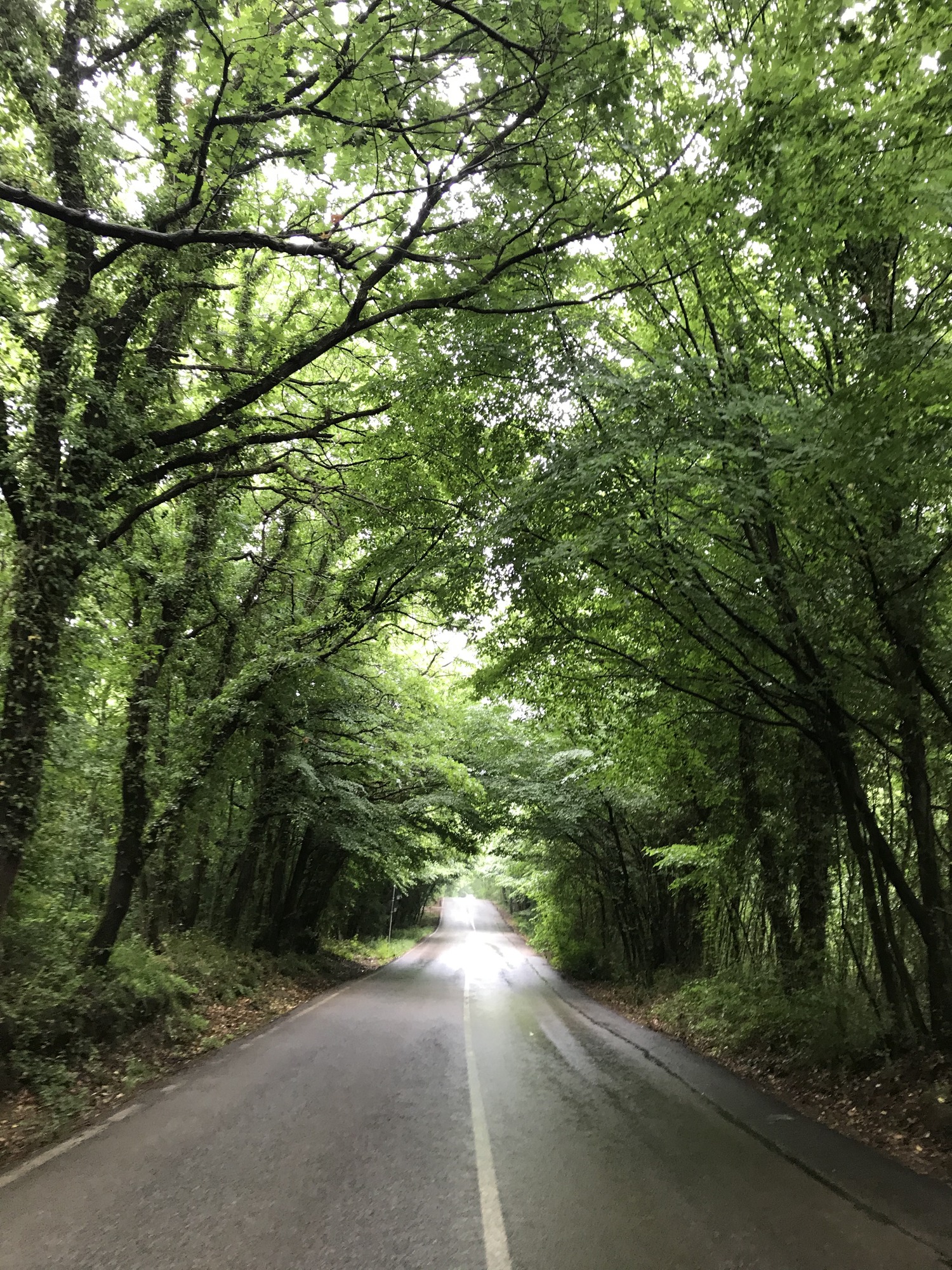
Most importantly, an Ecology-Oriented Urban Living Lab treats ecosystem services — water provision, flood regulation, carbon sequestration, biodiversity maintenance — not as environmental constraints to be protected, but as planning objectives to be actively pursued, monitored, and improved. Its success is measured not only through social innovation, user engagement, or technological performance, but through ecological outcomes: Can water quality improve? Can flood regulation be strengthened? Can biodiversity be maintained or restored? Can ecosystem services become more resilient over time? These questions reorient the entire experimental design — and they are almost entirely absent from current Urban Living Lab evaluation frameworks.
What the blind spot looks like on the ground
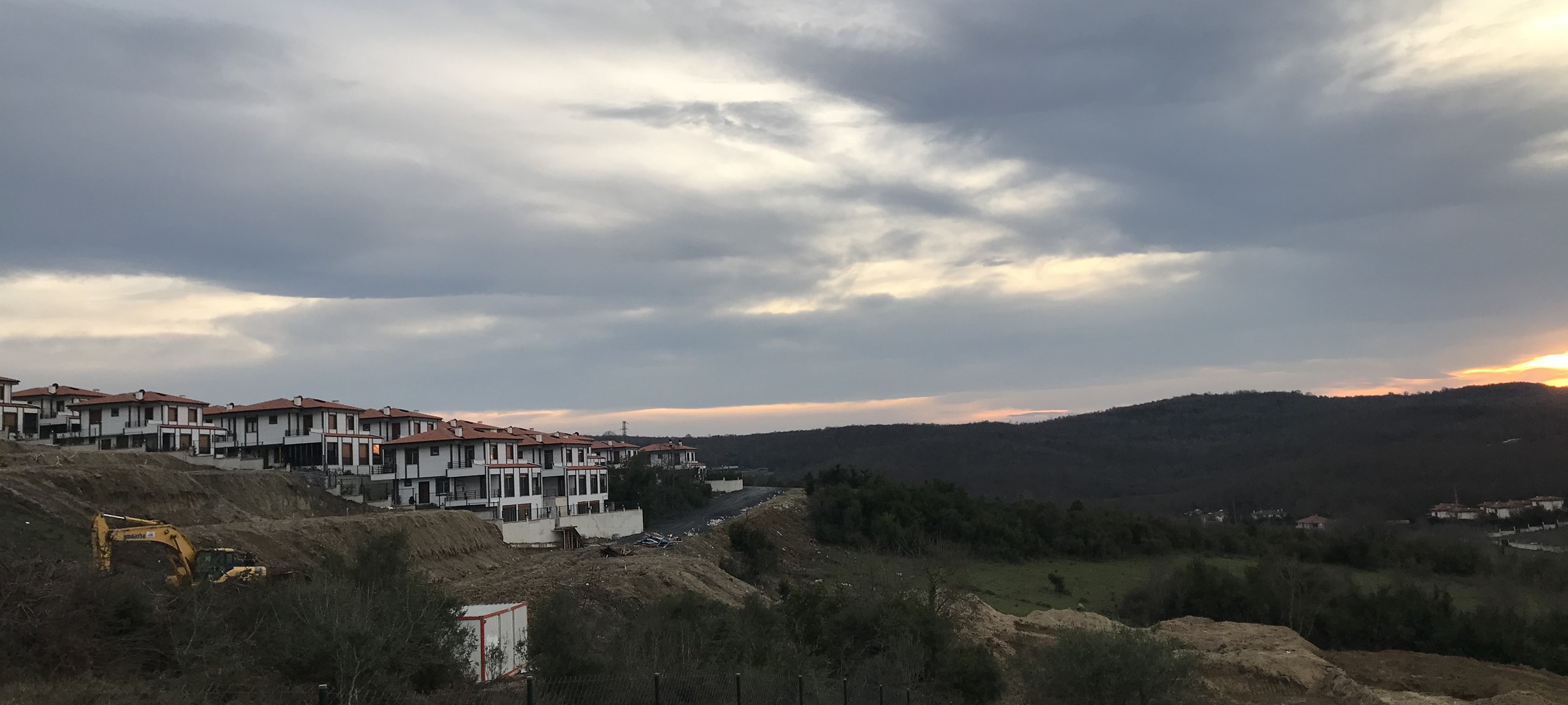
Istanbul’s Northern Watersheds illustrate why this shift matters in practice. The territory functions as ecological infrastructure for the entire metropolitan region, yet responsibility for its management is fragmented among multiple ministries, municipal authorities, and sectoral institutions. Scientific knowledge exists. Monitoring systems exist. Regulatory frameworks exist. What is missing is an integrated governance structure capable of bringing these elements together within a shared experimental framework.
My TÜBİTAK-funded research on ecology-oriented Urban Living Labs in this territory suggests that the central challenge is not technical but institutional. The question is not whether ecological data exist. It is whether governance systems are capable of learning from that data, adapting their decisions, and coordinating action across ecological rather than administrative boundaries. An Ecology-Oriented Urban Living Lab offers one possible answer — not because it provides a perfect solution, but because it creates a structured environment where experimentation, monitoring, and adaptive governance can occur before ecological crises become irreversible.

Where urban innovation needs to go next
None of this diminishes the achievements of the Urban Living Lab movement. The field has transformed how cities think about participation, innovation, and experimentation. But it is still operating with an incomplete understanding of what cities are. Cities are not only social systems. They are not only technical systems. They are ecological systems — and those ecological systems increasingly determine whether urban regions can remain resilient under accelerating climate and environmental pressures.

Closing this gap will require changes at multiple levels: new accreditation criteria that recognize watershed governance experiments as legitimate Urban Living Lab projects; funding frameworks that support ecological experimentation on the timescales ecological systems actually require; legal provisions that authorize multi-scale, ecologically-anchored governance across jurisdictional boundaries; and evaluation methods capable of assessing ecological outcomes alongside social and technical ones. For two decades, Urban Living Labs have helped cities experiment with mobility, technology, energy, and governance. The next challenge is helping cities experiment with the ecological systems that determine whether those cities remain livable at all.
The next generation of Urban Living Labs should not begin with sensors, apps, or digital twins. It should begin with water. Because the systems that keep cities alive deserve to be at the center of urban innovation, not at its margins.
Özge Çelik Yılmaz
Istanbul
On The Nature of Cities
Leave a Reply