
After traveling across six continents, I’ve learned there is always a way into a place, and it starts with listening.
A few months ago, a friend who has followed my writing and recent travel documentary work said, “You travel differently than anyone I know. You should teach a class.” That comment stayed with me. It made me think about what I actually do when I arrive somewhere new. I listen with the eyes of an urban planner, for how people and places intertwine, with the mind of a journalist, naturally curious, searching for the heart of the place, asking the hard questions; and with the heart of a cultural storyteller, trying to understand the deeper story. How history, culture, and place intertwined to create something unique and beautiful at each location.
I’ve traveled to over 200 cities, across six continents and more than 50 countries. Every one of them has taught me the same lesson in a different accent: a city will tell you who it is, but only if you slow down enough to hear it. You can Uber from the airport to your hotel, eat at touristy restaurants, see the sites postcards are made of, take social media-worthy shots, and still never hear a word the place is saying.
Join Ebony Walden for Around the World in 80 Photos, a virtual celebration of her new book, Where I’m From: A Poetic Journey Across Five Continents. Tuesday, September 8 at 12 PM EST. Click here to register.
Here are six lessons I’ve learned from listening to cities.
Land: It’s a city’s first language; everything built on it is a response to what was already there.
Every city is shaped by the natural environment. Before there were buildings or roads, there were mountains, rivers, forests, coastlines, and deserts. Those natural features shaped where people settled, what they ate, how they moved, and what they eventually built. The land is the city’s first language.
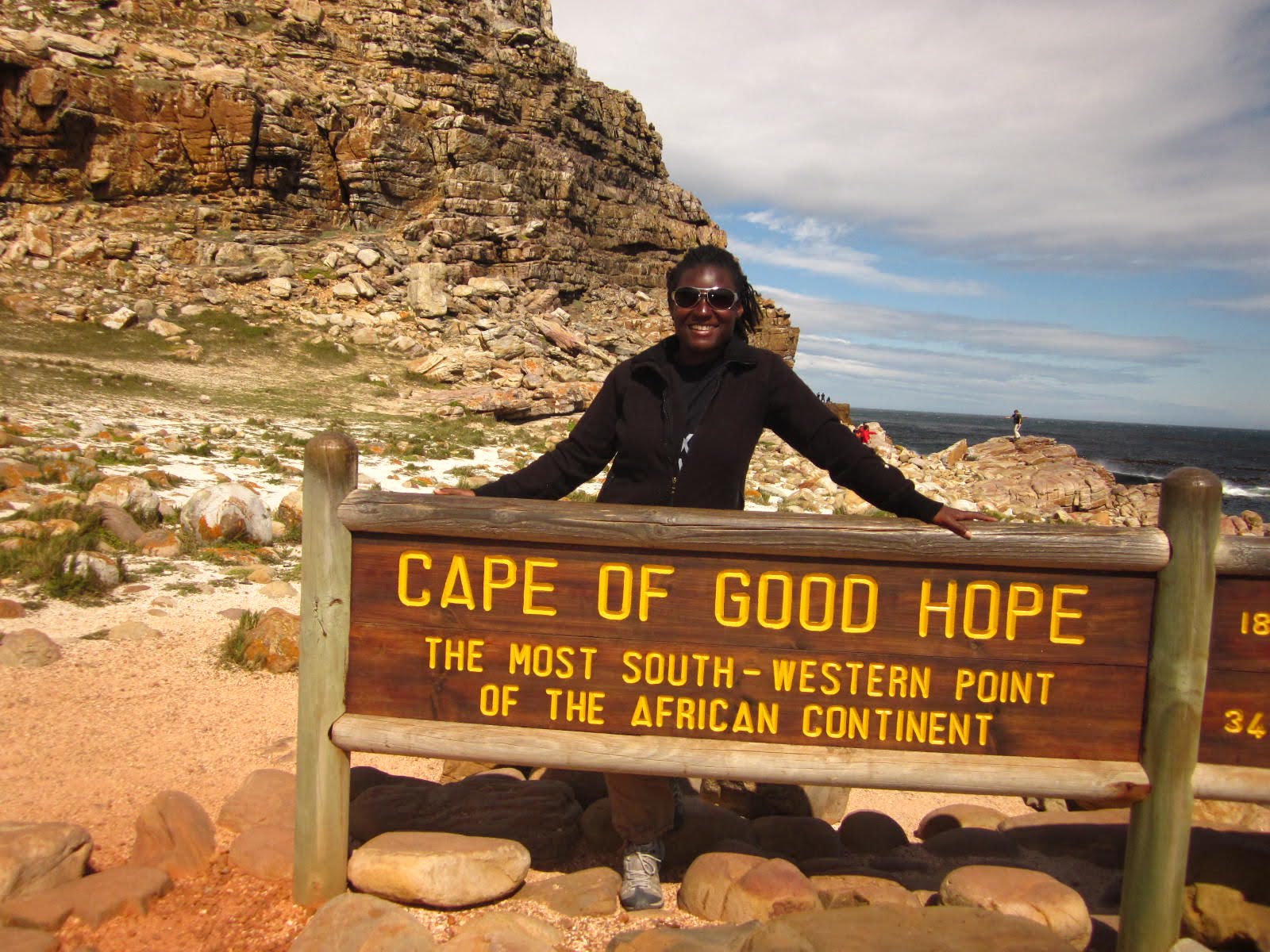
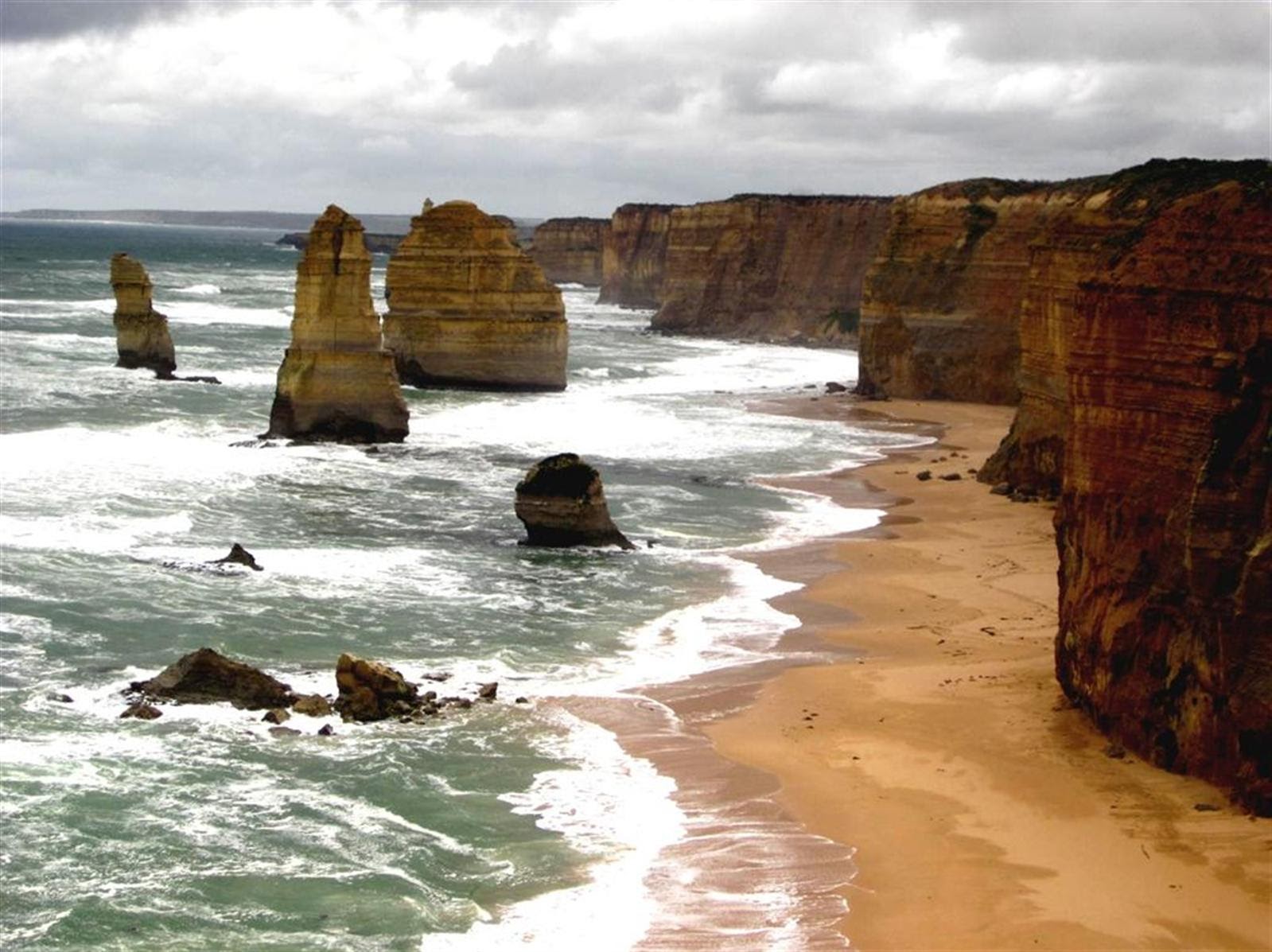
In Australia, while driving the Great Ocean Road, the coastline stretched endlessly, wind whipped at my face, and I watched in awe at the places the water had carved cliffs over time. At the Cape of Good Hope in South Africa, the meeting of oceans carries distance, history, and movement with the weight of centuries. For me, the land is never separate from the places humans built. Before I understand anything else about a place, I try to understand the land.
The Built Environment: What a city constructs tells you what it values.
Once I understand the landscape, I listen for how people respond to it. Machu Picchu is beautiful. Feeling the sunrise shine on my face, I understand, too, that it is an incredible feat of Incan engineering, with terraces carved into steep mountains and structures built to work with the terrain. It is a conversation between people and land, and you can still hear both sides of it.
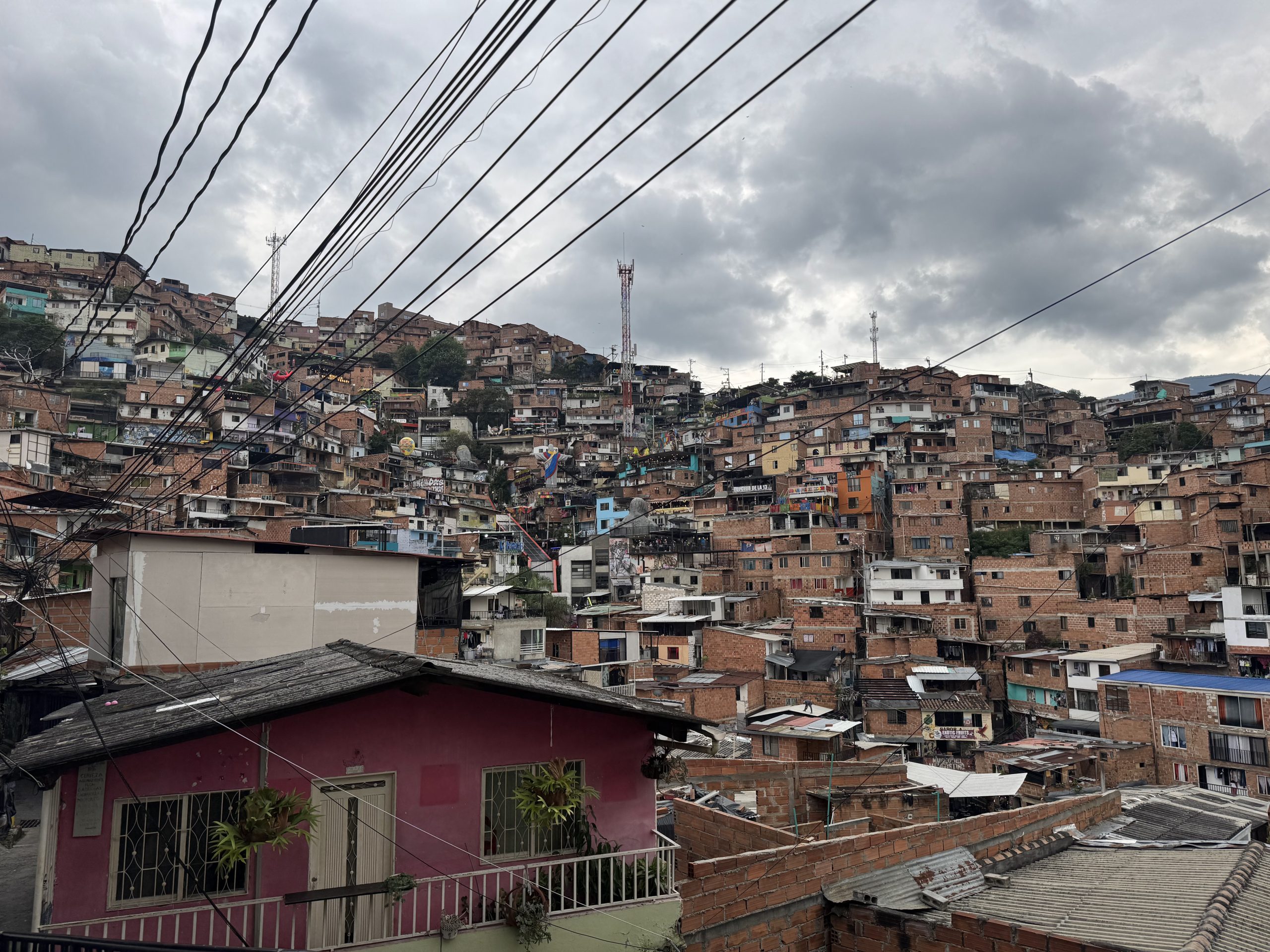
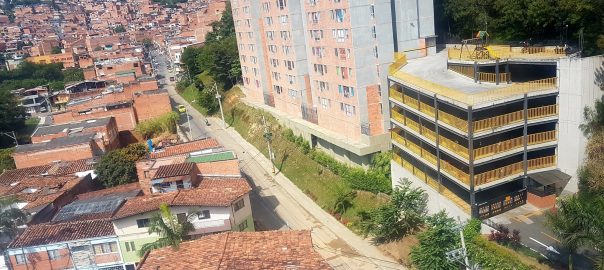
In Medellín, Colombia, the cable cars give me butterflies as they rise 100 feet above rainbow-colored neighborhoods and climb the mountainsides. The system is not simply transportation. It connects communities that were historically isolated from the rest of the city and gives residents greater access to jobs, education, and other opportunities. The cable cars are the city answering a question the land had been asking for decades: how do you reach people the terrain has cut off?
History: You can’t understand a city until you’ve heard from the people it has been hardest on.
I listen carefully to the history of every city I visit. I take free walking tours of historic downtowns, visit museums, and talk to people. History sounds different when it’s told by people deeply connected to it. Colonization, resistance, displacement, and reinvention become concrete when you’re walking the streets with locals.
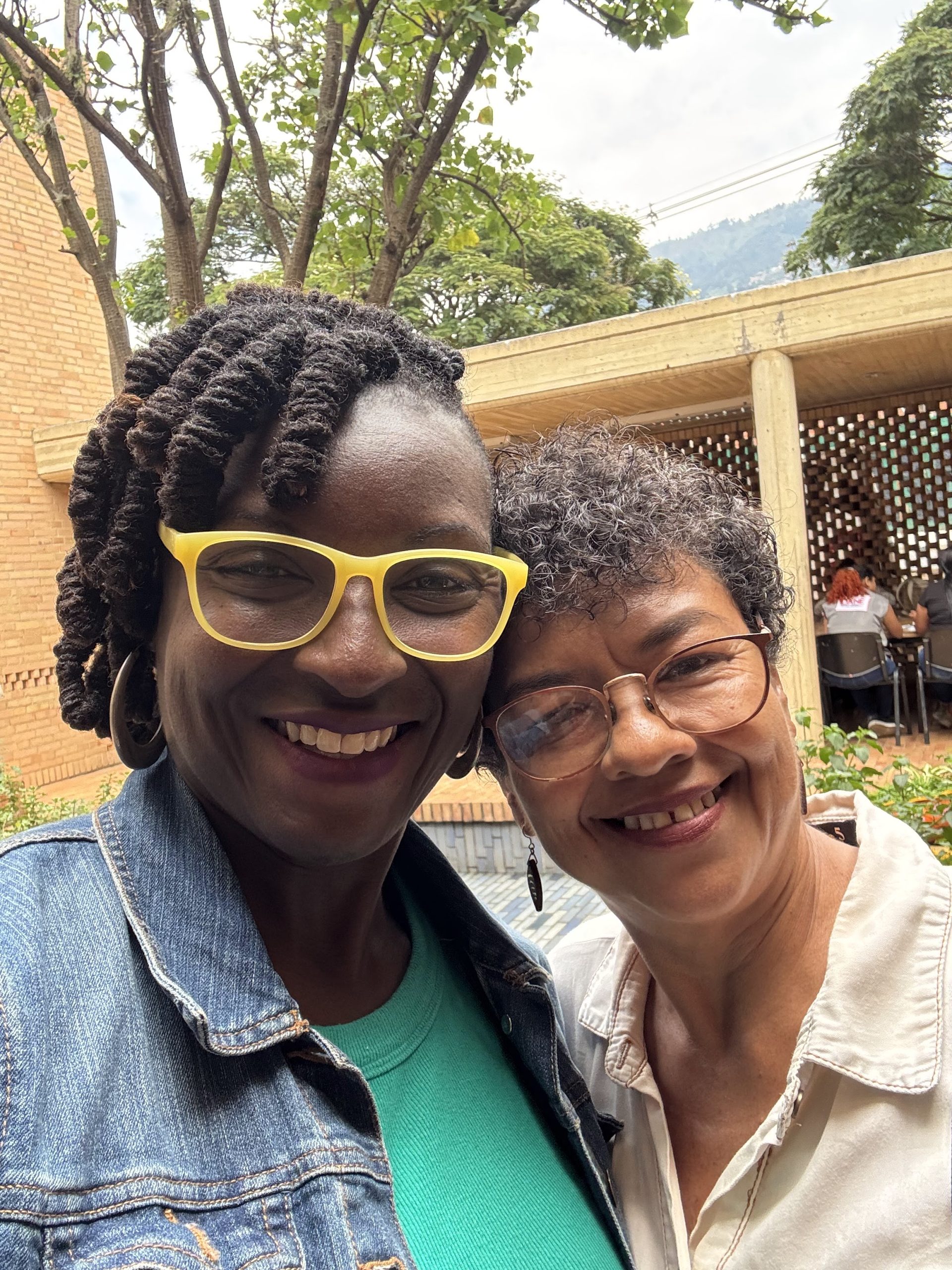
In Medellín, I visited Comuna 4, which was built on trash sites, and talked with a translator to a community activist, Gloria, and heard about how many of the men in her family perished by violence, about the plans for revitalization, and the plan she worked on with the local government, which might displace her neighbors into high-risers. I think of public housing and urban renewal in the US. I see the threads, just like in my own city. I don’t think you can really hear a city unless you understand where and how its marginalized communities live.
This is also where listening gets complicated. Beautiful places also hold painful histories. Buildings we admire may have been built through exploitation. Listening to a city means being willing to hold the beauty and the broken places together.
Movement: You have to move at a slower pace to notice its heartbeat.
One of the best ways to listen to a city is to move through it the way the people who live there do. The first thing I do when I get to a new city is buy a metro card. I ride airport trains, buses, subways, ferries, and cable cars. Then I walk everywhere.
In Kenya, I rode Matatus, crowded white vans where people sat almost in your lap and arms and legs dangled out windows. The music blared too loud, and the engine pulsed along with honking all around. I dropped my 30 shillings into calloused human hands as I departed.
Public transportation gives you a glimpse into the everyday rhythm of a place. You notice who is going to work, how people interact, how different parts of the city connect. Walking gets you even closer. You notice the transition between neighborhoods, the architecture, the trees, the public spaces, people sitting outside their homes. Moving at a slow pace is when a city stops being a destination and becomes a living organism.
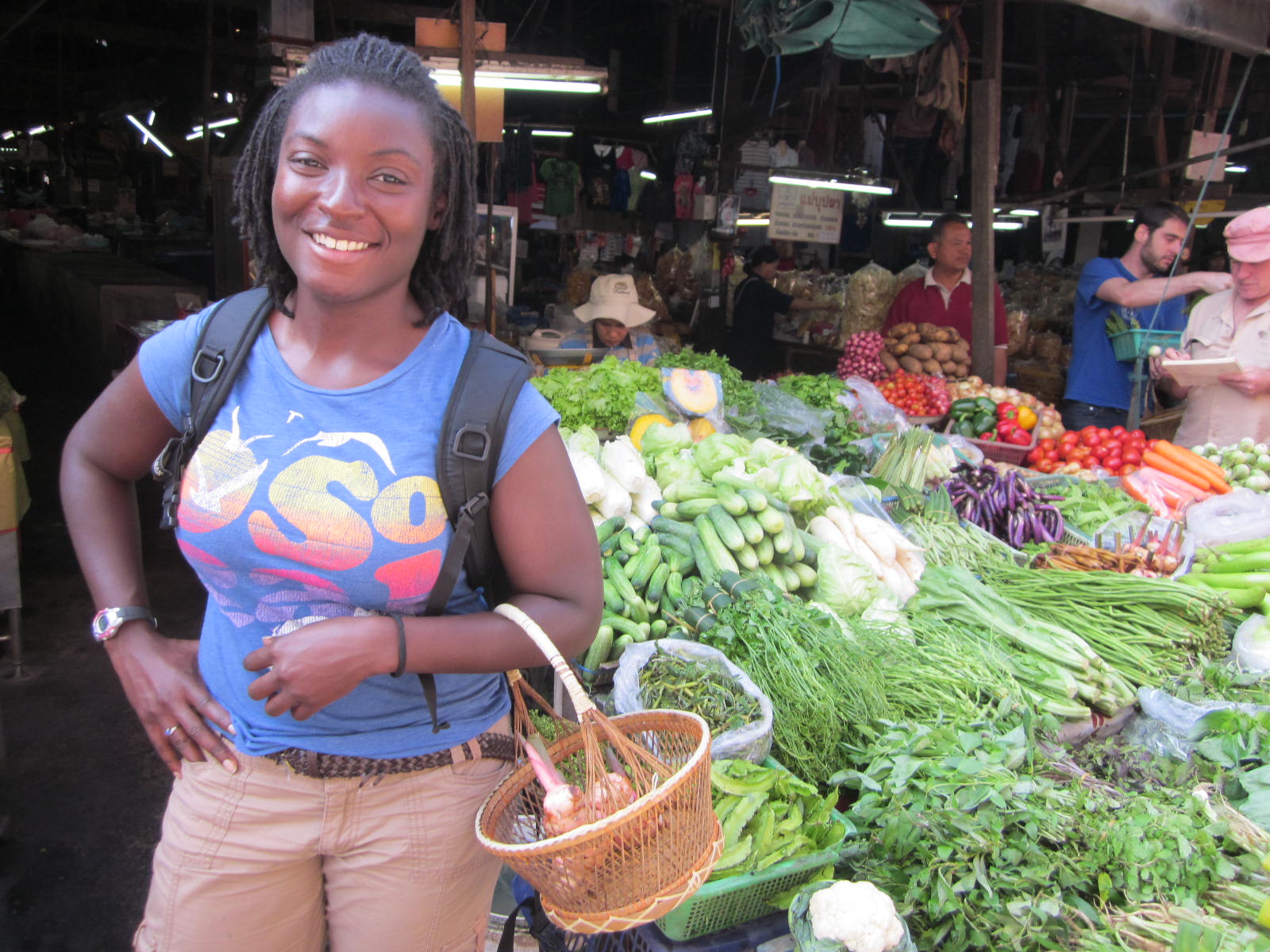
Markets: The fastest way to understand a place is to witness what it eats and sells.
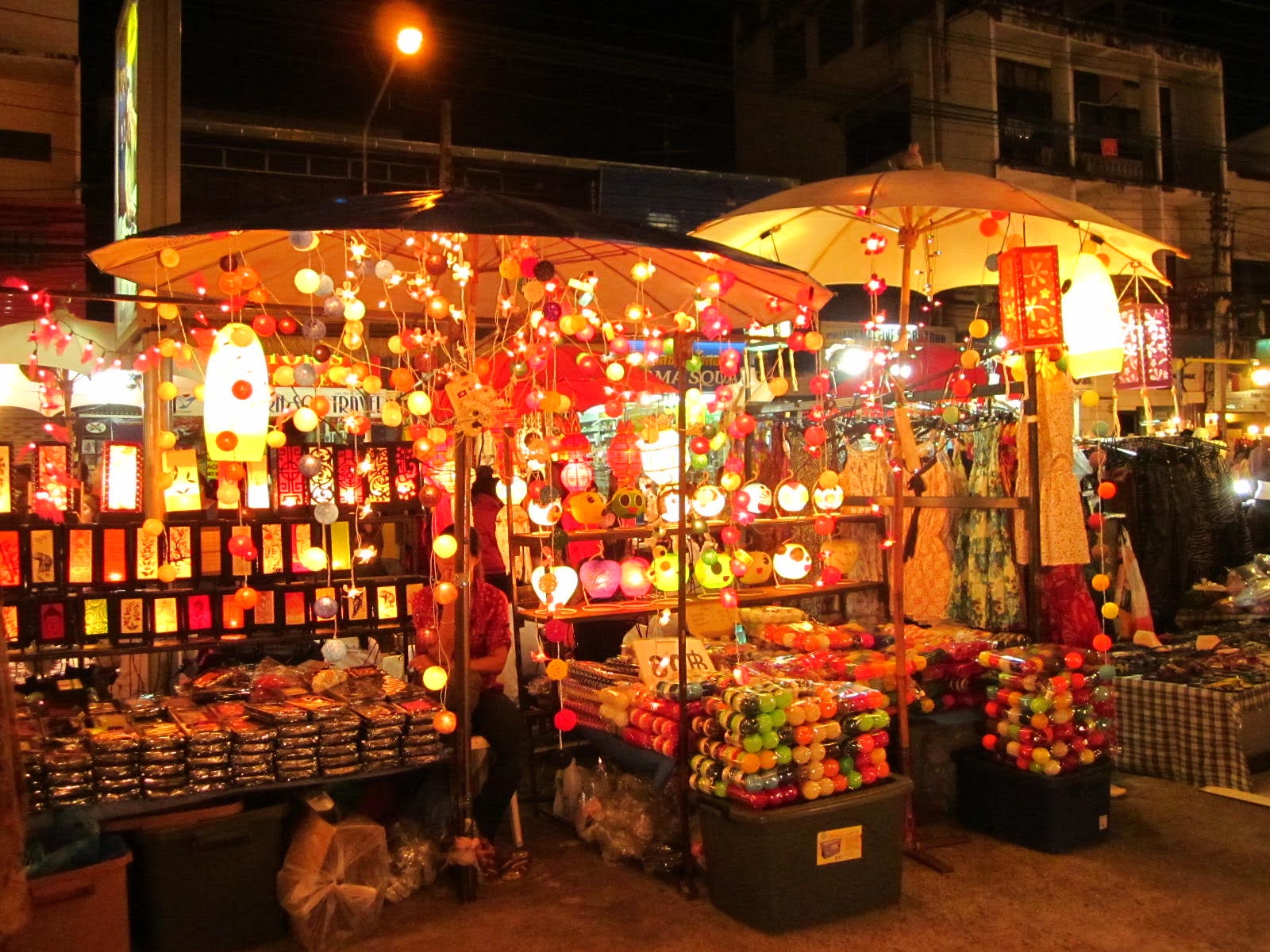
If I want to understand a place quickly, I go to the market. In Thailand, I ate crickets and got foot massages at 11 pm at their night markets. In Cali, Colombia, I discovered over a dozen fruits I had never seen before. I tasted them all, juice dripping down my chin.
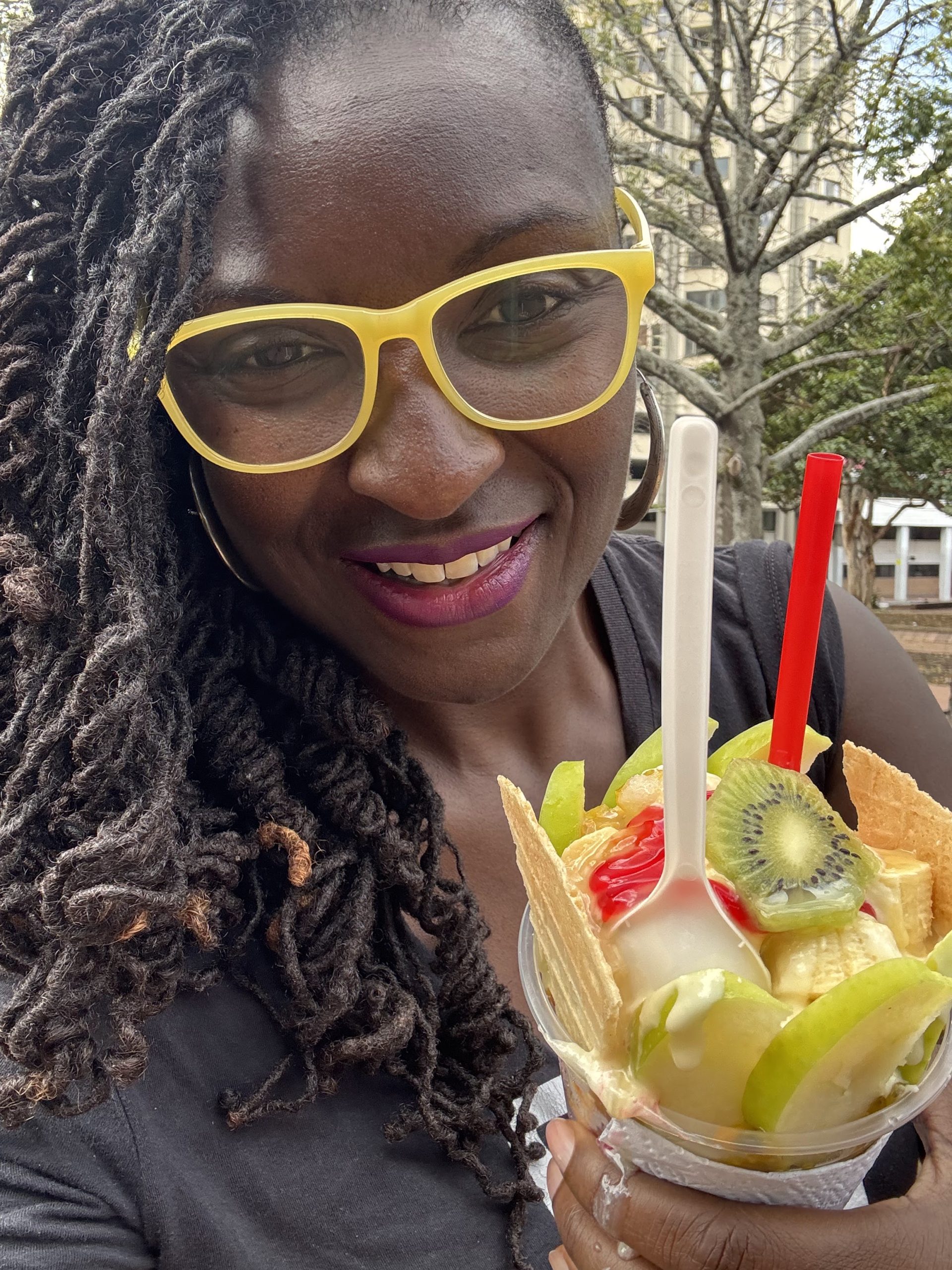
Markets show you what residents eat, and what fuels daily life. They also create openings for conversation. Some of my favorite travel memories are with a friend I met in Kyoto, Japan. We spent the day wandering through markets and trying new foods, me asking questions about everything I didn’t recognize. It was a lesson in history, culture, commerce, and tradition. The market is where you can hear all of it at once, if you ask.
Creativity: Public art tells you whose story is finally becoming visible.
Finally, I listen to what people are creating in the present. I love murals, street art, and festivals because they tell me what a city is thinking about right now. Artful walls and local festivals celebrate culture, honor community leaders, reclaim histories, and reimagine places of former desolation.
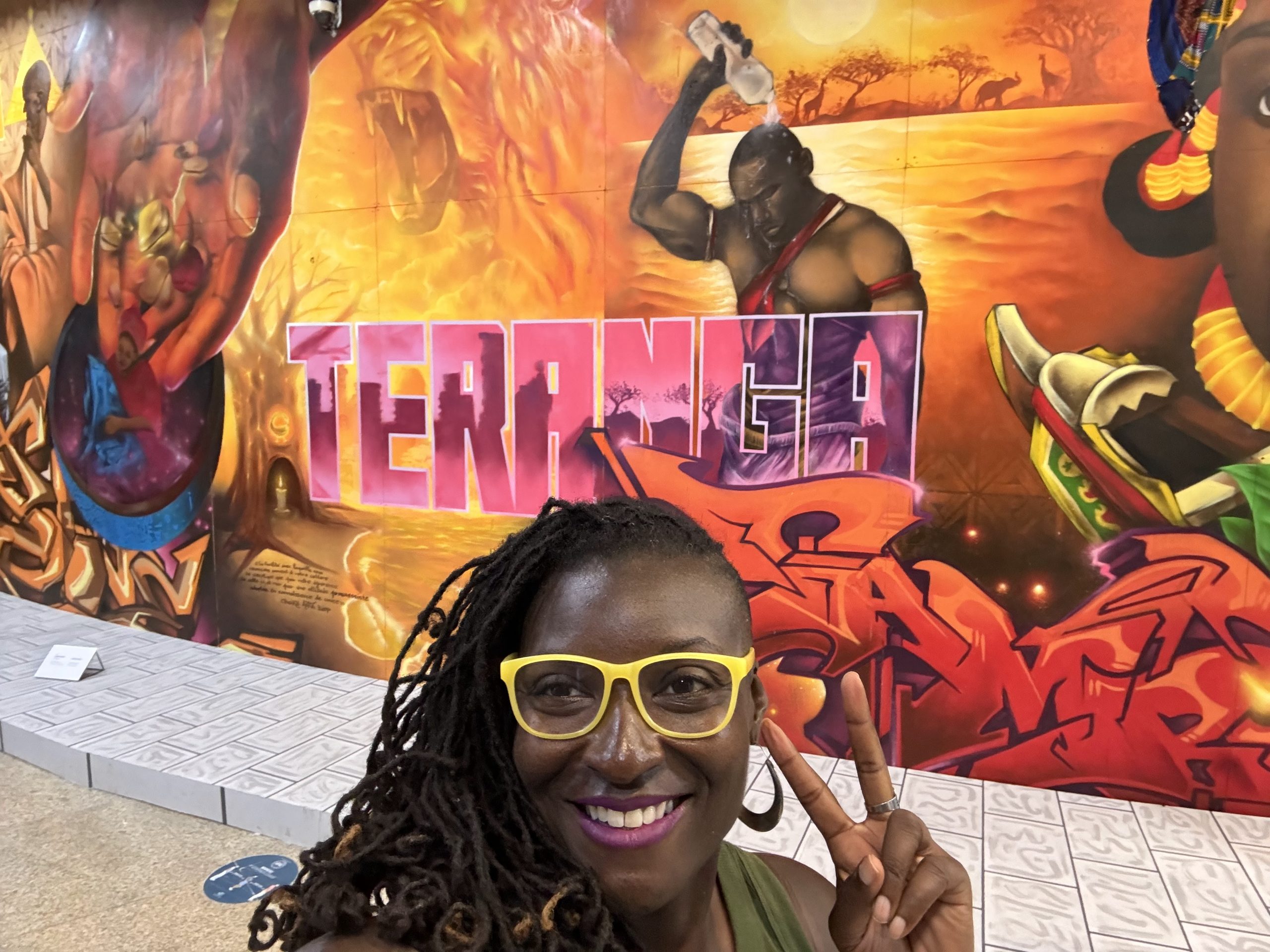
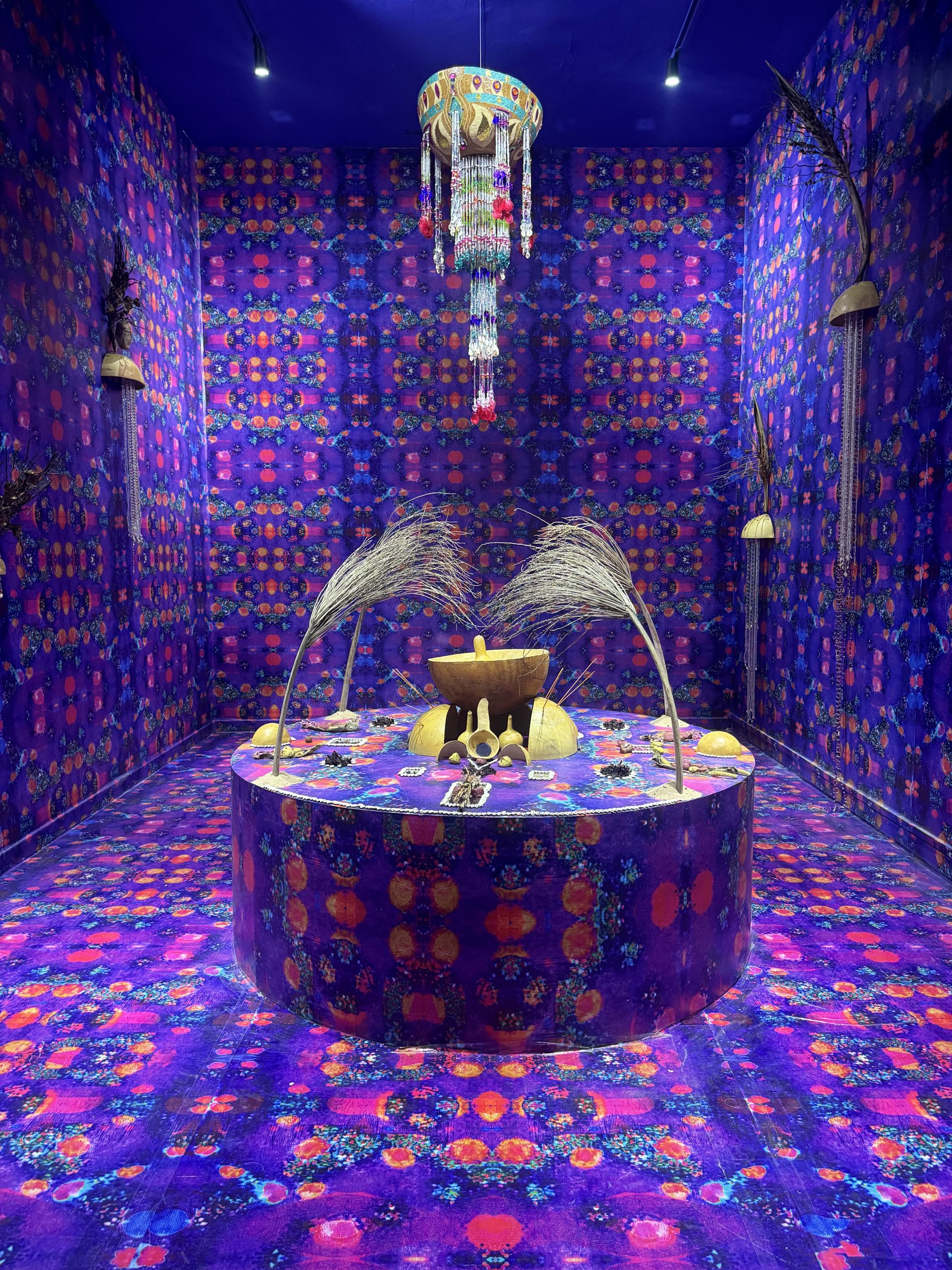
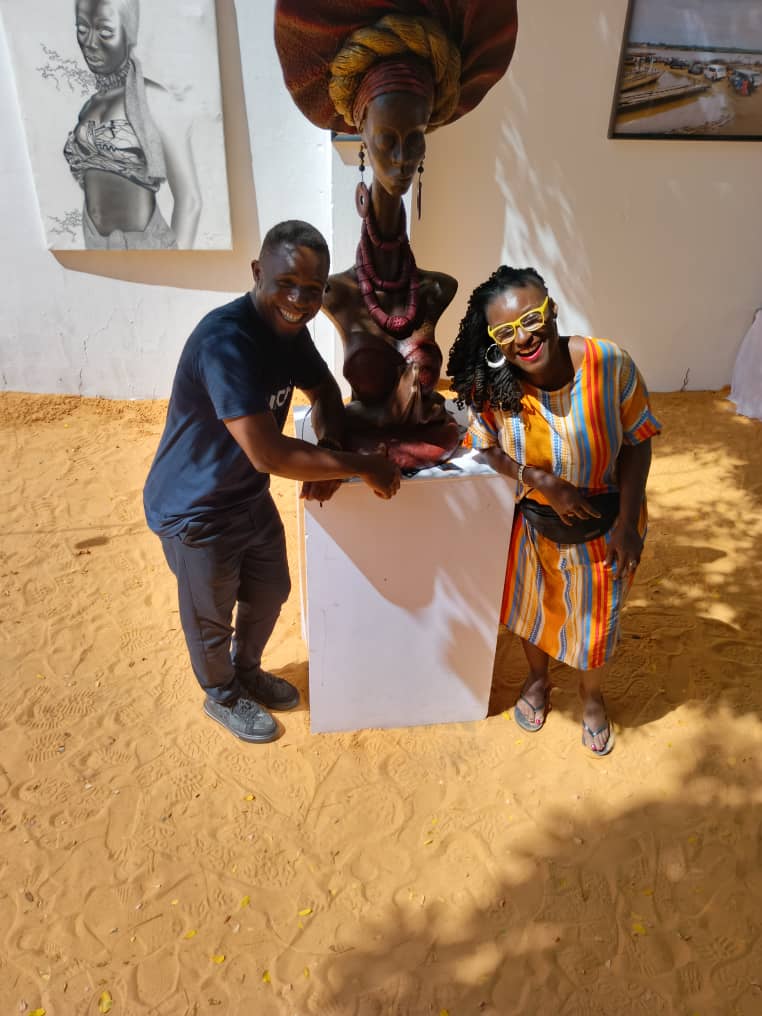
I visited Senegal during their Biennale, their contemporary art festival, and experienced nonstop concerts, sculpture, painting, and design exhibits for nearly a month. It was one of the most dynamic experiences I’ve ever had. I was in the Palace of Justice one day and at openings in coffee shops or exhibits on the beach the next. I saw it all, high and low, new and age-old forms together, creativity made universal and accessible.
What listening gives you back
After traveling across six continents, I’ve learned there is always a way into a place, and it starts with listening. When the layers connect, the city stops being a collection of attractions and becomes a place you can not only understand, but a place you can learn from.
I have never simply traveled to cities. I have been learning how to unlock their souls by listening.
Ebony Walden
Richmond

Leave a Reply