

A story of Citizens’ Stewardship that helped achieve nature-based goals within neighbourhoods of Mumbai in the 2020s.
Published ― May 2150.
A city is not as much about its buildings as much it is about its trees, its soil, its water, its open spaces and, most importantly ― its people.
This story begins more than a century ago, in the days when the city was still learning that concrete could not overcome nature.
Mumbai is a city built upon the sea. People filled the coastal edges in, where roads, bridges, and homes were built upon the reclaimed land. They cut down trees, replaced porous soil with impervious concrete, and trained water channels as they pleased.
The city grew taller. It grew more dense. It grew faster.
But beneath it, the earth began to sink. In some parts of Mumbai, the land was sinking by several millimetres every year. And beyond the city’s coast, the sea was rising.
While experts warned of storms, floods and rising seas that would make small work of toppling the city’s so-called hard defences, those in power had but one solution: Build more.
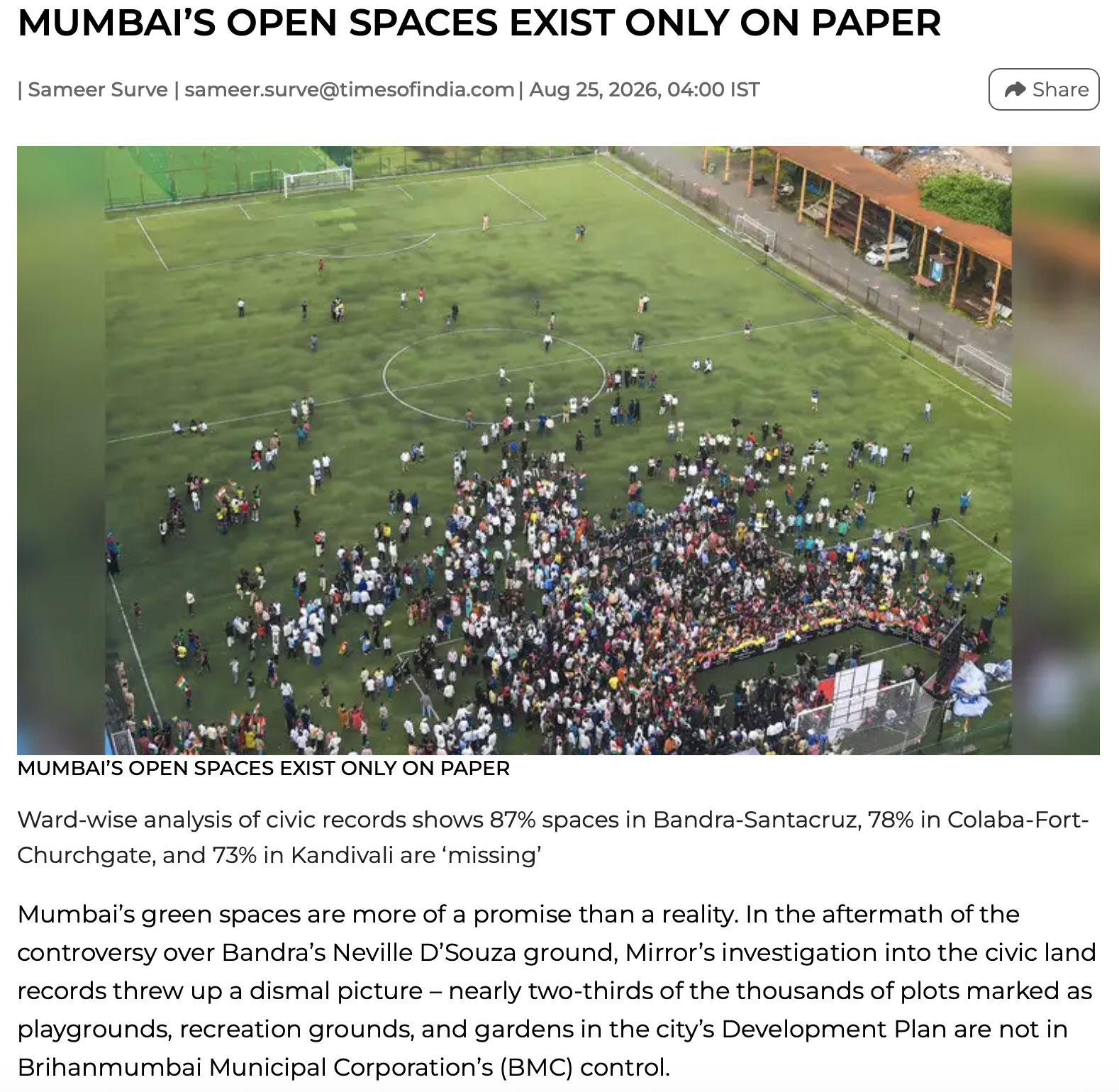
Traffic, congestion, flooding, rising temperatures, and many more were addressed by physical interventions and engineering solutions. Open spaces were sacrificed without a second thought.
And so the city slowly forgot something very important: Nature was not the enemy of the city. Nature was part of the city. Building with nature would be the only way to ensure a future for all who called the city home.
But in one part of Mumbai, there lived a People who were aware. Their neighbourhood was called Juhu.
Juhu had beaches, gardens, open spaces, playgrounds, dense tree plantations in parks, and natural water channels called nullahs which carried rainwater from the inner parts of the city towards the sea. Juhu had so many of nature’s thriving ecosystems. Ecosystems that were constantly under attack and abuse.
These depleting assets were contributing to a deteriorating quality of life. The people of Juhu refused to accept that this was how their neighbourhood had to remain.
The First Seed
In the year 2000, a barren strip of public land was being handed over to developers for construction of a sports club. The People of Juhu took notice of this space beside Irla nullah, which runs through the neighbourhood. The authorities argued that the land was useless ― dirty and overrun by weeds, next to a dirty nullah. But the People looked at it and imagined a city forest.
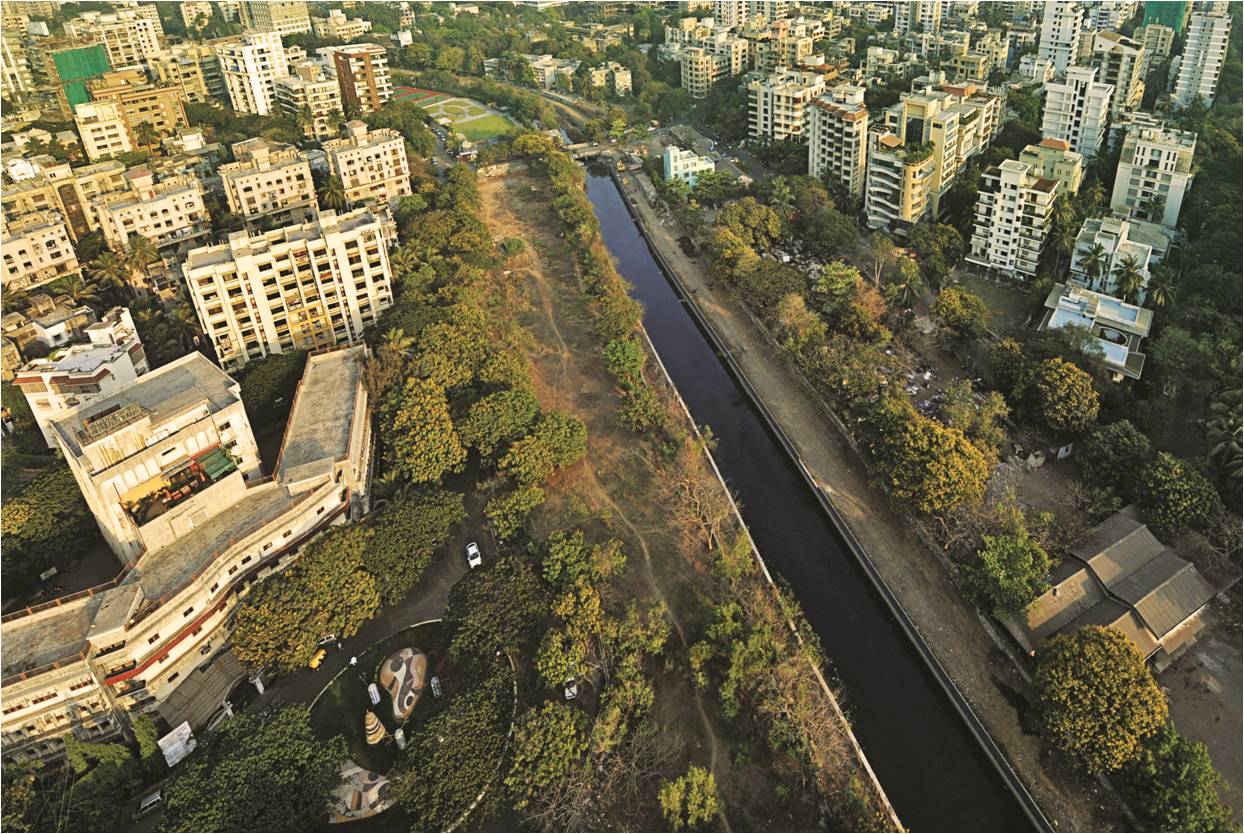
They stood together and challenged the authorities. They approached their elected representative and asked that public funds be used to turn the barren land into a public park. Better sense prevailed.
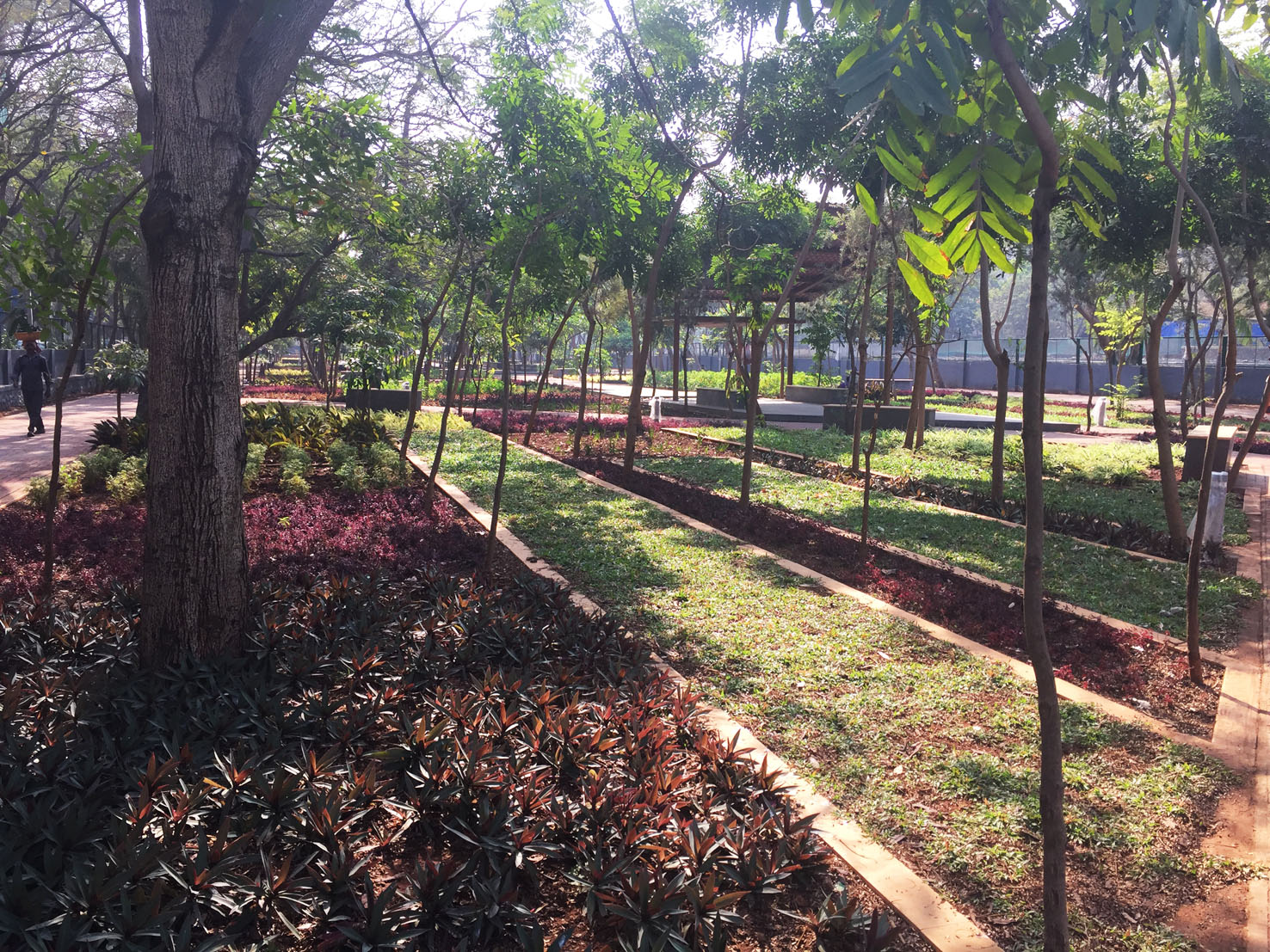
Tree planting and gardening work was carried out by the public authorities. However, the residents supervised it all- including management of finances. They made sure the park was built for use by people from all walks of life.
And when the park was finally completed, the People did not fade away. They stayed. They cared. They ensured it did not fall back into a state of neglect.
A little patch of barren land had become a garden. And that garden became a promise. That single park grew into almost a kilometre of connected green spaces, with three linear parks and more than six hundred trees thronged by thousands of people daily.
The People had planted more than just trees. They had planted a sense of ownership of these treasured spaces within the community. When people feel that a place belongs to them, they will fight to protect it.
The Battle for Open Spaces
By the year 2018, the onslaught and neglect of public open spaces across the city had started becoming commonplace. The People of Juhu prepared for a battle. This time, the authorities had colluded with developers and handed over to them 2 open spaces that had been used by the local residents for decades.
These spaces had been reserved for the public.
The People gathered. They protested. They went to court. The battle travelled from Bombay’s High Court to the Supreme Court of India. And the People did not give up. In the end, the courts stood with them. The open spaces were saved.
Later, the People ensured that they became parks and gardens.
The lesson travelled far and wide: A public space does not remain public merely because a map says so. People must stand guard over it.
The Forgotten Waterways
The people of Juhu began to understand that protecting nature meant more than protecting parks. They had to protect many of the natural assets that maintained the balance in the air they breathed and the land they tread on. They looked at the nullahs. Over the years, they had become dirty with neglect. Garbage floated, and sewage flowed through them. What had once been vital water channels in the estuary had become forgotten drains.
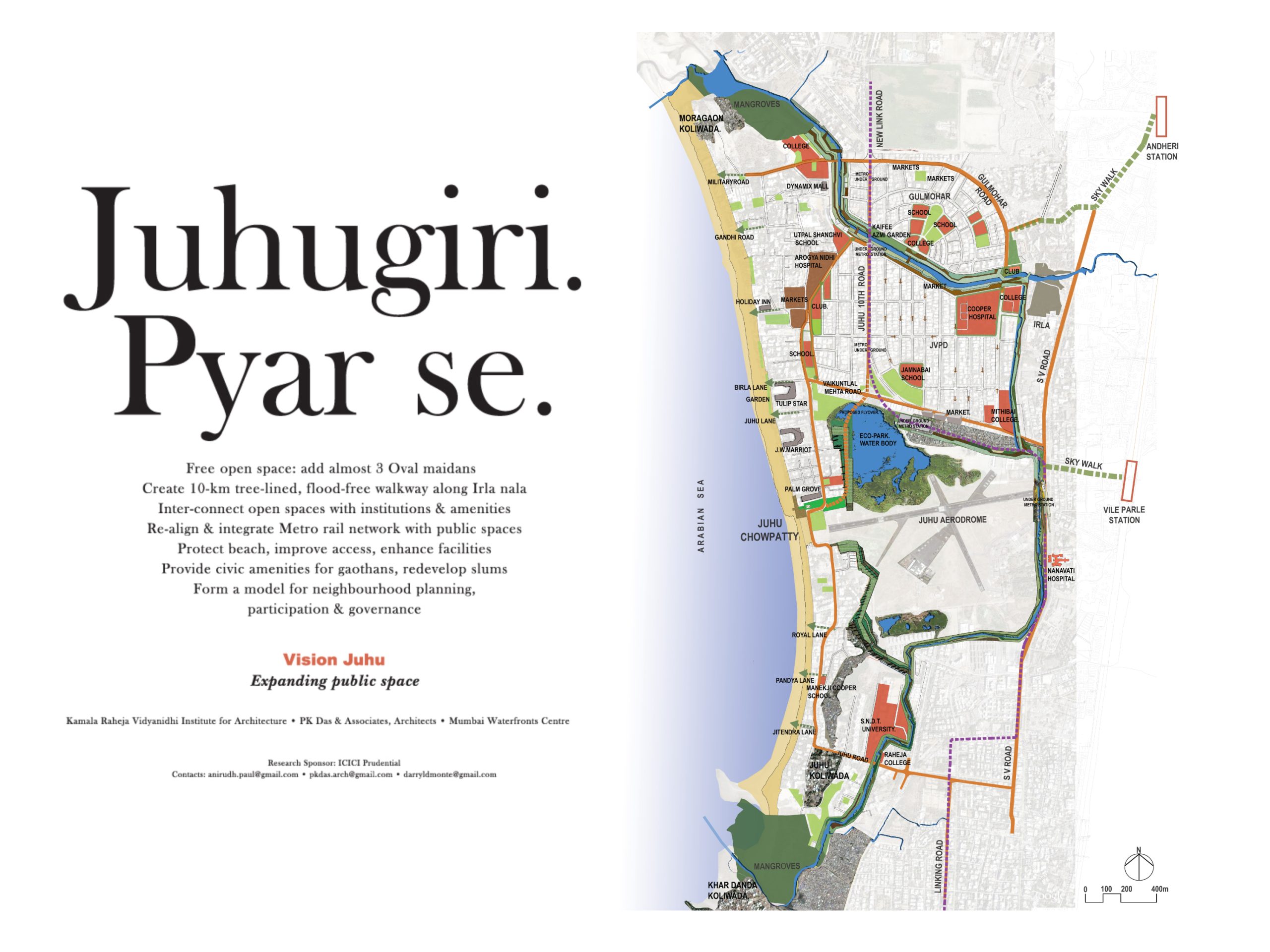
One of them was the Irla Nullah. Once, it had been a natural path for rainwater. But years of neglect had turned it into something shameful.
So the people imagined another future. What if people could walk beside the water? What if they could cycle there? What if trees grew along its edges? What if children could gather there ― play, run, be free? What if music and theatre could return to the water’s edge? And what if the water itself could be cleaned?
The People worked with architects, planners and engineers. Technology to clean the water was brought in with help from the Indian Institute of Technology, Bombay. They secured public funds to implement the project.
The neglected area was transformed. Paths appeared. Trees grew. Parks took shape. Places for culture and gathering were created. And the nullah, once treated as the city’s backyard, began to become a proud forecourt.
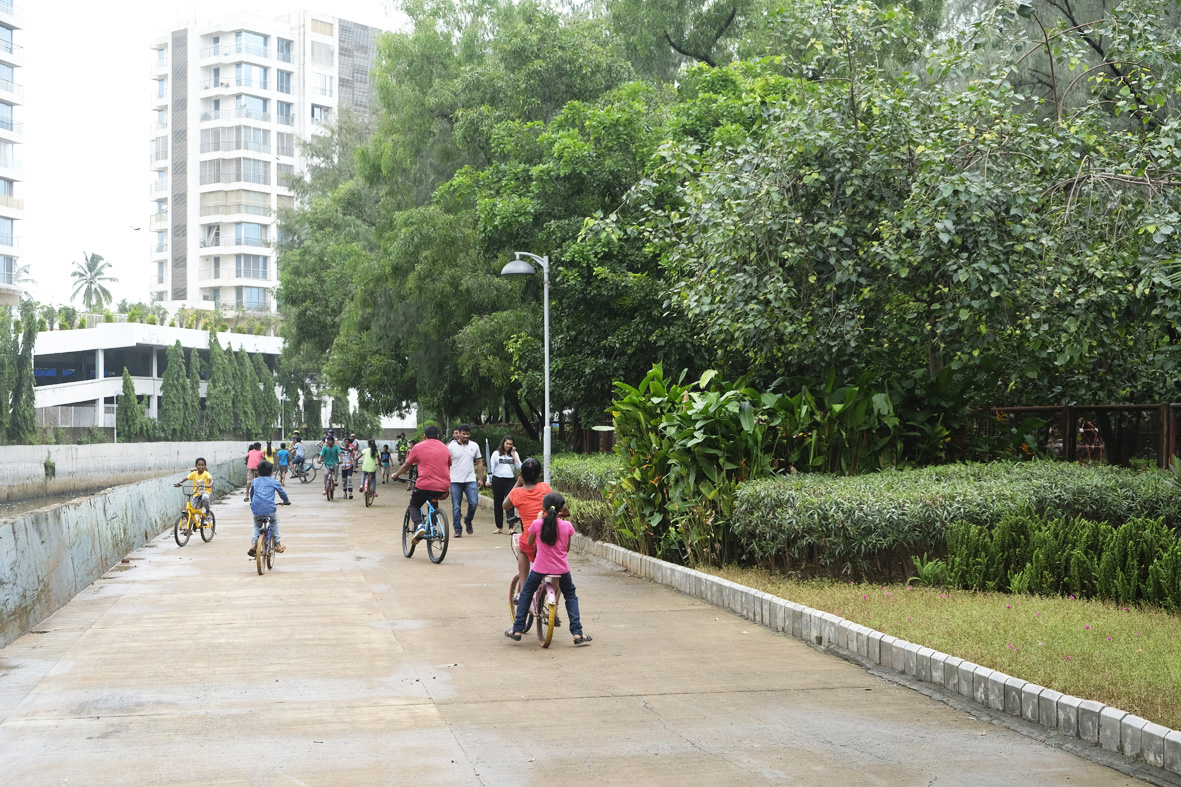
A larger, more ambitious Juhu Vision plan was drawn up. The People dreamed that one day similar paths might connect neighbourhood after neighbourhood, creating hundreds of kilometres of walking and cycling routes woven through the city. Natural assets and public open spaces would become the basis of city planning.
They were not merely reclaiming a drain. They were repairing the relationship between people and nature.
The Battle Beneath the Gardens
Despite efforts of the People, the authorities were obstinate in their resolve to undermine nature. In 2023, they announced a strange plan.
They wanted to build underground parking lots beneath existing public parks and open spaces.
Picture that. Or at least, try to.
A garden above. A parking lot below. Soil would be replaced by concrete. Trees would be felled in order to make way for seamless movement for cars. Natural grass and plants would be replaced by artificial turf.
The People of Juhu knew what this could mean.
The parks were not empty pieces of land waiting to be used. They were the city’s lungs. They cooled the neighbourhood. They absorbed rainwater. They stored carbon. They helped protect the city from flooding.
So, once again, the People gathered.
They held meetings. They spoke to elected representatives. They used newspapers, television broadcasts and the new communication networks of their time. They launched online petitions and garnered thousands of signatures against these criminal plans.
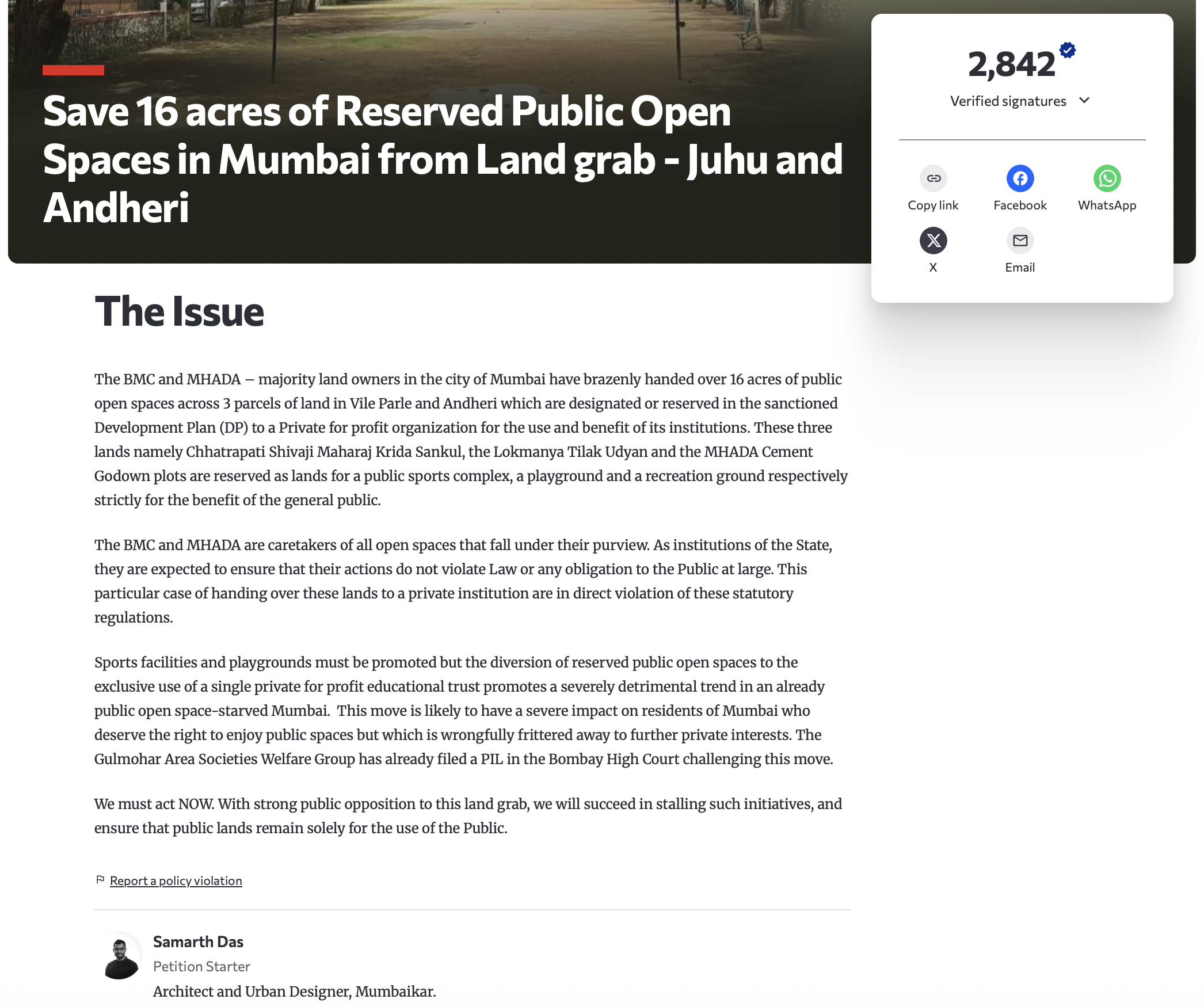
Slowly, the pressure grew. The plan was stopped. The gardens remained gardens. The decades-old trees continued breathing air into our lungs.
The War against Trees
Every year, before the monsoons, authorities mobilised to cut and prune the trees in order to prevent falling branches or toppled trees in strong winds and rains. But the People noticed something strange.
Trees were surrounded by concrete. Their roots were squeezed by roads and drains. Branches were being cut without understanding how trees grow.
Some trees were weakened until they became unstable. Then, when a weakened tree fell, people blamed the tree.
The People of Juhu decided that this could not continue. They stood watch. They raised alarms against teams doing the rounds looking for trees to hack.
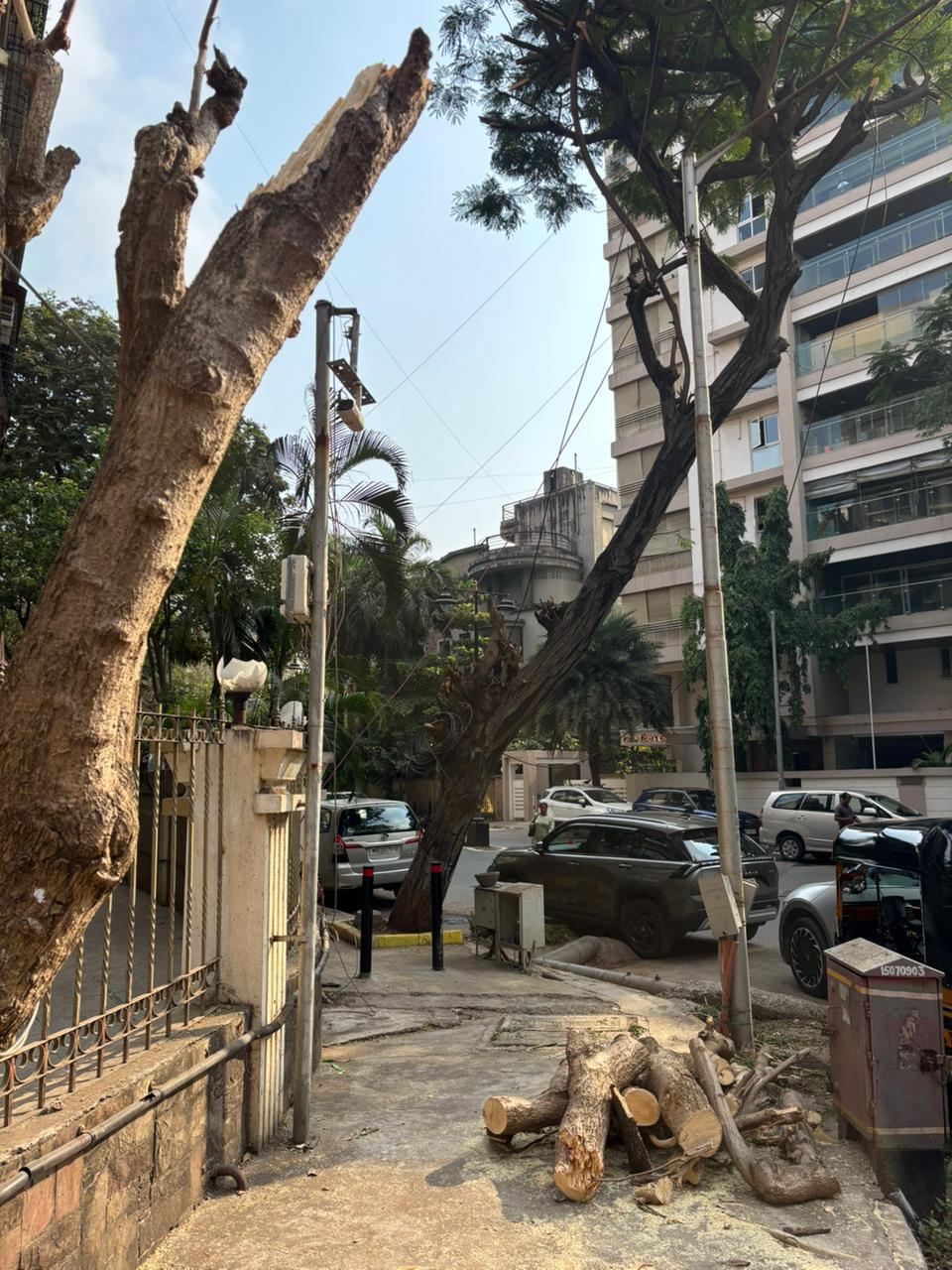
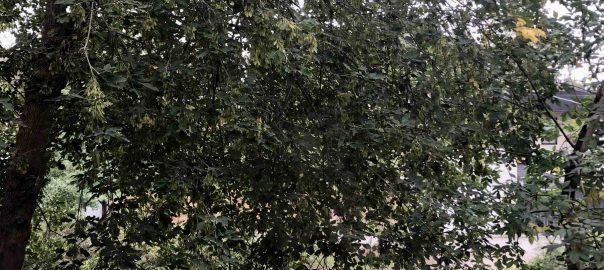
Background – Trees are left unstable with mindless clearing of branches from below
They demanded that the trees be allowed to grow naturally. They demanded time for trees to recover from the shock of haphazard cutting. They demanded shade that trees provide and the spaces of rest that shade provides amidst our jungles of concrete.
The People promised to watch over the trees. Spots for new trees were identified in the hope that those trees that had been lost could somehow be replaced. Trees were planted, and today they blossom.
The Book of Complaints
But the People were not finished. They had discovered that shouting or standing up for principles alone was not enough.
So they began to document the problems of their neighbourhood. They photographed broken roads. They recorded damaged pavements. They documented garbage and sanitation problems. They recorded illegal advertisements and declining tree cover.
They collected evidence.
And then they presented it to the authorities. This time, the complaints could not easily be ignored. Departments were brought together. Problems were tracked.
The people created their own digital “issues collector” tool where residents could photograph problems, describe them, geo-tag the location, and send them to a common portal. Every two weeks, the People organised these into reports for the relevant departments to act upon.

Slowly, the neighbourhood began to improve.
Not because one heroic leader had appeared. But because hundreds of ordinary people had decided to pay attention.
And So the Legend Survived
One may wonder why this story is being told now.
After all, our city has changed. There are no sea walls where they once stood. Our forests are larger, with trees growing from strength to strength. Our waters flow through parks and gardens as they always ought to have. People and authorities have learnt how to nurture and live with nature.
We remember the people of Juhu. Through their work we learnt that a city is not as much about its buildings as much it is about its trees, its soil, its water, its open spaces and most importantly ― its people.
And the courage to say no when something precious is about to be lost. Their efforts showed us that citizens are not merely residents waiting for governments to solve their problems.
They are guardians. They are custodians.
It began with a few people standing beside a forgotten patch of land in Juhu.
They planted trees. They protected parks. They fought for open spaces. They cleaned waterways. They challenged irresponsible decisions. They recorded what was broken. They refused to believe that ordinary people were powerless.
Nature survived not by hope alone, but because people choose to stand beside it.
So we are reminded: Just as a forest may begin with one seed, and a river may begin with one drop, a movement may begin with a people saying:
“This belongs to all of us. We must protect it.”
That is how Guardians of Juhu became a legend.
Samarth Das
Mumbai
Leave a Reply