
If sustainability is about survival, regeneration is about renewal. It reminds us that the work of culture, at its deepest level, has always been to keep life going.
I often think that culture has always been regenerative. It just forgot how to name itself that way.
Every artist who reuses materials, every community project that heals a derelict space, every curator who invites new voices into the conversation are all, in essence, regenerating. They are restoring life, meaning, and relationship where something has been lost.
But regeneration, as a conscious framework, offers culture something new: a shared language for what many of us have been feeling our way toward―that sustainability alone is no longer enough.
From sustainability to regeneration
In recent years, I’ve watched the word “sustainability” travel from the fringes of cultural discourse into every strategic plan, funding call, and curatorial brief. It has made a significant difference, raising awareness, prompting behavioural change, and reminding us that the arts, too, have an ecological footprint.
However, sustainability logic is often one of reduction―use less, waste less, emit less. All very necessary, of course, but ultimately limited. Regeneration, in contrast, is a logic of abundance. It asks not how we can minimise damage, but how we might enhance the conditions for life, through restoration, repair, and renewal.
As Fritjof Capra[1] writes, life in all its forms thrives through “networks of relationship, feedback, and adaptation.” Regeneration simply applies this truth to how we design, organise, and create. It shifts the question from how can we sustain what we have to how can we grow the vitality of the systems we’re part of?
For cultural institutions, this is a profound invitation. Museums, theatres, festivals, galleries are already living ecosystems, made up of people, materials, ideas, and emotions that circulate and transform. What if we began managing them as such?
The museum as a living system
At the Irish Museum of Modern Art (IMMA), where I work, this question led to the development of a new framework called REGEN IMMA, which I developed through my research as part of my MSc at the Dublin City University Institute for Climate & Society. This was an attempt to reimagine the museum as a regenerative organism rather than a static institution.
IMMA sits on 48 acres of historic grounds at the Royal Hospital Kilmainham in Dublin―a site that has served many purposes over the centuries, including monastery, hospital, barracks, and museum. Each era has left a layer of story in the soil.

When I began exploring how regeneration might look here, I realised that the museum’s relationship to its environment mirrored the wider cultural sector’s: full of good intentions but fragmented in practice. We had made progress on energy reduction and waste management, yet our understanding of sustainability remained largely operational.
The development of the REGEN IMMA framework, grounded in research, interviews, and a systems-thinking approach, helped widen the lens. We began to see the museum not as a building with a carbon footprint, but as a micro-ecosystem within a larger one―social, cultural, and ecological. Our task wasn’t simply to “go green” but to learn how to participate in the cycles of renewal already happening around us.
Six principles for a living culture
Through this work, six regenerative principles emerged that now guide much of our thinking:
- Integrated holistic systems ― seeing the museum as an interconnected organism, not a set of departments
- Place-centric design ― rooting decisions in the specific ecology and history of where we are.
- Co-creation and community – shifting from audiences to collaborators.
- Regenerative capacity ― designing for net positive impact
- Circular metabolism ― turning waste into resource, endings into beginnings.
- Indigenous and local knowledge ― learning from the wisdom already embedded in place.
These principles are not unique to IMMA. They are relevant to any cultural practice. Together they suggest that regeneration is not a programme, but an attitude, a way of attending to the world with care, humility, and imagination.
The cultural sector as a regenerative laboratory
One of the gifts of culture is that it deals in meaning. Where policy speaks in targets and metrics, art works in metaphors and relationships. That gives it enormous power to reframe how society understands its relationship with the living world.
Cultural experiences can bypass resistance and awaken empathy, helping people not just to know about the Earth crisis, but to feel it.

Across the world, artists and institutions are experimenting with this regenerative potential, dissolving the boundaries between art, activism, ecology, and daily life. What unites these efforts is a shift in mindset, from transmission to transformation. Regenerative culture doesn’t simply communicate sustainability. It embodies it.
Lessons from IMMA
At IMMA, we’ve learned that regeneration begins with listening―to place, to community, and to the inner rhythms of the organisation itself.
Our grounds are both sanctuary and challenge. They host wildflowers, historical burial sites, public festivals, and biodiversity experiments. For years, we treated them mainly as an asset. Regenerative thinking is helping us see them instead as collaborators, as living systems with agency and memory.
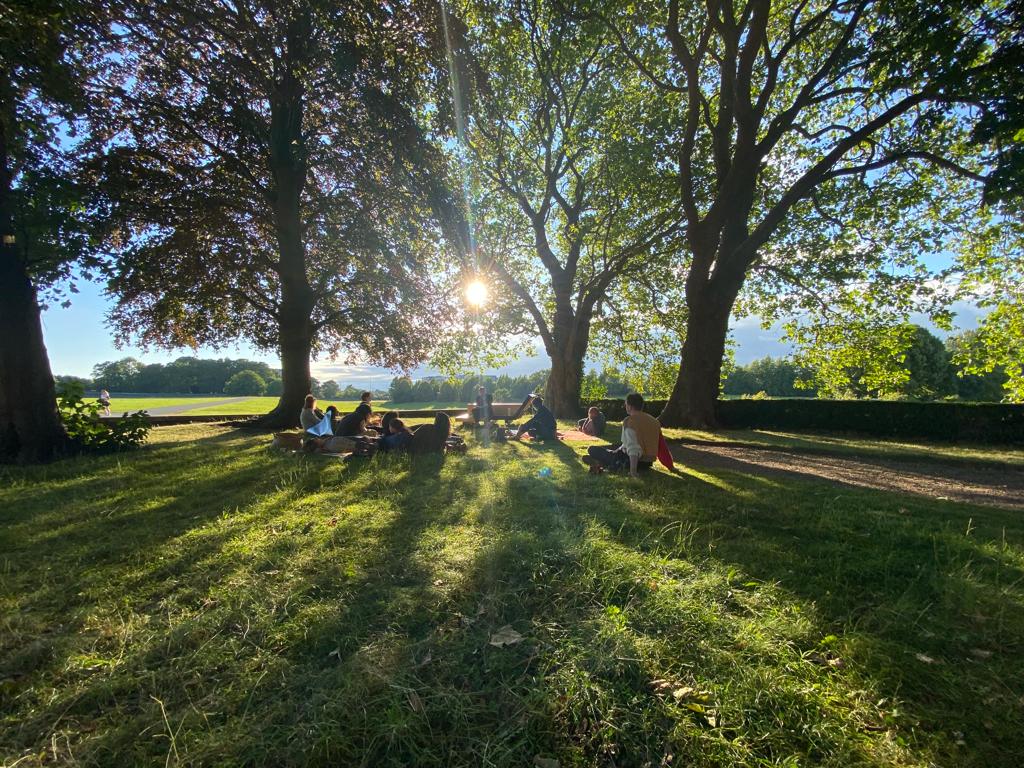
In my research, local residents told me they loved the openness of the grounds but sometimes felt disconnected from the institution itself. That feedback was humbling. Regeneration, after all, is relational. It can’t happen in isolation from the people and communities who share the same ecosystem.
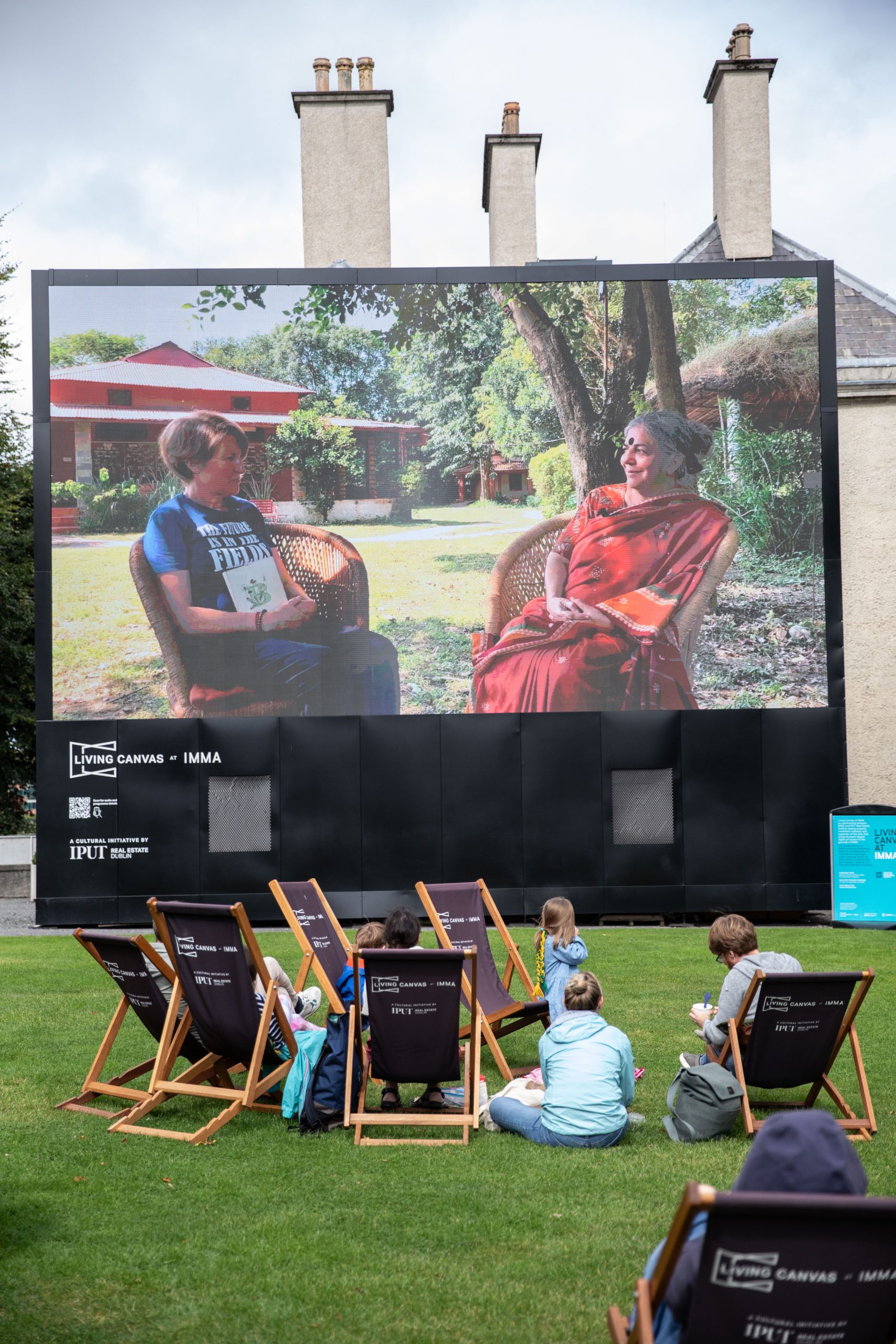
So, we’ve started experimenting with more porous forms of engagement, with participatory programmes like Earth Rising, our annual festival of eco-art and activism. Programmes like this invite visitors to move from spectatorship to stewardship, transforming the museum into a civic commons, where cultural and ecological care intertwine.
The invisible work of regeneration
There’s a quieter side to this work, too, what I think of as inner sustainability. Regeneration isn’t just about what we build. It’s about how we behave.
In many organisations, the most depleted resource is not energy but attention―the human capacity for collaboration, reflection, and joy. If we want our institutions to be regenerative, we have to design for those things as well.
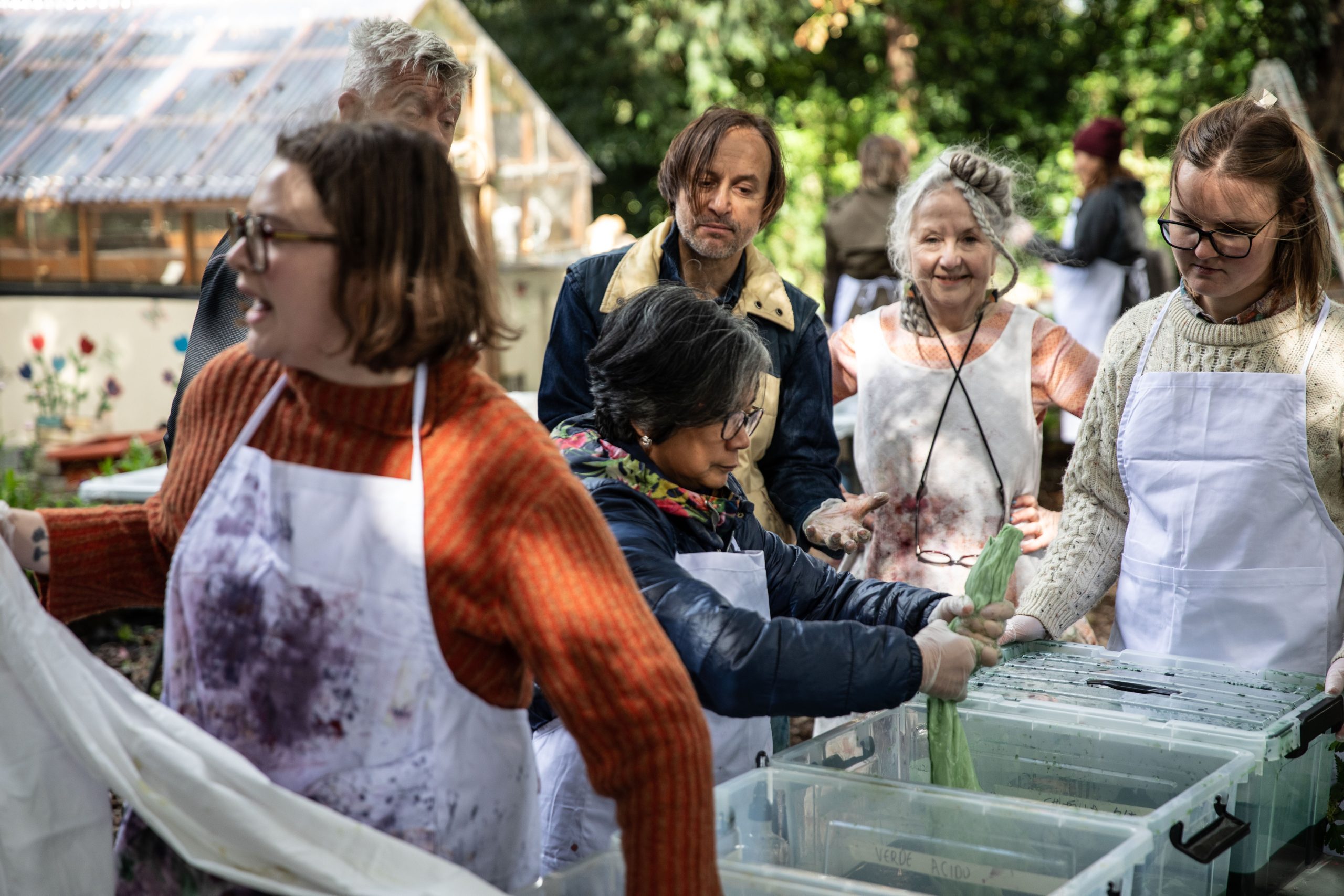
At IMMA, that has meant slowing down certain processes, creating time for staff reflection, and fostering cross-departmental projects that cut through silos. These shifts are modest but profound. They remind us that culture change begins with the culture inside.
Measuring what we value
One of the hardest questions in this journey has been―how do you measure something as fluid and intangible as regeneration?
Traditional sustainability reporting deals in quantifiable data such as energy use, emissions, recycling rates. But regeneration involves qualities like belonging, creativity, and resilience. These require different kinds of indicators that are relational and narrative rather than purely numerical.
We’ve started to explore some possible “Living Metrics” at IMMA, which could include the number of new species recorded on the grounds, the percentage of materials reused in exhibitions, the diversity of community partnerships sustained over time, and the stories of personal connection that visitors share after engaging with the museum. These aren’t performance indicators in the corporate sense; they’re signs of life. They tell us whether the system is thriving.
Regeneration as pedagogy
Cultural institutions also have an educational role to play in modelling regenerative practice for others. As national museums, theatres, and galleries move towards decarbonisation, they can also serve as civic classrooms, demonstrating how creativity and care can shape new forms of prosperity.
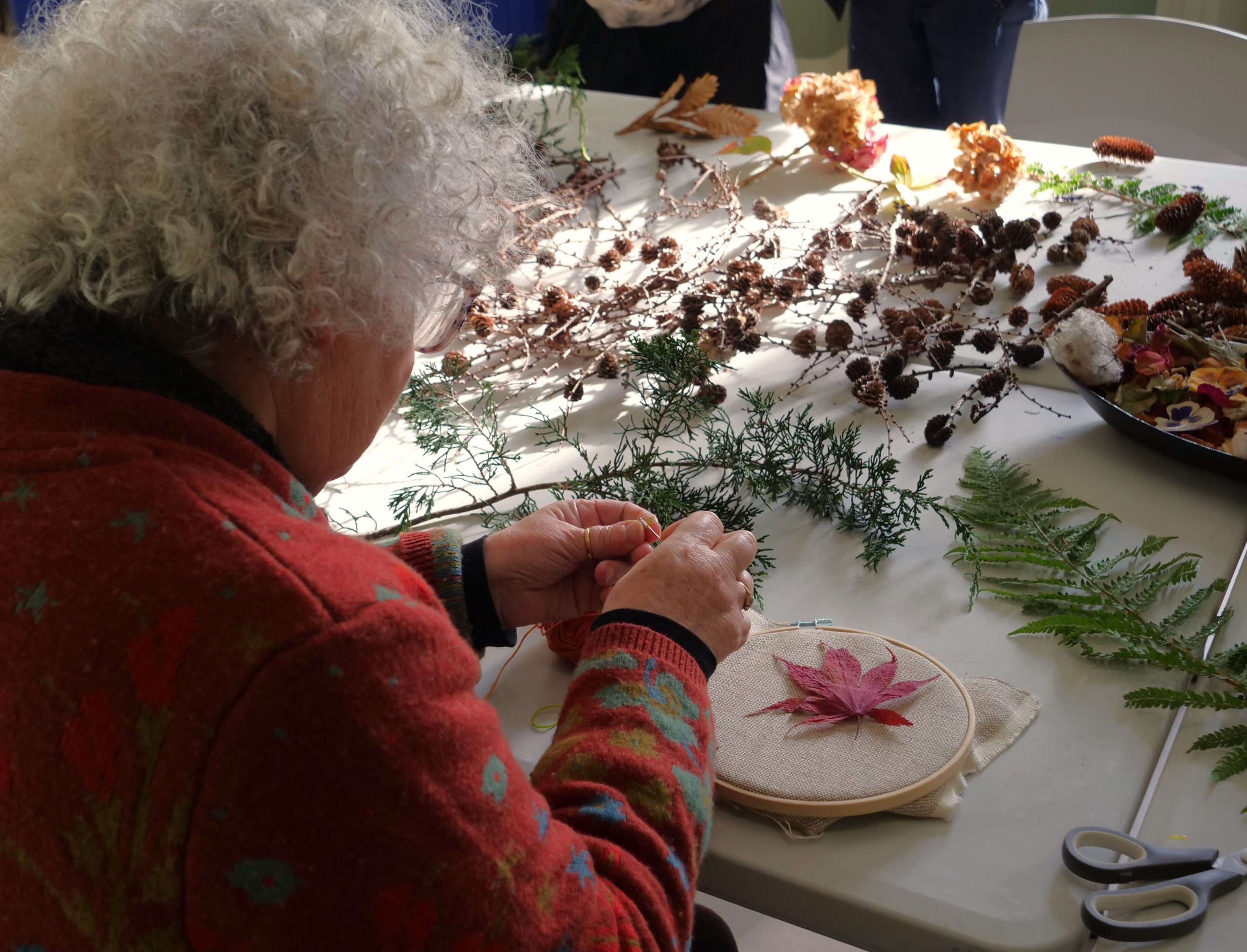
In Ireland, we’re seeing an encouraging alignment between cultural policy and environmental ambition. The Government’s Climate Action Plan asks public institutions not only to reduce emissions but to educate the public and lead by example. This creates a fertile space for cross-sector learning between artists, architects, ecologists, and policy makers.
IMMA’s REGEN framework provides a reference point for other cultural organisations seeking to move beyond sustainability towards systemic change. The work is far from finished, but what matters is the shift in consciousness, understanding that a museum is not just a house of art but a node in a larger web of living relationships.
The aesthetics of repair
I’ve come to realise that regeneration is not just a framework, but is also an aesthetic that values process over perfection, texture over polish, participation over control.
Artists have always understood this. Compost, repair, and reassembly are ancient artistic gestures. In a time of planetary crisis, these gestures carry new resonance. They remind us that decay and creativity intertwine and that every ending can become fertile ground for beginning again.
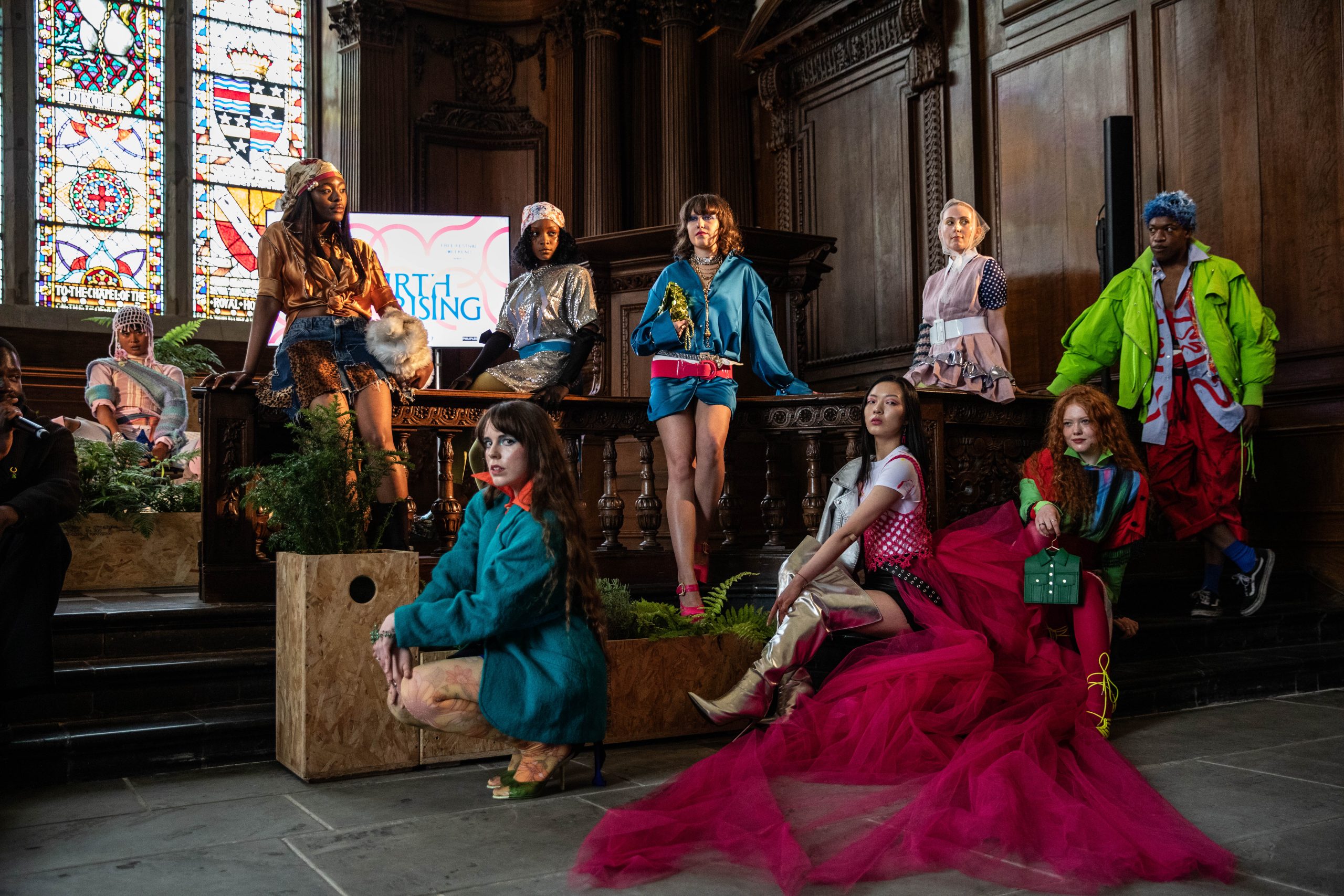
In this way, you could describe the museum as compost because it captures that paradox beautifully. Composting is messy, smelly, and slow, yet it produces the richest soil. In cultural work, the same is true. Real transformation requires a breakdown of habits, hierarchies, and assumptions. Out of that decomposition, new life forms.
Donna Haraway’s phrase “staying with the trouble” has been a guiding principle. Regeneration doesn’t promise quick fixes. It invites us to stay with complexity, to cultivate hope without denial, to accept that progress may look more like mulch than monument.
A regenerative imagination
Ultimately, regeneration in the cultural sector is about imagination and the capacity to envision futures that are not yet visible. Art and culture provide society with the symbolic tools to do that. They can make planetary care desirable rather than dutiful, joyful rather than burdensome.
The challenge for cultural institutions now is to nurture that feeling, to become conveners of possibility rather than temples of preservation.
Closing reflection
The shift from sustainability to regeneration is both daunting and liberating. It asks us to think like ecologists and act like artists; to see systems, patterns, and relationships rather than isolated problems.
Cultural institutions are uniquely placed to lead this transition. They hold space for reflection, experimentation, and emotional connection―qualities the ecological transition desperately needs.
At IMMA, we are still learning what it means to be a regenerative museum. It’s slow work, sometimes frustrating, other times beautiful. But each step, each partnership or conversation, feels like part of a larger choreography of repair.
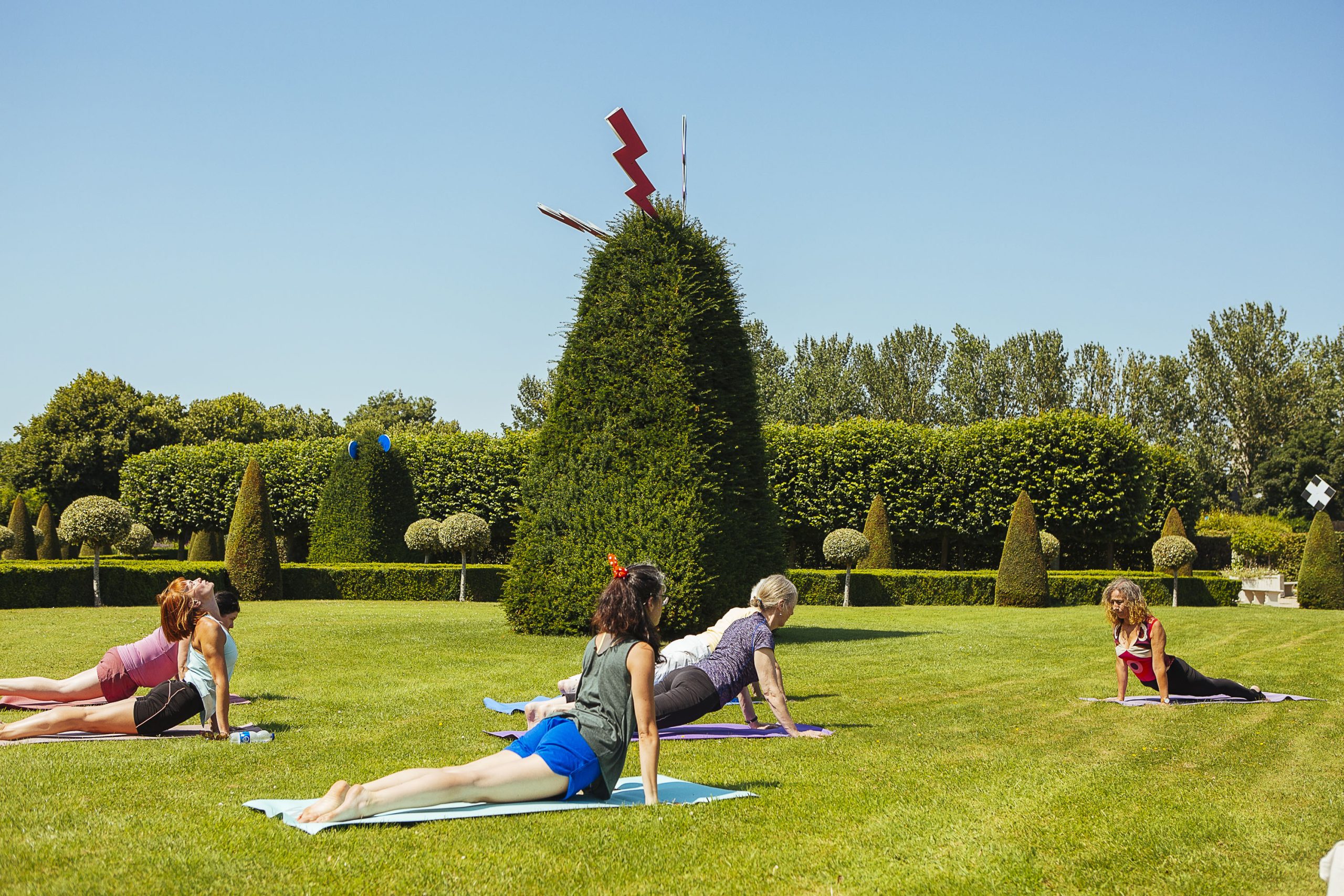
Perhaps that’s the essence of regeneration. Not a destination but a way of dancing with the world, listening for its rhythms, and finding our place within them.
If sustainability is about survival, regeneration is about renewal. It reminds us that the work of culture, at its deepest level, has always been to keep life going.
Lisa Fitzsimons
Dublin
Refrences
[1] Fritjof Capra and Pier Luigi Luisi (2014). The systems view of life: a unifying vision. New York: Cambridge University Press.


Leave a Reply