

about the writer
Manasi Kumar
Manasi Kumar is with the Institute of Excellence in Global Health Equity in New York University Grossman School of Medicine, US. She is an Affiliate Professor at the Department of Psychiatry, University of Nairobi Kenya.

about the writer
Deborah Padgett
Dr. Deborah K. Padgett, a professor at the Silver School of Social Work at New York University, has a PhD in anthropology and post-doctoral fellowships in public health and mental health services. Dr. Padgett is known for her expertise in qualitative/mixed methods and is the author of two textbooks in this area
The question for cities is no longer whether the problem is visible. It is whether they are willing to redesign the spaces between systems where young people currently fall.
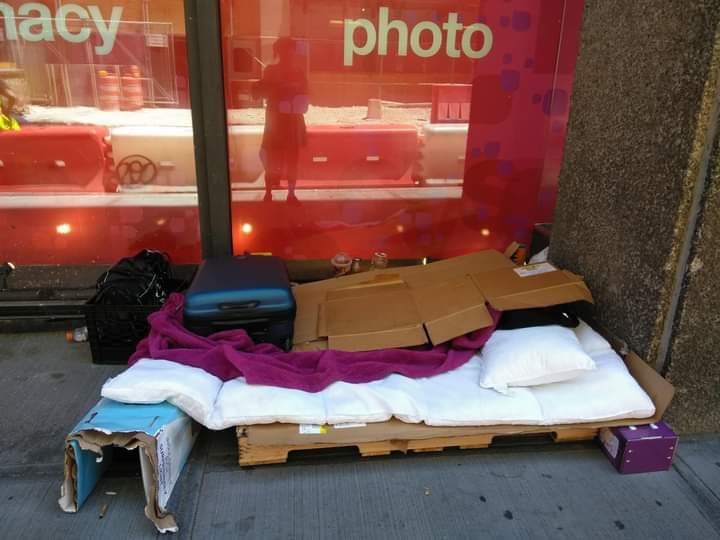
Cities pride themselves on density, diversity, and opportunity. Yet for many young people, urban life is defined less by abundance than by instability—moving between shelters, friends’ couches, subway lines, school hallways, emergency rooms, and court buildings. Youth homelessness is not only a housing crisis. It is a mental health and substance use crisis unfolding in the spaces between urban institutions of care.
In New York City and other large U.S. cities, tens of thousands of adolescents and transition-age youth experience homelessness each year. What often goes unseen is the emotional toll: depression, trauma, anxiety, suicidality, and substance use that co-occur as young people navigate fragmented urban landscapes. Cities know this. The evidence is consistent and long-standing (1–4). What remains unresolved is how they respond.
Homelessness breaks care before care can begin
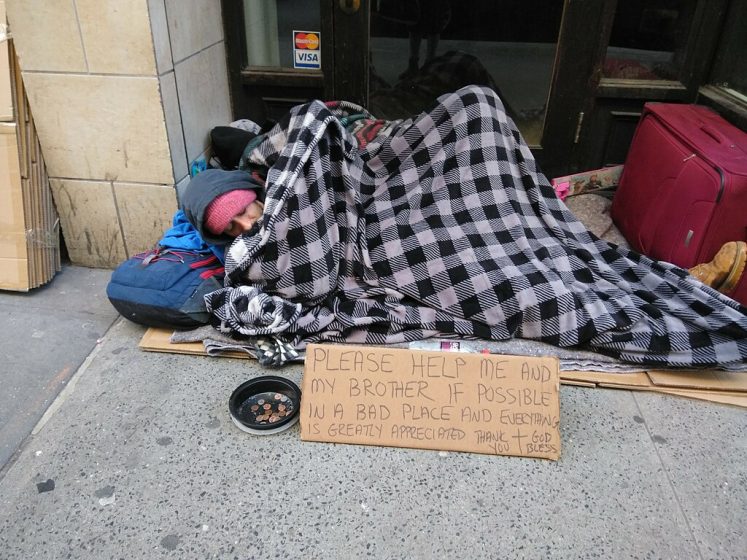
Urban homelessness among young people is often treated as a housing or shelter issue, while mental health and substance use are relegated to parallel clinical systems. This separation is artificial. For homeless youth, housing instability actively undermines care. Frequent moves disrupt therapy and medication continuity; survival needs compete with appointments; repeated system transitions erode trust (1,2,4).
Systematic reviews show that homeless youth experience markedly higher rates of depression, post-traumatic stress disorder (PTSD), suicidality, and substance use than housed peers (1,2). National (U.S.) analyses confirm that homeless adolescents report significantly elevated suicidal ideation and use of alcohol, cannabis, prescription drugs, and illicit substances (3).
Cities have policies—but systems don’t align
New York City, like many global cities, is not short on institutional policies. Mental health plans, homelessness initiatives, and justice reforms all exist. Yet for homeless youth, these policies frequently operate in silos. Housing, behavioral health, education, and justice systems maintain separate mandates, eligibility rules, and accountability metrics (5–8).
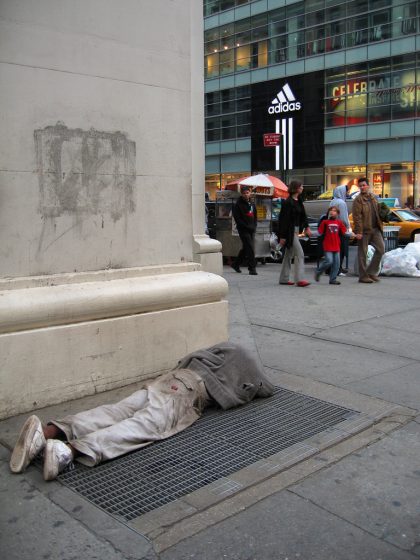
The result is familiar. A young person may be screened multiple times, referred repeatedly, and enrolled briefly—without sustained improvement. Shelters, schools, emergency departments, and justice settings become revolving doors rather than coordinated pathways (2,4). This is not a failure of evidence. It is a failure of urban system design.
What works—but rarely at scale
Research points to several consistent lessons. Mental health and substance use services are more effective for homeless youth when they are:
- linked to housing or shelter settings
- low-threshold and flexible, rather than appointment-driven
- integrated with case management, education, and social support
- delivered by youth-competent, trauma-informed teams (1,9)
Urban data reinforces this. A recent New York City study linking Medicaid claims to shelter records found that youths entering shelters were more likely to receive mental health services, with substantially greater and more sustained access, when shelters were co-located with mental health providers (10). Proximity and integration—not just service availability—shape access. Randomized trials among homeless youth with substance use disorders also show meaningful reductions in substance use across different intervention models, underscoring that engagement and continuity matter as much as modality (12).
Substance use: coping, risk, and criminalization
Substance use among homeless youth is often framed as deviance or risk rather than coping. Many young people use substances to manage trauma, anxiety, sleep deprivation, and hunger. Urban responses, however, frequently oscillate between neglect and punishment.

Treatment programs often require abstinence and regular attendance—conditions difficult to meet without housing. Justice involvement further destabilizes youth, disrupting education, employment, and shelter access. Reentry without coordinated housing and behavioral health support increases the risk of relapse, re-arrest, and renewed homelessness (11,13). Cities that fail to integrate harm reduction, mental health care, and housing inadvertently reproduce cycles of instability.
The real urban problem: systems built around agencies, not youth
From a city perspective, homeless youth with mental health and substance use needs expose a deeper issue: cities are organized around institutions, not life trajectories.Housing systems optimize bed availability. Health systems optimize visits and billing. Schools optimizestable enrollment. Justice systems optimize compliance. No system is responsible for the whole young person. Youth with the most complex needs are least able to navigate these fragmented pathways (1,2).
Workforce shortages compound this problem. Cities lack sufficient clinicians trained simultaneously in adolescent mental health, substance use, trauma, and homelessness. Outreach workers, peers, and navigators—often critical for engagement—remain inconsistently funded and under-trained (1,9).
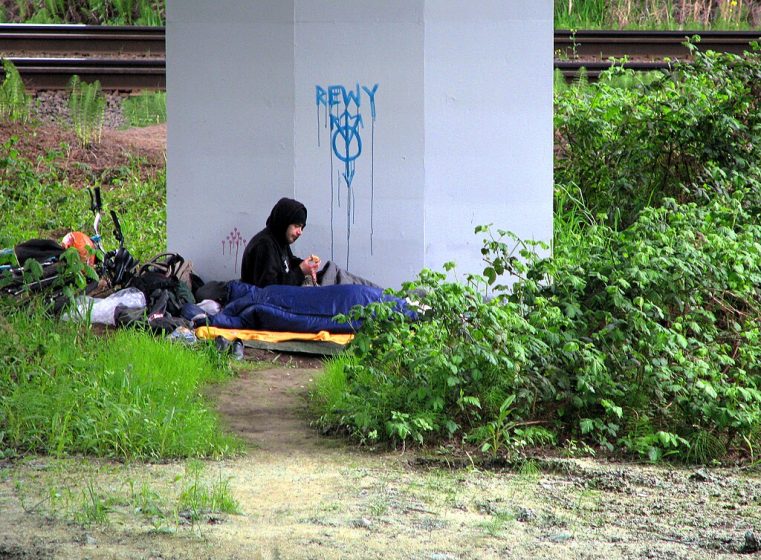
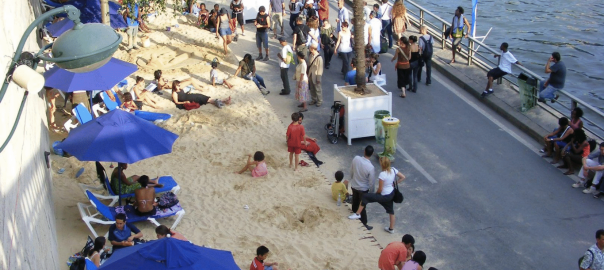
Environmental conditions are now recognized as core drivers of youth mental health, particularly for those without stable housing. Evidence from urban psychiatry shows that everyday exposure to green space, shade, and water is associated with lower depression, anxiety, and physiological stress, while polluted and heat-intense neighborhoods worsen symptoms and substance-use risk (14,15). Homeless youth spend long hours in streets, transit corridors, and overcrowded shelters where heat islands, noise, and poor air quality accumulate; these exposures function as “mental health multipliers”, increasing irritability, sleep disruption, and crisis service use (16). Nature-based solutions can therefore operate as low-threshold care. Reviews demonstrate that contact with urban nature improves mood and attention and reduces rumination among adolescents, even with brief, everyday encounters (14,17). Cities that embed services in restorative environments—trauma-informed parks, community gardens linked to outreach teams, cooling centers in libraries—report better engagement than clinic-only models (18). Environmental design also shapes dignity: hostile architecture and the loss of public toilets or canopy cover signal exclusion, whereas accessible green spaces create predictable meeting grounds for peers and providers (16,18). Integrating housing, behavioral health, and urban ecology would treat canopy corridors around shelters, park-based drop-ins, and green job pathways as part of the mental health system rather than amenities. For homeless youth, the right to the city must include the right to nature.
What a youth-centered city could look like
Cities have the tools to do better. A youth-centered urban response would:
- treat housing stability and mental health as inseparable; integrate environmental health within this.
- embed mental health and substance use services in shelters, drop-in centers, and youth programs
- design “no wrong door” pathways across schools, clinics, shelters, and courts
- fund outreach, peer support, and navigation including nature based solutions and address environmental stressors like heat or extreme cold—not just clinical encounters
- measure success by housing stability, reduced crisis service use, reduced substance-related harms, and youth-defined well-being which includes clean air and green spaces
These are not abstract ideals. They are urban design choices—about where services live, how systems communicate, and whose lives cities prioritize.
Cities as places of repair
Youth homelessness exposes the fault lines of urban inequality. But cities can also be sites for repair. When housing, mental health, substance use, education, and justice systems work together, cities can interrupt cycles of trauma and instability.
The question for cities is no longer whether the problem is visible. It is whether they are willing to redesign the spaces between systems where young people currently fall.
Manasi Kumar & Deborah Padgett
New York/Nairobi and New York
References
- Winiarski DA, Glover AC, Bounds DT, Karnik NS. Addressing intersecting social and mental health needs among transition-aged homeless youth: a review of the literature. Psychiatr Serv. 2021;72(2):162–172. doi:10.1176/appi.ps.202000173
- Hodgson KJ, Shelton KH, van den Bree MBM, Los FJ. Psychopathology in young people experiencing homelessness: a systematic review. Am J Public Health. 2013;103(6):e24–e37. doi:10.2105/AJPH.2013.301318
- Liu M, et al. Mental health and substance use among homeless adolescents. JAMA Netw Open. 2022;5(9):e2231249. doi:10.1001/jamanetworkopen.2022.31249
- Edidin JP, Ganim Z, Hunter SJ, Karnik NS. The mental and physical health of homeless youth: a literature review. Child Psychiatry Hum Dev. 2012;43(3):354–375. doi:10.1007/s10578-011-0270-1
- New York City Department of Health and Mental Hygiene. The State of Mental Health of New Yorkers. New York, NY; 2024.
- New York City Department of Health and Mental Hygiene. Suicide-Related Behaviors Among NYC Public High School and Middle School Students (Epi Data Brief No. 149). New York, NY; 2025.
- New York City Mayor’s Office, NYC Department of Health and Mental Hygiene. Care, Community, Action: A Mental Health Plan for New York City. New York, NY; 2023.
- New York State Office of Mental Health. Youth Mental Health Listening Tour Report. Albany, NY; 2023.
- Garcia C, et al. Homelessness and health: factors, evidence, innovations that work, and policy recommendations. Health Aff (Millwood). 2024;43(2):178–187. doi:10.1377/hlthaff.2023.01049
- Cassidy M, Currie J, Glied S, Howland R. Child mental health, homelessness, and the shelter system: evidence from Medicaid in New York City. Am J Epidemiol. 2024;194(6):1534–1543. doi:10.1093/aje/kwae345
- U.S. Department of Health and Human Services, Administration for Children and Families. Promising Strategies to End Youth Homelessness. Washington, DC; 2023.
- Slesnick N, Guo X, Brakenhoff B, Bantchevska D. A comparison of three interventions for homeless youth with substance use disorders. J Subst Abuse Treat. 2015;54:1–13. doi:10.1016/j.jsat.2015.02.005
- Legal Action Center. Critical Gaps in New York State Alternatives to Incarceration and Reentry Programs. New York, NY; 2024.
- Bratman GN et al. Nature and mental health: an ecosystem service perspective. Sci Adv. 2019;5.
- McCormick R. Does access to green space impact the mental well-being of children? J Pediatr Nurs. 2017;37:3–7.
- Jennings V, Bamkole O. The relationship between social cohesion and urban green space. Int J Environ Res Public Health. 2019;16:452.
- Kuo M. How might contact with nature promote human health? Front Psychol. 2015;6:1093.
- WHO Regional Office for Europe. Urban Green Spaces and Health. Copenhagen; 2016.



Leave a Reply