
For TNOC (and many non-profits), it has been a tough year financially. We could really use your help. If you can, please contribute to support us. Any amount helps.
Cities are, at their best, collaborative masterpieces, aren’t they? They take shape through the interplay of many professions, ways of knowing, forms of action, institutions, and—above all—the desires of the people who live in them. They are cultural, ecological, human, and more-than-human all at once. Together (and sometimes in tension), these forces shape cities consistent with shared, debated, and evolving values. It requires that people work together. If cities are to be just, resilient, and livable, we must keep charting greener, more inclusive, and creative paths—braiding diverse perspectives into collective visions that serve both people and nature. This living, sometimes messy harmony sits at the heart of The Nature of Cities’ mission.
With that in mind, we’d like to gather together some standout contributions to TNOC in 2025. These pieces, written by voices from across the globe, are showcased for their reach, originality, and willingness to ask questions while opening constructive possibilities. All TNOC writing matters; what follows is simply a curated window into some of the ideas and stories that helped define the past year.
As TNOC begins its 15th year, check out highlights from previous years: 2024, 2023, 2022, 2021, 2020, 2019, 2018, 2017, 2016, 2015, 2014, 2013, 2012.
Thank you for being part of this journey. Here’s to curiosity, diverse collaboration, and pushing boundaries together. Onward, with care and hope. We hope to see you in 2026.
Donate to TNOC
For TNOC (and many non-profits), it has been a tough year financially. We could really use your help. If you can, please contribute to support us. Any amount helps. Click here.
TNOC is two organizations: a non-profit [501(c)3] organization in the United States, and a registered Charity in Ireland (TNOC Europe). We rely on private contributions and grants to support our work. No paywall exists in front of TNOC content. If you can help, please do.
 TNOC Festival 2026?
TNOC Festival 2026, themed TRUEQUE: Cities that Care for Life, is thrilled to host its first-ever Global South edition! Start planning your trip. To make this one-of-a-kind, inspiring event possible, we’re actively seeking sponsors and partners to be part of this exciting journey. Rooted in Indigenous, Afro-descendant, and mestizo traditions across Latin America, trueque (which means exchange) represents the ethics of care and reciprocity—a way of relating that values what is shared over what is owned. It acknowledges that every exchange transforms both sides and that knowledge, like a seed, grows only when shared.
There are countless ways to engage — from small collaborations to major partnerships — and every contribution, big or small, helps us bring TRUEQUE to life in Cali, Colombia. This Festival is built collectively — in the spirit of TRUEQUE — through shared creativity, shared resources, and shared purpose.
 Our logo is by Frida Larios.
TNOC Website as a tool for research
In 2025, we added an AI search that is limited to TNOC content. It is right on the home page. We intend it as a more creative and productive way to explore ideas in TNOC’s broad collection of over 1500 essays, roundtables, and exhibits. Professionals can use it to search for ideas and follow-traveler colleagues. Teachers can use it for creating lesson plans. Students can use it for research.
Beyond simple retrieval, the AI search encourages discovery across disciplines, themes, and geographies, reflecting TNOC’s role as a platform for transdisciplinary urban thought. By unearthing unexpected connections and novel perspectives, it supports deeper inquiry, teaching, and collaboration, helping users navigate the complexity of urban nature in ways that traditional keyword searches often miss.
Roundtables
Nature-Based Solutions in Education: If the benefits are clear, why isn’t it mainstream?
Nature-based Solutions (NbS) are increasingly recognised as critical to addressing climate, health, and equity challenges in cities. In the field of education, they are showing up in the form of green schoolyards, outdoor classrooms, and living labs―approaches that bring learning outdoors and reconnect students with nature. NbS are being embraced not only as a subject of study but also as infrastructure for learning itself. This is supported by the firm and growing evidence that learning in green spaces provides cognitive, emotional, and social benefits, such as improved academic performance, stronger mental health, better attention spans, and deeper community cohesion. Projects like NBS EduWORLD have worked to translate this evidence into policy, practice, and institutional change across Europe. This roundtable brings together voices from across Europe and beyond―some engaged in the Horizon Europe NBS EduWORLD project, others leading efforts in classrooms, municipalities, universities, and communities―to confront this paradox.
You are under 30 years old. You wonder about sustainability. You have the mic. What would you say? That is this roundtable. It brings together contributors under 30 years old, both inside and outside the sustainability field—students, designers, healthcare workers, artists, activists, and more. Let’s hear how sustainability feels present—or impossibly distant—and explore why meaningful change still feels hard to grasp. This roundtable is not about youth. It is youth. It is a deliberate reversal of roles. The older voices step back. The younger voices step forward. We shouldn’t want them to confirm older people’s assumptions or soften their critique. We are not asking them to recite back tired slogans. (Or are we?) We are asking them to tell us what we have failed to hear, what we have been too afraid to admit, and what must come next.
In a time of ecological urgency, revitalizing our relationships with the other-than-human world has never been more vital. The Kinship Series roundtable brings together artists, scientists, biologists, activists, and thinkers from diverse fields to reflect on how human practices can reveal and nurture the intricate web of reciprocal relationships that shape our world. To speak of a tree, a river, or a landscape is also to speak of the network of beings—human and other-than-human—that makes, surrounds, and sustains it. Ultimately, the notion of kinship invites us to imagine long-term forms of interspecies coexistence—futures grounded in reciprocity, solidarity, and mutual flourishing. These reflections call us to listen to the wisdom of the Earth and envision ways of living together that are collaborative, embodied, and deeply intertwined. See also the companion roundtable, The Kinship with Rivers.
What does it mean to be a good ancestor to the people, places, and things we care about?
What does it mean to be a good ancestor to the people, places, or more-than-human lives we care about? This question turns “ancestor” from a family label into an ethical stance: not just who we come from, but who we are willing to become for those who will come after us. This roundtable is more than a lovely reflection. It feels like a compass for the relationships we nurture, the work we choose to do, and the way we choose to do it. It reminds me that scholarship, planning, activism, art, teaching, care work, community-building, parenting—all of it—can be understood as an ancestral practice. Each choice is a kind of message to the future: this is what we valued, this is how we behaved when we knew what we knew, this is how we treated the world that held us.
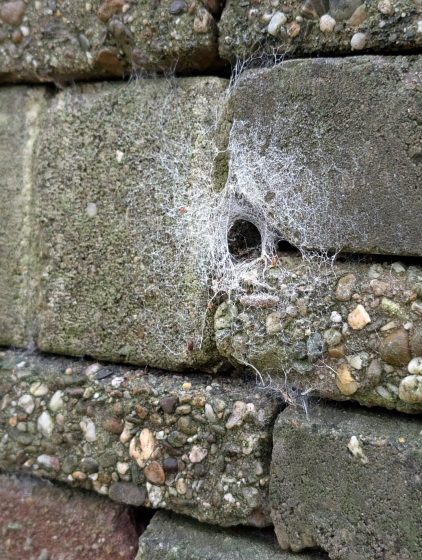 What does the more-than-human city look like?
The more-than-human city is already here, beckoning questions. What can we learn from this insight? How we can live, design and govern more-than-human cities, in ways that recognise relationships and interdependencies, and that challenge the ideas and images that currently dominate about cities and city futures?
Such tactics include recentering human-nature relations, emphasising the role of reconnection through performativity―such as by “thinking with”, “becoming with” and “designing with”.
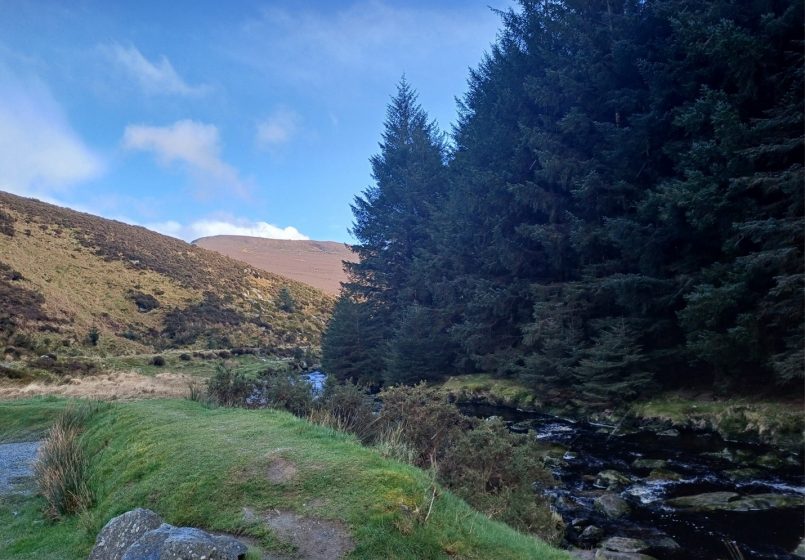
The EU nature restoration law is here. Do we have what it takes to make it work?
The first EU-wide legislation for large-scale ecosystem restoration was adopted in August last year, with legally binding, time-bound targets for all relevant ecosystems. The EU Nature Restoration Law was celebrated as a game changer in the fight against biodiversity loss and climate change impacts. However, its adoption was highly controversial, and proponents raised concerns about ecosystem targets being watered down for the law to pass. What are the prospects for the implementation of the EU Nature Restoration Law? Will it be possible to set aside sectoral divides for joint, effective actions?
Art and Exhibits
 In recent years, TNOC has greatly expanded our investment in and commitment to art and art-science-practice collaboration. This has taken the broad forms of poetry, fiction, exhibits, comics, graffiti, and residences of artists working with science teams. In every expression, we design to mix voices from artists, scientists, and practitioners together in the joined conversations about the issues we face.
The Nature of Cities and Biodiversa+ joined forces to create new science-based comics that champion biodiversity, nature-based solutions, and climate research! Through its BiodivClim COFUND Action, Biodiversa+ launched a 2019 call — co-funded by the European Commission — to support research on “Biodiversity and climate change”. Twenty-one projects were created and completed in June 2025. We created three long-form comics that tell stories grounded in the science of the projects: on forests, oceans, and agriculture. Hope you enjoy them!
Essays

Transforming the burden of maintenance into the joy of nature
Gary Grant, London
Cities need maintenance. There is much more going on than we realise, and even low-maintenance elements building facades soon make it clear that maintenance has ceased when a building has been abandoned. Lawns and even pavements are overgrown within a few growing seasons. Trees can fall without warning if neglected. We need a new generation of land stewards, in which people come together to restore nature―making functionality fun.
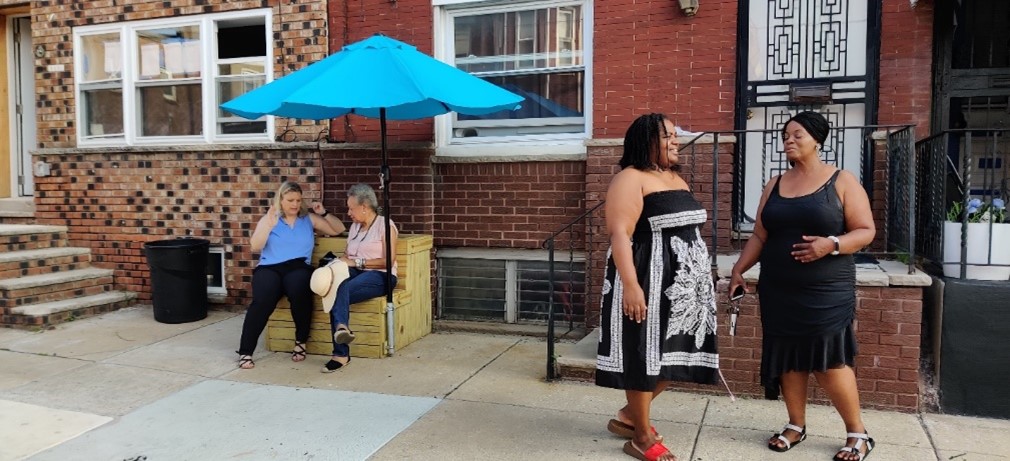
Strengthening Social Infrastructure for Climate Resilience
Franco Montalto and Mimi Sheller, Philadelphia and Venice, Worcester
Social infrastructure has always helped communities overcome oppression, and today it is helping to build resilience in communities on the frontlines of the climate crisis. While restoration of federal support is the goal, the strength of existing social infrastructure systems is a reason not to lose hope. Very little attention is typically given to the development of long-term, collaborative visions for the social transformation that is needed to meaningfully reduce future risks. As a result, incremental actions are often taken in an ad hoc, piece-meal manner, often scaled to governmental budgetary line items; they respond to contemporary and not future climate conditions; and they are disproportionately scaled to the economic and financial constraints of today―not the broad suite of opportunities that could be catalyzed in a different future that we collectively imagine.
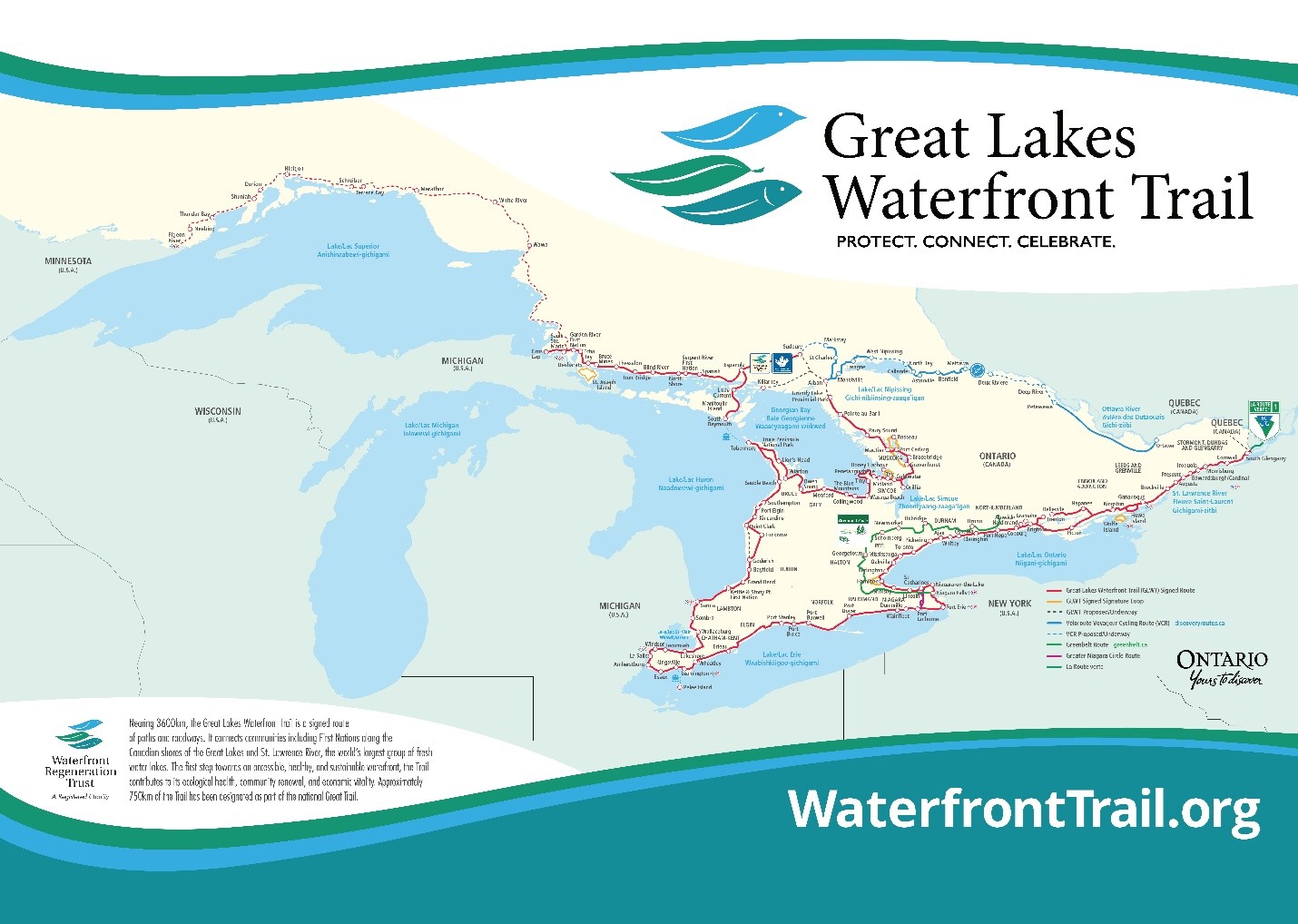
Working Towards a Binational Great Lakes Waterfront Trail
John H. Hartig, Jessica Lienhardt, Patrick Lydon, Chris J. Morgan, Drew Hanson, and Marlaine Koehler; Windsor, Brownstown Township, East Lansing, Duluth, Madison, and Etobicoke
Celebrated for its breathtaking scenery, cultural richness, and recreational opportunities, Canada’s Great Lakes Waterfront Trail stretches along more than 2,250 miles of freshwater coastline and connects more than 170 communities and First Nations. Its goal is to reconnect people to one-fifth of the Earth’s standing freshwater and to each other, catalyzing improvements in many of the communities it joins. The eight Great Lakes states are now exploring a similar trail on the U.S. side. Both trails will be connected at border crossings, offering unparalleled cross-border trail tourism experiences for cyclists and outdoor adventure seekers alike.
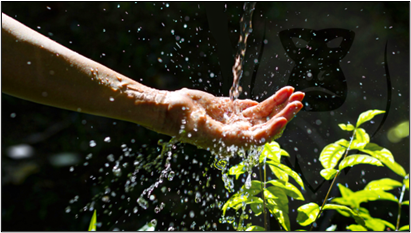
Water – Living infrastructure connecting urban and rural landscapes, economy, politics… and poetry
Oliver Hillel and Wythaker Abreu, Montreal and Curitiba
Today, in the 21st century, water continues to shape the world—but now, for most of us, hidden and “straightened out” beneath concrete, negotiated in international treaties, mixed up with all of our “commodities”, goods and resources, and often carelessly contaminated by economic or health choices, and climate crises. Living green and being mindful of the remote and rural impacts of our green urban living are more than just trends. They are political and ethical emergencies, as well as our daily choices. And water—this silent presence that inhabits our bodies, landscapes, and cultures and inspires our work—may be the best guide on this journey.
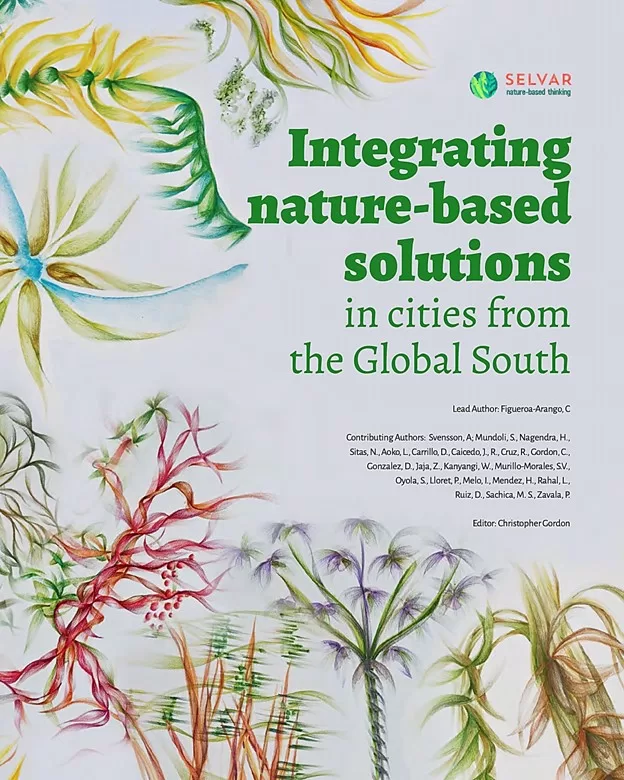 Integrating Nature-Based Solutions in Cities From the Global South
Carolina Figueroa-Arango, Bogotá
Excerpts from the book “Integrating nature-based solutions in cities from the Global South” offer eight steps for individuals and organizations engaged in urban planning—whether from planning, environment, and housing and infrastructure offices of city governments, regional and national authorities, NGOs, consulting firms, urban developers, or construction and urban designers—to:
— Identify and spatially prioritize strategic urban areas where existing NbS should be strengthened or new ones created, thereby introducing a portfolio of urban NbS.
—Design, finance, and implement NbS that maximize the benefits of nature for biodiversity, climate resilience, and people’s well-being. You can get it here: https://www.selvar.co/nuestro-libro/.
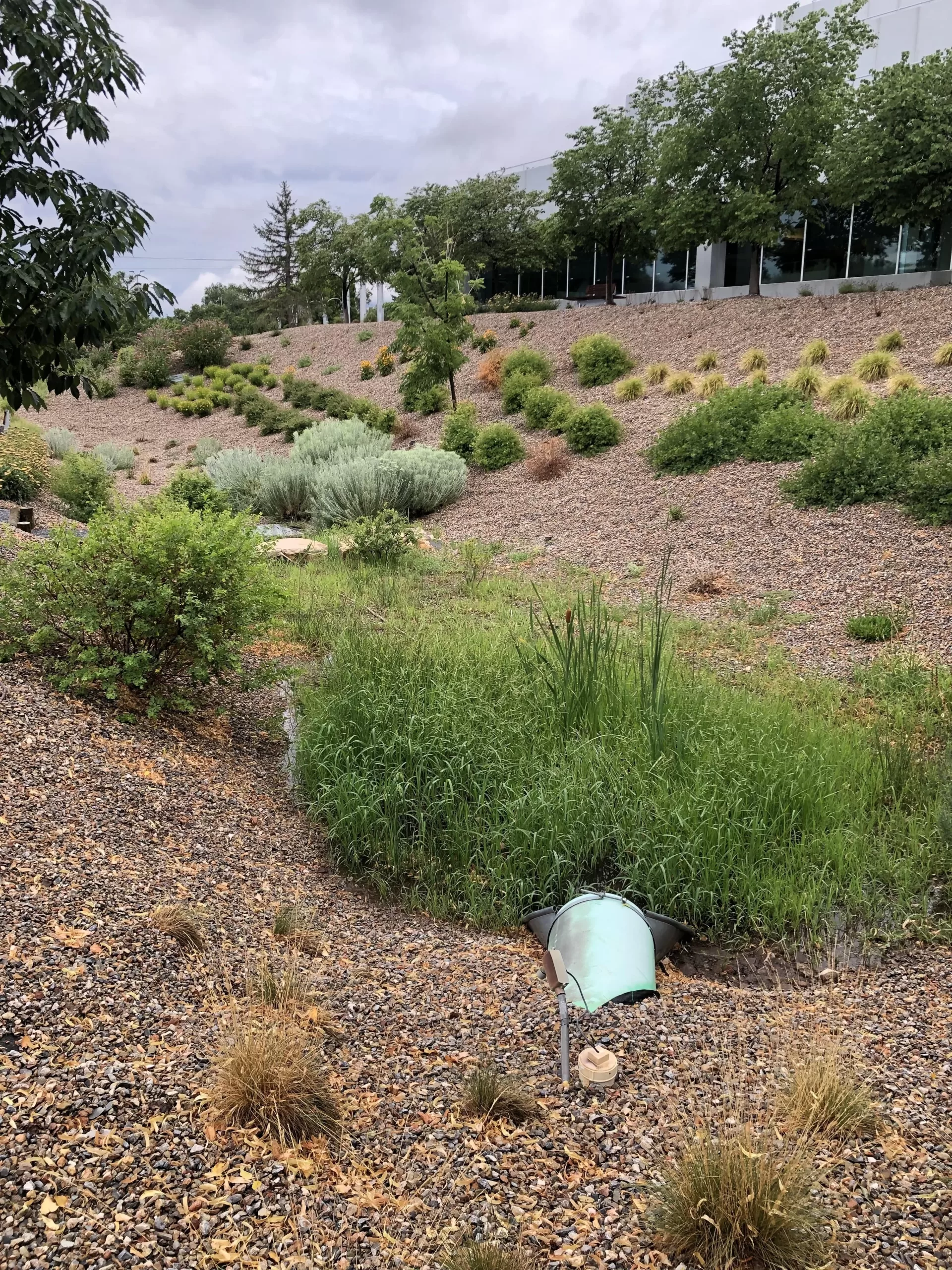
Recognizing Rights and Responsibilities for Plants in the Metropolis
Sarah Hinners and Carlos Santana, Salt Lake City and Philadelphia
The answer we’re suggesting is the same way we balance freedom and control with human citizens: through systems of rights and other boundaries. Consider a useful analogy between ecosystems and economies.
Heavy-handed intervention in the urban ecosystem is not always necessary and often prevents the non-human actors from going about their business in productive ways. Better to think of plants and animals as actors with something like the right to pursue their own business, up until their activities infringe too much on the activities of other citizens. This isn’t as radical an idea as it might sound at first.
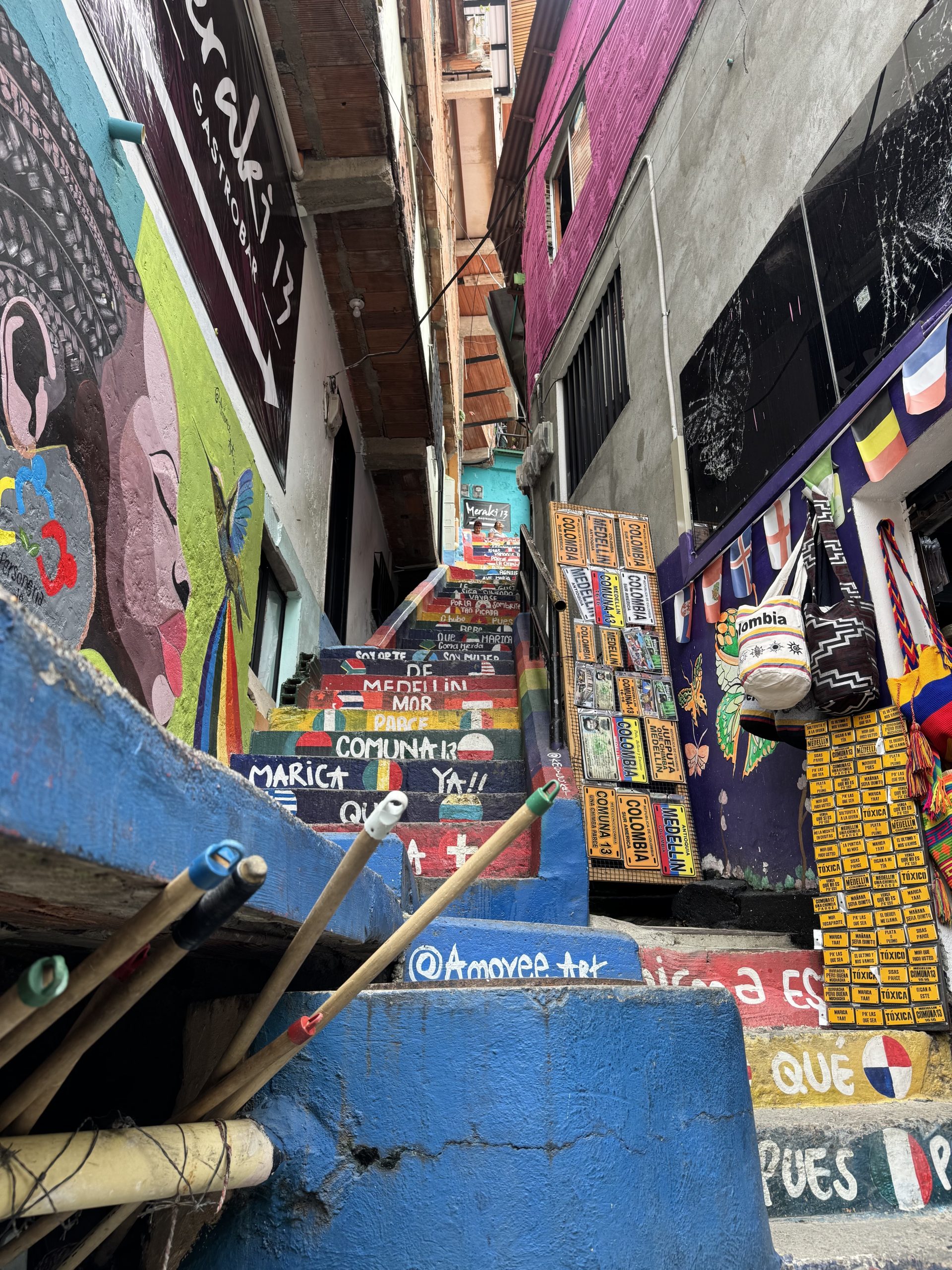 Art That Moves Cities: How Creativity Revives Place and Spirit
Ebony Walden, Richmond
Let us invest in art not just because it looks good—but because it does good. Because it brings cities alive.
Because it reminds us that transformation is not only structural—it is emotional, cultural, and collective.
Artists in these cities are memory keepers and futurists. They surface erased histories, center community voice, and dream out loud. What’s more, the art is public, participatory, and alive—not confined to official galleries, but wrapped around poles and sprawled across staircases, and taken to the streets. It invites residents to see their city with new eyes and challenges visitors to witness with intention.
This is art as belonging. As visibility. As celebration and confrontation at once.

Dust, Water, Memory: Listening to Alwar’s Forgotten Wells
Arvind Lakshmisha and Siya Bhatia, Bangalore and Alwar
Some places don’t shout. They don’t demand attention. Instead, they sit quietly, holding stories in the stillness of their steps, waiting for someone to ask. In the Indian city of Alwar, Rajasthan, nestled near the Aravalli hills, such places still exist—often hidden behind crumbling walls or trapped within rising neighbourhoods. Among them are two stepwells: Moosi Rani ki Chhatri and Modi Bawri. Once vital to the city’s water system and social rhythms, today they lie in different states of neglect. But they are not forgotten—not entirely. This essay is about those places. About the memories that cling to them. About the quiet wisdom they carry in their stones. The steps descend, but the water tells a different story—what was once sacred and clear now is choked with algae and neglect.
 Teaching Environmental Politics During the Trump Presidency
Laura Landau, New York City
I feel extremely lucky, in a time of attacks on academic freedom, to be part of an institution that does not censor what I teach my students about the threat of the current administration to the future of our environment. Watching other universities and colleges preemptively succumb to the administration’s demands to align with their suppression tactics and austerity budgets leaves me to wonder how long I will have this right. So, for now, as I contend with my own feelings of helplessness and fear of the uncertain future, I will focus on what I can do. This will be my radical action: I will teach my students the truth about climate change. I will tell them stories about people just like them who have made a difference.
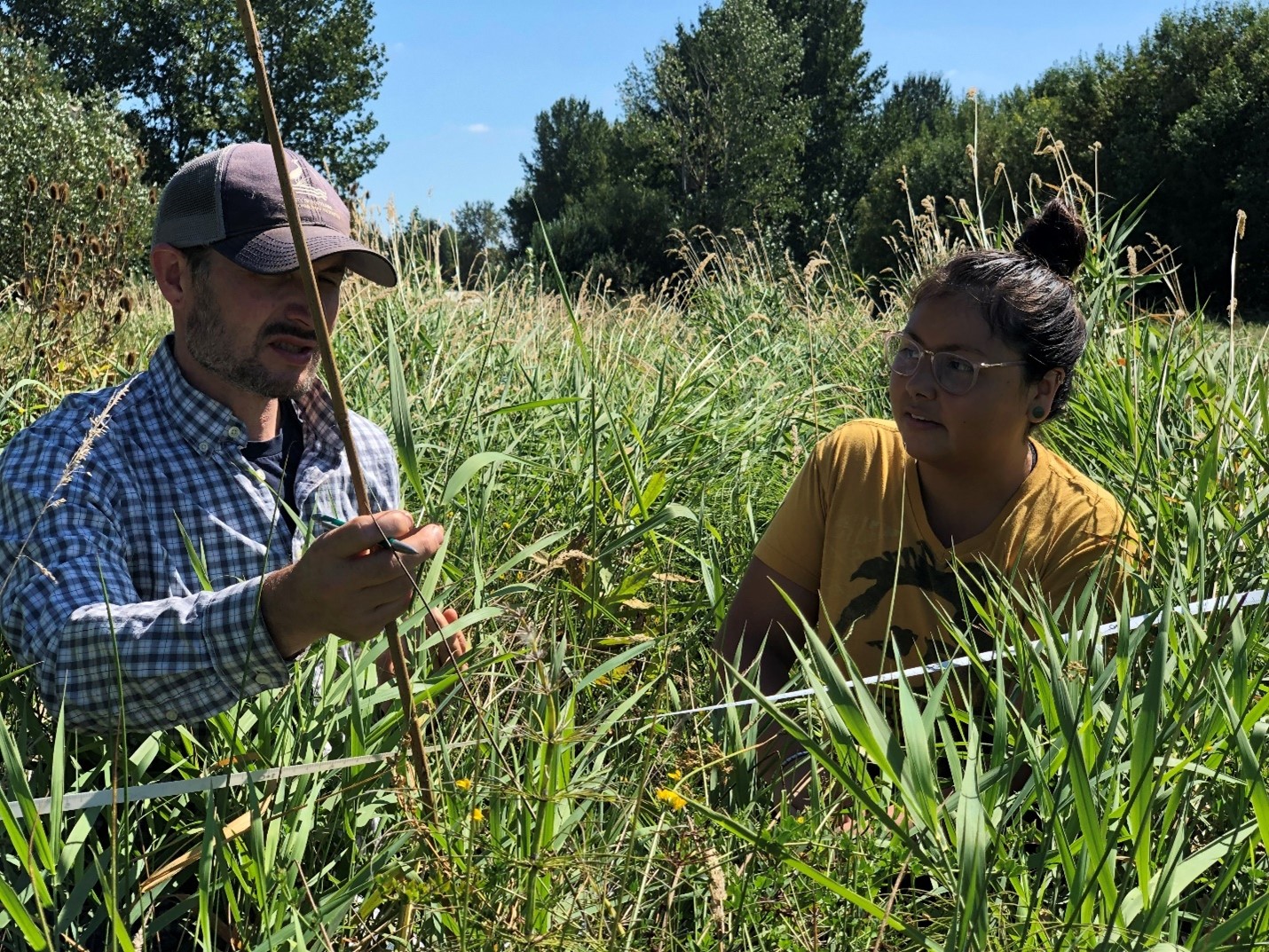 “Heal the land, Heal the people”: A Conversation About Indigenizing Urban Natural Area Stewardship
Toby Query and Serina Fast Horse, Portland
Serina Fast Horse and Toby Query met as employees at the City of Portland in 2018 while working on an innovative project that centered Indigenous voices and perspectives. This project, Shwah kuk wetlands (which means frog in Chinuk Wawa, a local indigenous trade language) intertwines Indigenous (or relational) and Western (or linear) worldviews. This conversation is between an Indigenous community leader—Serina Fast Horse—and a western-trained white scientist—Toby—who, since meeting, have continued to work together, including teaching a course entitled “Indigenizing Restoration” and co-creating the Land Care Collective, an emerging collective aimed at uplifting Indigenous voices through land justice.
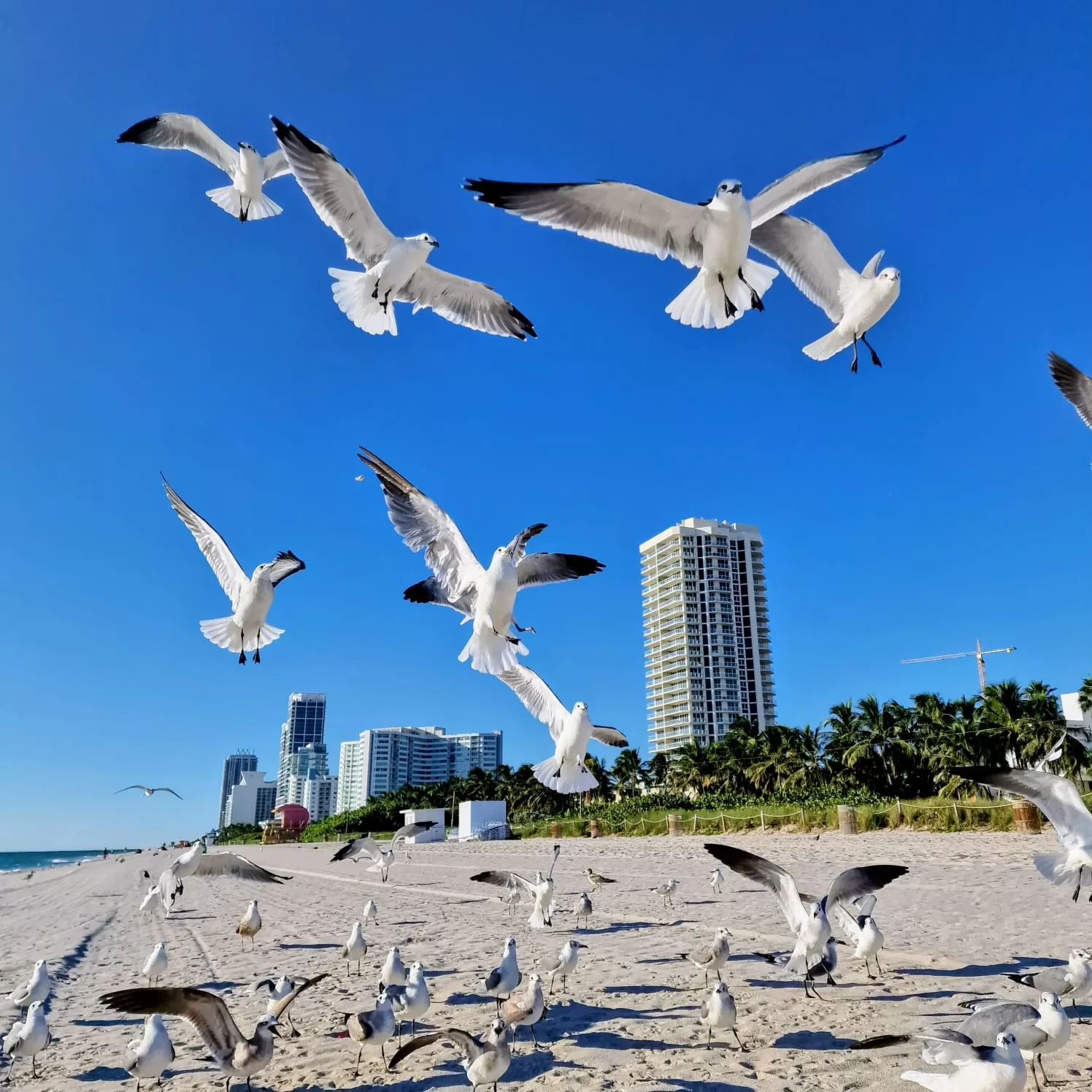 The Additional Role of the Urban Beaches in the Face of Climate Change
Ana Faggi, Buenos Aires
Sun and beach tourism remains one of the main motivations for travelers and is a driving force for the economy and a real estate attraction. At least in one sector of society, there is a growing interest in practicing sustainable tourism that respects the environment, promoting practices such as ecotourism, the responsible use of natural resources, and the protection of marine wildlife. Balancing tourism with the environmental value of beaches is often a difficult challenge. We must first combat the denialism of many who are only willing to react to catastrophes, nor can we wait for voluntary solutions alone. Communicating these new challenges to the community will be key to achieving a balance between the enjoyment of these destinations and their conservation for future generations.
 Climate Justice and The Right To The City: A Proposal for Climate Change Action
Kelly Komatsu Agopyan and Lorena Zárate, São Paulo and Ottawa
Tackling social and economic inequalities must be at the heart of any effective climate change action. Connecting climate and environmental debates with urban justice is fundamental to more effective climate action since adverse effects of climate change are ravaging urban communities, mainly poor, peripheral, and racialized groups; while at the same time, cities are enormous contributors to greenhouse emissions and to the worsening of climate change effects. In that way, local actors—both governmental and non-governmental—should be protagonists in climate change governance, bringing the perspective of local communities and vulnerable groups most affected by climate events.
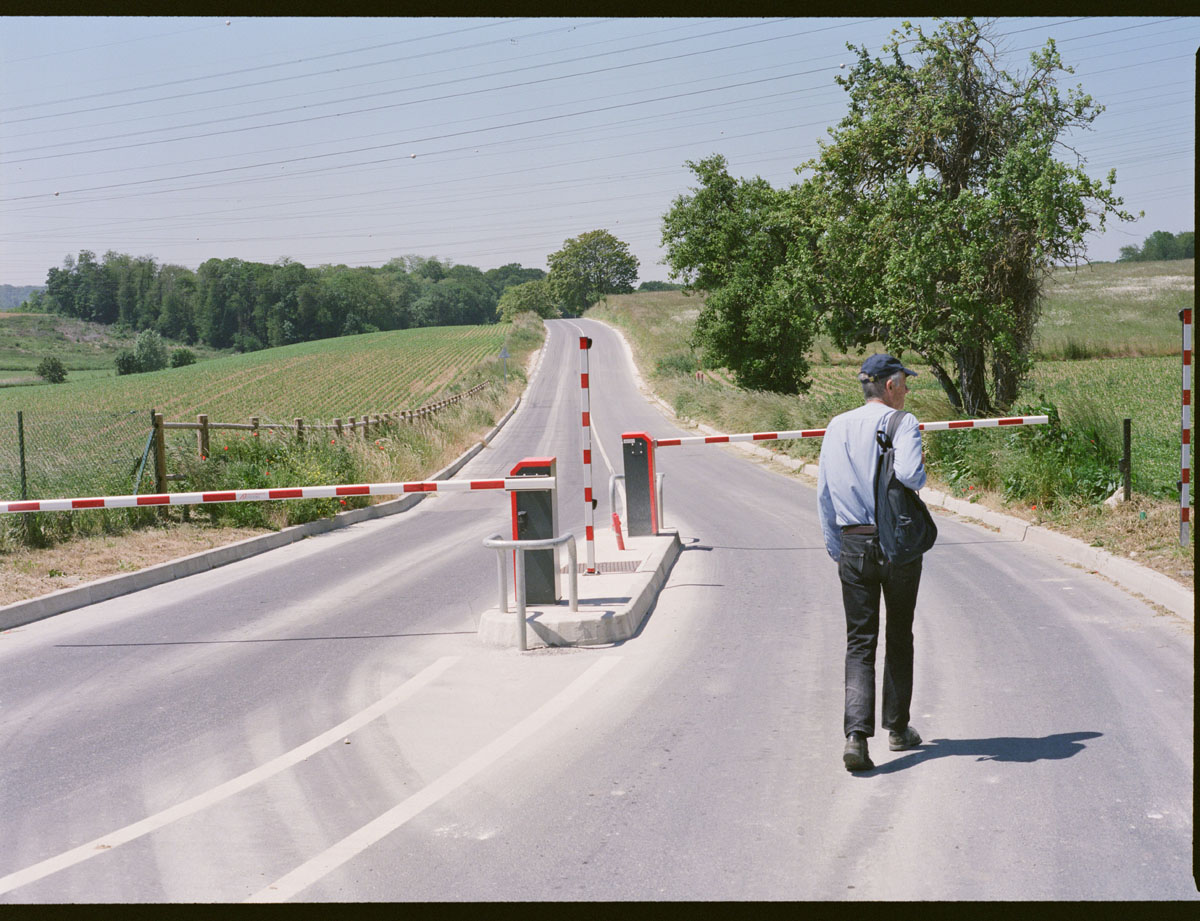 The Art of the Detour: An Invitation to Poetic and Political Drift
Victor Coutard, Paris
In a world where every route is optimized, where algorithms predict our movements, and speed becomes an unassailable norm, the detour stands out as an act of resistance. It is the assertion of reclaimed freedom, a refusal of systematic efficiency that reduces our experience of the world to a digital sequence of endpoints. To veer off course is to break free from imposed itineraries, to restore time and space to their full density, their mystery, their ability to surprise. Once you’ve left the beaten path, you start seeking secret routes—you leave the car behind, take up biking or hiking, oscillating between wandering and destination to reinvent your connection with nature.
Leave a Reply