
about the writer
McKenna Davis
McKenna Davis is a Senior Fellow at Ecologic Institute, where she leads the Institute’s Nature-based Solutions (NbS) team. Her work focuses on biodiversity and NbS governance, ecosystem restoration, climate adaptation, and sustainable urban transformation, with particular expertise in addressing implementation and financing challenges for nature protection. She has worked for over 15 years at the intersection of science, policy, and practice, supporting more nature-positive approaches in urban planning and environmental decision-making. Her work today continues to be shaped by a lifelong connection to nature and animals.

about the writer
Natalia Burgos
Natalia Andrea Burgos Cuevas is a Colombian environmental professional specialising in Nature-based Solutions (NbS), climate change adaptation, and sustainable urban development. She currently serves as Senior NbS Officer and European NbS Hub Coordinator at the International Union for Conservation of Nature (IUCN) in Bonn, where she leads coordination across regional offices, advances high-level policy processes, and designs capacity-building programmes across Europe.
Introduction
This roundtable grew out of a collaboration between several people who share a conviction: that justice is not a footnote to the transformational promise of nature-based solutions, but foundational.
Some questions have a way of resurfacing across projects, cities, and conversations – and this roundtable grew out of one of them. For all the ambition around co-creating inclusive Nature-based Solutions (NbS), we keep asking ourselves who actually has the power to shape decisions and who is being left behind? And what becomes possible when projects create space for communities to genuinely influence outcomes?
Nature-based Solutions are often presented as a one-stop solution to address multiple challenges at once, while benefiting societal well-being and biodiversity. Restore a wetland, and you can reduce flooding while creating space for recreation and habitat for biodiversity. Plant urban forests to cool overheated neighborhoods, improve air quality, and support physical and mental well-being. The appeal is obvious: work with nature rather than against it and create benefits for ecosystems and communities alike.
It’s a compelling vision, and one that has quickly moved to the centre of climate and urban policy debates. But a promise is not yet a practice. When participation remains superficial or when some voices consistently carry more weight than others, solutions designed in the name of inclusion risk reproducing many of the inequalities they are intended to address. In the end, a solution designed without the people it is meant to serve is not, in any meaningful sense, NbS at all.
So, who actually shapes NbS in practice? Too often, it is still the same familiar group of actors: technical experts, well-resourced NGOs, established consultancies, and institutional representatives fluent in the language of project cycles and deliverables. Meanwhile, many of the communities most exposed to environmental harm ― marginalised residents, migrants, Indigenous peoples, youth, older adults, or those living precarious lives at the edges of what planning processes tend to notice ― remain underrepresented and left out of decision-making processes. Not always by deliberate exclusion ― sometimes by institutional inertia or through assumptions quietly built into participation processes themselves: meetings held at inaccessible times, intimidating technical language, timelines too compressed to build trust or relationships… sometimes, simply by exhaustion. People who have been repeatedly consulted and without seeing meaningful change eventually stop believing that participation will lead anywhere different, and they stop showing up.
The language of “inclusion” has spread across policy and practice, but language is not the same as transformation. Inclusion can be genuine ― a reordering of power, a genuine opening of decision-making, a willingness to listen differently and be changed by what we hear. But inclusion can also be symbolic ― a workshop held, a consultation box ticked, a photo taken, voices heard but not reflected in outcomes. The difference between these approaches is not just procedural, but shapes what gets built, who benefits, and whether projects are trusted and continued after project funding cycles end.
This roundtable grew out of a collaboration between several people who share a conviction: that justice is not a footnote to the transformational promise of nature-based solutions, but foundational. Our conversations were shaped in part by a recent European Commission report we developed through surveys, expert workshops, and reflections from projects across diverse contexts. At its core, we asked a deceptively simple question: what does meaningful co-creation actually require in practice?
Again and again, similar patterns surfaced. Power imbalances are rarely accidental; they are embedded within institutions and planning processes. Trust-building takes time, yet project structures often leave little room for the slower relational work that meaningful participation depends on. Past experiences matter too. Communities carry memories of projects that promised inclusion but delivered little change, and those histories inevitably shape how new engagement processes are received.
At the same time, the report also points toward more hopeful possibilities. Across different contexts, practitioners are finding ways to approach participation differently: building trust before interventions, adapting engagement processes to the rhythms of people’s everyday lives, and recognising that knowledge about a place does not only live in reports and datasets, but in the bodies and memories of those who live there.
A few threads seem to run through all of this: Inclusion cannot be treated as a single phase of a project; it has to shape the process from beginning to end. Exclusion is simple: it can be intentional, unintentional, and self-selected all at once, shaped by many small and overlapping barriers that slowly reinforce each other over time. Trust cannot be assumed or rushed but needs to be built ― requiring time that project cycles rarely budget for. And perhaps most importantly, the communities most marginalised within co-creation processes are often those whose knowledge, experience, and relationships with place are most essential to building solutions that endure.
The questions raised here do not have simple answers, nor should they. But they point toward something increasingly difficult to ignore co-creation is not a technical add-on or a “nice to have”, but a critical part of whether NbS are trusted, endure over time, and genuinely serve the communities they’re intended to support. Perhaps this is where the real promise of NbS lies ― not only in restoring ecosystems, but also in creating more just ways of listening, collaborating, and shaping the places we share, together.
Read more on co-creating nature-based solutions with commonly excluded stakeholders here!

about the writer
Kirk Enu
Kirk Enu is a scientist at the Laboratory of Landscape Development (LAND), Institute of Architecture (IA), School of Architecture, Civil and Environmental Engineering (ENAC) at the École Polytechnique Fédérale de Lausanne (EPFL). He holds a PhD in Landscape Architecture and Landscape Planning from the Technical University of Munich. His research focuses on planning and designing nature-based solutions for climate-resilient and sustainable urban environments, with a special interest in water-related ecosystems.
Kirk Bright Enu
Inclusion is not just more voices at the table, but what knowledge counts
Inclusion begins when local ecological knowledge is recognized as a legitimate knowledge system within the NbS concept, not dismissed as unscientific or reduced to community input.
Too often, inclusion in nature-based solutions (NbS) is premised on an engagement event, such as a workshop. People are invited into a room. They speak. Notes are taken. Then the real design continues elsewhere, in the language of consultants, with models, predefined indicators, and policy templates. Inclusion in NbS is therefore often viewed in terms of who is at the table. But because the real design happens in technocratic language away from that table, it is even more important to ask what kinds of knowledge are allowed to shape the discourse. Otherwise, even when everyone is included, which does not always happen, they may already be closed out from the start or brought in too late.
For decades, hazard mitigation and climate adaptation defaulted to grey infrastructure. This included concrete drains to move stormwater away quickly, seawalls to hold the ocean back, channels to straighten rivers, and culverts to bury wetlands. NbS, on the other hand, works with ecological processes rather than against them, and today, two-thirds of National Adaptation Plans explicitly reference ecosystem-based adaptation or NbS1.
In Africa, the story is more complex because people and nature have not always been treated as separate worlds. Many landscapes have long been managed through local knowledge systems, including farming calendars, sacred groves, flood memories, soil-water conservation, livestock management, urban gardening, and other everyday activities linked to ecology. NbS often appears to be presented as a process that assumes nature must first be rediscovered through professional vocabulary. This can be observed in how NbS is often packaged through project-based approaches, indicators, models, and expert assessments.
The issue is not that NbS is science-based. It should be. It is rather that the concept of NbS being “science-based” is often applied too narrowly. Through established standards and frameworks, what generally counts as valid knowledge tends to be what can be immediately mapped, modelled, peer-reviewed, costed, and monitored 2. However, a woman’s memory of how high floodwater once reached, a farmer’s knowledge of soil moisture conditions, or a community rule protecting a sacred grove may also constitute evidence. Such indigenous and local knowledge systems are increasingly recognized internationally as valid and complementary forms of knowledge, including by the IPBES (Intergovernmental Science-Policy Platform on Biodiversity and Ecosystem Services) 3. This creates a paradox. NbS principles rightly point out that measures must be place-specific, multifunctional, inclusive, and socially-ecologically integrated4. However, by excluding local knowledge produced within those places on the account of being “unscientific”, inclusion becomes little more than mere presence. In truth, there is no shortage of practices that use nature in Africa, though they are not necessarily called NbS 5. Zai pits are small holes used to trap rainwater and nutrients in degraded soils.
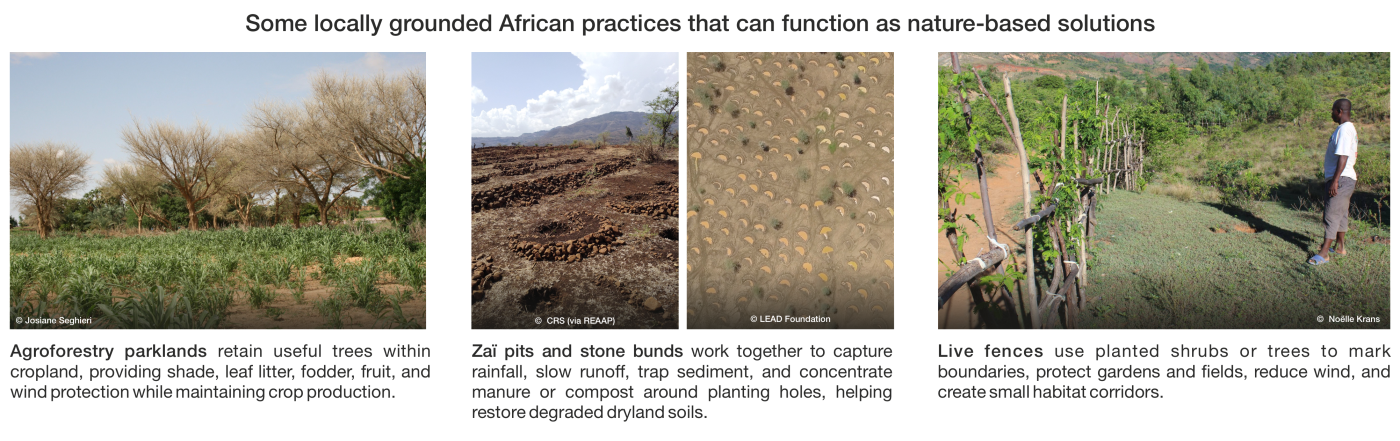
Stone bunds create contours that help reduce soil erosion. Together, these practices have helped restore hundreds of thousands of hectares of degraded land in Burkina Faso, for instance 6. Even in dense urban settings, people grow vegetables, plant shade trees, and modify courtyards in response to urban heat and flooding. The problem then is that NbS may become unintentionally exclusionary at the conceptual level. When it values place specificity but accepts only certain forms of science, many African practices will remain outside the frame.
Thus, true inclusion will require three shifts. Firstly, NbS practitioners need to begin with an inventory of knowledge rather than a project idea, particularly in Global South contexts. Rather than designing the project first, NbS researchers, planners, and implementing bodies should work with community members, local leaders, farmers, women, informal settlement residents, and local governance structures to understand what local knowledge, systems, and terminology already exist. Such an exercise should influence the NbS design brief itself. Secondly, local knowledge must be brought into the evidence system through co-production. Rather than simply validating indicators set by experts, communities should also help define what “success” means. Reduced flooding is certainly important, but so too are soil moisture, shading, food security, and women’s labour. Third, the role of government ought to be facilitative and institutional rather than predominantly focused on design and delivery. Government should establish the conditions through which locally grounded NbS can gain legitimacy, funding, protection, and scalability. This requires mechanisms such as secure land rights, access to funding, institutional provisions that permit participation by community-based actors, extension and nursery services, and monitoring processes that can test, document, and recognize local ecological knowledge as evidence.
Although important, true inclusion in NbS is not merely a case of ensuring more representation at the table. It begins when local ecological knowledge is recognized as a legitimate knowledge system within the NbS concept, not dismissed as unscientific or reduced to community input. It is when the zai pits of farmers and the memories of past floods held by women elders can shape what counts as evidence, and then change the design brief, the budget, and the institution responsible. If NbS is truly place-specific, then at least in Africa, places must also be permitted to reflect on and shape their own ecological futures.
References
- Seddon, N. et al. Nature-based solutions in nationally determined contributions: Synthesis and recommendations for enhancing climate ambition and action by 2020. Gland Switz. Oxf. UK IUCN Univ. Oxf. 48 pp (2019) doi:https://doi.org/10.2305/IUCN.CH.2019.07.en.
- IUCN. Global Standard for Nature-based Solutions. Abgerufen Unter Httpsportals Iucn Orglibrarynode49070 2 (2020).
- knowledge, I. technical support unit on, data, indigenous, I. technical support unit on & knowledge, local. IPBES Technical Guideline Series – Part 9: Considerations when working with Indigenous and local knowledge. (2022) doi:10.5281/zenodo.6834183.
- Kabisch, N., Frantzeskaki, N. & Hansen, R. Principles for urban nature-based solutions. Ambio 1–14 (2022) doi:http://dx.doi.org/10.1007/s13280-021-01685-w.
- Enu, K. B., Zingraff-Hamed, A., Rahman, M., Stringer, L. & Pauleit, S. Review article: Potential of Nature-Based Solutions to Mitigate Hydro-Meteorological Risks in Sub-Saharan Africa. Nat. Hazards Earth Syst. Sci. 481–505 (2023) doi:https://doi.org/10.5194/nhess-23-481-2023.
- Danjuma, M. & Mohammed, S. Zai pits system: a catalyst for restoration in the dry lands. J. Agric. Vet. Sci. 8, 1–4 (2015).

about the writer
Jordi Honey-Rosés
Jordi Honey-Rosés is the lead researcher of City Lab Barcelona at the Institute of Environmental Science and Technology of the Universitat Autònoma de Barcelona (ICTA-UAB). He is an environmental planner by training, specialized in urban impact evaluation. He has published widely on urban experiments and impact evaluation in leading international scientific journals and his teaching has been recognized with the prestigious University Killam Teaching Award from the University of British Columbia (UBC).
Jordi Honey-Rosés
Bike Bus is an inspiring movement that helps us incorporate children’s perspectives into the planning of our city, to make it healthier for everyone.
I have seen that the voices of children are often excluded from decision-making about NbS and urban planning in general. Our cities are not designed for children. Children are pushed to the side of our streets, put behind gates in schoolyards, and constantly reminded of how dangerous cities are. I would like to find ways to think about how we can integrate children’s voices in city planning, decision-making, and, of course, Nature-based Solutions. Research has found the benefits associated with children’s interactions with nature, and yet they are rarely meaningfully integrated into these processes.
There are real methodological challenges to include children’s voices and perspectives, so let’s not be naïve about the challenges involved. When I reviewed the literature on children and active travel to school, I found that most of the published research works with children above the age of 10. Below that, it was a precipice, and virtually no work had been done. Why? Not because active travel to school for younger children is not important, but simply because after the age of 10, children can answer surveys, and it is easier for the researcher. And yet the work of my team with children has found that those aged 6 to 8 are more excited to bike to school.
Bike Bus is a good example of how children’s voices and actions can help transform our cities to make them healthier, safer, and more child-friendly. If you are not familiar with Bike Bus, it is a group of children and parents riding to school together in a group. While the idea has been around for a while, groups are exploding around the world, in part driven by social media, but also because it is so fun and joyful. Bike Bus is an inspiring movement that helps us incorporate children’s perspectives into the planning of our city, to make it healthier for everyone.

about the writer
Diana Dushkova
Diana Dushkova is a Senior Researcher in the Department of Conservation Biology and Social-Ecological Systems at Helmholtz Centre for Environmental Research (UFZ). Her research focuses on blue-green transformation, including urban blue-green infrastructure, ecosystem services, and NbS for multifunctionality, sustainability, and resilience.
Diana Dushkova
Nature-based Solutions as Pathways for Transformative Change
NbS are opportunities to rethink relationships between society and the environment and to co-create more just, resilient, and liveable futures together.
“NbS are more than greening cities or ecological restoration. They are about transformation—of how we relate to nature, how decisions are made, whose knowledge counts, and who benefits from them”
Nature-based Solutions (NbS) are increasingly recognised as important pathways for addressing the interconnected crises of biodiversity loss, climate change, and declining human well-being. Cities around the world are investing in urban forests, restored rivers, green corridors, wetlands, and other forms of blue-green infrastructure to reduce climate risks while improving quality of life. Yet perhaps the more important question is not what NbS can do for cities, but how they can change the ways we work together, share power, and care for nature and one another.
Over the past years, my work on urban blue-green transformations, NbS and co-creation processes across Europe and beyond has repeatedly brought me back to this question. We see that ecological interventions alone are not enough. A park, a network of green corridors or even the most ambitious NbS can improve environmental conditions, but transformation begins only when NbS also reshape relationships between people, institutions, and nature – changing how we make decisions, share power, and envision futures.
This is why participation and co-creation matter so deeply. Too often, participation is treated as a procedural step within projects rather than a basis for long-term stewardship, trust-building, and social learning. Workshops are organised, surveys are distributed, and consultation boxes are checked, yet communities remain excluded from real influence over decisions. Inclusion becomes symbolic rather than transformative. In practice, this often means that decisions about NbS are still shaped by a relatively narrow group of institutional and expert actors, while many lived experiences remain outside the room where choices are made…
At the same time, exclusion is rarely simple or intentional. It often emerges through small but powerful barriers embedded in planning and governance processes: technical language that feels inaccessible, meetings held at inconvenient times, short project cycles that leave no room for trust-building, or assumptions about who is considered a “relevant stakeholder”. We see this reflected in communities reporting frustration, fatigue, and disengagement.
In our recent work on inclusive NbS and community empowerment, we found that meaningful co-creation requires more than inviting people into existing structures or predefined projects. It requires rethinking governance itself. Inclusive NbS means recognising diverse forms of knowledge, including lived experiences, local ecological knowledge, and cultural relationships with place. Knowledge does not only exist in scientific reports or technical assessments; it also exists in memories, practices, and everyday interactions with urban landscapes.
This becomes especially important in cities, where social and environmental inequalities are often deeply interconnected. Vulnerable and marginalised groups are frequently the most exposed to heat stress, flooding, pollution, and the loss of accessible green space, while simultaneously being underrepresented in urban planning processes. If NbS are implemented without considering justice and equity, they risk reinforcing existing inequalities, including green gentrification and unequal access to ecosystem service benefits.
For this reason, transformative NbS must be understood not only as ecological interventions, but also as social and governance innovations. They require participatory and collaborative governance approaches that create space for dialogue, shared responsibility, and long-term empowerment. Living Labs, citizen science, co-monitoring, and community-led stewardship initiatives demonstrate how NbS can become platforms for collective learning and action.
Importantly, transformative change does not happen overnight. It is often slow, relational, and sometimes uncomfortable. It requires institutions to embrace uncertainty, acknowledge power imbalances, and remain open to perspectives that challenge established ways of planning and decision-making (path dependency). It also needs sustained investment in social infrastructure: facilitation, mediation, capacity-building, and the time needed to build trust across different stakeholder groups.
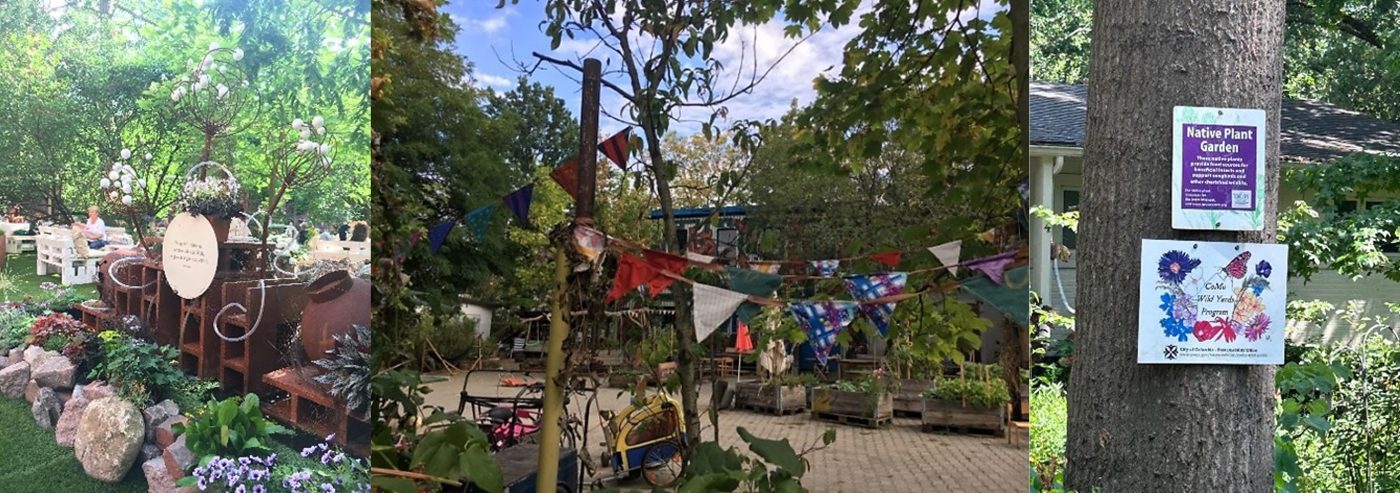
Across many projects and collaborations, I have also taken part in processes that brought together communities, practitioners, scientists, and policymakers working together to co-create more just and resilient urban futures — futures where biodiversity, climate resilience, and human well-being are not treated as separate agendas, but as deeply interconnected. These include river floodplain restoration and re-meandering projects that reconnect waterways with their surrounding landscapes, urban tree-planting and street greening initiatives that allow citizens to sponsor or plant trees, thereby contributing directly to expanding urban canopy cover while strengthening climate resilience and civic engagement. Various community-led green spaces such as urban community gardens and neighbourhood initiatives, including pocket parks, where residents collectively cultivate biodiversity, food growing, and social cohesion, demonstrate that NbS can create more than environmental benefits. They can enhance environmental awareness, empower communities, and enable more inclusive and participatory forms of urban transformation. Importantly, these experiences also show that NbS are not only about physical transformation of urban landscapes, but also about reshaping governance, knowledge production, and the ways decisions are made across scales.
Perhaps this is the real transformative potential of NbS: not only restoring ecosystems, but also reshaping how we collectively care for places and for each other. In this sense, NbS are not simply technical solutions inspired by nature. They are opportunities to rethink relationships between society and the environment and to co-create more just, resilient, and liveable futures together.
Further reading:
Dushkova, D., Ivlieva, O., Vandewalle, M., Carasco, A.R., Pontón-Cevallos, J., Sieber, I.M. (2026). Just and inclusive enough? Designing inclusive NBS to support communities in their just transition towards sustainability and resilience. Nature-Based Solutions 9 , art. 100306. 10.1016/j.nbsj.2026.100306
Dushkova, D., Ivlieva, O., Pouget, C., Vandewalle, M. (2025). How to support communities in the long-term sustainability transition: The tailored empowerment program. Blue-Green Syst. 7 (1), 210 – 237. 10.2166/bgs.2025.049
Dushkova, D., Ivlieva, O., Vandewalle, M., Sieber, I., Carrasco, R.A., Ponton, J.F. (2025). Inclusive methodologies for successful nature-based solutions: towards just sustainability transition. In: Gustavsson, M., Solnør, S., Rønningen, K. (eds.). Handbook of inclusive methodologies: How methods and methodologies contribute to equitable coastal transition through empowerment and inclusivity. Zenodo. p. 78 – 86. 10.5281/zenodo.17142234
Dushkova, D., Ivlieva, O. (2024). Empowering communities to act for a change: a review of the community empowerment programs towards sustainability and resilience. Sustainability 16 (19), art. 8700. 10.3390/su16198700
Dushkova, D., Kuhlicke, C. (2024). Making co-creation operational: A RECONECT seven-steps-pathway and practical guide for co-creating nature-based solutions. MethodsX 12 , art. 102495. 10.1016/j.mex.2023.102495
Haase, D., Dushkova, D. (2024). Embracing ambivalence as the key to promoting tree diversities as nature-based solutions in European cities. Urban Ecosyst. 27 (5), 1837 – 1846. 10.1007/s11252-024-01555-9

about the writer
Carly Ziter
Dr. Carly Ziter is an Associate Professor in the Biology department at Concordia University in Montreal, Canada. With her students, she uses field observations, environmental sensors, community science, and social-ecological systems methodologies to explore how urban nature – and the ways we interact with it – affects climate resilience and human well-being. She especially loves the messy spaces between disciplines, and has a particular passion for how we can transform private urban green spaces to create more collective good.
Carly Ziter
It is only when we can collectively acknowledge that more inclusive NbS require slowing down, making space for different perspectives, adequately resourcing those who share their knowledge and expertise, and sitting with discomfort that we can start to move towards better co-production.
Nature-based solutions are theoretically wonderful. Who doesn’t want to support strategies that deliver climate resilience, biodiversity gains, and societal benefits at the same time? At their best, NbS really do accomplish many of these things. However, the ways in which we protect, restore, and manage nature are inextricably linked to broader societal realities of racism and colonialism embedded within cities globally – and unfortunately, as occurs with many hot topics in sustainability, the NbS framework can serve as a shield for disenfranchisement of local communities and rights holders. Nature-based solutions are often distributed inequitably. Even with programs or processes that (try to) centre community involvement, it is often those with wealth, time, and capacity who can engage in practice. This often excludes ― whether intentionally or not – the voices and expertise of those most affected by projects, including local residents and Indigenous rights holders who have deep place-based expertise. Further, if NbS are spatially located in more privileged areas of the city, it can be demotivating for residents to have to travel beyond their own neighbourhoods and communities to participate in NbS planning or stewardship. And while cities are increasingly focused on expanding NbS to equity-deserving communities, solutions to the inequitable distribution of NbS that rely on top-down or externally led projects can also exacerbate green gentrification and fail to meet the needs of local residents.
These harms and exclusions are increasingly emphasized in the mainstream NbS discourse. My own recent experience in urban NbS synthesis projects ― a national cross-sectoral workshop, the regional Canada-US Natura Roadmap, and an international special issue ― highlights this widespread recognition. Despite different teams, different goals, different processes, and many NbS successes, similar themes of exclusion and inequity rose to the top in all these works. Urban NbS lacks space and support for Indigenous governance. Policies encouraging participation are often tokenistic rather than empowering, neglecting systematic barriers to involvement for racialized communities. NbS should be embedded within and led by local communities, yet efforts to allocate resources towards community partnership remain few and far between.
So, if we know that an anti-racist and decolonial lens is fundamental to more inclusive, more successful NbS, why does this exclusion persist?
I think part of it comes down to the fact that genuine co-creation and inclusion are hard work, and in particular work that is undervalued in the systems we’ve created. Well-resourced experts (the consultants, institutions, and researchers at the forefront of NbS decision-making) lack training in how to build sincere partnerships and integrate multiple ways of knowing, and we don’t prioritize these skills in promotion and hiring. Co-creation is also slow work. Building and maintaining trust with communities ― particularly communities who continue to be mistreated by those in power ― requires showing up to listen and learn, not to check a box. This slow, deliberate relationship building is antithetical to the short funding cycles or tight project deadlines often imposed by governments or larger organizations, and to the publish-or-perish pace of academic institutions. It is also expensive work. Nature itself is often viewed as “nice to have”, rather than critical, and community engagement and stewardship are too often seen as a cost-cutting measure (volunteers can maintain and monitor the plants!) rather than an integral part of the process, worthy of a budget line. For those of us used to being in a position of relative power, co-creation can also be deeply uncomfortable work. For those who tend to view NbS through rose-tinted glasses (myself sometimes included!), it’s uncomfortable to hear that these beautiful solutions (at least on paper) can, in practice, appear quite ugly to the very communities we are aiming to support.
It is only when we can collectively acknowledge that more inclusive NbS require slowing down, making space for different perspectives, adequately resourcing those who share their knowledge and expertise, and sitting with discomfort that we can start to move towards better co-production. Otherwise, we risk continuing to bring partners into a framework in which they are set up to be sidelined.

about the writer
Diana Ruiz
Diana Ruiz is a researcher at the Nature-Based Solutions Center at the Humboldt Institute in Colombia. She is a biologist with a Master’s degree in conservation and use of biodiversity, and is currently developing her PhD in environmental science and technology. Her work focuses on researching and proposing management guidelines that improve the incorporation of biodiversity and its ecosystem services in urban-regional planning, promoting co-creation, implementation, and evaluation of nature-based solutions in these contexts.
Diana Marcela Ruiz Rios
Visiones comunes para futuros posibles
Además del reto procedimental sobre la inclusión de diversas voces en la priorización, diseño, e implementación de las Soluciones basadas en la Naturaleza, existe una necesidad urgente de entender lo que nos une alrededor del cuidado de nuestro entorno.
Frente a escenarios desalentadores sobre la permanencia de la vida en la tierra y una sobrecarga de información que parece no aportar a la implementación de soluciones concretas, construir visiones positivas sobre el futuro de todos (incluyendo formas de vida no humanas) podría ser un camino esperanzador.
El concepto de Soluciones basadas en la Naturaleza parte de una aproximación integral que busca generar beneficios simultáneos para la biodiversidad y las personas, con un fuerte énfasis en la participación ciudadana y la co-creación. Sin embargo, su implementación y escalamiento puede dar lugar a procesos de segregación social, desplazamiento y distribución desigual de los beneficios de la naturaleza para los grupos marginados y desfavorecidos, especialmente si no se considera explícitamente el contexto particular de cada territorio. Adicionalmente, en muchos de los casos, la planificación urbana basada en la naturaleza considera enfoques centrados en las necesidades humanas y en una aproximación utilitarista de la naturaleza que no siempre respalda o facilita la representación de especies no humanas y otras entidades del territorio como el agua.
De soluciones concretas a territorios compartidos
Las propuestas para que el diseño, implementación y escalamiento de las SbN integren diversas voces y se minimicen los efectos “no deseados” en términos de inclusión y justicia, generalmente priorizan la participación de un mayor número de actores o una representación más amplia de los diversos grupos sociales. Aunque esto contribuye a que los procesos tengan en cuenta diferentes expectativas, necesidades y percepciones, no necesariamente asegura la inclusión de las formas de vida menos favorecidas, ni aporta al desarrollo de instrumentos de política más justos o a la sostenibilidad de las intervenciones en el tiempo.
Algunas experiencias reconocidas como exitosas en Latinoamérica nos pueden dar pistas sobre la importancia de construir – con metodologías robustas que permitan integrar diferentes voces- visiones compartidas sobre las cuales se articule la implementación y escalamiento de las Soluciones basadas en la Naturaleza. ¿Cuáles son los valores naturales, culturales e históricos que como habitantes de un territorio nos interesa conservar en el tiempo? ¿Cómo construir un futuro en el que se consideren las necesidades de los más vulnerables (humanos y no humanos)? ¿Qué significa pensar la planificación del territorio alrededor del agua, los sitios sagrados o un corredor biológico intermunicipal?
En Cali, una de las ciudades más grandes de Colombia, se construyó recientemente una visión a largo plazo con la participación de diversos actores como los colectivos ambientales y de mujeres. Con base en la priorización del cuidado, la interculturalidad y la biodiversidad, esta visión, denominada Cali 500+, ha logrado articular diversos intereses y sectores de la sociedad alrededor de un objetivo con el que se sienten identificados la mayor parte de los caleños. A partir de ahí, las comunidades se han empoderado y hoy defienden la implementación de proyectos y estrategias como las SbN que se articulen con esa visión futura del territorio que parte de un trabajo mancomunado y del reconocimiento de grupos tradicionalmente excluidos.
Otra de las experiencias más reconocidas en la región es el caso de Curridabat en Costa Rica que le apostó a una visión de largo plazo basada en el cuidado de los seres más vulnerables: los polinizadores. Partiendo de la idea de que si se protege a los organismos más “pequeños” de la ciudad todos los demás se verán beneficiados, hoy el proyecto de “Ciudad Dulce” es un referente porque ha logrado transformaciones duraderas alrededor de la conservación de la biodiversidad y el bienestar de las personas.
Además del reto procedimental sobre la inclusión de diversas voces en la priorización, diseño, e implementación de las Soluciones basadas en la Naturaleza, existe una necesidad urgente de entender lo que nos une alrededor del cuidado de nuestro entorno, sobre lo que entendemos como problemática y como solución desde una perspectiva socioecológica. Imaginar un futuro positivo para todos los habitantes del territorio puede ser la base para incluir una visión más integral en la implementación de estas soluciones, con beneficios tangibles para la biodiversidad y las personas, incidencia efectiva en la toma de decisiones, y para la construcción de ciudades habitables y justas.
Beyond the procedural challenge of incorporating diverse voices into the prioritization, design, and implementation of Nature-based Solutions, there is an urgent need to understand what unites us in our stewardship of the environment—specifically.
Faced with disheartening scenarios regarding the persistence of life on Earth—and an information overload that seems to contribute little to the implementation of concrete solutions—building positive visions for the future of all (including non-human forms of life) could offer a hopeful path forward.
The concept of Nature-based Solutions is grounded in a holistic approach that seeks to generate simultaneous benefits for both biodiversity and people, placing a strong emphasis on citizen participation and co-creation. However, their implementation and scaling can inadvertently lead to processes of social segregation, displacement, and an unequal distribution of nature’s benefits among marginalized and disadvantaged groups—particularly if the specific context of each territory is not explicitly taken into account. Furthermore, in many instances, nature-based urban planning relies on approaches centered on human needs and a utilitarian view of nature—one that does not always support or facilitate the representation of non-human species and other territorial entities, such as water.
From concrete solutions to shared territories
Proposals aimed at ensuring that the design, implementation, and scaling of Nature-based Solutions (NbS) incorporate diverse voices—while minimizing “unintended” consequences regarding inclusion and justice—typically prioritize the participation of a greater number of stakeholders or broader representation of various social groups. Although this helps ensure that these processes take into account differing expectations, needs, and perceptions, it does not necessarily guarantee the inclusion of less-privileged ways of life, nor does it necessarily contribute to the development of fairer policy instruments or the long-term sustainability of the interventions.
Certain experiences recognized as successful in Latin America offer clues regarding the importance of constructing—through robust methodologies capable of integrating diverse voices—shared visions around which the implementation and scaling of Nature-based Solutions can be articulated. What are the natural, cultural, and historical values that, as inhabitants of a territory, we are interested in preserving over time? How can we build a future that takes into account the needs of the most vulnerable—both human and non-human? What does it mean to conceptualize territorial planning around water, sacred sites, or an inter-municipal biological corridor?
In Cali—one of Colombia’s largest cities—a long-term vision was recently developed with the participation of diverse stakeholders, including environmental and women’s collectives. Grounded in the prioritization of care, interculturality, and biodiversity, this vision—dubbed “Cali 500+”—has successfully aligned various interests and sectors of society around a shared objective with which the majority of *Caleños* identify. Building upon this foundation, communities have become empowered; today, they advocate for the implementation of projects and strategies—such as Nature-based Solutions (NbS)—that align with this future vision for the territory, a vision rooted in collaborative effort and the recognition of traditionally excluded groups.
Another highly acclaimed example in the region is the case of Curridabat, Costa Rica, which committed itself to a long-term vision centered on caring for the most vulnerable beings: pollinators. Based on the premise that protecting the city’s “smallest” organisms ultimately benefits everyone else, the “Sweet City” (*Ciudad Dulce*) project has emerged as a benchmark initiative, having achieved lasting transformations regarding both biodiversity conservation and human well-being.
Beyond the procedural challenge of incorporating diverse voices into the prioritization, design, and implementation of Nature-based Solutions, there is an urgent need to understand what unites us in our stewardship of the environment—specifically, how we define both the problems and the solutions from a socio-ecological perspective. Envisioning a positive future for all inhabitants of a territory can serve as the foundation for integrating a more holistic perspective into the implementation of these solutions—yielding tangible benefits for both biodiversity and people, ensuring effective influence on decision-making processes, and fostering the creation of livable and just cities.

about the writer
Elizaveta Fakirova
With a background in urban management, Elizaveta is a strategist and researcher helping cities, organisations, and urban initiatives collaborate with local communities to create more inclusive urban green spaces. Her work focuses on community engagement, collaborative governance, and participation strategies that build trust and long-term impact. She is also the co-founder of What’s That Green? (WTG?), a capacity-building platform connecting urban changemakers through collaborative initiatives focused on nature-driven transformation. As a TEDx speaker, German Chancellor Fellow, and active member of All Things Urban, Liza actively supports others in shaping greener, more community-driven cities.
Liza Fakirova
Think of it like dropping a stone into water. The ripples do not reach everyone at once, but if the stone lands in the right place, they can travel far.
Often, it is experts, consultants, city officials, and large NGOs. They have the funding, technical knowledge, and official mandate to act. That is the reality.
But exclusion does not only happen from the top down. Sometimes residents take action themselves. They plant trees, transform neglected corners, and green public spaces without asking the city for permission. This can be powerful, but it can also exclude others. Decision-making can become concentrated in a small group, whether that group is institutional or community-led.
And I think we need to be honest: not everyone has to be included in everything. That is not realistic, and it is not always necessary.
But we do need to ask: who is affected, who has power, who is missing, and who may become affected later?
This last point is important because inclusion is not fixed. A person may not be relevant to a project in one context. For example, someone living in the US may not use a park in Germany and may not be affected by decisions about it. But life changes. That same person may move to Germany, start using that space, struggle with the local language, lack social networks, and suddenly become part of the affected community, maybe even a vulnerable one.
So, exclusion is not only about who is absent today. It is also about whether our processes are flexible enough to recognise that people’s lives, needs, and vulnerabilities change.
Why does exclusion persist?
First, we often count heads instead of listening to voices. Participation is measured by how many people attended a workshop or filled out a survey. Numbers are easy to report. But they do not tell us whether the right people were involved.
Second, engagement teams are often under-resourced. One or two people cannot reach everyone. So they post online, send a newsletter, and hope people come, not because they do not care, but because they do not have the capacity to do more.
Third, many organisations are still unclear about why inclusion matters. What actually changes when more diverse voices are involved? If this question is not answered, inclusion remains a nice principle rather than a serious practice.
And beyond all this, there are invisible barriers: language, legal status, childcare, time, money, trust, cultural norms, and confidence. These barriers are often quiet, but they strongly shape who feels able to participate.
So, what could real inclusion look like?
Not everyone needs to participate in the same way. Some people lead. Some advise. Some test ideas. Some only want to stay informed. Some cannot participate actively, but their needs still matter.
Good inclusion is not improvised. It is carefully designed, with enough flexibility to create different entry points for participation. It means making participation possible for those who want to contribute, recognising the needs of those who cannot, and staying attentive to people whose situations may change over time.
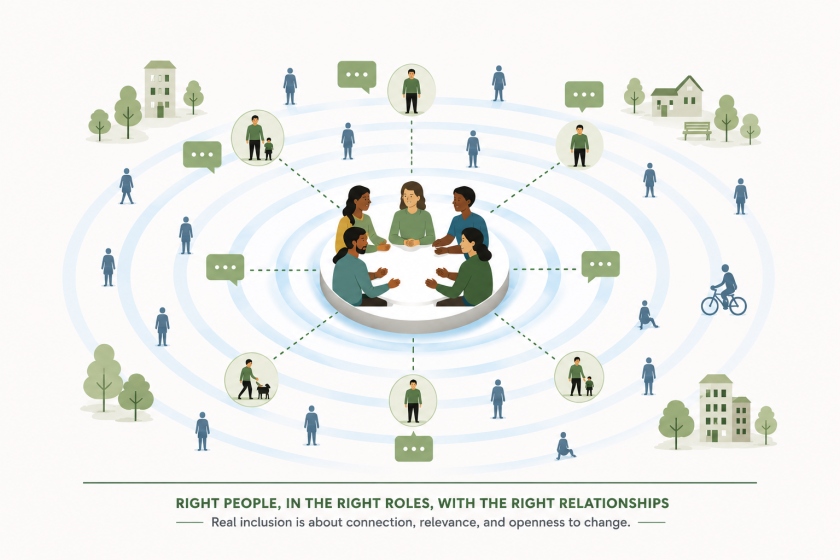 Instead of forcing mass participation, we can build a strong and representative core group. Even a small group, sometimes just 1% of active participants, can create momentum. But that group must remain connected to the wider community. Otherwise, it risks becoming another closed circle.
Think of it like dropping a stone into water. The ripples do not reach everyone at once, but if the stone lands in the right place, they can travel far.
I would describe “real inclusion” as involving the right people, in the right roles, with the right relationships, and with enough openness to recognise when “the right people” change.

about the writer
Naomie Kayitesi
Naomie Kayitesi is an environmental specialist with 10 years of experience in environmental management and water-related systems, with expertise in Nature-based Solutions, hydrology, and ecosystem restoration. She holds a master’s degree in water engineering and a PhD researcher in environmental science. Her work bridges scientific research, policy, and practice, with experience in international programme design and implementation across Africa and global contexts. She has contributed to impact-driven environmental projects supporting climate adaptation, ecosystem restoration, and sustainable development.
Naomie Kayitesi
Whose Voices Shape Nature-based Solutions? Reflections on Inclusion in NbS
When scientific evidence and local knowledge are brought together, the solutions become more grounded, more practical, and more likely to last.
When we speak about Nature-based Solutions (NbS), we often think of the visible part, like restored landscapes, healthier rivers, urban trees, mangroves, forests, grasslands, and other ecosystems that are being protected or brought back to life. But for me, the less visible part is just as important: who shaped the solution, whose knowledge counted, who carries the costs, who receives the benefits, and who can say “this is not working” without being ignored. That is where inclusivity in NbS begins.
IUCN defines NbS as actions to protect, manage, and restore natural or modified ecosystems that address societal challenges effectively and adaptively, while providing human well-being and biodiversity benefits. This definition is important because it reminds us that NbS are not only about nature in the abstract. They are also about rights, livelihoods, institutions, risk, culture, and decision-making.
This is why I find the IUCN Global Standard for NbS useful. It does not treat inclusion as a decorative principle. Among its 8 criteria, inclusive governance and equitable benefits are central to whether an intervention can really be considered credible. The Standard asks whether stakeholders and rights-holders have been properly identified and involved, whether participation is based on mutual respect and equality, whether FPIC (Free, Prior and Informed Consent) is upheld where relevant, and whether grievance mechanisms are accessible. In plain language: did people have real influence, or were they only consulted after the important decisions had already been made?
That distinction matters. IPLCs (Indigenous Peoples and Local Communities) are sometimes invited into NbS projects as beneficiaries, workers, data sources, or storytellers. But real inclusion asks for more than presence. It asks whether their knowledge is treated as evidence, not as an anecdote. It asks whether women, youth, displaced people, informal workers, land users, and politically quieter groups can actually shape priorities. It also asks whether trade-offs are named honestly.
And there are always trade-offs. A restored urban river may improve the environment, but it may also increase property values and quietly push out lower-income residents. A protected mangrove may strengthen coastal resilience, but if governance is poorly designed, it may also restrict access to fishing grounds. A landscape restoration project may promise carbon, biodiversity, and livelihoods, while placing new burdens on people who already have very little margin for error. Calling an intervention “NbS” does not automatically make it fair.
So, for me, inclusive NbS means looking at the whole picture. What problem are we solving, and for whom? At what scale? Who benefits? Who might lose access, income, safety, dignity, or voice? Who will still be there maintaining the solution when the project ends?
It also means designing for feedback and correction. NbS are meant to be adaptive. That should apply socially as well as ecologically. If monitoring shows that benefits are uneven or that a group is being excluded, the project should be able to change. Inclusivity is not achieved in one workshop. It is a practice over time.
We also need to remember that power exists within communities, too. If we are not attentive to this, we may simply reinforce the strongest local voices and call it participation. Real inclusion means making space for those whose voices are often limited, but who carry many of the risks, including women who are often left out of decision-making while bearing the consequences of environmental degradation and climate impacts.
The hopeful part is that when inclusion is taken seriously, NbS become better. They become more legitimate, more durable, and more grounded in local realities. They are more likely to protect biodiversity because people understand and support the rules. They are more likely to address climate and development challenges because they reflect lived experience. And they are more likely to last because they are owned, questioned, repaired, and defended by people with a real stake in them.
For me, the question is not only, “How do we include people in NbS interventions?” It is: how do we make sure that NbS are shaped by the people and ecosystems whose futures are most connected to them?
Practical example:
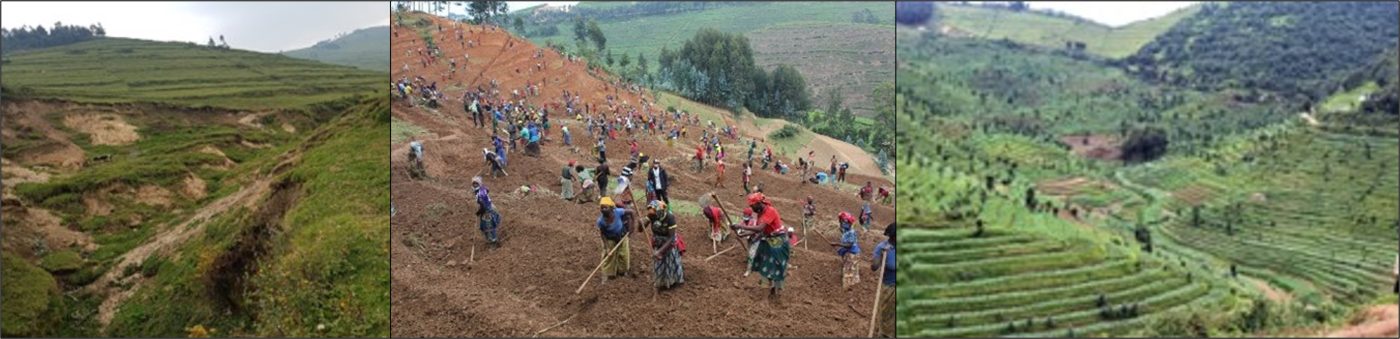
I saw this clearly in the Sebeya catchment in Rwanda, through a project I was involved in on Integrated Water Resources Management. What stayed with me was that communities were not treated only as beneficiaries of a technical solution. They were engaged throughout the intervention cycle through Village Land Use Action Plans (VLUAPs), to identify local problems themselves and help shape the solutions.
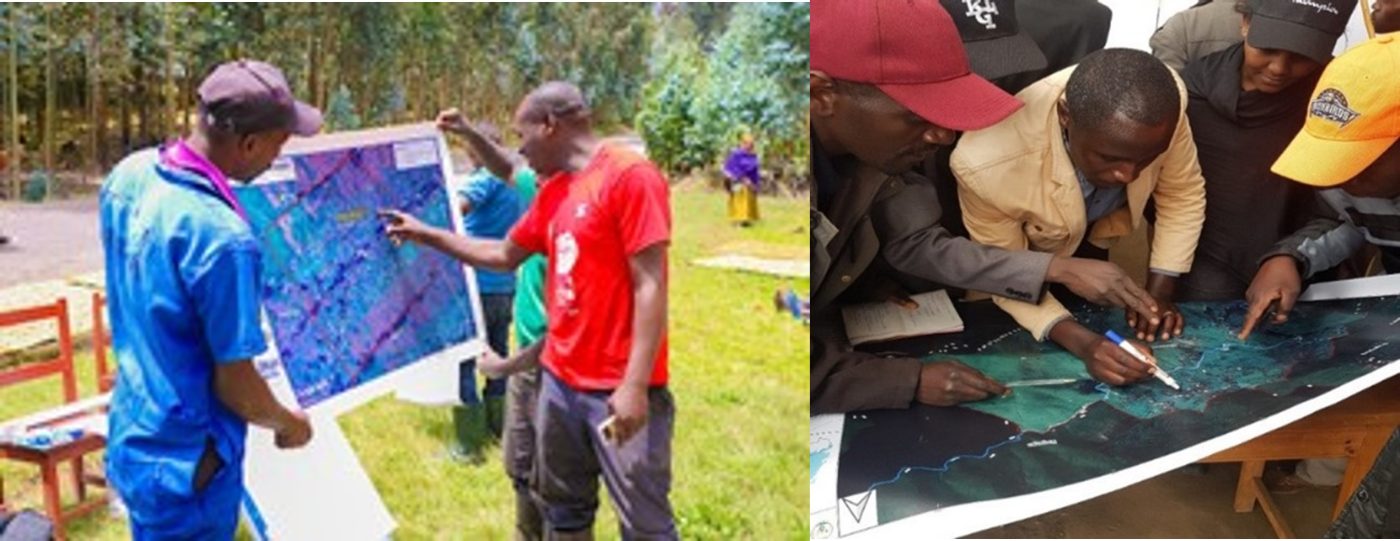
Of course, we believe in the power of science, including tools such as hydrological analysis and remote sensing. But there is also a different kind of power in local knowledge, because communities know from experience what works, what does not, and what has failed before. When scientific evidence and local knowledge are brought together, the solutions become more grounded, more practical, and more likely to last. In Sebeya, landscape restoration interventions were stronger because they came from that dialogue. Community engagement did not stop at consultation; it became part of implementation, ownership, and scaling up.

about the writer
Jennifer Rae Pierce
Jennifer is a political ecologist, urban planner, and urban biodiversity policy specialist with 18 years of experience with cities and nature. She is the co-founder and COO of the Urban Biodiversity Hub, a global network that helps cities incorporate direct and indirect impacts o nature into their decision-making. Tools and reports include the IUCN Urban Nature Indexes, the Science-Based Targets for Cities for Nature, an ICLEI biodiversity mainstreaming toolkit, ecological footprint measures with BCIT, and World Bank urban biodiversity consulting. She leads the IUCN CEM Urban Ecosystems Specialist Working Group and represents CEM on the IUCN Urban Alliance. Her research spans hundreds of cities, with in-depth work in nine countries across five continents.
Jennifer Rae Pierce
Most NbS work on participation asks how to make inclusion better. The question I see asked far less often, and the one the few plans that change things actually answer, is this: who has the legal and institutional authority to decide?
Inclusion that foesn’t change anything, and a few plans that do
Author’s note: This piece draws on findings from a forthcoming comparative analysis of urban biodiversity plans, currently in preparation.
You can run a participatory process that includes everyone except the people whose involvement would actually change the answer. That is the pattern I have spent the last decade documenting in urban biodiversity planning, most recently in a comparative analysis of close to a hundred Local Biodiversity Strategies and Action Plans from cities across more than two dozen countries.
The procedural surface is familiar. Most plans include some form of participatory mechanism. Very few redistribute any decision-making authority. Most “inclusion” in nature-based solutions looks like an open house, a survey, or a comment period. These are useful for collecting input but they do not share power.
The second pattern surprised me. The kinds of inclusion that actually shaped what plans did were narrow and specific. General participation did not predict more equitable distributional outcomes. Diversifying the values a plan invoked did not either. What did predict transformation was the inclusion of one particular set of actors: marginalized communities most harmed by environmental inequality. Their inclusion was the strongest single predictor of whether a plan engaged seriously with distribution at all, and the gap between that effect and the effects of broader procedural reforms was substantial.
And here is the catch. Across the same corpus, those same communities recorded the lowest participation scores of any actor type, the lowest knowledge-holder recognition, and essentially no authorship credit anywhere. Broad participation and marginalised-community inclusion barely tracked together. The pattern is structural rather than incidental: the inclusion that would most change NbS planning runs through the communities that NbS planning most reliably keeps out.
A handful of plans do change this, and they are worth considering more closely. Mexico City operationalises Indigenous governance through ejido (community land tenure) structures and free, prior, and informed consent protocols coordinated with federal authorities; the city’s Women’s Secretariat formally reviewed the action plan and integrated its recommendations into the monitoring system. Medellín built its ecosystem service prioritisation directly from community-generated knowledge gathered in territorial workshops across rural and urban districts. The communities did not advise the planners. They generated the substantive content of the plan, then prioritised. eThekwini (Durban), Johannesburg, and Cape Town, all in South Africa, are uniformly distributively engaged because the constitutional framework requires distributional analysis at every level of planning, not only national. Fort Collins, CO, and Melbourne add further variations: published accountability for how community input changed revised drafts, and Traditional Owner authority over plan content rather than advisory access to it.
What these places share is not better facilitation. It is a legal, institutional, or conceptual structure that places affected communities in governance authority. Constitutional mandates that reach the municipal scale. Indigenous land tenure with FPIC. Community-generated content rather than community-reviewed content. These are not new participatory techniques. They are deeper commitments.
So, why does exclusion persist after decades of work on participation? I do not think the field has been doing the wrong thing exactly. Participation work has built genuine capacity for engagement, and many of us have spent years on it for good reasons. But participation is much easier than redistribution, and NbS is typically designed within frameworks that lack the equity vocabulary to see distributional questions as planning questions at all. The consultative methods improve; the question of who has authority to decide rarely changes.
Most NbS work on participation asks how to make inclusion better. The question I see asked far less often, and the one the few plans that change things actually answer, is this: who has the legal and institutional authority to decide?

about the writer
Chris Fremantle
Chris is a researcher and producer working across environment and health. His research focuses on the pioneering ecological artists Helen Mayer Harrison and Newton Harrison who he also worked with. He is currently exploring artists’ projects with trees, woods and forests. Chris is a Research Associate with TNoC’s naturePLACE supporting evaluation approaches.
Chris Fremantle
The challenge of ecosystemic well-being is an ecological challenge and a cultural challenge ― a yin-yang.
How on earth does telling you a story help you to understand and engage with nature-based solutions?
In 1989, Helen Mayer Harrison and Newton Harrison first exhibited a work that would now be understood in terms of nature-based solutions. Entitled Atempause für den Save-Fluss (Breathing Space for the Sava River), the work was first exhibited at the Neuer Berliner Kunstverein, and it then toured extensively. It was included in the group exhibition ‘Fragile Ecologies’, which was critical in establishing the field of ecoart. Atempause is at once prophetic and also based on ongoing environmental research. However, its originality lies in its construction of a story rather than in the technical proposals being made.
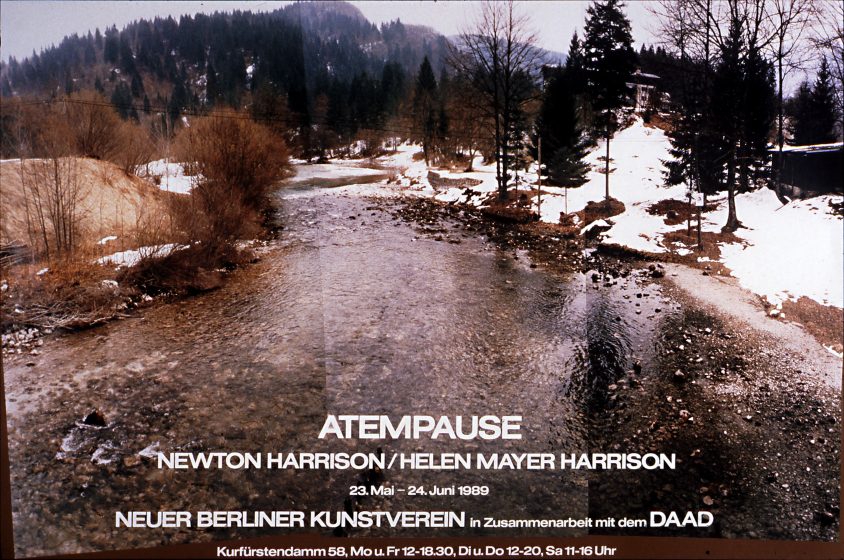
The work started as an invitation by a German botanist, Dr Hartmut Ern, Director of the Berlin Botanic Gardens, to visit what was then Yugoslavia. Ern wanted the Harrisons to join in an effort involving other ecologists, politicians, and citizens to develop a vision to designate the 280 sq. km. floodplain of the Sava river as a nature reserve. The initial visit was for a few days and involved an intensive exploration of the floodplain.
The Harrisons had decided in 1969 or 1970 “…to do no work that did not in some way look at ecosystemic well-being.” By the end of the 1980s, they had focused their work on the making of proposals for ecosystemic well-being in specific places, mostly in the form of exhibitions combining visual and poetic textual elements. They described themselves as storytellers.
“The formal discipline was to condense, yet keep clear this much information and to imbue it with our thoughts and our feelings in about a 20-minute read. The idea was to present a vision that would explode in the mind of the interested person.”
The practical aspect of the Harrisons’ Atempause exhibition-proposal is to introduce or enhance wetlands (swamps in the text) as part of an approach that created wider connectivity ― things we now understand as nature-based solutions. This proposal is presented as part of a conversation retold in the exhibition. This particular section is probably a conversation from when the Harrisons were first getting to know Martin Schneider-Jacoby, who, as a young ornithologist, worked as their assistant and went on to be a consistent collaborator on projects in Europe. Discussing the wetlands, it goes:
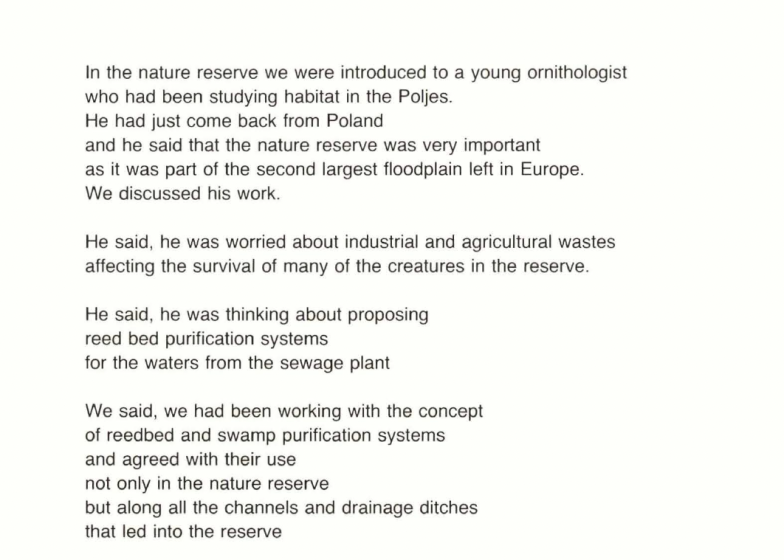
The work is threaded conversations and reflections complemented by visuals in the form of maps and composite photographs, which evoke the character of the Sava River floodplain as well as the challenges of various stresses (in particular different forms of pollution and engineering).
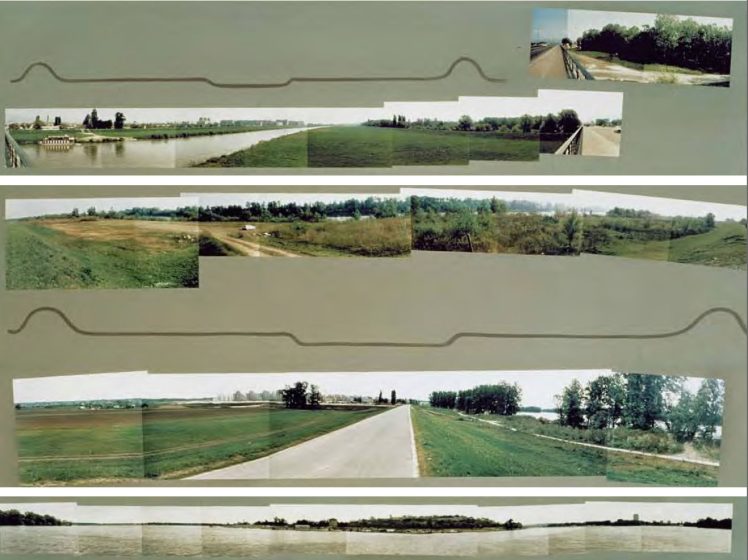
The idea of conversation is central to the Harrisons’ work, and it is from conversations between themselves, with other humans, and as the ongoing condition of all life, that new visions of ecosystemic well-being emerge.
We had seen the land from various perspectives ― ecological, historical, and social. We had met with many people, almost all of whom offered us homemade slivovitz.
The Harrisons’ ability to include many different human and more-than-human voices in works that evoke ecosystemic well-being is what makes their proposals so compelling. The projects, particularly those in places where the Harrisons are only visitors for a short period, are dependent on others to provide local knowledge. The proposal form also means that it is left to those who live and work in the particular place to either take up the ideas or not, negotiating with funders and bureaucracies. In the case of the proposals for the Sava River, writing in 2001, the Harrisons tell us that following the break-up of Yugoslavia and the ensuing war, the approach proposed was implemented, and that Martin Schneider-Jacoby went on to use the same approach in work on the nearby Drava River.
We often look at the speculations of artists and assume that they are novel, as in avant-garde (just as nature-based solutions are presented as novel or cutting-edge). Atempause can now look like a prophetic proposal for nature-based solutions, a concept that only emerged some 20 years after this project. The significance of the work is in bringing the environmental into dialogue with the cultural, making the health of the river into an aesthetic experience (which of course it is anyway) and part of the story of the place.
It is worth unpicking where the significance lies. The Harrisons firstly tell us that Hartmut Ern, in taking them around the place, showed them “an intact original flood plain ecology, a native oak forest and small villages and farms, all operating in such a way that one part reinforced or sustained the other.” Traditional environmental knowledge and practices often inform and ground the Harrisons’ proposals, as they also inform nature-based solutions. The Harrisons were seeking to amplify existing healthy ways of living and working within the ecosystem, not just applying a nature-based solution as a problem-solving technology.
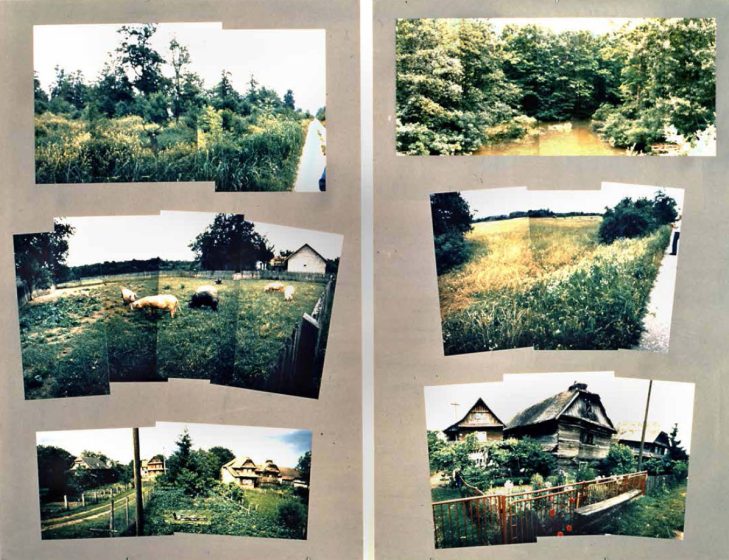
Secondly, as noted above, the Harrisons’ focus on “reed bed purification systems” was not novel at the time ― Martin Schneider-Jacoby was also researching the approach (and experiments were going on from the mid-1980s in the UK too). The Harrisons effectively reject the value of claiming novelty in a technology (if we can call a wetland a technology), saying that they set out to address what everyone prima facia agreed needed to be done, even if no one knew how. They called this the “ennobling question”. And success for the Harrisons was articulated in terms of people being engaged by the different perspective. It was in the proliferation of ideas ― what they called the “conversational drift”.
Finally, the Harrisons suggest that the challenge of ecosystemic well-being is an ecological challenge and a cultural challenge ― a yin-yang. It is not just a question of who is involved in the conversation. It is a question of how the discussion is framed.
Atempause might, on the face of it, be a prophetic nature-based solutions project, but what it is actually doing is creating a conversation in which anyone can participate. The text is full of “I said…”, “He said…”, “We said…”, which, rather than focusing on facts, focuses on involvement. Whilst Hartmut Ern invited the Harrisons to join with other experts in developing a vision for the nature reserve, what the Harrisons did was to open that project up to wider audiences in the region and elsewhere. As a colleague pointed out, the Harrisons also make “ecosystemic well-being” a legitimate part of the cultural sphere. We too often focus on getting art into environmental research and management. The Harrisons successfully brought ecology into the cultural sphere (as well as offering a holistic approach that holds the environmental and cultural together).
* * *
All quotes are from Helen Mayer Harrison and Newton Harrison’s autobiographical booklet ‘From There to Here’ published in association with their exhibition Peninsula Europe in 2001. ‘From There to Here’ on Archive.org.

about the writer
Sonia Gantioler
Sonia is an environmental social scientist, a professor of Transformation of Environment, Nature & Landscape, and she is currently doing research and teaching at Weihenstephan-Triesdorf University of Applied Sciences.
Sonia Gantioler
It’s (NbS) politics, stupid!
Environmental justice claims can be pivotal by recognising the importance of environmental qualities and ecological space for humans and non-human nature to thrive.
Nature-based solutions (NbS) were originally framed as a policy concept, subject to political processes. The concept initially entered the international and European climate policy arena to channel the integration of biodiversity conservation objectives into climate change mitigation and adaptation measures. Concepts for “mainstreaming” biodiversity conservation into other policy areas, whether NbS or ecosystem services, were seen as key to address harm caused by policy interventions elsewhere and to halt biodiversity loss in Europe and beyond.
When entering the planning and development agenda, NbS implementation often became focused on concretizing defined objectives, with a specific interest in technological or engineered innovation for defined (business) purposes. Rather than aiming at conservation, the concept’s arrival resulted in interventions strongly aimed at engineering “new ecosystems”, to target sometimes very specific urban problems (e.g., water retention or heat island effect), in close interaction with technological innovations (e.g., linked to digital twins) and new business opportunities (e.g., bio-solar roofs). Biodiversity conservation seemingly became a by-product, often called co-benefit, rather than a central objective. The focus on immediate engineered and practical solutions also reinforced that sectoral or disciplinary voices remained loudest, and a narrow set of expertise was applied. Overall, NbS implementation was largely approached from a rational-logic planning or market theory perspective, still predominantly aiming at the achievement of “optimal uses” of land.
This advance obfuscates that not everyone benefits or some more than others, and that some bear more responsibility in cutting our biodiversity lifeline and undermining our relationship with non-human nature, whereas others struggle and are cut off. It also made us forget that spatial planning, also of NbS, is an inherently political process ― defined by discussions and negotiations, including on responsibilities and accountability, engaging actors with different world perspectives, value systems, and especially interests, across different spatial and governance scales and periods of time. And that power dynamics play out in such processes, opening or closing opportunities and potential transformation pathways. This regards economic power, political power, articulation, and technological power, but also governance capabilities conferred by land use property entitlements.
Genuine inclusion implies making such power dynamics visible, to allow ‘meaningful’ engagement, integrating different forms of knowledge over a continued period of interaction and collaboration on decision-making and outcome. Where are open opportunities for engaging in decision-making processes affecting NbS, for what actors, due to what entitlements or governance capabilities? And where are they closed, for whom, and for what reasons? Who defines the rules of engagement and accountability? What vested interests and related narratives are driving decision-making processes, e.g., about which problems to address and which solutions to pursue? Exploring these questions should be part of NbS co-creation activities by developing appropriate approaches that allow doing so in practice.
To counter sentiments of powerlessness at the same time, societal experimentation is crucial, especially to move from “power-over” to “power-with” practices, according to Hannah Arendt’s definition of political power as the “human ability to act in concert”. This involves re-opening or asserting “new” spaces for inclusion, whether for nature-building communities or stewards of nature, engaging beyond informal initiatives to include formal institutions and arenas.
Central is also the question of what claims are raised based on what ethical baseline, to navigate the complexity of deciding not only which voices need to be louder or who should benefit more, but also which voices need to be quieter and who can afford to benefit less. Environmental justice claims can be pivotal by recognising the importance of environmental qualities and ecological space for humans and non-human nature to thrive. Yet, it unfolds its full potential for genuine inclusion when putting into focus the question of what we strive to achieve for a good life for all and the role our relationship with non-human nature and biodiversity plays.

about the writer
Sean Bradley
Sean Bradley is a Sustainable Urban Designer and a Lecturer in Landscape Architecture and Urbanism at the University of Greenwich and founding member of the Blue Swan Collective. He is experienced in co-creation, leading living lab research into community-based approaches for the implementation of Nature-based Solutions (NbS). He is focused on urban social process, neighbourhood design, and making connections between disciplines. He is a co-governance and behaviour change systems expert able to create frameworks for healthy, resilient and sustainable cities.
Sean Bradley
Pathways to More Inclusive NbS Co-Creation and Co-Governance
Genuine inclusion is not a participation technique but a broader transformation in how relationships, knowledge, and power are organised.
In broad terms, inclusion in NbS co-creation and more enduring co-governance processes depends on three interrelated factors:
First, the capacity for involvement, including people’s sense of empowerment, language skills (where language differences are not accommodated), and other factors. By extension, this includes voiceless agents such as flora and fauna that cannot speak for themselves.
Second, the way interaction unfolds throughout the different stages of a co-creation process. Communication practices, the feeling of being welcomed at an engagement, the number of people present, and many other aspects can either draw stakeholders in or leave them out.
Third, the contextual structures that shape participation, including those embedded culturally and those established institutionally. These may include cultural norms, the framing of engagement by those with decision-making power, or practical barriers such as difficult access or financial constraints.
Together, these factors largely determine who is able, willing, and encouraged to participate in NbS initiatives. Breaking this down further, we can look at some areas of change that can make co-creation processes much more inclusive. These help people develop confidence and capabilities, alter how decisions are made, and transform the conditions and power structures that limit participation.
Alter Predominant Myths and Narratives
Many institutions still operate according to myths inherited from industrial-era governance. Cities are viewed as machines to be managed, citizens as customers of services, and governments as controllers. Communities themselves may also adopt narratives shaped by previous negative experiences, leading to distrust, disengagement, or participation fatigue.
More inclusive approaches invite alternative stories and community visions. Cities can be understood as living systems or learning ecologies. Communities can become co-creators rather than service recipients. Such shifts in narrative matter because the stories people tell about themselves and their communities influence expectations, behaviour, and willingness to participate.
Work Within Communities to Bring About Positive Social Progressions
Inclusion relies on a series of social progressions within communities. Individuals can be supported in becoming more grounded, informed, and connected. Communities can collectively increase trust and build stronger relationships. People can acquire new skills and capacities that allow them to work with others and feel more confident in dealing with change. They can also gain a better understanding of co-creation and collaborative governance processes.
Change How We Relate to and Engage Communities
This has often been considered the principal way to improve inclusion, specifically through changes in engagement methods. It is truly a critical aspect, but not enough on its own. A key shift involves moving away from viewing communities as beneficiaries or consultees and recognising them instead as partners, knowledge holders, and co-stewards of place. This requires building long-term relationships based on trust rather than short-term project interactions. It also means recognising that neighbourhoods contain multiple communities with different experiences, identities, and capacities. With these factors in mind, local knowledge, lived experience, and community expertise can be incorporated and treated as legitimate forms of evidence alongside professional and technical knowledge.
Remove Barriers to Participation
Many barriers to inclusion are structural rather than individual. Practical barriers include inaccessible venues, unsuitable meeting times, digital exclusion, childcare responsibilities, and mobility limitations. Less visible barriers can be equally significant. Technical jargon, bureaucratic procedures, and opaque decision-making processes may discourage participation. Removing such barriers involves simplifying communication, providing capacity-building, and designing a diverse range of engagement pathways that overcome transport, access, and financial challenges.
Alter Neighbourhood Structures
Moving to more structural issues, urban infrastructure can become more flexible, welcoming, and multifunctional, enabling diverse groups to meet and organise activities. Community hubs, shared facilities, and neighbourhood gathering spaces can provide accessible infrastructure for participation. Establishing more permanent co-governance structures, such as resident assemblies, stewardship groups, and community councils, helps sustain local action rather than concentrating participation in occasional consultations.
Reform Planning Systems and Institutions
Planning can evolve from expert-led delivery models towards collaborative systems. Professional roles also need to change. Planners and designers can increasingly act as facilitators and be joined by a diverse range of translators, convenors, and capacity-builders rather than serving as sole decision-makers. Institutions can become more permeable and co-creative, but in many cases, they will need community pressure to induce such change.
Work to Alter Power Dynamics
Inclusion does not simply mean giving people a voice; it is about enabling them to influence decisions, priorities, and resources in meaningful ways. Communities should have greater opportunities to shape agendas, monitor implementation, and participate in allocating resources. Decision-making authority should, wherever possible, be exercised close to the neighbourhood level, with larger institutions providing support and coordination. This is not a zero-sum situation. Institutions, communities, and other stakeholders can combine their resources, expertise, and legitimacy to address common challenges.
In the end, genuine inclusion is not a participation technique but a broader transformation in how relationships, knowledge, and power are organised. It changes relationships between communities and institutions, reshapes neighbourhood environments, expands opportunities for participation, and redefines the assumptions that underpin governance itself. It creates conditions in which diverse people can contribute meaningfully to shaping the places, institutions, and futures they collectively inhabit.

about the writer
María Francisca Tapia
María Francisca Tapia is a Senior Sustainability and Research Consultant at ABUD Mérnökiroda Kft, specialising in building engineering and the co-creation and delivery of nature-based solutions (NbS). With experience across Latin America and Europe, she supports cities, organisations, and project teams in translating urban green infrastructure concepts into practical, maintainable systems grounded in local needs. As a researcher and practitioner, she is interested in the interdisciplinary dimensions of NbS implementation, including the links between science, technology, and practice. She holds an MSc from Politecnico di Milano and a PhD from the University of Pécs.
Francisca Tapia
Real inclusion is better-designed collaboration, with responsibility shared early enough to matter.
I’ve learned that the real politics of NbS isn’t only in the vision statement. It shows up in the implementation and maintenance plan: who sets the timeline, who controls the budget lines, and who can translate lived experience into procurement language. Under delivery pressure and funding logic, “inclusion” can quietly become something we report rather than something we build.
An NbS intervention is not just the physical object; it is the whole system that allows it to work. And that system changes by NbS type. In urban green infrastructure projects, early participation often centres on municipal teams, building owners, technical experts, and direct users, while maintenance is treated as a downstream detail. In one green roof co-design process I worked on, some of the most important choices were shaped not by ambition, but by what could realistically be maintained over time. With a living schoolyard, the stakeholder landscape shifts. It behaves more like a shared civic space, shaped by daily routines, informal stewardship, and social meaning. The “service” is not only cooling or greenery; it includes care, safety, learning, and shared ownership. That’s why co-creation can’t be a single pathway. It has to stay flexible, repeatedly asking who is visible, who is missing, and what kinds of participation are actually possible.
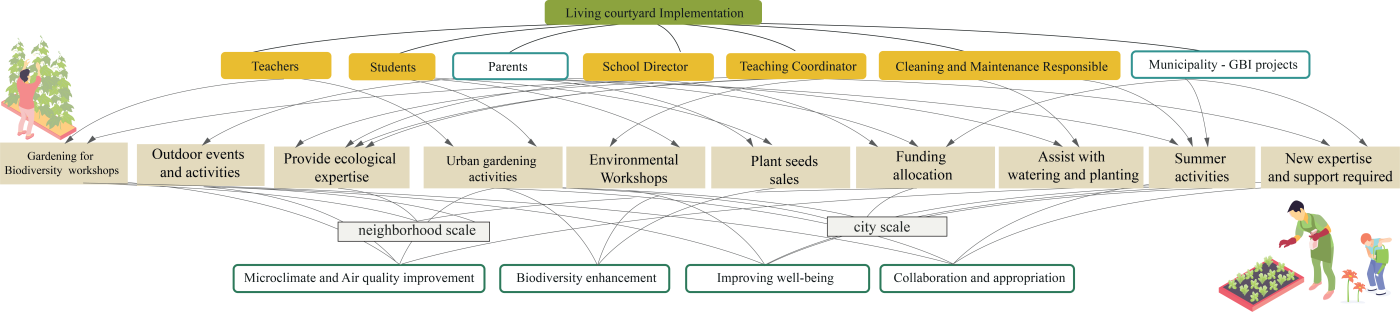
Service design tools helped me surface “ghost stakeholders” early, especially the people who keep NbS alive (caretakers, gardeners, facility managers, contractors) and those whose constraints decide whether participation is real (workers, parents, residents with limited time, digital access, or language fluency). Even if the NbS evolves later, these actors still determine whether it lasts. And nature itself is an actor in the map. It sets constraints, offers capacities, and changes the “rules” through seasons and climate. If NbS is meant to work “for people and nature”, then nature shouldn’t sit in the background; it should be treated as a stakeholder when we map actors. That pushes us to expand our tools. Alongside human personas, we may need ways to represent non-human “users” too, such as plants, pollinators, birds, and soil biota, whose needs and limits shape what good implementation and long-term care actually mean.
So, what does genuine inclusion look like when we’re actually designing and delivering NbS?
For me, it starts with treating inclusion as a design problem. Who are the stakeholders, really, such as direct users, indirect beneficiaries, overlooked maintainers, nearby schools and businesses, and vulnerable groups? What motivates them, what blocks them, and what would make showing up worth their time? It also means designing for unequal capacity. “One workshop for everyone” is rarely inclusive. Real participation needs multiple formats, hybrid (online + offline) options, and returning more than once, because trust is cumulative. And it means bringing operations in early. When maintenance knowledge enters at the start, inclusion becomes more than voice; it becomes durability. If NbS fails after installation, communities learn the wrong lesson: that green ideas don’t work.
Finally, make decision-making legible. People should be able to trace the chain from lived experience → design choices → implementation → monitoring. That’s co-governance, not consultation. If NbS are meant to work for people and nature, then “whose voices?” is also “whose time, whose work, whose risk, and whose future?” Real inclusion is better-designed collaboration, with responsibility shared early enough to matter.
If you’d like to read more, here are the studies this perspective draws on:
- Tapia, F., Ochoa-Peralta, D., Reith, A. (2025). From design to action: Service design tools for enhancing collaboration in nature-based solutions implementation. Journal of Environmental Management. https://www.sciencedirect.com/science/article/pii/S0301479725007157
- Tapia, F., Reith, A. (2025). Service design for nature-based solutions: The Bolzano green roof case study. Nature-Based Solutions. https://www.sciencedirect.com/science/article/pii/S2772411525000758
- Tapia, F., Reith, A. (2025). Integrating service design principles in NbS implementation: Insights from Szombathely (Hungary). City and Environment Interactions. https://www.sciencedirect.com/science/article/pii/S2590252025000029

about the writer
María Mejía
My heart is scattered across Colombia, Germany, the United States. and the Philippines. I have worked with incredible teams (Asian Development Bank, German Cooperation Agency, PIK Institute, etc.). Now back home, I’m currently leading the BiodiverCities by 2030 Initiative at the Humboldt Institute of Colombia. Editor of Urban Nature: Platform of Experiences (2016) and Transforming Cities with Biodiversity (2022). Volunteer at Fundación Cerros de Bogotá. Friend of TNOC since 2013.

about the writer
Franklin Kirimi
Franklin Kirimi is a Kenyan Landscape Architect with over eight years of experience in co-developing Nature-based Solutions (NBS) with at-risk communities across East Africa. He holds a Bachelor’s degree in Landscape Architecture from Jomo Kenyatta University of Agriculture and Technology (JKUAT) and a Project Management Professional (PMP) certification from Strathmore University. His expertise and experience, working at Kounkuey Design Initiative (KDI) includes integrating transformative community-focused participatory planning and design approaches that address needs of the community in urban spaces in harmony with the natural ecosystems.
María Mejía and Franklin Kirimi
What if participation meant growing together?
Integrating lived experiences with technical assessments helped build trust between communities and local authorities, while democratic working methods and citizen dialogue encouraged transparency, inclusion, and youth participation.
Two thoughts have stayed with me after my research with TNOC on Nature-based Solutions (NbS) and citizen action: (1) the world would look very different if we understood participation as a collective learning process; (2) yes, gathering voices is essential—but what if the systems we rely on aren’t designed to hear them? Both point to a simple but powerful idea: the most urgent gap in working with nature may not be financial, but one of design. On one hand, creating a system to grow together and on the other, a system able to hear voices.
This piece focuses on participation as a learning process. One inspiring partner in this space is Franklin Kirimi, a landscape architect in Nairobi who teaches at the Cool Waters Climate Change Adaptation Academy, now concluding its third cohort. The Climate Change Academy curriculum was drafted and designed by KDI, drawing from many years of experience in planning and co-designing Nature-based Solutions (NbS) and green infrastructure for climate change adaptation with urban residents in Kenya.
From voices to stewardship
Seeing participation as a learning journey shifts it from a one-off consultation exercise into something much deeper: a way to build long-term capacity, trust, and shared skills within communities.
Is there an experience in your life that transformed your relationship with nature — or with the world around you?
Yes, the transition from a citizen group to an NGO that has become a co-manager of a Marine Protected Area and operates professionally. A shift towards socio-economic activism, with guardians of sites, islands, ambassadors, etc.
Respondent from Sfax, Tunisia. TNOC’s Global Survey on Citizen Action for Nature (2025).
Imagine you are a community leader who did not have the chance to complete a university degree. A new research project adapts funding schemes to explicitly include non-university actors[1]. You are offered a free, certified, and compulsory training course—covering scientific, managerial, or administrative skills—opening the door to participatory budgeting processes or targeted micro-grants.
In simple terms, when local involvement is supported and professionalized, residents can build long-term capacity and create businesses and supply chains directly linked to maintaining green infrastructure. Participation then becomes not just a voice, but a pathway to stewardship and livelihoods.
Training through implementation ― The case of the cool waters climate change adaptation academy in Nairobi
Established by Dreamtown and Public Space Network (PSN) in 2025 in Nairobi, the Cool Water Climate Change Adaptation Academy targets youth groups factumed along the Nairobi River corridor. Kounkuey Design Initiative (KDI) provided training to group representatives in two cohorts of the academy, aiming to create a shared foundation of knowledge in urban participatory climate adaptation planning, GIS-assisted mapping, and the use of Nature-based Solutions (NbS), enabling project groups to work independently and collaboratively with technical-external consultants. By combining scientific modelling provided by UN-Habitat with citizen science, community mapping, and field validation, residents became active contributors to hazard assessment rather than passive recipients of expert knowledge. One example of this combined approach is the flood susceptibility assessment. While the assessment conducted at the catchment scale highlighted that areas closest to the main rivers and tributaries are the most prone to flooding, posing significant threats to infrastructure and health, the lived experience captures the anecdotal vulnerability of people, livelihoods, and the environment faced by these riverine communities.
Integrating lived experiences with technical assessments helped build trust between communities and local authorities, while democratic working methods and citizen dialogue encouraged transparency, inclusion, and youth participation. Over time, these practices contributed to stronger partnerships around Nairobi’s river rehabilitation efforts that included climate adaptation measures, albeit heavily focused on infrastructure development, and created opportunities for more community-driven urban planning processes.
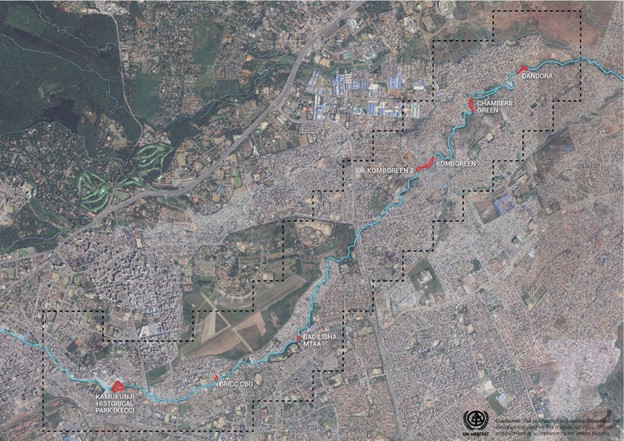
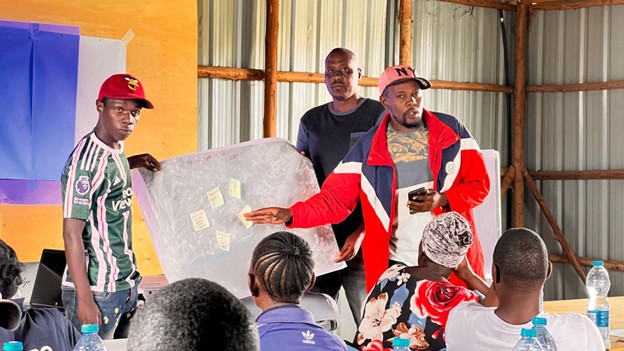
[1] Explore EU-funded project ACTION: Participatory science toolkit against pollution. Grant Agreement ID 824603

about the writer
Stephanie Janssen
Dr. Stephanie Janssen is a researcher at Deltares, working at the intersection of water management and nature-based solutions (NbS). Her work focuses on how NbS can enable transformative change by embedding social, cultural, and governance dimensions alongside technical design. She has been involved in international projects across Europe and Southeast Asia, particularly in Thailand, where she explores co-creation, partnership, and locally grounded approaches. Stephanie is especially interested in moving beyond “inclusion” towards genuine collaboration and shared ownership in shaping resilient and equitable landscapes.
Stephanie Janssen
A joint walk on the salt marsh: learning about ‘inclusion’ in Nature-based Solutions
Perhaps this is where Nature-based Solutions truly take shape: not through inclusion as a checkbox, but through the recognition that no one can do it alone and that only by working jointly these solutions succeed.
What could real inclusion in Nature-based Solutions (NbS) look like in practice? It is a difficult and important question. A visit to the salt marshes of Friesland, in the north of the Netherlands, some years ago offered me a valuable perspective. It also made me question whether “inclusion” is actually the concept to strive for.
A day on a salt marsh
I find myself walking through a wet and salty landscape along the Wadden Sea, together with a farmer, representatives from the water authority, a nature organisation, and a local municipality. Different institutions, different responsibilities, but all of them are also local residents, with a strong connection to this place.
The ability of salt marshes to reduce wave impact and grow with sea-level rise makes them an appealing NbS for flood risk management. This promise was why we gathered in the field that day.
As we walk across the marsh, we talk and share. About the summer dike and ways to capture more sediment to help the land grow. About cattle grazing for marsh management, and how the window between breeding season and storm season is becoming increasingly narrow. We discuss attempts to restore natural dynamics by breaching summer dikes, despite the challenges this brings. We reflect on dike reinforcement and how it connects to the marsh system.
Listening to these perspectives, it becomes clear how interconnected these practices are and how NbS is not something any of these actors can deliver alone.
NbS: nobody can do it alone
Traditional water management is organised in silos: dikes, nature areas, and agriculture operate in separate domains. Efforts to connect them are often framed as ‘stakeholder management’, implying that others can be coordinated or managed.
NbS challenges this logic. A salt marsh as part of flood risk management depends on the joint actions of multiple parties, and success requires recognising this interdependence. It asks organisations to move beyond what is within their control and accept dependency on others. This can feel uncomfortable, yet for NbS, it is essential. Without it, efforts risk remaining fragmented and ultimately failing.
What appeared to be a simple field visit revealed something more fundamental. All participants had been working in this landscape for years, some for decades, yet they had never been in the field together. They had never jointly explored how their activities are interdependent. Being there together marked a shift in their network
Beyond inclusion: towards partnership
Inclusion suggests that some actors hold the power to include (or exclude) others. It implies an imbalance: a centre that defines who is invited in. But NbS does not simply require more voices at the table. It requires a fundamentally different way of working.
If we continue to focus on inclusion, we risk overlooking what is truly needed: partnerships. Relationships in which actors recognise their mutual dependence, share responsibility, and collectively shape problem ánd solution.
What NbS demands is a shift towards more equal relations. Not managed stakeholders, but partners. Not consultation, but co-creation grounded in interdependence.
Where NbS can take shape
In Friesland, the walk across the marsh marked a small but significant step. For the first time, actors stood together in the same landscape, exchanging perspectives and recognising their interconnected roles. From there, they began developing a shared vision for the coast.
Perhaps this is where Nature-based Solutions truly take shape: not through inclusion as a checkbox, but through the recognition that no one can do it alone and that only by working jointly these solutions succeed.
Want to know what happened? Read: Vreugdenhil, H., Janssen, S., Hermans, L., & Slinger, J. (2022). Cooperating for added value: Using participatory game theory in implementing nature-based flood defences. Ecological Engineering, 176, 106507. https://doi.org/https://doi.org/10.1016/j.ecoleng.2021.106507
about the writer
John Hartig
Dr. John Hartig is a Visiting Scholar at the Great Lakes Institute for Environmental Research at the University of Windsor where he is undertaking interdisciplinary research on the cleanup, restoration, and revitalization of the most polluted areas of the Great Lakes.
John Hartig
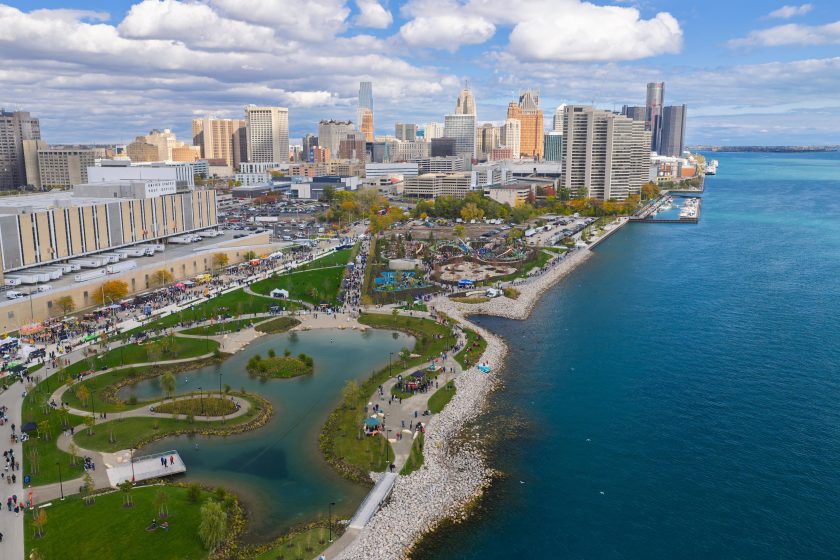
NbS: Process Matters
It is in the process where learning happens, where relationships form, where clarity emerges, and where transformation takes root long before any ribbon cutting.
Nature‑based solutions (NbS), like many sustainability efforts, often succeed or fail on the strength of their process. Meaningful stakeholder engagement is not a procedural box to check; it is the engine that drives trust, creativity, and durable outcomes. At the heart of this is co‑production of knowledge and co‑innovation of solutions ― practices that bring diverse expertise together, democratize innovation, and generate ideas that are more creative, more resilient, and more appropriate to the local context.
When people are invited to listen, observe, revise, and imagine together, the decision‑making process becomes both more democratic and more effective. Scientists, community members, Indigenous knowledge holders, practitioners, developers, and policymakers each see different parts of the ecosystem; only by weaving those perspectives together can we fully understand the system we are trying to restore or steward. Co‑production turns that weaving into a shared practice. It shifts the work from “experts delivering solutions” to communities and partners shaping solutions together, which is ultimately what makes outcomes stick.
Across the Great Lakes basin, many organizations embody this ethos. A few examples of organizations that steward ambitious visions while grounding their work in deep community engagement include: the Waterfront Regeneration Trust, Chicago Wilderness, the Detroit Riverfront Conservancy, and the Joe Louis Greenway Partnership. These organizations build and maintain partnerships that embody grassroots ecological democracy, co-produce knowledge and co-innovate solutions, and practice adaptive management ― assess, set priorities, and take action in an iterative cycle of learning and improvement.
Experience has shown that who is at the table ― and when ― matters enormously. When voices are missing early on, some of the most creative, resilient, and sustainable ideas never surface. At the Refuge Gateway of the Detroit River International Wildlife Refuge in Trenton, Michigan, bringing fish and wildlife experts, landscape architects, and environmental NGOs into the process from the beginning helped transform an industrial brownfield into a model of sustainable redevelopment ― one that sustainably manages stormwater, restores habitat, and provides environmentally-sensitive public access through trails.
Similarly, meaningful community engagement in an underserved area of Southwest Detroit shaped the creation of Marathon Gardens, a nature park that brings much‑needed greenspace to a neighborhood long overshadowed by industry. In Detroit’s Stanton Yards development, early and inclusive engagement ensured that the resulting gathering place reflects community aspirations ― a space where art, nature, and NbS come together to inspire. And at the new Ralph C. Wilson, Jr. Centennial Park, having the right voices at the table led to a world‑class riverfront destination with soft shorelines, riparian habitats, a two‑and‑a‑half‑acre water garden, a fish spawning reef, and more.
We often say that a good process should be locally led and locally owned, but we rarely acknowledge that the process itself is more art than science. The Waterfront Regeneration Trust’s nine guiding principles ― clean, green, connected, open, accessible, usable, diverse, affordable, and attractive ― illustrate how values can be made explicit and used to guide local decision‑making in a consistent, transparent way.
Focusing on process is easy to overlook because it is quiet, slow, and rarely celebrated. Yet, it is in the process where learning happens, where relationships form, where clarity emerges, and where transformation takes root long before any ribbon‑cutting. Walking the talk of meaningful engagement and following a thoughtful process are essential to designing places for both people and wildlife, cultivating a sense of place, fostering a stewardship ethic, and creating the “third spaces” where people gather, connect, and build community around shared interests, including sustainability.

about the writer
Ana Kalin
Ana Kalin is a gender expert at Forum for Equitable Development in Slovenia. While trying to comprehend why gender and intersectional discrimination are taking place in our societies, her efforts are directed at mainstreaming gender into our daily lives, including into various environmental topics such as water management, energy and transportation poverty.
Ana Kalin
Are we capable of changing words into reality?
If NbS truly are to become holistic and inclusive, as they claim to be, a change of approach is needed.
In the early 2000s, the term “development aid” was replaced with “development cooperation”. It seemed like solidarity and the understanding that equitable development can be the only way forward had become reality. The 1990s and 2000s were the years of hope and democratic progress, giving rise to the Millennium Development Goals, which were in 2015 replaced with the Sustainable Development Goals. Could this universal call to action, still in place today, be understood as a recognition that not only countries, but also the environment, societies, and economies are interrelated? But how can it then be possible, less than ten years later, that the rich and powerful countries have taken a turn and are now focusing primarily on strengthening their own security and their own motor of growth?
I came to the worlds of development assistance and nature-based solutions as an outsider. To the former at the beginning of my career, and to the latter several years later as a gender expert, keen on exploring the win-win, no-regret strategies mimicking nature. In societies functioning in silos, in which cooperation, let alone collaboration, is measured with a degree of reciprocity and suspicion, the story surrounding NbS was truly luring: interventions inspired by nature, designed through a transparent process, and implemented in cooperation with and with the consent of local communities.
To better understand this promised land, I dove into the existing literature to gain insight into the intersection of NbS, NbS for water treatment, and gender. The aim of the literature review was, on one hand, to identify the already existing gender-sensitive approaches when engaging with stakeholders, and on the other hand, to provide evidence that addressing gender contributes to water use efficiency and environmental sustainability. While over the past years there has been some progress in researching the mentioned topics, very little was written about it in 2022, and nearly all the analysis focused on so-called developing countries, as if assuming that gender no longer plays a role in ecosystem services in so-called Western, developed countries.
NbS are not an isolated case in this regard; the same holds true when trying to understand the nexus between climate change, energy, transportation, poverty, and gender and diversity. Not only in Slovenia, but throughout the EU. It is thus not surprising that leading policy documents, such as the European Green Deal or the recently adopted Water Resilience Strategy, while perhaps mentioning the existence of vulnerable groups, do not offer any solutions on how to address their underprivileged position in society.
To bring the truly inclusive definition of NbS into practice, change is necessary at various levels. True collaboration is needed between environmentalists and social experts. It needs to take place on equal footing, and it has to begin in the design stage at operational, research, and policy levels. No less important is the collection of disaggregated data, not only by gender, but also by other personal circumstances. At the same time, it is crucial not only to collect data about vulnerable groups but also to bring them to the table, create an environment in which they can truly contribute to the decision-making process, and, in the end, to actually include their voices in the final decisions.
On paper, this might sound like very easy steps that need to be undertaken. But in reality, cross-sectorial cooperation demands openness to new and diverse ideas, and to their acceptance as equally important as your own perceptions of the world. Stemming from it, new knowledge can be born, which creates the space to understand which stakeholders have never before participated in NbS and when they ought to ― not the usual suspects with high levels of power, but rather the overlooked ones on the margins. Learning from them then uncovers what data is missing in order to fully understand the reality of the world we live in.
The development aid vs development cooperation discourse illustrates that political correctness is not sufficient to create a change of course. If NbS truly are to become holistic and inclusive, as they claim to be, a change of approach is needed. The suggested changes are very time and resource-consuming. But most of all, they demand a conscious effort to not only go beyond business as usual, but also to overcome our own unconscious biases.
about the writer
Carolina Figueroa-Arango
Carolina Figueroa is a political scientist, founder of SELVAR, a think-and-do tank advancing nature-based solutions in cities across Latin America and the Global South, and Director of Protected Areas for the city of Bogotá. Her work focuses on biodiversity conservation, climate adaptation, and the integration of nature into urban planning and decision-making across Latin America and the Global South. She has led interdisciplinary projects on urban wetlands, ecological restoration, and nature-based solutions in collaboration with communities, governments, academia, and international organizations. Carolina is also co-lead of the Urban Conservation Strategies Specialist Group of the IUCN World Commission on Protected Areas and author of the book Integrating Nature-Based Solutions in Cities from the Global South.
Carolina Figueroa-Arango
Beyond Participation: Governance, Power, and Local Realities in NbS
Successful NbS implementation depends on the ability to adapt global concepts to local contexts rather than applying them uniformly across diverse realities.
Nature-based solutions (NbS) are often discussed through an idealized lens of participation and inclusion, but governance is more complex than simply bringing everyone to the table. Governance is fundamentally about how power, responsibility, and decision-making are shared within social systems, from families to organizations and governments. NbS operate within these systems; therefore, participation will always depend on scale, context, interests, capacities, and responsibilities.
Against this background, the principal governance challenge is to move beyond the mere presence or absence of actors and establish purposeful participation. Genuine inclusion does not necessarily mean that everyone participates equally in every decision. Instead, it means ensuring that those most likely to benefit from or be affected by NbS, those who may bear risks or trade-offs, and those responsible for maintaining these solutions are meaningfully involved in shaping them.
To achieve this type of governance model in practice, participatory approaches need to be intelligent, transparent, and context-sensitive. Questions such as who benefits from NbS, who may be negatively affected, and who will be responsible for stewarding these interventions over time are far more important than following the step-by-step procedures of generic participation frameworks. This is particularly important because NbS governance operates across multiple scales.
At the global level, large organizations and governments should continue efforts to promote NbS in global agendas and mobilize finance to support their implementation as a cornerstone for climate resilience and biodiversity targets. This also means recognizing their importance and prioritizing them in climate and biodiversity negotiations. And at the same time, translating these global agendas into practice requires locally defined governance models, partnerships, and participatory mechanisms that are adapted to the ecological realities, cultural dynamics, institutional structures, and resource limitations that vary enormously across territories.
From my experience, I have seen governments struggle to develop national NbS guidelines without creating overly stringent and complex frameworks that may unintentionally hinder implementation. This is why, at SELVAR, we promote the design and implementation of NbS through a threefold lens: every intervention should deliver clear and simultaneous benefits for climate, people, and nature. Achieving this requires thoughtful, context-sensitive design rather than rigid, one-size-fits-all approaches.
From a public policy perspective, avoiding overly rigid NbS frameworks also requires acknowledging and building on existing practices that may not yet be labeled as NbS. Reviewing these initiatives and engaging their stakeholders can help build more effective bottom-up approaches that value local knowledge, capacities, and lived experience. In this process, non-governmental organizations can play a critical role in advancing NbS by diversifying the stakeholders involved, the benefits generated, and the locations where NbS are implemented.
This need to build on existing local practices is particularly relevant given that NbS, as a concept, has been largely developed in European policy and academic context and has been widely promoted across both the Global North and South. Therefore, practitioners, planners, academics, and private-sector actors should approach NbS not as a fixed framework to be replicated, but as a concept that must be carefully grounded and translated into local realities. This process requires time, critical reflection, and an examination of the assumptions embedded in frameworks developed elsewhere. Their relevance and effectiveness should be assessed in relation to different governance structures, cultural dynamics, social priorities, and financial capacities. Ultimately, successful NbS implementation depends on the ability to adapt global concepts to local contexts rather than applying them uniformly across diverse realities.
For this reason, at SELVAR we developed the book Planning for NbS in cities from the Global South, grounded in the recognition that the Global South encompasses highly diverse realities, challenges, and opportunities. The book provides practical guidance on how to integrate NbS into urban planning processes across the Global South, drawing on experiences from 18 cities in Latin America, Africa, and Asia. Through these case studies, it highlights the wide diversity of approaches, governance structures, and implementation pathways that shape NbS in different social, cultural, institutional, and financial contexts. It also proposes a flexible framework that can guide an NbS process, from design and planning to implementation.

about the writer
Emilie Parry
Emilie Parry is climate change specialist for the State of Hawai’i’s Climate Change Mitigation Adaptation Commission / Office of Conservation and Coastal Lands, and founder of Rootbridge Ecosystems, working with emergent convergent networks of endogenous and Indigenous Peoples engaged around the climate crisis and ecological regeneration. Emilie completed a DPhil research degree at the University of Oxford Centre for the Environment, SoGE / ECI; MA Brandeis University’s Heller School of Social Policy & Management sustainable development and conflict transformation, conducted jointly with Harvard KSG/Law School (international rights law, dispute negotiation); BA University of California at Berkeley in International Development Studies and English.
Emilie Parry
If we pause, sensitize ourselves, and deepen our listening, we may all be better able to find our right relationship within the whole of nature and heal together.
In Hawaiian Indigenous ecoculture, there is a treasured Creation Story, a cosmogonic genealogy, called the Kumolipo. The Kumolipo contains 16 wā or epochs, during which different plants and animals are born or come into being. Humans do not appear until the 8th wā. The plants and animals that appeared before humans are our ancestors, our teachers, and guides for living in harmony with Earth. The Kumolipo is decidedly eco-centric, rather than anthropocentric. Humans are not at the center of the story–they are the descendants, a newer species on the planet, who must honor, respect, listen to, and learn from the ancestors across multitudes of species who came before us.
When the wa’a, the double-hulled voyaging canoe, first departed the Marquesas for the Hawaiian Islands well over 800 years ago, it was the stars, the fish, and sea mammals, the birds, who guided them. These Polynesians brought with them many plants and animals for food and medicine, such as kalo (taro), ulu (breadfruit), ‘uala (potato), pigs and chickens, and healing plants (Lāʻau Lapaʻau) such as noni, ‘awa,ʻōlena, kukui. They also brought with them a relational ontology, a way of being, relating, and understanding rooted in the dynamic mutual flux equilibrium and interconnectedness of all life. They understood they needed to carefully co-evolve with and adapt to the ecosystems present on the Hawaiian archipelago when they arrived. From this emerged, honed and cultivated over hundreds of years, a kuleana or reciprocal responsibility, to care for the land (ʻāina or ‘that which nourishes’) and all beings, for at least seven generations past and seven into the future. There was an understanding that our human presence, and the plants and animals accompanying, would change the islands’ ecosystems, and that we must learn from the life present on these islands in order to mitigate our human impact while also cultivating new harmonies that could feed and care for the whole ecosystems. Traditional food forests and aquaculture practices adapted and emerged on these islands in ways that protected most native species while learning from them. Humans could not have survived without the plants and animals we carried, but we also couldn’t survive if we did not learn from, care for, and respect the ancestors, including our ‘elder species.’
These adaptive re-emergent practices of reciprocal care and responsibility for/as nature in Hawaii, which co-created ecologically healthy food systems and protected ecosystems historically, are practices that today are viewed by many as crucial to healing the ecosystems and food systems in the here and now, to healing humans with ʻāina, and as solutions to the human drivers and impacts of climate change and biodiversity loss. A key element for these Traditional Ecological Knowledge practices includes kilo, on an ongoing process of multi-sensory observation– receptively listening, smelling, sensing, and receiving the messages, the voices, of the water, the winds, the stones, the skies, the rains, the plants, the animals… they are all speaking, for those who are sensitive to receiving their messages.
The prompt for this piece asks, “Whose voices shape and make decisions in Nature-based Solutions (NbS), and who does not get included?” We’d like to challenge–or at least shift– the viewer’s gaze from the social and cultural assumptions, positionality, and worldviews that formed the question and thereby shape the processes and outcomes to follow. Often, inclusion is framed as inviting others into an already-established center: governmental processes, policy spaces, non-profit organizations and NGO structures, institutional timelines, or externally designed programs. The implicit assumption is that the table to which “others” must be invited is the one you are sitting at, and the question becomes who gets a seat at your table.
The position of the questioner, while well-meaning, risks assumption of a center or starting point, and often an assumed center that is not endogenous or indigenous to place. An anthropocentric assumption is common, particularly with post-industrial dominant systems. In the Indigenous Hawaiian worldview, however, as in many Indigenous and syncretized ecocultural worldviews, human society is not at the center, but rather part of nature in a manner that requires care, receptive listening, organic regenerative cycles and timing, and mutual responsibility to all living (and often ‘non-living’) beings.
Rather than asking the (inherently exogenous) question of whose voices are not included, perhaps the most courageous shift that could be undertaken is to practice listening to the voices that have been ever-present across all species, communicating consistently, alongside and through the human caretakers who’ve held the line of ancient wisdom and practice through to the present. If we pause, sensitize ourselves, and deepen our listening, we may all be better able to find our right relationship within the whole of nature and heal together.
about the writer
Cecilia Herzog
Cecilia Polacow Herzog is an urban landscape planner, retired professor at the Pontifical Catholic University of Rio de Janeiro. She is an activist, being one of the pioneers to advocate to apply science into real urban planning, projects, and interventions to increase biodiversity and ecosystem services in Brazilian cities.
Cecilia Herzog
When the power is dominated by the economic system, find the cracks!
People need to get together, connect to each other, to be empowered, and find cracks in the system to let a new urban life-based reality emerge.
There is a lot of literature on nature-based solutions, co-creation methods, and case studies, mostly from Global North experiences.
In Brazil, co-creation is still a fiction, a “wanna be” participative procedure. The social-ecological contexts are too complex; the interests of powerful stakeholders, such as infrastructure magnates, real estate developers, and bus conglomerates, are frequently where the remaining green spaces are located. There is a lot of money to be made out of them. In most cases, the colonial extractivism logic permeates urban development and renewal practices. Many local public servants committed to developing ecological projects struggle to reconcile the business-as-usual process with the urgent need to adapt cities to climate challenges and people’s desires.
In many cities, residents are fighting for their rivers, trees, and biodiversity.
The case of the Bixiga Municipal Park, in a central area in São Paulo, is remarkable!
Zé Celso Martinez, an iconic actor, director, and founder of the Theater Oficina, located in the street above the Bixiga river, which was buried underground, fought against Silvio Santos, a powerful businessman and media mogul, to block a huge real estate development that would have erased the theater and the entire neighboring buildings. For years, he faced, with wit and sagacity, the greedy capitalist in a long judicial process. He raised public awareness, engaged residents, and created a real movement to protect the area. Many events happened to envision how the new renaturalized landscape would be, with waters flowing, biodiversity blooming, and people enjoying life, where there was asphalt and concrete. The decades-long process of developing new imaginaries worked!
Finally, in July of 2024, the São Paulo Municipal Legislation Council unanimously approved the park (Order 222/24). It was a huge victory for the communities involved in the process, refusing to be excluded.
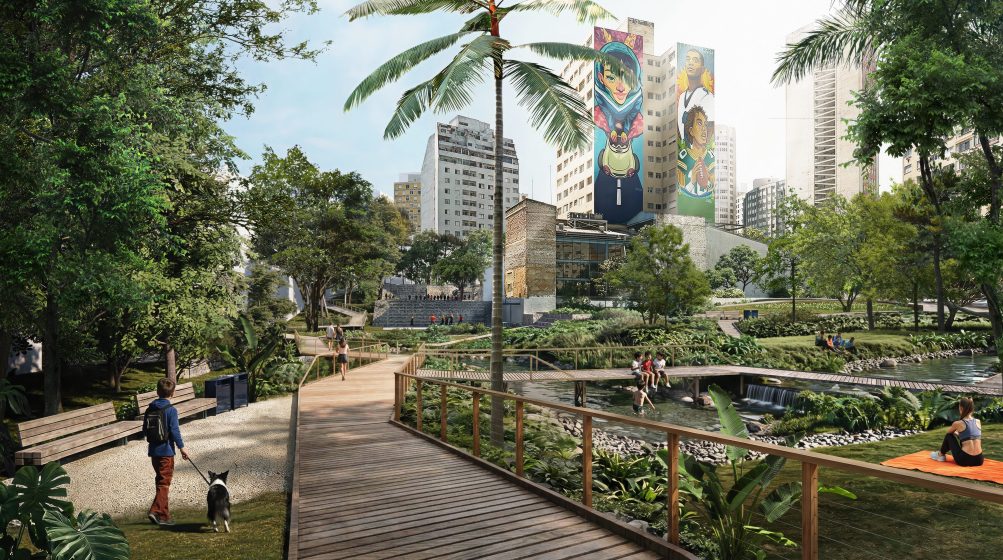
At the end of 2025, the Brazilian Institute of Architects, São Paulo chapter (IAB-SP), and the Department of Greening and Environment (SVMA) of the city promoted three participatory workshops open to the public. The co-creation process was intense, with many grassroots residents, activists, and other people interested in transforming the urban landscape from gray to green-blue, preserving the rich history and culture of the area. And, obviously, incorporating the Theater Oficina in the project. The co-creation process was the foundation of the competition opened by IAB-SP. The project is now public and will soon break ground.
Zé Celso didn’t live to see the transformative outcome of his tenacity to preserve the area from the speculative process of urbanization. But his legacy is honored by all and will be a social-ecological landmark in a South American megalopolis.
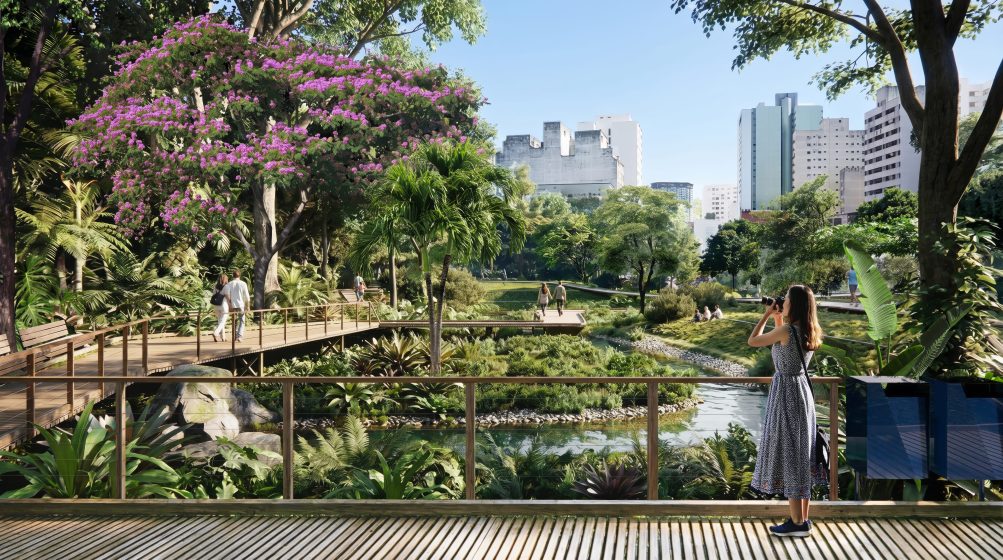
This case highlights the power of change when one individual’s spark ignites collective dreaming with other possible futures, besides the business-as-usual way of urban development that this economic system pushes everyone to believe in.
We cannot wait for top-down transformation processes to occur, which require vision and power to change the current status quo of the decision-making process dominated by the elites.
The long, bottom-up and inclusive process of development of this park is a great source of inspiration for places where collective voices are usually not heard, where private interests have more power than common desires and well-being. People need to get together, connect to each other, to be empowered, and find cracks in the system to let a new urban life-based reality emerge.
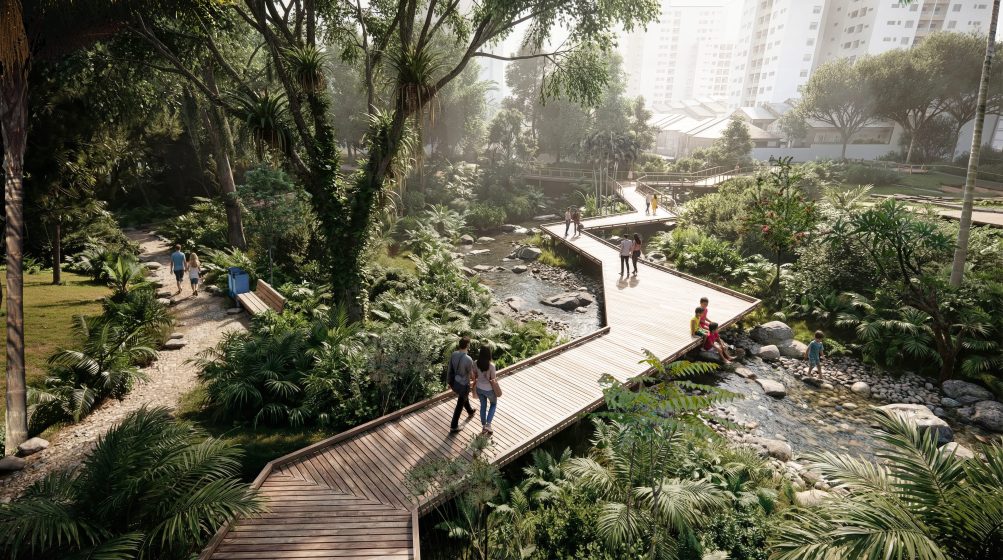

about the writer
Edna Cabecinha
Edna Cabecinha is an Assistant Professor in the Department of Biology and Environment at the University of Trás-os-Montes and Alto Douro (UTAD), Portugal. She currently leads the IUCN CEM Nature-based Solutions Thematic Group and has also served as IUCN CEM Western Europe Regional Co-Chair. She holds a PhD in Environmental Sciences and coordinates CITAB’s R&D1 group, “Natural Resources, Biodiversity & Climate Challenges”. She is also Vice-Coordinator of the “Water Resources, Soil Health & Food” research area at Inov4Agro. Her work focuses on ecosystem management, climate adaptation, ecosystem services, and the design, assessment, and implementation of high-integrity Nature-based Solutions.
Edna Cabecinha
Whose Voices Shape Nature-based Solutions? From Recognition to Shared Decision-making
The challenge ahead is to move beyond consultation towards genuine co-creation, and to ensure that NbS are not only recognised globally but also shaped locally, governed fairly, and sustained over time for both people and nature.
Nature-based Solutions (NbS) have gained strong international visibility through organisations and conventions such as IUCN, UNEA, IPCC, IPBES, CBD, UNFCCC, the European Union, national governments, research networks, NGOs, and development agencies. This has been essential for building recognition, credibility, and policy momentum. Yet this wider visibility also raises a fundamental question: whose voices are shaping the NbS agenda, and whose voices remain at the margins?
At the global level, institutions such as IUCN have helped clarify what NbS are, what they should deliver, and how their integrity can be assessed. The IUCN Global Standard for NbS is particularly relevant because it provides a robust framework to design, assess, monitor, and improve NbS. It helps ensure that interventions are not labelled as “nature-based” merely because they appear green, but are assessed against the full integrity framework of the IUCN Global Standard, including clearly defined societal challenges, an integrated systems perspective, biodiversity and ecosystem integrity, financial feasibility, inclusive governance and equity, safeguards for balancing goals and impacts, adaptive management, and long-term sustainability and mainstreaming.
However, global definitions and technical frameworks are only part of the answer. High-integrity NbS are not defined only in international policy spaces, scientific panels, or institutional strategies. They must also be defined within the territories where they are implemented, in collaboration with the communities involved. This is where inclusion becomes central.
Many voices are still insufficiently represented in NbS decision-making. Local communities, Indigenous Peoples, small-scale farmers, fishers, land managers, women, young people, marginalised urban residents, and other place-based knowledge holders are often consulted too late, or only symbolically. They may be invited to validate or comment on a project after the problem has already been framed, the solution selected, or the indicators defined. Participation then becomes a procedural requirement rather than a real transfer of influence.
Evidence from NbS case studies (Cohen-Shacham et al., 2025) shows that this can be done differently. In several contexts, Indigenous Peoples and local communities have contributed not only as beneficiaries, but also as knowledge holders, implementers, monitors, and decision-makers. Examples include coastal restoration aligned with Māori aspirations and cultural practices in Aotearoa, New Zealand; Indigenous communities as primary implementers and beneficiaries in the sacred forests of the Mijikenda Kaya in Kenya; and Indigenous Elders, rangers, youth, and community members leading biocultural recovery processes in northern Australia. These examples show that local and Indigenous knowledge is not an “add-on” to NbS. It is often central to their relevance, legitimacy, and long-term success.
Inclusive governance is not an additional element of high-integrity NbS; it is essential to their quality, fairness, and legitimacy. In line with the updated IUCN Global Standard, it means involving stakeholders, rights-holders, Indigenous Peoples, and local communities throughout the whole process ― from defining the societal challenge to designing, implementing, monitoring, and adapting the solution over time. It also means ensuring mutual respect, equality, accessible mechanisms to address concerns, and decisions that respect the rights and interests of affected people. Scientific evidence is fundamental, but Indigenous knowledge, local experience, cultural memory, and practical knowledge are also essential to make NbS effective, fair, sustainable, and able to support wider change.
This is particularly important in urban contexts, where decisions about nature are also decisions about access, health, safety, identity, and belonging. A new green space or climate adaptation intervention may reduce heat, support biodiversity, or improve water management. But it may also raise questions about maintenance, displacement, cultural relevance, and who actually benefits. These questions determine whether an NbS is socially legitimate and sustainable.
So, whose voices should shape NbS? Global institutions, scientific bodies, and policy frameworks have an important role in creating shared understanding, evidence, and political momentum. But high-integrity NbS also require stronger participation from those whose lives, rights, knowledge, and responsibilities are directly connected to the ecosystems and places concerned.
The IUCN Global Standard can help guide this transition when used not merely as a technical checklist, but as a framework for dialogue, accountability, and shared learning. The real test of high-integrity NbS is not only whether they meet global criteria, but whether they redistribute voice, responsibility, and influence on those most connected to the places and ecosystems concerned. The challenge ahead is to move beyond consultation towards genuine co-creation, and to ensure that NbS are not only recognised globally but also shaped locally, governed fairly, and sustained over time for both people and nature.
about the writer
Claudia Misteli
Claudia is a social designer, communicator, and journalist who believes that care, creativity, and collaboration are key to building more just, vibrant, and nature-connected places. At The Nature of Cities, she co-leads European projects and TNOC Festival, sparking connections and meaningful action. Claudia also volunteers with the Latin American Landscape Initiative (LALI), helping amplify regional voices and build bridges across Latin America through storytelling, communications, and a deep love for people and place.
Claudia Misteli
Nobody here calls it Nature-based Solutions
In your own city, on your own street, who is already caring for nature without ever calling it “nature-based solutions”?
A 10-minute walk from my home in Barcelona, there is a small community garden called L’Hortet del Forat, “the little garden of the hole.” It grew inside a square the neighbourhood still calls el Forat de la Vergonya, the Hole of Shame. In the early 2000s, the city cleared several blocks of the old Casc Antic for a development scheme and a private underground car park and left a five-thousand-square-metre lot fenced off and derelict. In December 2002, the neighbours took it back. They pulled down the fences, planted a pine tree, built a park, and within it, this garden — with their own hands.
I want to start here because of a question the people who built it would probably never ask themselves: Are we doing nature-based solutions?
They wouldn’t, and they wouldn’t need to. That is exactly the point.
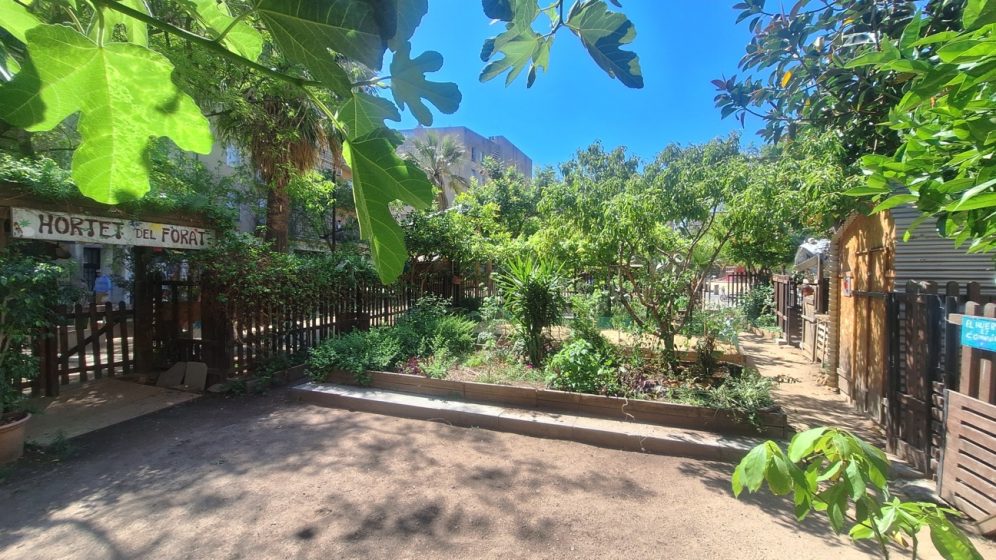
Photo: Claudia Misteli.
This year, my colleague María Mejía and I delivered the Roadmap for Citizen Action on Nature-based Solutions — research carried out by The Nature of Cities for NetworkNature, drawing on 20 interviews across 4 continents, a global survey of 445 people, and a review of various EU-funded projects. One finding ran through almost everything we heard: the problem is rarely that people aren’t acting for nature. They are acting, constantly and skillfully. What’s missing is recognition. As Erika Svendsen, an inspiring social scientist from the United States, whom we interviewed, told us, there is ecological knowledge and people who care in every single neighbourhood in the city; the work is recognising the civic capacity that already exists rather than starting from scratch every time.
Exclusion in nature-based solutions doesn’t always look like exclusion. Often, it’s quieter than that; it begins with a word. When we arrive in a community speaking of “nature-based solutions,” “co-benefits”, and “green infrastructure”, we draw an invisible line, and it often falls between the very people and us already doing the work. Our friend Diana Wiesner, an architect and urban planner in Colombia, also told us: technical language often alienates people, creating distance, as if to say, “I know more, and I have a strange term”. Saurav Dhakal, a community campaigner in Nepal, described communities that already live those solutions; the only gap, he said, is that nobody comes to articulate or appreciate the way they live.
This is why the Roadmap’s very first pathway is Speak the Language of Communities — the ground floor of the whole framework. Before participation, before governance, before funding, there is a more fundamental act of inclusion: seeing what people already do and value in their daily lives and naming it in words they recognise as their own. The community garden is exactly this. A genuine piece of urban nature, alive with everything a nature-based solution promises, and yet the neighbours who tend to reach for “garden”, “neighbourhood”, “shade”, “supper”, never “NbS”.
So, what does real inclusion look like in practice? And for that, I want to turn to the Roadmap’s third pathway, Meet People Where They Are, which calls for alternative and creative methodologies precisely because formal consultations and expert panels reach so few. A few steps from the community garden, on a wall in the same neighbourhood, there is a mural that embodies this pathway better than any policy could. It is a hand-drawn collective map of the old town — Mapeig col·lectiu d’espais de refugi climàtic i comunitari — marking all the places where people already go to cool down and care for one another when the heat turns dangerous: gardens, a women’s centre, a school courtyard, a shaded market, the community garden itself. Crucially, it maps refuges in which people don’t need to spend money. Designed by the artist Tonina Matamalas as part of a neighbourhood project, Construïm la Trinxera Climàtica del Casc Antic, it was made with feminist and community collectives rather than for them.
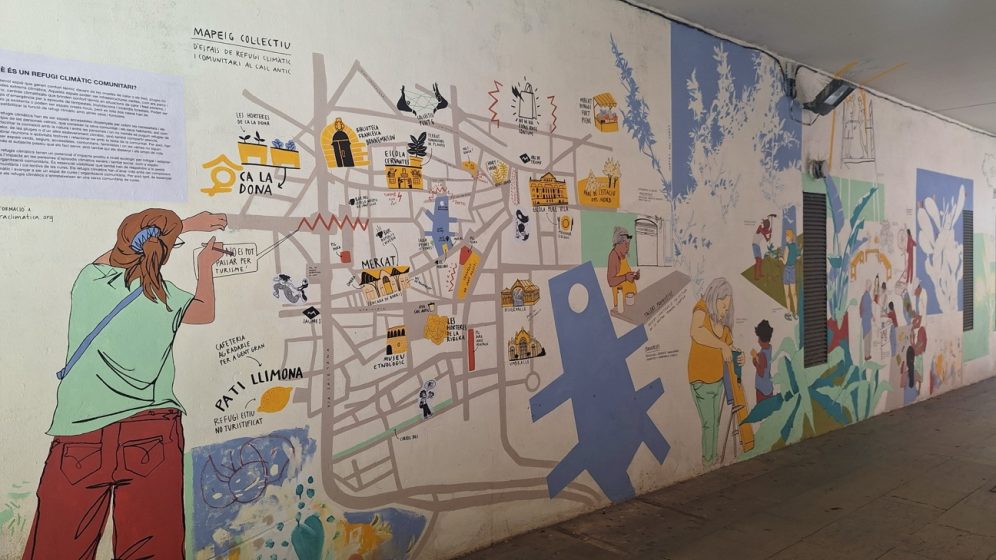
That mural is, to me, a near-perfect answer to the question. It is climate adaptation, a very serious nature-based solution, but it arrives as art, memory, humour, and local pride, not as a planning document. And it does something our research found again and again that institutions struggle to do. Erika Svendsen has spent her career building a method called STEW-MAP — the Stewardship Mapping and Assessment Project, developed with Lindsay K. Campbell — to make “realer and more visible” the networks of care that sustain green spaces, asking the deceptively simple question, who takes care of this place? As she told us, “We visualise the nature-based solution, the design, the structure, the function, but we don’t visualise the social network that gives life and energy to these spaces.” That mural beside the community garden is that same act of making care visible, only drawn from the inside, by the neighbourhood itself, rather than by a researcher or a municipality. The community produced its own stewardship map, in its own language.
Real inclusion can begin not with a bigger budget but with humility, treating the people already doing the work as colleagues, rather than a “target audience”, and letting their language lead ours.
So, here is the question I would leave you with. In your own city, on your own street, who is already caring for nature without ever calling it “nature-based solutions”? Look around. They are there. The work is simply to see them.
* * *
The Roadmap Research Database is a living, open-source resource bringing together the evidence behind the Roadmap for Citizen Action on Nature-based Solutions.
Browse by theme, search by keyword, or ask a direct question — for example, “What barriers do community groups face when maintaining NbS long-term?” or “Which projects have worked with underrepresented communities?”
Consult here: https://notebooklm.google.com/notebook/2e93f566-4b0e-48ce-80c8-bfbab2002a36
Built in partnership with NetworkNature as part of the Horizon Europe NetworkNaturePLUS project under grant No. 101082213.

about the writer
Nicolas Salmon
Nicolas Salmon is an urban planner, engineer, and co-founder of YES Innovation, based in Quito, Ecuador. His work focuses on nature-based solutions, climate finance, and resilient urban infrastructure in Latin America. Over the past 20 years, he has combined international research, urban practice, and technological innovation across Europe and Latin America, working with cities, development banks, and international cooperation programs on climate adaptation and sustainable urban transformation.
Nicolas Salmon
Real inclusion is not simply inviting more people to a workshop. It means creating conditions for people who normally remain silent to feel authorized to speak — and accepting that this may complicate the neat and controlled processes we are often trained to prefer.
In our experience working on nature-based solutions in cities across Ecuador and Latin America, the problem is not that we do not know participation matters. Everybody says participation matters. The problem is that almost everything in the way projects are designed — timelines, funding structures, institutional cultures, and even expert anxieties — pushes us to work again and again with the same voices.
The same people come to the workshops. The same NGOs. The same institutional representatives. The same consultants and technical experts. Meanwhile, many of the people who actually live in the places we are transforming remain outside the conversation.
And honestly, sometimes this exclusion is not intentional. Often, there is simply no time to build the relationships needed to reach people beyond the “usual suspects”. Sometimes there is fear of conflict. Sometimes, there is fear that opening the process too much will make projects harder to manage or slower to implement. In practice, participation can easily become symbolic: a workshop, a consultation, a few Post-it notes on a map, and then the technical team continues making the real decisions.
We have also seen another barrier, one that comes from the communities themselves. Many people do not feel authorized to participate. They assume urban design, public space, or climate adaptation belong to experts or politicians. They do not necessarily believe their own experience of living in a place is valuable knowledge.
That became very clear to us during the Clever Cities project in the San Enrique de Velasco neighborhood in Quito, where we implemented rain gardens along a residential street. We invited neighbors to participate in the design and planting process. Most participants ended up being women from the neighborhood. What struck us was not only their interest, but their surprise. They were genuinely surprised that they could participate in shaping the street where they lived.
Many of them already maintained tiny gardens or small vegetable patches inside their properties. Even in very limited spaces, there was already care, knowledge, and attachment to plants and urban nature. Once the intervention was implemented, these same neighbors became the people who took care of the rain gardens afterwards.
For us, this experience revealed something important: many so-called “non-experts” already have an intimate relationship with urban nature. The problem is not the absence of interest. The problem is that our planning processes rarely create the conditions for these people to feel legitimate enough to speak.
We have tried to address this through more informal participation methods, including using the Unlimited Cities application to meet people directly in the street instead of only inviting them into formal workshops. These experiments have been valuable because they deformalize participation and bring other voices into the conversation. But we also have to admit that it has been difficult to maintain these approaches systematically within professional practice. They require time, patience, and institutional willingness that many projects still do not prioritize.
Another difficulty is that urban nature is deeply surrounded by fears, prejudices, and myths. In many neighborhoods, people believe trees attract crime because thieves can climb walls more easily. Others believe green infrastructure is necessarily more expensive or difficult to maintain than gray infrastructure. These perceptions strongly shape public debates.
And in some ways, the opinion of ordinary people scares experts. Technical teams often retreat into technical language because it feels safer and more controllable than entering emotional, subjective, and sometimes contradictory discussions about public space and urban nature. Even participatory processes with children — which can be beautiful and inspiring — sometimes become an easier substitute for engaging directly with adults who may have more conflictive or divergent opinions.
Maybe the challenge is not to make everybody decide everything. A more useful distinction may be between collecting opinions and making final decisions. Cities still need technical responsibility and political accountability, but those decisions should emerge from a genuinely plural process of listening, instead of relying only on the voices that already dominate planning discussions.
Real inclusion is not simply inviting more people to a workshop. It means creating conditions for people who normally remain silent to feel authorized to speak — and accepting that this may complicate the neat and controlled processes we are often trained to prefer.

about the writer
Maria Gabriella Trovato
Maria Gabriella Trovato is Associate Professor and Programme Leader of the International Master’s in Landscape Architecture for Global Sustainability at NMBU, Norway; Adjunct Associate Professor at AUB, Lebanon; and Visiting Professor at POLIMI, Italy. Her research explores landscape-based approaches to socio-ecological repair in conflict-affected and climate-vulnerable territories, drawing on decolonial, post-humanist, and political ecology frameworks. She argues that landscapes are integrative spaces in which ecological restoration, cultural memory, and relational justice are mutually constitutive rather than sequential. As Chair of the IFLA Working Group Landscape Architects Without Borders and Director of the Working Program Disaster Risk Reduction and Resilience, she works on contested landscapes across the Middle East and the Mediterranean.
Maria Gabriella Trovato
Scenarios, not solutions: on language, knowledge, and landscape’s right
We can design processes that systematically include voices often excluded by NbS practice, and we can sit with the uncertainty of where they might lead.
I have spent years thinking about inclusion without ever having had to practise it in its full sense. Most of what my students and I produce, design proposals, spatial scenarios, and theoretical frameworks, stays on paper or a laptop, since we rarely build anything. The gap between theoretical work and real-world application is itself one of the places where exclusion lives. Therefore, I think the most honest contribution I can make to this discussion is to interrogate the language we use to talk about it. Without clearer, more precise terms, our efforts will continue to fall short, regardless of how many stakeholder workshops we run.
The phrase “nature-based solutions” is where I want to start. With extensive experience in landscape design, I’ve never been comfortable calling them “solutions”. The term feels too absolute, implying that a damaged system can be fully fixed, handed over, and considered final. In reality, landscapes aren’t problems with straightforward answers; they are dynamic and layered with time, memory, and the claims of those who live in them. What we can truly offer are tentative, partial, and ever-evolving scenarios. Replacing “solutions” with “scenarios” signals a shift because scenarios involve multiple stakeholders and perspectives. That reframing is not merely semantic but structural. The perception of NBSs as solutions to specific problems casts them as technical fixes, appealing to implementers such as institutions, consultants, and well-funded NGOs. But for whom are these solutions designed? Are these initiatives truly for the communities, land, or water? From the community’s perspective, it’s essential to recognise that local knowledge is often gathered, documented, and stored as background information rather than treated as evidence that can influence the design process. Vulnerable communities are often only involved in consultation phases after the process’s direction has already been set.
As Arnstein (1969) described in the “ladder of participation,” there are many steps, but most NbS efforts rarely go beyond the initial levels of consultation, rather than co-authorship (Cornwall, 2008; Cooke & Kothari, 2001). Yet, I want to go beyond this procedural critique, as I believe it doesn’t fully address the fundamental core issue. In fact, the issue is a deeper epistemic one. Academic discourse discredits knowledge that emerges from everyday practice as local colour, anecdotal material, background context (Fricker, 2007). The farmer who reads water through the colour of the soil, and the community that has developed, over decades of scarcity and restriction, a deeply situated expertise in repair and material improvisation, are forms of empirical know-how. Accumulated through sustained attention to a specific place, they are systematically excluded from the processes that claim to work in that place’s name (Haraway, 1988; Mignolo, 2000). When we disregard them, we exclude people and layered information, and we design worse scenarios and call them solutions.
Additionally, scholarship on the European Landscape Convention states the right to landscape as the people’s right to engage with, influence, and connect to the landscapes they inhabit (Council of Europe, 2000; Egoz, Makhzoumi & Pungetti, 2011). But, what about the landscape’s own right, the nonhuman world’s claim to be viewed as more than just a surface for human intervention? Rivers carry their own hydrological memory. Soil retains contamination long after the initial event. Stone (1972) was the first to question whether natural objects should have legal status. Later, scholars such as Bennett (2010), Haraway (2016), and Kimmerer (2013) have clarified what seriously considering non-human agency entails not symbolically but as an integral part of the work (Plumwood, 2002; Puig de la Bellacasa, 2017).
While I don’t have a definitive vision of what true inclusion entails in practice, I can share that in the design studio, teachers and students have the freedom to explore without feeling limited by strict implementation. We can design processes that systematically include voices often excluded by NbS practice, and we can sit with the uncertainty of where they might lead. This speculative space is both a limitation of my work and its most honest contribution of a rehearsal for a different way of engaging (Escobar, 2018). Whether that rehearsal impacts the landscape in practice depends on choices that are ultimately cultural and political rather than technical. Recognising this, I believe, is the starting point for any genuine discussion about inclusion.
References
Arnstein, S.R. (1969). A ladder of citizen participation. Journal of the American Institute of Planners, 35(4), 216–224.
Bennett, J. (2010). Vibrant Matter: A Political Ecology of Things. Duke University Press.
Cooke, B. & Kothari, U. (Eds.) (2001). Participation: The New Tyranny? Zed Books.
Corner, J. (Ed.) (1999). Recovering Landscape: Essays in Contemporary Landscape Architecture. Princeton Architectural Press.
Cornwall, A. (2008). Unpacking ‘participation’: models, meanings and practices. Community Development Journal, 43(3), 269–283.
Council of Europe (2000). European Landscape Convention. Florence.
Egoz, S., Makhzoumi, J. & Pungetti, G. (Eds.) (2011). The Right to Landscape: Contesting Landscape and Human Rights. Ashgate.
Escobar, A. (2018). Designs for the Pluriverse: Radical Interdependence, Autonomy, and the Making of Worlds. Duke University Press.
Fricker, M. (2007). Epistemic Injustice: Power and the Ethics of Knowing. Oxford University Press.
Haraway, D. (1988). Situated knowledges: The science question in feminism and the privilege of partial perspective. Feminist Studies, 14(3), 575–599.
Haraway, D. (2016). Staying with the Trouble: Making Kin in the Chthulucene. Duke University Press.
Kimmerer, R.W. (2013). Braiding Sweetgrass: Indigenous Wisdom, Scientific Knowledge and the Teachings of Plants. Milkweed Editions.
Mignolo, W. (2000). Local Histories/Global Designs: Coloniality, Subaltern Knowledges, and Border Thinking. Princeton University Press.
Plumwood, V. (2002). Environmental Culture: The Ecological Crisis of Reason. Routledge.
Puig de la Bellacasa, M. (2017). Matters of Care: Speculative Ethics in More Than Human Worlds. University of Minnesota Press.
Stone, C. D. (1972). Should trees have standing? Toward legal rights for natural objects. Southern California Law Review, 45, 450–501.

about the writer
Timon McPhearson
Dr. Timon McPhearson works with designers, planners, and local government to foster sustainable, resilient and just cities. He is a Professor and Director of the Urban Systems Lab at New York University and a Research Fellow at the Cary Institute of Ecosystem Studies and Stockholm Resilience Centre.

about the writer
Pablo Cantis
Pablo Herreros is a Research Fellow at the URban Systems Lab at the New School, where he applies socio-ecological analysis to urban ecosystem services and environmental risks, with special focus on their spatial attributes and their links to social justice. He previously studied environmental engineering at the Polytechnic University of Madrid, Spain.

about the writer
Loan Diep
Loan is a researcher in environmental studies. Her work is centered on the development of cities that are green and inclusive of communities, most particularly those trapped in marginalizing systems. Her PhD focused on green infrastructure for rivers in informal settlements of São Paulo.

about the writer
Veronica Olivotto
Veronica Olivotto works on research projects that concern how climate risk is assessed and how climate adaptation policies, especially managed retreat, are implemented while accounting for the intersections with equity and justice. She holds a PhD in Public and Urban Policy from the New School (NYC) and a Master in urban development from Erasmus University Rotterdam (The Netherlands).
Timon McPhearson, Pablo Herreros-Cantis, Loan Diep, and Veronica Olivotto
From Extractive Expertise to Relational Co-Production in Nature-Based Solutions
Real co-production is slower. Messier. More political. It requires trust-building, long-term relationships, a willingness for institutions to share power rather than perform participation, and for individuals to step outside their own disciplinary and institutional boundaries.
Cities around the world continue to heavily invest in nature-based solutions (NbS), but are we delivering approaches that actually change the status quo? The “usual suspects” include the same city agencies, financial institutions, experts, and consultants, and largely continue to shape urban development priorities and outcomes. Meanwhile, frontline neighborhoods, Indigenous communities, informal caregivers, youth, and local organizers are involved only after key decisions have already been made. Despite growing rhetoric around inclusion, participation (where it exists) too often remains procedural rather than transformative, with limited integration of diverse forms of knowledge and aspirations, and overall redistribution of power.
Recent scholarship on urban nature and resilience argues that we need a profound shift away from treating cities as technical systems to be managed and toward understanding them as relational systems built through ongoing social, ecological, and political relationships. Pickett et al. (2024) call this a “relational shift” in urban ecology — one that foregrounds coproduction, power, governance, and diverse ways of knowing rather than only infrastructure or urban form. That matters because exclusion in NbS is rarely accidental. It is produced through histories of inequality that shape whose expertise is legitimate, whose experiences are dismissed, and who ultimately influences decision-making.
These inequalities are spatially and socially uneven. Black, Indigenous, low-income, and marginalized communities are often disproportionally exposed to flooding, heat, and pollution while simultaneously having less access to green space and political influence. Over time, these legacies translate into layered feelings of neglect and distrust towards government agencies responsible for planning and implementing NbS for climate adaptation (Olivotto et al., 2025). Real inclusion looks very different from consultation meetings where residents are asked to “give feedback” on plans already drafted. It means communities helping to define the problem itself. It means shifting from extracting local knowledge to building shared and usable knowledge systems sustained by iterative learning mechanisms.
But change is underway. Academic institutions and researchers are increasingly building more relational forms of research, helping to move beyond extractive knowledge practices and focusing on shared learning, empowerment, and sustained engagement that recognizes normally marginalized groups as central to urban environmental governance. NbS cannot rely on scientific expertise alone, but requires knowledge brokering approaches that foster collaboration, innovation, and exchange across diverse knowledge holders (Diep and McPhearson, 2025). In this context, some researchers are beginning to rethink their role less as experts and more as facilitators of co-creation processes grounded in reciprocity and trust.
In our work in Milwaukee, for example, researchers in the Urban Systems Lab, environmental justice organizations, healthcare practitioners, and local advocates co-produced a Flood-Health Vulnerability Assessment to identify neighborhoods most vulnerable to flooding and climate-related health risks, as a foundation for prioritizing NbS for flood risk reduction. The process emerged through sustained conversations where community organizations recognized that existing green infrastructure plans overlooked both social vulnerability and the uneven geography of flood exposure. Rather than consulting stakeholders, the project intentionally centered local organizations in shaping the research questions, indicators, and communication tools. The resulting story maps, vulnerability assessments, and research synthesis (Herreros-Cantis et al., 2024) were designed not only for planners but also for advocacy groups fighting for more equitable investment. To this day, the co-created visualization tool remains under the stewardship of a local environmental justice organization, making it an example of data sovereignty for NbS planning and advocacy, as noted in subsequent reviews. That distinction matters. Communities were not merely data sources; they were co-authors of the knowledge itself.
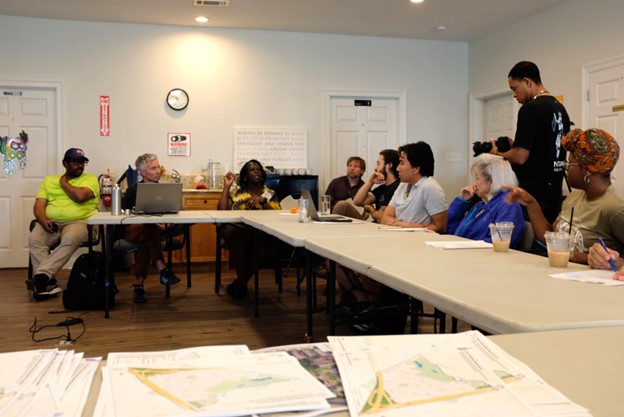
A similar lesson emerges from recent work on coastal resilience and social-ecological-technological systems. Feagan et al. (2025) argue that responding to climate risks requires transforming the very “knowledge systems” cities rely on for decision-making. Their work created collaborative “innovation spaces” where residents, scientists, municipal staff, and community groups worked together to rethink resilience planning and data visualization. Importantly, resilience planning cannot simply add community participation to existing technocratic systems. It requires changing whose knowledge counts in the first place.
And perhaps this is the core challenge for NbS going forward. Justice is not the garnish we add at the end. As Frantzeskaki et al. (2025) argue, NbS are not inherently just or unjust — their outcomes depend on how they are designed, governed, and for whom they are implemented. That means incorporating Indigenous knowledge, community memory, lived experience, and local stewardship alongside scientific expertise.
Real co-production is slower. Messier. More political. It requires trust-building, long-term relationships, a willingness for institutions to share power rather than perform participation, and for individuals to step outside their own disciplinary and institutional boundaries. The future of urban nature depends not only on planting trees or restoring wetlands, but on transforming who gets to imagine, shape, and care for the city itself.
References
Diep, L., and McPhearson T. (2025). Enabling Environments for Nature-based Solutions to Close the Urban Climate Adaptation Gap. PNAS, 122 (29), https://doi.org/10.1073/pnas.2315912121
Feagan, M., Muñoz-Erickson, T. A., Hobbins, R., Baja, K., Chester, M., Cook, E. M., Grimm, N., Grove, M., Iwaniec, D. M., Iyer, S., McPhearson, T., Méndez-Lázaro, P., Miller, C., Sauter, D., Solecki, W., Tomateo, C., Troxler, T., & Welty, C. (2025). Co-producing new knowledge systems for resilient and just coastal cities: A social-ecological-technological systems framework for data visualization. Cities, 156, 105513. https://doi.org/10.1016/j.cities.2024.105513
Frantzeskaki, N., Wijsman, K., Kabisch, N., & McPhearson, T. (2025). Inter-and transdisciplinary knowledge is critical for nature-based solutions to contribute to just urban transformations. Proceedings of the National Academy of Sciences, 122(29), e2315911121.
Herreros-Cantis, P., Hoffman, L., Kennedy, C., Kim, Y., Charles, J., Gillet, V., Getzin, A., Littlefield, D., Zielinski, A., Bernstein, J., Settle-Robinson, R., Langemeyer, J., Neumann, M. B., & McPhearson, T. (2024). Co-producing research and data visualization for environmental justice advocacy in climate change adaptation: The Milwaukee Flood-Health Vulnerability Assessment. Cities, 155, 105474. https://doi.org/10.1016/j.cities.2024.105474
Olivotto, V., Wijseman, K., McPhearson, T. (2025) Senses of Justice After Coastal Retreat in New York City. Frontiers in Climate. Vol.6. https://doi.org/10.3389/fclim.2024.1481919
Pickett, S. T. A., Simone, A. T., Anderson, P., Sharifi, A., Barau, A., Hoover, F.-A., Childers, D. L., McPhearson, T., Muñoz-Erickson, T. A., Pacteau, C., Grove, M., Frantzeskaki, N., Nagendra, H., & Ginsberg, J. (2024). The relational shift in urban ecology: From place and structures to multiple modes of coproduction for positive urban futures. Ambio. https://doi.org/10.1007/s13280-024-02001-y
about the writer
David Simon
David Simon is Professor of Development Geography at Royal Holloway, University of London and until December 2019 was also Director of Mistra Urban Futures, an international research centre on sustainable cities based at Chalmers University of Technology, Gothenburg, Sweden. He is a Lead Author of the current IPCC Special Report on Climate Change and Cities.
David Simon
Environmental justice, aka Nature-based Solutions for all!
It is neither necessary nor inevitable: coherent city-wide planning and action by local governments can ensure a broad spread of urban greening initiatives across their jurisdictions so that most people benefit and social or capitalist property markets reflect this more equitably.
Growing up under the shadow of apartheid in South Africa as a nature lover and then budding teenage environmentalist, I was aware from quite an early age of how exclusionary and exclusive access to the great outdoors, “nature”, national or provincial parks and other natural assets were. Driving through a metaphorical sea of rural poverty, accompanied by overgrazing, loss of tree cover and a paucity of birdlife, the boundary fence of a park marked a stark dividing line, beyond which one was surrounded by tall grass, trees, often abundant wildlife and relatively well-maintained roads and accommodation facilities. The only people one encountered apart from other visitors were white park rangers and black workers and “game guards”.
Mid-way through secondary school, I had the immense good fortune of being selected for a sponsored place on a week-long course at the pathbreaking Wilderness Leadership School in what is now KwaZulu-Natal. It was established by a visionary group of conservationists and former park rangers, including Ian Player (brother of the golfer, Gary Player), who had led the successful campaign to save the highly endangered southern white rhinoceros (Ceratotherium simum) from extinction in the face of habitat loss, trophy hunting and poaching. They understood that this would ultimately be a futile endeavour in the face of widespread poverty among the local population, some of whom had been forcibly evicted from the parks at creation, as was then standard practice across southern and east Africa in what later became known as fortress conservation. Similarly, saving one species would be impossible without simultaneously conserving the habitat and ecosystem of which the rhino was an integral part.
Hence, they set about educating everyone, from the local population to current and future leaders, as to the benefits of this vision of conservation, symbolically, environmentally and, most immediately of all, economically. Poaching might fill bellies in the short term, but it was unsustainable, and worse hunger, poverty, and environmental degradation would result. Demonstrating sustainable natural resource harvesting by and for the local people and providing employment within the parks and beyond their borders, linked to improving infrastructure and services with a proportion of conservation revenue, and advocating necessary regulatory and legal changes amounted to a highly ambitious programme of turning poachers literally into gamekeepers.
That life-changing experience contributed to set me on a career addressing sustainability, resilience and, more recently, climate change, imbued with the clear understanding that so long as conservation and “urban greening” were perceived, rightly or wrongly, as elite preserves, they were doomed to fail. Fast forward several decades and the work of the Campaign for an Urban Sustainable Development Goal (now SDG 11), to which I contributed, was imbued with similar values, as evident by the embedding of distributional variables at the heart of many targets and indicators, including that on access to green open space (11.7.1).
One example will suffice to demonstrate the importance of this: within Greater London, the proportion of each constituent borough’s area comprising accessible green space ranges from around 46% in leafy, relatively low-density Richmond-upon-Thames to a mere 8% in Newham, one of the poorest and highest-density inner-city boroughs, with a relatively high proportion of ethnic minority and marginalised communities. On a per capita basis, however, the wealthy inner-city boroughs like the City of Westminster and Kensington and Chelsea have the least (0.36 and 0.38 ha respectively). The point about accessibility is crucial because much green space is physically and/or financially out of reach of the majority behind literal walls or entry paywalls.
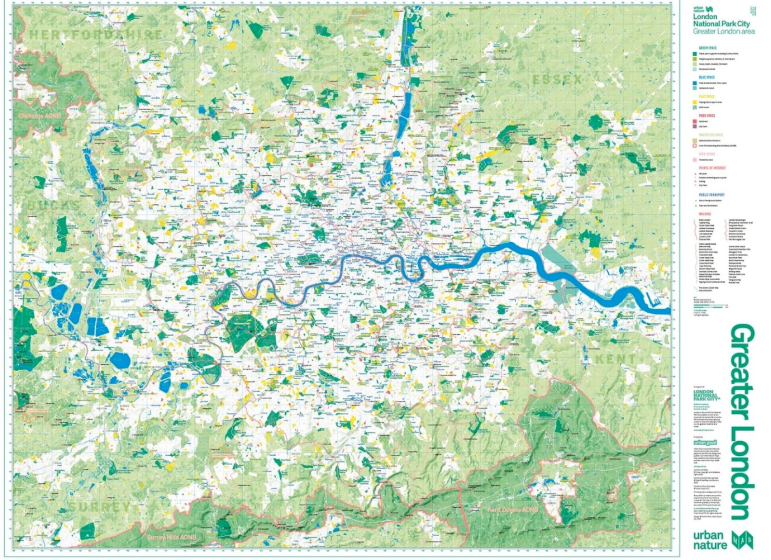
Sharply unequal access to green open space proved a crucial factor during the various lockdowns or other mobility restrictions in cities worldwide during COVID-19, playing out in terms of mental, psychological and physical manifestations of stress and ill health. Immediate and longer-term responses by many local governments have included extended opening hours for local parks, revised planning criteria and programmes to green the most deprived neighbourhoods. The adequacy and effectiveness of these varies. However, as with broader efforts to promote urban NbS and ecosystem-based adaptation within climate change mitigation and adaptation strategies, these often raise concerns about unintended consequences.
Improved amenity value and reduced vulnerability to urban flooding or heat island effects often translate into increased property rentals and prices in capitalist property markets. In consequence, poorer residents, often disproportionately the young, elderly, and ethnic minority groups, become displaced in a process known as green or climate gentrification. This is exacerbating socio-spatial inequality and environmental injustice and is one factor fuelling the rise of neo-populist urban politics in many contexts. However, it is neither necessary nor inevitable: coherent city-wide planning and action by local governments – particularly using co-design with local communities – can ensure a broad spread of urban greening initiatives across their jurisdictions so that most people benefit and social or capitalist property markets reflect this more equitably.
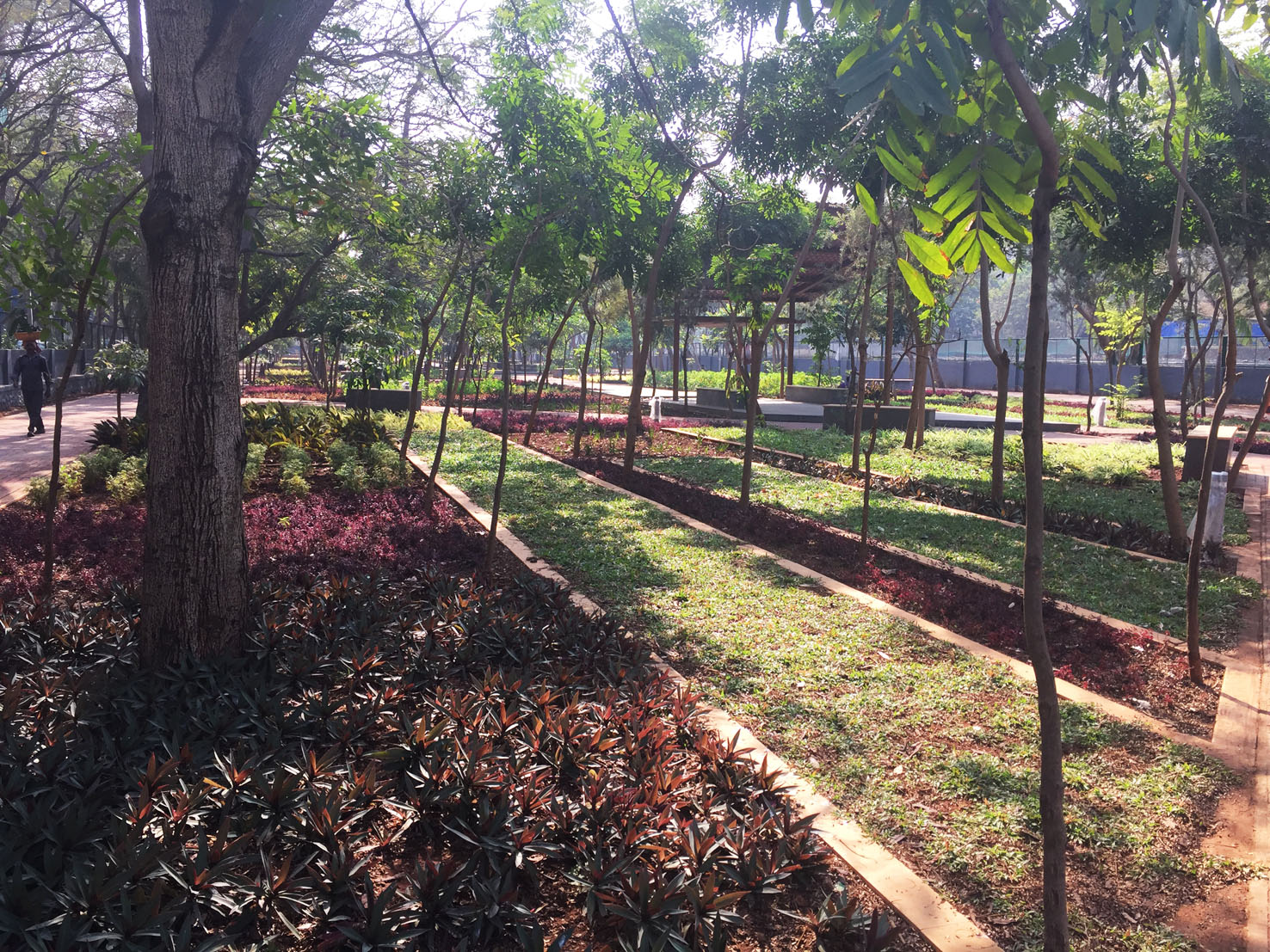
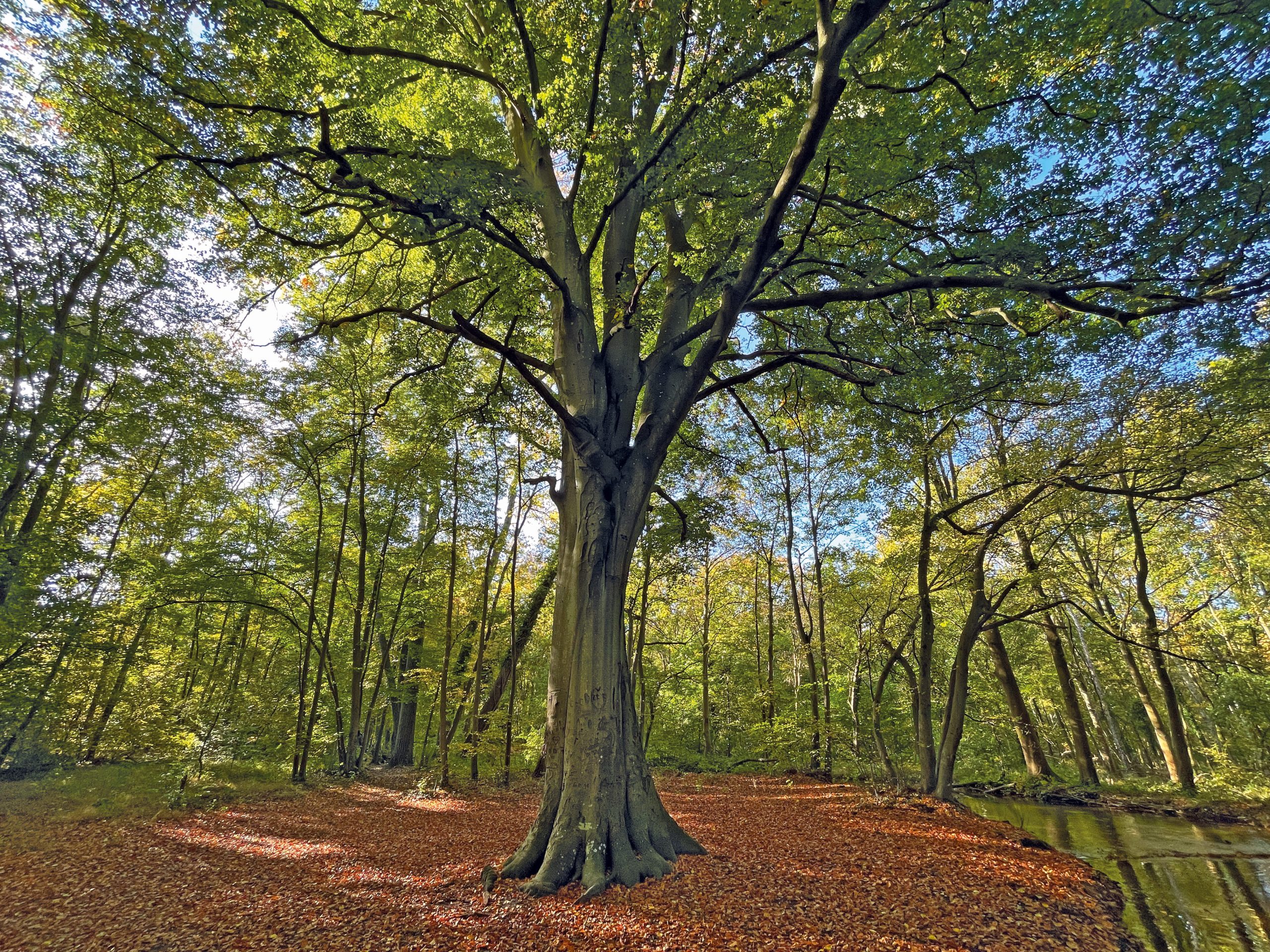
Leave a Reply