Test of using a ‘category’ as a way to display Roundtable posts (eg: a collection of writings by different authors) To use this, you would make a ’roundtable title’ into a ‘category’
Cities are not only social systems. They are not only technical systems. They are ecological systems.
Istanbul’s Northern Watersheds provide drinking water to sixteen million people. Stretching across forests, reservoirs, wetlands, and agricultural landscapes on the northern edge of the metropolitan region, they perform ecological functions without which the city simply could not survive. They regulate floods, recharge groundwater, support biodiversity, and sustain water security for one of Europe’s largest urban populations.
Yet, despite their ecological significance, they are almost entirely absent from Urban Living Lab discussions. That absence is not unique to Istanbul. It reflects a broader blind spot within the global Urban Living Lab movement.
If you asked someone to imagine an urban living lab — a real-world site where a city tests new ways of doing things, with residents, researchers, and public agencies experimenting side by side — what would come to mind? Most likely smart mobility, digital infrastructure, citizen engagement platforms, energy transitions, or urban innovation districts. Ask instead about watersheds, aquifers, wetlands, ecosystem services, or biodiversity corridors, and the conversation often changes — or stops altogether.
That is a problem.
Because cities do not survive on apps.
The wooded and agricultural landscape of Şile, part of the territory that sustains Istanbul’s water supply. Photo: Özge Çelik Yılmaz
Cities survive on ecosystems. They depend on watersheds that provide drinking water, wetlands that absorb floodwaters, agricultural landscapes that support regional resilience, and biodiversity networks that sustain ecological functions across fragmented urban territories. These systems are not simply the backdrop to urban life. They are the foundations that make urban life possible. Yet they remain largely outside the experimental imagination of contemporary Urban Living Labs.
What Urban Living Labs were built to do
For more than two decades, Urban Living Labs have helped cities rethink how people move, interact, consume energy, and participate in governance. The movement emerged at the intersection of innovation studies, smart city agendas, and participatory planning. Through the European Network of Living Labs, hundreds of laboratories have tested new approaches to mobility, digital governance, climate adaptation, and citizen participation. These experiments have demonstrated that cities can move beyond static planning processes and embrace adaptive, collaborative forms of governance — and that experimentation can become a legitimate planning tool rather than an exceptional practice.
But if we look closely at what most Urban Living Labs actually experiment with, a pattern emerges. The focus is overwhelmingly placed on the built environment: streets, buildings, mobility systems, energy infrastructure, digital technologies, and public spaces. The living infrastructure that makes those systems possible remains largely outside the frame.
Most Urban Living Labs experiment with how a city’s people and infrastructure interact. Very few examine the ecological systems that make cities possible.
This is more than an oversight. It reflects a deeper assumption embedded within much of the Urban Living Lab tradition: that the city is primarily a social and technical system rather than an ecological one. That assumption is becoming increasingly difficult to sustain.
The infrastructure nobody innovates
To be clear, ecology is not entirely absent from Urban Living Lab practice. Nature-based solutions, urban greening projects, and climate adaptation pilots are increasingly common. Green roofs, urban forests, and rain gardens frequently appear in Urban Living Lab portfolios. But there is a crucial difference between incorporating ecological elements into urban experiments and governing the ecological systems upon which cities depend.
A green roof is an intervention within the city. A watershed is the system that supplies the city’s water. A biodiversity pilot in a neighborhood park is valuable. Managing an entire ecological corridor that supports biodiversity across a metropolitan region is something fundamentally different. The systems that keep cities alive possess characteristics that conventional Urban Living Lab models often struggle to accommodate: they cross municipal and administrative boundaries; they operate across long ecological timescales; they involve complex biophysical processes that cannot be evaluated within short project cycles; and they require governance coalitions that extend beyond municipalities and residents to include water authorities, conservation agencies, agricultural institutions, scientists, and regional governments.
New housing advances into the wooded hills above Şile, on the northern edge of Istanbul. Photo: Özge Çelik Yılmaz
This gap is visible even in the formal structures of the Urban Living Lab field. The European Network of Living Labs assesses applicants across dimensions of openness, user involvement, innovation, and replication — without a single criterion referencing watershed governance, ecosystem service integration, or any form of ecological mandate. An Urban Living Lab that has never engaged with a natural system can be fully accredited. An ecology-oriented lab that lacks a digital platform might struggle. As a result, the ecological systems most critical to long-term urban resilience are often the systems least likely to become the focus of Urban Living Lab experimentation.
What an ecology-oriented Urban Living Lab would actually do
If Urban Living Labs are to address twenty-first-century ecological challenges, they need to evolve toward a genuinely different model. An Ecology-Oriented Urban Living Lab places ecological systems — not the built environment — at the center of experimentation. Its primary spatial unit is not a district or redevelopment area but an ecological territory: a watershed, a biodiversity corridor, a peri-urban agricultural mosaic whose functions extend across multiple jurisdictions and institutional boundaries. Its temporal frame is calibrated to ecological processes, which may require years or decades to manifest meaningful change. And its governance coalition includes water authorities, conservation agencies, agricultural institutions, and ecological researchers alongside the planners, municipalities, and community organizations that populate most conventional labs.
A road through the forests north of Istanbul. Photo: Özge Çelik Yılmaz
Most importantly, an Ecology-Oriented Urban Living Lab treats ecosystem services — water provision, flood regulation, carbon sequestration, biodiversity maintenance — not as environmental constraints to be protected, but as planning objectives to be actively pursued, monitored, and improved. Its success is measured not only through social innovation, user engagement, or technological performance, but through ecological outcomes: Can water quality improve? Can flood regulation be strengthened? Can biodiversity be maintained or restored? Can ecosystem services become more resilient over time? These questions reorient the entire experimental design — and they are almost entirely absent from current Urban Living Lab evaluation frameworks.
What the blind spot looks like on the ground
Istanbul’s Northern Watersheds illustrate why this shift matters in practice. The territory functions as ecological infrastructure for the entire metropolitan region, yet responsibility for its management is fragmented among multiple ministries, municipal authorities, and sectoral institutions. Scientific knowledge exists. Monitoring systems exist. Regulatory frameworks exist. What is missing is an integrated governance structure capable of bringing these elements together within a shared experimental framework.
My TÜBİTAK-funded research on ecology-oriented Urban Living Labs in this territory suggests that the central challenge is not technical but institutional. The question is not whether ecological data exist. It is whether governance systems are capable of learning from that data, adapting their decisions, and coordinating action across ecological rather than administrative boundaries. An Ecology-Oriented Urban Living Lab offers one possible answer — not because it provides a perfect solution, but because it creates a structured environment where experimentation, monitoring, and adaptive governance can occur before ecological crises become irreversible.
Autumn crocus in the leaf litter of the Şile forests. Photo: Özge Çelik Yılmaz
Where urban innovation needs to go next
None of this diminishes the achievements of the Urban Living Lab movement. The field has transformed how cities think about participation, innovation, and experimentation. But it is still operating with an incomplete understanding of what cities are. Cities are not only social systems. They are not only technical systems. They are ecological systems — and those ecological systems increasingly determine whether urban regions can remain resilient under accelerating climate and environmental pressures.
Peri-urban meadow and village road near Ömerli. Photo: Özge Çelik Yılmaz
Closing this gap will require changes at multiple levels: new accreditation criteria that recognize watershed governance experiments as legitimate Urban Living Lab projects; funding frameworks that support ecological experimentation on the timescales ecological systems actually require; legal provisions that authorize multi-scale, ecologically-anchored governance across jurisdictional boundaries; and evaluation methods capable of assessing ecological outcomes alongside social and technical ones. For two decades, Urban Living Labs have helped cities experiment with mobility, technology, energy, and governance. The next challenge is helping cities experiment with the ecological systems that determine whether those cities remain livable at all.
The next generation of Urban Living Labs should not begin with sensors, apps, or digital twins. It should begin with water. Because the systems that keep cities alive deserve to be at the center of urban innovation, not at its margins.
The relationships between people and urban wildlife here are shaped by histories and traditions that deserve their own literature, their own frameworks, their own attention.
Not long ago, Bengaluru had a different identity. People called it the Garden City, a place of wide, tree-lined roads, quiet lakes, and a climate so gentle it earned the nickname Pensioners’ Paradise. That city still exists in the memories of older residents, in photographs, and in the stories people tell when they are feeling nostalgic. But it is harder to find on the ground.
A front-yard single-family home garden in Bengaluru. Photo: Varsha Bhaskaran
The Bengaluru of today is one of the fastest-growing cities in Asia. An IT boom, a construction surge, and decades of infrastructure expansion have come at a steep cost: the city has lost close to 90% of its green cover. Lakes have been filled in and built over. Large avenue trees have been cut down for road widening. Parks have shrunk or disappeared entirely. The wildlife that once made this city extraordinary, such as its birds, its reptiles, its small mammals, has now had to contend with a landscape that is increasingly concrete and fragmented.
And yet, something remarkable is happening behind the compound walls of homes across the city. In backyards, rooftops, and the narrow strips of soil between buildings, people are keeping gardens. And those gardens, it turns out, are far more than personal hobbies. They are wildlife refuges. They are the last pockets of green in neighbourhoods that have little else to offer.
The people tending them are the ones who determine what these spaces can be. How they feel about the animals that show up, what they are willing to share their space with, how their cultural beliefs and personal histories shape their relationship with urban wildlife, and whether any of that translates into the way they garden. This is what I wanted to understand when I began this research.
A gap in the literature — and a gap in our cities
There is a growing body of research on urban gardens and biodiversity, much of it from cities in Europe and North America. Studies from the UK, for instance, have shown that private gardens collectively cover more land than all the nature reserves in the country combined. That is a remarkable number, and it has rightly drawn attention to the potential of domestic green spaces as conservation tools.
Garden in the balcony, mimicking dense vegetation. Photo: Varsha Bhaskaran
But very little of this research exists for cities in the Global South. In places like Bengaluru, where the relationship between people and urban wildlife is shaped by entirely different cultural histories, different economic pressures, and different kinds of biodiversity. When I looked at the existing literature on urban home gardening in India, it was sparse. And the specific question I was interested in– how do people’s perceptions of the wildlife in their gardens influence the garden itself as habitat — had barely been touched.
That gap mattered to me, for a practical reason. In a city like Bengaluru, where traditional large green spaces are disappearing, and where wildlife has nowhere to go except the fragments that remain, the question of whether home gardens can support biodiversity is not only academic. It is also urgent. And the answer depends almost entirely on the people who own and manage those gardens.
So, I set out to ask them directly.
What I asked, and what people told me
The study focused on home gardeners in Bengaluru. Through interviews and surveys, I explored three connected questions: What wildlife were people seeing in their gardens? How did they feel about it? And did those feelings translate into choices about how they gardened?
Gardeners reported seeing a remarkable diversity of wildlife. They reported seeing over 20 species of birds alone, plus butterflies, bees, reptiles, and small mammals. To put that in context: the average Bengaluru resident, living in an apartment without a garden, might recognise five bird species around them.
Most of the gardeners loved it. Birds, butterflies, and bees were universally welcomed. Feeders, baths, and artificial nests appeared in garden after garden. People told me they had stopped using pesticides not just for their vegetables, but because they did not want to harm the insects and birds that visited. The garden, for many of them, had become an ecological project as much as a personal one.
What surprised me most, though, was the tolerance people extended even to animals they found difficult. Snakes are a genuine concern in Bengaluru — the city is home to four of India’s most venomous species. And yet, most gardeners who encountered snakes did not immediately call a snake catcher. They told their neighbours. They warned their families. They gave the snake time to move on. One respondent described finding a cobra in the garden and simply choosing to avoid that part of the garden for a few days.
Macaques raided vegetable patches. Bandicoot rats dug up soil and damaged plants. These were not welcome guests, exactly. But the prevailing attitude was something I would describe as principled tolerance. There was an acknowledgement that these animals had no other place to go, and that a garden in a city like Bengaluru had a kind of responsibility to them.
Culture, knowledge, and the act of paying attention
Attitudes toward wildlife are never formed in a vacuum. In Bengaluru, they are shaped by a mix of ecology, culture, and history, and the research reflected all of it.
Cultural associations played a significant role. Snakes, for instance, occupy a complex place in South Asian cultural imagination. The cobra is revered in Hindu mythology, linked to deities, associated with protection. At the same time, it is feared as lethal. Both of these things were true for respondents in this study, sometimes simultaneously, in the same person. Owls were described by some as signs of wisdom and by others as omens of misfortune. Bats were often viewed with suspicion, as harbingers of bad luck, and a few gardeners admitted to having removed trees from their gardens to discourage bats from roosting.
A green oasis in the city. Photo: Varsha Bhaskaran
These cultural narratives matter enormously for conservation, because they shape behaviour in very direct ways. A person who considers a cobra sacred is unlikely to kill one, even if they are frightened. A person who associates bats with misfortune may inadvertently eliminate a roosting site that has stood for decades.
Gardeners also displayed something I found genuinely moving: they were paying attention. Several respondents noted a decline in sparrow sightings over the years. They attributed this to construction, to the loss of trees, to the noise and lights of an expanding city. These were not ornithologists. They were people who had been watching the same trees for thirty years and had noticed something was missing. That kind of informal ecological monitoring is undervalued, and it is one of the things this study made me want to take more seriously.
What this means — and what we might do with it
I want to be honest about the limitations of this research. The gardens I studied represent a particular slice of Bengaluru. It represents households with the space, resources, and interest to maintain a garden. That is not everyone. The city’s informal settlements, its apartment blocks, and its dense neighbourhoods contain their own relationships with urban wildlife, and they were not captured here.
But even with those caveats, I think the findings point to something important. Urban home gardens are not just decorative. They are functioning ecological spaces acting as stepping stones across a fragmented landscape, refuges for species that have nowhere else to go. And the people who manage them are already, in many cases, making conservation decisions, even if they would never describe it that way.
That feels significant to me. So much of conservation communication is built around the assumption that people need to be taught to care about nature. What this study suggests, at least in this context, is that many people already do care and that caring is practical, culturally grounded, and translated into real choices about how they manage their land.
What might help, then, is not more persuasion but more support. Workshops on biodiversity-friendly gardening. Better information about which plants attract which animals. Community networks like the beekeeping and snake-awareness workshops some respondents had already organised spontaneously, which allow people to share knowledge and normalise the presence of wildlife in residential spaces.
Rooftop garden with flowering plants that help attract pollinators. Photo: Varsha Bhaskaran
For urban planners and architects, the message is straightforward: when designing new residential developments, do not treat the garden as an afterthought. The small green strips between buildings, the compound plantings, the shared courtyards, these are not amenities. In a city like Bengaluru, they are infrastructure.
And for researchers, including myself, I think this study is a reminder that the Global South has its own ecological and cultural logics, and that we cannot simply transpose findings from Sheffield or Seattle onto Bengaluru. The relationships between people and urban wildlife here are shaped by histories and traditions that deserve their own literature, their own frameworks, their own attention.
When I think about the gardeners I spoke with — the person who gave a cobra space to move on, the one who noticed the sparrows disappearing, the one who described her garden as something she was giving back to the city — I feel something that is not quite hope, but is close to it. It is more like recognition. The city has lost so much. But in these small, tended spaces, something is still being held.
That is worth understanding. And it is worth protecting.
Sean Bradley, LondonGenuine inclusion is not a participation technique but a broader transformation in how relationships, knowledge and power are organised.
Natalia Burgos, BonnThis roundtable grew out of a collaboration between several people who share a conviction: that justice is not a footnote to the transformational promise of nature-based solutions, but foundational.
Edna Cabecinha, Vila RealThe challenge ahead is to move beyond consultation towards genuine co-creation, and to ensure that NbS are not only recognised globally but also shaped locally, governed fairly, and sustained over time for both people and nature.
McKenna Davis, BerlinThis roundtable grew out of a collaboration between several people who share a conviction: that justice is not a footnote to the transformational promise of nature-based solutions, but foundational.
Loan Diep, New YorkReal co-production is slower. Messier. More political. It requires trust-building, long-term relationships, a willingness for institutions to share power rather than perform participation, and for individuals to step outside their own disciplinary and institutional boundaries.
Diana Dushkova, LeipzigNbS are opportunities to rethink relationships between society and the environment and to co-create more just, resilient, and liveable futures together.
Kirk Bright Enu, LausanneInclusion begins when local ecological knowledge is recognized as a legitimate knowledge system within the NbS concept, not dismissed as unscientific or reduced to community input.
Liza Fakirova, MunichThink of it like dropping a stone into water. The ripples do not reach everyone at once, but if the stone lands in the right place, they can travel far.
Carolina Figueroa-Arango, BogotáSuccessful NbS implementation depends on the ability to adapt global concepts to local contexts rather than applying them uniformly across diverse realities.
Chris Fremantle, AyrThe challenge of ecosystemic well-being is an ecological challenge and a cultural challenge ― a yin-yang.
Sonia Gantioler, MunichEnvironmental justice claims can be pivotal by recognising the importance of environmental qualities and ecological space for humans and non-human nature to thrive.
John Hartig, WindsorIt is in the process where learning happens, where relationships form, where clarity emerges, and where transformation takes root long before any ribbon‑cutting.
Pablo Herreros-Cantis, LeioaReal co-production is slower. Messier. More political. It requires trust-building, long-term relationships, a willingness for institutions to share power rather than perform participation, and for individuals to step outside their own disciplinary and institutional boundaries.
Cecilia Herzog, LisbonPeople need to get together, connect to each other, to be empowered and find cracks in the system to let a new urban life-based reality emerge.
Jordi Honey-Rosés, BarcelonaBike Bus is an inspiring movement that helps us incorporate children’s perspectives into the planning of our city, to make them healthier for everyone.
Stephanie Janssen, DelftPerhaps this is where Nature-based Solutions truly take shape: not through inclusion as a checkbox, but through the recognition that no one can do it alone and that only by working jointly these solutions succeed.
Ana Kalin, LjubljanaIf NbS truly are to become holistic and inclusive, as they claim to be, a change of approach is needed.
Naomie Kayitesi, GlandWhen scientific evidence and local knowledge are brought together, the solutions become more grounded, more practical, and more likely to last.
Franklin Kirimi, NairobiIntegrating lived experiences with technical assessments helped build trust between communities and local authorities, while democratic working methods and citizen dialogue encouraged transparency, inclusion, and youth participation.
Timon McPhearson, New YorkReal co-production is slower. Messier. More political. It requires trust-building, long-term relationships, a willingness for institutions to share power rather than perform participation, and for individuals to step outside their own disciplinary and institutional boundaries.
María Mejía, NairobiIntegrating lived experiences with technical assessments helped build trust between communities and local authorities, while democratic working methods and citizen dialogue encouraged transparency, inclusion, and youth participation.
Claudia Misteli, BarcelonaIn your own city, on your own street, who is already caring for nature without ever calling it “nature-based solutions”?
Veronica Olivotto, New YorkReal co-production is slower. Messier. More political. It requires trust-building, long-term relationships, a willingness for institutions to share power rather than perform participation, and for individuals to step outside their own disciplinary and institutional boundaries.
Emilie Parry, HonoluluIf we pause, sensitize ourselves, and deepen our listening, we may all be better able to find our right relationship within the whole of nature, and heal together.
Jennifer Rae Pierce, VictoriaMost NbS work on participation asks how to make inclusion better. The question I see asked far less often, and the one the few plans that change things actually answer, is this: who has the legal and institutional authority to decide?
Diana Marcela Ruiz Rios, BogotáBeyond the procedural challenge of incorporating diverse voices into the prioritization, design, and implementation of Nature-based Solutions, there is an urgent need to understand what unites us in our stewardship of the environment—specifically.
Nicolas Salmon, QuitoReal inclusion is not simply inviting more people to a workshop. It means creating conditions for people who normally remain silent to feel authorized to speak — and accepting that this may complicate the neat and controlled processes we are often trained to prefer.
David Simon, LondonIt is neither necessary nor inevitable: coherent city-wide planning and action by local governments can ensure a broad spread of urban greening initiatives across their jurisdictions so that most people benefit and social or capitalist property markets reflect this more equitably.
Francisca Tapia, BudapestReal inclusion is better-designed collaboration, with responsibility shared early enough to matter.
Maria Gabriella Trovato, OsloWe can design processes that systematically include voices often excluded by NbS practice, and we can sit with the uncertainty of where they might lead.
Carly Ziter, MontrealIt is only when we can collectively acknowledge that more inclusive NbS require slowing down, making space for different perspectives, adequately resourcing those who share their knowledge and expertise, and sitting with discomfort that we can start to move towards better co-production.
McKenna Davis is a Senior Fellow at Ecologic Institute, where she leads the Institute’s Nature-based Solutions (NbS) team. Her work focuses on biodiversity and NbS governance, ecosystem restoration, climate adaptation, and sustainable urban transformation, with particular expertise in addressing implementation and financing challenges for nature protection. She has worked for over 15 years at the intersection of science, policy, and practice, supporting more nature-positive approaches in urban planning and environmental decision-making. Her work today continues to be shaped by a lifelong connection to nature and animals.
Natalia Andrea Burgos Cuevas is a Colombian environmental professional specialising in Nature-based Solutions (NbS), climate change adaptation, and sustainable urban development. She currently serves as Senior NbS Officer and European NbS Hub Coordinator at the International Union for Conservation of Nature (IUCN) in Bonn, where she leads coordination across regional offices, advances high-level policy processes, and designs capacity-building programmes across Europe.
Introduction
This roundtable grew out of a collaboration between several people who share a conviction: that justice is not a footnote to the transformational promise of nature-based solutions, but foundational.
Some questions have a way of resurfacing across projects, cities, and conversations – and this roundtable grew out of one of them. For all the ambition around co-creating inclusive Nature-based Solutions (NbS), we keep asking ourselves who actually has the power to shape decisions and who is being left behind? And what becomes possible when projects create space for communities to genuinely influence outcomes?
Nature-based Solutions are often presented as a one-stop solution to address multiple challenges at once, while benefiting societal well-being and biodiversity. Restore a wetland, and you can reduce flooding while creating space for recreation and habitat for biodiversity. Plant urban forests to cool overheated neighborhoods, improve air quality, and support physical and mental well-being. The appeal is obvious: work with nature rather than against it and create benefits for ecosystems and communities alike.
It’s a compelling vision, and one that has quickly moved to the centre of climate and urban policy debates. But a promise is not yet a practice. When participation remains superficial or when some voices consistently carry more weight than others, solutions designed in the name of inclusion risk reproducing many of the inequalities they are intended to address. In the end, a solution designed without the people it is meant to serve is not, in any meaningful sense, NbS at all.
So, who actually shapes NbS in practice? Too often, it is still the same familiar group of actors: technical experts, well-resourced NGOs, established consultancies, and institutional representatives fluent in the language of project cycles and deliverables. Meanwhile, many of the communities most exposed to environmental harm ― marginalised residents, migrants, Indigenous peoples, youth, older adults, or those living precarious lives at the edges of what planning processes tend to notice ― remain underrepresented and left out of decision-making processes. Not always by deliberate exclusion ― sometimes by institutional inertia or through assumptions quietly built into participation processes themselves: meetings held at inaccessible times, intimidating technical language, timelines too compressed to build trust or relationships… sometimes, simply by exhaustion. People who have been repeatedly consulted and without seeing meaningful change eventually stop believing that participation will lead anywhere different, and they stop showing up.
The language of “inclusion” has spread across policy and practice, but language is not the same as transformation. Inclusion can be genuine ― a reordering of power, a genuine opening of decision-making, a willingness to listen differently and be changed by what we hear. But inclusion can also be symbolic ― a workshop held, a consultation box ticked, a photo taken, voices heard but not reflected in outcomes. The difference between these approaches is not just procedural, but shapes what gets built, who benefits, and whether projects are trusted and continued after project funding cycles end.
This roundtable grew out of a collaboration between several people who share a conviction: that justice is not a footnote to the transformational promise of nature-based solutions, but foundational. Our conversations were shaped in part by a recent European Commission report we developed through surveys, expert workshops, and reflections from projects across diverse contexts. At its core, we asked a deceptively simple question: what does meaningful co-creation actually require in practice?
Again and again, similar patterns surfaced. Power imbalances are rarely accidental; they are embedded within institutions and planning processes. Trust-building takes time, yet project structures often leave little room for the slower relational work that meaningful participation depends on. Past experiences matter too. Communities carry memories of projects that promised inclusion but delivered little change, and those histories inevitably shape how new engagement processes are received.
At the same time, the report also points toward more hopeful possibilities. Across different contexts, practitioners are finding ways to approach participation differently: building trust before interventions, adapting engagement processes to the rhythms of people’s everyday lives, and recognising that knowledge about a place does not only live in reports and datasets, but in the bodies and memories of those who live there.
A few threads seem to run through all of this: Inclusion cannot be treated as a single phase of a project; it has to shape the process from beginning to end. Exclusion is simple: it can be intentional, unintentional, and self-selected all at once, shaped by many small and overlapping barriers that slowly reinforce each other over time. Trust cannot be assumed or rushed but needs to be built ― requiring time that project cycles rarely budget for. And perhaps most importantly, the communities most marginalised within co-creation processes are often those whose knowledge, experience, and relationships with place are most essential to building solutions that endure.
The questions raised here do not have simple answers, nor should they. But they point toward something increasingly difficult to ignore co-creation is not a technical add-on or a “nice to have”, but a critical part of whether NbS are trusted, endure over time, and genuinely serve the communities they’re intended to support. Perhaps this is where the real promise of NbS lies ― not only in restoring ecosystems, but also in creating more just ways of listening, collaborating, and shaping the places we share, together.
Dr. Carly Ziter is an Associate Professor in the Biology department at Concordia University in Montreal, Canada. With her students, she uses field observations, environmental sensors, community science, and social-ecological systems methodologies to explore how urban nature – and the ways we interact with it – affects climate resilience and human well-being. She especially loves the messy spaces between disciplines, and has a particular passion for how we can transform private urban green spaces to create more collective good.
Carly Ziter
It is only when we can collectively acknowledge that more inclusive NbS require slowing down, making space for different perspectives, adequately resourcing those who share their knowledge and expertise, and sitting with discomfort that we can start to move towards better co-production.
Nature-based solutions are theoretically wonderful. Who doesn’t want to support strategies that deliver climate resilience, biodiversity gains, and societal benefits at the same time? At their best, NbS really do accomplish many of these things. However, the ways in which we protect, restore, and manage nature are inextricably linked to broader societal realities of racism and colonialism embedded within cities globally – and unfortunately, as occurs with many hot topics in sustainability, the NbS framework can serve as a shield for disenfranchisement of local communities and rights holders. Nature-based solutions are often distributed inequitably. Even with programs or processes that (try to) centre community involvement, it is often those with wealth, time, and capacity who can engage in practice. This often excludes ― whether intentionally or not – the voices and expertise of those most affected by projects, including local residents and Indigenous rights holders who have deep place-based expertise. Further, if NbS are spatially located in more privileged areas of the city, it can be demotivating for residents to have to travel beyond their own neighbourhoods and communities to participate in NbS planning or stewardship. And while cities are increasingly focused on expanding NbS to equity-deserving communities, solutions to the inequitable distribution of NbS that rely on top-down or externally led projects can also exacerbate green gentrification and fail to meet the needs of local residents.
These harms and exclusions are increasingly emphasized in the mainstream NbS discourse. My own recent experience in urban NbS synthesis projects ― a national cross-sectoral workshop, the regional Canada-US Natura Roadmap, and an international special issue ― highlights this widespread recognition. Despite different teams, different goals, different processes, and many NbS successes, similar themes of exclusion and inequity rose to the top in all these works. Urban NbS lacks space and support for Indigenous governance. Policies encouraging participation are often tokenistic rather than empowering, neglecting systematic barriers to involvement for racialized communities. NbS should be embedded within and led by local communities, yet efforts to allocate resources towards community partnership remain few and far between.
So, if we know that an anti-racist and decolonial lens is fundamental to more inclusive, more successful NbS, why does this exclusion persist?
I think part of it comes down to the fact that genuine co-creation and inclusion are hard work, and in particular work that is undervalued in the systems we’ve created. Well-resourced experts (the consultants, institutions, and researchers at the forefront of NbS decision-making) lack training in how to build sincere partnerships and integrate multiple ways of knowing, and we don’t prioritize these skills in promotion and hiring. Co-creation is also slowwork. Building and maintaining trust with communities ― particularly communities who continue to be mistreated by those in power ― requires showing up to listen and learn, not to check a box. This slow, deliberate relationship building is antithetical to the short funding cycles or tight project deadlines often imposed by governments or larger organizations, and to the publish-or-perish pace of academic institutions. It is also expensive work. Nature itself is often viewed as “nice to have”, rather than critical, and community engagement and stewardship are too often seen as a cost-cutting measure (volunteers can maintain and monitor the plants!) rather than an integral part of the process, worthy of a budget line. For those of us used to being in a position of relative power, co-creation can also be deeply uncomfortable work. For those who tend to view NbS through rose-tinted glasses (myself sometimes included!), it’s uncomfortable to hear that these beautiful solutions (at least on paper) can, in practice, appear quite ugly to the very communities we are aiming to support.
It is only when we can collectively acknowledge that more inclusive NbS require slowing down, making space for different perspectives, adequately resourcing those who share their knowledge and expertise, and sitting with discomfort that we can start to move towards better co-production. Otherwise, we risk continuing to bring partners into a framework in which they are set up to be sidelined.
María Francisca Tapia is a Senior Sustainability and Research Consultant at ABUD Mérnökiroda Kft, specialising in building engineering and the co-creation and delivery of nature-based solutions (NbS). With experience across Latin America and Europe, she supports cities, organisations, and project teams in translating urban green infrastructure concepts into practical, maintainable systems grounded in local needs. As a researcher and practitioner, she is interested in the interdisciplinary dimensions of NbS implementation, including the links between science, technology, and practice. She holds an MSc from Politecnico di Milano and a PhD from the University of Pécs.
Francisca Tapia
Real inclusion is better-designed collaboration, with responsibility shared early enough to matter.
I’ve learned that the real politics of NbS isn’t only in the vision statement. It shows up in the implementation and maintenance plan: who sets the timeline, who controls the budget lines, and who can translate lived experience into procurement language. Under delivery pressure and funding logic, “inclusion” can quietly become something we report rather than something we build.
An NbS intervention is not just the physical object; it is the whole system that allows it to work. And that system changes by NbS type. In urban green infrastructure projects, early participation often centres on municipal teams, building owners, technical experts, and direct users, while maintenance is treated as a downstream detail. In one green roof co-design process I worked on, some of the most important choices were shaped not by ambition, but by what could realistically be maintained over time. With a living schoolyard, the stakeholder landscape shifts. It behaves more like a shared civic space, shaped by daily routines, informal stewardship, and social meaning. The “service” is not only cooling or greenery; it includes care, safety, learning, and shared ownership. That’s why co-creation can’t be a single pathway. It has to stay flexible, repeatedly asking who is visible, who is missing, and what kinds of participation are actually possible.
Stakeholder mapping for a living schoolyard, illustrating the roles and responsibilities that support long-term maintenance and operations planning. Source: Tapia & Reith, 2025.
Service design tools helped me surface “ghost stakeholders” early, especially the people who keep NbS alive (caretakers, gardeners, facility managers, contractors) and those whose constraints decide whether participation is real (workers, parents, residents with limited time, digital access, or language fluency). Even if the NbS evolves later, these actors still determine whether it lasts. And nature itself is an actor in the map. It sets constraints, offers capacities, and changes the “rules” through seasons and climate. If NbS is meant to work “for people and nature”, then nature shouldn’t sit in the background; it should be treated as a stakeholder when we map actors. That pushes us to expand our tools. Alongside human personas, we may need ways to represent non-human “users” too, such as plants, pollinators, birds, and soil biota, whose needs and limits shape what good implementation and long-term care actually mean.
So, what does genuine inclusion look like when we’re actually designing and delivering NbS?
For me, it starts with treating inclusion as a design problem. Who are the stakeholders, really, such as direct users, indirect beneficiaries, overlooked maintainers, nearby schools and businesses, and vulnerable groups? What motivates them, what blocks them, and what would make showing up worth their time? It also means designing for unequal capacity. “One workshop for everyone” is rarely inclusive. Real participation needs multiple formats, hybrid (online + offline) options, and returning more than once, because trust is cumulative. And it means bringing operations in early. When maintenance knowledge enters at the start, inclusion becomes more than voice; it becomes durability. If NbS fails after installation, communities learn the wrong lesson: that green ideas don’t work.
Finally, make decision-making legible. People should be able to trace the chain from lived experience → design choices → implementation → monitoring. That’s co-governance, not consultation. If NbS are meant to work for people and nature, then “whose voices?” is also “whose time, whose work, whose risk, and whose future?” Real inclusion is better-designed collaboration, with responsibility shared early enough to matter.
If you’d like to read more, here are the studies this perspective draws on:
David Simon is Professor of Development Geography at Royal Holloway, University of London and until December 2019 was also Director of Mistra Urban Futures, an international research centre on sustainable cities based at Chalmers University of Technology, Gothenburg, Sweden. He is a Lead Author of the current IPCC Special Report on Climate Change and Cities.
David Simon
Environmental justice, aka Nature-based Solutions for all!
It is neither necessary nor inevitable: coherent city-wide planning and action by local governments can ensure a broad spread of urban greening initiatives across their jurisdictions so that most people benefit and social or capitalist property markets reflect this more equitably.
Growing up under the shadow of apartheid in South Africa as a nature lover and then budding teenage environmentalist, I was aware from quite an early age of how exclusionary and exclusive access to the great outdoors, “nature”, national or provincial parks and other natural assets were. Driving through a metaphorical sea of rural poverty, accompanied by overgrazing, loss of tree cover and a paucity of birdlife, the boundary fence of a park marked a stark dividing line, beyond which one was surrounded by tall grass, trees, often abundant wildlife and relatively well-maintained roads and accommodation facilities. The only people one encountered apart from other visitors were white park rangers and black workers and “game guards”.
Mid-way through secondary school, I had the immense good fortune of being selected for a sponsored place on a week-long course at the pathbreaking Wilderness Leadership School in what is now KwaZulu-Natal. It was established by a visionary group of conservationists and former park rangers, including Ian Player (brother of the golfer, Gary Player), who had led the successful campaign to save the highly endangered southern white rhinoceros (Ceratotherium simum) from extinction in the face of habitat loss, trophy hunting and poaching. They understood that this would ultimately be a futile endeavour in the face of widespread poverty among the local population, some of whom had been forcibly evicted from the parks at creation, as was then standard practice across southern and east Africa in what later became known as fortress conservation. Similarly, saving one species would be impossible without simultaneously conserving the habitat and ecosystem of which the rhino was an integral part.
Hence, they set about educating everyone, from the local population to current and future leaders, as to the benefits of this vision of conservation, symbolically, environmentally and, most immediately of all, economically. Poaching might fill bellies in the short term, but it was unsustainable, and worse hunger, poverty, and environmental degradation would result. Demonstrating sustainable natural resource harvesting by and for the local people and providing employment within the parks and beyond their borders, linked to improving infrastructure and services with a proportion of conservation revenue, and advocating necessary regulatory and legal changes amounted to a highly ambitious programme of turning poachers literally into gamekeepers.
That life-changing experience contributed to set me on a career addressing sustainability, resilience and, more recently, climate change, imbued with the clear understanding that so long as conservation and “urban greening” were perceived, rightly or wrongly, as elite preserves, they were doomed to fail. Fast forward several decades and the work of the Campaign for an Urban Sustainable Development Goal (now SDG 11), to which I contributed, was imbued with similar values, as evident by the embedding of distributional variables at the heart of many targets and indicators, including that on access to green open space (11.7.1).
One example will suffice to demonstrate the importance of this: within Greater London, the proportion of each constituent borough’s area comprising accessible green space ranges from around 46% in leafy, relatively low-density Richmond-upon-Thames to a mere 8% in Newham, one of the poorest and highest-density inner-city boroughs, with a relatively high proportion of ethnic minority and marginalised communities. On a per capita basis, however, the wealthy inner-city boroughs like the City of Westminster and Kensington and Chelsea have the least (0.36 and 0.38 ha respectively). The point about accessibility is crucial because much green space is physically and/or financially out of reach of the majority behind literal walls or entry paywalls.
Unequal distribution of accessible green space in Greater London. Credit: London National Park City
Sharply unequal access to green open space proved a crucial factor during the various lockdowns or other mobility restrictions in cities worldwide during COVID-19, playing out in terms of mental, psychological and physical manifestations of stress and ill health. Immediate and longer-term responses by many local governments have included extended opening hours for local parks, revised planning criteria and programmes to green the most deprived neighbourhoods. The adequacy and effectiveness of these varies. However, as with broader efforts to promote urban NbS and ecosystem-based adaptation within climate change mitigation and adaptation strategies, these often raise concerns about unintended consequences.
Improved amenity value and reduced vulnerability to urban flooding or heat island effects often translate into increased property rentals and prices in capitalist property markets. In consequence, poorer residents, often disproportionately the young, elderly, and ethnic minority groups, become displaced in a process known as green or climate gentrification. This is exacerbating socio-spatial inequality and environmental injustice and is one factor fuelling the rise of neo-populist urban politics in many contexts. However, it is neither necessary nor inevitable: coherent city-wide planning and action by local governments – particularly using co-design with local communities – can ensure a broad spread of urban greening initiatives across their jurisdictions so that most people benefit and social or capitalist property markets reflect this more equitably.
Ana Kalin is a gender expert at Forum for Equitable Development in Slovenia. While trying to comprehend why gender and intersectional discrimination are taking place in our societies, her efforts are directed at mainstreaming gender into our daily lives, including into various environmental topics such as water management, energy and transportation poverty.
Ana Kalin
Are we capable of changing words into reality?
If NbS truly are to become holistic and inclusive, as they claim to be, a change of approach is needed.
In the early 2000s, the term “development aid” was replaced with “development cooperation”. It seemed like solidarity and the understanding that equitable development can be the only way forward had become reality. The 1990s and 2000s were the years of hope and democratic progress, giving rise to the Millennium Development Goals, which were in 2015 replaced with the Sustainable Development Goals. Could this universal call to action, still in place today, be understood as a recognition that not only countries, but also the environment, societies, and economies are interrelated? But how can it then be possible, less than ten years later, that the rich and powerful countries have taken a turn and are now focusing primarily on strengthening their own security and their own motor of growth?
I came to the worlds of development assistance and nature-based solutions as an outsider. To the former at the beginning of my career, and to the latter several years later as a gender expert, keen on exploring the win-win, no-regret strategies mimicking nature. In societies functioning in silos, in which cooperation, let alone collaboration, is measured with a degree of reciprocity and suspicion, the story surrounding NbS was truly luring: interventions inspired by nature, designed through a transparent process, and implemented in cooperation with and with the consent of local communities.
To better understand this promised land, I dove into the existing literature to gain insight into the intersection of NbS, NbS for water treatment, and gender. The aim of the literature review was, on one hand, to identify the already existing gender-sensitive approaches when engaging with stakeholders, and on the other hand, to provide evidence that addressing gender contributes to water use efficiency and environmental sustainability. While over the past years there has been some progress in researching the mentioned topics, very little was written about it in 2022, and nearly all the analysis focused on so-called developing countries, as if assuming that gender no longer plays a role in ecosystem services in so-called Western, developed countries.
NbS are not an isolated case in this regard; the same holds true when trying to understand the nexus between climate change, energy, transportation, poverty, and gender and diversity. Not only in Slovenia, but throughout the EU. It is thus not surprising that leading policy documents, such as the European Green Deal or the recently adopted Water Resilience Strategy, while perhaps mentioning the existence of vulnerable groups, do not offer any solutions on how to address their underprivileged position in society.
To bring the truly inclusive definition of NbS into practice, change is necessary at various levels. True collaboration is needed between environmentalists and social experts. It needs to take place on equal footing, and it has to begin in the design stage at operational, research, and policy levels. No less important is the collection of disaggregated data, not only by gender, but also by other personal circumstances. At the same time, it is crucial not only to collect data about vulnerable groups but also to bring them to the table, create an environment in which they can truly contribute to the decision-making process, and, in the end, to actually include their voices in the final decisions.
On paper, this might sound like very easy steps that need to be undertaken. But in reality, cross-sectorial cooperation demands openness to new and diverse ideas, and to their acceptance as equally important as your own perceptions of the world. Stemming from it, new knowledge can be born, which creates the space to understand which stakeholders have never before participated in NbS and when they ought to ― not the usual suspects with high levels of power, but rather the overlooked ones on the margins. Learning from them then uncovers what data is missing in order to fully understand the reality of the world we live in.
The development aid vs development cooperation discourse illustrates that political correctness is not sufficient to create a change of course. If NbS truly are to become holistic and inclusive, as they claim to be, a change of approach is needed. The suggested changes are very time and resource-consuming. But most of all, they demand a conscious effort to not only go beyond business as usual, but also to overcome our own unconscious biases.
Jordi Honey-Rosés is the lead researcher of City Lab Barcelona at the Institute of Environmental Science and Technology of the Universitat Autònoma de Barcelona (ICTA-UAB). He is an environmental planner by training, specialized in urban impact evaluation. He has published widely on urban experiments and impact evaluation in leading international scientific journals and his teaching has been recognized with the prestigious University Killam Teaching Award from the University of British Columbia (UBC).
Jordi Honey-Rosés
Bike Bus is an inspiring movement that helps us incorporate children’s perspectives into the planning of our city, to make it healthier for everyone.
I have seen that the voices of children are often excluded from decision-making about NbS and urban planning in general. Our cities are not designed for children. Children are pushed to the side of our streets, put behind gates in schoolyards, and constantly reminded of how dangerous cities are. I would like to find ways to think about how we can integrate children’s voices in city planning, decision-making, and, of course, Nature-based Solutions. Research has found the benefits associated with children’s interactions with nature, and yet they are rarely meaningfully integrated into these processes.
There are real methodological challenges to include children’s voices and perspectives, so let’s not be naïve about the challenges involved. When I reviewed the literature on children and active travel to school, I found that most of the published research works with children above the age of 10. Below that, it was a precipice, and virtually no work had been done. Why? Not because active travel to school for younger children is not important, but simply because after the age of 10, children can answer surveys, and it is easier for the researcher. And yet the work of my team with children has found that those aged 6 to 8 are more excited to bike to school.
Bike Bus is a good example of how children’s voices and actions can help transform our cities to make them healthier, safer, and more child-friendly. If you are not familiar with Bike Bus, it is a group of children and parents riding to school together in a group. While the idea has been around for a while, groups are exploding around the world, in part driven by social media, but also because it is so fun and joyful. Bike Bus is an inspiring movement that helps us incorporate children’s perspectives into the planning of our city, to make it healthier for everyone.
Nicolas Salmon is an urban planner, engineer, and co-founder of YES Innovation, based in Quito, Ecuador. His work focuses on nature-based solutions, climate finance, and resilient urban infrastructure in Latin America. Over the past 20 years, he has combined international research, urban practice, and technological innovation across Europe and Latin America, working with cities, development banks, and international cooperation programs on climate adaptation and sustainable urban transformation.
Nicolas Salmon
Real inclusion is not simply inviting more people to a workshop. It means creating conditions for people who normally remain silent to feel authorized to speak — and accepting that this may complicate the neat and controlled processes we are often trained to prefer.
In our experience working on nature-based solutions in cities across Ecuador and Latin America, the problem is not that we do not know participation matters. Everybody says participation matters. The problem is that almost everything in the way projects are designed — timelines, funding structures, institutional cultures, and even expert anxieties — pushes us to work again and again with the same voices.
The same people come to the workshops. The same NGOs. The same institutional representatives. The same consultants and technical experts. Meanwhile, many of the people who actually live in the places we are transforming remain outside the conversation.
And honestly, sometimes this exclusion is not intentional. Often, there is simply no time to build the relationships needed to reach people beyond the “usual suspects”. Sometimes there is fear of conflict. Sometimes, there is fear that opening the process too much will make projects harder to manage or slower to implement. In practice, participation can easily become symbolic: a workshop, a consultation, a few Post-it notes on a map, and then the technical team continues making the real decisions.
We have also seen another barrier, one that comes from the communities themselves. Many people do not feel authorized to participate. They assume urban design, public space, or climate adaptation belong to experts or politicians. They do not necessarily believe their own experience of living in a place is valuable knowledge.
That became very clear to us during the Clever Cities project in the San Enrique de Velasco neighborhood in Quito, where we implemented rain gardens along a residential street. We invited neighbors to participate in the design and planting process. Most participants ended up being women from the neighborhood. What struck us was not only their interest, but their surprise. They were genuinely surprised that they could participate in shaping the street where they lived.
Many of them already maintained tiny gardens or small vegetable patches inside their properties. Even in very limited spaces, there was already care, knowledge, and attachment to plants and urban nature. Once the intervention was implemented, these same neighbors became the people who took care of the rain gardens afterwards.
For us, this experience revealed something important: many so-called “non-experts” already have an intimate relationship with urban nature. The problem is not the absence of interest. The problem is that our planning processes rarely create the conditions for these people to feel legitimate enough to speak.
We have tried to address this through more informal participation methods, including using the Unlimited Cities application to meet people directly in the street instead of only inviting them into formal workshops. These experiments have been valuable because they deformalize participation and bring other voices into the conversation. But we also have to admit that it has been difficult to maintain these approaches systematically within professional practice. They require time, patience, and institutional willingness that many projects still do not prioritize.
Another difficulty is that urban nature is deeply surrounded by fears, prejudices, and myths. In many neighborhoods, people believe trees attract crime because thieves can climb walls more easily. Others believe green infrastructure is necessarily more expensive or difficult to maintain than gray infrastructure. These perceptions strongly shape public debates.
And in some ways, the opinion of ordinary people scares experts. Technical teams often retreat into technical language because it feels safer and more controllable than entering emotional, subjective, and sometimes contradictory discussions about public space and urban nature. Even participatory processes with children — which can be beautiful and inspiring — sometimes become an easier substitute for engaging directly with adults who may have more conflictive or divergent opinions.
Maybe the challenge is not to make everybody decide everything. A more useful distinction may be between collecting opinions and making final decisions. Cities still need technical responsibility and political accountability, but those decisions should emerge from a genuinely plural process of listening, instead of relying only on the voices that already dominate planning discussions.
Real inclusion is not simply inviting more people to a workshop. It means creating conditions for people who normally remain silent to feel authorized to speak — and accepting that this may complicate the neat and controlled processes we are often trained to prefer.
Cecilia Polacow Herzog is an urban landscape planner, retired professor at the Pontifical Catholic University of Rio de Janeiro. She is an activist, being one of the pioneers to advocate to apply science into real urban planning, projects, and interventions to increase biodiversity and ecosystem services in Brazilian cities.
Cecilia Herzog
When the power is dominated by the economic system, find the cracks!
People need to get together, connect to each other, to be empowered, and find cracks in the system to let a new urban life-based reality emerge.
There is a lot of literature on nature-based solutions, co-creation methods, and case studies, mostly from Global North experiences.
In Brazil, co-creation is still a fiction, a “wanna be” participative procedure. The social-ecological contexts are too complex; the interests of powerful stakeholders, such as infrastructure magnates, real estate developers, and bus conglomerates, are frequently where the remaining green spaces are located. There is a lot of money to be made out of them. In most cases, the colonial extractivism logic permeates urban development and renewal practices. Many local public servants committed to developing ecological projects struggle to reconcile the business-as-usual process with the urgent need to adapt cities to climate challenges and people’s desires.
In many cities, residents are fighting for their rivers, trees, and biodiversity.
The case of the Bixiga Municipal Park, in a central area in São Paulo, is remarkable!
Zé Celso Martinez, an iconic actor, director, and founder of the Theater Oficina, located in the street above the Bixiga river, which was buried underground, fought against Silvio Santos, a powerful businessman and media mogul, to block a huge real estate development that would have erased the theater and the entire neighboring buildings. For years, he faced, with wit and sagacity, the greedy capitalist in a long judicial process. He raised public awareness, engaged residents, and created a real movement to protect the area. Many events happened to envision how the new renaturalized landscape would be, with waters flowing, biodiversity blooming, and people enjoying life, where there was asphalt and concrete. The decades-long process of developing new imaginaries worked!
Finally, in July of 2024, the São Paulo Municipal Legislation Council unanimously approved the park (Order 222/24). It was a huge victory for the communities involved in the process, refusing to be excluded.
At the end of 2025, the Brazilian Institute of Architects, São Paulo chapter (IAB-SP), and the Department of Greening and Environment (SVMA) of the city promoted three participatory workshops open to the public. The co-creation process was intense, with many grassroots residents, activists, and other people interested in transforming the urban landscape from gray to green-blue, preserving the rich history and culture of the area. And, obviously, incorporating the Theater Oficina in the project. The co-creation process was the foundation of the competition opened by IAB-SP. The project is now public and will soon break ground.
Zé Celso didn’t live to see the transformative outcome of his tenacity to preserve the area from the speculative process of urbanization. But his legacy is honored by all and will be a social-ecological landmark in a South American megalopolis.
View of the agroforest, didactic forest and permeable pathways Credit: Democratic Architects, Antonio Roberto Zanolla, Andre Enrico Cassettari Zanolla, Bianca de Lira Silva
This case highlights the power of change when one individual’s spark ignites collective dreaming with other possible futures, besides the business-as-usual way of urban development that this economic system pushes everyone to believe in.
We cannot wait for top-down transformation processes to occur, which require vision and power to change the current status quo of the decision-making process dominated by the elites.
The long, bottom-up and inclusive process of development of this park is a great source of inspiration for places where collective voices are usually not heard, where private interests have more power than common desires and well-being. People need to get together, connect to each other, to be empowered, and find cracks in the system to let a new urban life-based reality emerge.
Birds’ eye view Credit: Democratic Architects, Antonio Roberto Zanolla, Andre Enrico Cassettari Zanolla, Bianca de Lira Silva
Jennifer is a political ecologist, urban planner, and urban biodiversity policy specialist with 18 years of experience with cities and nature. She is the co-founder and COO of the Urban Biodiversity Hub, a global network that helps cities incorporate direct and indirect impacts o nature into their decision-making. Tools and reports include the IUCN Urban Nature Indexes, the Science-Based Targets for Cities for Nature, an ICLEI biodiversity mainstreaming toolkit, ecological footprint measures with BCIT, and World Bank urban biodiversity consulting. She leads the IUCN CEM Urban Ecosystems Specialist Working Group and represents CEM on the IUCN Urban Alliance. Her research spans hundreds of cities, with in-depth work in nine countries across five continents.
Jennifer Rae Pierce
Most NbS work on participation asks how to make inclusion better. The question I see asked far less often, and the one the few plans that change things actually answer, is this: who has the legal and institutional authority to decide?
Inclusion that foesn’t change anything, and a few plans that do
Author’s note: This piece draws on findings from a forthcoming comparative analysis of urban biodiversity plans, currently in preparation.
You can run a participatory process that includes everyone except the people whose involvement would actually change the answer. That is the pattern I have spent the last decade documenting in urban biodiversity planning, most recently in a comparative analysis of close to a hundred Local Biodiversity Strategies and Action Plans from cities across more than two dozen countries.
The procedural surface is familiar. Most plans include some form of participatory mechanism. Very few redistribute any decision-making authority. Most “inclusion” in nature-based solutions looks like an open house, a survey, or a comment period. These are useful for collecting input but they do not share power.
The second pattern surprised me. The kinds of inclusion that actually shaped what plans did were narrow and specific. General participation did not predict more equitable distributional outcomes. Diversifying the values a plan invoked did not either. What did predict transformation was the inclusion of one particular set of actors: marginalized communities most harmed by environmental inequality. Their inclusion was the strongest single predictor of whether a plan engaged seriously with distribution at all, and the gap between that effect and the effects of broader procedural reforms was substantial.
And here is the catch. Across the same corpus, those same communities recorded the lowest participation scores of any actor type, the lowest knowledge-holder recognition, and essentially no authorship credit anywhere. Broad participation and marginalised-community inclusion barely tracked together. The pattern is structural rather than incidental: the inclusion that would most change NbS planning runs through the communities that NbS planning most reliably keeps out.
A handful of plans do change this, and they are worth considering more closely. Mexico City operationalises Indigenous governance through ejido (community land tenure) structures and free, prior, and informed consent protocols coordinated with federal authorities; the city’s Women’s Secretariat formally reviewed the action plan and integrated its recommendations into the monitoring system. Medellín built its ecosystem service prioritisation directly from community-generated knowledge gathered in territorial workshops across rural and urban districts. The communities did not advise the planners. They generated the substantive content of the plan, then prioritised. eThekwini (Durban), Johannesburg, and Cape Town, all in South Africa, are uniformly distributively engaged because the constitutional framework requires distributional analysis at every level of planning, not only national. Fort Collins, CO, and Melbourne add further variations: published accountability for how community input changed revised drafts, and Traditional Owner authority over plan content rather than advisory access to it.
What these places share is not better facilitation. It is a legal, institutional, or conceptual structure that places affected communities in governance authority. Constitutional mandates that reach the municipal scale. Indigenous land tenure with FPIC. Community-generated content rather than community-reviewed content. These are not new participatory techniques. They are deeper commitments.
So, why does exclusion persist after decades of work on participation? I do not think the field has been doing the wrong thing exactly. Participation work has built genuine capacity for engagement, and many of us have spent years on it for good reasons. But participation is much easier than redistribution, and NbS is typically designed within frameworks that lack the equity vocabulary to see distributional questions as planning questions at all. The consultative methods improve; the question of who has authority to decide rarely changes.
Most NbS work on participation asks how to make inclusion better. The question I see asked far less often, and the one the few plans that change things actually answer, is this: who has the legal and institutional authority to decide?
Emilie Parry is climate change specialist for the State of Hawai’i’s Climate Change Mitigation Adaptation Commission / Office of Conservation and Coastal Lands, and founder of Rootbridge Ecosystems, working with emergent convergent networks of endogenous and Indigenous Peoples engaged around the climate crisis and ecological regeneration. Emilie completed a DPhil research degree at the University of Oxford Centre for the Environment, SoGE / ECI; MA Brandeis University’s Heller School of Social Policy & Management sustainable development and conflict transformation, conducted jointly with Harvard KSG/Law School (international rights law, dispute negotiation); BA University of California at Berkeley in International Development Studies and English.
Emilie Parry
If we pause, sensitize ourselves, and deepen our listening, we may all be better able to find our right relationship within the whole of nature and heal together.
In Hawaiian Indigenous ecoculture, there is a treasured Creation Story, a cosmogonic genealogy, called the Kumolipo. The Kumolipo contains 16 wā or epochs, during which different plants and animals are born or come into being. Humans do not appear until the 8th wā. The plants and animals that appeared before humans are our ancestors, our teachers, and guides for living in harmony with Earth. The Kumolipo is decidedly eco-centric, rather than anthropocentric. Humans are not at the center of the story–they are the descendants, a newer species on the planet, who must honor, respect, listen to, and learn from the ancestors across multitudes of species who came before us.
When the wa’a, the double-hulled voyaging canoe, first departed the Marquesas for the Hawaiian Islands well over 800 years ago, it was the stars, the fish, and sea mammals, the birds, who guided them. These Polynesians brought with them many plants and animals for food and medicine, such as kalo (taro), ulu (breadfruit), ‘uala (potato), pigs and chickens, and healing plants (Lāʻau Lapaʻau) such as noni, ‘awa,ʻōlena, kukui. They also brought with them a relational ontology, a way of being, relating, and understanding rooted in the dynamic mutual flux equilibrium and interconnectedness of all life. They understood they needed to carefully co-evolve with and adapt to the ecosystems present on the Hawaiian archipelago when they arrived. From this emerged, honed and cultivated over hundreds of years, a kuleana or reciprocal responsibility, to care for the land (ʻāina or ‘that which nourishes’) and all beings, for at least seven generations past and seven into the future. There was an understanding that our human presence, and the plants and animals accompanying, would change the islands’ ecosystems, and that we must learn from the life present on these islands in order to mitigate our human impact while also cultivating new harmonies that could feed and care for the whole ecosystems. Traditional food forests and aquaculture practices adapted and emerged on these islands in ways that protected most native species while learning from them. Humans could not have survived without the plants and animals we carried, but we also couldn’t survive if we did not learn from, care for, and respect the ancestors, including our ‘elder species.’
These adaptive re-emergent practices of reciprocal care and responsibility for/as nature in Hawaii, which co-created ecologically healthy food systems and protected ecosystems historically, are practices that today are viewed by many as crucial to healing the ecosystems and food systems in the here and now, to healing humans with ʻāina, and as solutions to the human drivers and impacts of climate change and biodiversity loss. A key element for these Traditional Ecological Knowledge practices includes kilo, on an ongoing process of multi-sensory observation– receptively listening, smelling, sensing, and receiving the messages, the voices, of the water, the winds, the stones, the skies, the rains, the plants, the animals… they are all speaking, for those who are sensitive to receiving their messages.
The prompt for this piece asks, “Whose voices shape and make decisions in Nature-based Solutions (NbS), and who does not get included?” We’d like to challenge–or at least shift– the viewer’s gaze from the social and cultural assumptions, positionality, and worldviews that formed the question and thereby shape the processes and outcomes to follow. Often, inclusion is framed as inviting others into an already-established center: governmental processes, policy spaces, non-profit organizations and NGO structures, institutional timelines, or externally designed programs. The implicit assumption is that the table to which “others” must be invited is the one you are sitting at, and the question becomes who gets a seat at your table.
The position of the questioner, while well-meaning, risks assumption of a center or starting point, and often an assumed center that is not endogenous or indigenous to place. An anthropocentric assumption is common, particularly with post-industrial dominant systems. In the Indigenous Hawaiian worldview, however, as in many Indigenous and syncretized ecocultural worldviews, human society is not at the center, but rather part of nature in a manner that requires care, receptive listening, organic regenerative cycles and timing, and mutual responsibility to all living (and often ‘non-living’) beings.
Rather than asking the (inherently exogenous) question of whose voices are not included, perhaps the most courageous shift that could be undertaken is to practice listening to the voices that have been ever-present across all species, communicating consistently, alongside and through the human caretakers who’ve held the line of ancient wisdom and practice through to the present. If we pause, sensitize ourselves, and deepen our listening, we may all be better able to find our right relationship within the whole of nature and heal together.
Diana Ruiz is a researcher at the Nature-Based Solutions Center at the Humboldt Institute in Colombia. She is a biologist with a Master’s degree in conservation and use of biodiversity, and is currently developing her PhD in environmental science and technology. Her work focuses on researching and proposing management guidelines that improve the incorporation of biodiversity and its ecosystem services in urban-regional planning, promoting co-creation, implementation, and evaluation of nature-based solutions in these contexts.
Además del reto procedimental sobre la inclusión de diversas voces en la priorización, diseño, e implementación de las Soluciones basadas en la Naturaleza, existe una necesidad urgente de entender lo que nos une alrededor del cuidado de nuestro entorno.
Frente a escenarios desalentadores sobre la permanencia de la vida en la tierra y una sobrecarga de información que parece no aportar a la implementación de soluciones concretas, construir visiones positivas sobre el futuro de todos (incluyendo formas de vida no humanas) podría ser un camino esperanzador.
El concepto de Soluciones basadas en la Naturaleza parte de una aproximación integral que busca generar beneficios simultáneos para la biodiversidad y las personas, con un fuerte énfasis en la participación ciudadana y la co-creación. Sin embargo, su implementación y escalamiento puede dar lugar a procesos de segregación social, desplazamiento y distribución desigual de los beneficios de la naturaleza para los grupos marginados y desfavorecidos, especialmente si no se considera explícitamente el contexto particular de cada territorio. Adicionalmente, en muchos de los casos, la planificación urbana basada en la naturaleza considera enfoques centrados en las necesidades humanas y en una aproximación utilitarista de la naturaleza que no siempre respalda o facilita la representación de especies no humanas y otras entidades del territorio como el agua.
De soluciones concretas a territorios compartidos
Las propuestas para que el diseño, implementación y escalamiento de las SbN integren diversas voces y se minimicen los efectos “no deseados” en términos de inclusión y justicia, generalmente priorizan la participación de un mayor número de actores o una representación más amplia de los diversos grupos sociales. Aunque esto contribuye a que los procesos tengan en cuenta diferentes expectativas, necesidades y percepciones, no necesariamente asegura la inclusión de las formas de vida menos favorecidas, ni aporta al desarrollo de instrumentos de política más justos o a la sostenibilidad de las intervenciones en el tiempo.
Algunas experiencias reconocidas como exitosas en Latinoamérica nos pueden dar pistas sobre la importancia de construir – con metodologías robustas que permitan integrar diferentes voces- visiones compartidas sobre las cuales se articule la implementación y escalamiento de las Soluciones basadas en la Naturaleza. ¿Cuáles son los valores naturales, culturales e históricos que como habitantes de un territorio nos interesa conservar en el tiempo? ¿Cómo construir un futuro en el que se consideren las necesidades de los más vulnerables (humanos y no humanos)? ¿Qué significa pensar la planificación del territorio alrededor del agua, los sitios sagrados o un corredor biológico intermunicipal?
En Cali, una de las ciudades más grandes de Colombia, se construyó recientemente una visión a largo plazo con la participación de diversos actores como los colectivos ambientales y de mujeres. Con base en la priorización del cuidado, la interculturalidad y la biodiversidad, esta visión, denominada Cali 500+, ha logrado articular diversos intereses y sectores de la sociedad alrededor de un objetivo con el que se sienten identificados la mayor parte de los caleños. A partir de ahí, las comunidades se han empoderado y hoy defienden la implementación de proyectos y estrategias como las SbN que se articulen con esa visión futura del territorio que parte de un trabajo mancomunado y del reconocimiento de grupos tradicionalmente excluidos.
Otra de las experiencias más reconocidas en la región es el caso de Curridabat en Costa Rica que le apostó a una visión de largo plazo basada en el cuidado de los seres más vulnerables: los polinizadores. Partiendo de la idea de que si se protege a los organismos más “pequeños” de la ciudad todos los demás se verán beneficiados, hoy el proyecto de “Ciudad Dulce” es un referente porque ha logrado transformaciones duraderas alrededor de la conservación de la biodiversidad y el bienestar de las personas.
Además del reto procedimental sobre la inclusión de diversas voces en la priorización, diseño, e implementación de las Soluciones basadas en la Naturaleza, existe una necesidad urgente de entender lo que nos une alrededor del cuidado de nuestro entorno, sobre lo que entendemos como problemática y como solución desde una perspectiva socioecológica. Imaginar un futuro positivo para todos los habitantes del territorio puede ser la base para incluir una visión más integral en la implementación de estas soluciones, con beneficios tangibles para la biodiversidad y las personas, incidencia efectiva en la toma de decisiones, y para la construcción de ciudades habitables y justas.
Beyond the procedural challenge of incorporating diverse voices into the prioritization, design, and implementation of Nature-based Solutions, there is an urgent need to understand what unites us in our stewardship of the environment—specifically.
Faced with disheartening scenarios regarding the persistence of life on Earth—and an information overload that seems to contribute little to the implementation of concrete solutions—building positive visions for the future of all (including non-human forms of life) could offer a hopeful path forward.
The concept of Nature-based Solutions is grounded in a holistic approach that seeks to generate simultaneous benefits for both biodiversity and people, placing a strong emphasis on citizen participation and co-creation. However, their implementation and scaling can inadvertently lead to processes of social segregation, displacement, and an unequal distribution of nature’s benefits among marginalized and disadvantaged groups—particularly if the specific context of each territory is not explicitly taken into account. Furthermore, in many instances, nature-based urban planning relies on approaches centered on human needs and a utilitarian view of nature—one that does not always support or facilitate the representation of non-human species and other territorial entities, such as water.
From concrete solutions to shared territories
Proposals aimed at ensuring that the design, implementation, and scaling of Nature-based Solutions (NbS) incorporate diverse voices—while minimizing “unintended” consequences regarding inclusion and justice—typically prioritize the participation of a greater number of stakeholders or broader representation of various social groups. Although this helps ensure that these processes take into account differing expectations, needs, and perceptions, it does not necessarily guarantee the inclusion of less-privileged ways of life, nor does it necessarily contribute to the development of fairer policy instruments or the long-term sustainability of the interventions.
Certain experiences recognized as successful in Latin America offer clues regarding the importance of constructing—through robust methodologies capable of integrating diverse voices—shared visions around which the implementation and scaling of Nature-based Solutions can be articulated. What are the natural, cultural, and historical values that, as inhabitants of a territory, we are interested in preserving over time? How can we build a future that takes into account the needs of the most vulnerable—both human and non-human? What does it mean to conceptualize territorial planning around water, sacred sites, or an inter-municipal biological corridor?
In Cali—one of Colombia’s largest cities—a long-term vision was recently developed with the participation of diverse stakeholders, including environmental and women’s collectives. Grounded in the prioritization of care, interculturality, and biodiversity, this vision—dubbed “Cali 500+”—has successfully aligned various interests and sectors of society around a shared objective with which the majority of *Caleños* identify. Building upon this foundation, communities have become empowered; today, they advocate for the implementation of projects and strategies—such as Nature-based Solutions (NbS)—that align with this future vision for the territory, a vision rooted in collaborative effort and the recognition of traditionally excluded groups.
Another highly acclaimed example in the region is the case of Curridabat, Costa Rica, which committed itself to a long-term vision centered on caring for the most vulnerable beings: pollinators. Based on the premise that protecting the city’s “smallest” organisms ultimately benefits everyone else, the “Sweet City” (*Ciudad Dulce*) project has emerged as a benchmark initiative, having achieved lasting transformations regarding both biodiversity conservation and human well-being.
Beyond the procedural challenge of incorporating diverse voices into the prioritization, design, and implementation of Nature-based Solutions, there is an urgent need to understand what unites us in our stewardship of the environment—specifically, how we define both the problems and the solutions from a socio-ecological perspective. Envisioning a positive future for all inhabitants of a territory can serve as the foundation for integrating a more holistic perspective into the implementation of these solutions—yielding tangible benefits for both biodiversity and people, ensuring effective influence on decision-making processes, and fostering the creation of livable and just cities.
Dr. John Hartig is a Visiting Scholar at the Great Lakes Institute for Environmental Research at the University of Windsor where he is undertaking interdisciplinary research on the cleanup, restoration, and revitalization of the most polluted areas of the Great Lakes.
John Hartig
Nature-based solutions employed at the new Ralph C. Wilson, Jr. Centennial Park in Detroit, Michigan, USA Credit: Detroit Riverfront Conservancy
NbS: Process Matters
It is in the process where learning happens, where relationships form, where clarity emerges, and where transformation takes root long before any ribbon cutting.
Nature‑based solutions (NbS), like many sustainability efforts, often succeed or fail on the strength of their process. Meaningful stakeholder engagement is not a procedural box to check; it is the engine that drives trust, creativity, and durable outcomes. At the heart of this is co‑production of knowledge and co‑innovation of solutions ― practices that bring diverse expertise together, democratize innovation, and generate ideas that are more creative, more resilient, and more appropriate to the local context.
When people are invited to listen, observe, revise, and imagine together, the decision‑making process becomes both more democratic and more effective. Scientists, community members, Indigenous knowledge holders, practitioners, developers, and policymakers each see different parts of the ecosystem; only by weaving those perspectives together can we fully understand the system we are trying to restore or steward. Co‑production turns that weaving into a shared practice. It shifts the work from “experts delivering solutions” to communities and partners shaping solutions together, which is ultimately what makes outcomes stick.
Across the Great Lakes basin, many organizations embody this ethos. A few examples of organizations that steward ambitious visions while grounding their work in deep community engagement include: the Waterfront Regeneration Trust, Chicago Wilderness, the Detroit Riverfront Conservancy, and the Joe Louis Greenway Partnership. These organizations build and maintain partnerships that embody grassroots ecological democracy, co-produce knowledge and co-innovate solutions, and practice adaptive management ― assess, set priorities, and take action in an iterative cycle of learning and improvement.
Experience has shown that who is at the table ― and when ― matters enormously. When voices are missing early on, some of the most creative, resilient, and sustainable ideas never surface. At the Refuge Gateway of the Detroit River International Wildlife Refuge in Trenton, Michigan, bringing fish and wildlife experts, landscape architects, and environmental NGOs into the process from the beginning helped transform an industrial brownfield into a model of sustainable redevelopment ― one that sustainably manages stormwater, restores habitat, and provides environmentally-sensitive public access through trails.
Similarly, meaningful community engagement in an underserved area of Southwest Detroit shaped the creation of Marathon Gardens, a nature park that brings much‑needed greenspace to a neighborhood long overshadowed by industry. In Detroit’s Stanton Yards development, early and inclusive engagement ensured that the resulting gathering place reflects community aspirations ― a space where art, nature, and NbS come together to inspire. And at the new Ralph C. Wilson, Jr. Centennial Park, having the right voices at the table led to a world‑class riverfront destination with soft shorelines, riparian habitats, a two‑and‑a‑half‑acre water garden, a fish spawning reef, and more.
We often say that a good process should be locally led and locally owned, but we rarely acknowledge that the process itself is more art than science. The Waterfront Regeneration Trust’s nine guiding principles ― clean, green, connected, open, accessible, usable, diverse, affordable, and attractive ― illustrate how values can be made explicit and used to guide local decision‑making in a consistent, transparent way.
Focusing on process is easy to overlook because it is quiet, slow, and rarely celebrated. Yet, it is in the process where learning happens, where relationships form, where clarity emerges, and where transformation takes root long before any ribbon‑cutting. Walking the talk of meaningful engagement and following a thoughtful process are essential to designing places for both people and wildlife, cultivating a sense of place, fostering a stewardship ethic, and creating the “third spaces” where people gather, connect, and build community around shared interests, including sustainability.
Dr. Timon McPhearson works with designers, planners, and local government to foster sustainable, resilient and just cities. He is a Professor and Director of the Urban Systems Lab at New York University and a Research Fellow at the Cary Institute of Ecosystem Studies and Stockholm Resilience Centre.
Pablo Herreros is a Research Fellow at the URban Systems Lab at the New School, where he applies socio-ecological analysis to urban ecosystem services and environmental risks, with special focus on their spatial attributes and their links to social justice. He previously studied environmental engineering at the Polytechnic University of Madrid, Spain.
Loan is a researcher in environmental studies. Her work is centered on the development of cities that are green and inclusive of communities, most particularly those trapped in marginalizing systems. Her PhD focused on green infrastructure for rivers in informal settlements of São Paulo.
Veronica Olivotto works on research projects that concern how climate risk is assessed and how climate adaptation policies, especially managed retreat, are implemented while accounting for the intersections with equity and justice. She holds a PhD in Public and Urban Policy from the New School (NYC) and a Master in urban development from Erasmus University Rotterdam (The Netherlands).
Timon McPhearson, Pablo Herreros-Cantis, Loan Diep, and Veronica Olivotto
From Extractive Expertise to Relational Co-Production in Nature-Based Solutions
Real co-production is slower. Messier. More political. It requires trust-building, long-term relationships, a willingness for institutions to share power rather than perform participation, and for individuals to step outside their own disciplinary and institutional boundaries.
Cities around the world continue to heavily invest in nature-based solutions (NbS), but are we delivering approaches that actually change the status quo? The “usual suspects” include the same city agencies, financial institutions, experts, and consultants, and largely continue to shape urban development priorities and outcomes. Meanwhile, frontline neighborhoods, Indigenous communities, informal caregivers, youth, and local organizers are involved only after key decisions have already been made. Despite growing rhetoric around inclusion, participation (where it exists) too often remains procedural rather than transformative, with limited integration of diverse forms of knowledge and aspirations, and overall redistribution of power.
Recent scholarship on urban nature and resilience argues that we need a profound shift away from treating cities as technical systems to be managed and toward understanding them as relational systems built through ongoing social, ecological, and political relationships. Pickett et al. (2024) call this a “relational shift” in urban ecology — one that foregrounds coproduction, power, governance, and diverse ways of knowing rather than only infrastructure or urban form. That matters because exclusion in NbS is rarely accidental. It is produced through histories of inequality that shape whose expertise is legitimate, whose experiences are dismissed, and who ultimately influences decision-making.
These inequalities are spatially and socially uneven. Black, Indigenous, low-income, and marginalized communities are often disproportionally exposed to flooding, heat, and pollution while simultaneously having less access to green space and political influence. Over time, these legacies translate into layered feelings of neglect and distrust towards government agencies responsible for planning and implementing NbS for climate adaptation (Olivotto et al., 2025). Real inclusion looks very different from consultation meetings where residents are asked to “give feedback” on plans already drafted. It means communities helping to define the problem itself. It means shifting from extracting local knowledge to building shared and usable knowledge systems sustained by iterative learning mechanisms.
But change is underway. Academic institutions and researchers are increasingly building more relational forms of research, helping to move beyond extractive knowledge practices and focusing on shared learning, empowerment, and sustained engagement that recognizes normally marginalized groups as central to urban environmental governance. NbS cannot rely on scientific expertise alone, but requires knowledge brokering approaches that foster collaboration, innovation, and exchange across diverse knowledge holders (Diep and McPhearson, 2025). In this context, some researchers are beginning to rethink their role less as experts and more as facilitators of co-creation processes grounded in reciprocity and trust.
In our work in Milwaukee, for example, researchers in the Urban Systems Lab, environmental justice organizations, healthcare practitioners, and local advocates co-produced a Flood-Health Vulnerability Assessment to identify neighborhoods most vulnerable to flooding and climate-related health risks, as a foundation for prioritizing NbS for flood risk reduction. The process emerged through sustained conversations where community organizations recognized that existing green infrastructure plans overlooked both social vulnerability and the uneven geography of flood exposure. Rather than consulting stakeholders, the project intentionally centered local organizations in shaping the research questions, indicators, and communication tools. The resulting story maps, vulnerability assessments, and research synthesis (Herreros-Cantis et al., 2024) were designed not only for planners but also for advocacy groups fighting for more equitable investment. To this day, the co-created visualization tool remains under the stewardship of a local environmental justice organization, making it an example of data sovereignty for NbS planning and advocacy, as noted in subsequent reviews. That distinction matters. Communities were not merely data sources; they were co-authors of the knowledge itself.
The Urban Systems Lab is collaborating with the Hollygrove-Dixon Neighborhood Association and Water Wise Gulf South in New Orleans to combine residents’ experiences and perceptions of rainfall-driven flooding with new flood risk modeling to prioritize new green infrastructure investments for reducing flood risk and vulnerability in the neighborhood. Photo: Veronica Olivotto
A similar lesson emerges from recent work on coastal resilience and social-ecological-technological systems. Feagan et al. (2025) argue that responding to climate risks requires transforming the very “knowledge systems” cities rely on for decision-making. Their work created collaborative “innovation spaces” where residents, scientists, municipal staff, and community groups worked together to rethink resilience planning and data visualization. Importantly, resilience planning cannot simply add community participation to existing technocratic systems. It requires changing whose knowledge counts in the first place.
And perhaps this is the core challenge for NbS going forward. Justice is not the garnish we add at the end. As Frantzeskaki et al. (2025) argue, NbS are not inherently just or unjust — their outcomes depend on how they are designed, governed, and for whom they are implemented. That means incorporating Indigenous knowledge, community memory, lived experience, and local stewardship alongside scientific expertise.
Real co-production is slower. Messier. More political. It requires trust-building, long-term relationships, a willingness for institutions to share power rather than perform participation, and for individuals to step outside their own disciplinary and institutional boundaries. The future of urban nature depends not only on planting trees or restoring wetlands, but on transforming who gets to imagine, shape, and care for the city itself.
References
Diep, L., and McPhearson T. (2025). Enabling Environments for Nature-based Solutions to Close the Urban Climate Adaptation Gap. PNAS, 122 (29), https://doi.org/10.1073/pnas.2315912121
Feagan, M., Muñoz-Erickson, T. A., Hobbins, R., Baja, K., Chester, M., Cook, E. M., Grimm, N., Grove, M., Iwaniec, D. M., Iyer, S., McPhearson, T., Méndez-Lázaro, P., Miller, C., Sauter, D., Solecki, W., Tomateo, C., Troxler, T., & Welty, C. (2025). Co-producing new knowledge systems for resilient and just coastal cities: A social-ecological-technological systems framework for data visualization. Cities, 156, 105513. https://doi.org/10.1016/j.cities.2024.105513
Frantzeskaki, N., Wijsman, K., Kabisch, N., & McPhearson, T. (2025). Inter-and transdisciplinary knowledge is critical for nature-based solutions to contribute to just urban transformations. Proceedings of the National Academy of Sciences, 122(29), e2315911121.
Herreros-Cantis, P., Hoffman, L., Kennedy, C., Kim, Y., Charles, J., Gillet, V., Getzin, A., Littlefield, D., Zielinski, A., Bernstein, J., Settle-Robinson, R., Langemeyer, J., Neumann, M. B., & McPhearson, T. (2024). Co-producing research and data visualization for environmental justice advocacy in climate change adaptation: The Milwaukee Flood-Health Vulnerability Assessment. Cities, 155, 105474. https://doi.org/10.1016/j.cities.2024.105474
Olivotto, V., Wijseman, K., McPhearson, T. (2025) Senses of Justice After Coastal Retreat in New York City. Frontiers in Climate. Vol.6. https://doi.org/10.3389/fclim.2024.1481919
Pickett, S. T. A., Simone, A. T., Anderson, P., Sharifi, A., Barau, A., Hoover, F.-A., Childers, D. L., McPhearson, T., Muñoz-Erickson, T. A., Pacteau, C., Grove, M., Frantzeskaki, N., Nagendra, H., & Ginsberg, J. (2024). The relational shift in urban ecology: From place and structures to multiple modes of coproduction for positive urban futures. Ambio. https://doi.org/10.1007/s13280-024-02001-y
Diana Dushkova is a Senior Researcher in the Department of Conservation Biology and Social-Ecological Systems at Helmholtz Centre for Environmental Research (UFZ). Her research focuses on blue-green transformation, including urban blue-green infrastructure, ecosystem services, and NbS for multifunctionality, sustainability, and resilience.
Diana Dushkova
Nature-based Solutions as Pathways for Transformative Change
NbS are opportunities to rethink relationships between society and the environment and to co-create more just, resilient, and liveable futures together.
“NbS are more than greening cities or ecological restoration. They are about transformation—of how we relate to nature, how decisions are made, whose knowledge counts, and who benefits from them”
Nature-based Solutions (NbS) are increasingly recognised as important pathways for addressing the interconnected crises of biodiversity loss, climate change, and declining human well-being. Cities around the world are investing in urban forests, restored rivers, green corridors, wetlands, and other forms of blue-green infrastructure to reduce climate risks while improving quality of life. Yet perhaps the more important question is not what NbS can do for cities, but how they can change the ways we work together, share power, and care for nature and one another.
Over the past years, my work on urban blue-green transformations, NbS and co-creation processes across Europe and beyond has repeatedly brought me back to this question. We see that ecological interventions alone are not enough. A park, a network of green corridors or even the most ambitious NbS can improve environmental conditions, but transformation begins only when NbS also reshape relationships between people, institutions, and nature – changing how we make decisions, share power, and envision futures.
This is why participation and co-creation matter so deeply. Too often, participation is treated as a procedural step within projects rather than a basis for long-term stewardship, trust-building, and social learning. Workshops are organised, surveys are distributed, and consultation boxes are checked, yet communities remain excluded from real influence over decisions. Inclusion becomes symbolic rather than transformative. In practice, this often means that decisions about NbS are still shaped by a relatively narrow group of institutional and expert actors, while many lived experiences remain outside the room where choices are made…
At the same time, exclusion is rarely simple or intentional. It often emerges through small but powerful barriers embedded in planning and governance processes: technical language that feels inaccessible, meetings held at inconvenient times, short project cycles that leave no room for trust-building, or assumptions about who is considered a “relevant stakeholder”. We see this reflected in communities reporting frustration, fatigue, and disengagement.
In our recent work on inclusive NbS and community empowerment, we found that meaningful co-creation requires more than inviting people into existing structures or predefined projects. It requires rethinking governance itself. Inclusive NbS means recognising diverse forms of knowledge, including lived experiences, local ecological knowledge, and cultural relationships with place. Knowledge does not only exist in scientific reports or technical assessments; it also exists in memories, practices, and everyday interactions with urban landscapes.
This becomes especially important in cities, where social and environmental inequalities are often deeply interconnected. Vulnerable and marginalised groups are frequently the most exposed to heat stress, flooding, pollution, and the loss of accessible green space, while simultaneously being underrepresented in urban planning processes. If NbS are implemented without considering justice and equity, they risk reinforcing existing inequalities, including green gentrification and unequal access to ecosystem service benefits.
For this reason, transformative NbS must be understood not only as ecological interventions, but also as social and governance innovations. They require participatory and collaborative governance approaches that create space for dialogue, shared responsibility, and long-term empowerment. Living Labs, citizen science, co-monitoring, and community-led stewardship initiatives demonstrate how NbS can become platforms for collective learning and action.
Importantly, transformative change does not happen overnight. It is often slow, relational, and sometimes uncomfortable. It requires institutions to embrace uncertainty, acknowledge power imbalances, and remain open to perspectives that challenge established ways of planning and decision-making (path dependency). It also needs sustained investment in social infrastructure: facilitation, mediation, capacity-building, and the time needed to build trust across different stakeholder groups.
Across many projects and collaborations, I have also taken part in processes that brought together communities, practitioners, scientists, and policymakers working together to co-create more just and resilient urban futures — futures where biodiversity, climate resilience, and human well-being are not treated as separate agendas, but as deeply interconnected. These include river floodplain restoration and re-meandering projects that reconnect waterways with their surrounding landscapes, urban tree-planting and street greening initiatives that allow citizens to sponsor or plant trees, thereby contributing directly to expanding urban canopy cover while strengthening climate resilience and civic engagement. Various community-led green spaces such as urban community gardens and neighbourhood initiatives, including pocket parks, where residents collectively cultivate biodiversity, food growing, and social cohesion, demonstrate that NbS can create more than environmental benefits. They can enhance environmental awareness, empower communities, and enable more inclusive and participatory forms of urban transformation. Importantly, these experiences also show that NbS are not only about physical transformation of urban landscapes, but also about reshaping governance, knowledge production, and the ways decisions are made across scales.
Perhaps this is the real transformative potential of NbS: not only restoring ecosystems, but also reshaping how we collectively care for places and for each other. In this sense, NbS are not simply technical solutions inspired by nature. They are opportunities to rethink relationships between society and the environment and to co-create more just, resilient, and liveable futures together.
A – social inclusive garden in Halle (Germany) co-developed to provide job opportunities for vulnerable and marginalized citizen groups; B – community garden in Leipzig (Germany), C – wild yard initiative in Columbia (USA) promoting native biodiversity Photos: Diana Dushkova
Maria Gabriella Trovato is Associate Professor and Programme Leader of the International Master’s in Landscape Architecture for Global Sustainability at NMBU, Norway; Adjunct Associate Professor at AUB, Lebanon; and Visiting Professor at POLIMI, Italy. Her research explores landscape-based approaches to socio-ecological repair in conflict-affected and climate-vulnerable territories, drawing on decolonial, post-humanist, and political ecology frameworks. She argues that landscapes are integrative spaces in which ecological restoration, cultural memory, and relational justice are mutually constitutive rather than sequential. As Chair of the IFLA Working Group Landscape Architects Without Borders and Director of the Working Program Disaster Risk Reduction and Resilience, she works on contested landscapes across the Middle East and the Mediterranean.
Maria Gabriella Trovato
Scenarios, not solutions: on language, knowledge, and landscape’s right
We can design processes that systematically include voices often excluded by NbS practice, and we can sit with the uncertainty of where they might lead.
I have spent years thinking about inclusion without ever having had to practise it in its full sense. Most of what my students and I produce, design proposals, spatial scenarios, and theoretical frameworks, stays on paper or a laptop, since we rarely build anything. The gap between theoretical work and real-world application is itself one of the places where exclusion lives. Therefore, I think the most honest contribution I can make to this discussion is to interrogate the language we use to talk about it. Without clearer, more precise terms, our efforts will continue to fall short, regardless of how many stakeholder workshops we run.
The phrase “nature-based solutions” is where I want to start. With extensive experience in landscape design, I’ve never been comfortable calling them “solutions”. The term feels too absolute, implying that a damaged system can be fully fixed, handed over, and considered final. In reality, landscapes aren’t problems with straightforward answers; they are dynamic and layered with time, memory, and the claims of those who live in them. What we can truly offer are tentative, partial, and ever-evolving scenarios. Replacing “solutions” with “scenarios” signals a shift because scenarios involve multiple stakeholders and perspectives. That reframing is not merely semantic but structural. The perception of NBSs as solutions to specific problems casts them as technical fixes, appealing to implementers such as institutions, consultants, and well-funded NGOs. But for whom are these solutions designed? Are these initiatives truly for the communities, land, or water? From the community’s perspective, it’s essential to recognise that local knowledge is often gathered, documented, and stored as background information rather than treated as evidence that can influence the design process. Vulnerable communities are often only involved in consultation phases after the process’s direction has already been set.
As Arnstein (1969) described in the “ladder of participation,” there are many steps, but most NbS efforts rarely go beyond the initial levels of consultation, rather than co-authorship (Cornwall, 2008; Cooke & Kothari, 2001). Yet, I want to go beyond this procedural critique, as I believe it doesn’t fully address the fundamental core issue. In fact, the issue is a deeper epistemic one. Academic discourse discredits knowledge that emerges from everyday practice as local colour, anecdotal material, background context (Fricker, 2007). The farmer who reads water through the colour of the soil, and the community that has developed, over decades of scarcity and restriction, a deeply situated expertise in repair and material improvisation, are forms of empirical know-how. Accumulated through sustained attention to a specific place, they are systematically excluded from the processes that claim to work in that place’s name (Haraway, 1988; Mignolo, 2000). When we disregard them, we exclude people and layered information, and we design worse scenarios and call them solutions.
Additionally, scholarship on the European Landscape Convention states the right to landscape as the people’s right to engage with, influence, and connect to the landscapes they inhabit (Council of Europe, 2000; Egoz, Makhzoumi & Pungetti, 2011). But, what about the landscape’s own right, the nonhuman world’s claim to be viewed as more than just a surface for human intervention? Rivers carry their own hydrological memory. Soil retains contamination long after the initial event. Stone (1972) was the first to question whether natural objects should have legal status. Later, scholars such as Bennett (2010), Haraway (2016), and Kimmerer (2013) have clarified what seriously considering non-human agency entails not symbolically but as an integral part of the work (Plumwood, 2002; Puig de la Bellacasa, 2017).
While I don’t have a definitive vision of what true inclusion entails in practice, I can share that in the design studio, teachers and students have the freedom to explore without feeling limited by strict implementation. We can design processes that systematically include voices often excluded by NbS practice, and we can sit with the uncertainty of where they might lead. This speculative space is both a limitation of my work and its most honest contribution of a rehearsal for a different way of engaging (Escobar, 2018). Whether that rehearsal impacts the landscape in practice depends on choices that are ultimately cultural and political rather than technical. Recognising this, I believe, is the starting point for any genuine discussion about inclusion.
References
Arnstein, S.R. (1969). A ladder of citizen participation. Journal of the American Institute of Planners, 35(4), 216–224.
Bennett, J. (2010). Vibrant Matter: A Political Ecology of Things. Duke University Press.
Cooke, B. & Kothari, U. (Eds.) (2001). Participation: The New Tyranny? Zed Books.
Corner, J. (Ed.) (1999). Recovering Landscape: Essays in Contemporary Landscape Architecture. Princeton Architectural Press.
Cornwall, A. (2008). Unpacking ‘participation’: models, meanings and practices. Community Development Journal, 43(3), 269–283.
Council of Europe (2000). European Landscape Convention. Florence.
Egoz, S., Makhzoumi, J. & Pungetti, G. (Eds.) (2011). The Right to Landscape: Contesting Landscape and Human Rights. Ashgate.
Escobar, A. (2018). Designs for the Pluriverse: Radical Interdependence, Autonomy, and the Making of Worlds. Duke University Press.
Fricker, M. (2007). Epistemic Injustice: Power and the Ethics of Knowing. Oxford University Press.
Haraway, D. (1988). Situated knowledges: The science question in feminism and the privilege of partial perspective. Feminist Studies, 14(3), 575–599.
Haraway, D. (2016). Staying with the Trouble: Making Kin in the Chthulucene. Duke University Press.
Kimmerer, R.W. (2013). Braiding Sweetgrass: Indigenous Wisdom, Scientific Knowledge and the Teachings of Plants. Milkweed Editions.
Mignolo, W. (2000). Local Histories/Global Designs: Coloniality, Subaltern Knowledges, and Border Thinking. Princeton University Press.
Plumwood, V. (2002). Environmental Culture: The Ecological Crisis of Reason. Routledge.
Puig de la Bellacasa, M. (2017). Matters of Care: Speculative Ethics in More Than Human Worlds. University of Minnesota Press.
Stone, C. D. (1972). Should trees have standing? Toward legal rights for natural objects. Southern California Law Review, 45, 450–501.
Sean Bradley is a Sustainable Urban Designer and a Lecturer in Landscape Architecture and Urbanism at the University of Greenwich and founding member of the Blue Swan Collective. He is experienced in co-creation, leading living lab research into community-based approaches for the implementation of Nature-based Solutions (NbS). He is focused on urban social process, neighbourhood design, and making connections between disciplines. He is a co-governance and behaviour change systems expert able to create frameworks for healthy, resilient and sustainable cities.
Sean Bradley
Pathways to More Inclusive NbS Co-Creation and Co-Governance
Genuine inclusion is not a participation technique but a broader transformation in how relationships, knowledge, and power are organised.
In broad terms, inclusion in NbS co-creation and more enduring co-governance processes depends on three interrelated factors:
First, the capacity for involvement, including people’s sense of empowerment, language skills (where language differences are not accommodated), and other factors. By extension, this includes voiceless agents such as flora and fauna that cannot speak for themselves.
Second, the way interaction unfolds throughout the different stages of a co-creation process. Communication practices, the feeling of being welcomed at an engagement, the number of people present, and many other aspects can either draw stakeholders in or leave them out.
Third, the contextual structures that shape participation, including those embedded culturally and those established institutionally. These may include cultural norms, the framing of engagement by those with decision-making power, or practical barriers such as difficult access or financial constraints.
Together, these factors largely determine who is able, willing, and encouraged to participate in NbS initiatives. Breaking this down further, we can look at some areas of change that can make co-creation processes much more inclusive. These help people develop confidence and capabilities, alter how decisions are made, and transform the conditions and power structures that limit participation.
Alter Predominant Myths and Narratives
Many institutions still operate according to myths inherited from industrial-era governance. Cities are viewed as machines to be managed, citizens as customers of services, and governments as controllers. Communities themselves may also adopt narratives shaped by previous negative experiences, leading to distrust, disengagement, or participation fatigue.
More inclusive approaches invite alternative stories and community visions. Cities can be understood as living systems or learning ecologies. Communities can become co-creators rather than service recipients. Such shifts in narrative matter because the stories people tell about themselves and their communities influence expectations, behaviour, and willingness to participate.
Work Within Communities to Bring About Positive Social Progressions
Inclusion relies on a series of social progressions within communities. Individuals can be supported in becoming more grounded, informed, and connected. Communities can collectively increase trust and build stronger relationships. People can acquire new skills and capacities that allow them to work with others and feel more confident in dealing with change. They can also gain a better understanding of co-creation and collaborative governance processes.
Change How We Relate to and Engage Communities
This has often been considered the principal way to improve inclusion, specifically through changes in engagement methods. It is truly a critical aspect, but not enough on its own. A key shift involves moving away from viewing communities as beneficiaries or consultees and recognising them instead as partners, knowledge holders, and co-stewards of place. This requires building long-term relationships based on trust rather than short-term project interactions. It also means recognising that neighbourhoods contain multiple communities with different experiences, identities, and capacities. With these factors in mind, local knowledge, lived experience, and community expertise can be incorporated and treated as legitimate forms of evidence alongside professional and technical knowledge.
Remove Barriers to Participation
Many barriers to inclusion are structural rather than individual. Practical barriers include inaccessible venues, unsuitable meeting times, digital exclusion, childcare responsibilities, and mobility limitations. Less visible barriers can be equally significant. Technical jargon, bureaucratic procedures, and opaque decision-making processes may discourage participation. Removing such barriers involves simplifying communication, providing capacity-building, and designing a diverse range of engagement pathways that overcome transport, access, and financial challenges.
Alter Neighbourhood Structures
Moving to more structural issues, urban infrastructure can become more flexible, welcoming, and multifunctional, enabling diverse groups to meet and organise activities. Community hubs, shared facilities, and neighbourhood gathering spaces can provide accessible infrastructure for participation. Establishing more permanent co-governance structures, such as resident assemblies, stewardship groups, and community councils, helps sustain local action rather than concentrating participation in occasional consultations.
Reform Planning Systems and Institutions
Planning can evolve from expert-led delivery models towards collaborative systems. Professional roles also need to change. Planners and designers can increasingly act as facilitators and be joined by a diverse range of translators, convenors, and capacity-builders rather than serving as sole decision-makers. Institutions can become more permeable and co-creative, but in many cases, they will need community pressure to induce such change.
Work to Alter Power Dynamics
Inclusion does not simply mean giving people a voice; it is about enabling them to influence decisions, priorities, and resources in meaningful ways. Communities should have greater opportunities to shape agendas, monitor implementation, and participate in allocating resources. Decision-making authority should, wherever possible, be exercised close to the neighbourhood level, with larger institutions providing support and coordination. This is not a zero-sum situation. Institutions, communities, and other stakeholders can combine their resources, expertise, and legitimacy to address common challenges.
In the end, genuine inclusion is not a participation technique but a broader transformation in how relationships, knowledge, and power are organised. It changes relationships between communities and institutions, reshapes neighbourhood environments, expands opportunities for participation, and redefines the assumptions that underpin governance itself. It creates conditions in which diverse people can contribute meaningfully to shaping the places, institutions, and futures they collectively inhabit.
Claudia is a social designer, communicator, and journalist who believes that care, creativity, and collaboration are key to building more just, vibrant, and nature-connected places. Born between Colombia’s coffee region and the Swiss Alps, she now lives in Barcelona, blending cultures and perspectives in her work. At The Nature of Cities, she co-leads European projects and TNOC Festival, sparking connections and meaningful action. Claudia also volunteers with the Latin American Landscape Initiative (LALI), helping amplify regional voices and build bridges across Latin America through storytelling, communications, and a deep love for people and place.
Claudia Misteli
Nobody here calls it Nature-based Solutions
In your own city, on your own street, who is already caring for nature without ever calling it “nature-based solutions”?
A 10-minute walk from my home in Barcelona, there is a small community garden called L’Hortet del Forat, “the little garden of the hole.” It grew inside a square the neighbourhood still calls el Forat de la Vergonya, the Hole of Shame. In the early 2000s, the city cleared several blocks of the old Casc Antic for a development scheme and a private underground car park and left a five-thousand-square-metre lot fenced off and derelict. In December 2002, the neighbours took it back. They pulled down the fences, planted a pine tree, built a park, and within it, this garden — with their own hands.
I want to start here because of a question the people who built it would probably never ask themselves: Are we doing nature-based solutions?
They wouldn’t, and they wouldn’t need to. That is exactly the point.
L’Hortet del Forat, in the Old town of Barcelona — the garden the neighbours built by hand. Photo: Claudia Misteli.The Hortet del Forat, shared online by a neighbour as “mi jardín secreto / mon jardin secret / my secret garden” — citizen nature-based action, described in his own words, not ours.
This year, my colleague María Mejía and I delivered the Roadmap for Citizen Action on Nature-based Solutions — research carried out by The Nature of Cities for NetworkNature, drawing on 20 interviews across 4 continents, a global survey of 445 people, and a review of various EU-funded projects. One finding ran through almost everything we heard: the problem is rarely that people aren’t acting for nature. They are acting, constantly and skillfully. What’s missing is recognition. As Erika Svendsen, an inspiring social scientist from the United States, whom we interviewed, told us, there is ecological knowledge and people who care in every single neighbourhood in the city; the work is recognising the civic capacity that already exists rather than starting from scratch every time.
Exclusion in nature-based solutions doesn’t always look like exclusion. Often, it’s quieter than that; it begins with a word. When we arrive in a community speaking of “nature-based solutions,” “co-benefits”, and “green infrastructure”, we draw an invisible line, and it often falls between the very people and us already doing the work. Our friend Diana Wiesner, an architect and urban planner in Colombia, also told us: technical language often alienates people, creating distance, as if to say, “I know more, and I have a strange term”. Saurav Dhakal, a community campaigner in Nepal, described communities that already live those solutions; the only gap, he said, is that nobody comes to articulate or appreciate the way they live.
This is why the Roadmap’s very first pathway is Speak the Language of Communities — the ground floor of the whole framework. Before participation, before governance, before funding, there is a more fundamental act of inclusion: seeing what people already do and value in their daily lives and naming it in words they recognise as their own. The community garden is exactly this. A genuine piece of urban nature, alive with everything a nature-based solution promises, and yet the neighbours who tend to reach for “garden”, “neighbourhood”, “shade”, “supper”, never “NbS”.
So, what does real inclusion look like in practice? And for that, I want to turn to the Roadmap’s third pathway, Meet People Where They Are, which calls for alternative and creative methodologies precisely because formal consultations and expert panels reach so few. A few steps from the community garden, on a wall in the same neighbourhood, there is a mural that embodies this pathway better than any policy could. It is a hand-drawn collective map of the old town — Mapeig col·lectiu d’espais de refugi climàtic i comunitari — marking all the places where people already go to cool down and care for one another when the heat turns dangerous: gardens, a women’s centre, a school courtyard, a shaded market, the community garden itself. Crucially, it maps refuges in which people don’t need to spend money. Designed by the artist Tonina Matamalas as part of a neighbourhood project, Construïm la Trinxera Climàtica del Casc Antic, it was made with feminist and community collectives rather than for them.
The 22-metre mural by Tonina Matamalas, painted for “Construïm la Trinxera Climàtica del Casc Antic” (2024–26) with Col·lectiu Punt 6, Caixa d’Eines i Feines, Casal Pou de la Figuera, Les Luciferases and El Hortet del Forat. It maps the neighbourhood’s climate-refuge spaces — places to shelter from the heat without spending money. trinxeraclimatica.org Photo: Claudia Misteli
That mural is, to me, a near-perfect answer to the question. It is climate adaptation, a very serious nature-based solution, but it arrives as art, memory, humour, and local pride, not as a planning document. And it does something our research found again and again that institutions struggle to do. Erika Svendsen has spent her career building a method called STEW-MAP — the Stewardship Mapping and Assessment Project, developed with Lindsay K. Campbell — to make “realer and more visible” the networks of care that sustain green spaces, asking the deceptively simple question, who takes care of this place? As she told us, “We visualise the nature-based solution, the design, the structure, the function, but we don’t visualise the social network that gives life and energy to these spaces.” That mural beside the community garden is that same act of making care visible, only drawn from the inside, by the neighbourhood itself, rather than by a researcher or a municipality. The community produced its own stewardship map, in its own language.
Real inclusion can begin not with a bigger budget but with humility, treating the people already doing the work as colleagues, rather than a “target audience”, and letting their language lead ours.
So, here is the question I would leave you with. In your own city, on your own street, who is already caring for nature without ever calling it “nature-based solutions”? Look around. They are there. The work is simply to see them.
* * *
The Roadmap Research Database is a living, open-source resource bringing together the evidence behind the Roadmap for Citizen Action on Nature-based Solutions. Browse by theme, search by keyword, or ask a direct question — for example, “What barriers do community groups face when maintaining NbS long-term?” or “Which projects have worked with underrepresented communities?” Consult here: https://notebooklm.google.com/notebook/2e93f566-4b0e-48ce-80c8-bfbab2002a36 Built in partnership with NetworkNature as part of the Horizon Europe NetworkNaturePLUS project under grant No. 101082213.
Naomie Kayitesi is an environmental specialist with 10 years of experience in environmental management and water-related systems, with expertise in Nature-based Solutions, hydrology, and ecosystem restoration. She holds a master’s degree in water engineering and a PhD researcher in environmental science. Her work bridges scientific research, policy, and practice, with experience in international programme design and implementation across Africa and global contexts. She has contributed to impact-driven environmental projects supporting climate adaptation, ecosystem restoration, and sustainable development.
Naomie Kayitesi
Whose Voices Shape Nature-based Solutions? Reflections on Inclusion in NbS
When scientific evidence and local knowledge are brought together, the solutions become more grounded, more practical, and more likely to last.
When we speak about Nature-based Solutions (NbS), we often think of the visible part, like restored landscapes, healthier rivers, urban trees, mangroves, forests, grasslands, and other ecosystems that are being protected or brought back to life. But for me, the less visible part is just as important: who shaped the solution, whose knowledge counted, who carries the costs, who receives the benefits, and who can say “this is not working” without being ignored. That is where inclusivity in NbS begins.
IUCN defines NbS as actions to protect, manage, and restore natural or modified ecosystems that address societal challenges effectively and adaptively, while providing human well-being and biodiversity benefits. This definition is important because it reminds us that NbS are not only about nature in the abstract. They are also about rights, livelihoods, institutions, risk, culture, and decision-making.
This is why I find the IUCN Global Standard for NbS useful. It does not treat inclusion as a decorative principle. Among its 8 criteria, inclusive governance and equitable benefits are central to whether an intervention can really be considered credible. The Standard asks whether stakeholders and rights-holders have been properly identified and involved, whether participation is based on mutual respect and equality, whether FPIC (Free, Prior and Informed Consent) is upheld where relevant, and whether grievance mechanisms are accessible. In plain language: did people have real influence, or were they only consulted after the important decisions had already been made?
That distinction matters. IPLCs (Indigenous Peoples and Local Communities) are sometimes invited into NbS projects as beneficiaries, workers, data sources, or storytellers. But real inclusion asks for more than presence. It asks whether their knowledge is treated as evidence, not as an anecdote. It asks whether women, youth, displaced people, informal workers, land users, and politically quieter groups can actually shape priorities. It also asks whether trade-offs are named honestly.
And there are always trade-offs. A restored urban river may improve the environment, but it may also increase property values and quietly push out lower-income residents. A protected mangrove may strengthen coastal resilience, but if governance is poorly designed, it may also restrict access to fishing grounds. A landscape restoration project may promise carbon, biodiversity, and livelihoods, while placing new burdens on people who already have very little margin for error. Calling an intervention “NbS” does not automatically make it fair.
So, for me, inclusive NbS means looking at the whole picture. What problem are we solving, and for whom? At what scale? Who benefits? Who might lose access, income, safety, dignity, or voice? Who will still be there maintaining the solution when the project ends?
It also means designing for feedback and correction. NbS are meant to be adaptive. That should apply socially as well as ecologically. If monitoring shows that benefits are uneven or that a group is being excluded, the project should be able to change. Inclusivity is not achieved in one workshop. It is a practice over time.
We also need to remember that power exists within communities, too. If we are not attentive to this, we may simply reinforce the strongest local voices and call it participation. Real inclusion means making space for those whose voices are often limited, but who carry many of the risks, including women who are often left out of decision-making while bearing the consequences of environmental degradation and climate impacts.
The hopeful part is that when inclusion is taken seriously, NbS become better. They become more legitimate, more durable, and more grounded in local realities. They are more likely to protect biodiversity because people understand and support the rules. They are more likely to address climate and development challenges because they reflect lived experience. And they are more likely to last because they are owned, questioned, repaired, and defended by people with a real stake in them.
For me, the question is not only, “How do we include people in NbS interventions?” It is: how do we make sure that NbS are shaped by the people and ecosystems whose futures are most connected to them?
Practical example:
I saw this clearly in the Sebeya catchment in Rwanda, through a project I was involved in on Integrated Water Resources Management. What stayed with me was that communities were not treated only as beneficiaries of a technical solution. They were engaged throughout the intervention cycle through Village Land Use Action Plans (VLUAPs), to identify local problems themselves and help shape the solutions.
Community members in the Sebeya catchment participating in Village Land Use Action Plans, combining local knowledge and technical tools to identify problems and shape restoration solutions.
Of course, we believe in the power of science, including tools such as hydrological analysis and remote sensing. But there is also a different kind of power in local knowledge, because communities know from experience what works, what does not, and what has failed before. When scientific evidence and local knowledge are brought together, the solutions become more grounded, more practical, and more likely to last. In Sebeya, landscape restoration interventions were stronger because they came from that dialogue. Community engagement did not stop at consultation; it became part of implementation, ownership, and scaling up.
Landscape restoration in the Sebeya catchment: degraded hillsides before intervention, community participation during implementation, and restored landscape after intervention.
Chris is a researcher and producer working across environment and health. His research focuses on the pioneering ecological artists Helen Mayer Harrison and Newton Harrison who he also worked with. He is currently exploring artists’ projects with trees, woods and forests. Chris is a Research Associate with TNoC’s naturePLACE supporting evaluation approaches.
Chris Fremantle
The challenge of ecosystemic well-being is an ecological challenge and a cultural challenge ― a yin-yang.
How on earth does telling you a story help you to understand and engage with nature-based solutions?
In 1989, Helen Mayer Harrison and Newton Harrison first exhibited a work that would now be understood in terms of nature-based solutions. Entitled Atempause für den Save-Fluss (Breathing Space for the Sava River), the work was first exhibited at the Neuer Berliner Kunstverein, and it then toured extensively. It was included in the group exhibition ‘Fragile Ecologies’, which was critical in establishing the field of ecoart. Atempause is at once prophetic and also based on ongoing environmental research. However, its originality lies in its construction of a story rather than in the technical proposals being made.
Atempause für den Save-Fluss (detail), 1989. Courtesy of the Newton and Helen Harrison Family Trust
The work started as an invitation by a German botanist, Dr Hartmut Ern, Director of the Berlin Botanic Gardens, to visit what was then Yugoslavia. Ern wanted the Harrisons to join in an effort involving other ecologists, politicians, and citizens to develop a vision to designate the 280 sq. km. floodplain of the Sava river as a nature reserve. The initial visit was for a few days and involved an intensive exploration of the floodplain.
The Harrisons had decided in 1969 or 1970 “…to do no work that did not in some way look at ecosystemic well-being.” By the end of the 1980s, they had focused their work on the making of proposals for ecosystemic well-being in specific places, mostly in the form of exhibitions combining visual and poetic textual elements. They described themselves as storytellers.
“The formal discipline was to condense, yet keep clear this much information and to imbue it with our thoughts and our feelings in about a 20-minute read. The idea was to present a vision that would explode in the mind of the interested person.”
The practical aspect of the Harrisons’ Atempause exhibition-proposal is to introduce or enhance wetlands (swamps in the text) as part of an approach that created wider connectivity ― things we now understand as nature-based solutions. This proposal is presented as part of a conversation retold in the exhibition. This particular section is probably a conversation from when the Harrisons were first getting to know Martin Schneider-Jacoby, who, as a young ornithologist, worked as their assistant and went on to be a consistent collaborator on projects in Europe. Discussing the wetlands, it goes:
Atempause für den Save-Fluss (detail), 1989. Courtesy of the Newton and Helen Harrison Family Trust
The work is threaded conversations and reflections complemented by visuals in the form of maps and composite photographs, which evoke the character of the Sava River floodplain as well as the challenges of various stresses (in particular different forms of pollution and engineering).
Atempause für den Save-Fluss (detail), 1989. Courtesy of the Newton and Helen Harrison Family Trust
The idea of conversation is central to the Harrisons’ work, and it is from conversations between themselves, with other humans, and as the ongoing condition of all life, that new visions of ecosystemic well-being emerge.
We had seen the land from various perspectives ― ecological, historical, and social. We had met with many people, almost all of whom offered us homemade slivovitz.
The Harrisons’ ability to include many different human and more-than-human voices in works that evoke ecosystemic well-being is what makes their proposals so compelling. The projects, particularly those in places where the Harrisons are only visitors for a short period, are dependent on others to provide local knowledge. The proposal form also means that it is left to those who live and work in the particular place to either take up the ideas or not, negotiating with funders and bureaucracies. In the case of the proposals for the Sava River, writing in 2001, the Harrisons tell us that following the break-up of Yugoslavia and the ensuing war, the approach proposed was implemented, and that Martin Schneider-Jacoby went on to use the same approach in work on the nearby Drava River.
We often look at the speculations of artists and assume that they are novel, as in avant-garde (just as nature-based solutions are presented as novel or cutting-edge). Atempause can now look like a prophetic proposal for nature-based solutions, a concept that only emerged some 20 years after this project. The significance of the work is in bringing the environmental into dialogue with the cultural, making the health of the river into an aesthetic experience (which of course it is anyway) and part of the story of the place.
It is worth unpicking where the significance lies. The Harrisons firstly tell us that Hartmut Ern, in taking them around the place, showed them “an intact original flood plain ecology, a native oak forest and small villages and farms, all operating in such a way that one part reinforced or sustained the other.” Traditional environmental knowledge and practices often inform and ground the Harrisons’ proposals, as they also inform nature-based solutions. The Harrisons were seeking to amplify existing healthy ways of living and working within the ecosystem, not just applying a nature-based solution as a problem-solving technology.
Atempause für den Save-Fluss (detail), 1989. Courtesy of the Newton and Helen Harrison Family Trust
Secondly, as noted above, the Harrisons’ focus on “reed bed purification systems” was not novel at the time ― Martin Schneider-Jacoby was also researching the approach (and experiments were going on from the mid-1980s in the UK too). The Harrisons effectively reject the value of claiming novelty in a technology (if we can call a wetland a technology), saying that they set out to address what everyone prima facia agreed needed to be done, even if no one knew how. They called this the “ennobling question”. And success for the Harrisons was articulated in terms of people being engaged by the different perspective. It was in the proliferation of ideas ― what they called the “conversational drift”.
Finally, the Harrisons suggest that the challenge of ecosystemic well-being is an ecological challenge and a cultural challenge ― a yin-yang. It is not just a question of who is involved in the conversation. It is a question of how the discussion is framed.
Atempause might, on the face of it, be a prophetic nature-based solutions project, but what it is actually doing is creating a conversation in which anyone can participate. The text is full of “I said…”, “He said…”, “We said…”, which, rather than focusing on facts, focuses on involvement. Whilst Hartmut Ern invited the Harrisons to join with other experts in developing a vision for the nature reserve, what the Harrisons did was to open that project up to wider audiences in the region and elsewhere. As a colleague pointed out, the Harrisons also make “ecosystemic well-being” a legitimate part of the cultural sphere. We too often focus on getting art into environmental research and management. The Harrisons successfully brought ecology into the cultural sphere (as well as offering a holistic approach that holds the environmental and cultural together).
* * *
All quotes are from Helen Mayer Harrison and Newton Harrison’s autobiographical booklet ‘From There to Here’ published in association with their exhibition Peninsula Europe in 2001. ‘From There to Here’ on Archive.org.
With a background in urban management, Elizaveta is a strategist and researcher helping cities, organisations, and urban initiatives collaborate with local communities to create more inclusive urban green spaces.
Her work focuses on community engagement, collaborative governance, and participation strategies that build trust and long-term impact.
She is also the co-founder of What’s That Green? (WTG?), a capacity-building platform connecting urban changemakers through collaborative initiatives focused on nature-driven transformation. As a TEDx speaker, German Chancellor Fellow, and active member of All Things Urban, Liza actively supports others in shaping greener, more community-driven cities.
Liza Fakirova
Think of it like dropping a stone into water. The ripples do not reach everyone at once, but if the stone lands in the right place, they can travel far.
Often, it is experts, consultants, city officials, and large NGOs. They have the funding, technical knowledge, and official mandate to act. That is the reality.
But exclusion does not only happen from the top down. Sometimes residents take action themselves. They plant trees, transform neglected corners, and green public spaces without asking the city for permission. This can be powerful, but it can also exclude others. Decision-making can become concentrated in a small group, whether that group is institutional or community-led.
And I think we need to be honest: not everyone has to be included in everything. That is not realistic, and it is not always necessary.
But we do need to ask: who is affected, who has power, who is missing, and who may become affected later?
This last point is important because inclusion is not fixed. A person may not be relevant to a project in one context. For example, someone living in the US may not use a park in Germany and may not be affected by decisions about it. But life changes. That same person may move to Germany, start using that space, struggle with the local language, lack social networks, and suddenly become part of the affected community, maybe even a vulnerable one.
So, exclusion is not only about who is absent today. It is also about whether our processes are flexible enough to recognise that people’s lives, needs, and vulnerabilities change.
Why does exclusion persist?
First, we often count heads instead of listening to voices. Participation is measured by how many people attended a workshop or filled out a survey. Numbers are easy to report. But they do not tell us whether the right people were involved.
Second, engagement teams are often under-resourced. One or two people cannot reach everyone. So they post online, send a newsletter, and hope people come, not because they do not care, but because they do not have the capacity to do more.
Third, many organisations are still unclear about why inclusion matters. What actually changes when more diverse voices are involved? If this question is not answered, inclusion remains a nice principle rather than a serious practice.
And beyond all this, there are invisible barriers: language, legal status, childcare, time, money, trust, cultural norms, and confidence. These barriers are often quiet, but they strongly shape who feels able to participate.
So, what could real inclusion look like?
Not everyone needs to participate in the same way. Some people lead. Some advise. Some test ideas. Some only want to stay informed. Some cannot participate actively, but their needs still matter.
Good inclusion is not improvised. It is carefully designed, with enough flexibility to create different entry points for participation. It means making participation possible for those who want to contribute, recognising the needs of those who cannot, and staying attentive to people whose situations may change over time.
Instead of forcing mass participation, we can build a strong and representative core group. Even a small group, sometimes just 1% of active participants, can create momentum. But that group must remain connected to the wider community. Otherwise, it risks becoming another closed circle.
Think of it like dropping a stone into water. The ripples do not reach everyone at once, but if the stone lands in the right place, they can travel far.
I would describe “real inclusion” as involving the right people, in the right roles, with the right relationships, and with enough openness to recognise when “the right people” change.
Dr. Stephanie Janssen is a researcher at Deltares, working at the intersection of water management and nature-based solutions (NbS). Her work focuses on how NbS can enable transformative change by embedding social, cultural, and governance dimensions alongside technical design. She has been involved in international projects across Europe and Southeast Asia, particularly in Thailand, where she explores co-creation, partnership, and locally grounded approaches. Stephanie is especially interested in moving beyond “inclusion” towards genuine collaboration and shared ownership in shaping resilient and equitable landscapes.
Stephanie Janssen
A joint walk on the salt marsh: learning about ‘inclusion’ in Nature-based Solutions
Perhaps this is where Nature-based Solutions truly take shape: not through inclusion as a checkbox, but through the recognition that no one can do it alone and that only by working jointly these solutions succeed.
What could real inclusion in Nature-based Solutions (NbS) look like in practice? It is a difficult and important question. A visit to the salt marshes of Friesland, in the north of the Netherlands, some years ago offered me a valuable perspective. It also made me question whether “inclusion” is actually the concept to strive for.
A day on a salt marsh
I find myself walking through a wet and salty landscape along the Wadden Sea, together with a farmer, representatives from the water authority, a nature organisation, and a local municipality. Different institutions, different responsibilities, but all of them are also local residents, with a strong connection to this place.
The ability of salt marshes to reduce wave impact and grow with sea-level rise makes them an appealing NbS for flood risk management. This promise was why we gathered in the field that day.
As we walk across the marsh, we talk and share. About the summer dike and ways to capture more sediment to help the land grow. About cattle grazing for marsh management, and how the window between breeding season and storm season is becoming increasingly narrow. We discuss attempts to restore natural dynamics by breaching summer dikes, despite the challenges this brings. We reflect on dike reinforcement and how it connects to the marsh system.
Listening to these perspectives, it becomes clear how interconnected these practices are and how NbS is not something any of these actors can deliver alone.
NbS: nobody can do it alone
Traditional water management is organised in silos: dikes, nature areas, and agriculture operate in separate domains. Efforts to connect them are often framed as ‘stakeholder management’, implying that others can be coordinated or managed.
NbS challenges this logic. A salt marsh as part of flood risk management depends on the joint actions of multiple parties, and success requires recognising this interdependence. It asks organisations to move beyond what is within their control and accept dependency on others. This can feel uncomfortable, yet for NbS, it is essential. Without it, efforts risk remaining fragmented and ultimately failing.
What appeared to be a simple field visit revealed something more fundamental. All participants had been working in this landscape for years, some for decades, yet they had never been in the field together. They had never jointly explored how their activities are interdependent. Being there together marked a shift in their network
Beyond inclusion: towards partnership
Inclusion suggests that some actors hold the power to include (or exclude) others. It implies an imbalance: a centre that defines who is invited in. But NbS does not simply require more voices at the table. It requires a fundamentally different way of working.
If we continue to focus on inclusion, we risk overlooking what is truly needed: partnerships. Relationships in which actors recognise their mutual dependence, share responsibility, and collectively shape problem ánd solution.
What NbS demands is a shift towards more equal relations. Not managed stakeholders, but partners. Not consultation, but co-creation grounded in interdependence.
Where NbS can take shape
In Friesland, the walk across the marsh marked a small but significant step. For the first time, actors stood together in the same landscape, exchanging perspectives and recognising their interconnected roles. From there, they began developing a shared vision for the coast.
Perhaps this is where Nature-based Solutions truly take shape: not through inclusion as a checkbox, but through the recognition that no one can do it alone and that only by working jointly these solutions succeed.
Want to know what happened? Read: Vreugdenhil, H., Janssen, S., Hermans, L., & Slinger, J. (2022). Cooperating for added value: Using participatory game theory in implementing nature-based flood defences. Ecological Engineering, 176, 106507. https://doi.org/https://doi.org/10.1016/j.ecoleng.2021.106507
Sonia is an environmental social scientist, a professor of Transformation of Environment, Nature & Landscape, and she is currently doing research and teaching at Weihenstephan-Triesdorf University of Applied Sciences.
Sonia Gantioler
It’s (NbS) politics, stupid!
Environmental justice claims can be pivotal by recognising the importance of environmental qualities and ecological space for humans and non-human nature to thrive.
Nature-based solutions (NbS) were originally framed as a policy concept, subject to political processes. The concept initially entered the international and European climate policy arena to channel the integration of biodiversity conservation objectives into climate change mitigation and adaptation measures. Concepts for “mainstreaming” biodiversity conservation into other policy areas, whether NbS or ecosystem services, were seen as key to address harm caused by policy interventions elsewhere and to halt biodiversity loss in Europe and beyond.
When entering the planning and development agenda, NbS implementation often became focused on concretizing defined objectives, with a specific interest in technological or engineered innovation for defined (business) purposes. Rather than aiming at conservation, the concept’s arrival resulted in interventions strongly aimed at engineering “new ecosystems”, to target sometimes very specific urban problems (e.g., water retention or heat island effect), in close interaction with technological innovations (e.g., linked to digital twins) and new business opportunities (e.g., bio-solar roofs). Biodiversity conservation seemingly became a by-product, often called co-benefit, rather than a central objective. The focus on immediate engineered and practical solutions also reinforced that sectoral or disciplinary voices remained loudest, and a narrow set of expertise was applied. Overall, NbS implementation was largely approached from a rational-logic planning or market theory perspective, still predominantly aiming at the achievement of “optimal uses” of land.
This advance obfuscates that not everyone benefits or some more than others, and that some bear more responsibility in cutting our biodiversity lifeline and undermining our relationship with non-human nature, whereas others struggle and are cut off. It also made us forget that spatial planning, also of NbS, is an inherently political process ― defined by discussions and negotiations, including on responsibilities and accountability, engaging actors with different world perspectives, value systems, and especially interests, across different spatial and governance scales and periods of time. And that power dynamics play out in such processes, opening or closing opportunities and potential transformation pathways. This regards economic power, political power, articulation, and technological power, but also governance capabilities conferred by land use property entitlements.
Genuine inclusion implies making such power dynamics visible, to allow ‘meaningful’ engagement, integrating different forms of knowledge over a continued period of interaction and collaboration on decision-making and outcome. Where are open opportunities for engaging in decision-making processes affecting NbS, for what actors, due to what entitlements or governance capabilities? And where are they closed, for whom, and for what reasons? Who defines the rules of engagement and accountability? What vested interests and related narratives are driving decision-making processes, e.g., about which problems to address and which solutions to pursue? Exploring these questions should be part of NbS co-creation activities by developing appropriate approaches that allow doing so in practice.
To counter sentiments of powerlessness at the same time, societal experimentation is crucial, especially to move from “power-over” to “power-with” practices, according to Hannah Arendt’s definition of political power as the “human ability to act in concert”. This involves re-opening or asserting “new” spaces for inclusion, whether for nature-building communities or stewards of nature, engaging beyond informal initiatives to include formal institutions and arenas.
Central is also the question of what claims are raised based on what ethical baseline, to navigate the complexity of deciding not only which voices need to be louder or who should benefit more, but also which voices need to be quieter and who can afford to benefit less. Environmental justice claims can be pivotal by recognising the importance of environmental qualities and ecological space for humans and non-human nature to thrive. Yet, it unfolds its full potential for genuine inclusion when putting into focus the question of what we strive to achieve for a good life for all and the role our relationship with non-human nature and biodiversity plays.
Carolina Figueroa is a political scientist, founder of SELVAR, a think-and-do tank advancing nature-based solutions in cities across Latin America and the Global South, and Director of Protected Areas for the city of Bogotá. Her work focuses on biodiversity conservation, climate adaptation, and the integration of nature into urban planning and decision-making across Latin America and the Global South. She has led interdisciplinary projects on urban wetlands, ecological restoration, and nature-based solutions in collaboration with communities, governments, academia, and international organizations. Carolina is also co-lead of the Urban Conservation Strategies Specialist Group of the IUCN World Commission on Protected Areas and author of the book Integrating Nature-Based Solutions in Cities from the Global South.
Carolina Figueroa-Arango
Beyond Participation: Governance, Power, and Local Realities in NbS
Successful NbS implementation depends on the ability to adapt global concepts to local contexts rather than applying them uniformly across diverse realities.
Nature-based solutions (NbS) are often discussed through an idealized lens of participation and inclusion, but governance is more complex than simply bringing everyone to the table. Governance is fundamentally about how power, responsibility, and decision-making are shared within social systems, from families to organizations and governments. NbS operate within these systems; therefore, participation will always depend on scale, context, interests, capacities, and responsibilities.
Against this background, the principal governance challenge is to move beyond the mere presence or absence of actors and establish purposeful participation. Genuine inclusion does not necessarily mean that everyone participates equally in every decision. Instead, it means ensuring that those most likely to benefit from or be affected by NbS, those who may bear risks or trade-offs, and those responsible for maintaining these solutions are meaningfully involved in shaping them.
To achieve this type of governance model in practice, participatory approaches need to be intelligent, transparent, and context-sensitive. Questions such as who benefits from NbS, who may be negatively affected, and who will be responsible for stewarding these interventions over time are far more important than following the step-by-step procedures of generic participation frameworks. This is particularly important because NbS governance operates across multiple scales.
At the global level, large organizations and governments should continue efforts to promote NbS in global agendas and mobilize finance to support their implementation as a cornerstone for climate resilience and biodiversity targets. This also means recognizing their importance and prioritizing them in climate and biodiversity negotiations. And at the same time, translating these global agendas into practice requires locally defined governance models, partnerships, and participatory mechanisms that are adapted to the ecological realities, cultural dynamics, institutional structures, and resource limitations that vary enormously across territories.
From my experience, I have seen governments struggle to develop national NbS guidelines without creating overly stringent and complex frameworks that may unintentionally hinder implementation. This is why, at SELVAR, we promote the design and implementation of NbS through a threefold lens: every intervention should deliver clear and simultaneous benefits for climate, people, and nature. Achieving this requires thoughtful, context-sensitive design rather than rigid, one-size-fits-all approaches.
From a public policy perspective, avoiding overly rigid NbS frameworks also requires acknowledging and building on existing practices that may not yet be labeled as NbS. Reviewing these initiatives and engaging their stakeholders can help build more effective bottom-up approaches that value local knowledge, capacities, and lived experience. In this process, non-governmental organizations can play a critical role in advancing NbS by diversifying the stakeholders involved, the benefits generated, and the locations where NbS are implemented.
This need to build on existing local practices is particularly relevant given that NbS, as a concept, has been largely developed in European policy and academic context and has been widely promoted across both the Global North and South. Therefore, practitioners, planners, academics, and private-sector actors should approach NbS not as a fixed framework to be replicated, but as a concept that must be carefully grounded and translated into local realities. This process requires time, critical reflection, and an examination of the assumptions embedded in frameworks developed elsewhere. Their relevance and effectiveness should be assessed in relation to different governance structures, cultural dynamics, social priorities, and financial capacities. Ultimately, successful NbS implementation depends on the ability to adapt global concepts to local contexts rather than applying them uniformly across diverse realities.
For this reason, at SELVAR we developed the book Planning for NbS in cities from the Global South, grounded in the recognition that the Global South encompasses highly diverse realities, challenges, and opportunities. The book provides practical guidance on how to integrate NbS into urban planning processes across the Global South, drawing on experiences from 18 cities in Latin America, Africa, and Asia. Through these case studies, it highlights the wide diversity of approaches, governance structures, and implementation pathways that shape NbS in different social, cultural, institutional, and financial contexts. It also proposes a flexible framework that can guide an NbS process, from design and planning to implementation.
Kirk Enu is a scientist at the Laboratory of Landscape Development (LAND), Institute of Architecture (IA), School of Architecture, Civil and Environmental Engineering (ENAC) at the École Polytechnique Fédérale de Lausanne (EPFL). He holds a PhD in Landscape Architecture and Landscape Planning from the Technical University of Munich. His research focuses on planning and designing nature-based solutions for climate-resilient and sustainable urban environments, with a special interest in water-related ecosystems.
Kirk Bright Enu
Inclusion is not just more voices at the table, but what knowledge counts
Inclusion begins when local ecological knowledge is recognized as a legitimate knowledge system within the NbS concept, not dismissed as unscientific or reduced to community input.
Too often, inclusion in nature-based solutions (NbS) is premised on an engagement event, such as a workshop. People are invited into a room. They speak. Notes are taken. Then the real design continues elsewhere, in the language of consultants, with models, predefined indicators, and policy templates. Inclusion in NbS is therefore often viewed in terms of who is at the table. But because the real design happens in technocratic language away from that table, it is even more important to ask what kinds of knowledge are allowed to shape the discourse. Otherwise, even when everyone is included, which does not always happen, they may already be closed out from the start or brought in too late.
For decades, hazard mitigation and climate adaptation defaulted to grey infrastructure. This included concrete drains to move stormwater away quickly, seawalls to hold the ocean back, channels to straighten rivers, and culverts to bury wetlands. NbS, on the other hand, works with ecological processes rather than against them, and today, two-thirds of National Adaptation Plans explicitly reference ecosystem-based adaptation or NbS1.
In Africa, the story is more complex because people and nature have not always been treated as separate worlds. Many landscapes have long been managed through local knowledge systems, including farming calendars, sacred groves, flood memories, soil-water conservation, livestock management, urban gardening, and other everyday activities linked to ecology. NbS often appears to be presented as a process that assumes nature must first be rediscovered through professional vocabulary. This can be observed in how NbS is often packaged through project-based approaches, indicators, models, and expert assessments.
The issue is not that NbS is science-based. It should be. It is rather that the concept of NbS being “science-based” is often applied too narrowly. Through established standards and frameworks, what generally counts as valid knowledge tends to be what can be immediately mapped, modelled, peer-reviewed, costed, and monitored 2. However, a woman’s memory of how high floodwater once reached, a farmer’s knowledge of soil moisture conditions, or a community rule protecting a sacred grove may also constitute evidence. Such indigenous and local knowledge systems are increasingly recognized internationally as valid and complementary forms of knowledge, including by the IPBES (Intergovernmental Science-Policy Platform on Biodiversity and Ecosystem Services) 3. This creates a paradox. NbS principles rightly point out that measures must be place-specific, multifunctional, inclusive, and socially-ecologically integrated4. However, by excluding local knowledge produced within those places on the account of being “unscientific”, inclusion becomes little more than mere presence. In truth, there is no shortage of practices that use nature in Africa, though they are not necessarily called NbS 5. Zai pits are small holes used to trap rainwater and nutrients in degraded soils.
Locally grounded African practices that can function as nature-based solutions. These examples show that local ecological knowledge is not only cultural background or community input; it can be materialized in visible land-management measures that regulate water, soil, vegetation, boundaries, and production.
Stone bunds create contours that help reduce soil erosion. Together, these practices have helped restore hundreds of thousands of hectares of degraded land in Burkina Faso, for instance 6. Even in dense urban settings, people grow vegetables, plant shade trees, and modify courtyards in response to urban heat and flooding. The problem then is that NbS may become unintentionally exclusionary at the conceptual level. When it values place specificity but accepts only certain forms of science, many African practices will remain outside the frame.
Thus, true inclusion will require three shifts. Firstly, NbS practitioners need to begin with an inventory of knowledge rather than a project idea, particularly in Global South contexts. Rather than designing the project first, NbS researchers, planners, and implementing bodies should work with community members, local leaders, farmers, women, informal settlement residents, and local governance structures to understand what local knowledge, systems, and terminology already exist. Such an exercise should influence the NbS design brief itself. Secondly, local knowledge must be brought into the evidence system through co-production. Rather than simply validating indicators set by experts, communities should also help define what “success” means. Reduced flooding is certainly important, but so too are soil moisture, shading, food security, and women’s labour. Third, the role of government ought to be facilitative and institutional rather than predominantly focused on design and delivery. Government should establish the conditions through which locally grounded NbS can gain legitimacy, funding, protection, and scalability. This requires mechanisms such as secure land rights, access to funding, institutional provisions that permit participation by community-based actors, extension and nursery services, and monitoring processes that can test, document, and recognize local ecological knowledge as evidence.
Although important, true inclusion in NbS is not merely a case of ensuring more representation at the table. It begins when local ecological knowledge is recognized as a legitimate knowledge system within the NbS concept, not dismissed as unscientific or reduced to community input. It is when the zai pits of farmers and the memories of past floods held by women elders can shape what counts as evidence, and then change the design brief, the budget, and the institution responsible. If NbS is truly place-specific, then at least in Africa, places must also be permitted to reflect on and shape their own ecological futures.
References
Seddon, N. et al. Nature-based solutions in nationally determined contributions: Synthesis and recommendations for enhancing climate ambition and action by 2020. Gland Switz. Oxf. UK IUCN Univ. Oxf. 48 pp (2019) doi:https://doi.org/10.2305/IUCN.CH.2019.07.en.
IUCN. Global Standard for Nature-based Solutions. Abgerufen Unter Httpsportals Iucn Orglibrarynode49070 2 (2020).
knowledge, I. technical support unit on, data, indigenous, I. technical support unit on & knowledge, local. IPBES Technical Guideline Series – Part 9: Considerations when working with Indigenous and local knowledge. (2022) doi:10.5281/zenodo.6834183.
Kabisch, N., Frantzeskaki, N. & Hansen, R. Principles for urban nature-based solutions. Ambio 1–14 (2022) doi:http://dx.doi.org/10.1007/s13280-021-01685-w.
Enu, K. B., Zingraff-Hamed, A., Rahman, M., Stringer, L. & Pauleit, S. Review article: Potential of Nature-Based Solutions to Mitigate Hydro-Meteorological Risks in Sub-Saharan Africa. Nat. Hazards Earth Syst. Sci. 481–505 (2023) doi:https://doi.org/10.5194/nhess-23-481-2023.
Danjuma, M. & Mohammed, S. Zai pits system: a catalyst for restoration in the dry lands. J. Agric. Vet. Sci.8, 1–4 (2015).
Edna Cabecinha is an Assistant Professor in the Department of Biology and Environment at the University of Trás-os-Montes and Alto Douro (UTAD), Portugal. She currently leads the IUCN CEM Nature-based Solutions Thematic Group and has also served as IUCN CEM Western Europe Regional Co-Chair. She holds a PhD in Environmental Sciences and coordinates CITAB’s R&D1 group, “Natural Resources, Biodiversity & Climate Challenges”. She is also Vice-Coordinator of the “Water Resources, Soil Health & Food” research area at Inov4Agro. Her work focuses on ecosystem management, climate adaptation, ecosystem services, and the design, assessment, and implementation of high-integrity Nature-based Solutions.
Edna Cabecinha
Whose Voices Shape Nature-based Solutions? From Recognition to Shared Decision-making
The challenge ahead is to move beyond consultation towards genuine co-creation, and to ensure that NbS are not only recognised globally but also shaped locally, governed fairly, and sustained over time for both people and nature.
Nature-based Solutions (NbS) have gained strong international visibility through organisations and conventions such as IUCN, UNEA, IPCC, IPBES, CBD, UNFCCC, the European Union, national governments, research networks, NGOs, and development agencies. This has been essential for building recognition, credibility, and policy momentum. Yet this wider visibility also raises a fundamental question: whose voices are shaping the NbS agenda, and whose voices remain at the margins?
At the global level, institutions such as IUCN have helped clarify what NbS are, what they should deliver, and how their integrity can be assessed. The IUCN Global Standard for NbS is particularly relevant because it provides a robust framework to design, assess, monitor, and improve NbS. It helps ensure that interventions are not labelled as “nature-based” merely because they appear green, but are assessed against the full integrity framework of the IUCN Global Standard, including clearly defined societal challenges, an integrated systems perspective, biodiversity and ecosystem integrity, financial feasibility, inclusive governance and equity, safeguards for balancing goals and impacts, adaptive management, and long-term sustainability and mainstreaming.
However, global definitions and technical frameworks are only part of the answer. High-integrity NbS are not defined only in international policy spaces, scientific panels, or institutional strategies. They must also be defined within the territories where they are implemented, in collaboration with the communities involved. This is where inclusion becomes central.
Many voices are still insufficiently represented in NbS decision-making. Local communities, Indigenous Peoples, small-scale farmers, fishers, land managers, women, young people, marginalised urban residents, and other place-based knowledge holders are often consulted too late, or only symbolically. They may be invited to validate or comment on a project after the problem has already been framed, the solution selected, or the indicators defined. Participation then becomes a procedural requirement rather than a real transfer of influence.
Evidence from NbS case studies (Cohen-Shacham et al., 2025) shows that this can be done differently. In several contexts, Indigenous Peoples and local communities have contributed not only as beneficiaries, but also as knowledge holders, implementers, monitors, and decision-makers. Examples include coastal restoration aligned with Māori aspirations and cultural practices in Aotearoa, New Zealand; Indigenous communities as primary implementers and beneficiaries in the sacred forests of the Mijikenda Kaya in Kenya; and Indigenous Elders, rangers, youth, and community members leading biocultural recovery processes in northern Australia. These examples show that local and Indigenous knowledge is not an “add-on” to NbS. It is often central to their relevance, legitimacy, and long-term success.
Inclusive governance is not an additional element of high-integrity NbS; it is essential to their quality, fairness, and legitimacy. In line with the updated IUCN Global Standard, it means involving stakeholders, rights-holders, Indigenous Peoples, and local communities throughout the whole process ― from defining the societal challenge to designing, implementing, monitoring, and adapting the solution over time. It also means ensuring mutual respect, equality, accessible mechanisms to address concerns, and decisions that respect the rights and interests of affected people. Scientific evidence is fundamental, but Indigenous knowledge, local experience, cultural memory, and practical knowledge are also essential to make NbS effective, fair, sustainable, and able to support wider change.
This is particularly important in urban contexts, where decisions about nature are also decisions about access, health, safety, identity, and belonging. A new green space or climate adaptation intervention may reduce heat, support biodiversity, or improve water management. But it may also raise questions about maintenance, displacement, cultural relevance, and who actually benefits. These questions determine whether an NbS is socially legitimate and sustainable.
So, whose voices should shape NbS? Global institutions, scientific bodies, and policy frameworks have an important role in creating shared understanding, evidence, and political momentum. But high-integrity NbS also require stronger participation from those whose lives, rights, knowledge, and responsibilities are directly connected to the ecosystems and places concerned.
The IUCN Global Standard can help guide this transition when used not merely as a technical checklist, but as a framework for dialogue, accountability, and shared learning. The real test of high-integrity NbS is not only whether they meet global criteria, but whether they redistribute voice, responsibility, and influence on those most connected to the places and ecosystems concerned. The challenge ahead is to move beyond consultation towards genuine co-creation, and to ensure that NbS are not only recognised globally but also shaped locally, governed fairly, and sustained over time for both people and nature.
My heart is scattered across Colombia, Germany, the United States. and the Philippines. I have worked with incredible teams (Asian Development Bank, German Cooperation Agency, PIK Institute, etc.). Now back home, I’m currently leading the BiodiverCities by 2030 Initiative at the Humboldt Institute of Colombia. Editor of Urban Nature: Platform of Experiences (2016) and Transforming Cities with Biodiversity (2022). Volunteer at Fundación Cerros de Bogotá. Friend of TNOC since 2013.
Franklin Kirimi is a Kenyan Landscape Architect with over eight years of experience in co-developing Nature-based Solutions (NBS) with at-risk communities across East Africa. He holds a Bachelor’s degree in Landscape Architecture from Jomo Kenyatta University of Agriculture and Technology (JKUAT) and a Project Management Professional (PMP) certification from Strathmore University. His expertise and
experience, working at Kounkuey Design Initiative (KDI) includes integrating transformative community-focused participatory planning and design approaches that address needs of the community in urban spaces in harmony with the natural ecosystems.
María Mejía and Franklin Kirimi
What if participation meant growing together?
Integrating lived experiences with technical assessments helped build trust between communities and local authorities, while democratic working methods and citizen dialogue encouraged transparency, inclusion, and youth participation.
Two thoughts have stayed with me after my research with TNOC on Nature-based Solutions (NbS) and citizen action: (1) the world would look very different if we understood participation as a collective learning process; (2) yes, gathering voices is essential—but what if the systems we rely on aren’t designed to hear them? Both point to a simple but powerful idea: the most urgent gap in working with nature may not be financial, but one of design. On one hand, creating a system to grow together and on the other, a system able to hear voices.
This piece focuses on participation as a learning process. One inspiring partner in this space is Franklin Kirimi, a landscape architect in Nairobi who teaches at the Cool Waters Climate Change Adaptation Academy, now concluding its third cohort. The Climate Change Academy curriculum was drafted and designed by KDI, drawing from many years of experience in planning and co-designing Nature-based Solutions (NbS) and green infrastructure for climate change adaptation with urban residents in Kenya.
From voices to stewardship
Seeing participation as a learning journey shifts it from a one-off consultation exercise into something much deeper: a way to build long-term capacity, trust, and shared skills within communities.
Is there an experience in your life that transformed your relationship with nature — or with the world around you?
Yes, the transition from a citizen group to an NGO that has become a co-manager of a Marine Protected Area and operates professionally. A shift towards socio-economic activism, with guardians of sites, islands, ambassadors, etc.
Respondent from Sfax, Tunisia. TNOC’s Global Survey on Citizen Action for Nature (2025).
Imagine you are a community leader who did not have the chance to complete a university degree. A new research project adapts funding schemes to explicitly include non-university actors[1]. You are offered a free, certified, and compulsory training course—covering scientific, managerial, or administrative skills—opening the door to participatory budgeting processes or targeted micro-grants.
In simple terms, when local involvement is supported and professionalized, residents can build long-term capacity and create businesses and supply chains directly linked to maintaining green infrastructure. Participation then becomes not just a voice, but a pathway to stewardship and livelihoods.
Training through implementation ― The case of the cool waters climate change adaptation academy in Nairobi
Established by Dreamtown and Public Space Network (PSN) in 2025 in Nairobi, the Cool Water Climate Change Adaptation Academy targets youth groups factumed along the Nairobi River corridor. Kounkuey Design Initiative (KDI) provided training to group representatives in two cohorts of the academy, aiming to create a shared foundation of knowledge in urban participatory climate adaptation planning, GIS-assisted mapping, and the use of Nature-based Solutions (NbS), enabling project groups to work independently and collaboratively with technical-external consultants. By combining scientific modelling provided by UN-Habitat with citizen science, community mapping, and field validation, residents became active contributors to hazard assessment rather than passive recipients of expert knowledge. One example of this combined approach is the flood susceptibility assessment. While the assessment conducted at the catchment scale highlighted that areas closest to the main rivers and tributaries are the most prone to flooding, posing significant threats to infrastructure and health, the lived experience captures the anecdotal vulnerability of people, livelihoods, and the environment faced by these riverine communities.
Integrating lived experiences with technical assessments helped build trust between communities and local authorities, while democratic working methods and citizen dialogue encouraged transparency, inclusion, and youth participation. Over time, these practices contributed to stronger partnerships around Nairobi’s river rehabilitation efforts that included climate adaptation measures, albeit heavily focused on infrastructure development, and created opportunities for more community-driven urban planning processes.
Assessment scope along Nairobi River showing engaged youth groups. Source: UN-HabitatKECC youth group presenting their field community mapping along Nairobi river during the cohort’s reflection session. Photo by Franklin Kimiri.
[1] Explore EU-funded project ACTION: Participatory science toolkit against pollution. Grant Agreement ID 824603
We hope to invite everyone to slow down, notice more, and care a little more for the non-human species we share our campus space with.
Urbanising cities in the Global South have a multitude of challenges—rapid demographic changes placing pressure on environmental resources, services, and infrastructure unable to keep pace with unplanned urbanisation, and urban sprawl creating a dystopian peri-urban landscape. Often, urbanisation is accompanied by loss of urban green and blue spaces, as built-up infrastructure replaces urban ecosystems.
While the loss of urban ecosystems has implications for the ecological resilience of a city, another concern is the resulting disconnect that urban residents, especially youth and children, have with nature. Richard Louv, in his book “Last Child in the Woods”, wrote about the Nature Deficit Disorder and its adverse impacts on the health and well-being of children. In addition, this gradual separation from nature could also result in devaluing nature, which can have consequences not just for ecosystems in the immediate vicinity but also reduced values for conservation.
A question that we, as educators in the field of environment and sustainability, have is: How can we reconnect youth with nature in ways that can foster a sense of stewardship towards nature?
Spread across 90 acres in Sarjapura in peri-urban Bengaluru, the Azim Premji University campus has become home to trees, plants, insects, birds, reptiles, mammals, and butterflies. Since the campus became functional in 2021, along with the green cover, different species have made our campus their home.
The University’s undergraduate programme, which is fully residential, includes a BSc in Environmental Science and Sustainability that is interdisciplinary and emphasises a social-environmental systems perspective in its curriculum and pedagogy. One of the courses in the programme uses a place-based pedagogy, where students engage with nature in and around the campus where they live—and learn. As part of this course, and working with members of the university, we at the School of Climate Change and Sustainability have attempted to document the biodiversity on campus through our Campus Biodiversity Register.
BSc Environmental Science and Sustainability students of the 2023 batch observing and recording biodiversity as part of the bioblitz Photo: School of Climate Change and Sustainability
Fostering environmental stewardship: Why keep a biodiversity register?
The Biological Diversity Act 2002 mandates that a People’s Biodiversity Register (PBR) be maintained, documenting the flora and fauna of an area, in addition to highlighting the use of traditional ecological knowledge in supporting livelihoods and subsistence use of local communities. At the heart of the PBR is the principle that the local biodiversity be documented by those who form a part of the landscape, including teachers and students of educational institutions.
Our Campus Biodiversity Register, too, is an attempt in this direction. In addition, the idea behind the register is to draw attention to the non-human species we share our space with. And that biodiversity is not only a charismatic species, found in distant landscapes, but is all around us, along our paths and outside our windows. By recording different species on campus, the register also collects baseline data of biodiversity in peri-urban landscapes such as the one our campus is situated in, which are constantly adapting and changing with rapid urbanisation. This baseline data can help us track changes over time, whether it is of tree cover or how species sightings shift.
At the same time, the process itself matters. Our register is put together using data collected by different members of the University—students, faculty, security and maintenance staff, and members of the School of Climate Change and Sustainability. In this process of observing and documenting the biodiversity on campus, we also hope to foster a sense of stewardship towards nature, especially in the case of our students.
Map of trees in Zone A
The register brings together three main efforts: a tree survey, records of snake sightings, and a student-led BioBlitz. Our campus is divided into zones, and the tree survey and BioBlitz were conducted in one Zone (Zone A) that extends across 4,486 square metres, while the snake sightings are from across the campus. Together, they tell the story of campus life beyond human beings.
Trees in our lives
Members and students conducted the tree census between April and September 2024, recording the species, tree height, girth, and GPS point. We recorded 436 trees belonging to 25 species in the selected zone.
Tree species and numbers on campus
The highest number of trees (91) was of the African tulip (Spathodea campanulata), which stands out for its striking reddish-orange flowers. The other flowering species in this zone were silk floss (Ceiba speciosa), which has pinkish flowers, yellow tabebuia (Tabebuia aurea), copperpods (Peltophorum pterocarpum) with their golden yellow flower, the trumpet tree with flowers in different shades of pink (Tabebuia rosea), and the Sita-Ashok (Saraca asoca) with bunches of yellow-red in the flowering season that are a contrast against the dark green of the leaves. The zone also has patches of tamarind (Tamarindus indicus) and curry leaves (Bergera koenigii). Some fruit trees, such as the guava (Psidium guajava) and jackfruit (Artocarpus heterophyllus), are still growing—and we look forward to the fruits in the years to come. The zone also has a patch of six different species of palms and other species of flowering, ornamental, and shade-giving trees.
Among the trees surveyed (excluding palms), the tallest was a rain tree (Samanea saman) measuring 8.5 metres. The widest girth belonged to a Sita-Ashok tree, measuring over 190 centimetres. Using these measurements, we also estimated the stock of carbon stored in the trees. In Zone A alone, the 398 trees (excluding palms) were estimated to store about 11.8 metric tonnes of carbon.
In this section on trees, alongside measurements we included myths, legends and interesting tit-bits associated with each tree―memories of children playing with water-filled African tulip buds, Oochikay (spelled “Oochi-kay” or “Unchi-kay” in South India, likely in Tamil/Kannada), the cultural and mythological importance of the Ashoka tree, rooted in its association with Sita’s stay in the Ashoka Vatika during her captivity in the Ramayana, and research insights into how certain trees may help reduce pollution.
Co-existing with snakes
Our university campus in Bengaluru is also a habitat for different species of snakes. Whenever a snake is spotted, the snake is carefully caught, bagged, and released safely into the scrub habitat outside the campus. The university follows a clear protocol that focuses on safety for both people and snakes. We have organised sessions led by experts from the Madras Crocodile Bank Trust/Centre for Herpetology, where a few of the staff members were shown how to handle and remove snakes safely, and awareness sessions were held for our campus security and gardening staff. We have also created posters in English, Kannada, and Hindi on the “Do’s and Don’ts” around snakes that are placed across the Bengaluru campus for everyone’s safety.
Between July 2023 and February 2025, 44 snake sightings were recorded, of which we were able to identify 37 across nine species. These included both venomous and non-venomous snakes, with non-venomous snakes being spotted more often. The most common snake was the non-venomous Indian rat snake (Ptyas mucosa). The venomous species included three of the Big Four—common krait (Bungarus caeruleus), Russell’s viper (Daboia russelii), and the spectacled cobra (Naja naja). Our snake incident reports also showed that the highest frequency of sightings was between 12.00 and 4.00 pm, and the maximum number of sightings were in June 2023.
Learning by observing: Students and the BioBlitz
One of the liveliest parts of the register comes from the campus BioBlitz. In September 2024, 38 undergraduate students from the BSc Environmental Science and Sustainability programme explored Zone A to document biodiversity.
At the start of the BioBlitz, students are encouraged to keep their phones away during the first recce and simply observe the biodiversity in the spaces assigned to them. The idea is to slow down and pay attention, to notice patterns, movements, and small details that are often missed when we focus only on documenting. While recording species is important, learning to observe and appreciate the ecosystem around us is just as valuable.
On the following day, students returned to the same spaces, and together they recorded, by taking photos, 263 observations across plants, insects, birds, spiders, mammals, and reptiles (Table 1: Observations from BioBlitz). Back in the classroom, they used tools like iNaturalist and Google Lens to identify as many species as they could.
Table 1: Observations from BioBlitz
Biodiversity type
Number of observations
Plants
145
Insects
61
Trees
41
Birds
9
Spiders
3
Mammals
2
Reptiles
2
Total
263
Indian Rock Agama (Psammophilus dorsalis). Photo: Adrita MajumdarCrape Jasmine (Tabernaemontana divaricata). Photo: Tanushree BhandariRed-vented Bulbul (Pycnonotus cafer). Photo: Ishan KelkarMealybug. Photo: Priyamvada Panwar
Plants made up most of the verified observations. These ranged from common grasses to well-known species like tulsi (Ocimum tenuiflorum) and hibiscus (Hibiscus rosa-sinensis). Students were often fascinated by plant names and stories, such as the plant called “mother of millions” for its ability to reproduce quickly, or the many names given to the snake plant across cultures.
Insects were harder to identify, but left a strong impression. Bees, butterflies, ants, wasps, grasshoppers, and millipedes revealed how much life exists at small scales. Simple activities like ant-watching helped students see familiar spaces in new ways.
Bird sightings included species such as bulbuls, spotted doves (Spilopelia chinensis), and the purple-rumped sunbird (Leptocoma zeylonica). Reptiles like the Indian rock agama showed how some animals adapt well to human-dominated landscapes.
The Campus Biodiversity Register: A repository that enables a reconnection with nature
When we think of a university campus, we usually picture academic blocks, libraries, student residence buildings, sports arenas, playgrounds, cafeterias, and busy walkways. On our campus, all of these exist too, but through our Campus Biodiversity Register, we also wanted to draw attention to the quieter and often unnoticed aspects of nature around us.
We hope to continue updating the Campus Biodiversity Register each year, involving different members of the University. In this process, we hope to invite everyone to slow down, notice more, and care a little more for the non-human species we share our space with. We hope that the sense of stewardship towards nature will extend beyond our campus in these times of environmental and climate crises.
Campus Biodiversity Register 2024-25 A5 – 14 Oct 2025
Voices of trees on burial grounds and funeral pyres, those overhearing decisions of village governing bodies and educational institutions, or the ones silently witnessing rituals at religious sites ― A council of shrinking greenery on pockets and clusters of urban conglomerates.
Trees as lived memories serve us citizens and residents, a culinary or recreational experience of engaging with them at regular intervals in our lives. A mango or jackfruit tree may bring back past relationships with our forefathers, and their ritualistic pickling processes or preservation through frying of chips. A banyan or peepal tree of the Focus genera may help recollect a vivid memory of the demise of a loved and dear one, through rituals associated with bringing the dead to their final resting place. Ceremonies and festivals, especially in India ― are always associated with using parts of a tree other than the fruit and seed, its leaves or roots, and floral extracts ― in cooking to mark death anniversaries of those deceased. Medicinal properties of flora further bring in relationality during sickness and attempts at natural cure.
A ficus tree relic, skirting a recently constructed flyover that was killed by excessive clipping, now stands rooted in mere historical existence Photo: Hussain Ebrahim
All these collated memoirs serve the breadth and depth of how civilizations have continued to preserve local knowledge and practices on the use of plant-derived food as curative or energetic on varied occasions. Burning of twigs, essential oils derived from bark or leaf, etc., adds to the expanse of how we source tree products even while living across urban conglomerates. Here, it is even more predominant as to how people purchase and consume the essence of nature within their homes.
Apart from this, there also exists the mere aesthetic presence of natural patches undisturbed by development. These pockets create breathing spaces for the mind of feeling to reconnect with nature in its pristine form. Within our backyards, we aspire to stay within reach of shrinking clusters of natural greenery. While they hold testimony to the unfulfilled promises of local government bodies under their shade, their presence near panchayat offices offers solace to the elderly, to women, and to children ― in diverse ways. Often proximal to a temple or place of worship ― they serve as spaces for festive rituals, ordinary day socializing, and recreation through board and card games, or mere relaxation, avoiding the scorching heat during summer. They also offer respite during heavy pours in the monsoon season for passersby.
Graveyards, village councils, and sites of worship ― as fundamental to the conservation of suburban, township, and city ― tree covers
Funeral sites are often silent spaces that stand against the forces of urbanization and development. They offer solace to nestling tiny mammals and avian species ― both migratory as well as local, to the biome that they create as silos of refugees for the biodiversity in any city. While tree relics and understories are rarely cleared, especially in larger grave lands, they are reshaped with seasons around the newly buried, offering space for regeneration of saplings and seed dispersal.
Panchayat houses in the suburbs are also trapped in the expansion of urban conglomerates and widening of highways ― both state and national. While underpasses and bridges are constructed, tree relics stand their ground firm beside a flyover, their roots protruding through the walls of an underbridge. Besides temples, they take refuge in the religious sentiments of humans and are even spared the axe by the most powerful politicians and financial powers who dictate development agendas in the city.
Newer townships, too, save a sacred grove from the ruins of a bulldozer. Fearing superstitious repercussions ― birds, insects, and rodents are spared from the loss of a micro-habitat, while the anthropocene attempts to reshape the landscape foreign to the local flora and fauna. Being more diverse than exotic species shipped across nations, these sacred spaces of pristine nature represent the health of the local ecology and offer a learning to landscape artists ― on natural synergies that exist in the local biome.
Tree memoirs ― a diverse perspective account of how humans navigate relationships with flora in their lived environments
Be it the choice of wood used at funeral pyres, during fire rituals for a housewarming or marriage ceremony ― Hindus have scientifically chosen medicinal trees like neem or auspicious ones such as mango, to initiate their fueling rituals with camphor. Essential oils and hot brews from barks, flowers, and herbs, or even resin smoke, purify and energize the body and spaces that are meant to be welcoming to the realms of the spiritual world, during certain occasions. This is the lived experience of humans, at least within the Indian subcontinent.
But there is a greater existential value that local flora offer, apart from such enlisted use values. Linked to customary beliefs and ritualistic practices ― they shape the day of some religious folks by their mere presence. Especially those of sentimental significance pertaining to symbolic superstitions ― they become places of worship by growing over generations at prominent landmarks of once rural regions. With the expansion of a city, they are preserved from felling ― while roads and other developmental activities bend around their canopies. Villages turn peri-urban, yet the essence of what twin Ficus trees stand for, or those ageing with prolonged roots ― remains in essence in the hearts of the residents witnessing the growth of a metropolitan into their farms and meadows.
A set of stone-carved deities under the shade of a Peepal tree, known for its religious significance in Hindu traditions, at Bhoganandishwara, Nandi Hills Photo: @tilottamaham
Temple trees
Ancient tree relics marking prominent meeting points within suburban villages still stand strong against the will of urbanisation and development. Their canopies bend the construction of flyovers or highways, their roots uprooting roads and pipelines, they stand testimonial to the dynamic politics around nature. They serve as refuge to dwindling urban biodiversity and are homes to local flora and fauna in their understories.
Most have a space of worship connecting Hindu mythology to the sacredness of shade under which spiritual aspirants found liberation, or how local healers healed societies with their medicinal properties ― their divine presence earmarks eons of historical narratives. Serving as grounds for dialogue ― lovers, friends, politicians, and businessmen seek respite from the scorching afternoon sun, or from a sudden heavy downpour. They overheat our conversations and know when it’s their time to meet the axe. They shape local climates around shifting seasons, and their leaves, fruits, and seeds provide ritualistic symbolism to those who believe in their divine healing energies.
Wood and ashes at funeral pyres
Oftentimes, the only wish of the one departed, or of their family members ― is to cremate them in vibrant energies ― sourcing wood from medicinal trees. Both ritualistic and spiritual, the embodied energy in dry wood from certain species helps the spirit in its final ascent into the meta-universe. Leaving the earth plane and detaching oneself from earthly desires, their ashes constitute earthy minerals that are either released into flowing waters of religious significance, kept in urns, or transformed into pendants that hold remnant memories for dear and loved ones.
Trees at burial grounds
Giant relics with unfelled branches stand wide and tall, offering shade to graves, as their roots suck vital energies from the dead. They offer a space for local flora and fauna to thrive undisturbed, in pockets around urban roads with traffic and noise. They offer nesting sites for insects, small mammals, migratory and resident birds ― as niche biomes with unique biodiversity or regenerating saplings, herbaceous plants, and understory shrubs and thickets. These cemeteries aren’t like the lawn-mowed, well-kept ones in developed nations ― but are mere micro forest habitats within bustling city conglomerates. Their natural growth and untamed progression from a patch of grassland to a young forest is testimony to the peace that each death and burial brings to that land. Some have great terrains with rivulets of storm water drains that keep soil from eroding, maintaining a unique topography across parts of the city, and open out at multiple gates on various sections of the urban spaces.
Trees in sacred groves
Some sites are human-influenced and intended plantations of medicinal herbs and trees. These dedicated spaces are considered sacred to the deities of the land, nature, and universal balance. They are often used during rituals and religious ceremonies to harvest plant-derived medicine of symbolic importance to certain faith practices. They also have nestled within their shades ― rocks of divine significance, idols carved out of wood or stone ― representative of forms of divinity, and boulders that earmark spots of grounded energies channeled from mother earth. Temple graves and wells with holy water, Sufi shrines and trees that symbolize nationhood or transcending borders of politics and faiths, streams of purity that channel wellness within them all encompass the embodiment and surge of energies in such sacred spaces. Their existence is symbolic of grounding negativity and spreading positive vibes into the surroundings. Many visitors come to clear their auras and free their karmic debts.
Trees around peri-urban local bodies of governance and learning
Rural areas around city limits are slowly being urbanised. Yet eons and eras of tree plantation designs to mark village entryways, highway road-widths, or spots where people gather for recreation or official purposes ― are retained as robust and hardy species ― against such rampant developmental activities. Most panchayat houses still have tree relics that overhear discussions of local governing bodies. They are aware of the aspects of ruling parties dictating if they stand a chance at survival for the next political term. They also stand within village-based schools funded by local agencies of political rule, often offering a play area and sit out to children, parents, and teachers.
The lush green canopy of sacred trees at Someshwara Temple, Kolar Photo: @tilottamaham
This essay addresses the emotional connection that humans have with trees, in their continued efforts to preserve patches of greenery within growing and overpopulating cities. The use of religion, governance, and death as a reason to conserve tree relics and urbanscapes in their pristine forms vis-à-vis urbanising gardening design is discussed here. The services that trees and greenscapes as urban commons provide to the soul at a level of mental health and emotional appeal cannot be matched with landscape architecture and anthropologenic aesthetics of any sort. The choice of natural processes in shaping a particular biome is unique to a site ― be it a burial plot, a sacred grove, or an urban forest park; and can’t be replaced by plantations of vegetation in the anthropocene.
Hillman, Laura. I will plant you a lilac tree: A memoir of a Schindler’s list survivor. Simon and Schuster, 2005.
Hinds, Richard Brinsley. “XI.—Memoirs on geographic Botany.” Journal of Natural History 15.96 (1845): 89-104.
Irving, Apricot. The Gospel of Trees: A Memoir. Simon and Schuster, 2018.
Jaffrey, Madhur. Climbing the mango trees: a memoir of a childhood in India. Knopf, 2006.
Le Goux de Flaix, M. “XVI. Memoir on the natural history of the coco-nut tree and the areca-nut tree; the cultivation of them according to the methods of the Hindoos; their productions, and their utility in the arts and for the purposes of domestic economy.” The Philosophical Magazine 21.82 (1805): 110-116.
Mason, David T., and Elwood R. Maunder. “Memoirs of a Forester Part II: Oral History Excerpts.” Forest History Newsletter 13.1-2 (1969): 28-39.
McGowin, Floyd. Forest and the Trees: A Memoir of a Man, a Family, and a Company. NewSouth Books, 2015.
Nathorst, Alfred Gabriel. “Notices of Memoirs.” Geological Magazine 8.5 (1911): 217-225.
Rice-Oxley, Mark. Underneath the lemon tree: A memoir of depression and recovery. Hachette UK, 2012.
Simard, Suzanne. Finding the mother tree: Uncovering the wisdom and intelligence of the forest. Penguin UK, 2021.
Simon, Carly. Boys in the Trees: A Memoir. Flatiron Books, 2015.
White, Jessica. “Wilding, Eco-Memoir and Biodiversity.” The Poetics and Politics of Gardening in Hard Times (2019): 71.
Withers, William. A Memoir, Addressed to the Society for the Encouragement of Arts, Manufactures, and Commerce, on the Planting and Rearing of Forest-trees. James Shalders, 1827.
The question we face at this turning point of civilization is not how to interpret everything through the framework of modernity, nor whether we should return to the ways of the past.
In Japan, a form of primordial animism has long existed: a sensibility that perceives mysterious power in stones, trees, and even mountains themselves, revering them as sacred presences. What is important is that many of these traditions are not merely religious beliefs, but forms of practical wisdom rooted in everyday life and in careful observation of nature.
Iwakura—Sacred Boulders
One example is the iwakura (磐座)—sacred boulders believed to be dwelling places of the kami. In many cases, these large stones stand near the water sources of a settlement and have been revered as protectors of springs and headwaters. Exposed bedrock such as iwakura works together with fungal mycelium and tree roots, drawing water upward from the ground through gravity-driven flows, supplying minerals, and creating rich ecological conditions in which large trees can flourish.
The surfaces of exposed rock remain moist because of capillary action within cracks and joints in the stone, as well as the moisture retained by fungal networks that spread through them. Moss, root exudates, and fungal activity gradually dissolve the rock, releasing minerals. As a result, these rocky surfaces become ideal environments for seeds to germinate and for great trees to grow.
The minerals released from the rock seep down along its base through rainwater and fungal pathways, where they are taken up by the deep roots of large trees and distributed through underground mycelial networks. In this way, nutrients circulate through the surrounding ecosystem, supporting a thriving web of life.
Thus, the towering trees that stand upon great boulders are not there by accident. Ecologically speaking, they perform important functions and arise out of the very dynamics of the landscape.
When the underground water cycle of the surrounding soil becomes disrupted, however, exposed rock begins to dry. The mycelial networks once woven through its joints disappear, and the rock can no longer maintain its moist environment. Fine roots that had spread through the stone die back, and during strong winds—such as typhoons—trees may topple away from the rock as if peeled from it.
Without fungal networks, the cracks within exposed rock gradually clog, reducing both permeability and water-retention capacity. Weathering accelerates, and the rock itself begins to break down. The degradation of invisible underground environments can therefore lead, in surprisingly short periods of time, to the collapse not only of vegetation and habitats but even of bedrock and landforms themselves.
Recent research has also revealed the importance of what is known as bedrock groundwater—the movement of water within rock layers beneath the soil—in maintaining the water-retention capacity of forest ecosystems. Even during periods of drought, water that has slowly migrated downward from the soil can continue to seep from the bedrock, helping to buffer the effects of water shortages and maintain the hydrological stability of mountain landscapes (Kameyama et al., 2025).
The tradition of revering iwakura may have contained an intuitive understanding of these relationships: that great stones draw in water, collaborate with mycelium, moss, and trees, and together create the rich environments that nurture life.
For this reason, people in the past likely protected these stones—key nodes within ecological cycles—as sacred places, ensuring that they were not trampled or disturbed, and offering quiet prayers in their presence.
Seen from another perspective, the landslides, ground subsidence, and floods that have increasingly occurred across Japan in recent years may not simply be “natural disasters”. They may also be the consequence of human actions that have severed the invisible connections within nature—connections that once held landscapes, water, soil, and life together.
The Iwakura at Mount Shichimen, overlooking Mount Fuji.
The Dragon
The reverence shown to iwakura is echoed in other ways of perceiving nature as well. For instance, when clouds rise from the mountains during rainfall or just after the rain has passed, the swirling mist has long been worshipped as the presence of the dragon deity.
In scientific terms, these are clouds formed through forest transpiration. Moisture released from tree canopies through transpiration and respiration increases humidity in the air. As this moisture-laden air moves upward along mountain slopes, it cools and condenses, forming cumulus clouds and drifting mountain mist.
In a healthy forest ecosystem, tree roots draw water from deep underground, lifting it upward through their trunks and releasing it through tiny openings in their leaves. The moisture that rises from the forest becomes clouds and mist that gather around the mountainside, gently humidifying the landscape. Even during stretches without rainfall, this process helps keep the entire mountain environment moist.
Photographed by the author on Yakushima Island. As moisture-laden air rises along the mountain slopes, it cools and condenses into clouds.
Since ancient times, such phenomena in which water circulates between heaven and earth have been understood through the image of the dragon and have become objects of reverence. Yet behind this faith likely lay something more practical: gratitude for the natural systems that sustained local life and livelihoods, and an awareness that if humans disrupted their balance, disaster—understood as the dragon’s anger or curse—could follow.
In this sense, such beliefs may have functioned as a kind of collective sensing system. Communities continually observed and responded to the shifting dynamics of their ryuiki, maintaining an embodied awareness of the living landscape. The ryuiki (流域) was also understood as ryuiki (龍域), the dragon’s domain.
Looking beyond Japan, similar insights are being rediscovered elsewhere. In California and Australia, catastrophic wildfires have led to renewed recognition of cultural burning practices maintained by Indigenous peoples for thousands of years. By introducing carefully managed, small-scale fires into ecosystems, these practices encouraged forest regeneration and prevented the buildup of fuel that leads to devastating wildfires.
At AMBIENT AGENCY, the Ecological Memes forum I recently convened in Paris, a speaker cited an Indigenous elder in Australia who stated:
“The land is waiting for fire”.
Such words remind us that the wisdom cultivated by Indigenous communities—through long relationships of attentiveness and kinship with the natural world—is becoming urgently relevant once again.
The movements of water between earth and sky have long been revered as manifestations of the dragon deity.
Sugasugashisa—The Sense of Clarity Inseparable from the World
Step through the torii gate and into the precinct of a Shinto shrine, and something within you settles—a quiet clarity, a gentle sense of renewal. This sense is called sugasugashisa in Japanese.
A Shinto priest once told me:
“The kami love clear, clean places.
That is why we always keep them so.”
Within the quiet grounds of a shrine, surrounded by stillness, sunlight filters softly through the trees. A cool breeze brushes the cheek. The rustling of leaves, the scent of earth, the faint presence of water mingles together. One often finds that the breath deepens without noticing, and the restless movements of the mind begin to settle.
Shinto holds two important concepts: kegare and harae.
Kegare is often translated as impurity, but its meaning is closer to a state in which ke—vital life force—has withered or been depleted. It does not simply refer to physical dirt; illness, injury, exhaustion, or emotional disturbance can also be forms of kegare—conditions in which body and spirit fall out of balance. Harae refers to the rituals through which this vitality is restored. Through prayer and ceremony, the diminished life force is renewed.
The waterfall practice mentioned at the beginning of this essay is one such act of purification. The priest who guided me once said:
“To cleanse one’s own impurity is to cleanse the world.”
In other words, the self is not separate from the world. The world is within the self, and the self within the world.
Yet it may be that those of us living in modern society are gradually losing this sense of sugasugashisa—a quiet clarity and freshness of spirit inseparable from the world. Amid the noise of cities, the constant stream of information, and the relentless pursuit of efficiency and convenience in human-centered systems, our senses grow dull. The vitality of body and mind slowly withers. Many of the illnesses that mark our age—depression, anxiety, chronic fatigue—may not be unrelated to this condition of kegare, the exhaustion of life force.
Seen in this way, sugasugashisa is not merely a feeling or emotion. It is a sign that a deeper rhythm of life—one that exceeds the individual self—is in balance. Shrines, then, may be understood as cultural devices: places where people replenish vitality through connection with the unseen world, and where human beings are reminded that they live as part of the great ryuiki of life in which all things resonate together.
Across Lake Shinji from Sada Grand Shrine, where the gods of Japan are said to gather during the sacred tenth month of the traditional calendar, stands another shrine called Suga Shrine.
According to legend, after Susanoo subdued the Yamata no Orochi and was united with Kushinadahime, he searched for a place to build a new home. When he arrived at this spot, he exclaimed:
“My heart feels clear and at ease (sugasugashii) here.”
Because of those words, the place was named Suga, and the phrase is often considered one of the origins of the word sugasugashii.
What is interesting is that Susanoo, who at the beginning of many myths appears as a violent and unruly deity, gradually emerges as a figure embodying both wildness and clarity.
As we have seen in the preceding chapters, Susanoo represents a visiting deity who brought new technologies and knowledge—a symbolic figure of civilization itself. Yet many myths also depict him as a troublemaker among the gods, disrupting the existing order. New technologies and knowledge often destabilize existing systems. Used only for private gain, they can easily bring calamity or curse. That is why Susanoo does not become “clear” simply by acquiring his benefit. Only when he subdues the Yamata no Orochi and saves Kushinadahime—only when he dedicates himself to others and the community—does he truly become sugasugashii.
Susanoo composed the oldest waka poem in Japan on Mount Yakumo
Shrines and Chinju no Mori
Today, Japan is home to more than 80,000 shrines.
Shrines are typically accompanied by chinju no mori, sacred guardian forests. Many are located at ecologically and geographically significant points—fault lines, river confluences, or locations where landscapes bend, and energies converge. It is well known that the distribution of shrines across Japan often aligns with the Median Tectonic Line and other major geological structures. These places may have been revered as sacred not only to calm the energies rising from the earth, but also to ensure that humans would not disturb fragile ecological nodes.
The naturalist Minakata Kumagusu, who fiercely opposed the Meiji-era policy of shrine consolidation that destroyed countless local shrines and chinju no mori, warned that their loss would threaten not only natural ecosystems but also the cultural and spiritual foundations of society.
He wrote:
“The natural landscapes unique to our country are the very mandalas of our land.”
The religious philosopher Kamata Toji (1951–2025) stated that the essence of Shinto cannot be understood without an aesthetic sensibility. He suggested that when one steps into a shrine precinct and encounters its quiet clarity and solemn atmosphere, a certain posture begins to take shape— an aesthetic way of being, and a readiness to face a world that extends beyond anthropocentrism.
This sensibility at the heart of Shinto—something that might be described as a Japanese sense of wonder—is often overlooked by those who live within it, precisely because of its familiarity. Yet, it is sometimes perceived more vividly by those arriving from elsewhere. Lafcadio Hearn (Koizumi Yakumo)—born in Greece, raised in Ireland, and later a researcher of Japanese culture—was surely one such figure. He came to share this sensibility, finding the “workings of kami” in all things and describing it as “something in the very air”. It may be that memories of polytheistic Greece and Celtic traditions resonated within him.
If shrines are instruments that reconnect us with the unseen world—spaces that reopen our resonance with nature and restore the clarity of life—then perhaps it is time for us to rediscover the meaning of this ancient wisdom.
Today, we find ourselves living through another great civilizational turning point, as new geopolitical upheavals and emerging technologies such as AI transform the world around us at unprecedented speed, calling into question what it means to be human on this planet. Perhaps what is most needed now is to once again confront the meaning of this quality we call “sugasugashisa”.
Hinomisaki Shrine in Izumo, where Lafcadio Hearn sensed the spirit of Japanese mythology and wrote of its beauty. Photo: Yasuhiro Kobayashi
Tracing Inner Ryuiki
Ancient faiths and indigenous knowledge are often dismissed as unscientific. Yet we live in a time when cutting-edge science is beginning to rediscover precisely such forms of wisdom. Just as discussions in Buddhist philosophy and quantum physics sometimes appear to converge, modern scientific inquiry is increasingly catching up with insights long embedded in traditional knowledge.
The question we face at this turning point of civilization is not how to interpret everything through the framework of modernity, nor whether we should return to the ways of the past. Rather, the question is whether we can learn to hold different forms of knowing and different intellectual systems together, allowing them to coexist and inform one another.
In this respect, the traditional Japanese understanding of ryuiki offers something worth learning from. Over time, diverse values and cultures accumulated within the archipelago, layered without erasing what came before. For those of us living on the fraying edges of modern civilization, the question becomes: what will we receive, and what will we pass on to future generations?
The Jungian psychologist Kawai Hayao, in his influential book The Hollow Center: Japan’s Deep Structure, observed that a distinctive feature of traditional Japanese thought and social structure lies in what he called the “hollow center (chuku).”
In Japanese mythology, such as the narratives found in the Kojiki, opposing deities often play central roles. Yet, alongside these opposing forces, there frequently appears a third presence—a deity who does nothing. This figure enters the narrative but remains inactive, functioning as an empty space that holds the tension between the other two in balance and enables a new flow to emerge.
For example, Susanoo is the younger brother of Amaterasu, the supreme deity of Takamagahara, enshrined at Ise Shrine. Their sibling Tsukuyomi, however—who should complete the triad—barely appears in the myths at all. Kawai suggested that this structure, in which two opposing forces are held in dynamic equilibrium by a third “empty” presence, forms a fundamental pattern underlying Japanese mythology.
Indeed, the relationship between Amaterasu and Susanoo cannot be understood through a simple binary of good versus evil or victory versus defeat. Neither side is defined as the absolute center. Instead, the two maintain a dynamic balance, constantly adjusting toward what might be called a good measure.
This way of thinking—one that moves beyond rigid moral binaries—appears throughout Japanese culture. In Hayao Miåyazaki’s Nausicaä of the Valley of the Wind, a character asks:
“Why couldn’t they see that purity and pollution are both part of life?”
Likewise, the global phenomenon Demon Slayer is not ultimately a story of defeating absolute evil. Rather, it tells of demons who were once human—people shaped by suffering and circumstance—and of bringing peace to the demon that lives within us all.
Perhaps the experience that logos—the rational intellect that separates and categorizes—finds hardest to grasp is life itself: the lived reality of being alive.
Yet, many of the modern social and economic systems that govern our world have been designed as though this fundamental complexity did not exist, constructed like machines based on a logic that divides and simplifies.
The naturalist Minakata Kumagusu recognized this problem early on. He warned against the excesses of industrial civilization and modern scholarship built upon the logic of division. In the wandering life of the slime mold—an organism that seems to slip effortlessly across the boundary between life and death—he glimpsed a philosophical image of the deeper truth of the world.
In contrast to logos, the philosophical logic that acknowledges the space between things—the relationships that cannot be divided—is sometimes described as lemma philosophy. It is a way of understanding the world grounded in ideas such as soe sotai (mutual dependence) and engi (dependent origination), in which all phenomena arise through interconnected conditions.
This mode of thinking was articulated by Nāgārjuna, the founder of Mahāyāna Buddhist philosophy, in the Mūlamadhyamakakārikā, and later explored in Japan by the philosopher Yamauchi Tokuryu in his work Logos and Lemma.
Within the foundations of Japanese culture and philosophy lies a sensitivity to this “in-between” space called aida—an ability to let differences remain different, while perceiving the connection between the visible world (utsushi-yo, the manifest realm) and the invisible world (kakuriyo, the hidden realm). Rather than forcing opposites into conflict, this perspective allows diverse and even contradictory elements to encounter each other and circulate in dynamic balance.
Dissolving the Self into a flow of Kinoe River in Mount Daisen
As the poetry of the Man’yoshu shows, people in Japan have long seen the movement of rivers and water flow as mirrors of the movement of the human heart.
Asukagiwa / kawayodo sarazu / tatsu kiri no / omoi sugubeki / koi ni aranaku ni
On the Asuka River
mist rises endlessly
from the quiet pools—
and this love within me
cannot simply pass away.
— Man’yoshu, Book 3, Poem 325
Yamabe no Akahito
In this poem, the court poet Yamabe no Akahito overlays the lingering stillness of a river pool and the mist rising from its surface with the lingering weight of love and sorrow in the human heart. The movement of water and the movement of emotion become one.
When we begin to experience ryuiki not merely as a hydrological watershed, but as a living network of geography, climate, culture, economy, and ecology—a place where human beings and nature continuously shape one another—we may rediscover the flowing vitality of life within ourselves.
The theme of this series—Ryuiki Awareness—is precisely the capacity to sense the constantly changing, dynamic wholeness of life, and to recognize ourselves as part of the workings of all things. Going forward, as I continue to explore the Ryuiki Dynamics in regions not only across Japan but around the world, I hope to seek out the clues and practices needed to reweave our socio-economic systems—our sense of self, the fertility of the soil, our relationships with other beings, and even the ways we organize economic and corporate activities—drawing on the fluidity and joy of life.
As a first step in this endeavor, Ecological Memes, together with partners in Japan and abroad, will host the International Ryuiki Forum, along with a series of immersion programs in Daisen and Kyoto in October 2026. An online series of talks leading up to the forum has also begun, and I warmly invite those who feel called to join this shared journey of exploration.
Where do we come from, and where are we heading?
Where does the water come from, and where does it flow?
What are we, truly—and by what are we sustained?
A new online talk series on ‘Ryuiki’ is starting on April 22nd. I warmly invite those who feel called to join us in this shared journey of exploration.
Ryuiki gathering is an international, transdisciplinary platform focused on reweaving human-nature interrelationality from the Ryuiki perspective.
How much of the mountains must our ancestors have cut away to produce such a landscape?
As we saw in Part 1, Ryuiki Awareness is the capacity to perceive the world as an interconnected whole, in which all existence is dynamically linked. In Part 2, we turn to cultural history and ancient myths to explore how this awareness came to be cultivated on the Japanese volcanic archipelago.
Shinbutsu-Shugo and the Faith of Marebito
Mount Daisen has also flourished for some 1,300 years as a sacred mountain of Shugendo practice since the founding of Daisenji Temple in 718. Over the centuries, various forms of devotion took root here: the Daisen faith, which combines reverence for water with devotion to Jizo—the Bodhisattva of Compassion believed to save all living beings—and the cattle and horse faith associated with the historic Daisen livestock market. At its height, the mountain supported more than one hundred temple lodgings and as many as three thousand warrior monks, reaching a level of prosperity rivaling Mount Hiei and Mount Koya.
Turning off the path on the way to Daisenji and following a moss-covered stone walkway deeper into the forest, one eventually arrives at Ogamiyama Shrine.
Ogamiyama Shrine was separated from Daisenji in the early Meiji era under the government’s edict enforcing the separation of Shinto and Buddhism (shinbutsu bunri), when the shrine dedicated to Daichimyo Daigongen was formally divided from the temple complex.
When guiding visitors from overseas, I am often asked why temples stand within shrine precincts, or why Buddhas and kami are worshipped together. The tradition known as shinbutsu shugo—the syncretic blending of Buddhism and Shinto—is, I believe, one of the most significant forms of wisdom that has shaped Japanese spiritual culture, and its traces remain deeply embedded in everyday life even today.
Readers who have climbed mountains in Japan may have encountered the term “gongen (権現)”. This refers to the idea that Buddhas or bodhisattvas manifest temporarily as local kami—a concept known as honji suijaku, a uniquely Japanese expression of the fusion between Buddhist and indigenous shinto beliefs. According to the founding legends of Daisenji, the entire mountain itself is regarded as a manifestation of gongen, and every plant growing upon it is understood to be part of the body of Jizo Bodhisattva.
“Even the soil is an attendant of Jizo; every tree and blade of grass is a form of Jizo’s compassionate activity.”
—Daisenji Engi no Maki (Scroll of the Origins of Daisenji), preserved at Tomyoin Temple
As an aside, in Japanese sushi restaurants, rice is still referred to as “shari”. This term is derived from busshari, or Buddha’s relics—the faith centered on worshipping the cremated remains of Shakyamuni Buddha. In syncretic Japan, the Buddha’s relics and the animistic spirit of the rice plant have become one.
From “History of Yonago City”: “Hakushu Kakubanzan Daisenji” (Katayama Yokoku, 1797)
Until the Meiji-era policy of shinbutsu bunri—separation of Shinto and Buddhism—Japan lived with this culture of shinbutsu shugo for more than a thousand years. Buddhism first arrived from the Asian continent in the sixth century (traditionally dated to 538 or 552), and after the Battle of Baekgang many migrants from the Korean kingdom of Baekje settled in Japan, helping Buddhism take root in the archipelago. Over time, the indigenous forms of reverence that had long existed—worship of natural forces and ancestral spirits—came to be called Shinto to distinguish it from Buddhism.
Shinto, however, has no founder and no sacred scripture. Rather than a religion in the doctrinal sense familiar in the West, it may be better understood as a set of cultural practices and forms of wisdom for living in relationship with nature.
In an environment that brings abundant blessings yet can also unleash earthquakes, tsunamis, typhoons, and volcanic eruptions, human beings have little choice but to live with reverence for the unseen forces beyond our control—approaching them with awe, gratitude, and a deep attentiveness to the workings of the natural world. To live in such a landscape is to recognize oneself not as separate from those forces, but as a participant within them. Perhaps, this is the soil from which the worldview known as jinen, mentioned in Part 1, quietly emerged.
The Jizo faith, which saves all living beings, is deeply rooted in Mount Daisen. In 2016, The area was registered as a Japan Heritage site as “Japan’s largest Daisen Gyuba (horses and cows) Market born of Jizo Bodhisattva Worship.”
This capacity to receive what arrives from outside—allowing it to blend with what already exists rather than replacing it—may be said to run deep in the cultural DNA of Japan.
The ancestors of the Jomon people are believed to have lived on the Japanese archipelago since at least 18,000 years ago. Later, migrants associated with the Yayoi culture arrived from the Asian continent, bringing wet-rice agriculture. For a long time, the prevailing theory held that modern Japanese people emerged simply from the mixing of these two populations—the so-called “dual-structure model”.
Recent genomic research, however, has revealed a more complex picture. During the Kofun period (late 3rd–late 6th century CE), further waves of people from East Asia arrived and mingled with those already living here, significantly diversifying the genetic composition of the population (Cooke et al., 2021, among others).
Ancient genomics reveals tripartite origins of Japanese populations (Cooke et al., 2021, among others)
What is remarkable is that on this archipelago at the far eastern edge of the Eurasian continent, the various genes and cultures that flowed in from the mainland did not erase what had come before. Instead, they accumulated in layers.
The folklorist Shinobu Orikuchi described this cultural disposition through the concept of marebito. Marebito are beings who come from beyond—from another world or distant realm—and the custom of welcoming them, he argued, forms one of the most fundamental foundations of Japanese culture and belief. The spirit of omotenashi, or hospitality, reflects this same ethos, and its influence can be seen across Japanese traditions: in festivals and ritual performances such as Noh and Kabuki, as well as in cultural practices like the tea ceremony and Ikebana.
Within marebito culture, welcoming the other—whether ancestral spirits, traveling strangers, or deities said to drift ashore from distant lands—is believed to bring prosperity and stability to the community.
Yet, receiving those who arrive from outside—people or cultures with different ways of being—and welcoming them with genuine respect is far from easy. If we look across human history, many civilizations expanded until their resources were exhausted, lands turned barren, and populations could no longer be sustained. Conflict and conquest followed, and successive dynasties replaced one another, cultures overwritten rather than blended.
How, then, in a small island nation like Japan, was such cultural layering possible?
The sunrise emerging from a sea of clouds. Photographed by the author at Mihonoseki on the Shimane Peninsula.
The Land of Arrival
Let us return to Mount Daisen.
The ancient province of Izumo, which includes the Daisen region, once served as one of Japan’s gateways to the Asian continent. If you turn a map of Japan upside down, it becomes strikingly clear: cross the sea from the Korean Peninsula along the Tsushima Current, and you arrive almost exactly in the vicinity of Daisen.
From around 800 meters above sea level near Daisenji, looking out over the Sea of Japan, a long arc of sandy coastline can be seen stretching toward the Shimane Peninsula. This is Yumigahama—the bow-shaped sandbar I passed earlier on the road from Yonago Airport to the mountain.
In the land-pulling myth recorded in the Izumo Fudoki, the water deity Omizunu drives a stake into Mount Daisen and uses Yumigahama as the rope with which he pulls land from Noto toward Izumo. In ancient times, when the present Shimane Peninsula was still an island and a navigable strait existed between Kizuki—where Izumo Grand Shrine now stands—and Mihonoseki, the calm inland waters that are today Lake Shinji and Lake Nakaumi formed a sheltered inlet. For migrants and castaways carried by the Tsushima Current, this would have served as a natural harbor. At the same time, it formed a long waterway leading toward the Sakai Channel in eastern Izumo—the Yatsukamizu, which may well have been the true form of the water deity Omizunu.
Scholars suggest that this land-pulling myth does not stray far from the geological history of the Shimane Peninsula itself (Okamoto, 2022). Between roughly 20 and 10 million years ago, the Japanese archipelago separated from the Eurasian continent, and the Sea of Japan was formed. As tectonic uplift gradually raised the seafloor, the Shimane Peninsula emerged.
How the memory of such ancient geological transformations might have been preserved in myth remains uncertain. Yet, if the people of antiquity were able to read the folds and faults of the land and translate them into narrative, their insight is nothing short of remarkable. Even as scientific understanding advances, it may be that modern people are becoming less able to perceive what earlier generations once saw as self-evident.
The vast sandbar of Yumigahama, however, was shaped not only by geology but also by human activity—specifically, the traditional iron-smelting technique known as tatara.
In the Izumo region, where granite rich in high-quality iron sand (masa-tsuchi) is widely distributed, tatara iron production using iron sand and charcoal had been practiced for more than a thousand years. Especially from the early Edo period in the seventeenth century, a method called kanna-nagashi became widespread. Mountainsides were cut away, and weathered rock layers containing iron sand were washed through channels, allowing the heavy iron particles to separate from ordinary soil and sediment.
Until Western-style iron production was introduced in the Meiji era, the Chugoku Mountains, including the Daisen area, produced nearly 80 percent of Japan’s total iron output. Vast amounts of earth were excavated in the process, and the sediment carried downstream is believed to have played a major role in forming the Yumigahama Peninsula.
This enormous sandbar stretches roughly 20 kilometers in length and 4 kilometers in width—one of the largest of its kind in Japan. Its total area is almost the same size as Manhattan Island. The volume of sediment required to create it is estimated at around one billion cubic meters—the equivalent of roughly 800 Tokyo Domes, or about one-tenth the volume of Mount Fuji.
How much of the mountains must our ancestors have cut away to produce such a landscape? To modern eyes, this might appear to be a staggering act of environmental destruction. And yet, remarkably, the forests of the Chugoku Mountains were not exhausted. On the contrary, they continued to function as part of a sustainable cycle. How was such a balance possible?
Susanoo
In the myths of ancient Izumo, the deity said to have brought advanced ironworking, rice cultivation, and flood-control technologies to the region is the visiting god Susanoo. He is best known for subduing the Yamata no Orochi, the eight-headed serpent—often interpreted as a metaphor for the violently flooding rivers of the Izumo region, particularly the Hii River and the Hino River.
As we have seen, tatara iron production required cutting away mountains to obtain iron sand and felling vast numbers of trees to produce charcoal. To extract more than 10 tonnes of iron sand, over 100 tonnes of earth had to be washed away continuously for three days and nights. Producing 3 tonnes of raw steel required roughly 15 tonnes of charcoal—equivalent to about 95 tonnes of fresh timber, or nearly 1.5 hectares of forest.
Photographed at the former Tatara Iron site.Because charcoal was costly to transport, iron production sites would relocate after nearby forests were exhausted, returning to the original location about 30 years later, once the woodland had regenerated. This wisdom was summarized in the saying “iron seven ri, charcoal three ri”: iron sand could be sourced from up to 28 km (seven ri) away, while charcoal had to be produced within 12 km (three ri).
The scale is staggering. If iron production of this kind continued unchecked, it is easy to imagine mountains stripped bare and rivers thrown into disorder. When slopes are cut away and the soil loses its ability to absorb rainwater, rainfall runs quickly across the surface instead of soaking into the ground, and rivers begin to flood.
In this light, the Yamata no Orochi—the rampaging river—becomes easier to understand. The Kojiki describes the serpent’s belly as “constantly bleeding”. This image may well reflect rivers turned reddish and turbid by oxidized iron carried downstream with massive quantities of disturbed sediment.
According to the myth, Susanoo not only brought ironworking technology from the continent but also introduced sophisticated methods of flood control and forest management. By taming the raging rivers symbolized by the Yamata no Orochi, he is said to have protected the vast rice fields—represented in the story by Kushinadahime, the princess of the rice paddies—and established in this land a civilization in which iron production and agriculture could coexist.
Susanoo is also remembered as a deity of reforestation. In legend, he plucked hairs from his beard and body, designating each to become a particular species of tree and instructing where it should be planted. Furthermore, the Yashiori no Sake used to subdue the Yamata no Orochi—brewed repeatedly to produce a powerful drink—also suggests a sophisticated knowledge of fermentation.
As the historian Tsunetada Mayumi once remarked, “kanna-nagashi was itself a form of nation-building”. After iron sand had been washed from the mountains, the valleys left behind and the newly deposited sediment plains were developed into rice paddies. Iron production, agriculture, and forest regeneration became part of a single integrated system. In this sense, the making of Izumo was not simply industrial or agricultural development, but the construction of a sustainable civilization.
Interpretations of myth vary, of course, and this is only one possible reading. Yet the story of Susanoo may well have served as a cultural vessel for transmitting practical knowledge: a body of insight into ecosystems, water management, and even the invisible work of microorganisms. It may represent the memory of ancient natural scientists—or of a whole tradition of ecological and technological wisdom—that learned how to calm the forces of a turbulent landscape and guide them toward renewal.
Susanoo-no-Mikoto slays Yamata-no-Orochi in Izumo(source: A Brief History of Japan: Susanoo no Mikoto by Tsukioka Yoshitoshi)
Ne no Kuni
When visiting sites where tatara ironmaking once took place, one encounters masa-tsuchi—granitic sandy soil that crumbles easily in the hand. In such a state, the land could hardly support rice cultivation. To transform these cut slopes and sediment-filled valleys into terraced paddies and farmland would have required careful soil regeneration through the decomposition of organic matter by microorganisms.
In fact, historical evidence suggests that the people of this region did precisely that. Even as they developed the large-scale mountain-cutting technique known as kanna-nagashi, they did not simply abandon the landscapes left behind by iron production. Instead, drawing on deep knowledge of soils, forests, and microbial processes, they undertook the restoration of both farmland and woodland. Cattle manure compost and microbial activity were used to rebuild soil on former smelting sites, enabling them to be converted into terraced rice paddies in less than a decade—a remarkable achievement recorded today as part of the Oku-Izumo Agricultural Heritage (2015).
At the same time, iron production was carefully timed. To prevent river pollution caused by sediment runoff, smelting and iron sand extraction were carried out only during the agricultural off-season, from autumn until the spring equinox. In this way, tatara ironmaking was closely integrated with forestry, farming, and livestock management. Together, these practices formed a circular system of resource use, in which forests were continually regenerated while supporting both iron production and agriculture.
This land’s climate may also have played an important role in making such regeneration possible. The San’in region is known for its persistently high humidity and some of the most intense summer heat in Japan—conditions that naturally stimulate microbial activity, accelerating decomposition and the rebuilding of soil.
From my own experience working on ryuiki restoration projects, I have come to feel that nature responds far more quickly than we often imagine. When stagnation in the land is eased and water and air begin to flow again, birds arrive almost immediately. As soils gradually recovered at former tatara sites and water began to gather in newly formed terraces, birds must have come then as well, dropping seeds of many kinds of trees.
Migratory birds in particular travel vast distances, carrying plant seeds far from their parent trees and contributing to the regeneration of forests and the establishment of vegetation along their migration routes. Recent studies have even revealed that migratory birds navigate using cryptochrome proteins in their retinas that allow them to perceive the Earth’s magnetic field (Xu J. et al., 2021). Their remarkable ability to return to the same locations each year is thought to depend on memorizing the magnetic signatures of particular landscapes.
The San’in region contains abundant magnetite, which would likely produce a strong geomagnetic signature. And after all, this is Tottori—a place name often linked to the totori-be, ancient guilds skilled in capturing and raising birds. Many place names associated with birds are also found in regions connected to iron production. Perhaps connecting all of this to forest regeneration is a stretch of the imagination—but the thought lingers.
In any case, the ancient people of Izumo were likely a community of highly skilled practitioners who possessed integrated knowledge of flood control, infrastructure, soil regeneration, and iron production.
Interestingly, the realm ruled by Susanoo in the Izumo myths is called Ne no Kuni, the “Root Country”—a place associated with death and rebirth. It is difficult not to wonder whether this idea is connected to a deeper understanding of the invisible cycles beneath the soil: the hidden processes through which life continually decomposes and regenerates.
Later, between the sixth and seventh centuries, the ancient state of Izumo was incorporated into the political order of the Yamato court—an event mythologized as the “transfer of the land” (kuni-yuzuri). From that point on, the Yamato state and its legal system came to shape the official political history of Japan. Yet even while acknowledging Yamato authority, the Izumo people continued to play a central role in ritual and religious practice.
This kind of layered structure—where incoming political powers govern while indigenous traditions retain ritual authority or cultural influence—appears repeatedly throughout Japanese history and mythology. What is particularly striking in the case of Izumo is that in regions such as Hokuriku, northern Kanto, and Tohoku—areas where people connected to Izumo are said to have dispersed after the transfer of the land—the deities of Izumo, including Susanoo, remain strongly present even today (Okamoto, 2022).
The idea of Ne no Kuni itself flows deeply through Japanese folk belief. Like the Okinawan concept of Nirai Kanai—a distant realm from which visiting deities and ancestral spirits arrive—it is often understood as a timeless land connected with the cycles of death and renewal.
Perhaps the “Root Country” ruled by Susanoo was not only a symbolic realm of rebirth, but also a metaphor for a network of knowledge quietly spreading beneath the surface—like the underground mycelial networks through which forest trees exchange information through the soil.
Those who carried and transmitted such knowledge across the mountains and rivers may have been figures such as shugensha—practitioners of mountain asceticism—or kiji-shi, itinerant woodworkers who traveled widely through Japan’s forests.
The current landscape of Izumo. The remaining sediment accumulated in the downstream areas and was also utilized for the development of new rice fields, becoming a factor in the formation of the current topography of the Yumigahama Peninsula and the Izumo Plain.
The Wisdom of Shugendo
Shugendo is a form of mountain asceticism that weaves together Shinto-based nature worship and Buddhist doctrines. Before the early Meiji era—when the policies of shinbutsu bunri (the forced separation of Shinto and Buddhism) and haibutsu kishaku (the suppression of Buddhism) were enacted, and Shugendo was officially banned in 1873 (Meiji 6)—it is said that more than 170,000 shugensha (yamabushi) were active across the country. With a population of approximately 33 million at the time, this would mean that roughly one in every 200 people in Japan was a shugensha—an astonishing proportion.
The philosopher Umehara Takeshi (1925-2019), who explored the deeper layers of Japanese culture, stated that “kami-goroshi” (the killing of the gods) occurred twice in modern Japan. The first was during the Meiji era, with the implementation of shinbutsu bunri. It was not only Buddhist deities that were erased; countless unnamed “kami” (gods) that had dwelled in local shrines and small altars across the archipelago were also lost. Under the formation of “State Shinto” as a pillar of the modern nation-state, a dualistic framework separating Shinto and Buddhism was imposed, dismantling the syncretic world of shinbutsu-shugo (the amalgamation of Shinto and Buddhism) that had long characterized Japanese spirituality. Kami became increasingly abstract, and the palpable sense of their presence in everyday life gradually faded. This system of State Shinto was itself dismantled after Japan’s defeat in the war—marking, in Umehara’s view, a second “killing of the gods”.
What is important here is that the role of the shugensha extended far beyond that of religious practitioners. Through physical training in sacred mountains, they cultivated deep insight into the natural world. They functioned, in a sense, as knowledge carriers —transmitting what they learned from the mountains to local communities and applying it to water management, agriculture, medicine, and food practices. They were also involved in mining activities and in the search and distribution of medicinal herbs.
Furthermore, they formed extensive networks connecting the sacred mountains with the populace (believers), and they carried not only goods and local products, but also knowledge and political information across the mountain ranges.
Shugensha brings deep insight into nature from the mountain to the village.Photographed on Mount Ontake in Nagano. The author also practices Shugendo asceticism as a shugensha.
In this sense, belief systems in Japan, such as Shugendo and mountain worship, were not merely for religious practice and prayer. They functioned as cultural infrastructures—ways of cultivating profound insight into the natural world through venturing deep into mountains and waters, and of circulating that insight, along with goods and information, across regions. What we have called Ryuiki Awareness—the capacity to perceive the dynamic wholeness of the natural world and the continuum from mountain to sea—was not only cultivated but actively transmitted through these networks.
But what exactly did this embodied knowledge of nature look like? And how was it sustained across time? In Part 3, we follow these questions, exploring the contemporary significance of Ryuiki Awareness and the importance of learning to live with multiple ways of knowing.
A new online talk series on ‘Ryuiki’ is starting on April 22nd. I warmly invite those who feel called to join us in this shared journey of exploration.
So, this is it, I think. We have always been sustained within this web of connections.
How might humanity reweave its relationship with a fraying world and rebuild a regenerative civilization that can flourish alongside the living Earth?
Such thoughts were crossing my mind as I walked through the mountains.
No—this is not the moment for such thoughts.
“Listen to the voices of the mountains and rivers,” the senior priest says. “Do not try to see with your eyes. See with your ears. Only then can we truly begin.”
The roar of the stream suddenly swells, and a waterfall appears before us.
After performing torifune, a preparatory ritual before entering sacred water, we step beneath the falls for misogi, the Shinto rite of purification. Even in midsummer, the water at this altitude—over 1,000 meters above sea level—is cold enough to make the body tremble. Yet gradually, a warmth begins to rise from within. Before long, cold and warmth intermingle, and the boundary between the water and myself slowly dissolves.
This sensation reminds me of the first time I tasted the new rice harvested from a paddy we had cultivated ourselves. The moment I savored the cooked rice, everything contained within that single grain came rushing into me like a flickering reel of memories: the spring water flowing down from the back mountain, the many small creatures living in the soil, the long days of planting and harvesting with friends, the mole crickets we encountered while shaping the ridges of the fields, the pouring sunlight, the blessing of the rain.
The life of the rice becomes my life. The paddy is me, and I am the paddy. Where does the paddy end, and where do I begin? The boundary between us, I realized, was far more ambiguous than I had ever imagined.
Photo: Yasuhiro Kobayashi
Dissolving the Self: At a Turbulent Turning Point in Civilization
Originally, the Japanese language had no word equivalent to the modern concept of “nature.” When the Western idea of nature was introduced in the nineteenth century, the term shizen (自然) was adopted as its translation. Before that, however, the same characters were read as jinen.
Jinen—that which is so of itself.
Rooted in Buddhist and Zen thought, the word refers to a state that spontaneously arises within relationships, simply as it is. It resonates with the concept of engi (縁起)—the understanding that nothing exists independently but emerges dynamically and interdependently within a web of relations. For those who lived before us, the notion of “nature” as something externalized and separate from human life was perhaps never necessary.
Yet, as we came to confine ourselves within the modern idea of the individual—the “self”—we also began to lose the ability to experience the body as a living medium that connects us with the myriad phenomena of the world. Instead, we came to regard it merely as a physical vessel. In the process, the natural world was increasingly seen as a resource to be dominated and extracted, and we built economic and social systems in which the more actively humans intervene, the more deeply the Earth’s ecosystems are damaged.
Human activity has now expanded to such an extent that it has given rise to what geologists call the Anthropocene. At the beginning of the twentieth century, anthropogenic mass accounted for only about three percent of the planet’s total biomass. By 2020, however, the mass of human-made materials had surpassed the total mass of all living things on Earth. Alongside accelerating climate change and the accumulation of artificial materials across the planet, scientists warn that we may already have entered the sixth mass extinction in Earth’s history—the first driven by human activity.
At this turning point in human civilization, what might we relearn from Japan’s traditional ways of seeing the world—perspectives grounded in deep interconnectedness with all existence? And how might such insights help us weave a new trajectory toward the future?
Living on this volcanic archipelago, where four of the planet’s major tectonic plates converge—a geological condition of remarkable rarity—and traveling through its landscapes, I gradually found myself drawn to these questions.
A waterfall in western Tokyo, where I practice misogi (waterfall purification) each summer and winter.
Ryuiki: What one of Japan’s oldest sacred peaks taught me
Who are we, truly? And by what forces are we sustained?
Following that question, I eventually found myself drawn to a particular place.
Mount Daisen in Tottori Prefecture—one of Japan’s oldest sacred peaks.
Daisen rises along the San’in coast on the Sea of Japan side of western Japan. It forms part of the landscape of the Izumo myths recorded in the Kojiki (712) and appears in the Izumo Fudoki (733) land-pulling myth as “Hinokami Peak of Hoki Province,” making it one of the earliest recorded divine mountains in Japan.
This solitary peak, rising to about 1,700 meters, is covered in expansive beech forests that support a distinctive ecology and hold abundant water. Rainfall and snowmelt slowly filter through deep layers of humus and complex underground aquifers, eventually emerging like a pump from the mountainsides and even from the seafloor as springs—waters that continue to enhance the basic productivity of the coastal ecosystem.
Together with the town of Kofu at the foot of the mountain, the Oku-Daisen Nature and Culture Council, and local business partners, I have been working on a project that explores the rich water circulation of Mount Daisen as a dynamic network of relationships between people and the natural environment. We describe this interconnected system—from the deep mountains through satoyama landscapes, rivers, and finally to the sea—as “ryuiki” (often translated as watershed), redefining it as a living continuum shaped by the interactions of all forms of life, including human activity.
Through this work, we have created a visualization called the “Daisen Ryuiki Dynamics Map”, which illustrates these layered connections. Alongside it, we also offer experiential programs for individuals and organizational leaders, inviting them to physically and mentally experience this ryuiki as an integrated whole. By sensing these deep relationships directly, participants explore ways to redesign their social activities, businesses, and ways of living in alignment with the principles that sustain life in the natural world.
Daisen Ryuiki Dynamics Map by Ecological Memes and Okudaisen Natural & Cultural CouncilJapan is a land shaped by watersheds. Situated on a geologically rare convergence of four major tectonic plates, the archipelago’s rainy climate and steep terrain generate a vigorous flow of water. This environment has fostered a culture that perceives the world not as static, but as a dynamic flow of life’s vitality—the ceaseless activity of all living things.
Ryuiki does not refer simply to a watershed in the hydrological sense of a catchment or basin. Rather, it is a geographic, climatic, cultural, economic, and ecological concept—a fundamental field in which human life is sustained through dynamic interaction with the natural environment and the continuous flow of water. It represents the smallest unit within which multiple layers of time and space accumulate: from the geological formation of landforms, to the myths, beliefs, and cultural practices rooted in a place, and onward to the present patterns of human life and economic activity. The embodied sensibility and perspective required to perceive these continuous dynamics is what we call “Ryuiki Awareness.”
Ryuiki Awareness is the capacity to sense this ever-changing, dynamic whole—to recognize that we ourselves are part of the workings of all things, to become aware of the ryuiki flowing through our own lives, and to live from that awareness.
In this series of essays, drawing on years of exploration through Ecological Memes—including field research, learning programs, and exhibitions and symposia held both in Japan and abroad—I hope to explore the wisdom embedded in ryuiki. Along the way, I will also introduce aspects of Japan’s views on nature, as well as the cultural and spiritual traditions shaped by Shinto, Buddhism, and everyday ways of living. Through the landscape of the Daisen Ryuiki, I hope to reflect on why the perspectives of ryuiki may offer a crucial clue to the civilizational transition now unfolding across the world, as our relationship with water and life is increasingly called into question.
One of the first things that astonished me when I began visiting Mount Daisen was the sheer abundance of its spring water.
Even along the road from Yonago Airport, the nearest airport, springs producing 20,000 to 30,000 tonnes of water a day appear here and there across the landscape—some of them recognized as part of Japan’s One Hundred Famous Waters. Mountain spring water is largely unaffected by fluctuations in air temperature, and so it remains almost constant throughout the year. At the springs around Daisen, no matter the season, the water is usually around 12 to 14 degrees Celsius.
I place my hands together and take a sip. Even in summer, the water is refreshingly cold. Water that has slowly filtered through the mountain over long years seeps gently into my heated body. It is the finest feeling imaginable.
Mount Daisen is sometimes called the “Mount Fuji of Hoki Province”, yet its beautiful form differs greatly from that of Mount Fuji’s symmetrical stratovolcano. Daisen is a far more complex volcanic body, formed through multiple eruptions in which highly viscous magma created a series of lava domes. As a result, the mountain reveals entirely different faces depending on the direction from which it is viewed.
This intricate volcanic geology—and the distinctive vegetation that has grown from it—forms the foundation of Daisen’s remarkable water circulation system, making it one of the richest watersheds even within Japan, a country known for its abundance of watersheds.
Mount Daisen. Photo: Yasuhiro Kobayashi
Afterward, we climb higher into the mountains. At around 800 meters above sea level, we visit an ancient shrine to pay our respects to the deity of the mountain before entering the Kinoe River—a mountain stream where ascetics of Mount Daisen are believed to have once trained. Here we practice sawanobori, climbing upstream through the current as a ritual of embodying the mountain’s waters.
As we move deeper into the stream, the water becomes astonishingly clear. It is not only surface water flowing here. From the riverbed itself, subterranean water wells upward, pulsing from below.
Rain and snow brought by winds from the Sea of Japan slowly seep into the thick humus of the beech forests, filtering through the mountain’s intricate underground channels. Eventually, the water rises again—like a pump—from the mountainsides and the riverbed.
Looking down, I see white sand glittering in the sunlight. The riverbed is filled with grains of feldspar and quartz—weathered from andesite and dacite rich in silica—forming a luminous landscape of silver beneath the flowing water.
When I lift my gaze, I notice that the rock faces rising along the two banks tell very different geological stories. Mount Daisen is one of Japan’s largest dacitic stratovolcanoes, formed through multiple eruptions between roughly one million and twenty thousand years ago. The layers created by these eruptions are stacked here in complex formations.
On one bank, moss-covered masses of rough rock lie piled together—remnants of what geologists call Old Daisen, the ancient volcanic body dating back roughly one million years, along with deposits left by subsequent large-scale debris avalanches, when the entire sections of the mountain collapsed. On the opposite bank rises a dramatic cliff of columnar jointing—vertical fractures formed when lava cooled and solidified rapidly in a single event. The former belongs to what is known as “Old Daisen”. The latter is “New Daisen”, a younger volcanic phase from around 20,000 years ago, when pyroclastic flows and lava filled the valleys carved by the older mountain.
Walking between a million-year-old volcano and the breath of a newer one, born tens of thousands of years ago, one is swept into a magnificent, planet-scale journey.
As if responding to that story unfolding on a geological scale, the giant rocks here—softly covered in moss—are threaded through with tree roots and fungal mycelium that penetrate deep into the stone itself. From within them, spring water seeps slowly and continuously to the surface. The sensation returns of what I had felt earlier along the shrine approach: the texture of ancient trees embracing great boulders, the quiet dripping of iwakura—sacred rocks. Their subtle resonance seems to sound again.
That resonance seeps into my body together with the pressure of the springs, flowing onward—eventually making its way to the sea.
Rock, microbes, rain, trees, moss, fungi, wind, tides, sunlight…
All these beings, over vast stretches of time, influence one another and together nurture the cycles of life.
What if it were this entire living totality to which our ancestors bowed, placing their hands together before a shrine?
What if they called the workings of all things kami?
The poet Sansei Yamao (1938–2001), who lived on Yakushima Island, described the essence of Japanese animism as a subtle shift in perspective: not that kami dwell within all things, but that all things themselves are expressions of kami.
“Animism is the intuition—and the conviction—that every phenomenon and every being in the universe is an expression of a single life. That one life is what we have long called kami.”
—Sansei Yamao, Animism as Hope
In this sense, yaoyorozu no kami—the “multitudinous gods” that symbolize Japan’s view of nature—are neither GOD nor god in the Western sense. They are the living manifestation of the vast, generative activity of all things in existence.
Photographed by the author on Yakushima Island
The Connection Between Forest and Sea
Leaving the mountain behind, I make my way toward the sea.
The place called Yodoe, overlooking the Sea of Japan and the Shimane Peninsula, takes its name from an old expression meaning “a quiet inlet.” Since ancient times, it has been known as a naturally sheltered harbor.
Walking along the shoreline, I suddenly notice a faint sensation beneath my feet—a coolness distinct from the surrounding seawater. It is submarine spring water, welling up from beneath the seafloor.
At Mount Daisen, the vast amounts of rain and snow brought from the Sea of Japan slowly seep into the earth. Passing through intricate underground channels formed by layers of volcanic strata deposited during eruptions between roughly 1 million and 20,000 years ago, the water travels underground for 20 to 30 years in this area before finally emerging from the seabed like a natural pump.
Carried within this groundwater are nutrients produced by the forest—dissolved oxygen, mineral elements, and fulvic acid iron—substances that form the foundation of coastal ecosystems. Fulvic acid iron is a chelated compound created when fulvic acid—produced as fallen leaves and organic matter decompose through microbial activity in forest soils—binds with iron ions in the ground. Iron is an essential trace element for life, yet it is poorly soluble and difficult for organisms to absorb. By binding with fulvic acid, it becomes available in a form that phytoplankton, seaweeds, and plants can readily take up.
Through this invisible circulation of materials, the forest nourishes the sea. This is one of the quiet but vital cycles through which a rich forest gives rise to a rich ocean, as noted by the late Shigeatsu Hatakeyama, the founder of “The Forest is Longing for the Sea”, and Dr. Shogo Arai, a researcher of submarine spring water.
From Daisen Ryuiki Dynamics Cards
These connections between forest and sea nurture abundant marine life—life that eventually flows onto our tables.
In this region, the arrival of spring is announced by the first tender shoots of wakame seaweed, which appear between February and March after the beginning of the lunar spring. When I place locally prepared ita-wakame—wakame carefully harvested and pressed into thin sheets by local fishermen—on my tongue, it feels as if the Sea of Japan itself is flowing into my body. There are also delicacies found only here, such as mosa-ebi, a shrimp native to the Sea of Japan whose delicate freshness rarely allows it to reach distant markets. And then there is wild rock mozuku (kuromo), a seaweed that settles and germinates on the seabed after winter storms churn the coastal waters, nourished by snowmelt rich in nutrients flowing down from the mountains. Locals sometimes call it “bozu-goroshi (monk-killer)” because eating it is said to make people so healthy that Buddhist priests would have no funerals left to perform.
Floating gently in the sea like a drifting jellyfish, I turn and look up. There stands Mount Daisen—the mountain I had been climbing only moments before—quietly watching over me.
So, this is it, I think. We have always been sustained within this web of connections.
The exquisite Mosa-ebi shrimp. Its delicate freshness means it rarely appears on the market, making it a blessing from the Sea of Japan that can only be tasted in the area around.
Yodoe developed as a hub of exchange with the Asian continent and the Korean Peninsula during the Yayoi and Kofun periods (roughly 300 BCE–600 CE), when permanent settlements began to form here. Archaeological evidence even suggests that the basic layout of the present village may have remained largely unchanged for nearly six thousand years. The surrounding region—including the Mukoyama Kofun cluster in nearby Yonago—contains an extraordinary concentration of ancient burial mounds, rivaling those found around Nara. Particularly notable are the yosumi-tossutsu-gata funkyubo, burial mounds with projecting corners at the four sides, a distinctive funerary form unique to the San’in region. Their presence suggests that this area once belonged to a unique cultural sphere centered on the Sea of Japan, shaped through long-standing exchanges with the continent.
Mount Daisen first came into being through volcanic eruptions roughly one million years ago. How might this mountain have watched as the tiny and fleeting beings called humans appeared only tens of thousands of years ago—building civilizations here while gradually forgetting their connection to the living world?
And yet, perhaps that is not the whole story.
Floating gently in the sea helps the participants integrate what they experience and feel during the immersion program.
Each time I visit Daisen, what I feel most strongly are the warm traces of people who have lived in deep relationship with this mountain: small roadside shrines quietly standing in the forest, the remains of charcoal kilns hidden among the trees, the vast beech forests and abundant springs that still endure, and the local grandmothers who speak with intimate knowledge of the mountain’s gifts and the lives they sustain. Even today, people in this region still press their hands together and say that the success of their rice fields and vegetable gardens comes “thanks to Daisen-san”.
Certainly, much has been lost through modernization. Yet the memory carried by earlier generations still seems to breathe quietly in this land.
It is not a call to retreat into a romanticized past or a purely naturalistic way of life. Rather, it points toward something else: a clue to a symbiotic civilization—one that receives the gifts of nature with humility and reverence, participates in the great cycles of life as part of them, and cultivates enduring relationships with the living world.
A scene from the corporate training program in the Daisen Ryuiki.
To see kami in the workings of all things, to bow in gratitude, and to recognize ourselves as participants within that same living activity—it feels to me as if the very origin of Ryuiki Awareness resides here.
But how, exactly, did this perspective of deep interconnectedness take root and sustain itself within the cultural and historical fabric of the Japanese archipelago? In Part 2, we explore this by tracing the threads of Japanese myth and history.
A new online talk series on ‘Ryuiki’ is starting on April 22nd. I warmly invite those who feel called to join us in this shared journey of exploration.
It is not just a tourist spot or a place of worship; it is home to people whose identity is deeply connected to the sea.
How does a coastal town of temples, rich with sacred heritage, deal with the challenges posed by urbanization, modernity, and tourism?
Rameswaram, a small-ish south Indian island town covering around 53 sq km, is situated in the Ramanathapuram district of Tamil Nadu―with a population of 44,856 persons as per the 2011 census. It is known for the famous Pamban Bridge and as the birthplace of Dr. A.P.J. Abdul Kalam, a scientist and former President of India. It is also a place of great religious importance. The Ramanthaswamy Temple is a deeply revered sacred site, believed to have been established by Lord Rama, and forms a key element in an important religious pilgrimage circuit for Hindus, the Char Dham yatra. The town is known for its spectacular natural beauty. At sunrise and sunset, the sea around Dhanushkodi glows with shifting colours, while yellow crabs and migratory birds gather along the mudflats and lagoons, attracting hundreds of thousands of pilgrims and tourists every year.
The old Pamban Bridge, opened on 24 February 1914, still stands alongside the newly constructed one. Photo: Vivek GScenes from Dhanushkodi—the Ashoka pillar, a sunrise, and yellow crabs along the sandy shore. Photo: Vivek G
But behind the picture-perfect view, Rameswaram faces serious challenges. The people who live here, especially those who depend on the sea, are struggling to keep their traditional way of life alive. At the same time, growing tourism brings both opportunities and problems. Among the groups most impacted are the fisherfolk and women collecting seaweed, whose lives are intricately linked to the coastal ecosystem.
Fishing is an important source of livelihood. The fishing communities include both traditional fishers with indigenous knowledge passed down through generations and modern fishers who operate mechanized trawlers and focus on large-scale trading. During the visit to this place from March 21–23, 2025, as part of the background research for Azim Premji University’s annual festival Coast and Oceans of Life, I documented how fishing communities live here, including their daily life, struggles, and changing livelihood conditions. During this time, I spoke to a number of fisherfolk who use traditional and modern fishing methods to understand the challenges they face. Traditional fishers use small boats and simple methods passed down from their ancestors. They depend extensively on traditional ecological knowledge passed down by their elders. They hold onto their practices with fierce pride, despite the dwindling fish population near the coast. But many of the traditional fisherfolk are weighed down by debts.
Arul Antony Muthu, a traditional fisherman, explained ― “We don’t need modern GPS – we know the sea. We fix certain landmarks in our mind, and at night we read the stars to find our way back to the shore.”
Modern fishers are more financially stable and educated, but still face problems like rising diesel costs and competition from fishers from other states.
“We understand breeding seasons better than anyone,” Antony Babu, who uses modern fishing methods, said, contributing a different perspective. “The fishing ban should be moved from April–June to October–December to reflect ecological realities.”
Traditional (Kattumaram) vs modern (Trawler) fishing boats. Photo: Vivek G, Antony Babu
There is also an underlying tension between the two groups, as traditional fishers feel betrayed by modern methods that yield massive catches and disrupt local ecosystems. On top of that, strict rules prevent fishing in the waters of Sri Lanka, the country adjacent to India, but many still take the risk because of the lack of fish near their coast. Arrests and fines have become a regular threat, yet they feel they have no other choice.
Women’s lives here are especially tough. While men venture deep into the sea, women collect seaweed closer to the shore. The harvested seaweed is largely exported and processed for additives used in cosmetics, fertilisers, and food products. Seaweed collection, once an economic lifeline, is now declining, possibly because of environmental changes or overharvesting, and they are forced to collect it before it fully grows. This urgent issue requires scientific investigation to understand the underlying causes. While some communities are now focusing on naturally grown seaweed, they still receive far less compensation than the global value of their product. Middle-market intermediaries further exploit the situation, giving them minimal pay. Multinational corporations involved in the seaweed trade also continue to take advantage of local harvesters, treating them as cheap labour despite the economic potential of the resource. Most women involved are older, and the work is both risky and underpaid. Younger generations are opting out, seeking safer and more lucrative opportunities.
Women involved in Seaweed harvesting and drying along the shore, supporting the livelihoods of coastal communities. Photo: Vivek G
Tourism, on the other hand, seems like a chance for progress. New hotels, souvenir shops, and guided tours have come up, especially near the Ramanathaswamy Temple and at Dhanushkodi, a town abandoned today but an important tourist spot. However, most of the profits go to outsiders who own these businesses, while local people see very little improvement in their lives. The environment also suffers from this imbalance. Sewage and plastic waste are left along the shores, polluting the land and water. During busy tourist seasons, the problem becomes worse, but local services cannot keep up. Temples are decorated with bright LED lights, while nearby villages often lack basic street lighting or clean water. Although Rameswaram is supposed to be protected by Coastal Regulation Zone (CRZ) rules, these laws are rarely enforced. New buildings and businesses are developed on fragile land without proper control.
Tourist activity and souvenir shops along the Dhanushkodi beach. Photo: Vivek G
Globally, many coastal and island towns are being shaped by tourism from small fishing settlements in Southeast Asia to historic coastal towns in the Mediterranean (Wong, 1998, and Mejjad et al., 2022). Studies on island-city development show that, unlike large mainland cities, islands experience development pressures in a highly compressed form, where tourism growth, traditional livelihoods, and environmental protection must coexist within limited land and fragile ecosystems (Nguyen, 2024). In several global cases, fishing and resource-based livelihoods gradually decline before tourism becomes dominant (Fang et al., 2024). Rameswaram diverges from this pattern. Here, tourism expansion is happening alongside fishing and seaweed collection, rather than replacing them. This simultaneity intensifies competition over coastal land, freshwater, and marine resources. Unlike major Indian coastal cities such as Mumbai, Chennai, or Kochi—where diversified economies and urban infrastructure buffer these transitions—Rameswaram’s small island geography leaves little room for spatial or economic adjustment. This leads to heavy pressure on local livelihoods and the natural environment, increasing inequality and environmental damage.
A view of the island from the Pamban bridge. Photo: Vivek G
The island shows us a bigger problem — how to balance progress and tradition. It is possible to develop tourism and protect traditional livelihoods, but only with careful planning. The government needs to enforce marine protection zones and support local people by providing fair market access, education, and reliable research into changes in the environment. It is not just a tourist spot or a place of worship; it is home to people whose identity is deeply connected to the sea. To protect the island’s future, we must listen to these voices, offer practical solutions, and help both tradition and development grow together. Only then can people live, work, and thrive in harmony with their sacred land.
Wong, P. P. (1998). Coastal tourism development in Southeast Asia: relevance and lessons for coastal zone. Ocean & Coastal Management, 38(2), 89-109. https://doi.org/10.1016/S0964-5691(97)00066-5
Mejjad, N., Rossi, A., & Pavel, A. B. (2022). The coastal tourism industry in the Mediterranean: A critical review of the socio-economic and environmental pressures & impacts. Tourism Management Perspectives, 44, 101007. https://doi.org/10.1016/j.tmp.2022.101007
Nguyen, T.N. (2024). The Future of Island City Development from the Perspective of Geographical Science. International Journal of Social Science and Human Research, 7(4), 2370-2377. https://doi.org/10.47191/ijsshr/v7-i04-47
Feng, BA, Xiaoyun, LI, Yue, D, and Lixia, T. (2024). Livelihood transformation from fishing to tourism: an adaptive sustainable livelihood framework for understanding lakeside communities of China. Frontiers of Agricultural Science and Engineering, 11(4), 589-601. https://journal.hep.com.cn/fase/EN/10.15302/J-FASE-2024560
Pau Aleikum, BarcelonaI believe that the most urgent question isn’t how to protect science from autocracy. It’s how to make knowing something that belongs to everyone, everywhere, all the time, so thoroughly woven into civic life that it becomes, practically speaking, impossible to suppress.
Tom Black, WashingtonRather than defending science from above, it is possible to connect sustainability to what people already value and need today.
Basil Bornemann, BaselThe instinct to defend sustainability science against authoritarian attack is right but incomplete. Defense must go hand in hand with a transformation of science.
PK Das, MumbaiPeople’s liberation and solidarity movements for social and environmental justice, and the rights and city, have the potential to cut across these multiple barriers, challenge the ecology of segregation, and enable the unification of the city, not uniformity as perpetuated by autocratic regimes.
Paul Downton, MelbourneThe shit-show that is modern politics employs every trick in the bullies’ book, and the only way to counter bullying is to refuse to be bullied.
Thomas Elmqvist, StockholmThe crisis is real. But so is the opportunity to build a knowledge system worthy of the challenges we face.
Sumetee Pahwa Gajjar, Cape TownAs we document evidence on sustainability practices, engage in dialogue with diverse groups such as artists, other scholars (such as on this roundtable), and everyday people, our endeavours at keeping the flame of inquiry and pluralism alive are even more precious and pertinent.
Claude Garcia, ZurichClimate advocacy and democracy advocacy are not separate causes. They are the same struggle, seen from different angles.
Annegret Haase, LeipzigWe must realise that this is not just a temporary danger; we may have to prepare for a prolonged period during which our basic principles and fundamental beliefs in democratic, freedom-based urban transformation research will no longer have the support of the political and social majority.
Dagmar Haase, LeipzigWe must learn to recognise warning signs of autocratic tendencies and make them public immediately, especially in times of great uncertainty, insecurity, and susceptibility to right-wing populist and autocratic worldviews.
Cecilia Herzog, Lisbon/Rio de JaneiroIt’s time for scientists to take serious consideration and adopt strategic actions to work in symbiosis with all types of bottom-up movements, in key biomes of the planet, and other environments, with emphasis on where most people live: in cities.
Toni Luna, BarcelonaWe need to understand that this is a struggle about narratives. If science continues speaking only to itself while others actively shape public understanding, then science will not only be silenced. It will become irrelevant.
David Maddox, New YorkCall it what it is: corruption. Not envelopes of cash, but something more corrosive—the slow twisting of open and knowledge-based dialogue to fit political desires, and for the benefit of a select few.
Anne Maassen, WashingtonRather than defending science from above, it is possible to connect sustainability to what people already value and need today.
Rob McDonald, BaselWe will need to figure out how the values and goals of sustainability can resonate with those who are deeply skeptical of the current international order.
Stabbers McGuillicutty, TulsaColleagues remind me that federal science is not erased ― there are relations and knowledge that cannot be taken away.
Patrick Meyfroidt, LouvainNovel and robust scientific knowledge on these linkages is crucial to unlock this feedback loop and identify pathways to reconcile land use sustainability and democracy, and it is becoming increasingly hard, as scholars and scientists, to explore and engage publicly on these issues.
Polly Moseley, ManchesterLet’s not dwell on the reasons for suppression or try tactics ― it is about joining together, joining the dots, unified responses ― against racism, against autocracy and manipulation.
Roberto Mulieri, Buenos AiresIdentifying problems and the stories behind them, analyzing the possibilities for change, and strengthening both our operational frameworks and our discourse should constitute a socio-ecological commitment aimed at confronting autocracy.
Diane Pataki, ScottsdaleIn a democracy, science is for everyone, and both self-identified scientists and the public at large still have the power to demand that science serves the interests of the many.
David Simon, LondonIncreasing activist scholarship will gain importance, as will building alliances with other actors and cultivation of alternative non-traditional funding sources. One potentially fruitful form of progress could be more widespread engagement with citizen scientists as full research partners.
Evi Togia, NafplioWe ask of ourselves that we publicly stand up for science because that is what is needed, that is the right thing to do, and that is what being a scientist today finally comes down to.
Patrick Waeber, ZurichClimate advocacy and democracy advocacy are not separate causes. They are the same struggle, seen from different angles.
Manolis Wallce, TripolisWe ask of ourselves that we publicly stand up for science because that is what is needed, that is the right thing to do, and that is what being a scientist today finally comes down to.
Erich Wolff, UtrechtIn times of rising autocracy, we must continue our fight for science that is global in scope, collaborative in practice, and community-oriented in spirit.
David loves urban spaces and nature. He loves creativity and collaboration. He loves theatre and music. In his life and work he has practiced in all of these as, in various moments, a scientist, a climate change researcher, a land steward, an ecological practitioner, composer, a playwright, a musician, an actor, and a theatre director. David’s dad told him once that he needed a back up plan, something to “fall back on”. So he bought a tuba.
Introduction
Over the last decade, there has been a retreat of democratic processes and, in some cases, a rise of autocracy. Not only in political space, but also in the space for knowledge itself. Across contexts, contributors of this Roundtable describe the same patterns: data restricted or disappearing, research defunded or redirected, scientists sidelined, public dialogue thinned out or shut down altogether, and governments as sources of dis-information. Evidence is inconvenient for autocrats. Debate is inconvenient. In its place comes something more corrosive—the reshaping of what can be said and known. As one contribution puts it, this is a “twisting of truth…to fit political desires”. It is, at the core, corruption. It is bad for people, and it is bad for the planet.
This roundtable starts from that reality. Rising autocracy is not just about governance; it is about knowledge—who produces it, who controls it, and whether it can circulate openly. The work of sustainability and its policy depends on shared facts, public reasoning, and the ability to confront difficult truths about land, inequality, economic limits, and ecological boundaries. When those conditions erode, so does the possibility of action that supports both people and the planet. Several contributors point to the direct pressures—censorship, intimidation, and the rollback of academic freedom. Others ask hard questions of science itself: how technocratic habits, neglect of equity, or distance from everyday life have weakened trust and made science easier to dismiss. Several insist that science (i.e., knowledge) and democracy stand or fall together—and that both require people willing to speak and act.
There are also glimpses of response: defending data and institutions; building new spaces for dialogue; connecting science with communities, movements, and lived experience; joining “knowledge, energy, and passion” in ways that reach beyond the usual audiences.
Taken together, these contributions do not offer a single answer. They offer something more useful: a set of grounded reflections on how to keep knowledge alive—and meaningful—when the conditions for both are under attack.
Rob McDonald is a co-organizer of the roundtable, which is inspired in part by a paper several of us published: Robert I. McDonald, Dagmar Haase, Thomas Elmqvist, David Maddox, 2026. “Uncharted political waters for sustainability,” Nature Sustainability, Nature, vol. 9(2), pages 180-182, February.
Dr. Robert McDonald is Lead Scientist for the Global Cities program at The Nature Conservancy. He researches the impact and dependences of cities on the natural world, and help direct the science behind much of the Conservancy’s urban conservation work.
Rob McDonald
Defending the role of science in building a great, green city
We will need to figure out how the values and goals of sustainability can resonate with those who are deeply skeptical of the current international order.
Across the world, the political tide is turning. What is now sometimes called sustainability science and modern global environmental policymaking rose to prominence in a unique period in human history. The decades from the 1980s to the 2010s were a period of historically high levels of democratic governance globally. Now, sustainability science, including urban ecology and planning for nature-based solutions, finds itself in rough political waters. Around the world, there has been a turn toward governments that are skeptical of international rules and alliances, distrustful of scientific knowledge that does not support their policy agenda, and forceful in rolling back existing environmental laws and regulations.
In a recent essay, several of us discussed what this global autocratization means for sustainability science and the environmental movement. Autocratization — a centralization of government power that limits political freedoms — is ongoing in 42 countries (home to 2.8 billion people). Academic freedom, as tracked by the global V-Dem project, has decreased by 32% from its peak. This is hurting sustainability science, making it harder for us to collaborate and measure the state of the global environment. Moreover, a deliberative, rational, evidence-based approach to policymaking is also on the decline, with the V-Dem index declining by 22% from its peak. This is stalling or reversing progress on environmental issues, both internationally and in countries undergoing episodes of autocratization.
We do not believe that sustainability scientists and environmental policymakers can simply carry on and keep our heads down. Empirical objective facts are often characterized as an illusion by these autocratic governments, and scientific knowledge is portrayed as just another opinion in public debate. In response, we as sustainability scientists need to speak out strongly in defense of scientific integrity and its importance for democratic, evidence-based decision-making. For many readers of The Nature of Cities, that means discussing how scientific facts underpin and inform our vision of urban nature. That could include partnering with organizations defending academic freedom or publicly defending the unique role that objective science-based data can play in making urban environmental decisions.
We can speak with a strong, unified voice about the importance of science even as we disagree about the causes of this global tide of autocratization, which undoubtedly are manifold and vary somewhat from place to place. And we can defend science together even as we debate the solutions, ways for sustainability science and the environmental movement to stay relevant in this new world. For those of us who write for and read at The Nature of Cities, there is a need for us to envision a more just, verdant urban future for humanity that resists global autocracy and defends scientific freedom and integrity. We will need to figure out how the values and goals of sustainability can resonate with those who are deeply skeptical of the current international order. May the set of essays in this TNOC Roundtable be the first part of that search.
Rebecca Bratspies is the Oliver Houck Professor of Environmental Law at Tulane University. A scholar of property law, environmental justice, and human rights, Rebecca has written scores of law review articles. Her most recent book is Teaching Environmental Law In Context (with Carmen Gonzalez).
Rebecca Bratspies
Access to Environmental Information in an Era of Rising Oppression.
The first casualty of fascism is truth.
Only by resisting, persisting, and insisting will we eventually prevail.
It is a truth that air pollution is deadly. Millions of people each year, including hundreds of thousands of children die from breathing polluted air. Indeed, air pollution is the second-highest risk factor for the death of children under five, after malnutrition. Across the globe, tens of millions of people suffer debilitating chronic diseases because they breathe polluted air. Nearly half the population of the United States—156.1 million people—is exposed to unsafe levels of particulate pollution or ozone. And this number is rising. While air pollution affects everyone who breathes, the burdens are not shared equally. Communities of color and those living in poverty are disproportionately more likely to breathe polluted air. These things are true.
Airbeam Jamaica Project. Photo: Rebecca Bratspies
Any rational government would respond to these truths by ramping up protection for the most vulnerable populations. Instead, in early January 2026, the Trump administration announced that it would no longer consider the value of health benefits from reducing air pollutants in setting regulatory standards — most notably for fine particulate matter (PM2.5) and ozone. While monetization of health benefits may sound academic, the impacts of this decision are immediate and disastrous for Americans who like to breathe.
The federal government will no longer calculate or consider the economic benefits from lives saved, hospital visits avoided, or illnesses prevented by environmental standards that reduce these dangerous air pollutants. While these are just a smattering of the benefits associated with not breathing polluted air, they are the most easily monetized and have been used for decades in regulatory cost-benefit analysis. These monetized health benefits represent the bare minimum of truth vis-à-vis the social costs of pollution.
Some states are going even further in this war against environmental truth. Under the guise of sound science, Louisiana recently imposed unmeetable standards on community air monitoring programs—limiting the ability of communities to use this data to push for more or better pollution control enforcement. Ohio has a similar law. By contrast, industry-generated data need not meet these new standards and can be used to decline or defeat enforcement action. These laws are a thumb on the scale, designed to undermine truth.
A rational government focused on promoting the public’s welfare would embrace this environmental information. Community monitoring data can be used to prioritize enforcement efforts, reduce exposures, and as the impetus for new, more protective standards. Instead, these states and the federal government are barring regulators from using available information to protect the public.
Pollution in Houston. Photo: Rebecca Bratspies
These federal and state information-suppressing moves pose a real threat to communities on the front lines and the fence lines of the struggle for clean air. They also violate the long-standing human right to information, which includes the human right to a healthy environment and the right to environmental information.
The only good news . . . the American people strongly oppose these efforts to suppress the truth. Instead, they overwhelmingly support measures to achieve equitable access to clean air. Current political efforts at gerrymandering and voter suppression need to be understood, in part, as a fight over whether the will of the people about environmental issues (including climate change) will be heard or ignored.
“hope will never be silenced.” Photo: Rebecca Bratspies
The oft-heard advice for dealing with fascism is “never surrender in advance.” That advice holds true for gathering and using environmental information as well. Those committed to truth and science and equity must continue to collect information about the impacts pollution has on our most vulnerable, and must continue to advocate for better, more protective laws. Only by resisting, persisting, and insisting will we eventually prevail.
Novel and robust scientific knowledge on these linkages is crucial to unlock this feedback loop and identify pathways to reconcile land use sustainability and democracy, and it is becoming increasingly hard, as scholars and scientists, to explore and engage publicly on these issues.
Land use and land systems, i.e., how human societies manage and interact with land through social-ecological systems, are at the core of sustainability issues. Democratic backsliding, i.e., the decline or degradation of the institutions and social norms that sustain democratic societies, is a widespread and impactful trend, with strong but understudied two-way linkages with land use dynamics.
From protests instrumentalized by the far right in Europe against agricultural, nature restoration and land management policies, to Sahelian, Central or Southern African regimes rejecting democracy and furthering extractivist economies based on mining, logging and large-scale investments, to right-wing populist discourses and movements in North America blending denial of sustainability issues and nationalism, or authoritarian regimes spearheading tropical deforestation in South America or South Asia, the articulation between democratic backsliding and land use unsustainability is a massive challenge for contemporary societies and nature.
In all these cases, novel and robust scientific knowledge on these linkages is crucial to unlock this feedback loop and identify pathways to reconcile land use sustainability and democracy, and it is becoming increasingly hard, as scholars and scientists, to explore and engage publicly on these issues.
With a freshly gathered team at UCLouvain in Belgium, and with the support of an ERC grant, we aim to investigate these issues. We aim to make key contributions to understanding the linkages between these issues, with (i) explicit articulation and embedding of democratic backsliding concerns and knowledge within land system and sustainability science ― moving beyond a focus of democratic backsliding research on social, economic and political aspects, and beyond a focus of sustainability science on policy rather than politics ― ; (ii) spatial, quantitative causal analyses of linkages between multiple forms of democratic backsliding and land use changes and related environmental impacts ― moving beyond mostly qualitative, political analyses ― ; (iii) syntheses and theory building on these two-way interactions.
Our key hypotheses, which we look forward to discussing with you, are that:
(i) Movements supporting democratic backsliding combine ideological and strategic considerations to articulate their positions about land use and the related sustainability issues,
(ii) On the one hand, democratic backsliding hinders addressing sustainability issues in land systems,
(iii) On the other hand, land use sustainability issues (including pressures on land, competition, multiple demands, transition policies) put additional stress on democracies, at risk of reinforcing democratic backsliding,
(iv) Addressing sustainability issues linked to land use requires solutions that also reverse democratic backsliding.
We will investigate these issues through cross-country studies as well as the three focal cases of reactionary forces and agrarianism in Europe’s consolidated rural areas, extractive populism in Canada’s Northern frontiers, and agrarian authoritarianism in Mozambique’s smallholder landscapes.
David Simon is Professor of Development Geography at Royal Holloway, University of London and until December 2019 was also Director of Mistra Urban Futures, an international research centre on sustainable cities based at Chalmers University of Technology, Gothenburg, Sweden. He is a Lead Author of the current IPCC Special Report on Climate Change and Cities.
David Simon
Increasing activist scholarship will gain importance, as will building alliances with other actors and cultivation of alternative non-traditional funding sources. One potentially fruitful form of progress could be more widespread engagement with citizen scientists as full research partners.
There can be little doubt that we are living in turbulent and troubled times, in which many – perhaps most – internationally accepted rules, norms and practices of the post-Cold War order, rather like that order itself, are under threat. It is therefore no surprise that science and sustainability research are feeling the heat. The rise of authoritarianism and increasing popularity of autocratic political leaders indeed form a key element of the crisis. However, I judge that to be as much symptomatic of the wider neo-populist Zeitgeist as the primary cause since many such leaders arise and feed off the mood, in turn stoking discontent in order to increase their appeal.
Delving rather more deeply to discern the underlying causes is a task far beyond scope here. However, there appear to have been deep currents of discontent and frustration by considerable groups of people excluded – or who feel excluded – from the fruits of scientific research and the deliberative weighing of evidence which that entails. Sometimes these are poor, marginalised groups but at other times and elsewhere, they may be wealthy and are driven by perceived self-interest in pursuing such agendas.
One such litmus test moment in the UK came over a decade ago, when a well-educated and highly articulate government minister, presented with mounting evidence that the policy he was articulating would be highly counterproductive, notoriously exclaimed in frustration that ‘We are sick of experts!’ The considerable shock and outrage this engendered were, nevertheless, outweighed by wide populist expressions of support. Small wonder, then, that over the following decade, the former government was often accused of abandoning the formulation of evidence-based policy in favour of the search for policy-based evidence! This is increasingly true in many contexts internationally.
That notwithstanding, the second Trump presidency has already proved globally disastrous in terms of cancelling climate-related research, much vital official development assistance addressing the effects of climate change in poor countries and communities, gutting key federal agencies and censoring academic syllabi. Even in many countries where climate research is not explicitly proscribed or restricted, austerity-driven funding cuts have had a pernicious effect by undermining the plurality of projects and perspectives on which rigorous scientific debate and evidence-weighing depend. Instead, ‘economic necessity’ has led to replacement of many smaller grants by fewer ever-larger grants that are perceived as cheaper and easier to administer and somehow more efficient. This is giving rise to a handful of large ‘centres of excellence’ and loss of heretodoxies in favour of new orthodoxies.
Ultimately, however, this will also impoverish the very science it claims to propel to global leadership. The COVID pandemic and successive geopolitical and economic shocks, such as currently in the Middle East, are further fuelling (neo-)populism and making any rapid turnaround in government-sourced scientific research funding very unlikely. In this context, concerned researchers must become more vocal in addressing the wicked societal challenges, both in research publications and venturing beyond the academy to address diverse publics directly by ‘translating’ their research findings into readily accessible terms for the respective audiences. Increasing activist scholarship will gain importance, as will building alliances with other actors and cultivation of alternative non-traditional funding sources. One potentially fruitful form of progress could be more widespread engagement with citizen scientists as full research partners, thereby harnessing more diverse knowledges, building capacity in local communities, and empowering and possibly assisting citizen action.
Basil Bornemann (PD Dr) is a senior researcher and lecturer at the Department of Social Sciences, University of Basel, and track coordinator of the international joint degree Bachelor in Sustainability (BASUS) at the University of Zurich. His research focuses on sustainability and democracy, the sustainable state, social-ecological transformations and conflicts (with emphasis on the food system), and the principles and practices of transformative sustainability research. He acts as co-president of the Swiss Academic Society of Ecology and Environmental Research (saguf) and co-speaker of the standing group Environmental Policy and Global Change of the German Political Science Association.
Basil Bornemann
The instinct to defend sustainability science against authoritarian attack is right but incomplete. Defense must go hand in hand with a transformation of science.
Defend and Transform: Sustainability Science Under Authoritarian Pressure
Assaults on science in democracies undergoing authoritarian backlash are real, and their consequences are severe. Sustainability science has come under particular pressure. Defunding research institutions, replacing scientists, and pulling out of international knowledge networks are not merely signs of resurgent fossilist interests; these attacks on science are part of a broader playbook for destabilizing liberal democracies. Committed to evidence, plurality, and public reasoning, science is targeted as a constitutive element of democratic culture. Undermining science and weakening democracy are, in this sense, the same project.
But this way of seeing, as straightforward as it is, tells only part of the story. It casts science purely as victim and democracy’s ‘innocent guardian,’ and in doing so forecloses a more uncomfortable question that science, an institution of self-reflection, should ask: what role has (sustainability) science itself played in creating the very conditions of authoritarian decline?This is not the place to recapitulate the rich literature on science’s negative impacts on democratic societies. I focus on three tendencies in sustainability science that, while far from universal, have been sufficiently dominant to carry real democratic consequences.
The first is technocratization. Sustainability science has repeatedly presented itself as the authoritative arbiter of what societies must do. Framings like ‘planetary boundaries are non-negotiable’ are not wrong as statements of biophysical fact, but they may cover up political implications. Whether, and how, societies choose to respond to ecological limits is a question saturated with values, trade-offs, and legitimate disagreement. When science forecloses that debate rather than opening and informing it, it depoliticizes precisely the spaces where democratic deliberation is most needed, and hands authoritarian actors a ready-made target: an expert class that tells “the people” what is right and what is wrong.
The second tendency is the neglect of inequality. Sustainability science organized itself primarily around ecological problems, treating the social largely as a condition for ecological dynamics rather than as a constitutive dimension of social-ecological problems in its own right. This created long-standing inattention to the deep inequalities that structure both environmental harm and the capacities to address it. Thereby, sustainability research reproduced existing power relations rather than challenging them – and came to be perceived, by those on the losing end, as a partner of incumbent elites rather than a resource for those most harmed by the crises it studies.
The third tendency is cultural estrangement. Just as markets, under neoliberalism, became detached from the social fabric that once gave them meaning and constraint, science has undergone its own disembedding: The metrics, rankings, and knowledge-economy logics that have remade universities in the neoliberal image, led to a growing divide between the cosmopolitan world of science, with its aesthetic of abstraction and numerical precision, and the experiential registers of culturally embedded lifeworlds. This is not simply a problem of communication; it is one of alienation, where science and the lifeworld fail to maintain meaningful relations of mutual recognition.
Taken together, these tendencies have — alongside many other forces — helped erode the democratic conditions on which science itself depends. Technocratic framings close down political debate and breed resentment toward expert authority. The neglect of inequality has estranged science from those whose lives sustainability crises most directly affect. Cultural disembedding has severed the bonds of recognition and trust without which knowledge cannot circulate as a democratic resource. To be clear: science did not cause the authoritarian turn. But it has co-produced some of the soil in which that turn has flourished.
What now, then? The instinct to defend sustainability science against authoritarian attack is right but incomplete. A science that seeks to repel external assault while leaving its own drifts unchanged will remain not only vulnerable to the next wave of attacks but also implicated in enabling them. Therefore, defense must go hand in hand with a transformation of science.
The good news is that considerable transformative resources already exist within sustainability science itself. Transdisciplinary research, participatory and community-based approaches, scholarship that centers justice and inequality, and epistemologies that take seriously non-scientific and Indigenous ways of knowing are increasingly growing and maturing strands of scientific practice. They represent science operating not as a lecturer but as a listener; not as an arbiter of what must be done, but as a partner in working out how. They also model a different relationship between knowledge and democratic life, one in which science earns its authority through meaningful engagement rather than asserting it through expertise alone. One task is to strengthen these strands and enable them to reshape the broader practice of sustainability science from within, thereby strengthening sustainability and democracy alike.
Anne Maassen is an urban geographer and sustainability researcher with a focus on how cities transform and what makes change stick. She works across research, knowledge and learning for the global cities program, helping to shape how urban sustainability research is produced and applied. Her research centers on comparative case studies from cities worldwide, examining the conditions that enable equitable and resilient urban change.
Tom is a public opinion researcher and strategist with twenty years’ experience spanning politics, media, and behavior change campaigns. He has led research projects in more than twenty countries and is based in Washington, DC.
Anne Maassen and Tom Black
Same Squeeze, Different Answers
Rather than defending science from above, it is possible to connect sustainability to what people already value and need today.
A deep shift has taken place since 2015, when we ― two Western Europeans ― started calling this city, Washington DC, our new home. Until recently, our work in sustainability and public opinion research was buoyed by a growing narrative consensus and stable (if inadequate) funding flows for science, sustainability, and human flourishing. Now, the sector is contracting ― budgets cut, a regional economy shaken by layoffs, mis- and disinformation rampant. Below the surface, something deeper has shifted too: the horizon has shrunk.
Sustainability ― meeting current needs without compromising future generations’ ability to meet theirs ― requires the capacity to imagine the world they will inherit. But when immediate pressures take over, a field built on the long, collective view risks losing its footing. We believe the answer lies not in defending institutions and asserting scientific authority. Instead, the starting point is understanding that contemporary societal currents ― an escalation of anti-science, anti-climate, anti-democratic rhetoric and policymaking ― are not distinct trends but rooted in a single condition: a citizenry that shares a perception of economic precarity, ecological disruption, and unaccountable political elites.
We believe that autocracy and sustainability can usefully be understood as alternative responses to a shared underlying anxiety among citizens. When people experience the world as chaotic and see traditional responses as ineffective, they may reach for radical solutions. This is illustrated in the desire for stronger political authority in South Africa, where the 2025 Afrobarometer shows almost half of respondents are dissatisfied with their democratic institutions and approve of military rule. Contrast this with the rise of a growth-critical (“degrowth”) movement in environmental politics, calling for a democratically planned downscaling of economic activity to reduce environmental impact and economic inequality. Both are reaching for the same thing: stability, restoration, a world that feels less out of control.
But autocracy and sustainability are not neat opposites. For one, the evidence that a democratic political system promotes a decrease in CO2 emissions is weak ― while democracies tend to adopt climate policies, laws, and regulations at a higher rate than autocracies, climate performance is more strongly influenced by other factors, including economic growth, energy mix, corruption, and income distribution. The idea of climate autocracy and calls for enlightened despots further underscore the muddled relationship and draw attention to the real question: what makes people more likely to choose collective responses over authoritarian ones?
Two pieces of recent communications research point toward an answer. A large-scale study testing common climate messages among American audiences found considerable common ground across party political lines when messages were framed in terms of one’s relationships and tradition ― the nation (patriotism), family, and religious or other community; and when connected to preserving traditional American ways of life. Separately, Gallup data also clearly show consensus across party lines for foreign policies that prioritize national self-interest (e.g., terrorism, nuclear weapons, energy security), while the consensus breaks down as foreign policy becomes framed in broader mutually beneficial, reciprocal terms (e.g., multilateralism, poverty and disease reduction, human rights).
The evidence suggests a way forward. Rather than defending science from above, it is possible to connect sustainability to what people already value and need today. Across partisan lines, people want safe neighborhoods, stable energy costs, clean air, and a future in which their children can flourish. These are sustainability goals, whether or not they are named as such. The risk of autocracy is precisely that it promises to deliver these things by concentrating power, but in fact produces neither stability nor wellbeing. The more durable response distributes agency rather than concentrating it; in communities that shape their own energy future, neighborhoods that design their own green spaces, cities that plan for their own resilience. Built from the ground up, these approaches don’t ask people to adopt a worldview but deliver one. In doing so, they may quietly restore our collective capacity to plan beyond the immediate horizon.
Polly Moseley is a producer and PhD candidate at Liverpool John Moores University, working on applied research on social and cultural values underpinning urban ecological restoration work in North Liverpool. Her first degree was French & English Literature from Oxford, and she is interested in linguistics and place-based narratives. Highlights of her career involve intercultural exchange with Grupo Cultural AfroReggae and street art with Royal de Luxe, and land artists in Nantes. Her current projects include building the Scouse Flowerhouse movement and preparing a public campaign for the restoration of a beautiful, heritage Library building. Polly has spent a total of 22 years on kidney dialysis and has dialysed in 180+ centres. She plays fiddle and loves wild swimming.
Polly Moseley
Closing Loops ― Theorising In Numbers
Let’s not dwell on the reasons for suppression or try tactics ― it is about joining together, joining the dots, unified responses ― against racism, against autocracy and manipulation.
July 2019, Birmingham, UK: Seminar on Natural Capital Accounting
So, I found myself in an anodyne room with some serious civil servants, engineers, and those working for large landed-gentry estates. All of this accounting was being implemented ahead of any mandatory measures by local authorities and landowners seeking to monetise their income and the potential value of their land or green spaces, parks, and nature reserves. Essentially, a financialisation of the language used to describe our green spaces, public realm, estates, and nature reserves in order to justify future investment and value.
From the technical context, there was one slide that stood out to me and still stands out today, and that was when the presenter spoke about how any Natural Capital Accounting practice needs to defer to market forces. Basically, the approach should be market-led.
So, this made no sense to me whatsoever. In fact, it undermined the whole impetus behind and rationale for nature restoration. Britain has both an amazing record in the decline and a shameful record in the depletion of nature. If we are to turn around biodiversity loss, then surely, we need to cut against the markets with innovation, not follow the markets, which are responsible for this nature depletion. Doing this also gives the accountants more power and those working on the ground less power, which is perhaps why the Natural Capital lobby is integrated with US and UK accounting bodies.
Michael McIntyre wrote in his book ‘The Moth Snowstorm’,
…the science of ecosystem services quickly grew into a discipline of its own…Yet while a new defense is being offered ― as we examine it, we realise that it too is deeply crucially, fatally flawed…
Afterwards, I called into Birmingham City Library and a small group of the trainers, all white men, were discussing where the next lot of money from government for their consultancy work was going to come from ― a closed loop, consultants being paid to train civil servants into their way of making accounting spreadsheets, and valuing land in a cultural sense from how far people drive to come and how much they pay for a coffee.
23rd-25th February 2026, Dirty Business airs on Channel 4
The UK’s privatised water industry is called out as “Britain’s largest organised crime syndicate”. This docudrama goes into the detail of how the Environment Agency was paid off by water companies to stop monitoring the discharge of raw sewage into our rivers and coastlines: the human and ecological cost and the vast profits made by investment firms, such as the Australian Macquarie. Having been hospitalised twice in 1997 and 2016 with Ecoli after 2 separate holidays in Cornwall with a lot of sea swimming, this drama held horrific resonances with my own life and health. Again, the policy implementation was creating a closed loop on the premise of lack of funds, when effectively the funds were being leeched into shareholders’ bottomless pockets.
Water, in many ways, is the connecting force of our lives – it is a big part of our bodies, and our daily need to stay alive. Literally watching how our waterways have been filled with shit when handed over to “the market” is maddening. The connection between our health, our waterways, and our future is clear to all ― the financial rationale for destroying life in our waterways and our own lives is total nonsense. Yet, the man who oversaw this work was still employed by Welsh Water when the films came out. And the men who oversaw the failed PFI deal for Liverpool Hospital are still in big jobs.
CONFLICTING POLICIES – WHICH IS WORTH MORE?
18th May, 2024, Kendal Museum
Karen Lloyd opened this day on nature recovery by talking about research charting the drastically harmful effects of LED lights on pollinators. In my local park, lighting and CCTV are the main actions which our local Councillor fights for, and they are going up with 5G posts in all of the parks where we have put in wildflowers. So, which strategy is more important ― Women’s Safety / Policing or Pollinator Strategy ― or do LED lights need to be on sensors like in the Netherlands?
When our Metro Mayor stands up for ReWilding one day and stands up for building a vast number of houses the next ― who is joining the dots between where green space needs to be protected and when it could be built on? If it comes down to the maths, it will be built on. But everyone likes a strategy which looks lovely, filled with pictures of wildlife and breathtaking views and flowers, at least that is what the powerful Comms departments say.
March 2026, British Ecological Society Newsletter
This month’s e-newsletter leads to the fact that the UK Government is suppressing reports about food insecurity hitting hard in 2030 unless urgent action is taken. The Times has published a report ― both the Times and the BES not being perceived as radical organisations ― the scientific evidence-based, for food insecurity, which, like water, is critical to all human wellbeing and ecosystems. The lead headline article suggests that the Government is underestimating public opinion, saying, “Survey data has shown that there is more appetite for climate and nature action from the public than governments’ acknowledge, with 80–89% of the people around the world wanting their governments to be doing more.”
One thing is doing more, the next is a complete overhaul of existing systems, of education, of the way in which our institutions are managed, which is essentially in militaristic structures put in place after the C20th World Wars. Structures that send us around in circles of demolition and destruction and rebuilding rather than transformation.
NO MORE TIME FOR TOKENISM OR FOR LATE-IN-LIFE REDEMPTION
This last Christmas, Richard and I were sent a book called “The Struggle for Space: The Greening of New York City, 1970-1984”. It’s an impressive record of a groundswell in community gardening across vacant plots in Manhattan and New York City during a period of market failure. The feeling within the book is one of impending threats to these spaces. I like the multitude of voices in the book and the logging of the creative approaches to gardening the spaces. August Hecksher, as a much-lauded philanthropist for parks, writes,
“The trouble with open space is that in order for it to be useful open space, it has to be in the right place in relationship to where people live, and it has to serve real needs. Empty pace is not very useful to anybody expect that it may save our lives in the end ― save us from asphyxiation.”
August made its money from mining and real estate. Rather like the slave traders’ beautiful estates, this is not mentioned. So many people we read and respect without question, including Schumacher, Lovelock, and others, have spent their working lives working for markets and harming nature, and then write and advocate for good at the end of their lives. This generation has no time for that. The Clinton Community Garden, with 100 volunteers, is beautiful and rightly held up for its work, but Clinton sold out to market forces very early on. Why do we constantly hold up and respect those who are at the top of the class hierarchy rather than those who do the work?
When important decisions are being made, who is in the room? Whose voice needs to be foregrounded? Where does innovation and change come from?
27th-28th June 2025, British Library, London,
Gardens and Empires Conference
And the digitisation of Kew Gardens’ records made this conference interesting in terms of exposing racism within the institution and extractive colonial practices. There were some presentations of research that definitely held up extravagant and cruel practices as impressive, and others that were more challenging. The final panel comprised activists, with little ownership of future actions by institutions responsible for the funding and the conference itself. It was a start, yet the research-heavy emphasis and choice of papers by people who were running the conference, to include those working on the conference, again implied a narrow focus and closed loop. Designing in autocracy to gardens from the empire period ― designing in lawns and showy displays is something which people still aspire to without challenging how accessible these “beautiful” places were and are, both to nature and to most people. Beauty can come from different ways of managing in abundance, plants and people, rather than stripping it out of our cities.
ARE CHECKS AND BALANCES ENOUGH?
The latest publication on checks on natural capital accounting is convoluted, to say the least. New members of staff to manage these processes rather than Gardeners on the ground ― which will have more impact? Mariyn Waring exposes how Care is built out of our GDP, and this means looking into new ways of accounting which are much broader in social and cultural values than those considered at present.
Having started a doctorate in how the natural capital approach relates to the social, cultural, and environmental values applied to green space locally in North Liverpool, I delved deeper to find some economic models I can subscribe to. The work of Elinor Ostrom truly made sense ― a distributive model of investing in the people closest to the land over time for restoration: so this has underpinned the work of Scouse Flowerhouse Ltd ― a membership society and co-operative now with 190 members in Liverpool, with each wildflower site connected to local people, whether in groups or as residents who care.
Those spaces which have been the best for us are ones with a long burn ― people have wanted something to happen over years, and the catalyst to the wildflower change has often lain outside of the realm of nature ― a bike track, an old forgotten cemetery, a depot which used to house a botanical collection. Honouring what has come before and signaling what can come next, whilst we wildflower these sites, has given our events additional meaning.
LOCALISM WITH TOP-DOWN MODELLING: NOT AGAIN!!
The few streets where I live have been granted £20m over 10 years from a new government fund called Pride in Place. The starting point for this is to employ a voluntary Chair before the Committee and before the programme starts, so not a great way to avoid autocracy and corruption. The skills required to lead such a programme involve humility, conflict resolution, strategic vision, and the people working hard with those skills in our community are not those who can afford the time and energy to do such a role.
Every decision we make in relation to our locality, our mode of transport, where we buy our food and furniture, our modelling of behaviour has an impact on nature restoration, on our young people, where our energy lies as a species, and on other species.
After a reading I organised in the school down the road, a bustling group of young women crowded around me and our local councillor ― wanting to become politicians.
We don’t have to look far to find the pointers for hope and the questions that need asking. Critical thinking can be constructive and should inform research, which should inform policy. Research and consultancy should not be conflated, so independent research requires more funding, and the funding behind research should always be cited up front.
Porosity: ideas which grow between the cracks and flip over the norms rather than entrench the problematic economic underpinning of our social policies and investments ― this is what we should be looking for and uniting our energies behind. And the hidden stories within our neighbourhoods are global, fascinating, and abundant, like the bee orchids flourishing after 2 years of restoring my modest front garden.
So, who is in the room? Who is in the field? Can the room be moved to the field? Can voices not in the room be elevated to be heard? Who is doing the active listening?
Let’s not dwell on the reasons for suppression or try tactics ― it is about joining together, joining the dots, unified responses ― against racism, against autocracy and manipulation.
When resources are few and far between, innovation, humanity, and originality surface. But resources are not few; they have been deliberately displaced, and we owe it to our communities and younger counterparts to be bold in calling this out and to make our public realm and services the best they can be by valuing the worker bees.
Dr. Annegret Haase is a senior researcher at Helmholtz Centre for Environmental Research – UFZ in Leipzig, Germany, at the Dept. of Urban and Environmental Sociology. Her research is focused on sustainable urban development, urban transformations and social-environmental processes in cities.
Annegret Haase
We must realise that this is not just a temporary danger; we may have to prepare for a prolonged period during which our basic principles and fundamental beliefs in democratic, freedom-based urban transformation research will no longer have the support of the political and social majority.
We need to rethink our basic dispositions and roles
Transdisciplinary research on urban sustainability transformation under pressure—experiences from the field, from Leipzig, Germany
The situation surrounding transdisciplinary sustainability transformation research has changed significantly in recent years. Some of these changes have been abrupt and almost shocking. Others, on the other hand, are quieter and more insidious. In the wake of the so-called “authoritarian turn”, many things have begun to change; these changes now have a very direct impact on my own field of research and my role as an urban sociologist at an environmental research centre. As a researcher in urban sustainability, you will find yourself faced with situations that are new and for which you have no adequate conceptual or methodological tools. You also feel that the fundamental assumptions underpinning your research are being shaken to the core: the goals, the principles of cooperation with stakeholders, the expected benefits of research, and the notion that transformative strategies and policies lead to a better quality of life, greater cohesion, and opportunities for the urban future.
My research focuses on local urban transformation in the context of sustainability and resilience. Many of my projects are based in Leipzig in eastern Germany, the city where I work and live. For example, here we have supported the implementation of Leipzig’s first superblocks, which is a strategy for local mobility transformation and traffic calming in the neighbourhood. We also address the collaboration of various stakeholders in implementing such ideas and the conflicts that arise during the process. We analyse these conflicts and help our partners to deal with them more effectively. Additionally, we conduct general research on conflicts surrounding the blue-green transformation in urban areas and spaces that are to be repurposed, for which there are various conflicting ideas about future use.
Leipzig Superblocks. Photo: Annegret Haase
In our work, we encounter various issues stemming from the growing shift to the right in our society and the mounting scepticism towards science in the aftermath of the “authoritarian turn” observed worldwide. These developments are affecting opportunities for cooperation and discussion, and are jeopardising the trust-based collaboration that is essential for transdisciplinary research. Consequently, the foundations of our approach have been shaken, prompting us to consider how to respond to the new situation, how to continue working with practitioners, and how to ensure our research remains relevant and helpful.
We are finding it increasingly difficult to recruit sceptical actors and experts for interviews or workshops; part of the research field is ‘closing itself off to us’. Even with local practitioners, it is becoming more difficult to discuss topics that are currently politically and ideologically contentious, such as superblocks and other conflicts of urban land use, including brownfield sites, former rubbish dumps, and railway areas.
As researchers, we are no longer perceived as “neutral” and are increasingly losing our self-attributed role as “honest brokers”. Working at an environmental research centre funded by the government means I have a “pro-transformation mission” and a related position that makes me an “opponent” in the eyes of others, who therefore do not want to talk to me. This situation is not entirely new, but it has become much more acute in recent years.
At the same time, it is becoming increasingly challenging to develop ideas for civil society alongside our partners in the field. How can we continue to provide relevant support? What analyses and contributions do our partners in practice need to be able to argue in favour of transformation in polarised discussions? As we have seen in many projects, local initiatives such as superblocks or contested areas often become “arenas” in which general issues are negotiated. What kind of city do different groups of people want for the future? How do these ideas fit together? Who will benefit and who will suffer as a result of the transformation? Unfortunately, these discussions are not always objective, but increasingly turn into heated conflicts, with people resorting to social media, protests, and counter-protests, and even deadlock, where they no longer talk to each other. As issues become more complicated, it becomes more difficult to discuss them objectively and in a nuanced manner. Scientific arguments do not necessarily make discussions more objective. As a researcher, one increasingly encounters conceptual and methodological limitations.
We are currently facing many challenges and have many questions about ourselves, our role, and our self-image. We are also asking ourselves how we can be relevant and supportive in the new context, including in our cooperation with politics and practice. In eastern Germany, where Leipzig is located, we must also consider how to prepare for a time when right-wing parties such as Alternative for Germany (AfD) may come to power in our federal state of Saxony, as could happen in the next state elections in 2027. This is particularly pertinent when our partners increasingly come from the right wing of the political spectrum and when scepticism and hostility towards science find their way into the ministries. What will this mean for our environmental and transformation research? What will it mean for the many left-wing, migrant, and queer civil society partners we work with?
We must address these questions seriously, consider the options available to us, and make strategic decisions today. I don’t yet have answers to many of these questions. However, I see admitting this to ourselves and sharing it with the community as an important first step. We must realise that this is not just a temporary danger; we may have to prepare for a prolonged period during which our basic principles and fundamental beliefs in democratic, freedom-based urban transformation research will no longer have the support of the political and social majority. Recognising this, we should focus on the question of how we can reframe narratives about and experiences of urban transformation so that they present a desirable vision for the future, not only for those who are already benefiting from it today, but for the majority of the urban population. We must link the challenges of transformation to the pressing issues of everyday life, such as the availability and cost of housing, energy, and food prices, and the opportunities to lead a good life even under changed circumstances. This could restore confidence in shared goals and, more broadly, strengthen faith in democratic coexistence.
Roberto Mulieri
Co-founder and Former President (2010–2020) of the Federation of Nodes of the Argentine Landscape Network
Coordinator of the Governing Council of the Exaltación de la Cruz Landscape Observatorym Co-Coordinator of the Landscape Political Management Node – LALI
Director, Estudio Siempreverde – Landscape Design
La Autocracia Asfixiando y Paralizando el Dialogo Publico – Politico
Identificar los problemas y sus historias, analizar las posibilidades de cambio y fortalecer nuestros escenarios y nuestros discursos, debería ser un compromiso socioecologico para enfrentar a la autocracia.
El tema de la autocracia asfixiando al dialogo Público – Político se relaciona con la tendencia actual al negacionismo y a los discursos de desesperanza donde se resaltan las naturalezas egoístas de un sector de la sociedad para impedir la acción colectiva. Acción que desea encarar la crisis ambiental y por lo tanto del paisaje, sus beneficios, sus conflictos y temas como la conservación, la gestión y el ordenamiento.
Creo que tanto la falsa esperanza como la duda fatalista son paralizantes. Se relacionan, por ejemplo, con la negación del cambio climático generando la percepción de irresolubilidad y por lo tanto inacción. Tal como se intenta en nuestro país con el tema de la Ley de Glaciares.
La esperanza siempre ha sido un impulsor de cambio y de acción por un futuro mejor.
Pensar de manera crítica y fortalecer nuestros escenarios y discursos socioecológicos aportan a la construcción de esperanza y acciones transformadoras oponiéndose y superando la narrativa autocrática.
Por eso, pasar de la narrativa dominante a un discurso de cooperación, solidaridad y acción que surge del análisis critico y profundo de la realidad, posibilita cambios que se inician a pequeña escala visualizando futuros sostenibles.
Según Lorek (2023) existe un gran potencial…’’Para que las narrativas del cuidado formen parte de las trasformaciones en sistemas socioeconómicos complejos hacia la sostenibilidad’’.
Para Virtanen (2020), La sostenibilidad es la capacidad de una sociedad de crear y mantener la existencia comunitaria mediante la gestión de los recursos de una manera que asegure la supervivencia de sus miembros y del entorno que los rodea.
Interdependencia y coexistencia de un mundo humano, y más que humano, manteniendo, reparando y regenerando la compleja red que sustenta la vida. Por eso la empatía y el cuidado son fortalezas que forman parte de nuestra naturaleza compartida sobre un espacio y un destino común.
Basado en estas reflexiones creo que debemos generar discursos que identificando a las narrativas dominantes autocráticas y supuestos que la sustentan, debemos cuestionarlas y realizar eventos que las contradigan, reforzando propuestas alternativas y mas sostenibles; y proponiendo proyectos transformadores a escalas local. Dentro de estos proyectos se encuentran las economías feministas (paisaje productivo), practicas económicas que se basan en el paisaje regenerativo, que fomentan el bienestar y la distribución de excedentes dentro de la comunidad (recursos del paisaje), mientras cuidan la identidad paisajística y los bienes culturales (paisaje patrimonial).
De esta manera contribuiremos al proceso de construcción de una narrativa que fortalezca nuestros escenarios de crecimiento con justicia y equidad y también como una forma de resistir.
En un mundo con cambios tan complejos y acelerados nuestro discurso tendrá que estar en continua transformación sin necesariamente variar sus contenidos (algunas veces si y otras veces no) y no perder de vista que estamos en una sociedad global de la inmediatez.
Por lo tanto: Identificar los problemas y sus historias, analizar las posibilidades de cambio y fortalecer nuestros escenarios y nuestros discursos, debería ser un compromiso socioecologico para enfrentar a la autocracia.
(Reflexiones basadas en la lectura de artículos de Springer Nature Link)
* * *
Autocracy Suffocating and Paralyzing Public-Political Dialogue
Identifying problems and the stories behind them, analyzing the possibilities for change, and strengthening both our operational frameworks and our discourse should constitute a socio-ecological commitment aimed at confronting autocracy.
The issue of autocracy stifling public-political dialogue is related to the current trend toward denialism and discourses of hopelessness, which highlight the selfish nature of a sector of society to impede collective action. This action seeks to address the environmental crisis and, therefore, the landscape, its benefits, its conflicts, and issues such as conservation, management, and planning.
I believe that both false hope and fatalistic doubt are paralyzing. They are related, for example, to the denial of climate change, generating a perception of irresolvability and, therefore, inaction. This is what is being attempted in our country with the Glaciers Law.
Hope has always been a driving force for change and action for a better future.
Thinking critically and strengthening our socio-ecological frameworks and discourses contribute to building hope and transformative action by opposing and overcoming the autocratic narrative.
Therefore, moving from the dominant narrative to a discourse of cooperation, solidarity, and action that arises from a critical and profound analysis of reality enables changes that begin on a small scale, envisioning sustainable futures.
According to Lorek (2023), there is great potential… “for narratives of care to become part of the transformations in complex socio-economic systems toward sustainability.”
For Virtanen (2020), sustainability is the capacity of a society to create and maintain community existence by managing resources in a way that ensures the survival of its members and the environment that surrounds them. It involves the interdependence and coexistence of a human world, and more than human, maintaining, repairing, and regenerating the complex web that sustains life. Therefore, empathy and care are strengths that are part of our shared nature in a common space and destiny.
Based on these reflections, I believe we must craft discourses that identify dominant autocratic narratives—along with the assumptions underpinning them—and proceed to challenge them. We must organize events that contradict these narratives, thereby reinforcing alternative and more sustainable proposals, and put forward transformative projects at the local level. Among these projects are feminist economies (productive landscapes)—economic practices grounded in regenerative landscapes that foster well-being and the distribution of surpluses within the community (landscape resources), while simultaneously safeguarding landscape identity and cultural assets (heritage landscapes).
In this way, we will contribute to the process of constructing a narrative that strengthens our pathways toward growth—characterized by justice and equity—while also serving as a form of resistance.
In a world undergoing such complex and rapid changes, our discourse must be in a state of continuous transformation—without necessarily altering its core content (though sometimes it will, and other times it won’t)—and must never lose sight of the fact that we inhabit a global society defined by immediacy.
Therefore, identifying problems and the stories behind them, analyzing the possibilities for change, and strengthening both our operational frameworks and our discourse should constitute a socio-ecological commitment aimed at confronting autocracy.
(Reflections based on articles read via Springer Nature Link)
Manolis Wallace is a professor at the University of the Peloponnese in Greece. He leads the Knowledge and Uncertainty Research Laboratory, a group studying the application of computing and technology in healthcare, education, culture and society. He has founded and is the director of ΓΑΒ LAB Innovation, an NGO dedicated to bringing the wonders and benefits of science closer to the broader society.
Evi Togia is a researcher at the Knowledge and Uncertainty Research Laboratory of the University of the Peloponnese. Her research focuses on issues of ethics and the use of technology to promote equality, equity and inclusivity.
Manolis Wallace and Evi Togia
Science as a Way of Being: Standing Up in the Era of Autocracy
Manolis Wallace and Evi Togia
We ask of ourselves that we publicly stand up for science because that is what is needed, that is the right thing to do, and that is what being a scientist today finally comes down to.
Doing science is not enough; we also need to speak it, loudly, publicly, proudly.
This is neither a matter of when nor of where. Everywhere and throughout history, at times of peace, it has been scientific progress that has allowed civilizations to grow, life expectancy to increase, and life quality to flourish. And at times of challenge, it has again been science that has acted as a compass leading us to safety. But this has been far from monotonous or smooth.
Science is the pursuit of truth and is propelled by curious minds who dare question all that is considered known, certain, or even sacred. It comes as no surprise that science and scientific thought are so often viewed as a threat by conservative authority systems that rely on the status quo. For such regimes to persist, those who dare ask questions need to be silenced, and question-asking cultures need to be squashed, so that the authority remains safely unchallenged.
Indeed, autocratic systems have traditionally been hostile towards scientific thought. From religion-backed attacks on the Library of Alexandria to Galileo Galilei’s forced recantation and from Antoine Lavoisier’s execution to Charles Darwin’s two-decade fear of publishing his work, history is littered with examples of conservative authority actively attacking and restricting science. At other times, attacks may be more subtle, in the form of defunding, discreditation, and ridicule. But the core aim is always the same: to create a distance between society and the scientific community, so that the latter may not pollute the former with ideas of free thought.
We live at a time when science is truly flourishing. From conquering genomic sovereignty and questioning the limits of our mortality to achieving near-limitless clean energy and from deploying nanorobots inside our bodies to pursuing deeper space exploration and colonization, scientific gains are unlocking amazing potential.
But we also live at a time when autocracy has been most effective in its war on science. One only needs to look at how we have been dealing with the major challenges facing humanity; challenges for which science has been warning us, readying us, and providing us with the methods and tools to recover from. Be it SARS-CoV-2 or other pathogens with pandemic potential; the invisible creep of antibiotic resistance and the ubiquity of plastics; or the macro-collapses of rainforest decimation, top-soil erosion, and pollinator populations, these are all treated as political inconveniences rather than physical realities. It is the ledger and the ballot, rather than the laboratory, that currently dictate the goals and the methods of our response and ultimately determine our survival.
The negative impacts of this departure from critical thinking and informed decision-making are not restricted to science and scientists; it is detrimental to humanity as a whole.
If, despite all the scientific gains we have achieved, so many challenges remain unaddressed and are allowed to continue growing, it is only natural to ask:
What now?
When in doubt, it helps to examine what the fundamental truths are. For us, as scientists, the fundamental truth is that our work stands on two equally important legs. One is the quest for new knowledge. The other is the application of this knowledge for the betterment of society.
That is why it does not suffice to discover. Our work cannot be confined to what we do in the solitude of our laboratories, and our interactions cannot be limited to what we discuss with our peers at academic meetings.
Let us not forget that science is not a vocation; it is a way of being. We need to retake, retain, and emphasize our place in public discourse, contributing to making the scientific approach to life a culturally shared lived experience, so that an ever-growing part of society adopts the scientific approach to life.
Does this come at a cost for those of us who engage so publicly in activities that the autocracies will certainly perceive as negative or even hostile? Most certainly yes. We ask of ourselves that we do it anyway.
We do not ask of ourselves that we publicly stand up for science because it is the easy thing to do. It is not.
We do not ask of ourselves that we publicly stand up for science because we are heroes. We are not.
We do not ask of ourselves that we publicly stand up for science because we enjoy the spotlight. We do not.
We ask of ourselves that we publicly stand up for science because that is what is needed, that is the right thing to do, and that is what being a scientist today finally comes down to. And we also ask all who consider themselves scientists, not by vocation but by nature, to join us and do the same.
Only then will humanity manage to move beyond the constraints of autocracy-controlled or autocracy-limited thought and have a chance to deal with the existential threats before us with the seriousness they command.
Dagmar Haase is a professor of urban ecology at Humboldt University in Berlin. She is a guest scientist at the Helmholtz Centre for Environmental Research (UFZ) in Leipzig. She specializes in urban systems analysis. Together with her team, she investigates ecosystem services, green infrastructure, and nature-based solutions in cities.
Dagmar Haase
Is it all just fear-mongering?
We must learn to recognise warning signs of autocratic tendencies and make them public immediately, especially in times of great uncertainty, insecurity, and susceptibility to right-wing populist and autocratic worldviews.
Current societal trends in democracies, such as the rise of autocracy and illiberal democracy, are having a profound effect on climate and sustainability research: They hinder or even prohibit honest, open-ended science that seeks knowledge in a principled and evidence-based way. In such political agendas, sustainability―like many other topics―is subordinated to the seeking or securing of political power, a process which is often supported by groups that are detached from science and reject knowledge. Although autocratic systems could, in theory, enable rapid decision-making on climate, alternative energies, and environmental protection due to their decisiveness and reluctance to engage in open discourse, a lack of transparency, suppression of independent expertise, and prioritisation of short-term goals can simultaneously lead to significant restrictions and a deterioration in living conditions for the population.
The situation of free, open-minded, and knowledge-oriented science in dictatorships is quite comparable to what we are currently witnessing in increasingly autocratic behaviour around the world, including many countries that are actually democracies: the suppression and (self-)censorship of independent research, although often in a subtle and insidious way. Scientists who produce findings that contradict narratives of those following autocratic paths are silenced, defamed, threatened, or prevented from doing their work. Or they are shouted down in public discourse; I have experienced this first-hand as a panellist at a climate change dialogue, despite living in a democratic society!
Research results are politicised, and “inconvenient” data is ignored or manipulated. NGOs and activists who distribute scientific findings to society and put them up for discussion in democracies are no longer supported (which is also happening to some extent in democratic states with increasingly autocratic elements) or, if the autocracy turns into a dictatorship, are banned. This way, research becomes less participatory and loses its connection to the needs of the people. Conversely, the impetus from civil society for research is lacking, which ultimately plays an important role in the legitimacy of science in a democratic society. To present some figures that support my statements: By 2020, one in four articles had been published by scientists from autocratic states in collaboration with authors from other countries. The same applies to more than half of all registered patents and innovations. This is linked to the one-sided outflow of scientific, innovation-related, and security-relevant knowledge, as well as the theft of intellectual property, with the aim of achieving global leadership.
With raising autocracy, research is often directed towards areas that ensure the stability of the government/regime. Long-term sustainability goals, such as addressing climate change, are frequently overlooked in favour of short-term economic growth or (fossil) resource extraction. This leads to the situation we are currently witnessing science in autocratic countries: Increasing isolation and brain drain, all things that we can currently observe. Restrictions on academic freedom cause qualified researchers to leave the country, resulting in a loss of expertise. This hinders international cooperation in climate and sustainability science. And this is where a critical feedback loop is created: In increasingly autocratic systems, access to reliable environmental data is often difficult and strictly regulated, which hinders international and modern scientific work, prevents transparency, and ultimately leads to further brain drain.
We have described this in our Nature commentary (McDonald et al., 2026) and condensed it with facts and narratives, which there is no space for here. Hence, the following small illustration.
But we must confront ourselves with the question: Could autocracies ultimately be better at protecting the climate and biodiversity because they have the power to force large parts of their citizens to comply? And do democracies fail precisely at this point, since their societies can no longer agree on more climate protection and sufficiency for greater sustainability, as we observe in the EU at present?
I don’t think that’s the case. Quite the contrary, even if the opposite doesn’t seem so obvious: Democracies are often criticised for their inability to meet the challenges of climate change or CO2 reduction. They are said to be too fixated on compromise. Consequently, politics is supposedly hijacked by industries and their lobbyists that would otherwise be affected by measures to reduce climate-damaging emissions. This is particularly true of the fossil fuel industry, as we have seen at the last two COPs, 29 and 30. Another argument is that early democracy and that of the 20th century, including capitalism, are responsible for the majority of historical greenhouse gas emissions, without fairly addressing the fact that these emissions are a consequence of the relative prosperity that capitalist democracies have brought to the citizens of these countries. But are autocracies actually better?
No. While building a consensus is always challenging in democracies, this is offset by the dynamism that characterises democratic societies. Innovations in politics and technology are key to achieving humanity’s climate goals. This capacity thrives in capitalist democracies around the world. Over the past decade, democracies in, e.g., Europe have demonstrated just how difficult it is to implement consistent climate policies in democracies while withstanding autocratic moments. Each time there was a change in majorities and coalitions, there was a more or less radical shift in climate and conservation policies. While autocratic systems can sometimes achieve rapid success in specific technical areas and massive subsidies through centralised control, research shows that democratic countries generally perform better in meeting environmental targets because they offer corrective mechanisms and public participation.
But what can we do? How can we resist? Organisations such as Scholars at Risk, The Union of Concerned Scientists, or the Academic Freedom Index help to document restrictions worldwide, protecting researchers and supporting them with grants. This safeguards aspects of academic freedom and independence. Furthermore, universities and research institutions must defend themselves as best they can against political pressure, funding cuts, and the appointment of loyalists. They must secure public support by being transparent about their information and processes, since ultimately it is the public’s children who will attend these universities. We must advocate much more strongly for ‘Open Science’, meaning making raw data, methods, and funding sources for climate and sustainability studies publicly accessible to immediately uncover manipulation, such as “cherry-picking” data or the deliberate distortion of facts. As sustainability, biodiversity, and climate researchers, we must communicate our findings directly and comprehensibly to the public in order to counteract disinformation. Polite questioning, highlighting contradictions, and fact-based education are indeed effective against climate change denial and the politically motivated distortion of science. To this end, we must organise ourselves more effectively than before within international networks to give a voice to isolated researchers in autocratic systems. We must also defend the findings of the IPCC or IPBES as a global benchmark instead of giving more weight to local, politically biased studies.
Finally, as scientists, we are also part of civil society and must advocate for a “militant democracy” that champions academic freedom and actively opposes illiberal tendencies. As with Fridays for Future or Extinction Rebellion, we must practise civil courage and overcome reluctance to be political. We should organise and participate in protests against open and free science, at home, but also in nations under dictatorial pressure and warfare. In doing so, we will strengthen awareness of the need to protect science and scientists. Furthermore, we should demand transparency laws that condemn political interference in research reports, which is an ally of self-censorship. Last but not least: The misappropriation of research data collected in democracies by visiting scholars from autocratic states, for example, in the social-ecological sustainability sciences—such as research on “crowd control” or studies that record opinions or political views—is a fact of which we must be much more clearly aware. The same applies to dual-use intentions.
Above all: We must learn to recognise warning signs of autocratic tendencies and make them public immediately, especially in times of great uncertainty, insecurity, and susceptibility to right-wing populist and autocratic worldviews. Therefore, we should examine the societal consequences of policymaking early on, present positive visions of the future, communicate complex issues in an understandable way, utilise citizen participation strategically to build alliances with civil society, and provide training and protection for our colleagues and students because we need allies!
Many watchful eyes and an active pluralism are the most effective protection: Many independent research institutions and researchers that publish their findings transparently make it more difficult for autocracies to control science.
Finally, here is a very worthwhile publication for further reading:
Lewandowsky, S., Kempe, V., Armaos, K., Hahn, U., Abels, C. M., Wibisono, S., Louis, W., Sah, S., Pagel, C., Jankowicz, N., DiResta, R., Markolin, P., Schönemann, H., Hertwig, R., Crull, H., Mauer, B., Holford, D., Lopez-Lopez, E., & Cook, J. (2025). The Anti-Autocracy Handbook: A Scholars’ Guide to Navigating Democratic Backsliding. Zenodo. https://doi.org/10.5281/zenodo.15696097
David loves urban spaces and nature. He loves creativity and collaboration. He loves theatre and music. In his life and work he has practiced in all of these as, in various moments, a scientist, a climate change researcher, a land steward, an ecological practitioner, composer, a playwright, a musician, an actor, and a theatre director. David’s dad told him once that he needed a back up plan, something to “fall back on”. So he bought a tuba.
David Maddox
Call it what it is: corruption. Not envelopes of cash, but something more corrosive—the slow twisting of truth to fit political desires, and for the benefit of a select few.
Autocracy doesn’t argue with science, and that is its core cowardice: the refusal to debate ideas on their merits. It just squeezes the life out of open knowledge. Data disappears. Funding is cut. People get warned, sidelined, or intimidated into silence for fear of their jobs or livelihoods. Language itself gets cleaned up until whole ideas—climate, justice, equity, equal opportunity—vanish from view and public debate. Let’s not dress this up. This isn’t just a “difficult moment” for sustainability. It’s a direct attack on how knowledge works. In the United States, research (and arts) funding has been cut in ways that are not just about policy. When grants are cut and clawed back for projects that are already awarded and money spent, it is clear that the cuts are really about destroying institutions and organizational infrastructure.
And the loss of open data? Or even data at all? That’s not an accident. It’s the point. Evidence creates accountability, and accountability is exactly what fragile power can’t tolerate. So, evidence gets buried. Government websites get deleted. Access gets restricted. Research gets steered into safer, smaller questions. Universities and medical schools are blackmailed with bait and switches. It’s bombastic in some places, subtle in others—but it adds up.
Call it what it is: corruption. Not envelopes of cash, but something more corrosive—the slow twisting of open and knowledge-based dialogue to fit political desires, and for the benefit of a select few. When findings are hidden, when institutions censor themselves before they’re even asked, when scientists learn to keep their heads down, knowledge itself starts to rot.
But there’s another problem too, and it’s closer to home. We’re not always willing to fight for it. There’s a kind of quiet retreat happening—less debate, more hedging, more careful language designed not to offend or provoke. Sometimes that’s survival. But sometimes it’s just habit. And over time, it creates space for exactly the kind of control we say we oppose. I get it that some have to be quiet for the sake of their jobs, families, and mortgages. But not all of us; the rest of us need to act up.
Put politicians to the side for a moment. As scientists and knowledge creators, let us also be fierce with ourselves about how we sometimes lose sight of how people live and struggle with money, safety, health, and how big ideas like climate change can seem remote to their concerns. We need to make sure that we convey science and knowledge as a core ally of prosperity, and frame ideas in ways that connect with the lived experience of real people. Autocrats thrive when they can claim that science is the enemy of your individual welfare, at a personal level.
Sustainability knowledge, and sustainability itself, can’t survive like this. It depends on shared facts, open exchange, and the willingness to face hard truths. Authoritarian systems run on the opposite—tight control, simple narratives, no real argument. Put those together, and what you get isn’t balance. It’s silence.
So, what can we actually do?
First, protect knowledge. Back things up. Share data widely. Don’t assume anything will stay accessible just because it always has. If something matters, make sure it exists in more than one place.
Second, be honest about what’s happening. When language gets stripped out of proposals, say it plainly. When research gets buried or reshaped, don’t pretend it’s just “editing.” These small compromises pile up fast. Push back when your own institutions tell you to “tone it down”.
Third, find other ways to keep the work moving. If official channels get tight, use others—independent platforms, cross-border collaborations, informal networks. There are ways to keep ideas alive if people are willing to use them. Write with a nom de guerre, if you have to.
Fourth, look out for each other. Autocracies work by isolating people—making them feel exposed or alone. So don’t let that happen. Share platforms, support people publicly, and make it clear they’re not on their own. If just a few of us speak out, we become targets. All of us together are a coherent force.
Fifth, talk to people outside the science bubble. Not in softened, watered-down ways, but clearly. People are perfectly capable of understanding what’s at stake. In fact, they usually already sense when something’s being hidden. Let’s stop being so careful all the time. That instinct—to stay neutral, to avoid risk, to not rock the boat—it’s understandable. Caution is built into the mindset of scientists. But it’s also part of how things slide. If no one pushes back, then nothing gets pushed back.
This isn’t the first time knowledge has been under pressure, and it won’t be the last. But it only survives when people actually defend it—out loud, in practice, and together. Because if we lose the ability to share evidence, to argue openly, to challenge ideas and power with facts, then sustainability doesn’t just get harder. It stops being possible at all.
And maybe most importantly: vote. Before we aren’t allowed to anymore.
Pau Garcia is a media designer and founder of Domestic Data Streamers. Since 2013, the Barcelona-based studio has researched and produced immersive “info-experiences” and GEN-AI projects for institutions such as the United Nations, Barcelona City Hall, and Citizen Lab over 45 countries. Garcia is chair of the Master in Data in Design at ELISAVA University.
Pau Aleikum
The Means of Knowing
I believe that the most urgent question isn’t how to protect science from autocracy. It’s how to make knowing something that belongs to everyone, everywhere, all the time, so thoroughly woven into civic life that it becomes, practically speaking, impossible to suppress.
The question posed: what happens when autocracy strangles science, assumes something I want to push on a little. It assumes science was breathing freely before.
I run a studio in Barcelona that sits at the intersection of data, design, and civic life. We build installations, tools, and experiences that try to make complex information feel like it belongs to everyone, not just to the people who already know how to read a complex scatter plot. And from that vantage point, the problem isn’t only that authoritarian regimes are defunding climate research or censoring environmental data. It’s that the systems we built to produce and circulate knowledge were already dangerously over-centralised. I don’t think autocracy creates that fragility; I think it exploits it.
To have an exmaple; A government that wants to suppress inconvenient science only needs to cut a few budgets, fire a few directors, and intimidate a few publishers. That’s possible because knowledge production still flows through a small number of institutions, journals, and funding bodies that act as bottlenecks that were designed for quality control but now are being used as chokepoints. The architecture of how we know things has a single-point-of-failure problem.
The most useful thing we can do right now isn’t just defend existing institutions, though that matters enormously. It’s to distribute the capacity to make knowledge in the first place. Build redundancy into the system. Make it harder to shut down. This is where I think sustainability practitioners, creative technologists, designers, educators, and anyone who works with public knowledge have real agency.
What does that look like in practice? A few things I’ve seen work, or at least point in the right direction:
Give people instruments, not just conclusions. There’s a difference between telling a community that their air quality is bad and giving them the tools to measure it themselves. The first creates dependence on the messenger. The second creates a thousand messengers. We’ve seen this with citizen science projects, open-source environmental monitoring, and community-driven data collection. When people can generate their own evidence, censorship becomes really difficult to create.
The Mood Test
Use technology to watch the watchers. The same computer vision tools that governments deploy for surveillance can be turned around. Projects that use publicly available parliament livestreams to track politician disengagement, or browser plugins that help readers identify rhetorical manipulation in news articles, are small acts of democratic hygiene, built with the same technologies that threaten democracy. The tool itself can be presented as morally neutral, but the direction of the gaze is everything.
Design for accommodation, not just assimilation. There’s a concept in learning theory: assimilation is when new information fits neatly into what you already believe. Accommodation is when it forces you to rearrange the furniture in your brain. Autocracies thrive on assimilation and keep people comfortable in their existing mental models, and reinforce them. Migrants are bad, anyone who thinks differently from you is a traitor, and so on… The most powerful sustainability work I’ve encountered does the opposite. It creates spaces, physical, digital, conversational, where people encounter information that doesn’t fit, and gives them enough safety and curiosity to sit with the discomfort. Cultural institutions, public squares, and even well-designed websites can do this. But only if they’re built as open systems where the audience completes the meaning, rather than consuming a predetermined message.
Llum Barcelona
None of these ideas is a substitute for political resistance, legal protections for scientists, or international pressure on authoritarian regimes. Those fights are still essential. But they’re also slow, and they can be lost. What can’t be easily lost is a population that knows how to ask its own questions. The mycorrhizal fungus network under the forest floor doesn’t care which tree gets cut down. It keeps moving nutrients through the soil regardless. That’s the kind of knowledge infrastructure we need, not a few tall trees, but a root system so distributed, so entangled with everyday life, that no single act of political violence can kill it.
I believe that the most urgent question isn’t how to protect science from autocracy. It’s how to make knowing something that belongs to everyone, everywhere, all the time, so thoroughly woven into civic life that it becomes, practically speaking, impossible to suppress.
Toni Luna has taught geography at Universitat Pompeu Fabra (UPF) since 1996. He has served several positions at UPF: Academic Coordinator of Interantional Programs, HEad of the Humanities Department, Academic Coordinator of the Global Studies Degree, and Vicerector of International Relations. His recent projects engage with geohumanities, hydrosocial territoriality, and creative approaches to understanding landscapes and communities.
Toni Luna
We need to understand that this is a struggle about narratives. If science continues speaking only to itself while others actively shape public understanding, then science will not only be silenced. It will become irrelevant.
The rise of autocracy across the world is not only suffocating science but also disciplining scientists. Governments restrict academic freedom and control institutions, while scientific careers are increasingly reduced to writing proposals, chasing funding, and adapting to externally defined priorities. Science risks becoming less about discovery and more about survival within bureaucratic and political systems.
Autocratic leaders are effective because they offer simple explanations of a complex world. They tell clear stories and propose solutions that feel immediate and emotionally satisfying. Science, on the other hand, speaks in complexity, uncertainty, and nuance. This is necessary, but it is not always accessible. Too often, scientists communicate in technical language, through journals and conferences, speaking mainly to other scientists. From outside, this can appear distant, abstract, even arrogant. We insist on complexity, while others turn simplicity into a political tool.
At the same time, the scientific system itself is deeply shaped by metrics, rankings, journals, and funding structures. Academic careers depend on citation counts, impact factors, and publication outputs, often controlled by a small number of global publishing corporations. Knowledge produced with public funding often ends up locked behind paywalls or restricted to small academic communities, far from the society that paid for it.
Research agendas are also influenced by funding agencies and institutional priorities, many of them based in the Global North. This creates strong geographical imbalances in knowledge production. Not all regions have the same capacity to define research questions or circulate knowledge. Postcolonial relations are still present in academia: knowledge is often produced about certain territories, but not from them. Local perspectives are frequently marginalized. So when we talk about defending science, we should also ask: which science, and whose knowledge?
Meanwhile, we are living in an information environment transformed by digital platforms. Social media amplifies not only information, but also misinformation, half-truths, and manipulation. Algorithms reward outrage, simplification, and emotional content. In this context, scientific knowledge is not only competing with ignorance, but it is also competing with industrial-scale disinformation, often supported by powerful actors. And all this is happening within a broader geopolitical context that we cannot ignore.
Many conflicts today are presented as ideological or cultural. But if we look more carefully, most wars, past and present, are fundamentally about money and power, expressed through control over resources and sovereignty. They are about who controls territory, who extracts its wealth, and who benefits from it. Ideology, religion, and nationalism often serve as narratives to justify these conflicts, but they frequently act as cover for deeper material struggles over land, energy, water, and strategic dependencies, often for the advantage of a limited number of actors.
This is directly connected to sustainability. Climate change, ecological degradation, and resource scarcity are not only environmental issues, but they are also already shaping geopolitics, inequalities, and conflicts. Some regions suffer the strongest impacts, while others still dominate decision-making and knowledge production. In this context, scientists cannot simply retreat into academic publishing and assume that evidence will speak for itself. Evidence does not speak unless someone speaks for it.
Producing knowledge is no longer enough. We must learn to communicate it more clearly, more directly, and more publicly. This means going beyond journals and policy reports, engaging in classrooms, public debates, community spaces, and cultural contexts. Trust is built through presence and dialogue, not only through publications. We also need to communicate the urgency differently. Sustainability is too often framed as a problem for future generations. But its consequences are already here, affecting economies, security, and everyday life.
And finally, we need to understand that this is also a struggle about narratives. If science continues speaking only to itself while others actively shape public understanding, then science will not only be silenced. It will become irrelevant. And when science becomes irrelevant, decisions about resources, territory, sovereignty, and our shared future will no longer need evidence. They will be taken by those who already hold power and who have no interest in sharing it.
Sumetee Pahwa Gajjar, PhD, is a Cape-Town based climate change professional who has contributed to scientific knowledge on transformative adaptation, climate justice, urban EbA and nature-based solutions. I currently work at the science-policy-research interface of climate change, biodiversity and vulnerability reduction, in the Global South.
My research interests continue to be focused on urban sustainability transitions, through collaborative governance, just innovations and climate technologies.
Sumetee Pahwa Gajjar
As we document evidence on sustainability practices, engage in dialogue with diverse groups such as artists, other scholars (such as on this roundtable), and everyday people, our endeavours at keeping the flame of inquiry and pluralism alive are even more precious and pertinent.
On other forums, I write about the need for greater financing for ecosystem-based adaptation and nature-based solutions. These are the expressions and forms of sustainability that seem most effective and sensible to me, as they aim to achieve triple, and sometimes, multiple wins: protecting people, nature, and achieving climate justice, and at times delivering economic benefits for engaged communities.
But I know very well that such sustainability initiatives only flourish when there are no wars, when governments support, or even champion, locally-led, nature-based, or nature-conscious adaptation. An autocratic government with its intent to control and censor the populace is at ideological odds with an environment of experimentation and innovation within which many sustainability-oriented ideas can mushroom, and a few of them can germinate and take hold.
In an autocratic regime, sustainability research and practice in the country get pushed to the fringe, losing much of the ground that has been achieved over the past decades, especially when there are political agendas for change or transformation being voiced or protested for. For example, we witness an award-winning climate activist being detained for six months. But how game-changing can a desire for sustainability or climate justice be, if it does not engage with governance regimes at various levels and question whether the status quo actually holds the people of a region back? Where their knowledge and diverse ways of knowing are not sufficiently taken into account in determining their futures.
As supporters and believers of sustainability practice and a sustainable world, our support for initiatives that ease and sustain a better life for the disadvantaged or the under-represented, that protect nature and respect the environment, and our efforts through scientific inquiry, scholarship, practice, or innovation, become even more critical. As we document evidence on sustainability practices, engage in dialogue with diverse groups such as artists, other scholars (such as on this roundtable), and everyday people, our endeavours at keeping the flame of inquiry and pluralism alive are even more precious and pertinent.
Stabbers McGuillicutty is passionate about cities, ecosystems, and the people who care for them. She loves transdisciplinary collaboration that gets beyond silos, convening scientists, artists, and stewards to explore creative approaches to complex challenges related to sustainability, resilience, and justice.
Stabbers McGuillicutty
Colleagues remind me that federal science is not erased ― there are relations and knowledge that cannot be taken away.
I am experiencing the dismantling of federal sustainability science in the United States as anger and grief.
But how do you grieve when something is still actively being dismantled, and you don’t know what tomorrow holds? It’s an ongoing, unfolding grief that grows and shifts with the moment. This administration is making an endless assault on the federal government, federal employees, and federal science.
I know I’m grieving the loss of federal scientists first and foremost ― who retired earlier than they wanted to, took DRP because they felt they had no choice, were probationary employees who were fired, or were intimidated to leave. Many agencies have lost large percentages of their scientific workforce. There will be more employee losses to come with agency reorganizations that will happen over the years, while the public is paying less attention and thinks the crisis is over, just because Elon isn’t at DOGE. But federal scientists are not “safe”.
I’m grieving the shortsighted turn away from climate change research and commitments to diversity, equity, inclusion, and justice, both in how agencies operate and as a topic that threads through research. We’ve seen “pivots” in response to leadership direction before, but they were softer ― reframing language, going quiet for a while, finding common ground with new priorities. This feels like systematic, vindictive erasure ― because it is, as clearly laid out in Executive Orders and Project 2025.
But there is another grief that is harder to name than those clear and tangible losses of capacity, knowledge, wisdom, personnel, and focus.
I’m grieving the loss of trust in federal scientists as positive agents who can be allowed to shape their research agendas with freedom and creativity, accepting successes and failures in pursuit of knowledge creation and exchange, rather than top-down control and surveillance ― of research topics, funded agreements, speaking engagements, and scientific manuscripts. Working outside of the university structure, federal scientists focused on the environment and natural resources had the freedom to take risks, to support collaborators, to amplify local leaders, to use their time as a match to novel, interdisciplinary proposals, to do applied science that practitioners need but might not turn tenure panel heads.
Oftentimes in politics or the media, advocates for the federal government make a supportive case based on the return on federal investment, the millions of lives reached with key services, and the devastating impact when staff or budgets are cut. These are the most visible and immediate impacts of federal cuts. They matter enormously.
But how do we think about the impact on science? We can imagine the medical risks of defunding vaccines or stopping cancer research in terms of lives lost or harmed. But what are the implications of shuttering EPA’s entire Office of Research and Development for the science and practice of sustainability? How will that be felt, over what timescale, and in what domains? What about the generational impact of students choosing other fields, or programs admitting 0-1 graduate students in a cohort, because there is no funding to support them? What about cuts to slower sciences of ecology, forest science, and natural resources management that can take decades to be detected in how it changes the landscape, human wellbeing, and the climate? What is left on the cutting room floor? Whole careers, lines of science, and teams.
What happens to those lines of science? Is it paused? Sunsetted? Lost? Can scientists hand tools, protocols, maps, and data to non-federal collaborators to keep them safe? Support efforts outside of government, as they did with the National Nature Assessment ― now called The Nature Record? Jokingly mourn it as the Federation of American Scientists did for “Dearly Departed Datasets?” Quietly and sometimes anonymously work on it outside of work hours? Remove author names from manuscripts to protect them from federal policy review? Make sure folks know federal science is all in the public domain, and anyone can use the work? And cross fingers that it will still happen without resources or personnel to shepherd it? Find another job? But there aren’t enough academic departments to absorb the loss of expertise from the federal government in the environmental realm.
It feels like erasure. Like none of it is enough.
But colleagues remind me that federal science is not erased ― there are relations and knowledge that cannot be taken away. That people can re-form and work anew in different configurations. And they can, and they will ― but like a scar in a tree ring, we will see the impacts of 2025 generations into the future. And it won’t be like it was, where thousands of federal scientists acted without fear, caring for the land and serving people through their research. And I’m mourning that loss.
Artist, writer, ‘ecocity pioneer’. A former architect with a PhD in environmental studies, Paul is distressed by how the powerful idea of ecological cities has been perverted, citing ’Neom’ as a prime example. Still inspired by his deceased life-partner Chérie Hoyle (1946-2024), Paul is continuing his graphic novel / epic poem / art project called ’The Quest for Wild Cities’ that he promised Chérie he’d finish along with his 80% complete ‘Fractal Handbook for Urban Evolutionaries’!
Paul Downton
Bully for you, Humpty!
The shit-show that is modern politics employs every trick in the bullies’ book, and the only way to counter bullying is to refuse to be bullied.
I have difficulty discerning any fundamental difference between autocrats and bullies other than autocrats are given more social license and money to pursue their goal of absolute power over everyone else.
Any means of exerting power, especially by fear, seems to be acceptable. The social license to exert absolute power or control, such as it is, can be bought. I don’t think a long essay on the power of wealth is needed ― it appears to be a given in any society. Money may not buy you love, but it can coerce something similar as a distorted medium of exchange between lovers and loved ones of almost any persuasion. It can certainly buy you control over those who don’t have it.
That control includes the capacity to shape belief and define ownership. The tools available are many. History has demonstrated and continues to demonstrate how the first target of autocratic regimes is to gain control of the means of providing information to the masses and thence to define what is true and what is “fake news”. This has rarely been done in a more crass and absolute way than we are seeing in the contemporary political environment of the so-called “United” States of America, with the difference from previous eras being the increasing sophistication and reach of electronic media.
This all comes back to how we use and understand language; that truth is the first casualty of war is a truism with a lot of truth in it.
George Orwell is famous for his portrayal of a total surveillance society in which every move of every individual is observed and recorded. This is the ideal state of society for any autocratic regime (knowledge is power). Orwell imagined that level of surveillance could only be achieved by the dictates of centralised autocratic government but as I recall one of the first instances of cameras surveiling public streets in the name of law and order was when the citizens of an English town voted to employ closed-circuit television ― it was adopted by choice, rather than imposed by a remote central authority (I trust my memory on this factoid, but can’t pin down a reference on the internet…).
Surveillance technology has advanced in leaps and bounds and become a familiar, expected, and ubiquitous part of daily life, but before the technology advanced to make cameras cheap and readily available, such universal surveillance could only be achieved by central government. Orwell was correct about a future of universal mass surveillance, but didn’t imagine that its imposition would be via a mass movement of public choice.
A much more important theme of Orwell’s “1984” was to do with the manipulation of language and memory as a vital part of an autocratic state. Think of it as ‘dumbing down’ as it involves reduction of vocabulary, change and distortion in the meaning of words ― and constant revisionism of historical understanding.
The shit-show that is modern politics employs every trick in the bullies’ book, and the only way to counter bullying is to refuse to be bullied. Easily said, but I can’t see any other viable strategy, and the first step is to take control of the language we use in every aspect of life ― work, education, research, entertainment, art ― and politics. And to remember that autocracy is inherently about a lack of trust, whereas science and democracy require trust to function.
The great logician, mathematician, and weaver of words, Charles Lutwidge Dodgson, illustrated the essence of these argumentations through the mouth of a very large egg:
“When I use a word,” Humpty Dumpty said, in a rather scornful tone, “t means just what I choose it to mean, neither more nor less.”
“The question is,” said Alice, “whether you can make words mean so many different things.”
“The question is,” said Humpty Dumpty, “which is to be master ― that’s all.”
Thomas Elmqvist is a professor in Natural Resource Management at Stockholm University and Theme Leader at the Stockholm Resilience Center. His research is on ecosystem services, land use change, natural disturbances and components of resilience including the role of social institutions.
Thomas Elmqvist
The crisis is real. But so is the opportunity to build a knowledge system worthy of the challenges we face.
Science Under Siege: Defending Knowledge in an Age of Rising Autocracy
The science of sustainability does not operate in a vacuum — it depends on open inquiry, transparent data, institutional trust, and the freedom to speak inconvenient truths to power. All of these are under assault and suppression. The mechanisms of suppression are varied but recognizable. Authoritarian governments defund environmental agencies and dismiss their scientists, as when all authors working on the flagship US climate report were dismissed in 2025. They censor inconvenient findings, intimidate researchers, and reframe environmental protection as an obstacle to national development or sovereignty. They dissolve the multilateral agreements that sustainability science helped build, withdrawing from the shared frameworks that allow nations to act in concert on planetary problems. They weaponize disinformation to corrode public trust in evidence itself. For sustainability researchers, this is more than a political inconvenience — it strikes at the foundational assumptions of our field: that knowledge can be produced, shared, and translated into collective action.
Yet, we live in a time when the challenge is not only external. Even as autocracy presses from outside, sustainability science is grappling with deep tensions from within. Academia has historically played a central role in enabling societal progress, and today, faced with a polycrisis of ecological breakdown, political polarisation, and widening inequality, societies once again turn to it for viable solutions. In response, the academic system itself has become a site of transformation — a space where existing structures and norms are increasingly contested, and where innovative practices are struggling to take root.
Particularly prominent is the growth of participatory forms of research: action research, transformative inquiry, transdisciplinary collaboration, and knowledge co-production with communities, practitioners, and policymakers. These approaches enact different visions of what the relationship between science and society can and should be. They are often explicitly normative, oriented not just toward understanding the world but toward changing it. And precisely because of this, they sit uneasily within academic institutions whose rules, evaluation systems, and governance arrangements were built for a different kind of science — one that is individual rather than collaborative, detached rather than engaged, and measured by publication metrics rather than real-world impact.
This internal friction deserves honest reflection. How can researchers committed to co-production and societal change navigate institutions that were not designed for such work? How do we evaluate and reward the slow, iterative, relationship-building labour that transformative research requires? These are not merely procedural questions. They go to the heart of what kind of knowledge system we are trying to defend — and build.
What Now?
The double pressure—authoritarian suppression from outside, institutional inertia from within —makes the path forward harder but also clarifies what is at stake. We must decentralize and diversify knowledge infrastructure so that science is not switched off when governments change. We must build alliances beyond academia — with civil society, indigenous knowledge holders, journalists, and legal advocates — who have long navigated hostile terrain. We must work locally when global frameworks fail, supporting cities, communities, and sub-national actors who still have both the will and the mandate to act.
And we must use this moment of disruption to reimagine the academic system itself—not simply to defend it as it is, but to transform it into something more open, more responsive, and more resilient. The crisis is real. But so is the opportunity to build a knowledge system worthy of the challenges we face.
Cecilia Polacow Herzog is an urban landscape planner, retired professor at the Pontifical Catholic University of Rio de Janeiro. She is an activist, being one of the pioneers to advocate to apply science into real urban planning, projects, and interventions to increase biodiversity and ecosystem services in Brazilian cities.
Cecilia Herzog
It’s time for scientists to take serious consideration and adopt strategic actions to work in symbiosis with all types of bottom-up movements, in key biomes of the planet, and other environments, with emphasis on where most people live: in cities.
Science, people, and arts: an urgent alliance
The current global geopolitical reality and the future trend of rising autocracies pose a growing threat to the maintenance of life on this wonderful planet, our common home. Science is being discredited and defunded by powerful governments, supported by the five Ps: Plutocrats, Petrostates, Propaganda, Pros (professionals hired to spread misinformation and disinformation), and powerful segments of Press (influential media owned by plutocrats, including social media), as Michael E. Mann and Peter J. Hotez dig deep in their recent book “Science under Siege.”
Even under ‘democratic’ regimes, such as in Brazil, we have witnessed the disregard of scientific knowledge that highlights the critical need to protect and regenerate the Amazon biome, with the development of destructive mega-projects in its main rivers and in the Amazon river delta. Belo Monte hydropower plant on the Xingu River, completed in 2016, is one of them. Dilma Roussef, from Partido dos Trabalhadores (Labor Party – left-leaning party, supported by Lula da Silva), gave the green light to advance with the project, despite clear scientific evidence and mobilization from civil society. The result: the displacement of indigenous and traditional communities who had lived in harmony with nature for generations, and a severe impact on aquatic and terrestrial ecosystems. In this case, the ‘market’ won over science and people, disfiguring one of the Amazon’s most vital rivers.
We are losing the communication battle. Data alone is not enough to mobilize people for the urgent challenges that are threatening their lives and their descendants’, maybe they are not even aware of that, they are misinformed and disinformed… I believe that science needs to embrace innovative ways to seduce people, engaging with bottom-up movements that are transforming hearts and minds, reshaping imaginaries and behaviors on the ground.
An inspiring act of resistance
Earlier this year, the Indigenous peoples of the Tapajós River valley, where President Lula da Silva had authorized the privatization of fluvial transport routes through Presidential Order 12.600/25, rose in defense of their sacred river. The dredging plan for the river, intended to expand soybean exports, threatens the ecological health of the basin and the land and cultural fabric of the original peoples.
For these communities, the river is sacred. It is home to the “Big Snake,” the guardian of all life. People and river are inseparable; children grow up in communion with its waters and all forms of life, which are an extension of their own bodies.
Fourteen Indigenous groups, including the Munduruku, Apiaká, Arapiun, Borari, Tapajó, and Tupinambá, organized an extraordinary act of resistance. They occupied a Cargill (a powerful private American company) port, built over an ancestral cemetery, for 33 days. Major national media mostly ignored their action, another piece of evidence that the narratives are controlled by the power of the “market”. Yet, in social media, activists and allied civic organizations amplified their voices, generating national solidarity. As a result, President Lula revoked the order, at least for now. The struggle continues, but this victory shows that collective action still matters.
Science and bottom-up movements: a necessary alliance
Perhaps it’s time for scientists to take serious consideration and adopt strategic actions to work in symbiosis with all types of bottom-up movements, in key biomes of the planet, and other environments, with emphasis on where most people live: in cities. They could adopt more passion and emotion in their narratives, rising all people’s biophilic deep feelings.
There is a myriad of place-based and virtual groups that are working to protect, conserve, and/or regenerate life and water bodies, as well as connect people to nature in all places: forests, oceans, rural, and urban. The aim is the same: to change the paradigm, leave inside the planetary boundaries with justice and dignity for all.
Maybe the way to face the challenges of autocratic or “democratic” regimes that are of service to the social-ecological predatory neoliberal economic system is to join knowledge, energy, and passion. Science, people, and arts together, an urgent alliance that could build new life-prone imaginaries and promote actions for all scales’ sustainability, based on love, empathy, and compassion for all living beings and landscapes. In my view, this could be a good bet to confront the intertwined crises of democracy, ecology, and meaning.
P.K. Das is popularly known as an Architect-Activist. With an extremely strong emphasis on participatory planning, he hopes to integrate architecture and democracy to bring about desired social changes in the country.
PK Das
People’s liberation and solidarity movements for social and environmental justice, and the rights and city, have the potential to cut across these multiple barriers, challenge the ecology of segregation, and enable the unification of the city, not uniformity as perpetuated by autocratic regimes.
Down The Rising Autocracy
We have come-together to discuss, being aware and deeply concerned, the phenomenon of the rising autocracy inevitably entwined with fascist trends around the globe and the severity of its brutal consequences on people and the planet. While continuing to critically analyse its history, now on this table we must dwell on the question that is most challenging of all—what now? And discuss ways of intervention to break the prevailing order and the business-as-usual approach that is increasingly normalised―the ecology of segregation that is rigid, monolithic, exclusionary, hierarchical, divisive, illiberal, and caring little for the natural ecology and the environment. This is to bring about much-needed change in the ongoing social, political, environmental, and spatial ethos and relationships.
First of all, one effective democratic way to do this is to influence and strengthen public knowledge and inform and stir movements for equality and justice around social, political, and environmental rights and the city. The city must continue to be considered as a space for the achievement of freedom and liberation of all against the forces of intimidation and control by a few, because the question of ensuring people’s rights is entwined with the happenings in the city; it is because rights and rights-based struggles matter, they show us the path to a better, more livable, and just and sustainable city for all.
Also, our action plans must mend ways and means that challenge the power structures that are increasingly centralized, thus challenging the idea of centralism―of amenities, markets, civic services, parks, public spaces, natural areas, and most importantly, of political power. Creating multiple unbarricaded linear structures of inter-connected places and people within the existing divided and disparately fragmented built form of the city would be an important intervention, thereby enabling the formation of an engaging and participatory democratic order beyond boundaries of divide to bring about the much-needed change towards sustainability.
Also, the institutions of exchange must now be reclaimed to open and democratize them―cinema clubs, cultural complexes, study circles, libraries, discussion groups to sustain movements and public life―now weakened or folded up or occupied by agents of the autocratic regimes, and due to the severity of the repressive measures by the ruling dispensation. This is a way to revive with greater strength the opportunity for people to come together and engage, connect across interests and ideologies, and form movements and collectives. The questions of rights and justice, the natural areas conservation and restoration that have been hugely destroyed in the name of development in the presence of multi-crore gleaming infrastructure projects, must form the basis of our struggles too.
Second, our intervention objective must be to reclaim the multiple layers of relationships in cities―between people, collectively between people and nature, between people and the built environment―that are intertwined and impact one another but have been severed and strained both by autocratic governments and the neo-liberal economic order. City-making or the built environment, what we call development, is separated from nature by design as governments and private capital ignore the damaging and unsustainable consequences of one on the other. Their attempts to overcome the forces of nature through counter-productive capital-intensive engineering and technological interventions end in miserable failure, even as the climate crisis looms larger by the year. This is the ecology of segregation, which damages the nature and people in cities.
Also, a paradigm shift from our individual and collective mind-set would be necessary, otherwise formed and nurtured by the increasingly dominant neo-liberal and supporting majoritarianism-based social, cultural, and political order that is reflected in exclusivism, cultural uniformity, and violence.
Also, interventions through democratic rights movements are important to address the growing cynicism, complacency, and silence amongst large sections of the population, who are absorbed in the daily chores and resigned to prevailing oppressive conditions promoted by the neo-liberal globalisation, privatisation, and free-market driven economy, thereby perpetuating a false sense of freedom, individualism, and self-sufficiency.
Dialogues now confined to rooms must be moved to the streets to revive wider public meetings and protests. Each movement must connect with other democratic rights struggles for building solidarity across sectoral interests that are otherwise disparate. We must popularise and democratize all forms of scientific knowledge.
Thirdly, breaking the ordermeans destroying or disrupting this ecology of segregation and the prevailing spatial order in a purposeful and organised manner, to evolve a new ecology of cities. There are new challenges from the climate crisis to severed relationships, which cannot be addressed by planning and making cities in the conventional manner with ideas and principles that were set in stone more than half a century ago or aggressively pursued with the neo-liberalisation objectives.
Now, urban planning or planning cities and city spaces must keep pace with the new challenges and reflect the new ecology of cities―cities that are open beyond the boundaries of division, where relationships between people and collectively with nature are reclaimed, and in turn contribute to its formation. Both these approaches, breaking the order and creating a new ecology of cities, must be reflected in the spatial order we make that is sustainable.
The lethal combination of hierarchical order with centralised power structure re-enforces exclusionary and discriminatory measures that further barricade, fragment, and break down the city landscape into conflicting territories. A hierarchical order influences and regulates people’s access to spaces in the city.
As cities get divided, places and people are categorised and classified, and their access to resources and opportunities are regulated based on class, gender, and majority and minority community basis. People’s liberation and solidarity movements for social and environmental justice, and the rights and city, have the potential to cut across these multiple barriers, challenge the ecology of segregation, and enable the unification of the city, not uniformity as perpetuated by autocratic regimes.
Claude A. Garcia is Professor at the University of Applied Sciences, Bern. Trained in tropical ecology and forestry, he specializes in transdisciplinary methods and decision making, designing strategy games to help people navigate complex environmental governance across scales. He has worked across South East Asia, Central Africa, Madagascar, and Latin America. With his partners, he co-founded LEAF Inspiring Change to help decision-makers become architects of change. He plays games and would like to sail in the Greek islands.
Patrick O. Waeber is a free agent researcher working on environmental governance where systems start to break, from forest frontiers to wildlife trade and war affected landscapes. His research examines how institutions function under pressure, and where they fail: from CITES and transnational wildlife trafficking to socio- and ecological damage in armed conflict. He combines qualitative and mixed approaches to trace how environmental harm becomes, or fails to become, visible, actionable, and governable. Based in Sarnen, Switzerland.
Claude Garcia and Patrick Waeber
Climate advocacy and democracy advocacy are not separate causes. They are the same struggle, seen from different angles.
When Someone Is Fanning the Flames
Imagine a house on fire. People die not only because the flames spread fast, but because the alarm was cut before it could sound, because someone shouted “it’s just a drill,” because others were told the basement was the safest place, and because the doors were locked from the outside by people who kept the keys — all while those same people fanned the flames.
This is no longer just a metaphor for the climate crisis.
We have spent decades asking why people don’t act on climate change. The question assumes ignorance, denial, or competing priorities — failures of information, belief, or will. A generation of climate communication has tried to fix these failures, one at a time. But this framing misses something fundamental: some actors are not failing to act. They are actively preventing others from doing so.
In our preprint Climate Counterinsurgency: How Authoritarian Regimes Block Climate Action (Garcia & Waeber, Zenodo, 2025), we document a coordinated playbook operating across four sequential checkpoints — the same four gates any person or society must pass through to respond effectively to any threat.
First, cut the wires. Defund monitoring agencies, archive databases, fire scientists who publish inconvenient findings. Brazil’s Bolsonaro dismissed the director of the national space research institute after it reported surging deforestation. The Trump administration has retired NOAA’s climate disaster database and proposed eliminating its research office. Turkey restricts access to forestry data. The strategy works not through total suppression but through degradation: make the alarm harder to hear.
Second, shout “it’s not real!” Even when data circulate, they attack their credibility. Bolsonaro accused his own scientists of fabricating deforestation figures. Trump called climate change “the greatest con job ever perpetrated on the world” at the United Nations. The goal is not that people never hear about climate change — it is that they hesitate to believe what they hear.
Third, funnel people into the basement. Position climate action as the enemy of jobs, sovereignty, and working-class welfare. Hungary’s Orbán subsidizes a lignite plant as an act of “energy sovereignty” against Brussels elites. India’s Modi frames coal expansion as poverty alleviation. The authoritarian innovation is to make every trade-off appear zero-sum, foreclosing the very pathways that could deliver both development and sustainability.
Fourth, lock the doors and keep the keys. Russia’s foreign agent law has now inspired similar legislation in at least 20 countries. WWF Russia — decades of tiger conservation, a collaborator with the Kremlin itself — was banned in 2023. Brazil saw 26 environmental defenders killed in a single year. India arrested a young activist for sharing a protest toolkit. When all else fails, remove the people trying to respond.
What makes this a playbook rather than a coincidence is that autocrats watch each other, copy what works, and adapt it to local conditions. As Anne Applebaum documents, today’s authoritarian regimes operate as a network. Climate counterinsurgency circulates across borders as deliberately as the scientific findings it suppresses.
McDonald et al. (Nature Sustainability, 2026) document the retreating tide: academic freedom, freedom of association, and deliberative governance all peaked around 2010 and have been declining since. They frame a stark choice for sustainability scientists — keep your head down or speak up. It is the right question, and asking it publicly is itself an act of courage.
Keeping heads down keeps all doors closed, but speaking up only opens the first. We need to open all four. This requires solidarity, translation, and collective action that go well beyond the individual scientist’s voice.
Climate advocacy and democracy advocacy are not separate causes. They are the same struggle, seen from different angles.
The full argument, evidence, and case studies are in our preprint. We hope you will read it — and that you will recognize the burning house for what it is.
To become an architect of change, an agent must pass through four sequential gates: having heard about the problem (Information), accepting it as real (Belief), considering it important enough to act on (Values), and having the capacity to respond (Means). Failure at any gate produces a distinct outcome — uninformed, denier, occupied, concerned — but never change. At the base stands a one-way boundary: death, the absorbing state from which no gate can be reached. Authoritarian climate counterinsurgency operates by systematically blocking each gate — and when all else fails, by removing agents altogether. Speaking up opens only the information gate. We need to open all four.
Erich Wolff is a researcher and educator specialized in climate adaptation with over a decade of experience researching NbS across Latin America, Europe and the Asia Pacific region. His work examines the potential of nature-based solutions to reduce the risk of disasters, improve health and support livelihoods in various contexts, with a focus in the global South. Erich is currently a postdoctoral researcher at the Department of Human Geography and Spatial Planning at Utrecht University.
Erich Wolff
In times of rising autocracy, we must continue our fight for science that is global in scope, collaborative in practice, and community-oriented in spirit.
In times of political, social, and environmental crises, our fight for a better future depends on our ability to change public dialogue and cultivate deeper relationships with society. For this reason, combatting autocracy and its interference in science demands a radical transformation of the ways in which scientists interact with society, one that is not yet fully realized in current debates about participatory or inclusive science.
If we are genuinely committed to combatting misinformation and the rise of autocratic governments, we must challenge the role of the scientist as an impartial knowledge holder and adopt a posture that is inclusive and collaborative. This posture should be unapologetically reflexive and deeply committed to connecting with people in a way that is not patronising nor tokenistic.
What collaborative research taught me
Over the last decade, my experiences working with communities in Latin America, Asia and Oceania have transformed how I understand sustainability science. My work has been dedicated to studying the technical dimensions of nature-based solutions for climate adaptation in cities, but I have increasingly been focused on “unlearning” much of what I knew about sustainability. In doing so, I had the opportunity to meaningfully connect with another group of experts: people at the frontline disproportionately feeling the impacts of climate change.
Collaborating with communities through methods grounded in trust and collaboration has taught me that science needs to be deeply embedded in the everyday life of people, reflecting their aspirations, addressing their fears, and supporting collective action [1]. Between 2018 and 2022, I experienced how this could work by coordinating a “citizen science” project to map floods in Indonesia and Fiji. This dataset was later used to inform the design of constructed wetlands and mitigate flood risk locally, with direct implications for the communities that collaborated with the very data collection. This was a significant transformation in my way of working, due to the opportunity it offered to involve people in the process of framing, examining, and intervening in a reality that mattered for them. This revealed to me not only a new way of collecting data, but also a new way of connecting with society as a scientist.
Participatory mapping activity to understand local values and preferences for nature-based solutions in Bangkok, Thailand (2023). Photo: Erich Wolff.
It is important to note that this type of work is only possible with trust, fair compensation, and time, and is, therefore, inaccessible for many scientists in underfunded institutions and early-career researchers constrained by tighter budgets and growing pressure. Supporting slow and community-oriented science within academic institutions is, in this sense, also fighting against autocracy and the gradual erosion of scientific legitimacy.
In times of rising autocracy, we must continue our fight for science that is global in scope, collaborative in practice, and community-oriented in spirit. While upholding values of integrity, rigor, and ethics in science, we must also be radically open to new ways of working in which scientists can connect with people, their values, and aspirations, to support a more sustainable future.
Scientists can play new roles in society by connecting with people, their values, and aspirations. Poster by Uni Students for Climate Justice, Australia (2020). Photo: Erich Wolff
[1] E. Wolff, B. Natakun, W. Marome, G. Chew, K. S. Tang, and P. Hamel, “Nature for the people, by the people: Negotiating values, attitudes and behaviours for implementing urban nature-based solutions in social housing,” Urban Forestry & Urban Greening, vol. 112, p. 128973, Oct. 2025, doi: 10.1016/j.ufug.2025.128973.
[2] E. Wolff, “The promise of a ‘people-centred’ approach to floods: Types of participation in the global literature of citizen science and community-based flood risk reduction in the context of the Sendai Framework,” Progress in Disaster Science, vol. 10, p. 100171, Apr. 2021, doi: 10.1016/j.pdisas.2021.100171.
Diane E. Pataki is an ecologist who studies the role of nature in urban environments, and the relationships among plants, people, the physical environment, and other species. She lives in the southwestern USA where she works on durable conservation solutions for sustainable cities, connected landscapes, and futures in which people and nature can thrive together. She serves as the Chief Scientist and Vice President for Science of the National Wildlife Federation, and is a Foundation Professor at Arizona State University.
Diane Pataki
Science needs democracy, and democracy needs scientists to speak out
In a democracy, science is for everyone, and both self-identified scientists and the public at large still have the power to demand that science serves the interests of the many.
The paper by McDonald et al. (2026) was a much-needed call to action for scholars and practitioners in sustainability to have an open dialogue about how erosions of democratic processes affect our work. Many, if not most, approaches to sustainability emphasize the need for inclusive and democratic processes that bring together communities, decision-makers, topical experts, and creative/design thinkers to find consensus solutions to complex social-ecological problems. Autocracy strips away our ability to hold these conversations, share and access data, ensure public input, and hold leaders accountable for the impacts of their decisions on communities. It also elevates special interests above the public good, often overriding public concern about nature, pollution, injustice, climate change, species extinctions, and many other consequences of putting the profit of a few above the health of many people and the ecosystems they depend on.
So, what can we do? I’m a scientist, and I commonly meet scientists who are at a loss to identify actions that can make a difference in fortifying and repairing the democratic institutions we rely on. And yet, science holds so much power in our society. If it didn’t, it wouldn’t be under such direct and sustained attack by autocratic leaders, institutions, and movements. Science, scholarship, and education all depend on free expression, free speech protections, freedom from government retaliation, and mechanisms to prevent government interference in the integrity of science. Attempts to undermine these hallmarks of democracy and civic engagement have proliferated recently in the U.S. and elsewhere. This is why it’s essential for scientists to speak publicly on why science depends on free expression, how free expression has come under threat, and what consequences we all face when research, communications, and education in sustainability and its components—conservation, environmental/climate science, ecology, geography, social and behavioral science, public health, engineering and design, the humanities, and many other fields—are the target of politically-motivated funding cuts, censorship, mass firings, government retaliation, and data suppression.
In the U.S, groups like the Union of Concerned Scientists and the American Association for the Advancement of Science offer resources and documentation about the relationship between science and democracy, steps that have been taken to undermine the integrity of science, and what we all can do to speak out and hold the line as scientists, citizens, residents, and voters. Many organizations engage the public to support democracy and civic engagement, as well as federal conservation programs (although I’m affiliated with one of these organizations, the opinions in this essay are my own and don’t represent any organization). The evidence is clear that collective action in support of science and democracy still works: several months ago, the U.S. government announced enormous planned cuts to science agencies that would have decimated sustainability-related research. But the public spoke out, and as of now, most programs are largely fully funded. There is much more to do, of course—for example, to restore the federal workforce, which lost at least 17% of its staff with STEM PhDs as of January 2026.
It’s no coincidence that the backlash against science and sustainability occurred at the very moment when both disciplines were becoming far more inclusive and democratic, opening new avenues for community-centered and community-led projects. Sustainability researchers and educators were advancing new norms and best practices, and both universities and federal agencies were expanding their requirements for ethical community and Tribal engagement. The future of science isn’t restricted to those with advanced degrees. In a democracy, science is for everyone, and both self-identified scientists and the public at large still have the power to demand that science serves the interests of the many by enabling livable cities, thriving ecosystems, clean energy, and environmental justice for all communities.
Manisha Bhardwaj, FreiburgGiving wildlife a place as stakeholders in urban planning is not about perfection. It is about curiosity and the willingness to understand what it means to share space in the city.
Lazare Duval, LausanneManaging unwanted animals does not mean treating them as passive objects.
Peter Edwards, WellingtonWhile wildlife unequivocally belongs “at the table” of urban planning and policy, there is work to be done at governance, logistical, and individual values and worldviews levels.
Johan Enqvist, Cape TownIf we ignore what unruly urban wildlife is telling us about the planning of our cities, will we also treat other species as “unnatural” when they evolve new behaviour or physiology to survive in the world we are shaping?
Leonie Fischer, StuttgartOn a green wall that includes a bedroom window, it may be the positively perceived butterfly that delights many people, and the spider that some humans would rather not prioritize in their immediate surroundings.
Mark Hostetler, GainesvilleTo have wildlife coexist with humans, people in cities must understand more about wildlife species, their behaviors, and their habitats.
Haseeb Irfanullah, DhakaThe unique aspect of NbS is that it simultaneously supports human wellbeing and biodiversity benefits.
Jaime Jackson, BirminghamThey gave a voice to the natural elements of earth, water, fire, and air, interacting with animals and humans to help manage human greed and ignorance and transform it into care and compassion for all of us as an integral part of our shared environments in cities.
Pearl Jackson-Payen, BirminghamThey gave a voice to the natural elements of earth, water, fire, and air, interacting with animals and humans to help manage human greed and ignorance and transform it into care and compassion for all of us as an integral part of our shared environments in cities.
Madhusudan Katti, RaleighHumans always share our cities with other beings, often attracting them to urban living by disrupting their habitats and food supplies.
Reza Khan, DhakaTreating wildlife as a stakeholder does not mean prioritizing animals above people; it means acknowledging that ecological resilience underpins human resilience.
Sophia Kimmig, LeipzigWild animals need every space they can find, every space we allow them, even when it lies in the heart of a metropolis.
Gitty Korsuize, UtrechtAll these stories need human mouths ― so please, use your own (professional) voice and speak up for nature!
Seth Magle, ChicagoTo give wildlife a seat at the planning and design table, we are going to have to build a shared understanding of each part that forms the whole of the cities, including their history, culture, and ecology.
Kinga Psiuk, Cape TownIf we ignore what unruly urban wildlife is telling us about the planning of our cities, will we also treat other species as “unnatural” when they evolve new behaviour or physiology to survive in the world we are shaping?
Navya Raju, CambridgeEvery urban planning project is related to wildlife; the only difference between a good, well-adapted one and a common one is that the latter chooses to ignore it.
Kimberly Rivera, ChicagoTo give wildlife a seat at the planning and design table, we are going to have to build a shared understanding of each part that forms the whole of the cities, including their history, culture, and ecology.
Juan Rovalo, RosevilleEvery urban planning project is related to wildlife; the only difference between a good, well-adapted one and a common one is that the latter chooses to ignore it.
Karina Speziale, BarilocheThey will be the cities where humans have finally remembered that they are not the landlords of the Earth, but members of a vast, living neighbourhood.
Tanja Straka, BerlinGiving wildlife a place as stakeholders in urban planning is not about perfection. It is about curiosity and the willingness to understand what it means to share space in the city.
Marufa Sultana is an urban ecologist with expertise in wildlife biology, biodiversity conservation, and nature-based solutions, and has experience in both academic and non-academic sectors. She is currently a postdoctoral fellow at the Institute for Technology Assessment and Systems Analysis (ITAS) at the Karlsruhe Institute of Technology, where her research focuses on exploring solutions for co-designing future sustainable cities for both people and wildlife. Marufa earned her doctorate in natural sciences from the University of Freiburg, Germany. Prior to her current role, she worked on nature-based solution projects at ICLEI Europe and contributed to biodiversity and ecosystem conservation initiatives at IUCN in Bangladesh.
Introduction
It is as if wildlife remains something to be “managed”, something that only fits within discussions of urban ecosystem services or disservices, rather than being recognized as a vital stakeholder in shaping our shared environments in cities.
Cities are primarily built for humans, not for wildlife. But as we continue to expand and reshape urban areas, the likelihood of encountering and interacting with wildlife has increased. Numerous examples of such interactions have been documented from many cities across Europe and North America, which have experienced a historical urbanization process. For many years, these interactions were largely viewed through the lens of management by wildlife biologists and urban professionals.
Recently, we have noticed a shift from traditional utilitarian thinking that focused on wildlife management mainly in terms of human usefulness, toward a more holistic view. Scientists and practitioners are starting to collaborate in building sustainable urban futures for both humans and non-human species, aiming for coexistence and shared benefits that allow us to live in harmony with nature (IPBES, 2024). Emerging concepts like “wildlife inclusive city” (Apfelbeck et al., 2020; Kay et al., 2022), “multispecies justice” (Raymond et al., 2025), and “animal-aided design (Weisser & Hauck, 2025), are propelling debates about moving beyond an anthropocentric worldview and giving wildlife an actual place at the discussion table in urban planning.
What do we think of when we hear ‘wildlife’ in cities? Created during a CitiesForALL workshop, this word cloud shows that people often connect wildlife with both conflict and opportunity.
This challenges us to view wildlife not just as something to manage, but as active stakeholders in our decisions about future urban transformations. Giving wildlife a voice in how we plan and design urban spaces can help create cities that are healthier, more beautiful, and more balanced for everyone. By inviting wildlife into the conversation―not just symbolically, but through data, design, and policy―we can help build cities that are resilient and just.
But what does it take to give wildlife a place as stakeholders in decisions about urban planning? Because even though we speak about giving wildlife a voice, there’s still a lot of tension and resistance from multiple directions in society. It is as if wildlife remains something to be “managed”, something that only fits within discussions of urban ecosystem services or disservices, rather than being recognized as a vital stakeholder in shaping our shared environments in cities. Will we manage to overcome century-old and entrenched dichotomies, and what could be concrete pathways forward?
References:
Apfelbeck, B., Snep, R. P. H., Hauck, T. E., Ferguson, J., Holy, M., Jakoby, C., Scott MacIvor, J., Schär, L., Taylor, M., & Weisser, W. W. (2020). Designing wildlife-inclusive cities that support human-animal co-existence. Landscape and Urban Planning, 200, 103817. https://doi.org/10.1016/J.LANDURBPLAN.2020.103817
IPBES (2024). Summary for Policymakers of the Thematic Assessment Report on the Underlying Causes of Biodiversity Loss and the Determinants of Transformative Change and Options for Achieving the 2050 Vision for Biodiversity of the Intergovernmental Science-Policy Platform on Biodiversity and Ecosystem Services. O’Brien, K., Garibaldi, L., Agrawal, A., Bennett, E., Biggs, R., Calderón Contreras, R., Carr, E., Frantzeskaki, N., Gosnell, H., Gurung, J., Lambertucci, S., Leventon, J., Liao, C., Reyes García, V., Shannon, L., Villasante, S., Wickson, F., Zinngrebe, Y., and Perianin, L. (eds.). IPBES secretariat, Bonn, Germany. https://doi.org/10.5281/zenodo.11382230
Kay, C. A. M., Rohnke, A. T., Sander, H. A., Stankowich, T., Fidino, M., Murray, M. H., Lewis, J. S., Taves, I., Lehrer, E. W., Zellmer, A. J., Schell, C. J., & Magle, S. B. (2022). Barriers to building wildlife-inclusive cities: Insights from the deliberations of urban ecologists, urban planners and landscape designers. People and Nature, 4(1), 62–70. https://doi.org/10.1002/PAN3.10283/SUPPINFO
Raymond, C. M., Rautio, P., Fagerholm, N., Aaltonen, V. A., Andersson, E., Celermajer, D., Christie, M., Hällfors, M., Saari, M. H., Mishra, H. S., Lechner, A. M., Pineda-Pinto, M., & Schlosberg, D. (2025). Applying multispecies justice in nature-based solutions and urban sustainability planning: Tensions and prospects. Npj Urban Sustainability, 5(1), 1–9. https://doi.org/10.1038/s42949-025-00191-2
Weisser, W. W., & Hauck, T. E. (2025). Animal-Aided Design–planning for biodiversity in the built environment by embedding a species’ life-cycle into landscape architectural and urban design processes. Landscape Research, 50(1), 146–167. https://doi.org/10.1080/01426397.2024.2383482
Jaime Jackson is a collaborative biophilic (love of nature) studio based painter and relational socially engaged visual artist and producer. His practice explores the idea that we are nature, he uses drawing and painting as well as digital technologies including Machine Learning AI, Motion Capture and moving image (film). ‘My work responds to the climate and ecology crisis by exploring the view that we are nature. I feel that a sense of separation from the rest of nature has created the earth crisis, and when we develop ways and tools of understanding our inter-connective selves we can become happier and more environmentally responsible.’
Pearl is a writer, artist, and researcher. Currently, she is working on her cross-stitch embroidery and poetic writing, creating a body of work that gives symbolic form and shape to the outer, inner, and secret levels of nature and the mind. She is inspired by angelic presences, archetypal symbolism, wilderness landscapes, and Tibetan Buddhist cosmologies.
Jaime Jackson & Pearl Jackson-Payen
Nature’s New Journey
They gave a voice to the natural elements of earth, water, fire, and air, interacting with animals and humans to help manage human greed and ignorance and transform it into care and compassion for all of us as an integral part of our shared environments in cities.
Cities are primarily built for humans, not for wildlife. Yet, for many, especially young people and children, the feeling they experience is that they are nature, that they have a kinship with the more-than-human. Access to nature in cities allows for a pivotal opening of the self, a movement towards spaciousness, towards rightness, and home. Moving through landscapes, an intimate connection is established; a sense of interdependence and compassion; a desire to protect and nurture.
‘Nature’s New Journey’ was created through intuitive co-production between two artists and seven children from the Ward End region of inner-city Birmingham, UK. Ward End is known for its young, diverse population, and high proportion of BAME residents. Responding to the 1st Prize Short Film winner of the Film4Climate Global Video Competition 2016, by Spencer Sharp featuring Prince Ea, the children worked with artists Jaime Jackson and Pearl Colette Jackson-Payen to co-produce a zine based on their intuitive ideas of multi-species justice, taking action against ecocide, greed, and violence towards the natural environment. In the zine, they gave a voice to the natural elements of earth, water, fire, and air, interacting with animals and humans to help manage human greed and ignorance and transform it into care and compassion for all of us as an integral part of our shared environments in cities. Here, biophilia becomes a way of communicating and understanding our true nature through the hearts and minds of the workshop participants. The children created a series of natural element ‘golems’ that helped transform pollution into compassion: “Earth golem helps us connect to the beautiful nature; these golems find that to solve problems, they need to stop fighting each other and learn to work together.”
Student quotes:
“I feel bad for the dead trees because, to me, trees are my life. My dad planted some when I was born, so they are like my brothers. And in the Qur’an, it says trees are alive, and if you take care of some trees but are a bad person, the trees will tell God, ‘Take him to heaven—he took care of me, so please’.”
“I feel really sad. I saw those baby pandas that look like plushies—AWWW—because they don’t have a safe environment, and the baby ducklings in dirty water. From both of our perspectives, we need help. We also don’t understand much about these poor animals and the environment.”
‘Nature’s New Journey’ is part of the WASH Project in Ward End, Birmingham, connecting communities with nature to take action. This zine was created by Year 6 pupils at Thornton Primary School, Ward End, Birmingham, working with artists Jaime Jackson and Pearl Jackson-Payen from Herefordshire New Leaf and Salt Road, with the help of their teacher, Zafroon Bibi. The National Lottery Community Fund is funding Norton Hall Children and Family Centre to make the WASH (Washwood-Heath Adaptation & Sustainability Hub) possible.
Dr. Haseeb Md. Irfanullah is a biologist-turned-development facilitator, who often introduces himself as a research enthusiast. Over the past 27 years, Haseeb has been working for different international environmental and development organizations, academic/research institutions, donors, and government agencies in different capacities.
Haseeb Irfanullah
The unique aspect of NbS is that it simultaneously supports human wellbeing and biodiversity benefits.
Giving wildlife “an actual place at the discussion table” or “a voice in how we plan and design” our cities, or calling wildlife a “stakeholder” of urban planning decisions, is indeed a romanticist attempt to underscore nature’s importance in the built environment. But, how can this tremendous urge of inclusion be materialized, so that it doesn’t remain a mere dream?
Dhaka Bangladesh. Photo: Haseeb Irfanullah
Building on my country, Bangladesh’s recent experience, I see two ways to do that. First, when we conduct spatial planning at national, sub-national, or local levels, we are supposed to consider ecological spaces by default, since we all live in social-ecological systems. Just imagine Bangladesh with respect to the world’s biodiversity. For its global positioning, we must consider the globally significant Ramsar sites it has (i.e., the Sundarbans Mangrove Forest in the south-west, and Tanguar Haor wetland in the north-east), the UNESCO World Heritage Site it cherishes (once again, the Sundarbans), and the south-central region of Bangladesh, which is FAO’s Globally Important Agricultural Heritage Systems, for example. From a regional positioning, Bangladesh is located at the crossroad of the East Asian-Australasian Flyway and the Central Asian Flyway of migratory birds. The country’s terrestrial and marine protected areas, key biodiversity areas, and ecologically critical areas are part of its national biodiversity positioning. Like the national positioning, the sub-national positioning (e.g., village common forests and private/community-based conservation areas) is governed by national policies, laws, rules, regulations, strategies, and action plans. For the first two positionings, global multilateral environmental agreements and bilateral treaties are crucial guiding instruments. The Kunming-Montreal Global Biodiversity Framework’s first target expects participatory, integrated, and biodiversity-inclusive spatial planning to stop biodiversity loss. More specifically, Target 12 highlights biodiversity-inclusive urban planning for sustainable urbanization. As a subset of local spatial planning, urban planning is therefore supposed to adopt biodiversity conservation to align with the host country’s global pledges. Capitalising on this global commitment, the advocates of spatial planning in Bangladesh have recently convinced the government to pass the Spatial Planning Ordinance, 2025, in November 2025. This outstanding milestone has given a legal base to the urban planning-biodiversity conservation integration.
Panchagarh Bangladesh Photo: Haseeb Irfanullah
Second, from a climate resilience point of view, Nature-based Solutions (NbS) as a concept have been strongly integrated into Bangladesh’s National Adaptation Plan (2023-2050). NbS are those actions that harness ecosystem services to address different societal challenges, such as climate change. The unique aspect of NbS is that it simultaneously supports human wellbeing and biodiversity benefits. In 2016, NbS started gaining momentum, which reached a peak during the COVID-19 Pandemic through the publication of IUCN’s global standard for NbS (2020). Subsequently, 2022 saw NbS being recognized by the United Nations’ Environment Assembly (February), climate change (November), and biodiversity (December) conferences of the parties. In the same year, the Bangladesh NAP also made NbS one of its six goals (Goal 4: Promote nature-based solutions for the conservation of forestry, biodiversity, and the well-being of communities). But, NbS is not only planting trees and guarding forests led by foresters and environmentalists. The NAP’s goal on urban resilience (Goal 3: Develop climate-smart cities for an improved urban environment and wellbeing) also has provisions to integrate NbS actions in urban flood and stormwater management, integrated water management, and conservation of green and blue infrastructure, for example, which would recreate homes for the wildlife.
The examples from Bangladesh, a country of 70 million urbanites, show that with proper thought and action leadership, global concepts can be contextualised into national laws, policies, and projects to embrace wildlife for urban planning.
Dr Manisha Bhardwaj is a wildlife ecologist, motivated to identifying and mitigating the negative impacts of the human activity on wildlife. At University of Freiburg, she leads the research theme of “Human-Wildlife Interactions”, in the Chair of Wildlife Ecology and Management. Her research explores how human activity, particularly transport infrastructure and other land-use changes, influences behaviour and ecology of wildlife.
Tanja is a professor of natural area and wildlife management at Weihenstephan-Triesdorf University of Applied Sciences (HSWT) and an associate researcher at Freie Universität Berlin. With a background in urban ecology, her research bridges ecology and social science to better understand how people and wildlife can coexist and thrive in shared landscapes. While bats remain her major wildlife passion, she increasingly works with other urban wildlife. Her research interests include human-nature-wildlife relationships, drivers of acceptance and behaviour, conservation communication, and social-ecological networks. She is particularly interested in real-world research settings, such as living labs and enjoys discussions around ethics and values in conservation.
Manisha Bhardwaj & Tanja Straka
Giving wildlife a place as stakeholders in urban planning is not about perfection. It is about curiosity and the willingness to understand what it means to share space in the city.
Concepts such as wildlife-inclusive cities, multispecies justice, or approaches like Animal Aided Design offer valuable tools and frameworks to integrate ecological and social needs of cities. Giving wildlife a voice does not mean pretending animals participate in meetings. It rather means representing their needs through our, albeit sometimes limited, current ecological knowledge while simultaneously working with people’s values, emotions, and encouraging reflection on our own behaviour with wildlife. Urban planning cannot outsource responsibility to design alone. In order to have successful wildlife-inclusive cities, a transformative rethinking of human-nature relationships in built environments is needed. And moreover, they will only succeed if people can live with the outcomes.
Human-wildlife conflicts are often rather human-human conflicts. Someone will feed wild boar in parks because they find them entertaining and fascinating, while their neighbour will chase them away violently for becoming comfortable around humans or destroying property. The truth is, while wild boar are at the center of this particular conflict, feeding and desensitizing wild boar to humans is the mechanism by which the conflict occurs. What is often missing from discussions about coexistence with urban wildlife is honest reflection on how our own behaviour creates the very situations we later frame as “wildlife problems”. Giving wildlife a place at the table does not only mean designing urban areas for wildlife, but also means holding humans accountable for the conditions we produce through our behaviour.
Wild boar in Spandau. Photo: Tanja StrakaWild boar at Spekte park. Photo: Tanja Straka
Preferences play a large role in acceptance and tolerance. Wildlife lives with us in cities, whether we like some species or taxa or not. In cities, birds or pollinators are often celebrated and actively designed for, as in projects such as “Mehr Bienen für Berlin ― Berlin blüht auf” or the increasing number of studies related to birds and well-being1. In contrast, mammals and reptiles are more often discussed and studied in the context of conflict, risk, or nuisance2. Research from Germany, for example, shows clearly that while squirrels, hedgehogs, and foxes are generally appreciated, wild boars, raccoons, and rats are far less welcome3. If wildlife-inclusive cities only include the species we already like, we are not really moving beyond an anthropocentric worldview. So, the question is: do we really need to like wildlife or benefit from them in order to share the urban environment, or can we approach this differently? In other words, how to give the less-liked or “less-beneficial” wildlife a “stake” in this discussion.
Knowledge about species and their behaviour in urban areas is important, but it is not sufficient for them to be accepted in cities. We tend to overestimate how much information alone can change attitudes and people’s behaviour. People may know that a species is harmless or ecologically important and still feel fear or rejection toward it. Emotional connection plays a critical role here. Feeling connected to wildlife and nature in general is not built through constant exposure, but through positive encounters, as a recent study from the UK shows4. A single meaningful experience with urban wildlife, such as an urban fox, can shape our relationship with wildlife more strongly than repeated neutral or negative ones. The challenge for urban planning, therefore, is not simply to increase biodiversity but to create conditions for positive, low-conflict encounters between people and wildlife.
We also need humility. We still do not really know how to live with some wildlife in dense urban environments, and that is okay. What is needed is openness to experiment, to accept failure, and to learn. Dichotomies between nature and city, wild and human, useful and problematic will not disappear overnight. But by acknowledging complexity, reflecting on our own behaviour, and focusing on meaningful human-wildlife relationships rather than control and conflict alone, we can begin to move forward.
Giving wildlife a place as stakeholders in urban planning is not about perfection. It is about curiosity and the willingness to understand what it means to share space in the city.
References
1 Methorst, J. (2024). Positive relationship between bird diversity and human mental health: an analysis of repeated cross-sectional data. The Lancet Planetary Health, 8(5), e285-e296.
2 Methorst, J., Bonn, A., Marselle, M., Böhning-Gaese, K., & Rehdanz, K. (2021). Species richness is positively related to mental health–a study for Germany. Landscape and Urban Planning, 211, 104084.
3 Moesch, S. S., T. M. Straka, J. M. Jeschke, D. Haase, and S. Kramer-Schadt. 2024. The good, the bad, and the unseen: wild mammal encounters influence wildlife preferences of residents across socio-demographic gradients. Ecology and Society 29(3):6.
4 Morton, F. B., & Soulsbury, C. D. (2025). Experiencing the wild: red fox encounters are related to stronger nature connectedness, not anxiety, in people. Human Dimensions of Wildlife, 1-18.
Minwoo is a climate & biodiversity programme officer at ICLEI Korea Office. Having backgrounds in meteorology and anthropology, he pursued Master’s degree in climate change policies to infuse his multidisciplinary backgrounds into holistic climate studies. As a biodiversity officer, Minwoo is keen to add more-than-human approaches to his worlding of the Anthropocene, believing that the future urban will flourish in diversity of all aspects. Flat white addict and a cat person. Knits sweaters for meditation purpose when things don’t turn out well.
Minwoo Chun
In nature (and in cities), no one survives alone.
A few months ago, I noticed a weird hog statue in front of the restaurant in my hometown, Sejong City. This Korean BBQ place was “visited” by a fellow wild boar, which resulted in shattering a few glass walls. I don’t know what happened to the boar afterwards, but it seems like the restaurant wanted this visitor to become their mascot, referring to the statue they placed in front of their shop.
Boar statue in front of the Korean BBQ place after the unprecedented visit of them. The ad on the wall says “Boar-lickin’ Good” (not precisely, but sort of that nuance) with the captured media coverage. Photo: Minwoo Chun
Besides this iconic advocacy of the wild boar, Sejong is actually a city that features unique urban biodiversity, along with the history that the area once was an agricultural region of rich rice paddy landscapes. Sejong has now become one of the recently developed administrative cities in South Korea, with most of the national government offices residing there. This, in turn, posed risks of environmental destruction of the region, which includes multiple threats to vulnerable and endangered species such as water deer and gold-spotted frogs. Even at this moment, civil society and environmental NGOs are protesting at the Geum River banks for over 600 days to deconstruct artificial dams that are obstructing the river flow in Sejong City.
Bringing multispecies thinking into the real city
Sejong wouldn’t be the only city that is facing the struggle of the coexistence of humans and non-humans. From the multifaceted interfaces of human and non-human encounter, we should raise questions of whether human-centred cities would be sustainable in the triple-crisis world we are living in. And also—as a practitioner myself, I believe we should also need to cultivate feasible answers and try implementing innovative actions, along with and based on rich discourse of more-than-human approaches [1].
In Korea, we see proliferating discussions on more-than-human approaches throughout academia and civil society during the past decade [2]. This is not only confined to the “charismatic” species that are mostly paid attention to (such as cats and dogs), but also expanding to the realms of plants, trees, and even ecosystems themselves. One of the recent creative approaches in Korea is the “City Tree Club”, an initiative led by Seoul KFEM (an environmental NGO in Korea). The initiative provides an online social platform based on the real-world practice that connects street trees and citizens with the notion of care and companionship.
Towards the feasible multispecies policies (and world)
While these movements and thoughts are increasingly introduced and developed in Korea, attempts to institutionalise multispecies thought into policies or political frameworks seem not yet mainstreamed. As a biodiversity officer working with local governments in Korea, I feel that we need more time to make more-than-human approaches feasible in the policy process, since many of the biodiversity policies are still heavily capitalistic and human-centred.
However, I also see some silver lining that there are local government officials who struggle to bring ecological perceptions into the local policy, with the limited resources they have. From protected areas management to payment for ecosystem services, carefully implemented policies entail stakeholders’ thoughts on how to cultivate harmony with nature and ecosystems embedded in our surroundings of urban environments. While these policies still objectify non-human beings as “life that should be protected” or “organisms that should be isolated in the protected area”, we should aim to incorporate them as a crucial actor in the policy process, as they already are in the real world.
As the “City Tree Club” highlights the companionship of people and trees, we need to acknowledge non-human beings as fellow “denizens” that interact with other human and non-human beings [3]. This awareness will lead to the collective understanding that the coexistence and inclusion of wildlife is inevitable, and in turn, to demand a holistic institutional framework to make coexistence sustainable.
And in the heart, I hope people centre the value of care, creating resilience in this world of diversity. Because in nature (and in cities), no one survives alone.
[2] Choi, MA. (2025). After multispecies ‘entanglements’: A critical review of more-than-human social sciences. Space and Environment, 35(3), 246 – 290.
[3] Srinivasan, K. (2019). Remaking more‐than‐human society: Thought experiments on street dogs as “nature”. Transactions of the Institute of British Geographers, 44(2), 376-391.
Seth Magle is the Director of the Urban Wildlife Institute at the Lincoln Park Zoo in Chicago, Illinois. He has studied wildlife in urban areas for nearly twenty years.
Originally from the suburbs of New York City, I have been lucky to call many places my home to support conservation and research initiatives globally. I am excited by interdisciplinary research and partnerships which bridge science to integrative conservation solutions. My primary research focuses on long-term biodiversity monitoring, wildlife habitat use and connectivity, and assessing anthropogenic impacts on ecological systems.
Seth Magle & Kimberly Rivera
To give wildlife a seat at the planning and design table, we are going to have to build a shared understanding of each part that forms the whole of the cities, including their history, culture, and ecology.
Though cities were built for humans, they were never wildlife-free. Our oldest records of cities mention rats, seemingly every bit as at home as the city’s people were. In North America, animals like squirrels and pigeons are so common that many people don’t even perceive them as wildlife.
So, the question is not; will we live with wildlife, or even will we coexist with them? We already do, and we will continue to, no matter what choices we make. There is a misconception that if we ignore wildlife in our cities, we simply won’t have any, but nothing could be further from the truth. The question is what species will we share our cities with―or in other words, what wildlife will we represent at the decision-making table?
The answer requires a conscious effort to “curate”, or in other words, decide what elements of nature are worth keeping and celebrating in cities. Curation is a process typically used by zoos and museums, and may also apply to how we decide what animals to actively encourage to live among us. As part of this process, we must understand the benefits and drawbacks of living with wildlife and decide what specific species we will accept. Cities are engineered and designed by humans, and a “hands-off” approach to wildlife and nature hasn’t made much sense. The wildlife winners of this strategy are all around us―pest species like rats and cockroaches―though of course we also find valued species like migratory birds and bats. Still, it’s time to take our knowledge and actively design beautiful and biodiverse cities.
Urban wildlife biology is a young discipline, but we’ve made strides towards understanding why different species live where they do, how conflicts with humans occur, and what habitats wildlife require to thrive and flourish in the urban world. However, we have struggled to transform this information into recommendations that are used to develop cities with high-priority wildlife species.
In Chicago, we are working to build a coalition of urban planners, architects, and biologists who can work together to think about what a playbook for a wildlife-inclusive city would look like. Often, we have shared goals; we all want to see nature thrive in our cities. But collaborations like these are uncommon, limited by varying project timelines, funding barriers, and misaligned incentives. The most limiting, however, is our ability to speak the same language, where we can communicate the value of each vision effectively to collaboratively build a cohesive plan.
To give wildlife a seat at the planning and design table, we are going to have to build a shared understanding of each part that forms the whole of the cities, including their history, culture, and ecology. This will both inform the ecological capacity we have for wildlife and the social capacity to support and sustain species. Should an invasive brown rat be given the same representation as an endangered bat? And ultimately, who should decide? The answers to these questions have real repercussions. Not all encounters with wildlife are positive, and we will need to consider who bears the cost of living with animals, as well as the benefits.
It is important to cast a very wide net, not just in who benefits from wildlife, but in who decides how to design for and conserve them. Architects, planners, and biologists, of course, but also residents and schools, community organizers, and public health officials have much to add to the conversation. No one has ever tried anything quite like this before. But if we get it right, we might have the tools we need to build healthy urban spaces for humans and wildlife.
Leonie’s scientific focus is especially on the ecology of human-influenced habitats in both tropical and moderate regions, including urban ecology and urban restoration. She also works on a deeper understanding how people value urban nature, and what influences their attitudes. Basic part of her research work is its practical orientation and application.
Leonie Fischer
From Target Species to Planners of Urban Landscapes?
On a green wall that includes a bedroom window, it may be the positively perceived butterfly that delights many people, and the spider that some humans would rather not prioritize in their immediate surroundings.
The inclusion of wild species has a long tradition in landscape planning in Germany. This arose, among other things, from nature conservation movements, acute environmental problems, and the need to develop solutions for them. Yet, only later were these approaches transferred to cities, and concepts were developed to preserve and promote wild species within landscape planning that addressed urban landscapes in particular. Here, species were and still are often understood as indicators that reflect, for example, the quality of an area and its natural components, or whose future presence is defined as a target for management measures. The basis for such inclusion is often provided by (local) legal frameworks that protect the existence of species and species communities, and stipulate that natural resources must be maintained, developed, and, where necessary, restored. Traditionally, these legal frameworks have primarily addressed the deterioration of populations and the state of their living conditions. At the same time, such legal requirements can also serve as a basis for further promoting species and their habitats in urban areas, as the Federal Nature Conservation Act expressly mentions populated areas (“besiedelt” in German, in addition to unpopulated areas) as some sort of spatial reference point for the conservation of nature and landscape.
Nevertheless, and especially in highly densifying cities, there is once again potential for greater inclusion of wildlife and their specific perspectives in the planning and design of urban landscapes. Even though a great deal is known about individual species and there may be a growing interest in integrating wildlife into urban areas, the ways in which planners, experts from nature conservation, and urban ecologists come together are not entirely defined or structured. This may also come with the different professional backgrounds, which are not necessarily combined for the issues of landscape planning, and underlying working modes. In some cases, official planning processes may be difficult to change for more intense feedback loops between stakeholders. However, in light of the multiple crises that need to be tackled for good living conditions, this brings us back to the potential of wild organisms as umbrella species or target species, a concept that has long been part of landscape planning in Germany―an approach that we see exactly in newer approaches: individual species are used as example species and their specific life cycles through the seasons help develop adapted designs for green spaces. Of course, the selection of species plays a major role here, and so do the spatial context and the quality of resources in relation to the species, defining their requirements as well as the potential of a site per se.
For such a holistic approach to landscape design, studies dealing with human perceptions of natural components may be helpful. They identify that there are species that humans prefer or dislike, often bound to values and cultural norms or traditions. Thus, they bring together which wildlife may exist in an urban context, how people would deal with them, or what measures could be taken to create a common space for all. On a green wall that includes a bedroom window, it may be the positively perceived butterfly that delights many people, and the spider that some humans would rather not prioritize in their immediate surroundings. Although such considerations do involve anthropocentric assessments of wildlife―leaning on the understanding of nature’s benefits for people―they can be helpful for planning processes to explore spaces for mutual acceptance. If such considerations are shared among different disciplines, everyone can benefit, and wildlife will increasingly join to plan better urban landscapes.
Fig. 1: Good living conditions for wildlife and humans in urban landscapes can be achieved through thoughtful use of relevant legal frameworks, aligned management in nature conservation and greenspace maintenance, and holistic design concepts.
Chandrima is an Assistant Professor at the Srishti Manipal Institute of Art, Design and Technology, Manipal Academy of Higher Education. Her primary interests lie in understanding species ecology in the context of human-induced global changes, with a special emphasis on carnivores and urban spaces. Using field-based insights, she builds interdisciplinary research into her teaching curriculum, fostering ecological thinking among art and design students while linking science, culture, and community engagement within city contexts.
Chandrima Home
Finding Voices for Wildlife in Indian Cities
Giving a voice to wildlife comes from the core values of respect and care.
I grew up listening to Panchatantra and the stories of Upendra Kishore Raychowdhury, where wild animals spoke with human-like emotions. The story of a tailor bird that outsmarted a King, a cat, and a barber (Tuntunir Boi) or the story of how a group of mice saved the elephants from animal trappers brought these animals closer to humans despite the anthropomorphic lens. One of the oldest texts to give voice to animals (be they wild or domestic) is the Panchatantra. In recent years, the transition of these voices from text to moving images (through Pixar and Disney movies) has brought both risks and increased awareness for wildlife. Of course, one can always question whether it’s our voice or theirs. In that case, what does it really mean to give a voice to wildlife?
India is a country of contradictions! A population of a whooping 1.47 billion, and we still manage to harbour high biodiversity around us. Perhaps, our cultural associations with the environment have inculcated greater tolerance for wildlife. While human interactions with nature have been shifting over the years, in a country where certain people’s voices are seldom heard, can we deliberate on giving wildlife a voice, or do we know enough to grant them agency in urban planning?
Field visit to an urban lake ecosystem as part of the course titled “Living Cities“. Photo: Chandrima Home
It has been estimated that nearly 2/3 of the world’s population will reside in cities by 2050. Cities, despite their role in habitat loss as they grow, are also critical refugia for biodiversity. They are novel ecosystems that provide a unique experimental setup to understand species ecology. Urban planning has always been envisioned for human agents; therefore, giving significance to urban wildlife requires a systematic understanding of how wildlife responds to the city. Incidentally, a large section of the research on how wildlife respond to urbanization comes from the Global North, with most studies from North America, Europe, and Australia. A recent review of global trends in urban ecology research highlights the inherent paucity of data from the Global South. As cities in India grow by leaps and bounds, we must recognize the significance of urban ecology research and develop policies that enable it to contribute to urban planning.
In recent years, I have been designing curricula through an urban ecological lens for art and design students in India. An integral part of my teaching is to inculcate in students the ability to observe the biodiversity around us. The urban ecology lens also challenges the “human-centred” design quo, encouraging students to think about non-human agents in the context of multi-species cohabitation. Some of these courses have resulted in games to raise awareness of pollinators within the city, campaigns to protect vanishing green spaces, and speculative design interventions to cohabit with non-human agents. In all these outputs, wildlife becomes a vital stakeholder in helping us understand and recognize our cities better.
A board game called “Beeyond” to raise awareness for pollinators on campus. Photo: Chandrima Home
Art and design have the intrinsic ability to blend scientific information into meaningful forms through public involvement and recognition. In the year 2017, SCCS (Students Conference on Conservation Science), Bangalore, artists, students, and scientists collaborated to create a performative piece titled “How to be a Fig” inspired by Mike Shanahan’s book on fig trees, “Ladders to Heaven”. Human movement and music became the instruments of storytelling, narrating the complex role that Ficus trees play in the ecosystem. Similarly, in 2024, yet another performative piece titled “Shh Listen”, incorporating traditional art forms of Kattaikuttu, Oyilattam, and Oppari (practiced in the state of Tamil Nadu in India), was used to address the urgency of protecting wetland habitats within urban spaces. These performances evoke an emotional connection with the natural world and can strengthen the human voices to speak for wildlife. Experimental formats such as the Convivial Commons explore new forms of ecological justice using art and technology. Through interactive performances that combine data, collective action, and emotion (AI-generated talking trees, How to be a Fungi), these formats can symbolically give a voice to non-human agents.
The performative piece titled “Shh Listen” by Katradi Trust, using traditional dance forms to depict the importance of wetlands in urban spaces and conserving them. Images: SCCS 2024 Report
Several communities in India, such as the Bishnois, Warlis, Soligas, Jenu Kurubas, and many others, have lived in harmony with nature, lending their voices to the wildlife that inhabits these places. Prakash Bhoir’s fiery voice to save Mumbai’s Aarey Milk Colony not only conveys the cost of urbanization for the Warli Adivasis but also gives voice to the leopard, or Waghoba, whom they worship. Thus, giving a voice to wildlife comes from the core values of respect and care. The question is, do we care enough to make them essential stakeholders for urban planning?
Reza Khan is a Wildlife Biologist and Conservation Practitioner from Bangladesh with five decades of experience. He specializes in mammals, birds, human–wildlife conflict mitigation, and habitat restoration. His work covers forests, wetlands, and island ecosystems across Bangladesh. He has contributed to national and international journals, newspapers, and conservation reports. Reza is actively involved in community-based conservation, training, and conservation planning.
Reza Khan
Wildlife as a Stakeholder of Our Cities: A Bangladesh Perspective
Treating wildlife as a stakeholder does not mean prioritizing animals above people; it means acknowledging that ecological resilience underpins human resilience.
Cities are often imagined as purely human domains, yet their past and present tell a different story. When I first visited Dhaka in 1957, rhesus macaques still raided kitchens in the old neighbourhoods. Even earlier, in the 1800s and early 1900s, Dhaka’s outskirts supported tigers, leopards, Hispid hares, wild boar, marsh crocodiles, and abundant birdlife, as recorded in British-era gazetteers. By the mid-1900s, this megafauna had disappeared, leaving smaller species—civets, jackals, mongooses, fishing cats, macaques, squirrels, and bats are persisting in pockets of the growing city.
Today, Dhaka is one of the world’s most densely populated megacities, and its ecological base has eroded rapidly. Wetlands are filled, canals clogged, air choked by old vehicles, and informal settlements expand without basic services. Industrial effluents, solid waste, and construction pressure degrade the last remaining natural habitats. The situation in Chattogram, Khulna, Rajshahi, and Sylhet mirrors Dhaka’s trajectory.
Troop of 30 macaques residing in the Gandaria area of old Dhaka. Photo: Reza Khan
The question for today’s roundtable is simple but urgent:
Can wildlife still be considered a stakeholder in our cities, or have we crossed the threshold where coexistence is no longer viable?
My answer is yes, but only if cities undergo a structural shift in how they plan, regulate, and imagine urban space. Treating wildlife as a stakeholder does not mean prioritizing animals above people; it means acknowledging that ecological resilience underpins human resilience. Many cities around the world—from Singapore to Amsterdam—are already integrating wildlife into planning systems. Bangladesh can do the same, but it requires targeted reforms, not abstract ideals.
Establish Urban Biodiversity Governance
Dhaka urgently needs a dedicated Urban Biodiversity or Wildlife Office within DCC/RAJUK. This body should:
Represent wildlife interests during planning approvals, EIAs, and land-use decisions.
Ensure “no-net-loss” of habitat in development projects.
Set biodiversity standards for infrastructure, drainage, parks, and restoration sites.
Such an institution gives non-human life a formal, accountable place in city governance.
Build a Citywide Biodiversity Map
Dhaka still retains wildlife in university campuses, botanical gardens, wetlands, old neighbourhoods, and institutional grounds. These isolated pockets must be inventoried and connected.
A city biodiversity map should:
Document ponds, canals, fragmented wetlands, and tree cover.
Identify ecological corridors and stepping-stones.
Guide zoning decisions and urban greening investments.
Connectivity—not isolated parks—is what allows species to move, forage, and reproduce.
Design for Mobility, Habitat, and Food
Wildlife-friendly planning requires allowing animals to move safely across the urban matrix. Cities should:
Create green corridors along canals, rail lines, and wide roads.
Convert pocket parks, school grounds, and roadside strips into linked microhabitats.
Prioritize native trees, shrubs, and grasses that provide fruits, seeds, flowers, and cover.
Encourage green roofs, canopy retention, and pond preservation in building permits.
Reduce Urban Ecological Stressors
Cleaner cities are safer for wildlife and humans. Key priorities include:
Controlling industrial effluents and open dumping.
Reducing emissions from old vehicles.
Managing plastic waste through community and municipal partnerships.
Healthy soil, water, and air are the foundation of urban biodiversity.
Mobilize People and Technology
No strategy succeeds without public participation. Communities can lead through:
School biodiversity clubs, bird, and butterfly monitoring teams.
Neighbourhood wetland guardianship groups.
Citizen science apps, simple bird counts, and camera-trap monitoring.
Technology makes urban wildlife visible; participation makes it valued.
Bangladesh’s cities stand at a turning point. Wildlife can remain a stakeholder only if urban planning recognizes that ecological stability and human well-being are inseparable. Dhaka—and other growing cities—still have enough surviving pockets of green and blue space to rebuild an urban ecological network. The task now is to connect, protect, and expand these spaces through governance, design, and community action.
Gitty Korsuize works as an independent urban ecologist. She lives in the city of Utrecht. Gitty connects people with nature, nature with people and people with an interest in nature with each other.
Gitty Korsuize
The Voice of Nature Needs Human Mouths ― Please Speak Up!
All these stories need human mouths ― so please, use your own (professional) voice and speak up for nature!
As an urban ecologist, I am supposed to be the “voice of nature” in my city. In an urban project, I am just one of the many voices that need attention. Looking back on the projects I’ve worked for, the most successful ones for nature where the ones in which the need for green or nature was voiced by multiple stakeholders: the project manager who had a great fondness for birds, the citizens living next to the project who wanted to add more nature to their park, the colleague from the water department who needed a green area for water storage or the politician keen on improving projects for animals. Multiple voices for nature added to the amount of nature realized.
In the past 20 years, I have seen the awareness of nature rise in the Netherlands. Voices for nature came from new stakeholders. Some important Dutch milestones:
Incorporation of the Birds and Habitat Directive in Dutch legislation strengthened the legal voice. The law helped to give nature a legal backbone to prevent further deterioration. After some years of figuring out the implementation, nature was a stakeholder that needed to be heard.
Declaration of the house sparrow as an endangered species strengthened the voice of “common people”. Even for people who normally do not identify themselves as naturalist, this was a wake up call. People realized that even common species were declining and were becoming endangered. Nature could not be taken for granted anymore.
Rapid decline of insects strengthened the scientific voice. The most impactful was the realization that many people had with the windscreen of cars. Many remembered that in the seventies, these were full of insects. You had to clean them almost weekly. Nowadays, they are almost clean.
All stories that strengthen the voice of nature as a stakeholder in projects. If we want to give nature a stronger position, we need more voices and more stories. We need these stories to win the hearts of other stakeholders. This will give nature not one voice, but multiple voices in a project.
How do we get more people to speak in favor of nature? The protection of nature is instilled in your childhood. Nature education in schools is the obvious way. Green areas near housing areas for children to roam freely and to discover nature are even better. This is a challenge when our cities become less and less green, and the pressure on green areas with multiple functions becomes greater.
Different voices for nature. Photos: Gitty Korsuize and Visdeurbel
Other ways to share stories about urban nature are through art or social media. In the early days of Twitter, the “Utrecht urban ecology” account told short stories on local species. It was also followed by local politicians and helped them voice the need for nature in local projects in the decision-making process. Nowadays, the Utrecht Fishdoorbell attracts millions of views and, in that way, is a voice for the fish in our waterways.
One of my favorite ways to share more stories on urban nature is by involving volunteers in the monitoring of green areas and urban species. In this way, volunteers become aware of the effect projects have on urban nature. Their observations become part of the story, and they also become spokesmen for urban nature.
Multiple voices for nature strengthen the weight of nature in the project. Once nature is established as a stakeholder in the project, it becomes easier to incorporate nature into the design. The next discussion is which nature do we want, and how do we achieve this. For this, inspiration can be found in other projects, guidelines, policies, and the stories we tell about them. For example, my article on guidelines for nature.
All these stories need human mouths ― so please, use your own (professional) voice and speak up for nature!
Navya Raju is an Ecologist at Perkins&Will, working firmwide to integrate ecology as a core design driver across architecture, landscape architecture, and urban design teams. A graduate of the Harvard Graduate School of Design (GSD), her work is grounded in systems thinking and an ecological worldview centered on people, place, and planetary health.
A regarded consultant, educator, and scientist with a passion for biomimicry—the practice of measuring and modeling human design solutions based on systems found in nature—Rovalo has over 20 years of experience contributing to hundreds of projects worldwide. Now, in his role as Director of Ecology for Perkins&Will, and in close collaboration with Jason McLennan, Juan works with project teams and clients to promote ecological thinking through the Perkins&Will “Living Design” approach.
Navya Raju & Juan Rovalo
Cites For All
Every urban planning project is related to wildlife; the only difference between a good, well-adapted one and a common one is that the latter chooses to ignore it.
At this moment, there are plenty of indications that our life-sustaining systems are unraveling, and undoing the damage will take generations. In the context of staggering numbers of wildlife lost (WWF), with seven of the nine safe operating planetary boundaries transgressed (Stockholm Resilience Center), and the trajectory of GHG emissions and the nation’s capacity to respond, we all should look for opportunities everywhere to address these compounding issues. Of course, this has to do with how we live and consume, but when it comes to biodiversity in urban and suburban spaces, we can recover ecological processes, functions, and values in every space we design.
There are many different frameworks we could use or get guidance and inspiration from, some people might respond to an ecosystem services approach, others to an ecosystem-based risk reduction model, nature-based solutions, mitigation hierarchies, ecosystem accounting, biomimetic solutions, biophilic design, environmental justice, nature positive, etc. While each approach differs in some ways, the general direction that all point towards is similar, not a single point on the horizon, but a close, adjacent section of it.
There is plenty of data showing our direct dependence on living systems in our economy, across all our productive sectors, and for our physical and mental health. It is clear that nature is our most valuable asset, and it is severely mismanaged.
It seems that, as a human community, we have limitations in understanding complex systems that operate over long periods and on large scales. The human realm mostly operates within a cultural system believed to be detached from ecological realities, which has led to an anthropocentric framework and the exclusion of non-human organisms from our economic discourse.
This limitation expresses itself through the diminished capacity to recognize the inherent interdependencies we have with the global ecosystem
When we do not consider nature and biodiversity in our design plans, we are damaging ourselves.
When the environment degrades, our own culture, well-being, and economies degrade.
So, should we give wildlife a place as stakeholders in our urban planning? Thinking that we are the ones who should give a place to wildlife still comes from a position of apparent superiority, in which we have something to give, out of our “brilliant generosity”.
We still frame our problems and solutions, addressing our relationship with nature and wildlife as if we were the ones who held authority over the rest of living organisms. As if we are the ones that can “give” rights, or “voice”, as if nature were dependent on our decision.
I would ask: what can we do in this ecosystem, through our projects, to improve its life-sustaining processes, functions, and values, for the benefit of all?
The lack of understanding of our dependency works against our own well-being, living in the illusion that we can create cities and systems with no reciprocal, positive relationship with our environment, and that everything will be ok in perpetuity.
This approach causes great harm to everyone. Many of the main diseases of our time have a direct relation to environmental degradation, pollution in our water, air, and food, and the spaces in which we work and live… and to major geopolitical issues, such as disease, famine, war, immigration, etc.
Every work, every project, every planning opportunity is related to nature, biodiversity, and our well-being.
Every urban planning project is related to wildlife; the only difference between a good, well-adapted one and a common one is that the latter chooses to ignore it.
Madhusudan is the Director of Science, Technology, and Society, and Associate Professor of Public Science in the Department of Integrative Humanities and Social Sciences at North Carolina State University.
Madhusudan Katti
On the Rights of Swallows to Nest in Buildings
Humans always share our cities with other beings, often attracting them to urban living by disrupting their habitats and food supplies.
When I worked at Fresno State University, teaching the biology of reptiles and birds, I had an ongoing beef with campus operations overseeing building and grounds maintenance. Our Science building had some nice overhanging alcoves that migratory Cliff Swallows found ideal to build nests in every spring. I loved that my students could observe them during the few weeks of the swallows’ fleeting summer in Fresno. To campus operations, however, the birds were a nuisance, making a daily mess of droppings for workers to clean up. Their solution was to use nylon nets to block the birds’ access to their preferred alcoves—even though that also took work and marred the building’s aesthetics. I kept reminding them that these swallows were legally protected under the Migratory Bird Treaty Act, which prohibits disrupting their reproduction by disturbing their nests or nesting behavior. They would counter that the nets were put up outside the breeding season, so no active nests were being disturbed, and the birds could simply go somewhere else, never mind the challenges they face in finding suitable habitat amid the concrete jungle of the city. While we argued, some of the birds kept finding ways to evade the nets and nest in some alcove anyway. And on they went with their spring dances while humans struggled to come to a simple compromise: pay more workers for cleaning duties during the 6-8 weeks of the year when the birds visited us! Why can’t we treat them as the beautiful guests they are, I wondered?
Cliff Swallow building a nest. Photo: Madhu Katti
Whether we like it or not, humans always share our cities with other beings, often attracting them to urban living by disrupting their habitats and food supplies. Yet, the notion that non-human beings may have just as much of a right to live and thrive in spaces we consider our own seems anathema to the Western mind, even though it is integral to the value systems of many Indigenous cultures around the world. Prominent thinkers of the so-called European Enlightenment who shaped modern scientific philosophy categorically separated humans from other beings, placing ourselves on a higher pedestal with dominion over the planet. Through the colonial and intellectual expansion of Europe, these ideas spread throughout the world and became the basis of most modern legal systems, which grant humans certain inalienable rights while denying them to other species. Nowadays, conservationists evoke a similar hierarchy of beings to remind us that our dominion over nature comes with the responsibility of being good stewards who take care of all life on earth.
The Rights of Nature movement gives me hope that we can all learn to reconcile differences between human and non-human beings and recognize that we all share the same right to life, liberty, and justice. And so, I imagine a world where the Cliff Swallows are free to nest in the nooks of every building and continue to brighten the spring for their human tenants who welcome them as cherished guests every spring.
The Need for Model Developments and Parks that Explicitly Incorporate Wildlife Habitat
To have wildlife coexist with humans, people in cities must understand more about wildlife species, their behaviors, and their habitats.
How to give wildlife a voice? One way is to provide living space (wildlife habitat) for a variety of species. From my experience, the best way to do this is to create model subdivisions or common areas (such as city parks) that incorporate designs and management practices that benefit wildlife. Designs could include such things as native plants in landscaped yards, the conservation of more “wild” areas in a development and a city, the use of shielded lights that limit light pollution, and the design of roadways that slow traffic down or are placed to provide wildlife corridors. Management could be concentrated efforts to reduce lawn irrigation (that could carry pollutants to nearby waterbodies), the removal of invasive plants, and even prescribed burns for nearby natural areas. But how to change conventional ways of thinking and adopt new strategies to promote wildlife habitat?
An important step is to find that maverick developer (and maverick policy maker) who is willing to incorporate and to encourage wildlife habitat into a development design. City planners could include policy “carrots” that reward a developer that conserves wildlife habitat (e.g., reduction in permit costs). This developer and the unique policies that go along with the alternative development pave the way (no pun intended) for future development that includes wildlife habitat. Further, the creation of parks with wildlife habitat demonstrates and creates opportunities for other parks to adopt wildlife habitat conservation practices.
But of course, to have wildlife coexist with humans, people in cities must understand more about wildlife species, their behaviors, and their habitats. Residents must be on board in terms of understanding the goals of living with wildlife. A subdivision with protected wildlife habitats must have a management/educational program for the entire community that addresses the intricate connections between wildlife habitat and human-dominated areas (i.e., think of the impacts of an invasive plant installed in a yard). The health of these natural areas is intricately tied to the behaviors of nearby residents. With wildlife habitats nearby, developers and policymakers need to install some sort of visible educational program that addresses how local neighborhood actions affect spaces for wildlife.
Further, it is important to show that a design or management practice can benefit both wildlife and humans. For instance, for wildlife, conserving the tree canopy can benefit migrating birds as well as many other species. For humans, tree canopy conservation reduces stormwater flow by intercepting a portion of the rain when it hits leaves, branches, and trunks. This can be a significant savings; for example, in the metropolitan Washington DC region, the existing 46 % tree canopy reduces the need for stormwater retention structures by 949 million cubic feet, valued at $4.7 billion per 20-year construction cycle (based on a $5/cubic foot construction cost). Further, most homeowners view green areas within close proximity to homes as aesthetically pleasing. This translates to an economic value of green space.
Do not underestimate the power of a local example. Nothing speaks more to increasing the uptake of alternative designs and management practices (for wildlife) than examples that people can see and discuss. I have found building that first local conservation subdivision helps to showcase green development practices and provide a catalyst for future developers and planners to adopt new practices for wildlife.
Dr. Johan Enqvist is a sustainability scientist at Stockholm Resilience Centre, studying how people in cities deal with nature that is not behaving the way they want it to. He leads the Unruly Natures project (www.UnrulyNatures.com), which focuses on urban conservation conflicts: situations where people struggle to agree on what kind of wildlife should be allowed in cities. Johan’s academic journey has explored urban environmental stewardship as an expression of human-nature connectedness in settings where the two often seem cut off from one another. He uses mixed and often participatory methods to engage with communities’ lived experiences, surface their stories, and stimulate empathy and imagination.
Kinga Psiuk is a PhD Candidate at the Centre for Sustainability Transitions, Stellenbosch University. With a background in social psychology and social-ecological resilience, her research focuses on human-nature relations. Since 2021, she has been studying subjective perceptions of residents in baboon-visited areas of Cape Town.
Johan Enqvist & Kinga Psiuk
Unruly neighbours: Good manners when urban wildlife have a seat at the planning table
If we ignore what unruly urban wildlife is telling us about the planning of our cities, will we also treat other species as “unnatural” when they evolve new behaviour or physiology to survive in the world we are shaping?
The short answer to this roundtable’s prompt is: we have already given wildlife a place as stakeholders in urban planning decisions. Or rather, wildlife took it. As the rich contributions on this page illustrate, adaptable species have learned to exploit the novel niches that cities offer: food-rich waste streams, predator‑free landscapes, and infrastructure that doubles as convenient roosts and dens. While this can affect the city’s physical form to some degree, the greatest impact from wildlife on urban planning is that it challenges common assumptions about people’s relationship to the rest of nature.
Environmental stewardship and conservation initiatives usually assume that nature is either pristine and needs protection, degraded and needs restoration, or used by humans and needs sustainable management. However, wildlife that thrives in cities, from otters in Singapore and wild boars in Rome to coyotes in Los Angeles and baboons in Cape Town, are neither of these things. They represent what we call an unruly form of nature, one that has the agency and ingenuity to fill new niches in human-dominated spaces, in defiance of human intentions and in spaces we consider ours. This creates a dilemma for stewardship: should people in cities reject, try to control, or adapt alongside these new neighbours? The divisiveness of such questions surfaces deeper conflicts about who belongs in a city, what counts as acceptable behaviour, and what constitutes a healthy relationship between humans and wild animals.
Cape Town’s baboons are a vivid case. Highly intelligent, social, omnivorous, and agile, they easily slip between vineyards, nature reserves, and kitchens and can cause damage to property and scare residents. Every day, paintball-armed rangers work to deter baboon troops from urban areas. On occasion, individual baboons deemed too hard to control are euthanised, but many residents and animal rights groups oppose this, arguing that baboons were “here first” and humans should learn to adapt to them. Others demand more effective deterrence and control of baboons. The public debate is often highly polarised with strong emotions on both sides, and public meetings and decision-making have repeatedly stalled in search of permanent solutions to what is fundamentally a dynamic, ever-evolving situation.
Figure 1. Two chacma baboons (Papio ursinus) resting near a Cape Town suburb that their troop regularly enters to search for food. Photo: Johan Enqvist
Having studied people living alongside baboons since 2021 (read more on our website), we believe Cape Town has some important lessons to offer.
Firstly, planning with urban wildlife differs from conventional conservation since there is no baseline of “natural” behavior―cities aren’t natural. Wildlife that enters them can cause both overly fearful and overly romanticised misconceptions, but allowing for a range of perspectives is important for maintaining the collective imagination of what living alongside unruly natures could look like.
Secondly, dealing with the unruly means dealing with disagreement, not just wildlife encounters. This requires empathy to recognise the legitimacy of different values, risk perceptions, and claims to urban space, while seeking creative ways to bring people together, correct misconceptions, and identify common ground where it exists.
Thirdly, and perhaps most fundamentally, living with the unruly means being in a form of relationship: an unfolding interplay between human culture and animal adaptation, rather than caring for a piece of territory. But as in any relationship, it is important to know where to set boundaries. Care with no boundaries can lead to habituation and co-dependence, while restricting care too much can invite cruelty and vigilantism. Neither are signs of a good relationship.
Cities are some of the most human-altered environments that exist, but anthropogenic impact reaches ecosystems far beyond urban areas. If we ignore what unruly urban wildlife is telling us about the planning of our cities, will we also treat other species as “unnatural” when they evolve new behaviour or physiology to survive in the world we are shaping? The presence of wildlife in cities provides an opportunity to move away from abstract nature ideals to practical co‑adaptation, to recognise this presence early enough and design with it―compassionately, revisiting and renegotiating the terms of our unfolding relationship with wildlife.
Peter is a senior researcher in political science and sociology at the New Zealand Bioeconomy Science Institute. Peter works on a wide range of topics, including public perceptions of the environment, narratives and discourses, serious games, and nature-based solutions for urban and climate health.
Peter Edwards
Should wildlife be a stakeholder in urban planning?
While wildlife unequivocally belongs “at the table” of urban planning and policy, there is work to be done at governance, logistical, and individual values and worldviews levels.
I’ll start by stating unequivocally that wildlife should be considered a stakeholder in urban planning and policy. To me, this consideration of including wildlife as a stakeholder in urban planning decisions is connected to the “bigger picture” of the ongoing global shift from government to governance. This shift has, in many ways, promoted the inclusion of a wider range of stakeholders in governing, and there is no reason to exclude wildlife. As nature-based-solutions become increasingly implemented in our urban centres, it follows that wildlife will become more prevalent and should have a similar right to life and “enjoyment” of their “home” and environment as humans.
When we look at the practicalities of including wildlife as stakeholders, the logistics can become a bit trickier. While there is a body of evidence that wildlife are sentient and can, and do, express preferences regarding their environment, we don’t necessarily have the mechanisms nor the skills to communicate effectively with them. As the prompt rightly points out, providing wildlife with a voice through data, design, and policy negates the need for direct communication. However, the use of human-developed data and designs raises questions around how well these data and designs consider the needs and wants of wildlife versus what humans think they need and want. The interests, influence, and exercise of power by human stakeholders over wildlife will need to be held in check.
While these last thoughts may sound rather pessimistic, there is some hope for recognising the needs of more-than-human stakeholders. In 2008, Ecuador included the environment in its constitution, Aotearoa New Zealand gave legal personhood to Te Urewera (a forested region), the Whanganui River, and Taranaki Maunga (a mountain and its surrounding environment) in 2014, 2017, and 2025 respectively, and the Gouda Municipality in the Netherlands has given nature a permanent opportunity to “participate” in urban planning decision. Drawing on the learnings of what has, and has not, worked well with the recognition of such more-than-human stakeholders could inform suitable ways to include wildlife as an urban stakeholder in planning and policy.
Outside of the more pragmatic aspects above, we need to consider the role of urban human residents’ perceptions, values, beliefs, and worldviews. In the little research that has been conducted, urban residents appear to perceive wildlife as an anxiety-inducing nuisance, a perception that facilitates humans’ continued “management” of wildlife. A critical step towards making space for wildlife as a stakeholder is, therefore, to develop and influence a more positive relationship between urban residents, nature, and wildlife.
A reshaping and reframing of human narratives about our own place in urban and wider ecosystems, as well as our entrenched, and too often negative, worldviews of urban wildlife, is required. By understanding these narratives and the work they are doing, we gain the potential to:
Influence and reinforce our sense of ourselves, our sense of place, and our sense of our own relationships to others – human and non-human.
Establish and adjust our multi-species connections, relationships, power dynamics, belief systems, and worldviews.
Justify, validate, and direct which practices we take up and which we do not.
Our narratives (the stories we tell ourselves and others) are therefore interwoven with our worldviews and our practices in ways that mutually inform and reinforce each other. Narratives can shape, challenge, and/or expand our worldviews and identities, and thus they hold the potential to shift our practices. Thus, if we want to influence other people’s practices, we need to recognise that such practices are not only determined by logistical factors, but are also shaped by narratives, identities, and worldviews.
While wildlife unequivocally belongs “at the table” of urban planning and policy, there is work to be done at governance, logistical, and individual values and worldviews levels. This work can’t be done by ecologists or economists or planners or social scientists alone but requires a strong inter- and transdisciplinary approach that includes the stakeholders themselves with the ecologists, planners, policymakers, economists, and social scientists.
Some references that have guided my thinking:
Akchurin, M. 2015. Constructing the Rights of Nature: Constitutional Reform, Mobilization, and Environmental Protection in Ecuador. Law & Social Inquiry, 40(4): 937–968. doi:10.1111/lsi.12141.
Basak, S.M., M.S. Hossain, D.T. O’Mahony, H. Okarma, E. Widera, I.A.Wierzbowska 2022. Public perceptions and attitudes toward urban wildlife encounters – A decade of change. Sci. Total Environ., 834: 155603, 10.1016/j.scitotenv.2022.155603.
Gosnell, H. 2022. Regenerating soil, regenerating soul: an integral approach to understanding agricultural transformation. Sustain Sci17: 603–620. https://doi.org/10.1007/s11625-021-00993-0
Goudasepost. 2025. Gouda geeft natruur als eerste gemeente een vaste plek in part [ Gouda is the first municipality to give nature a permanent place in participation].
Hargreaves-Méndez, M., Gordon, E., Gosnell, H. et al.2025. Human-animal relations in regenerative ranching: implications for animal welfare. Agric Hum Values42: 3041–3060. https://doi.org/10.1007/s10460-025-10798-x.
Sanders, K. 2018. ‘Beyond Human Ownership’? Property, Power and Legal Personality for Nature in Aotearoa New Zealand, Journal of Environmental Law, 30(2): 207–234. https://doi.org/10.1093/jel/eqx029
Kelly Baldwin Heid holds an MSc in Global Urban Health from the University of Freiburg, where she is currently completing a PhD exploring the connections between urban biodiversity and human health. As an Expert on the Biodiversity and Nature-based Solutions team at ICLEI Europe, Kelly works with cities to develop Urban Nature Plans, bridge the biodiversity-finance gap, and facilitate capacity building programmes.
Kelly Baldwin Heid
We may never know what a fox wants from a city.
I am a strong advocate for valuing nature and wildlife in their own right—not simply as tools for human wellbeing. Yet I’m not convinced we can literally place wildlife “at the table” in urban decision-making. We already struggle to meaningfully include diverse human communities, with those most affected often the least able to shape decisions. If we cannot guarantee humans an equal say, how could we ever fairly represent more-than-human species whose voices we cannot hear?
Like people, wildlife is not a unified stakeholder. It encompasses thousands of species, each with distinct ecological roles, lifestyles, and pressures. Some seem to thrive in cities, but we don’t know whether they prefer asphalt or are forced there by shrinking habitat. Species live where they can; survival does not signal preference.
Rewilding offers a humbling lesson. When humans step back and allow natural processes to unfold, life rebounds in astonishing ways. Yet, rewilding also exposes the limits of our imagination: we cannot ask a fox whether it prefers trash bins or woodland, nor whether an urban bee longs for meadows it may never see. Species are evolving in real time under urbanisation, but we may never know whether this reflects adaptation or desperation.
Since Christopher Stone’s 1972 essay Should Trees Have Standing?, lawmakers have tested what it might mean to give nature a place in governance. A landmark moment came in Aotearoa, New Zealand, in 2014, where a Treaty settlement recognised the Whanganui River as a legal person. Ecuador embedded the rights of nature in its constitution; courts in Colombia, Bangladesh, and India have granted legal standing to rivers, with India going further still to extend personhood to the entire animal kingdom. Pakistan affirmed an elephant’s right to a healthy environment, Bolivia and Panama recognise Mother Earth’s inherent rights, and recent decisions in Spain and Germany open pathways within the EU. In the United States, community-led initiatives have adopted rights-of-nature ordinances. In 2019, Toledo, Ohio, passed a Lake Erie Bill of Rights empowering residents to sue on behalf of the lake. The legislation was later struck down, however, revealing just how firmly human systems still police the boundaries of “who counts.”
These developments are inspiring, but they remain largely symbolic without translation into action. And crucially, humans still speak for nature. As legal scholar Gwendolyn Gordon reminds us, legal personhood does not flip a switch that makes something fully a person. Recognising personhood simply begins a conversation about which rights apply, who asserts them, and how far they reach. Scientists, Indigenous stewards, community associations, planners, and legal guardians—each would interpret “what nature wants” differently. The risk of projection is impossible to eliminate.
Which is why the most meaningful shifts may not come through courts, but through local, neighbourhood-scale practice.
Part of the solution lies in shifting towards nature-first planning: reframing cities as shared habitats, not human-only enclosures. Soil first, water first, habitat first. Pocket meadows instead of mown medians. Gardens beneath street trees. Scrub and deadwood are recognised as ecological infrastructure.
Equally important is nurturing nature connection. People protect what they care about—and caring grows from exposure and ordinary contact with nature: noticing street trees on the way to school, listening to the birds while you take out the trash, brushing against wildflowers in a sidewalk garden. Urban greening seeds these interactions everywhere. Research shows nature connection reliably predicts wellbeing and pro-environmental behaviour—and nearby, everyday nature further strengthens that link. Change happens block by block.
I work on a few EU Horizon projects that put these ideas into practice. In Urban Nature Plans+ and Commit2Green, we are working with European cities to embed nature and greening into governance—not as an afterthought, but as a unifying and organising principle. We work across municipal departments to help cities shift from managing nature at the margins to planning with nature at the core.
We may never know what a fox wants from a city. But we can create places where more species can survive and flourish—not because they serve us, but because they belong. And in doing so, we can rediscover cities that are healthier, more interesting, and resilient, and infinitely more alive.
Joëlle Salomon Cavin is a geographer and professor at the Institute of Geography and Sustainability at the University of Lausanne. Her research and teaching focus on environmental geography and on relationships between cities and nature(s). In 2025, she founded the SBU (Sales Bestioles Urbaines) research group, which aims to better understand how unloved animals – such as rats, pigeons, bedbugs, fish parasites, and others – inhabit cities, and to study the full range of relationships that develop between these animals and human within the urban environment.
Lazare Duval’s work focuses on the study of relationships between humans and birds considered undesirable or problematic in urban spaces. More specifically, he examines pigeons, crows and rooks in several cities in Western Europe (Switzerland, France). He uses interviews, ethnographic observations and hybridized ethological approaches within a social science framework.
Joëlle Salomon Cavin & Lazare Duval
Bed Bugs and the Cinémathèque française: Giving Less Space to Unwanted Wildlife in Urban Planning?
Managing unwanted animals does not mean treating them as passive objects.
The observation that wildlife[11] is insufficiently integrated into urban planning is valid, and it could also be extended to architectural design more broadly. However, I would like to question the idea that the solution necessarily lies in giving more space to these animals as stakeholders, which seems to be the implicit direction of this roundtable. In some cases, the issue may instead be about giving them less space through urban planning.
Our work focuses on so-called unloved animals (Salomon Cavin, 2022) such as bedbugs, rats, pigeons, cockroaches, or tiger mosquitoes—which are commonly associated with disturbing or even hostile forms of animality and are widely considered undesirable in urban environments. Urban dwellers often resist cohabiting with these species, especially within the intimacy of their homes, as they can significantly and sometimes dramatically deteriorate the quality of life. This raises an important point: urban planning cannot entirely move away from an anthropocentric perspective, as it is ultimately meant to serve human well-being, which may be seriously compromised by certain unwanted species.
Unwanted animals, therefore, offer a productive entry point into questions of coexistence between humans and non-humans. Yet discussions on multispecies urbanism have largely focused on ethical questions of desired multispecies companionship, emphasizing encounters, convivialities, and requirements of care for nonhuman species —while often overlooking the very real difficulties of living with what Franklin Ginn and colleagues (Ginn et al., 2014) call “awkward creatures.
While the increased recognition of biodiversity as a stakeholder in urban planning decision-making is essential from the perspective of multispecies justice, it is important to acknowledge that certain species, given their specific ecologies, behavioral patterns, and rates of proliferation, need to be managed rather than welcomed.
A concrete example is the recent temporary closure of the Cinémathèque française in Paris due to a bedbug infestation. Following a screening of Alien—an anecdote I cannot resist mentioning—several spectators reported bringing bedbugs home, confirmed by painful bites. The closure of the four screening rooms for over a month was necessary to treat the seats and carpets through heat.
Bed bugs (source: Natureum, Lausanne, Marion Podolak)
This case illustrates how coexistence with certain forms of wildlife can become not only uncomfortable but also disruptive to urban life. At the same time, such cases highlight that these species are far from passive. Bedbugs, like other unwanted animals, are highly adapted to urban environments that were not designed for them. They take advantage of housing, public transport, and public facilities to spread, feed, and reproduce, directly shaping urban functioning—for example, by forcing the temporary closure of infrastructures, such as cinemas, but also shelters for unhoused people. In this sense, they challenge the idea that animals are merely acted upon by human planning, and instead appear as active agents within urban socio-ecological systems (Urbanik, 2012).
Similar dynamics can be observed with tiger mosquitoes, vectors of serious diseases, or with German cockroaches, which thrive in urban buildings and “actively” resist human control (Biehler, 2009). These examples remind us that not all human–animal relationships are harmonious, and that coexistence often involves conflict, avoidance, and unequal power relations.
I would argue that unwanted animals, unlike much of biodiversity, often benefit from the way we design urban spaces for ourselves. Just as sewer systems created ideal habitats for brown rats (Vergopoulos, 2021), modern apartments offer stable temperatures and abundant resources for bedbugs (Borel, 2016) and cockroaches (Reinhardt, 2018). These species must therefore be taken seriously as actors in urban planning. However, the key question is not how to welcome them, but rather how to design urban environments in ways that limit their proliferation.
Managing unwanted animals does not mean treating them as passive objects. On the contrary, fully acknowledging their capacity to adapt to urban environments—and the challenges they may pose—highlights their role as stakeholders in urban planning.
As a last word…from this perspective, pest-control professionals may also be crucial—yet often overlooked—stakeholders to include in discussions on sustainable urban futures.
References:
Biehler, D. D. (2009). Permeable homes : A historical political ecology of insects and pesticides in US public housing. Geoforum, 40(6), 1014‑1023. https://doi.org/10/ffd5g2
Borel, B. (2016). Infested: How the Bed Bug Infiltrated Our Bedrooms and Took Over the World (Reprint edition). University of Chicago Press.
Ginn, F., Beisel, U., & Barua, M. (2014). Flourishing with Awkward Creatures : Togetherness, Vulnerability, Killing. Environmental Humanities, 4(1), 113‑123. https://doi.org/10.1215/22011919-3614953
Reinhardt, K. (2018). Bedbug. Reaktion Books.
Salomon Cavin, J. (2022). Indésirables! ? Les animaux mal-aimés de la ville. EPFL Press.
Vergopoulos, H. (2021). Les rats de Paris : Une brève histoire de l’infamie. Le murmure.
[11] In this contribution, I use the term wildlife to refer to animals whose presence has not been intended or desired by humans.
Karina L. Speziale holds a PhD in Biology from the Universidad Nacional del Comahue. She is a CONICET Associate Researcher at GrInBiC, Conservation Biology Research Group of INIBIOMA (CONICET-UNCO) in the city of Bariloche. She teaches at the Universidad Nacional del Comahue in subjects and postgraduate courses related to ecology and biodiversity conservation. She participates in different advisory bodies as well as in numerous formal and informal environmental education activities on the importance of knowing and connecting with nature to assure valuing and protecting native biodiversity.
Karina Speziale
Decolonizing the Table: From Urban Colonizers to Biological Neighbors
They will be the cities where humans have finally remembered that they are not the landlords of the Earth, but members of a vast, living neighbourhood.
Some years ago, I came across the “BiodiverCities” concept, and it immediately came back to my mind when I received this invitation. It is a powerful framework, and I love it, but there are different approaches to achieving BiodiverCities around the world. On the one hand, we could consider that we are the owners of the cities, and we can invite wildlife to the planning table to foster coexistence, assuming the table is ours. Or we could consider that we are neighbours with wildlife, all having the same right to live in the same city. We can even go a step forward and see ourselves as the colonizers we are, the colonizers who have built urban success by seizing space and food from non-human life.
But there is a fundamental barrier to moving away from a colonizer approach. From birth, we are trained to be “social beings” within a strictly human vacuum. This social construct disconnects us from our essence: we are biodiversity. We are one species among many, depending entirely on the very life forms we have pushed away from cities. To move forward, we must decolonize our minds and our planning manuals. But we must do it from the beginning of our lives.
Science and technology as a Proxy for Voice
In my work within an urban wildlife monitoring network, I see human-wildlife tension daily. Despite living through a global crisis in the sciences, where funding and attention are scarce, it is precisely here—in the marriage of science and life—that we find a translator for those without a human voice, through the gathering of data.
Data is political. When we use cameras, bioacoustics, or citizen science to track urban species, we aren’t just doing science; we are gathering evidence to give a voice for those that are invisible to many urban citizens. In a world governed by citizens disconnected from wildlife and other forms of nature, data acts as a legal representative. It could be a way to transform wildlife from managed objects into our neighbours, with a measurable presence in the city’s budget and design.
The Necessity of Accepting Friction
However, giving wildlife a voice and creating BiodiverCities where human and non-human lives coexist requires us to embrace something humans usually hate: friction. We often want an ideal nature—pollinators that don’t sting or trees that don’t drop messy fruit, but true cohabitation is messy.
Like any human neighbor, wildlife can be annoying. They might rummage through trash, make noise at night, or claim spaces we wanted for ourselves. If we only accept nature that adheres to our dreams, or when it provides ecosystem services, we are still being utilitarian colonizers. A real neighbour has the right to exist even when we do not agree with their behaviour, or they don’t serve us. We need to design cities that aren’t just beautiful in a postcard sense, but resilient enough to handle or reduce the healthy, unpredictable friction of multi-species life coexistence.
Concrete Pathways
What does it take? It takes architects designing facades that are also nesting sites, and lawyers granting legal standing to urban rivers. But above all, it takes humility to recognize that the city is not a human property, but a shared habitat. We do not need to prepare a white canvas to start building a city, because it implies extra work: first, we remove wildlife, and then we bring nature back. But more importantly, because it is against justice.
And it also takes parents and teachers to educate a new generation of citizens. Not ones that are grown up as social beings with no nature etiquette, without a clue about how to interact with and live in nature, or the ones that only care for their human neighbours. We need a new generation of citizens with a deep connection with other forms of nature, and based on reciprocity, for nature and for their own well-being.
The BiodiverCities of the future will not be those that simply manage nature better. They will be the cities where humans have finally remembered that they are not the landlords of the Earth, but members of a vast, living neighbourhood. For that, we need to stop our own noise and disconnection long enough to hear wildlife through science, connection, design, and empathy.
Dr. Sophia Kimmig is a biologist and author. As a scientist, she researches the ecology and behavior of wildlife, urban nature, and human-nature relationships. In lectures, media appearances and with her books, she pursues the goal of bringing the diversity and value of nature closer to people. She believes that storytelling and art are essential for sharing scientific knowledge and creating empathy – fostering a deeper understanding for nature and a desire for its conservation. Her first book was published in 2021, “Living Night” followed in 2023. Her writings reflect a deep love of nature, which she describes passionately and captivatingly.
Sophia Kimmig
On human demands and animal needs
Wild animals need every space they can find, every space we allow them, even when it lies in the heart of a metropolis.
One of the aspects that drew me to urban ecology as a young doctoral researcher was my fascination with animals that have found ways to persist in spaces so obviously not designed for them. Gulls resting on traffic lights, butterflies drifting over strips of flowers along heavily trafficked roads, a fox climbing the stairs in front of the theatre hall, a hedgehog venturing between car tires onto the deadly crossing of a roadway — all of them seem out of place. No other place conveys the message more clearly: you do not belong here; this place was made for us humans.
Only later did I realize that this claim does not end at the city limits. When a raccoon moved into an attic or a fox dug up a flowerbed, etc., one of the most common questions I was asked was, “Can’t it be captured and brought back into nature?” The ‘strays’ were to be taken home. But where would that be? In a world dominated by human use, such an untouched home no longer exists. Cities, for all their human-centeredness, often offer greater habitat diversity for wildlife than our open landscapes shaped by industrialized agriculture and forestry. Wild animals need every space they can find, every space we allow them, even when it lies in the heart of a metropolis.
A Eurasian sparrowhawk (Accipiter nisus) landing on bicycle handlebars. Photo: Sophia Kimmig
It is a hopeful development that we talk about wildlife-friendly cities and multispecies perspectives now. Yet, as long as most people believe there is an alternative “out there” for wildlife, the willingness to make room for them within cities will remain limited — even among those who, in principle, support the conservation of biodiversity. Of course, practical measures are necessary: animal-aided design in urban development projects, small areas on public green spaces that are inaccessible to humans to serve as refuges, nesting aids after building renovations, adapted green-space management that allows leaves to remain, and much more. Beyond this, however, we also need to recognize that space for urban wildlife is not a luxury, but an essential need. Only then might we perceive non-human animals as stakeholders with a legitimate interest and stop placing human demands above animal needs. Only then might we realize that our weighing of interests begins from flawed assumptions, because we repeatedly elevate people’s luxury interests, such as a perfectly manicured lawn, above the most fundamental needs of wildlife: shelter, food, and ultimately survival.
Cities are, at their best, collaborative masterpieces, aren’t they? They take shape through the interplay of many professions, ways of knowing, forms of action, institutions, and—above all—the desires of the people who live in them. They are cultural, ecological, human, and more-than-human all at once. Together (and sometimes in tension), these forces shape cities consistent with shared, debated, and evolving values. It requires that people work together. If cities are to be just, resilient, and livable, we must keep charting greener, more inclusive, and creative paths—braiding diverse perspectives into collective visions that serve both people and nature. This living, sometimes messy harmony sits at the heart of The Nature of Cities’ mission.
With that in mind, we’d like to gather together some standout contributions to TNOC in 2025. These pieces, written by voices from across the globe, are showcased for their reach, originality, and willingness to ask questions while opening constructive possibilities. All TNOC writing matters; what follows is simply a curated window into some of the ideas and stories that helped define the past year.
Thank you for being part of this journey. Here’s to curiosity, diverse collaboration, and pushing boundaries together. Onward, with care and hope. We hope to see you in 2026.
Donate to TNOC
For TNOC (and many non-profits), it has been a tough year financially. We could really use your help. If you can, please contribute to support us. Any amount helps. Click here.
TNOC is two organizations: a non-profit [501(c)3] organization in the United States, and a registered Charity in Ireland (TNOC Europe). We rely on private contributions and grants to support our work. No paywall exists in front of TNOC content. If you can help, please do.
TNOC Festival 2026?
TNOC Festival 2026, themed TRUEQUE: Cities that Care for Life, is thrilled to host its first-ever Global South edition! Start planning your trip. To make this one-of-a-kind, inspiring event possible, we’re actively seeking sponsors and partners to be part of this exciting journey. Rooted in Indigenous, Afro-descendant, and mestizo traditions across Latin America, trueque (which means exchange) represents the ethics of care and reciprocity—a way of relating that values what is shared over what is owned. It acknowledges that every exchange transforms both sides and that knowledge, like a seed, grows only when shared.
There are countless ways to engage — from small collaborations to major partnerships — and every contribution, big or small, helps us bring TRUEQUE to life in Cali, Colombia. This Festival is built collectively — in the spirit of TRUEQUE — through shared creativity, shared resources, and shared purpose.
In 2025, we added an AI search that is limited to TNOC content. It is right on the home page. We intend it as a more creative and productive way to explore ideas in TNOC’s broad collection of over 1500 essays, roundtables, and exhibits. Professionals can use it to search for ideas and follow-traveler colleagues. Teachers can use it for creating lesson plans. Students can use it for research.
Beyond simple retrieval, the AI search encourages discovery across disciplines, themes, and geographies, reflecting TNOC’s role as a platform for transdisciplinary urban thought. By unearthing unexpected connections and novel perspectives, it supports deeper inquiry, teaching, and collaboration, helping users navigate the complexity of urban nature in ways that traditional keyword searches often miss.
Nature-based Solutions (NbS) are increasingly recognised as critical to addressing climate, health, and equity challenges in cities. In the field of education, they are showing up in the form of green schoolyards, outdoor classrooms, and living labs―approaches that bring learning outdoors and reconnect students with nature. NbS are being embraced not only as a subject of study but also as infrastructure for learning itself. This is supported by the firm and growing evidence that learning in green spaces provides cognitive, emotional, and social benefits, such as improved academic performance, stronger mental health, better attention spans, and deeper community cohesion. Projects like NBS EduWORLD have worked to translate this evidence into policy, practice, and institutional change across Europe. This roundtable brings together voices from across Europe and beyond―some engaged in the Horizon Europe NBS EduWORLD project, others leading efforts in classrooms, municipalities, universities, and communities―to confront this paradox.
You are under 30 years old. You wonder about sustainability. You have the mic. What would you say? That is this roundtable. It brings together contributors under 30 years old, both inside and outside the sustainability field—students, designers, healthcare workers, artists, activists, and more. Let’s hear how sustainability feels present—or impossibly distant—and explore why meaningful change still feels hard to grasp. This roundtable is not about youth. It is youth. It is a deliberate reversal of roles. The older voices step back. The younger voices step forward. We shouldn’t want them to confirm older people’s assumptions or soften their critique. We are not asking them to recite back tired slogans. (Or are we?) We are asking them to tell us what we have failed to hear, what we have been too afraid to admit, and what must come next.
In a time of ecological urgency, revitalizing our relationships with the other-than-human world has never been more vital. The Kinship Series roundtable brings together artists, scientists, biologists, activists, and thinkers from diverse fields to reflect on how human practices can reveal and nurture the intricate web of reciprocal relationships that shape our world. To speak of a tree, a river, or a landscape is also to speak of the network of beings—human and other-than-human—that makes, surrounds, and sustains it. Ultimately, the notion of kinship invites us to imagine long-term forms of interspecies coexistence—futures grounded in reciprocity, solidarity, and mutual flourishing. These reflections call us to listen to the wisdom of the Earth and envision ways of living together that are collaborative, embodied, and deeply intertwined. See also the companion roundtable, The Kinship with Rivers.
What does it mean to be a good ancestor to the people, places, or more-than-human lives we care about? This question turns “ancestor” from a family label into an ethical stance: not just who we come from, but who we are willing to become for those who will come after us. This roundtable is more than a lovely reflection. It feels like a compass for the relationships we nurture, the work we choose to do, and the way we choose to do it. It reminds me that scholarship, planning, activism, art, teaching, care work, community-building, parenting—all of it—can be understood as an ancestral practice. Each choice is a kind of message to the future: this is what we valued, this is how we behaved when we knew what we knew, this is how we treated the world that held us.
The more-than-human city is already here, beckoning questions. What can we learn from this insight? How we can live, design and govern more-than-human cities, in ways that recognise relationships and interdependencies, and that challenge the ideas and images that currently dominate about cities and city futures?
Such tactics include recentering human-nature relations, emphasising the role of reconnection through performativity―such as by “thinking with”, “becoming with” and “designing with”.
The first EU-wide legislation for large-scale ecosystem restoration was adopted in August last year, with legally binding, time-bound targets for all relevant ecosystems. The EU Nature Restoration Law was celebrated as a game changer in the fight against biodiversity loss and climate change impacts. However, its adoption was highly controversial, and proponents raised concerns about ecosystem targets being watered down for the law to pass. What are the prospects for the implementation of the EU Nature Restoration Law? Will it be possible to set aside sectoral divides for joint, effective actions?
Art and Exhibits
In recent years, TNOC has greatly expanded our investment in and commitment to art and art-science-practice collaboration. This has taken the broad forms of poetry, fiction, exhibits, comics, graffiti, and residences of artists working with science teams. In every expression, we design to mix voices from artists, scientists, and practitioners together in the joined conversations about the issues we face.
The Nature of Cities and Biodiversa+ joined forces to create new science-based comics that champion biodiversity, nature-based solutions, and climate research! Through its BiodivClim COFUND Action, Biodiversa+ launched a 2019 call — co-funded by the European Commission — to support research on “Biodiversity and climate change”. Twenty-one projects were created and completed in June 2025. We created three long-form comics that tell stories grounded in the science of the projects: on forests, oceans, and agriculture. Hope you enjoy them!
Essays
Transforming the burden of maintenance into the joy of nature Gary Grant, London
Cities need maintenance. There is much more going on than we realise, and even low-maintenance elements building facades soon make it clear that maintenance has ceased when a building has been abandoned. Lawns and even pavements are overgrown within a few growing seasons. Trees can fall without warning if neglected. We need a new generation of land stewards, in which people come together to restore nature―making functionality fun.
Strengthening Social Infrastructure for Climate Resilience Franco Montalto and Mimi Sheller, Philadelphia and Venice, Worcester
Social infrastructure has always helped communities overcome oppression, and today it is helping to build resilience in communities on the frontlines of the climate crisis. While restoration of federal support is the goal, the strength of existing social infrastructure systems is a reason not to lose hope. Very little attention is typically given to the development of long-term, collaborative visions for the social transformation that is needed to meaningfully reduce future risks. As a result, incremental actions are often taken in an ad hoc, piece-meal manner, often scaled to governmental budgetary line items; they respond to contemporary and not future climate conditions; and they are disproportionately scaled to the economic and financial constraints of today―not the broad suite of opportunities that could be catalyzed in a different future that we collectively imagine.
Working Towards a Binational Great Lakes Waterfront Trail John H. Hartig, Jessica Lienhardt, Patrick Lydon, Chris J. Morgan, Drew Hanson, and Marlaine Koehler; Windsor, Brownstown Township, East Lansing, Duluth, Madison, and Etobicoke
Celebrated for its breathtaking scenery, cultural richness, and recreational opportunities, Canada’s Great Lakes Waterfront Trail stretches along more than 2,250 miles of freshwater coastline and connects more than 170 communities and First Nations. Its goal is to reconnect people to one-fifth of the Earth’s standing freshwater and to each other, catalyzing improvements in many of the communities it joins. The eight Great Lakes states are now exploring a similar trail on the U.S. side. Both trails will be connected at border crossings, offering unparalleled cross-border trail tourism experiences for cyclists and outdoor adventure seekers alike.
Water – Living infrastructure connecting urban and rural landscapes, economy, politics… and poetry Oliver Hillel and Wythaker Abreu, Montreal and Curitiba
Today, in the 21st century, water continues to shape the world—but now, for most of us, hidden and “straightened out” beneath concrete, negotiated in international treaties, mixed up with all of our “commodities”, goods and resources, and often carelessly contaminated by economic or health choices, and climate crises. Living green and being mindful of the remote and rural impacts of our green urban living are more than just trends. They are political and ethical emergencies, as well as our daily choices. And water—this silent presence that inhabits our bodies, landscapes, and cultures and inspires our work—may be the best guide on this journey.
Integrating Nature-Based Solutions in Cities From the Global South Carolina Figueroa-Arango, Bogotá
Excerpts from the book “Integrating nature-based solutions in cities from the Global South” offer eight steps for individuals and organizations engaged in urban planning—whether from planning, environment, and housing and infrastructure offices of city governments, regional and national authorities, NGOs, consulting firms, urban developers, or construction and urban designers—to:
— Identify and spatially prioritize strategic urban areas where existing NbS should be strengthened or new ones created, thereby introducing a portfolio of urban NbS.
—Design, finance, and implement NbS that maximize the benefits of nature for biodiversity, climate resilience, and people’s well-being. You can get it here: https://www.selvar.co/nuestro-libro/.
Recognizing Rights and Responsibilities for Plants in the Metropolis Sarah Hinners and Carlos Santana, Salt Lake City and Philadelphia
The answer we’re suggesting is the same way we balance freedom and control with human citizens: through systems of rights and other boundaries. Consider a useful analogy between ecosystems and economies.
Heavy-handed intervention in the urban ecosystem is not always necessary and often prevents the non-human actors from going about their business in productive ways. Better to think of plants and animals as actors with something like the right to pursue their own business, up until their activities infringe too much on the activities of other citizens. This isn’t as radical an idea as it might sound at first.
Because it reminds us that transformation is not only structural—it is emotional, cultural, and collective.
Artists in these cities are memory keepers and futurists. They surface erased histories, center community voice, and dream out loud. What’s more, the art is public, participatory, and alive—not confined to official galleries, but wrapped around poles and sprawled across staircases, and taken to the streets. It invites residents to see their city with new eyes and challenges visitors to witness with intention.
This is art as belonging. As visibility. As celebration and confrontation at once.
Dust, Water, Memory: Listening to Alwar’s Forgotten Wells Arvind Lakshmisha and Siya Bhatia, Bangalore and Alwar
Some places don’t shout. They don’t demand attention. Instead, they sit quietly, holding stories in the stillness of their steps, waiting for someone to ask. In the Indian city of Alwar, Rajasthan, nestled near the Aravalli hills, such places still exist—often hidden behind crumbling walls or trapped within rising neighbourhoods. Among them are two stepwells: Moosi Rani ki Chhatri and Modi Bawri. Once vital to the city’s water system and social rhythms, today they lie in different states of neglect. But they are not forgotten—not entirely. This essay is about those places. About the memories that cling to them. About the quiet wisdom they carry in their stones. The steps descend, but the water tells a different story—what was once sacred and clear now is choked with algae and neglect.
Teaching Environmental Politics During the Trump Presidency Laura Landau, New York City
I feel extremely lucky, in a time of attacks on academic freedom, to be part of an institution that does not censor what I teach my students about the threat of the current administration to the future of our environment. Watching other universities and colleges preemptively succumb to the administration’s demands to align with their suppression tactics and austerity budgets leaves me to wonder how long I will have this right. So, for now, as I contend with my own feelings of helplessness and fear of the uncertain future, I will focus on what I can do. This will be my radical action: I will teach my students the truth about climate change. I will tell them stories about people just like them who have made a difference.
“Heal the land, Heal the people”: A Conversation About Indigenizing Urban Natural Area Stewardship Toby Query and Serina Fast Horse, Portland
Serina Fast Horse and Toby Query met as employees at the City of Portland in 2018 while working on an innovative project that centered Indigenous voices and perspectives. This project, Shwah kuk wetlands (which means frog in Chinuk Wawa, a local indigenous trade language) intertwines Indigenous (or relational) and Western (or linear) worldviews. This conversation is between an Indigenous community leader—Serina Fast Horse—and a western-trained white scientist—Toby—who, since meeting, have continued to work together, including teaching a course entitled “Indigenizing Restoration” and co-creating the Land Care Collective, an emerging collective aimed at uplifting Indigenous voices through land justice.
The Additional Role of the Urban Beaches in the Face of Climate Change Ana Faggi, Buenos Aires
Sun and beach tourism remains one of the main motivations for travelers and is a driving force for the economy and a real estate attraction. At least in one sector of society, there is a growing interest in practicing sustainable tourism that respects the environment, promoting practices such as ecotourism, the responsible use of natural resources, and the protection of marine wildlife. Balancing tourism with the environmental value of beaches is often a difficult challenge. We must first combat the denialism of many who are only willing to react to catastrophes, nor can we wait for voluntary solutions alone. Communicating these new challenges to the community will be key to achieving a balance between the enjoyment of these destinations and their conservation for future generations.
Climate Justice and The Right To The City: A Proposal for Climate Change Action Kelly Komatsu Agopyan and Lorena Zárate, São Paulo and Ottawa
Tackling social and economic inequalities must be at the heart of any effective climate change action. Connecting climate and environmental debates with urban justice is fundamental to more effective climate action since adverse effects of climate change are ravaging urban communities, mainly poor, peripheral, and racialized groups; while at the same time, cities are enormous contributors to greenhouse emissions and to the worsening of climate change effects. In that way, local actors—both governmental and non-governmental—should be protagonists in climate change governance, bringing the perspective of local communities and vulnerable groups most affected by climate events.
The Art of the Detour: An Invitation to Poetic and Political Drift Victor Coutard, Paris
In a world where every route is optimized, where algorithms predict our movements, and speed becomes an unassailable norm, the detour stands out as an act of resistance. It is the assertion of reclaimed freedom, a refusal of systematic efficiency that reduces our experience of the world to a digital sequence of endpoints. To veer off course is to break free from imposed itineraries, to restore time and space to their full density, their mystery, their ability to surprise. Once you’ve left the beaten path, you start seeking secret routes—you leave the car behind, take up biking or hiking, oscillating between wandering and destination to reinvent your connection with nature.
Emma Andrade, Ewa BeachI hope that the things I’ve learned, whether through experience, mistakes, or teachings from others, don’t stop with me.
Nalu Andrade, Ewa BeachA part of being a good ancestor is taking care of the ʻāina. The land is not something separate from us; it’s something we depend on. It is also something we have a responsibility to protect.
Martina Artmann, FreisingI offer my heartfelt thanks to all my ancestors for their generous guidance and support.
Olivia Bina, LisbonPerhaps, being a good ancestor requires that we fall (back in) love with allLife.
Carmen Bouyer, Paris Ultimately, to be a good ancestor is to perpetuate, adapt, and expand the art of loving.
Lucas Bueno, São PauloThe good ancestor stitches together the identity traits of the ancestors with the present community and builds bridges through their ancestry.
Lindsay Campbell, New YorkSince I can’t control my future legacy, I’m not sure that I can be remembered as a good ancestor―I have to be at peace with just being an ancestor and hope that’s enough?
Rosa Cerarols, BarcelonaConnecting ecofeminism with the ethics of being a good ancestor reframes environmental responsibility as a practice of staying with the trouble.
Xavier Cortada, MiamiBeing a good ancestor is not caring only for the people who share our bloodline. It is about caring for the people who share our time, our place, our challenges, and our hopes.
Samarth Das, MumbaiOur efforts today carry with them the hope for a healthy future for the generations to come.
Marthe Derkzen, ArnhemExploring, shaping, and connecting to your ancestorhood will help you grow your sense of belonging.
Paul Downton, MelbourneAncestry is baked in. It is part of cultural DNA. It is deep history―cultural memory―racial memory.
Martha Fajardo, BogotáWhat landscapes of life—ecological, emotional, and relational—will we choose to leave in the hands of those who come after us?
Jokin Garatea, BilbaoTrees acted as representatives of the ancestors, who were buried in the land where they sink their roots; no one dared to lie under a representative of the ancestors.
Georgios Giannoulis, BarcelonaThe care takes shape in the form of pure poetry, and somehow, deep within them (and us), it justifies their (and our) lives and the memories of the future.
Gary Grant, LondonWe should strive to be ancestors of more ecologically literate, cooperative, and caring societies that are compatible with the biosphere.
Morgan Grove, BaltimoreEach of us must accept our place in the stream of ancestors. Remember, you didn’t get where you are on your own.
Dagmar Haase, LeipzigI admit that it is not easy for anyone, even ecologists, to prioritise long-term thinking and make decisions that extend far beyond my own lifetime, as well as those of my family and friends.
Cecilia Herzog, LisbonWhat if we could reshape cities so people could develop their sense of ancestry? What if cities went further than trying to be “nature-based” to adapt to climate challenges?
Mike Houck, PortlandI hope to be a good ancestor for having contributed to the incorporation of kincentric and reciprocal principles as a sacrosanct, legally binding tenet of urban planning in my region and beyond.
Jaime Jackson, BirminghamHow can the actions we take today affect our future selves? And are we today the heirs of our own karma? Are we our own ancestors?
Pearl Colette Jackson-Payen, BristolWhat can individuals do in the face of eco-anxiety and denial to make a difference for future generations? How can artists contribute with care and compassion to fostering a cultural shift, a movement from separation to multiplicity and interconnectivity?
Gilles Lecuir, ParisWe are each fortunate to be one of the many generations that have the privilege of living in a rare landscape, and that’s something.
Lucie Lederhendler, BrandonWhat Keith called “step-ancestry” acknowledges how our work is not neutral–that in processes of making relations we’re designing ancestors, who are a necessary condition of descendants.
Toni Luna, BarcelonaIn the end, our legacy isn’t measured in publications or committees—it’s measured in people.
Patrick M. Lydon, TongyeongPeople tend these trees for centuries partly because they know the trees tend them. And partly because these trees, more than any single human family, are the ancestry of this place.
Kate McGloughlin, OlivebridgeMay the work you continue to uncover be as practical in implementation as it is marvelous in its ethos.
Claudia Misteli, BarcelonaPerhaps the question is not what will last, or what will be remembered, but what we choose to care for now, fully, imperfectly, together.
Steward Pickett, PoughkeepsieWhen we speak of ancestry, it might be a better idea to use a term that does not imply simply genetic or narrow hereditary relationships. Maybe we should speak of “ancestorhood,” because that is a mantle of responsibility that can be chosen, learned, enhanced, and passed on.
Toby Query, PortlandTo be a good ancestor is to grow into an elder with soft eyes, to speak from the heart, and to work toward a world where all beings can be liberated.
Diana Ruiz, BogotáWe should promote more conscious and active ways of giving space to spontaneity. This includes building new relationships with our environment—some of which might be “uncomfortable”—that allow us to deeply recognize that we have no control over what we assume to care for.
Camila Sant’Anna, BrasíliaSolutions need to be co-created that engage with the bioclimatic regions of the South, capable of generating income and empowering their population.
Hita Unnikrishnan, WarwickActively remake the present to serve as a beacon for the future. For in the end, it is all about recognizing that hope takes tangible form in seeds sown today that become heritage trees of tomorrow!
Ania Upstill, New YorkWe get to create a world that values ancestry in both directions, and which brings everyone into the conversation.
Chantal van Ham, New YorkThe question is not only about which parts of the fabric of life we are risking to lose, but whether future generations will reconnect and live in harmony with nature.
Ebony Walden, RichmondUltimately, being a good ancestor is choosing to tend to the people, the places, and the plant and animal life in our midst with the awareness that our actions echo forward.
Ibrahim Wallee, AccráThe ultimate definition of caring for the future is to act with restraint and generosity today.
Keith Waterfield, BrandonEvery donor comes in, treasured memory in hand, holds it up to me, and says, “This is good for the museum,” as a statement, not a question.
Diana Wiesner, BogotáCaring is a form of active tenderness: an attentive presence that protects without possessing and accompanies without imposing.
Bettina Wilk, BilbaoBeing a good ancestor means shaping cities and policies that recognize multispecies interdependence and grant the more-than-human world a legitimate voice in how space, resources, and futures are negotiated.
Wendy Wischer, Storrs MansfieldMy hope is to inspire them to find their own deep connections so that we belong on equal footing, to place and to each other.
David loves urban spaces and nature. He loves creativity and collaboration. He loves theatre and music. In his life and work he has practiced in all of these as, in various moments, a scientist, a climate change researcher, a land steward, an ecological practitioner, composer, a playwright, a musician, an actor, and a theatre director. David’s dad told him once that he needed a back up plan, something to “fall back on”. So he bought a tuba.
Introduction
This is an invitation to humility and courage at once: to act without guarantees, to plant trees whose shade we may never sit under, to repair what we can, to refuse what harms, to contribute to an uncertain future, and more than anything, to build lasting relationships.
Humility and courage
What does it mean to be a good ancestor to the people, places, or more-than-human lives we care about? This question turns “ancestor” from a family label into an ethical stance: not just who we come from, but who we are willing to become for those who will come after us. It asks us to pause and feel the long arc of responsibility—across generations, across species, across landscapes—and to notice that ancestry is not only about blood or chronology, but about relationship, influence, and inheritance. To be an ancestor is to leave traces. Some are visible—policies we shape, habitats we restore, stories we tell, institutions we build. Others are quieter—habits we model, kindnesses we ripple outward, ways of paying attention that help a place or a community endure.
And then there is “care,” which is never as simple as affection or good intentions. Care is a verb and a practice. It’s the daily work of tending, listening, staying with complexity, and making choices that protect possibility rather than narrow it. Care is also a willingness to be changed by what we care for—to let a river, a neighborhood, a child, a forest, a peer, a bird population, or a future stranger have a say in how we live now. So this prompt invites us to hold both meanings together: ancestor as a commitment to futures beyond our sight, and care as the craft of acting with tenderness and accountability in the present.
What’s beautiful about the prompt is that it doesn’t demand a single mode of answer. It welcomes the intuitive and the practical, the speculative and the grounded. Some might respond with a plan, a promise, a question, a poem, a small habit you want to nurture, or a risk you feel called to take. It’s less an exam than a doorway: a way to gesture toward futures we cannot fully imagine, and to ask what we do anyway—knowing everything is uncertain, knowing we won’t be here to see how the story turns out. In that sense, it’s an invitation to humility and courage at once: to act without guarantees, to plant trees whose shade we may never sit under, to repair what we can, to refuse what harms, and to widen the range of what might be possible for others—human and more-than-human—later on.
If I had could see four threads in these diverse responses, they would be these:
Good ancestorhood is about how we care now, not how we’re remembered. Rather than controlling legacy, contributors emphasize acting with care, humility, and generosity in the present, accepting uncertainty about the future.
Ancestry is relational, extending beyond family to place and the more-than-human world.Being a good ancestor means caring for shared landscapes, cities, communities, and ecosystems, recognizing multispecies interdependence.
Legacy is measured in relationships, not achievements. What endures are people, connections, teachings, and the ongoing practice of love—not publications, titles, or institutions.
Long-term responsibility is difficult, but must be practiced together. Despite the challenge of thinking beyond our own lifetimes, contributors stress collective action, reciprocity, and belonging as the seeds of hope for future generations.
This roundtable lands for me as more than a lovely reflection. It feels like a compass for the relationships we nurture, the work we choose to do, and the way we choose to do it. It reminds me that scholarship, planning, activism, art, teaching, care work, community-building, parenting—all of it—can be understood as an ancestral practice. Each choice is a kind of message to the future: this is what we valued, this is how we behaved when we knew what we knew, this is how we treated the world that held us. The prompt nudges us to ask, again and again, not only “what are we building?” but “what are we passing on?” and “who will live and perhaps hopefully thrive with the consequences?”
And maybe, most quietly, it asks whether we are living today in a way that future beings—people we’ll never meet, species we can’t name yet, organizations we build, places that will outlast us—might recognize as love.
Rosa Cerarols is a geographer and cultural activist. She is an Associate Professor in the Department of Humanities at Pompeu Fabra University (UPF) in Barcelona, where she teaches and conducts research in geohumanities, cultural geography, gender, and landscape studies. Beyond academia, she co-founded Konvent, a multidisciplinary space for cultural programming and artistic residencies, and has curated exhibitions and programs that connect art with territorial dynamics.
Rosa Cerarols
Connecting ecofeminism with the ethics of being a good ancestor reframes environmental responsibility as a practice of staying with the trouble.
Being a good ancestor requires asking ourselves if we want to be a seed or become a residue. This implies a call to action in grounding to Earth acting ultralocal but using planet thinking with clear ideas. For me, the notion of feminist counterapocalypsis offers a critical response to dominant narratives of collapse that frame climate and social crises as inevitable, totalizing ends. Rather than denying the severity of planetary breakdown, feminist counterapocalyptic thinking resists the political effects of apocalyptic imaginaries: paralysis, fatalism, technocratic salvationism, and the normalization of sacrifice. From this perspective, the multidimensional crisis is not an exceptional future event but an unevenly distributed condition already shaping the lives of many human and more-than-human communities. What is at stake, then, is not how to survive “the end,” but how to live responsibly within ongoing conditions of damage.
This reframing connects to me with the ethical imperative of *being a good ancestor*. A feminist counterapocalyptic lens (or simply ecofeminist), complicates this temporal and moral horizon by insisting that ancestry is not only about distant futures, but about the everyday reproduction of livable worlds in the present. To be a good ancestor is not merely to leave behind a stable planet, but to cultivate relations of care, responsibility, and restraint within damaged landscapes that will inevitably be inherited.
Feminist counterapocalypsis shifts attention from heroic acts of salvation to the mundane, relational labor that sustains life: caring, repairing, maintaining, and making space for others—human and non-human alike. In this sense, ancestry is understood not as lineage or legacy, but as relational continuity. Our actions become ancestral not because they guarantee progress or redemption, but because they shape the conditions under which future beings will be able to inhabit, adapt, and respond. This perspective rejects the fantasy of control embedded in apocalyptic and techno-futurist imaginaries, replacing it with an ethics of situated responsibility and humility.
Many communities have long been forced to act as ancestors under conditions of dispossession, colonial extraction, and environmental violence. For them, the future has never been secure, and care has always been practiced amid uncertainty. Recognizing this challenges universalizing narratives of crisis and highlights existing practices of endurance, mutual aid, and commoning as already-ancestral forms of action. Being a good ancestor involves learning from these situated knowledge rather than imposing abstract solutions.
From my point of view, connecting ecofeminism with the ethics of being a good ancestor reframes environmental responsibility as a practice of staying with the trouble: acting without guarantees, acknowledging interdependence, and accepting that the worlds we pass on will be shaped as much by repair and care as by loss. It is an invitation to abandon the search for final solutions and instead commit to ongoing, collective work of sustaining conditions for life—imperfect, vulnerable, and shared—across generations. I want to be a resilient seed.
Diana Ruiz is a researcher at the Nature-Based Solutions Center at the Humboldt Institute in Colombia. She is a biologist with a Master’s degree in conservation and use of biodiversity, and is currently developing her PhD in environmental science and technology. Her work focuses on researching and proposing management guidelines that improve the incorporation of biodiversity and its ecosystem services in urban-regional planning, promoting co-creation, implementation, and evaluation of nature-based solutions in these contexts.
Diana Ruiz
We should promote more conscious and active ways of giving space to spontaneity. This includes building new relationships with our environment — some of which might be “uncomfortable” — that allow us to deeply recognize that we have no control over what we assume to care for.
The way we relate to the world, as human beings, among ourselves and with other forms of life, results from different processes that we are not always aware of. The education we received, the opportunities we had to connect with nature during our lives, and the cultural context in which we grew up determine how we care for and take responsibility for the things that we value.
Much of this is also due to the ways in which we represent, understand and name nature. Being a good ancestor and caring for different forms of human and non-human life may begin with rethinking how we have constructed systems of knowledge and symbols of nature that, rather than recognizing and valuing its chaotic essence, have sought to organize, catalog, and control it.
What are the consequences of basing our biodiversity conservation and nature care priorities on a Western knowledge system that is founded on a conception of living beings that abstracts them from their complex system? Indigenous peoples have represented nature in other ways, different from those we biologists have learned, which are the legacy of scientific expeditions that arrived in regions such as Latin America, driven by the Spanish crown. Although today it seems logical that knowing and naming a species requires representing, cataloging, and classifying it in isolation, other ways of generating knowledge remind us that through a comprehensive recognition of ecosystems and landscapes, we can also learn about, respect, and care for life, even better.
Painting by Abel Rodríguez Muinane, the “plant namer”. Source: Las dos Orillas
Abel Rodríguez Muinane, an artist and indigenous authority from the Nonuya people in the Amazon, is known as a “plant namer” due to his prodigious ability to remember the diversity of plant and animal species in his territory. Regarding his relationship with the jungle, mediated by memory, words, and images, he mentions in an interview published by the New York Museum of Modern Art magazine: “I hadn’t painted much, and at the beginning nothing came out right. It looked ugly. But what mattered was going to the forest in my thoughts and mind, and speaking and naming from there. Once I am there, I write down the colors and scents, where they are, what animals eat them, and when they rot. The translation is not easy—there are a lot of names I know in my language that I am not sure how to translate into Spanish. The paintings help me translate without words, to communicate what’s in my mind, and to show it in a way people understand. (…) The word is a technology that acts on the globe and determines how it operates, how it moves, and changes.”
Flora collection of the Royal Botanical Expedition. National Library of Colombia
The Western view, which currently dominates the strategies we use to conserve and restore natural systems, can limit our good intentions by prioritizing order and control over contemplation, respect, and a simpler understanding of complexity. Caring also means releasing control over what we want to care for and building a more honest and humility-based relationship from the essential: narrating, naming, feeling, and representing life in our day-to-day.
Valuing chaos and spontaneity so that biodiversity can thrive in our cities
How we design cities, as our habitat, including how we manage their nature, is a reflection of that symbolic relationship we have today with other forms of life, the narratives and aesthetics we prioritize. This is evident in how we value uniformity, cleanliness, and order over spontaneity and chaos.
Among the tools we have today to care for life and be good ancestors in our cities, we should promote more conscious and active ways of giving space to spontaneity. This includes building new relationships with our environment — some of which might be “uncomfortable” — that allow us to deeply recognize that we have no control over what we assume to care for.
Dagmar Haase is a professor of urban ecology at Humboldt University in Berlin. She is a guest scientist at the Helmholtz Centre for Environmental Research (UFZ) in Leipzig. She specializes in urban systems analysis. Together with her team, she investigates ecosystem services, green infrastructure, and nature-based solutions in cities.
Dagmar Haase
Being a Good Ancestor
I admit that it is not easy for anyone, even ecologists, to prioritise long-term thinking and make decisions that extend far beyond my own lifetime, as well as those of my family and friends.
To me, being a good ancestor means taking actions today that will benefit future generations of humans and nature that I care about, long after I am gone. This concept transcends immediate self-interest, embracing a long-term perspective grounded in stewardship, legacy and intergenerational responsibility.
What does this mean in more detail? I want to be an ancestor who leaves societal and natural resources in a better state than I found them, ideally not only in and around my home, but elsewhere too. I hope to create a positive legacy through my life and existence. I want at least some of my choices to consider the long-term consequences of my life in favour of sustainability rather than short-term gain, knowing that the opposite has been the case for a long time. Reflecting on the lives of my deceased parents and grandparents, I feel there is a connection between past, present, and future generations, and that we cannot simply shake off the role of the ancestor. I have learned from my parents that part of my life should include honouring those who came before me by paying their efforts forward to those who will come after. This includes passing on the values and wisdom I have acquired during my life to future generations, including my strong belief that nature should have the same rights as humans, because humans belong to nature and cannot be excluded from it. I also want to pass on my deep joy when I am in nature. I admit that it is not easy for anyone, even ecologists, to prioritise long-term thinking and make decisions that extend far beyond my own lifetime, as well as those of my family and friends.
But what does being a good ancestor actually mean for my life right now? Some time ago, I started minimising my consumption in line with the “reduce, reuse, recycle” mantra, and I found it fun as well as imperative. I love wearing second-hand clothes and have become a fan of vintage shops. Apparently, I am not alone: vintage shops are even opening in city centres in wealthy European countries! Another area where I feel I am a good ancestor is transport. I love public transport and have subscribed to the local ticket in Germany, the so-called “Deutschland Ticket”. The European train network makes it easier every year to avoid flights within Europe, at least. Last but not least, it is imperative to consume a sustainable and healthy diet, and I would love my successors to know that I do just that! I can tell you that the sustainable diet ideas published in papers by my colleagues at PIK Potsdam are easy and delicious to implement―brilliant! Stick to a mostly vegetarian diet―it is part of our humanity and our existence as part of a global environment.
Isn’t living a “sustainable” life exhausting? Quite the opposite, I find it fun to apply and experiment with knowledge about metabolism and the nature of things in my own life. It’s practically an intrinsic part of a scientist’s life. This application of knowledge is more enriching than many material goods or videos on YouTube or TikTok. Definitely. Sustainably.
Finally, I would like to raise one more point, which I also want to pass on to the future: We are currently experiencing a phase of returning societal autocracy in our democratic societies, which is severely jeopardizing many advances towards equality, self-determination, justice, and sustainability. I am countering this with arguments, public contributions, and education.
Bettina Wilk is a sustainable urban development practitioner with expertise in nature-based solutions, urban resilience, and environmental governance. Bettina has worked with local authorities on policy integration, nature-inclusive urban planning and governance (Urban Nature Plans, EU Nature Restoration Law) with ICLEI Europe. She now leads projects and services development on urban nature at The Nature of Cities Europe, fostering strategic partnerships to advance sustainable urban futures.
Bettina Wilk
Being a good ancestor means shaping cities and policies that recognize multispecies interdependence and grant the more-than-human world a legitimate voice in how space, resources, and futures are negotiated.
In times of rising political turmoil, growing polarization, and interconnected crises, the question of what good ancestorship looks like has taken on new urgency. As the future becomes harder to predict, communities, ecosystems, and institutions are expected to adapt quickly, often without the clarity they need to act. Against this backdrop, the concept of being a good ancestor feels immediate and pertinent. From a socio-ecological perspective and one of strengthening human-nature-connections, it asks how we can rethink proximity, governance, and stewardship so that institutions, communities, and ecosystems are better equipped to care, adapt, and endure in the decades ahead.
For a long time, my ambitions led me to believe that impact must be inextricably linked to scale: European and global reach, agendas, and policy targets. It is a paradox familiar to many in the field of sustainability: the larger our aspirations, the further they drift from the places where we can act with immediacy, humility, and depth.
Yet, ancestor-oriented thinking is profoundly local. It requires us to re-anchor ourselves in proximity, to attend to the local community, to our natural surroundings, and to immediate needs. It reorients us toward the responsibilities that come with presence: noticing when a tree suffers, when a riverbank erodes, or when a neighbor feels unheard. And it allows us to act where our hands and voices actually reach.
The future of each place, no matter how small or large, is shaped by countless local decisions: who shows up to a community meeting, who takes the time to repair something that is breaking, who brings people together around a community garden that is now cared for collectively. These micro-acts of care often echo the longest. They accumulate quietly into futures that feel held, not abandoned.
Our governance and planning systems are in urgent need of repair and reform if they are to enable collective care and stewardship for nature beyond individual actions, particularly in contexts where people, priorities, and conditions are constantly changing. Collaborative and stewardship-focused governance, grounded in participatory engagement mechanisms and multi-stakeholder management arrangements, should take the place of one-off consultations, rigid administrative structures, and inflexible procedures. Nature and ecosystem guardians, such as indigenous communities living in harmony with nature, as well as land and forest managers, should be rewarded.
Crucially, these governance instruments must be designed to listen, not as an afterthought but as a core function. Embedding values-based and narrative approaches into planning and decision-making helps ensure that people recognize themselves, their concerns, and their lived realities in the structures that shape their environments. Where governance makes space for diverse values and perspectives over time, it can counter feelings of exclusion and disconnection that too often fuel polarization and misinformation.
Legacy is about building inheritance-ready structures that are fit for use in 20, 50, or 100 years’ time, resilient enough to buffer and absorb emerging shocks and shifts, and adaptable.
Finally, being a good ancestor also means reconsidering who, and what, we treat as part of our collective inheritance. The more-than-human world is not a backdrop to human societies but an integral part of them. Rivers, wetlands, pollinators, soil organisms, and urban trees are not external to our future; their trajectories are inextricably linked to our own.
This perspective calls for an expansion of our moral and political imagination. When non-human lives are understood as co-inhabitants rather than external objects of management, governance, and planning cannot remain unchanged. Being a good ancestor, in this sense, means shaping cities and policies that recognize multispecies interdependence and grant the more-than-human world a legitimate voice in how space, resources, and futures are negotiated.
Jerry Bauer (Retired, Biological Scientist, International Cooperation, USDA Forest Service, International Institute of Tropical Forestry) has more than 50 years of experience working in the Latin America and Caribbean Region with the US Forest Service’s International Institute of Tropical Forestry, the U.S. Agency for International Development and the U.S. Peace Corps.
Jerry Bauer
Contribute, in your own way, to make the world a better place.
As my daughter said in a university essay when she was a 17-year-old, “Life is not always perfect, families are not always perfect” and “being imperfect is a part of life”, Neysha Bauer, 2008. This can be applied to being “good ancestor” and “caring”. Which to me means:
You will find imperfections; it will be your role to face these and face them in a positive way, correct them in a positive way, and adjust to benefit society.
Recognize that the world is big, it is bold, and life is not always fair. But it is always an ADVENTURE. Embrace this adventure, look for it, guide it in the direction you want to go, be different, be bold, be a leader.
Things are not always what they seem; be prepared for it.
Help others, care for others. As I explained to my daughter when she questioned why I was traveling and away from home a lot working in underserved communities in Central America, she said, “Daddy, if you don’t do it who will” Neysha 6 yrs old. So DO IT.
Contribute, in your own way, to make the world a better place.
When times get difficult, face it as a team, with those around you, as one, become stronger, don’t let tough times defeat you, “you must defeat tough times”.
You will reach success through failure, don’t be afraid to fail, take risks, it will pay off.
And most of all, be true and kind to yourselves and to others.
Artist, writer, ‘ecocity pioneer’. A former architect with a PhD in environmental studies, Paul is distressed by how the powerful idea of ecological cities has been perverted, citing ’Neom’ as a prime example. Still inspired by his deceased life-partner Chérie Hoyle (1946-2024), Paul is continuing his graphic novel / epic poem / art project called ’The Quest for Wild Cities’ that he promised Chérie he’d finish along with his 80% complete ‘Fractal Handbook for Urban Evolutionaries’!
Paul Downton
Ancestry is baked in. It is part of cultural DNA. It is deep history―cultural memory―racial memory.
The concept of ancestors strongly implies that one is expected to respect one’s dead forebears. But to be a genuine ancestor, do you need to be dead? The Oxford Dictionary definition doesn’t seem to demand it:
“ancestor ― NOUN a person, typically one more remote than a grandparent, from whom one is descended” (my emphasis)
There is no active value judgement in that dictionary definition; “they were there and now they’re not”, but it seems to me that the concept of ancestors is about people who were alive in the past and left information, ideas, ceremonies, social patterns, tools and constructions, and legends that became integral points of referral to the life and times of people who came after. Ancestors left stories in words, music, and art forms developed over many lifetimes, and these stories from the past have contributed strongly to shaping the present―and hence the future. That’s a large part of what cultural transmission is all about.
What about the living ancestors? Are they vulnerable simply because they’re old or on the brink of passing from life? Are their stories worth listening to simply because of the storytellers’ experience of life? The answer to that is almost certainly “yes”, but what if your forbears turn out to be those ancestors of dubious renown who failed their remit and created havoc and damaged the world? We can typically see an abundance of cautionary tales when things “go wrong”, but there are any number of stories about children who try so hard not to do the things their parents did that they create new lessons. It may be harder to find clear indications of what has “gone right”, after all, humanity has long tried to capture the “good” ideas and turn them into “thou shalt” commands set in stone, and that hasn’t always turned out well either.
All living organisms or systems seek to maintain the conditions of their own existence; understanding what those conditions are is essential. That understanding may not be conscious. We may be the only species we know of that has the potential to consciously understand and maintain the essential conditions of its own existence at the global level. There may be pockets of knowledge about these “essentials”, but that doesn’t guarantee that the necessary knowledge for survival is sufficiently integrated in the wider culture to be significant, ie, is capable of both informing and changing the activities of that culture so that the preconditions for its survival are achieved. And lauded individuals of obvious cunning have made pronouncements that fly in the face of the logic in self-survival―“History is bunk”, said Henry Ford.
If you’re still alive and kicking and you do decide what kind of ancestor you want to be, you’ll never know if you succeeded.
Ancestry is baked in. It is part of cultural DNA. It is deep history―cultural memory―racial memory. It is fallible. Stories weave some of the oldest cultural patterns that people have ever made, but we cannot know for certain what any of them really mean―is the story of Noah, the Flood, and the Ark a flawed description of actual events, i.e., is it an attempt at a historical record? How much has it been embellished over the centuries by people who were never there? Is it just a story to market a new god by jumping on the back of an exceptional natural disaster?
You obviously can’t literally go back before their death and ask an ancestor anything; you have to divine it from the stories and rituals that have succeeded in surviving the distorting whispers of history.
I would explicitly exclude AI from any of this kind of patterning, even if we accept that language-based machine “learning” contains enough “truth” to be worth talking to.
We know that real individual and cultural memories are unreliable and subject to distortion over time. Humans have responded with myths and legends, which are typically non-literal versions of complex social memories that have found a way to survive. The best are understood as stories that can be interpreted for their moral guidance, even when people are inclined to argue about those interpretations. The Bible, anyone? The most resilient of the great faith traditions pick up on this process of interpretation as a structured, dialectic way of learning; The Torah, anyone?
I’m inclined to the view that the work of worthy ancestors is to help develop and sustain the culture which, in turn, sustains the essential conditions for maintaining that culture through deep time, defined as several generations or more.
It has been just over three years since I wrote the stanza that I decided to make the very last one in Canto 4 of the 329-verse epic poem component of a graphic novel I’ve been working on for a decade or more. I’ve called the novel “The Quest for Wild Cities”, and for me, this final stanza sums up what it’s all about, and it seems to fit this Roundtable quite well:
LXXXIV.
Your job is to be a good ancestor.
Your job is to remember the legends.
Your job is to know what we are here for
and to know the past on which it depends;
the past doesn’t die, your job never ends;
your body and soul are mixed with the world
making wild patterns as nature intends,
chaotic beauty in an endless whirl
scattered like brave fractals in a wave’s breaking curl.
David makes art with ecology, to inquire and learn. He researches, publishes, and works internationally with ecosystems and their inhabitants, using images, poetic texts, walking, sculptural and video installations to generate dialogues that question climate change, species extinction, urban development, the nature of water transdisciplinarity and ecopedagogy for ‘capable futures’.
David Haley
Be Good In The Now
We can only be “good” in the now and trust in our art.
In 1992, when I found out about “climate change” and read the Rio Earth Summit book[1], I formed three questions:
How can I and those I love survive the impacts of climate change?
Who are those I love?
How can I, as an artist, address climate change?
Photo: David Haley
Biodiversity loss as a greater concern, exacerbated by climate change, became quickly evident. Then, given the indeterminacy of evolution and Charles Darwin’s primary strategy of adaptation (not competition)[2], I considered “culture” to be the missing factor from the dominant climate and species extinction narratives that focused on science, politics, and economics. As a creative cultural connector, the arts potentially offered other disciplines and societal sectors the ability to think differently about how we live. This provided my way into studying these profound issues that would impact my daughter, then aged 4. Gregory Bateson’s “ecology” provided “the pattern that connects”[3] and deeper understandings of ecology that included time as a determining factor came from Arene Naes[4] and Lynn Margulis[5].
Since then, I have endeavoured to learn how to be an ecological artist, making art with ecology. Serendipitously, I worked with the pioneers of ecological arts, Helen Mayer Harrison and Newton Harrison[6], gaining insights into the process of Socratic Dialogue―forming questions that enable others to learn for themselves. Basarab Nicolescu’s development of “Transdisciplinary Knowledge”[7] provided further potential for thinking and acting “between, across and beyond all disciplines”. Serendipity and hard work also gave me the opportunity to lead a Master’s course in “Art As Environment” (2003-2012) and develop the cross-faculty research initiative, “Ecology In Practice” (2010-2016). I was and still am fortunate to work with amazing students and some colleagues. Such “eco-pedagogy” continues to form the basis of my practice as an artist-researcher-educator and being. But I realised that Academia was becoming industrialised, to the point where questioning the system (impiety) was perilous, as did Socrates. Luckily, I found solace in Paulo Freire, whose revolutionary pedagogy continues to inspire those souls brave enough to challenge the dogma of unimaginative autocracy[8].
Latterly, on observing seagulls teach their fledglings how to fly, find food, and know what danger looks like, I realised that every sentient being’s culture is based on intergenerational co-learning for the survival of their species. Perhaps, this is what it means to be a good ancestor to the things or people we care about?
However, beyond my immediate family and circle of friends, who do I love; who and what do I really care about? This question, I have not yet resolved. I may feel compassion for others, but I cannot honestly empathise with those I do not directly know or engage with. Vanessa Andreotti (aka Machado de Oliveria), in her considerations of the “Nature-Climate-Culture Emergency”, seeks to learn with “others” how things may be “otherwise”[9]; so perhaps this cultural co-learning is a kind of love, across, between, and beyond our immediate kin and community?
However, regarding our potential ancestral legacy, like George Orwell, I am aware that, “Who controls the past controls the future: who controls the present controls the past”[10]. As we see histories re-written or erased by dominant cultures, influencers, and AI, who knows what our descendants will think of us? We can only be “good” in the now and trust in our art (Rta) “The dynamic process by which the whole cosmos continues to be created, virtuously”[11].
[1] United Nations (1992) Earth Summit ’92: The United Nations Conference on Environment and Development. Rio de Janeiro 1992
[2] Darwin, Charles / Leakey, Richard (1986) The Origin of Species. Faber and Faber, London
[3] Bateson, Gregory (2000). Steps to an ecology of mind. University of Chi-
cago Press, Chicago. P 512
[4] Naess, Arne. ‘The Shallow and the Deep, Long-Range Ecology Movement: A Summary’, in Drengson, Alan Inoue, Yuichi eds. The Deep Ecology Movement: An Introductory Anthology (Berkely California: North Atlantic Books, 1995).
[5] Margulis, Lynn. The Symbiotic Planet: A New look at Evolution (London: Weidenfeld & Nicholson, 1998).
[7] Nicolescu, Basarab (2008) Transdisciplinarity: Theory and Practice. Hampton Press Inc., New Jersey
[8] Freire, Paulo (2017). Pedagogy of the Oppressed. Penguin Modern Classics, UK
[9] Andreotti, Vanessa “Global citizenship education otherwise: pedagogical and theoretical insights”. In Ali Abdi, Lynette Shultz, and Tashika Pillay (Eds.) Decolonizing Global Citizenship Education. (Rotterdam: Sense Publishers, 2015). pp. 221-230
[10] Orwell, George (2000) Nineteen Eighty Four. Penguin Modern Classics. London
[11] Robert Pirsig (1993) Lila: An Inquiry Into Morals. Black Swan, London p.407
Carmen Bouyer is a French environmental artist and designer based in Paris.
Carmen Bouyer
On Being a Good Ancestor
Wetlands at Lac Bafa, Turkiye. Photo: Carmen Bouyer
Ultimately, to be a good ancestor is to perpetuate, adapt, and expand the art of loving.
Our actions and life choices are shaping tomorrow’s world. To live is already to participate in ancestry.
I love to think of the concept of allomothering, developed by anthropologist Sarah Blaffer Hrdy and introduced to me recently by my friend Tom Keogh. Allomothering highlights how entire human communities act as “mothers” to the young ones in extending the responsibility of care, protection, and transmission of wisdom far beyond biological parenthood. We are mothering and fathering the younger ones in our communities—human and more-than-human alike—through the ways we live our lives.
I love to imagine a kind of luminous “halo of love” surrounding every new being—a field of love and protection woven by the wider community and by all the ancestors who came before. To be a good ancestor, in this sense, is to strengthen that halo.
In matrilineal cultures, as well as in many Indigenous cosmologies, responsibility does not flow downward from authority, but outward from care. Life is upheld by circles of relationship. The notion of being a good ancestor, or of thinking for the next seven generations, was introduced to me through Native American cultures and echoed in the words of many Indigenous wisdom keepers I have had the honor to listen to. I feel deep gratitude for the wider and deeper paradigm this opened in me—a paradigm of deep time, where responsibility stretches far beyond a single lifetime.
As diné artists Lyla June Johnston and Desirae Harp sing in their song Time Traveler: “We are here to give all of our love to the ones unborn.” It reminds us that we are the realized prayers of our ancestors, those whose choices created the conditions for our life to emerge and flourish. Their care made it possible for us to be here now. To honor them is not only to remember them, but to pour our love forward, so that our own lives become a bridge for those to come.
When I look as far as I can see ahead, I ask myself: What should I practice today to enable the next generations to thrive?
Yes, we are living in a climate change era. Many uncertainties lie ahead of us. The destructive systems currently in place in large parts of our world seem to tighten their grip as we speak. Hyper individualism, extractivism, systemic oppression and inequalities, authoritarianism, will likely take some time to be dismantled. Facing those realities, it is our responsibility to identify the qualities we need to embody today to fertilize future grounds with beauty. These qualities are life-affirming practices. We can call them art formsor crafts, as they require heightened sensitivity, grounded imagination, powerful creativity, and strong practical skills. I tried here to name a few of those nurturing arts that I feel must be urgently learned, embodied, and transmitted to the younger ones as living knowledge.
the art of sustaining life
Sustaining life is the essential work that keeps bodies nourished, communities resilient, and the Earth healthy. It includes caring for our own bodies and emotions, attuning to the rhythms of rest, growth, decay, and rebirth. Protecting and supporting biodiverse habitats, learning regenerative stewardship practices for the thriving of more life. Learning from and tending to the land, soil, water, plants, and animals around us.
the art of relationality
Relational weaving is the skill of creating communities in which everyone belongs. Circulating care, wealth, and resources, and nurturing solidarity across divides. Celebrating our interconnectedness strengthens the bonds that hold us together. In our time of climate disruption, social fragmentation, and technological acceleration, remembering that no one thrives alone, building community and solidarity across boundaries is at the heart of resilience.
the art of repair
Repairing is the work of restoring balance when harm occurs. Acknowledging damage without denial, restoring trust through care and accountability, and justice. Harm done to the Earth, to countries, to communities, to the self. We need to become experts in peace-making. Through diplomatic skills, deep listening, non-violent communication, truth-telling, collaboration, wisdom of the heart, we build cultures of respect.
the art of celebration
To be a good ancestor is not only to protect life, but to make it feel worth inheriting. Joy, humor, pleasure, playful interactions, festivity, and celebration are not luxuries for better times. They are ancestral responsibilities.
the art of reciprocity
Reciprocity is the practice of honoring the gifts of the living world by giving back with care, gratitude, and responsibility so that both people and the land may continue to thrive together. Learning how to receive: welcoming the abundance of the Earth, the warmth of the sun, the beauty around us, and the care of others, allowing ourselves to feel fully nourished. It continues in giving: offering gifts, care, thanks, support, and forms of attention that enhance the vitality and sense of purpose of others.
These art forms —among many others that could be listed here— center thecontinuity of the good life. Life ways where the integrity of human and non-human bodies in their physical and spiritual essence is protected, honored, and cherished.
Nigerian philosopher and poet Bayo Akomolafe speaks of “dancing in the ashes” as a practice of our time. He talks about not clinging to old forms that are already collapsing, nor rushing toward imagined futures with certainty. It is to remain present in times of transformation, at the threshold, to welcome change with humility and grace, and to allow grief, creativity, and not-knowing to coexist.
In these fast-moving grounds, as we engage with the unknown, each of us must ask how our unique personality—our gifts—can express love in a creatively generous way. Ultimately, to be a good ancestor is to perpetuate, adapt, and expand the art of loving. The vibrations of these choices echo far beyond us. They are seeds—quiet, often invisible—of wholeness, beauty, and nurturance for those who will walk the path after us.
Morgan Grove is a social scientist and Lecturer at the Yale School of the Environment. He is a Co-Chair of Baltimore City’s Sustainability Commission and Team Member of the Baltimore Ecosystem Study (BES). Morgan worked for 30 years for the USDA Forest Service, where he was the Team Leader for the Baltimore Field Station.
Steward Pickett is a Distinguished Senior Scientist Emeritus at the Cary Institute of Ecosystem Studies in Millbrook, New York. His research focuses on the ecological structure of urban areas and the temporal dynamics of vegetation.
Morgan Grove & Steward Pickett
On Being a Good Ancestor
Each of us must accept our place in the stream of ancestors. Remember, you didn’t get where you are on your own.
Ancestry is a broad and powerful idea. We find it to be more like a network or a village than the usual concept of “lineage” embedded in a mythological American middle-class nuclear family―Mom, Dad, two kids, and a dog. But this highly situated myth neglects the nearness of half-siblings, cousins, aunts, uncles, grandparents, and even neighbors in many cultures. If it “takes a village to raise a child,” so too are networks the shape of ancestry. As researchers and leaders of projects intended to advance social-ecological urban science and its practice in the real world, we are naturally concerned with the nature of academic and practical ancestry.
When we speak of ancestry, it might be a better idea to use a term that does not imply simply genetic or narrow hereditary relationships. Maybe we should speak of “ancestorhood,” because that is a mantle of responsibility that can be chosen, learned, enhanced, and passed on. This broader framing is why we consider how to become a good ancestor. Ancestorhood is a familiar concept in some Indigenous, African, and Asian cultures.
First of all, ancestorhood is a chosen or accepted relationship that builds on the generations before but grows into the future. The present network is temporary, but that means we can always be doing better for those yet to be a part of the community of urban ecology. While having literal children cannot be a requirement of academic and practical ancestorhood, nurturing intellectual and practitioner descendants is certainly required. The first principle of ancestry in science and practice is that each of us has ancestors and will be an ancestor.
What kind of ancestor will we be? Because scientific and practice ancestorhood is a relationship of responsibility, it raises a familiar question: “What does the work of our ancestors require of us?” One thing the current generation needs to do is to acknowledge that ancestral work. What has come down to us, in terms of materials, skills, ideas, values―in a word, culture―of our science and practice?
The honoring of ancestors and the desire to become better ancestors is really the “lifting up” of community and networks, not only in the present, but across time. We have learned from ancestors living and dead, as well as those younger than ourselves and older. Based on what we have learned from these people, here are some things we believe might help us and others be better ancestors. These are ethically motivated statements.
Each of us must accept our place in the stream of ancestors. Remember, you didn’t get where you are on your own.
Accept your responsibility in the community of ancestors. Consider how you can help somebody else be a part of the social-ecological community and its contribution to the larger world. Welcome newcomers to the community.
Kindness is a core value of ancestorhood, even when critical advice is offered.
Remember that students and newcomers to the field, especially those from groups that are not numerically large in the field, may require particularly thoughtful nurturing.
Ancestry can be direct or indirect. By definition, we cannot personally know all our potential ancestors. Look for positive multiplier actions. One indication of success is the phrase, “I’ve heard so much about you”.
Do not propagate or tolerate ill treatment, such as hazing. If you were hazed, that is regrettable and shouldn’t have happened. Don’t pass it on.
Members of all generations and ages should be included and honored. This is similar to two of the requirements of environmental justice: ensure inclusive participation and recognize all voices and perspectives in dialogue.
Include students and young faculty or agency staff in positions of responsibility. Give them chances to participate meaningfully in leadership, such as steering committees, project management, and group blue sky thinking.
Share opportunities to write papers that go beyond technical graduate training, especially syntheses, explorations of new methodologies, new ideas, and new study places. Participation in grant writing, whether to science agencies or private foundations, is a valuable shared experience. Such activities can expand the experiences of all generations.
Conduct activities that include people of all ages, interests, and backgrounds. Events like field trips to places few in the group are familiar with are especially useful in promoting inclusion and growth.
Be attentive to where people are in their life paths and make opportunities available that will help facilitate their advancement, while at the same time avoiding failure-prone situations.
The “old heads” sometimes have to choose to be quiet and let hopeful descendants speak and lead.
Build formal and informal institutions that favor multigenerational ancestorhood. We hope that the evolving Baltimore Ecosystem Study exemplifies conscious sowing of seeds of ancestorhood that have been planted and tended by many different people over the nearly 30 years of that project.
What is the best image or metaphor for ancestorhood? Ancestry and lineages of heritance are often spoken of as trees. A family tree is a common image. But that is really quite static, and it emphasizes a small reproductive unit. The philosophy we laid out at the beginning of this essay is about something much broader, more inclusive, and open to new intellectual and practical relationships. Perhaps we should speak of a braided stream of community. But the stream we envision is not the inevitable outcome of gravity acting on a fluid, but a series of choices and actions to promote the continuation and development of a community of scholars and civic actors.
Acknowledgements. The list of ancestors we are grateful to is much too large to enumerate. Morgan must mention the late Bill Burch and Herb Bormann, two of his mentors from the Yale “School of Forestry.” Steward must mention the late Fakhri Bazzaz, his mentor then at the University of Illinois, and the late Tim Allen of the University of Wisconsin, one of ecology’s practical philosophers. We are both grateful to the Hixon Center at Yale University for bringing together an amazing community of friends, mentors, students, colleagues, and change makers to celebrate our two retirements this year. This entire group is a sterling example of ancestorhood.
Samarth Das is an Urban Designer and Architect based in Mumbai. Having practiced professionally in Ahmedabad, Mumbai, and subsequently in New York City, his work focuses on engaging actively in both public as well as private sectors—to design articulate shared spaces within cities that promote participation and interaction amongst people.
Samarth Das
Our efforts today carry with them the hope for a healthy future for the generations to come.
When we think of our ancestors, we reminisce and revel in the romance of a time when our environment was healthier, the air and oceans were cleaner, a time when nature truly flourished. For me, it is a sensorial deep dive into how people lived―how they occupied space, their livelihoods, their relationships with one another, their surroundings and with nature, and how they negotiated the early trends of urbanization and city life. Today, in the pursuit of rapid development, we have tipped over the scales and are as far away from thinking of nature as we have ever been. As an architect and urban designer, I am always looking for cues on how to restore some balance within our urban environments. People living in cities in our subcontinent are growing further away from nature, let alone interacting with it frequently for the relief and much-needed moments of pause it provides. As a people, we are losing empathy towards nature, being embroiled in our daily lives with utter disregard towards our already severed relationships with what is “natural”.
But not all is lost. While time is not on our side, time itself is the greatest healer. Nature finds a way of its own, and we must give it space and time to recover and reclaim lost ground. A transition to nature-centric approaches from the obsessive people-centric approaches of today is the need of the hour. Understanding this will help formulate ways of addressing the climate and environmental degradation at hand today.
Gardens by the Bay – Singapore. Source: letstoursingapore
We must put ecology at the forefront of all our endeavors. Bringing natural areas back into our cityscapes must be a comprehensive approach adopted by city and state governments. Instead of seeking solace in forests and greenscapes outside of cities, we leave them be and instead try to bring forests back into our cities. We must find ways to give flora and fauna a physical stake within our built environments. In a world driven by capital and its geography flattening approaches, policy makers and city builders should instead aim to define birds, bees, butterflies, insects, lakes, rivers, mangroves, hills, and forests as their key clients. By giving nature the respect it deserves, we ensure the longevity of the very lands that we occupy and enjoy today. Our focus must be to help damaged environments in and around our cities heal by ensuring that green areas are given sufficient buffer areas to proliferate, while new developments allow for natural ecologies to flow through them instead of building barriers and severing relationships that the ground shares.
Ancestral timelines are rapidly shrinking―ironically, like the nature within our cities. What was earlier considered to be a multi-generational timeframe to perceive varying forms of livelihood, transport, methods of construction, amongst others, are now compressed into much shorter timeframes. In this time of accelerated change, interacting and spending time with nature is an in-exchangeable facet to nurture children into becoming climate-conscious and responsible guardians of tomorrow. Observing nature and its processes itself is a patience and empathy-building endeavor. Through learning at home as well as local community stewardship programs that address biophilia, we can help build a culture of respect towards one another as well as towards nature. These cultural practices can be carried forward as important tools of sustaining balance in our environments. Collaboration that enables cross-pollination of ideas across various sectors of technology and innovation across all age groups, with ecological refurbishment as the core development principle, can help garner relationships with multi-generational positive effects. After all, our efforts today carry with them the hope for a healthy future for the generations to come. With this, we hope that our descendants look back at this time, and appreciate our efforts in restoring ecologies that have been lost―not revel in the romance of what today offers, but rather be thankful for the changes we have effected to restore and recover from the damage we have inflicted upon our planet.
Lindsay K. Campbell is a human geographer affiliated with The Nature of Cities and CUNY Graduate Center, Department of Earth and Environmental Science. Her current research explores the dynamics of environmental governance, civic engagement, and natural resource stewardship.
Lindsay Campbell
Since I can’t control my future legacy, I’m not sure that I can be remembered as a good ancestor―I have to be at peace with just being an ancestor and hope that’s enough?
I struggle with what it means to be a good ancestor when I’m just figuring out how to be a good mother to the person I love most on Earth.
I provide my daughter with the essentials: love, support, attention, care, nurturing, guidance, resources. But how much, in what ways, with what words, when to lead, when to step back, from what moral framework or cultural reference? It feels, honestly, improvisational. How often have we heard parents say they are “making it up as they go along?” despite so many centuries of thought and advice on how to be a good parent. At the core, I come back to love; if I anchor in love, I hope I’m getting the most important part right, and hopefully the rest can be forgiven.
But compared to my interaction with my parents or my daughter, I don’t have much, if any, contact with my ancestors. I know some of their names that we wrote on a family tree for our daughter. I see their faces in photographs that my husband and I put on our ofrenda for Dia de Los Muertos, a tradition I now share from his Mexican ancestors. Those faces include our genetic family but also our chosen family―those whose ideas and work and friendship have inspired us to claim them as our own. Because we are more than our DNA―we live in a rich, connected social world that inspires and shapes us. The faces also include our pets, those fuzzy family members that often teach us first about dying, mourning, and remembrance because of their shorter lifespans. And they include things without faces―an acorn from the oak that was cut down in our neighborhood park―that we want to honor as relations.
Photo: Lindsay Campbell
If I am lucky, I have stories, or fragments of stories, about my ancestors. “Lindsay looks like Daisy Mae”―my great-grandmother, whom I met when I was 3 and never knew, but when I saw a picture of her in her 20s, it was like looking into my own eyes. My great-grandmother on my mom’s dad’s side was a farmer in the Midwest who made excellent biscuits―I should try to get the recipe someday, or better yet to make them with my mom. A lot of my people were farmers―in Scotland, Ireland, and Germany. My grandfather’s family name Zenthoefer, translates to “tenth taker” aka “tithe taker” aka the “tax man”. These fragments are the stories I have. But beyond that, it’s hard to know how to look to them for guidance or grounding on what kind of an ancestor I should be.
So how do we know if ancestors are “good?” Some folks have deep ties to ancestral wisdom that they live and practice every day. Some folks have little written record of who their ancestors were – those histories have been obscured or erased. Some folks get into genealogy and unearth dark truths in their family histories―criminals, enslavers―that they then have to reckon with and work through. I haven’t done that probing, though I know my grandfather did some family research, and my mom recorded as oral histories, and I actually helped my mom transcribe with my fast typing in 8th grade. I should go back to it. I have no memory of the stories. That impulse to know more, to connect, to fill in the gaps of the missing stories comes from a place of asking―who am I? Where did I come from? Are we good? In truth, aren’t all of our lineages filled with good and bad people, saints and sinners, and aren’t we all a mix of both?
Since I can’t control my future legacy, I’m not sure that I can be remembered as a good ancestor―I have to be at peace with just being an ancestor and hope that’s enough?
I try my best to live my values and principles, to influence those in the small circle around me who influence others in ever widening circles and webs around them―because that is all I have. How do I express that? Through my parenting―improvisational though it may be―trying to raise my daughter to be a good human and learning so much from her reciprocally in the process. Through my family and friendships, though, I feel like our digitized world has made me more shallowly connected than I would like to be. Through my research, writing, and mentorship. I have no illusions of becoming a famous author, but I trust in the web of influence when I see the amazing young scholars and practitioners following after me, who might have taken a piece of wisdom or inspiration from my work, just as I have taken wisdom and inspiration from others. Through my care of the Earth―getting my hands into even a patch as tiny as an urban street tree bed affirms, for me, the interconnection of all beings. It is unseen, it is bigger than me, and it is awesome.
Diana Wiesner, activist, architect, and landscape designer based in Bogotá, is recognized for her leadership in socio-ecological issues and innovative approaches to urban ecology and landscape architecture. Founder of her own practice and director of Fundación Cerros de Bogotá, she promotes environmental awareness, citizen participation, and preservation of natural systems.
¿Y si habitar fuera un acto de ternura? Geopoéticas del cuidado
Cuidar es una forma de ternura activa: una presencia atenta que protege sin poseer y acompaña sin imponer.
El cuidador es quien se emociona, vibra y se conmueve ante la vida en todas sus formas: lo bello, lo frágil, lo vulnerable. Desde esa sensibilidad emerge un impulso protector, casi maternal o paternal, hacia aquello que se ama. Cuidar no es solo un acto altruista: es también una forma de auto-preservación. Al proteger lo que valoramos cuidamos el mundo que nos sostiene, nuestro propio disfrute, nuestras formas de vínculo y pertenencia. Es un instinto de supervivencia expandido: cuidarnos cuidando el entorno y a los otros.
La mirada geopoética propone entender el paisaje no como un marco pasivo, sino como un entramado vivo de relaciones entre cuerpos, memorias, aguas, suelos, humanos y seres más-que-humanos. Autores como Kenneth White, Tim Ingold, y David Abram plantean que habitar implica una relación sensible y corresponsable con el lugar: caminar, escuchar, observar y responder a los ritmos del territorio como prácticas de conocimiento. En esta clave, cuidar se convierte en una forma de atención profunda, una ética que no busca dominar la naturaleza sino acompañar sus procesos.
De aquí surge una pregunta central: ¿qué significa ser un buen ancestro para las personas, los lugares y las vidas que cuidamos? Ser ancestro no es únicamente existir antes; es asumir la responsabilidad de dejar condiciones fértiles para quienes vendrán. Cada acto cotidiano—conservar, restaurar, compartir, regenerar o incluso abstenerse de intervenir—configura el legado que heredamos a las generaciones futuras humanas y más-que-humanas. Ser un buen ancestro es actuar hoy con conciencia del mañana, aun cuando los futuros sean inciertos.
Micro nidos del cuidado. Foto: Carlos Lince. Fundación Cerros de Bogotá
El cuidado, como han propuesto diversas filósofas del ecofeminismo y la ética relacional, no es paternalismo ni control, sino una práctica horizontal de vínculo y reciprocidad. Implica respetar la autonomía de los procesos vivos, reconocer los límites propios y sostener redes de apoyo mutuo. Cuidar es una forma de ternura activa: una presencia atenta que protege sin poseer y acompaña sin imponer.
Desde esta perspectiva, las prácticas contemporáneas de restauración ecológica, pedagogía territorial y arte situado se convierten en ejercicios concretos de geopoética del cuidado. Son acciones donde observar, sembrar, caminar, mapear o narrar se transforman en modos de relación con los lugares, fortaleciendo la apropiación sensible del territorio y la conciencia de interdependencia entre especies.
Redes intergeneracionales del cuidado. Foto: Valentina Plazas Fundación Cerros de Bogotá
Habitar desde la ternura es entonces asumir que la vida no se administra: se cuida. Ser cuidador es participar de manera consciente en la continuidad del mundo, regenerando ecosistemas, tejiendo comunidades y transmitiendo valores de respeto y corresponsabilidad. No cuidamos únicamente para preservar nuestro bienestar presente, sino para permitir que otros—humanos y más-que-humanos—puedan emocionarse también ante la belleza frágil de un planeta vivo.
* * *
What if inhabiting were an act of tenderness?
Geopoetics of care
Caring is a form of active tenderness: an attentive presence that protects without possessing and accompanies without imposing.
The caregiver is the one who is moved, touched, and deeply affected by life in all its forms: the beautiful, the fragile, the vulnerable. From this sensitivity emerges a protective impulse, almost maternal or paternal, towards what is loved. Caring is not only an altruistic act; it is also a form of self-preservation. By protecting what we value, we care for the world that sustains us, our own well-being, and our ways of connecting and belonging. It is an expanded survival instinct: caring for ourselves by caring for our environment and others.
The geopoetic perspective proposes understanding the landscape not as a passive backdrop, but as a living network of relationships between bodies, memories, waters, soils, humans, and more-than-human beings. Authors such as Kenneth White, Tim Ingold, and David Abram suggest that inhabiting a place implies a sensitive and reciprocal relationship with it: walking, listening, observing, and responding to the rhythms of the territory as practices of knowing. In this light, caring becomes a form of profound attention, an ethic that does not seek to dominate nature but to accompany its processes.
This raises a central question: what does it mean to be a good ancestor to the people, places, and lives we care for? Being an ancestor is not simply about existing before; it’s about taking responsibility for creating fertile conditions for those who will come after us. Every daily act—conserving, restoring, sharing, regenerating, or even refraining from intervening—shapes the legacy we bequeath to future human and more-than-human generations. To be a good ancestor is to act today with an awareness of tomorrow, even when the future is uncertain.
Micro-nests of care. Photo: Carlos Lince. Cerros de Bogotá Foundation
Care, as various ecofeminist and relational ethics philosophers have proposed, is not paternalism or control, but a horizontal practice of connection and reciprocity. It involves respecting the autonomy of living processes, recognizing one’s own limitations, and sustaining networks of mutual support. Caring is a form of active tenderness: an attentive presence that protects without possessing and accompanies without imposing.
From this perspective, contemporary practices of ecological restoration, place-based education, and situated art become concrete exercises in the geopoetics of care. These are actions where observing, planting, walking, mapping, or storytelling are transformed into ways of relating to places, strengthening a sensitive connection to the territory, and fostering an awareness of the interdependence between species.
Intergenerational care networks. Photo: Valentina Plazas, Cerros de Bogotá Foundation
To live with tenderness, then, is to understand that life is not something to be managed, but something to be nurtured. To be a caregiver is to participate consciously in the continuity of the world, regenerating ecosystems, weaving communities, and transmitting values of respect and shared responsibility. We care not only to preserve our present well-being, but also to allow others—both human and more-than-human—to experience the fragile beauty of a living planet.
References
Abram, D. (1996). The Spell of the Sensuous: Perception and Language in a More-Than-Human World. New York: Pantheon Books.
Ingold, T. (2011). Being Alive: Essays on Movement, Knowledge and Description. London: Routledge.
White, K. (2007). La geopoética: una manera de habitar el mundo. Barcelona: Barral Editores.
Tronto, J. C. (1993). Moral Boundaries: A Political Argument for an Ethic of Care. New York: Routledge.
Shiva, V. (2016). Who Really Feeds the World? The Failures of Agribusiness and the Promise of Agroecology. Berkeley: North Atlantic Books.
Puig de la Bellacasa, M. (2017). Matters of Care: Speculative Ethics in More Than Human Worlds. Minneapolis: University of Minnesota Press.
Ebony Walden is an author, filmmaker, speaker, and consultant whose work explores identity and culture through travel. She is the author of Where I’m From: A Poetic Journey Across Five Continents, a memoir inspired by her eight-month journey through seventeen countries across five continents. Ebony has traveled to nearly fifty countries and all fifty U.S. states.
Ebony Walden
Good Ancestors Are Time Travelers:
Stewarding Gifts, Wisdom, and Resources for Futures We Cannot Yet See
Ultimately, being a good ancestor is choosing to tend to the people, the places, and the plant and animal life in our midst with the awareness that our actions echo forward.
Travel as a Teacher
When I think about being a good ancestor, for some reason, I think about travel. I think about the times this past year when I worked remotely for four to six weeks at a time—in Dakar, Mexico City, or Medellín, away from home. And I think about the moment I return: that first breath I take walking through my door, when everything is in order because a previous version of me—months ago—cleaned, prepared, and created ease for the Ebony who would eventually come home.
That moment of return always fills me with gratitude. I thank my former self for the work she did that I now get to benefit from, and that to me is what being a good ancestor is. Good ancestors prepare the way. They do the work now so someone else can exhale later. They create order, clarity, and care in the present so future selves—or future generations—can benefit. Good ancestors are time travelers.
Expanding the Meaning of “Ancestor”
When I consider the meaning of the word “ancestor”, I think of people who came before us who are no longer here in the physical sense—lineage ancestors, spiritual ancestors, elders of places and movements. I think about my grandmother, Theola, and Aunt Eunice, their influence, their idioms, and the teachings that make me laugh and fill my heart with warmth even today. I think of ancestors like Harriet Tubman, Malcolm X, and Dr. Martin Luther King Jr., whose visions and actions toward a more just world helped us time-travel to a better future.
We often think of the greats of past generations, but we are all future ancestors. Every choice we make becomes part of the world someone else will inherit. For me, a good ancestor is a good steward—of time, of gifts, of land, of wisdom.
Stewarding Our Gifts
First, being a good ancestor is about finding your skills, your superpower, your unique experience and perspective—and using them for good. It means allowing your life, your work, and your words to leave something behind that matters.
Passing On Wisdom
Being a good ancestor also means stewarding wisdom and passing it on. In my own life, that looks like pouring into others. It looks like writing articles so my words can live beyond me. It looks like crafting a book that gathers life lessons from my world travels so others can see the possibilities ahead, feel a little more brave, live well, and inspire others.
Caring for Land and Place
It also means being a steward of our natural resources, of beauty, of place. The more I’ve moved across landscapes—from rainforest to desert, coastline to mountains—the more I understand how important it is to care for the Earth, so what we enjoy now is here and abundant for those who come after us. The Earth itself is an elder—and we must give time, attention, and reverence to her being, to her wisdom, to her ways.
Showing Up for One Another
Being a good ancestor is also relational in the human sense. It’s how we show up for the people we love and the communities we belong to. We prepare the way for others by telling the truth about what we’ve survived, doing the healing work so the next generation doesn’t inherit our wounds, and giving generously of our time, attention, and presence. It looks like creating conditions for safety, possibility, and rest for ourselves and for others.
Living for Futures We Cannot Yet See
Ultimately, being a good ancestor is choosing to tend to the people, the places, and the plant and animal life in our midst with the awareness that our actions echo forward. It’s remembering that someone, in a future we cannot yet see, will one day step into a world shaped by something we did today. And if that’s true, then each of us—right now—is being invited to prepare the way by offering our gifts, our wisdom, our stewardship, and our presence, both now and into the future.
Claudia is a social designer, communicator, and journalist who believes that care, creativity, and collaboration are key to building more just, vibrant, and nature-connected places. Born between Colombia’s coffee region and the Swiss Alps, she now lives in Barcelona, blending cultures and perspectives in her work. At The Nature of Cities, she co-leads European projects and TNOC Festival, sparking connections and meaningful action. Claudia also volunteers with the Latin American Landscape Initiative (LALI), helping amplify regional voices and build bridges across Latin America through storytelling, communications, and a deep love for people and place.
Claudia Misteli
Perhaps Being a Good Ancestor Begins with Staying.
Perhaps the question is not what will last, or what will be remembered, but what we choose to care for now, fully, imperfectly, together.
In Tassili n’Ajjer, southeastern Algeria, thousands of prehistoric engravings cover a vast sandstone plateau. Today it is deep Sahara. Once it was green.
During the African Humid Period, water flowed here. Grasslands spread. Cattle grazed. People lived closely with land and water. Then the climate shifted. As water retreated and pastures disappeared, someone carved a cow into stone.
One engraving is known as the Crying Cow. Carved into sandstone some 7,000 to 8,000 years ago, it shows a small herd of long-horned cattle. One of them has a teardrop falling from its eye. There are several hypotheses about why the cow is crying, but a very logical one is that it was crying because everything was drying—the savanna was turning into desert, life was ending. Whoever carved these cattle was living through that transformation, not knowing what would come or if anyone would ever see their work. What they did was notice, and stay long enough to leave a mark.
The Crying Cow, prehistoric rock engraving, Tassili n’Ajjer, Algeria Photo: Claudia Misteli
That gesture… to witness, to care, to leave a trace without knowing its future, feels ancestral to me.
I think of this image often now. Not because our crises mirror theirs, but because the question is the same: what do we do when we cannot control what comes next, but we can still choose what to notice, what to protect, what to pass on?
The work I choose sits in that question. I work to create spaces where connection becomes possible—where different ways of knowing can meet, where creativity opens new paths, where cooperation reveals what seemed impossible alone. Where science meets lived experience, where art opens room for what cannot be measured, where policy slows down to listen. These spaces don’t offer answers. They make room for discovery, for care practiced together, for what emerges when we stay present with each other.
This is what transdisciplinary work requires. It is a practice of staying across differences. The scientist, the neighbor, the artist, the farmer, the planner… each reading the same world in a different language, and every language necessary. It means comfort with not-knowing, patience with translation, and willingness to let other ways of seeing reshape your own. It means trusting that presence, even without resolution, changes what we leave behind.
Being a good ancestor, then, is not about having answers or certainty. It is about choosing where to stay, what to notice, and how to act with others, knowing we will never see the ending. It is the small, persistent work of care…imperfect, insufficient, and still worth doing.
I think of the person who carved that cow. They could have walked away. The land was drying. Their way of life was ending. But they stayed long enough to notice the grief of it, to make it visible, to send it forward. And now, millennia later, we meet that gesture in the stone. We are held by their choice to stay.
There are many ways crying cows show up today: biodiversity loss, rivers running dry, ecosystems fracturing under pressure, wars, and politicians harvesting hate. But unlike the ancient carvers who could not stop the climate shifting around them, there are things today we can change. We can act in small daily gestures, in the decisions we make, in the work we choose to do, in any discipline we move through.
So, perhaps the question is not what will last, or what will be remembered, but what we choose to care for now, fully, imperfectly, together; trusting that the act of staying itself is what travels forward.
Olivia Bina researches our evolving relationship with nature and its implications for 21st-century challenges. She focuses on nature-based urban transformative change, critiques of scarcity and growth, and the unlimited potential of human-nature connectedness to progress beyond traditional notions of development. Olivia is Senior Researcher at the Institute of Social Sciences-University of Lisbon (Portugal), and Fellow of the World Academy of Art and Science. She holds degrees in Political Sciences, Human Geography and Landscape Architecture; loves trees, catching an early moon-rise, gardening and creating something beautiful from a lump of clay.
Olivia Bina
Perhaps, being a good ancestor requires that we fall (back in) love with allLife.
A few days ago, it was pouring with rain in Lisbon. I was walking along a road lined with deciduous trees shedding their autumn leaves when my attention shifted from busily avoiding getting wet, to just listening to the rain falling on the leaves and the pavement, the water pouring from the roofs, and being splashed around by cars passing by. I was moved by the messy beauty of it all. What might it mean to be a good ancestor to all the life and supporting systems that make such beauty possible?
Here is my first attempt: love, responsibility, and precaution.
Perhaps, being a good ancestor requires that we fall (back in) love with allLife.
My research and journey have made me aware of the fragility of our world and the profound uncertainty of our times. The entangled evolution of our social-economic, ecological, and technological systems is the stuff of poly and meta crises, and much suffering. Meandering across disciplines, over decades, I have landed on the need to reflect on whether allLife, still, matters to the social-economic-technical systems that shape the present and future. I will refer here to “allLife” as a synthesis term for all human and other-than-human life and their supporting systems, including those that make our cities possible.
I want to think that it does matter, but I do feel it may be urgent to confirm that, daily―instant by instant, and in every choice one makes or contributes to. So, perhaps, being a good ancestor requires that we fall (back in) love with allLife? That would mean that being a good ancestor is an invitation to live, decide, and act daily in ways that make allLife and their biocultural landscapes to flourish, for present and future generations.
Better still, it could mean knowing the answer to the question: “why is the world so beautiful”? Question that set Robin Wall Kimmerer (2013) on her journey to weave indigenous and western science in a dance of deeper understanding of our world: struck by the sublime and “regal procession in complementary colors” of the gold of Canada Goldenrods and purple of New England Asters (see picture), she wanted to know why, “why do they stand beside each other … What is the source of this pattern? Why is the world so beautiful?”. She was told by her supervisor, “that science was not about beauty, not about the embrace between plants and humans”, but she persisted and found the answer had to do with the gift of insect pollination, which drives the reproduction of nearly 90% of the world’s flowering plants, which in turn supports the web of life as we know it.
Once love is settled, I can see a role for responsibility and precaution in our pursuit of “good ancestor” practices. Here, I lean on the much-cited UNCED 1992 definition of sustainable development and some of the concepts on which it is grounded, including intergenerational ethics, ecological responsibility, and long-term thinking―which are echoed in many definitions of a good ancestor. Hans Jonas’ The Imperative of Responsibility helped raise the importance of ethics as technological power expanded (some of) humanity’s impact and their long-term effects―which in turn invite Roman Krznaric’s “cathedral thinking” or “seven generation principle”. The growing appeal for responsibility inspired UNCED’s precautionary principle: “In order to protect the environment, the precautionary approach shall be widely applied by States according to their capabilities. Where there are threats of serious or irreversible damage, lack of full scientific certainty shall not be used as a reason for postponing cost-effective measures to prevent environmental degradation”(Principle 15 Rio Declaration 1992). Imagine if “we” had actually followed such an invitation.
So, to be a good ancestor may require us to radically fall in love with allLife across time, acting and choosing responsibly and with precaution, to ensure the flourishing of the living world and biocultural landscapes it/she/they will rely upon, long after we are gone.
Wendy Wischer is an artist and educator currently living and working in Connecticut. With investigations in a variety of media from sculptural objects to installations, video, projection, sound, alternative forms of drawing and public works. Much of the artwork is based on blurring the separation between an intrinsic approach to working with nature and the cutting edge of New Media.
Wendy Wischer
41.75818° N, 72.21660° W
Photo: Wendy Wischer
I now live in the woods.
My hope is to inspire them to find their own deep connections so that we belong on equal footing, to place and to each other.
I am surrounded by towering trees and electric green mosses. The mighty Oaks, Maples, Beech, Shagbark Hickory, and Dogwood reach towards the sun, swaying in the wind and dropping their seeds each fall, encouraging new growth to begin. The minty lichen clings to the rock, mingles with the moss who also snuggles into tree trunks in olive, emerald, and chartreuse. These shamrock carpets sing after rain and snow, always reminding us that spring is around the corner. Even in the bitter, dead of winter. The swaying ferns cover the ground as the weather warms, like a vast, feathery quilt sprinkled with wildflowers, whispering stories of the past, and the well-weathered boulders left from receding glaciers form a river of rock that flows from one end to the other, filled with a millennium of mysteries and memories.
I share this home with creatures of all kinds.
The silver piped orchestra of mating frogs begins early in spring and mingles with the buzzing of the bees as they pollinate, spreading survival in all directions.
The fluttering bats and magic of the fireflies ignite the dreams of the forest.
The birds are numerous and diverse; grand screeching hawks and eagles, hammering woodpeckers, and shimmering hummingbirds. Each spring, the hungry cries from their nests keep the parents working without pause. I am exhausted for, and inspired by them as they tirelessly work to ensure the thriving of the next generation.
And the grand, mottled Barred Owls. They hoot and coo and whistle, saturating the night air with deep-throated serenades that move me to stop and listen, every time.
The fauna, often captured on my trail camera, include small herds of deer with playful twin fawns and regal racked bucks, communal packs of coyotes, the elusive lone bobcats, russet red foxes that keep the mischievous mice in check, plump racoons, white skunks, fierce fisher cats, large gangs of turkeys, fluffy almond colored rabbits with their radar ears, and the waddling resident possum I’ve named Achoo. Achoo has a new companion, and I can’t wait for the piggyback riding joeys in spring.
We have dragged loads of trash from under the ferns, removed scraps of metal and tires discarded beneath the trees, and rolled down hills. We have collected nails and lines from years of tapping the maples for their sweet syrup and cleared the piles where cut trees were dumped, suffocating all beneath. We have scattered seeds and hung suet, built owl and bat houses with warm, spicy-smelling cedar shavings. I put out salt licks and protein blocks in the winter, filled with minerals and nutrients when the snow buries vegetation, keeping it just out of reach, and ice water in the bird bath in the scorching heat of the summer.
All are welcome here.
All are safe here.
I am documenting the flora, learning their names, getting to know the feel of their bark, their sweet and earthy aromas, and letting my soul sink into the depths of the moss. I am learning the birds by their song and where to look for the rainbow of wildflower colors, and the secret locations under leaf litter where fungi and fleeting ghost flowers flourish. I let them grow wherever they want, keeping the landscape wild. Even if others only see weeds, I see gems.
I walk slowly.
I inhale deeply.
I absorb the width and depth.
I feel the wind caress me as it soothingly rustles the leaves in the trees.
I am overflowing with gratitude.
My heart needed this.
I attempt to capture the beauty and tenacity in all forms and express my gratitude through sharing my journey of this connection with others. My hope is to inspire them to find their own deep connections so that we belong on equal footing, to place, and to each other.
Letting the fullness of all inhabitants teach us, guide us, heal our wounds and our suffering, so that we can cherish this beautiful planet, as long as we are able.
An American ecological writer and artist based in East Asia, Patrick uses story and community-based actions to help us rediscover our roles as ecological beings. He writes a weekly column called The Possible City, and is an arts editor here at The Nature of Cities.
Patrick M. Lydon
They Built This City on Roots and Trees
People tend these trees for centuries partly because they know the trees tend them. And partly because these trees, more than any single human family, are the ancestry of this place.
In this Korean village, ancestry is only partly rooted in the human. The other roots as it were, are in a few old village trees and in the ways they guide this place toward acts of care.
A group of large and very old trees stand at the traditional entrance to our urban village. They are called Dangsan Namu. There’s no perfect English equivalent, though “guardian trees” or “god trees” with a lowercase “g” comes close. Trees like these exist in old Korean villages everywhere. Here, each year, the community holds a ceremony for the guardian spirit of these trees, and for the spirit of the mountain that looks over this place.
Dangsan Namu (god tree) in Suwol-ri, Gurye-gun, Korea
Less formally, each time I pass the trees, I bow. Sometimes only a small nod, a hello, a recognition that our lives are intertwined. Everyone’s lives are so intertwined. Every city, town, and village in the world depends on the plants, soils, and waterways that support life in that place.
We do not always acknowledge this.
I did not always acknowledge this.
Coming from a neighborhood in the United States that―with absolute authority and indifference―ignored such connections, I felt the difference immediately when I moved somewhere that instead embraced them. Living in Japan and Korea for the past decade, I began to realize that once we admit our lives are interwoven with the rest of nature, something unmistakable shifts.
In ourselves.
In the places we dwell.
In the world around us.
The Dangsan Namu at our village entrance are symbols of beings who give back more than they take. They are also a living lineage―a reminder of what becomes possible when a relationship with local nature is cared for, generation after generation, across a hundred, five hundred or a thousand years.
People tend these trees for centuries partly because they know the trees tend them. And partly because these trees, more than any single human family, are the ancestry of this place.
What does this look like in practice?
For the past year, my wife and I have been rebuilding an old hanok (traditional Korean house), slowly, with our own hands. With the house in pieces around us and the scent of Japanese cypress and sweet osmanthus drifting through the garden, we’re being folded into this practice in real time.
On a cold day, a neighbor brings us a fried potato pancake. When we’re redoing the roof, another drops off an extra ladder. On a walk through the alley, someone hands us a basket of beans from their harvest with the casual advice, “You need strength for the work you’re doing.”
Elsewhere, this might be called charity. Here it feels simply like the way a village nurtures itself, in the spirit of its guardian trees―the Dangsan Namu, they say, give back more than they take.
In our own small way, Suhee and I try to do the same. We share fresh bread from our tiny oven. When someone needs help, we show up ready to shovel, carry, or hammer. We hold a stubborn belief―maybe foolish, maybe necessary―that a dying village is brought back to life not through complex development schemes, but through showing up for each other without a scheme.
If ancestry elsewhere is a matter of bloodline, here it seems to be a matter of attention―the kind that treats the living beings of a place, human and otherwise, as family. Similarly, it is worth saying that a hometown does not have to be the place where we are born. It can also be the place we choose to dwell because something in our body and mind feels connected to it.
Lydon on Dangsan Namu Path, in Wonhang Village
Being a good ancestor to a place, in this sense, is as much about protecting nature as letting nature protect us. Caring for people, while allowing ourselves to be cared for. Building communities, while recognizing that communities already exist―soil communities, bird communities, tree communities―and that we are one among them, not masters over them.
If I have any hope of being a good ancestor, then it is largely through the small things. A fried potato pancake received with gratitude. Showing up at my neighbor’s house with a bag of tools and a smile. A bow to the trees, to the mountain, to the ocean.
And perhaps it is these kinds of gestures, repeated across time, that become the way a place remembers us, benevolently.
Chantal van Ham is a senior expert on biodiversity and nature-based solutions and provides advice on the development of nature positive strategies, investment and partnerships for action to make nature part of corporate and public decision making processes. She enjoys communicating the value of nature in her professional and personal life, and is inspired by cooperation with people from different professional and cultural backgrounds, which she considers an excellent starting point for sustainable change.
Chantal van Ham
Being a good ancestor: weaving the Web of Life
The question is not only about which parts of the fabric of life we are risking to lose, but whether future generations will reconnect and live in harmony with nature.
When I think about being a good ancestor, I remember my favourite childhood story of Millie and Tom, two field mice whose wedding secret traveled through the poppy flowers, the corn, the bellflowers, and the wind. The story taught me that in nature, nothing exists in isolation—every whisper, every action, ripples through the living fabric that connects us all.
To be a good ancestor means recognising that we are not separate from but woven into this fabric, that rivers, forests, animals, plants, and humans share the same world, the same breath, the same future. We are threads in a tapestry that has been weaving itself for millions of years, and the mission of our century is clear: to protect and restore this intricate web of life before too many threads are disappearing.
What does care mean in this context? It means listening. Nature has tremendous wisdom. The underground fungal networks through which trees communicate and share nutrients, the bats that save billions in crop damage by controlling pests, or the wolves that changed entire river systems in Yellowstone simply by returning to their place in the ecosystem. Indigenous peoples have understood this wisdom for millennia, living as stewards in harmony with all other living beings. Learning from both indigenous and non-human wisdom, wherever we are, is at the heart of achieving our mission.
Being a good ancestor is about the daily practice of giving nature a space, in our lives, our work, our meetings, and our relationships. It is about opening windows to let birdsong in, about planting trees and flowers, by buying seasonally at our local farm, repair rather than replace, speak up at local planning meetings for green infrastructure over grey, and by sharing what you learn from nature. These small acts help restore the broken relationship between people and nature, thread by thread.
In cities, this is more challenging, but even more urgent, as we cannot wait for pristine wilderness to teach us about interconnection. We must create space for nature in the places where we live. For example, hospitals, schools, and elderly homes with healing and vegetable gardens, which means everything to health and wellbeing.
Being a good ancestor also means reaching beyond our community of the already converted. It means bringing those who are not yet part of this movement closer to nature—for their own nourishment, for their children, and for future generations. It means helping others discover what Indigenous wisdom has always known: that when we heal nature, we heal ourselves.
Alexander von Humboldt taught us in the 18th century that the world is a single interconnected organism: everything, to the smallest creature, has its role and together makes the whole, in which humankind is just one small part. Today, more than ever, we must live this truth and become stewards of the planet, honoring the millions of years of wisdom part of every ecosystem, every species, every relationship.
The question is not only about which parts of the fabric of life we are risking to lose, but whether future generations will reconnect and live in harmony with nature, so that they inherit a world where the poppy flowers still whisper secrets, where the rivers still run clear, where we know the names of plants and trees, and where the web of life remains intact enough to remain a home to them all.
Senior expert in development and creative culture/ cultural heritage, socioeconomic innovation, participative decision-making, green transition and digital transformation, sustainability and circular economy.
Georgios Giannoulis
“..but the true time, like a little child, is exiled” [1]
The care takes shape in the form of pure poetry, and somehow, deep within them (and us), it justifies their (and our) lives and the memories of the future.
In the country I come from, the generation of my grandparents had never heard of long-term planning, externalities, the movement of continents, or the expansion of the universe.
Yet, even in their old age, they continued to plant olive trees and cypresses, without worrying about costs and returns. They knew they would die, but they still tilled the land for those who would come after them, perhaps even for the land itself.
They knew that no matter what “power” they had, that power would not yield beneficial results if they did not obey the seasons, if they did not pay attention to the winds, if they did not respect the changeable Mediterranean, if they did not cut the trees when they had to, and if they did not let the must brew for the necessary amount of time.
They did not think in terms of infinity―they might not have even understood the concept of the word―but they acted, lived, and died in a time that was truly without end.
Clearly, the country had not yet developed…
The current crisis is leading us to a point where we will either face a natural or social catastrophe, or, before or after that, people will react in one way or another and try to establish new forms of social life that will have some meaning for them.
We cannot do this for them, on their behalf, or in their place, just as we cannot say how it could be done.
What we can do is destroy the myths that, more than money and weapons, constitute the most terrifying obstacle on the path to the reconstruction of human society [2].
In these paragraphs, Cornelius Castoriades raises three fundamental questions about the ancestors.
First, he examines the meaning and role of what used to be called the tricky word ‘tradition,’ which is more than just a set of knowledge, practices, and moral imperatives. Tradition is perceived as something beyond an emotional and intellectual stance.
The second question concerns how this body of knowledge and emotion is passed on (or not) to the next generations in a changing world, where the narratives of existence’s imperatives have evolved. Are they understandable? Can these practices and emotions be felt in a different world? Can they speak to us, and if so, how?
Third, how do contemporary generations interpret the “speech” coming from their close or distant ancestors? How can we reconstruct or reimagine meaning within the new contexts of our lives? How might this meaning be transformed into social imperatives, into actions that provide us with purpose in a world seemingly without purpose? Can we do moral things without being moralists? Can we be happy in doubt and/or repetition? Is it the ambition of a generation to act rationally, or to mythologise that ambition?
These questions open paths for reflection that connect with ancestral inheritance, while simultaneously demystifying it. The world, even today, is shaped by myths and acts in accordance with their interpretations. However, in times of crisis and change, these myths destabilise, and people tend to look back with a mix of curiosity and spleen. Yet, this is not enough to give meaning to what and whom we care for.
In a way, our ancestors cared for us, as we are the result of their actions and omissions. We are the product of what they preserved, changed, or created through their own imagination. They are also what we imagine them to be, even more so than what we truly know about them. This feeling is inherited through knowledge and art, in the broadest sense. The books they wrote, the plants they planted, the wars they fought, the art they created, the music they reimagined, the stories they told, the deaths they experienced.
We are connected in an almost impossible way, despite the differences in our worlds, yet we still share an enduring connection against all odds.
We, the actual we, care for them as much as we contain them. We care about their world insofar as it illuminates aspects of our own. This may also lead us to feel a kind of ‘care’ for a future that will not include us as individuals, nor even the memories of us, which will fade with time, sooner rather than later. This future, in a way, is enveloped in the present.
Does one need to make a sacrifice, to give up some of one’s ego, in order to connect with the future in the present? Or, perhaps more fittingly, to give up some of our time, as it counts, in real actions?
“The important thing is to find TIME within TIME … It is enormously difficult, but it has to be done!” Tarkovsky wrote in his diaries while turning the Sacrifice. A masterpiece opening with a reference to another masterpiece. Leonardo da Vinci’s unfinished masterpiece The Adoration of the Magi. Specifically, a close-up of one of the Wise Men kneeling and holding up his gift to the newborn King. The characters celebrate Alexander’s birthday even as an imminent nuclear catastrophe looms. Sacrifice, in a biblical sense, is offered to God; possessions and memories are burnt to the ground. Sacrifice to love is offered as well. The fate of the world may not be changed, but in the end, the ancestor and the child meet in a single image around a poor, lonely, almost dry tree in the vastness of the Nordic island.
Watering (in vain?), the little man, the young boy, asks the question from the Gospel of John: ‘In the beginning was the Word. Why is that, Papa?’ One could reply, ‘Who cares?’ since the end is approaching.
Nevertheless, while it may not save the world, this image remains—a bond with ancestors and inheritance. The care takes shape in the form of pure poetry, and somehow, deep within them (and us), it justifies their (and our) lives and the memories of the future.
Notes
[1] Dionissis Savopulos, a verse from a song
[2] Cornelius Castoriadis, Réflexions sur le « développement » et la « rationalité » , Éditions Esprit, 1976.,
Xavier Cortada, Miami’s pioneer eco-artist, uses art’s elasticity to work across disciplines to engage communities in problem-solving. Particularly environmentally focused, his work aims to generate awareness and action around climate change, sea level rise, and biodiversity loss. Over the past three decades, the Cuban-American artist has created more than 150 public artworks, installations, collaborative murals, and socially engaged projects.
Xavier Cortada
The Art of Good Ancestry: Moving Humanity Forward
Being a good ancestor is not caring only for the people who share our bloodline. It is about caring for the people who share our time, our place, our challenges, and our hopes.
The best gift an ancestor can provide is to serve as a bridge. That is what we are, bridges carrying humanity across time. Biologically, we are part of an evolutionary process, a chain of nucleotides moving from one generation to the next. But the real movement, the movement that shapes lives long after ours, comes from something beyond the evolutionary chronicles of those four DNA molecules. It comes from the ideas we generate and advance through the lives we live, becoming the conduits through which meaning travels.
Xavier Cortada, “Ancestor,” acrylic on canvas, 60” x 72”, 2010
Ideas are the structure that lets us leapfrog the slow and random evolutionary process that mutations give us. They allow us to take our moment, make sense of it, refine it through experience, and offer it forward in a form others can use. Not only now, but in a way that transforms them so they, in turn, can give presence to those who follow. That, to me, is the work of ancestry: teaching future generations how to be more human and strengthening their capacity to extend that humanity.
A good ancestor gathers what they have learned and prepares it to survive uncertainty, whether it is an early death, a misunderstanding, a conflict, or a collapse. They act knowing that what we pass on is not just knowledge but a way of living that helps others carry meaning across time.
Throughout human history, we have relied on the same mechanism to do this: culture. Culture is how we embed meaning in forms that endure. Our deep ancestors understood this intuitively.
Sixty thousand years ago, as they moved across the African continent and beyond, they hunted, gathered, settled, and adapted. Yet, everywhere they went, they made meaning together. They formed language, ritual, and custom. They carved, painted, and sang. They took what the land offered them, whether it was pattern, danger, beauty, or sustenance, and transformed it into something they could share and something they could teach. Through art, they became a community, and in that shared act of making meaning, they became more interconnected, more interdependent, and more human.
Sometimes we forget that culture is not a product but a process, and its true resource is not the idea itself but the people willing to carry it. Art becomes real only when it is shared, when it passes from one life into another and inhabits them both, reshaping each in accumulating, unexpected ways. That exchange generates the momentum that keeps meaning alive — the quiet but insistent impulse to continue moving it forward so others can build on it. When someone steps into that work, feeling both the responsibility and the privilege of advancing it, that is ancestry in action. The ancestor’s life bends toward a future they will never see, and the recipient is shaped not only by the idea they inherit but by the generosity and intention carried within it.
We are not just creators of new ideas but curators of previous ones. Each of us takes in what earlier lives struggled to understand, makes sense of it in our own time, and sends it onward to people we will never meet. If we do not move those insights from past to future, they disappear. The line breaks. What survives is whatever we choose to receive, refine, and pass along. That is what makes us more than descendants. It makes us the living conduit through which meaning continues its journey.
Being a good ancestor is not caring only for the people who share our bloodline. It is about caring for the people who share our time, our place, our challenges, and our hopes. It also reaches the more-than-human world that will inherit our decisions: the coastlines, the wetlands, and the species navigating a century shaped by climate. What we pass on includes both the ideas we believe are worth carrying and the world required to carry them.
An ancestor’s purpose is not rooted in the present. It is rooted in the future — in a world they will never enter but are nonetheless shaping with every choice they make. We live our lives carrying forward what was handed to us so that those who follow can begin a little farther along the path. That is the work: to place our ideas, and the responsibilities they demand, into the vehicle that has always carried us: art, culture, and community, and to offer them in a way that keeps the cycle alive. To be an ancestor now is to labor for a future we will never inhabit, and to live as though its well-being matters more than our own moment — because that is how we move humanity forward.
PhD in Architecture and Urbanism from the University of Brasília, with a thesis entitled: Green infrastructure and its contribution to the design of the city’s landscape (2020). Sandwich PhD at the University of Manchester, funded by CNPq (2019). Master’s degree in Theories and Approaches to Landscape Design from the École Nationale Supérieure d’Architecture de Versailles, ENSPV, France (2009). Master In Human Geography from the Université Paris Diderot. Professor at the Faculty of Architecture and Urbanism of the University of Brasília (UnB). She is interested in the topics climate change, landscape planning and design, green infrastructure, SbN, and Popular Knowledge.
Camila Sant’Anna
A Good Ancestor in the Southwards
Solutions need to be co-created that engage with the bioclimatic regions of the South, capable of generating income and empowering their population.
Being a good ancestor is to act, reviewing the paradigm of understanding landscape and its relationship with the environment, from the perspective of the South, valuing the nature of its margins and its worldviews. Marginal landscapes are home to vulnerable communities, most of whom lack access to environmental and sociocultural benefits due to issues of race, income, nationality, and gender. Rethinking the role of marginal landscapes in an integrated way means listening to the voice of these communities, valuing their traditional knowledge and their relationship with nature.
Understanding landscape as a necessity and an infrastructure. This is a crucial condition for guaranteeing a landscape that is a right for all and for the ancestral present and future (KRENAK, 2020) to become a reality.
Therefore, it is necessary to understand how to valorize and build landscapes as the infrastructure that will guide sustainable development and adapt to climate change in a territory with so many socio-environmental challenges, such as that of the Global South and, at the same time, holding a large portion of biodiversity hotspots, fundamental for the survival of the Earth.
The construction of an anti-racist, anti-gender urban climate adaptation that addresses social inequality and is inclusive involves consolidating a landscape experience based on Southern perspectives, capable of addressing environmental racism and promoting environmental and climate justice (IPCC, 2023), addressing the vulnerable situation of its largely invisible population, mostly female and Black. To be a good ancestor is necessary to “relearn to hope” as an act of care.
Currently, some multi-scalar proposals involving landscape and environment in the face of contemporary challenges translate into top-down strategies for the renaturalization of cities, based on different proposals, nature-based solutions, green infrastructure, and ecosystem-based adaptations. We have the example of those born and developed in the Global North, generally aiming to promote high-performance ecological green and blue systems capable of restoring and enhancing ecosystem services and promoting the ecological cycle of cities. However, these solutions often translate into punctual interventions and are implemented in areas with higher purchasing power. Solutions need to be co-created that engage with the bioclimatic regions of the South, capable of generating income and empowering their population. They need to promote not only ecological resilience but also build [re] existence.
Below are attached two images of [re]existence. They are from the workshop “Redesigning Ancestral Landscapes between the Sea and the Land of Salvador” that aimed to rethink the design of two areas in Gamboa (Salvador, Brazil) and promote participatory painting and planting action in these areas. The Organization of a Community Urban Landscape Design workshop was in dialogue with the discipline Landscape Foundations Workshop (ARQC13), taught by Ana Caminha, Camila Gomes Sant’Anna, and Marta Alves, and the discipline ARQD53―Mutual Construction Practices, taught by Professor Marcus Vinicius Augustus Fernandes Rocha Bernardo of the Faculty of Architecture at Federal University of Bahia (FAUFBA).
The proposal has Ana Caminha as a visiting resident at FAUFBA. She is president of the Association of Friends of Gegê of the Residents of Gamboa de Baixo (Associação Amigos de Gegê Dos Moradores da Gamboa de Baixo), coordinator of the Gamboa Women’s Group, and, since 2014, one of the coordinators of the Articulation of Movements and Communities of the Old Center of Salvador. She was an important agent in the mobilization of the community.
Jokin Garatea is the International Business Director at GAIA (Basque Technology & Knowledge Cluster) and the coordinator of the Basque District of Culture and Creativity (BDCC). Doctor in Industrial Psychology, he brings extensive experience across more than 80 EU-funded projects, working at the crossroads of technology, culture, and sustainability. With a background in Law (University of Deusto) and a Master’s in CSR for football clubs, he fosters innovation, international cooperation, and creative-driven development across the Basque ecosystem.
Jokin Garatea
Our Ancestor the OAK
“Jaungoikoaren aurrean apalik
Euzko – lur gañian zutunik
Asabearen gomutaz
Gernikako zuaizpian
Nere aginduba ondo betetzia
Zin dagit” Oath in Basque of the Lehendakari before the Tree of Gernika
Trees acted as representatives of the ancestors, who were buried in the land where they sank their roots; no one dared to lie under a representative of the ancestors.
The oath of the Lehendakari, the highest representative of the Basque people, is one of the most important symbols of Basque self-government. That it takes place in Gernika is no coincidence, nor is what is sworn. One would have to place oneself in time to understand the significance of this oath. In 1937, Euzkadi―the Basque Country was at war against fascism, and the region was partially occupied. However, the province of Biscay was still free from Franco Dictator rule and hosted the birth of the first Basque Government, which symbolized the partial restoration of the “Lagi-zarrak” or historical rights of the Basque people.
The oath is not by chance. The tree of Gernika symbolizes the traditional freedoms of Biscay and, by extension, also of the Basques. It belongs to a connection with nature. It was the place where the General Assemblies of Biscay met since the year 1300 and where the Lord of Biscay swore to respect Biscayan freedoms. The reference to the “ancestors” is also not coincidental and could be interpreted as a respect for our ancestors: “We, the Basques of today, have gathered here in immortal remembrance of our ancestors, to show that we want to continue upholding our law.” Because that law reminds us of what we were, what we are, and what we want to be. That law heals us. It comforts us. The sacred oak cures us…
The sacred oak of Guernica. Photo: Sabino Arana Fundazioa archives
That is precisely what the Gernika oak is, as well as many other trees throughout the Old Continent: a witness. Trees were seen by our ancestors as sacred elements. Among other functions, they acted as representatives of the ancestors, who were buried in the land where they sank their roots; no one dared to lie under a representative of the ancestors.
Our ancestors, the ancient oaks, healed and nourished us
The ancient oaks of the poetess Rosalía de Castro were not only symbols of the poor’s wealth, but also represented a deep connection with nature and life. In her poem “The Oaks,” the author evokes the beauty and strength of the oaks, which, despite their fragility, have been a refuge and a source of sustenance for many generations. The wealth of the poor, as mentioned in the poem, is manifested in the oaks’ ability to heal and nourish, symbolizing the importance of nature in human life.
Extracto de los Robles, Rosalia de Castro
“Allá en tiempos que fueron, y el alma
han llenado de santos recuerdos,
de mi tierra en los campos hermosos,
la riqueza del pobre era el fuego,
que al brillar de la choza en el fondo,
calentaba los rígidos miembros
por el frío y el hambre ateridos
del niño y del viejo…
…Árbol duro y altivo, que gustas
de escuchar el rumor del Océano
y gemir con la brisa marina
de la playa en el blanco desierto,
¡yo te amo!, y mi vista reposa
con placer en los tibios reflejos
que tu copa gallarda iluminan
cuando audaz se destaca en el cielo,
despidiendo la luz que agoniza,
saludando la estrella del véspero.
Torna, roble, árbol patrio, a dar sombra
cariñosa a la escueta montaña
donde un tiempo la gaita guerrera
alentó de los nuestros las almas
y compás hizo al eco monótono
del canto materno,
del viento y del agua,
que en las noches del invierno al infante
en su cuna de mimbre arrullaban…
Martina Artmann is a professor at the Weihenstephan-Triesdorf University of Applied Sciences and leads the Leibniz Junior Research Group URBNANCE (Urban Human-Nature Resonance for Sustainability Transformation) at the Leibniz Institute of Ecological Urban and Regional Development. Her work takes an interdisciplinary approach to studying cities as socio-ecological systems and exploring their potential to contribute to sustainable development.
Martina Artmann
Healing the Wounds of our Ancestors: Towards Care for Nature and Future Generations
I offer my heartfelt thanks to all my ancestors for their generous guidance and support.
What does it mean to be a good ancestor to the things or people we care about? Upon receiving this question for the round table, my inner voice responded immediately. It is a very personal perspective. I have been exploring the roles of ancestors for many years, and I stumble if I should share it with a wider audience. However, my individual explorations about the traces of ancestors that influence my life are not separated from the collective history. In particular, the collective history of women shaped by patriarchy, I feel deeply in my DNA, including emotional, physical, and spiritual abuse, and violent death, such as happened with the burning of witches. These traumas experienced by our ancestors can make us feel lost in an alienating world; they can mute our voice. By “voice” I refer not only to the sound generated by the vibrating vocal folds. Rather, a muted voice also pertains to the psychological-spiritual dimension, reflecting a reduced access to one’s intuition, inner wisdom, and self-connection. The audible and symbolic resonance of our innermost being is muted.
The possibility that traumatic life experiences or ancestral exposures to pollutants can be transmitted across generations is studied scientifically under the framework of epigenetic inheritance. Traumas of our ancestors — such as war, expulsion, flight, or colonization — can manifest in our own lives in various ways, including physical illness, unstable relationships, reduced self-confidence, guilt and shame, or anxiety disorders. These phenomena are explored and illustrated in a range of formats, such as an ARTE documentary (in German), talks by Dr. Peter Levine, a psychologist and trauma therapist, and the regular International Symposium on “Epigenetic Inheritance”.
Therefore, overall, being a good ancestor means walking the path of healing. Healing is neither a measurable outcome nor a wellness guarantee sought by modern societies. Thus, healing is a cyclic process, which is often demanding and pushes one beyond the comfort zone. Healing means for me to get whole again, looking into the eyes of the collective shadows, and to resolve and unlearn what does not belong to me. By “me”, I do not mean the ego, personal desires, or conditioned thoughts. Rather, I refer to our higher consciousness. For instance, the higher consciousness in Indian philosophy is referred to Atman. Atman stands for the innermost essence of a person, which transcends the body, thoughts, and ego. It is unchanging, eternal, and pure ― in other words, what is truly “me” beyond all roles, emotions, and conditioning.
In science, we are shaped invisibly by roles and cultural conditioning as well. Western scientific ontologies and epistemologies are deeply influenced by materialistic and human-centered worldviews. These dominant paradigms can be regarded as the main cause for the unsustainable exploitation of nature and the ecological degradation we face worldwide. Thus, voices are getting louder that there is a need to overcome anthropocentric human-nature relationships and, with that, also to transform our research systems. From my perspective as a researcher, healing entails bridging contemporary Eurocentric conceptions of science with diverse ways of knowing, including embodied knowledge, Indigenous wisdom, relational epistemologies, and spiritual perspectives. Healing the wounds of ancestors — particularly wise women who embodied spirituality, healing, and deep connection to themselves and the natural world — has empowered me to share an expanded understanding of science with the wider public, one that honors diverse ways of knowing and fosters care for nature and future generations. I offer my heartfelt thanks to all my ancestors for their generous guidance and support.
Despacho mandala made for Samhain. During Samhain, we reach out to our ancestors to resolve unfinished matters, reconcile, and request their support (see: https://urbnance.ioer.info/en/blog/blog-essay1/index.htm). Photo: M. Artmann
Ania Upstill (they/them) is a queer and non-binary performer, director, theatre maker, teaching artist and clown. A graduate of the Dell’Arte International School of Physical Theatre (Professional Training Program), Ania’s recent work celebrates LGBTQIA+ artists with a focus on gender diversity.
Ania Upstill
We get to create a world that values ancestry in both directions, and which brings everyone into the conversation.
When I think about being a good ancestor, I normally think about the future, especially future generations. After all, those are the people that I will be an ancestor to, and I hope to be a good one. I am also an arts educator, so I am often in contact with young people. If you had asked me three months ago what made a good ancestor, I would have followed that train of thought and emphasized the importance of educating the youth and passing down knowledge, ensuring that they are ready for the world and prepared to be kinder, better, maybe even our salvation. This fall, however, I had the opportunity to work with a group of elder queer people in an intergenerational project. These wonderful humans are my own ancestors, and in our interactions, I realized how important it is to look backwards as well as forwards, to listen to and learn from those older than us.
We came together to work on a piece for the Transgender Day of Remembrance, and during our ten sessions, we told stories, shared experiences, and created theater together. As we worked, I was reminded of how little I interact with people in the generations above me. Outside of my parents and godparents, I have only one friend who isn’t my age or younger. Yet I was deeply moved by spending time with these elders, and cognizant of how much I learned. They modeled how to slow down, how to take your time thinking and moving. They appreciated the time we had together just for its own sake, as a gift of connection, without it having to have a product. We spent a lot of time just talking, rather than focusing on what we were “supposed” to be making, and our time together felt radical because it wasn’t focused on productivity. In fact, it modeled a different way of being, one that I think we will all need to shift towards to change our late capitalism, consumer-oriented worldview, and hopefully, our planet.
My narrative has shifted. Yes, we need to educate our youth and think about caring for the planet that they will inherit. And that’s not all. To be good ancestors, we also need to connect with those older than us and look to history as much as we look to the future. Older people have lessons to share. Many of them are forced to live slower lives, to not take their health for granted, to value human connections in new ways as they get older. Our culture puts a huge emphasis on youth and has a real disdain for the elderly. Instead of falling into that trap, we can value our elders and bring them into the conversation. We can learn from and with them and treat our ancestors with care while we become ancestors ourselves. We don’t need to reinvent the wheel, and even as we don’t have to recreate the world according to how it was when they were young. We get to create a world that values ancestry in both directions and that brings everyone into the conversation. After all, the world belongs to us, old and young. Let’s create a better one together.
Pau Garcia is a media designer and founder of Domestic Data Streamers. Since 2013, the Barcelona-based studio has researched and produced immersive “info-experiences” and GEN-AI projects for institutions such as the United Nations, Barcelona City Hall, and Citizen Lab over 45 countries. Garcia is chair of the Master in Data in Design at ELISAVA University.
Pau Aleikum
So, where do we look for seeds that can outlive us?
To care for someone, or something, is to accept that our acts echo in a space and time we will not see. A good ancestor is not a keeper of order. A good ancestor is someone who leaves a small crack through which new life can enter. A crack is often more useful than a wall.
Joy helps here. Not joy as escape, but joy as force, it’s complex because in a tired world, joy can feel like poor taste. Yet music, love, and small shared sparks have kept us alive far more than fear ever did. Nick Cave closes one of his songs by saying we have had too much sorrow and now is the time for joy. When joy is rare, holding it is a task.
Mario Benedetti wrote a defense of joy that treats it as a thing you must guard with your life. It asks us to keep a small bright window open, even when the house shakes. To be a good ancestor is to keep that window open for whoever comes next.
While thinking about the question, I turned to maps. Maps are letters sent across space and time by people who walked the land before us. They help us trace their paths. To know something is to know how to get lost in it, and maps are the first step for this kind of knowledge. At the same time, a map is only a thin cut of the land. No map can hold the whole earth. There are always hidden areas; maps help us dream of places that are not on them. A good ancestor draws maps that show where we stand, but also where the blank spaces might be. A good ancestor keeps some space blank on purpose, because blank space is where freedom and critical thinking grows.
To be a good ancestor is to make these breaches. There are two types. The first is a break against a structure that does harm. The second is a proposal for another way to live. Both matter. Not voting is a break. Building a new form of group life is a proposal. In art, refusal can shock awake a room. But the deeper task is to make things that feel true to those who do not care for the word “art” at all, good ancestors may guide through that, as they truth, although changing with times, remain a mirror of what we have been in the past.
So, where do we look for seeds that can outlive us? Look in cracks in the ground. Look in odd glitches in your daily live. Look in slight shifts of tone around yourself. Look in moments that melt as fast as snow. You cannot store snow. You cannot plan it. When it falls, it covers the old shape of things. It can fade fast, yet with enough of it, even the heaviest, oldest structures give way. A good ancestor knows how to let that happen.
Master’s in Landscape and Environment from the University of São Paulo’s School of Architecture and Urbanism (2024), with a postgraduate degree in Geography, City and Architecture from Escola da Cidade (2020) and a bachelor’s in Architecture and Urbanism from Mackenzie Presbyterian University (2013). He is co-founder of Estúdio Lava, an architecture and landscape practice in São Paulo, and works as a consultant in urban planning and public space. In research, he has been affiliated with FAUUSP’s Landscape Frames Laboratory (LabQuapá) since 2021, focusing on planning, landscape, territory and communities. Since 2017, he has coordinated LALI’s Landscape Good Practices Unit.
Lucas Bueno
Read this in English O que significa ser um bom ancestral para as coisas ou pessoas com quem nos importamos?
O bom ancestral, neste caso, costura traços identitários dos antepassados com a comunidade presente, e estabelece as pontes através da sua ancestralidade.
Em nosso ciclo de vida na Terra, ao nascer, ingressamos ao mundo que foi construído por aqueles que vieram antes de nós, tecido pela rede de vínculos afetivos consolidados ao longo de suas vidas partilhadas. Essa herança que recebemos é carregada de memórias e sentimentos e se materializa na paisagem ao transformar a natureza, tanto seus aspectos físicos, associados ao ambiente natural e construído, quanto seus aspectos simbólicos, por meio das formas de apropriações e percepções que se constituem naquele determinado mundo, coexistente com outros mundos que integram este pluriverso, segundo desenvolvido por Arturo Escobar (2017), Marisol de La Cadena (2019), entre outros.
As heranças que recebemos de nossos ancestrais são agenciadas em nossas práticas e conhecimentos expressados no cotidiano, constituindo traços de nossa ancestralidade, conceito dinâmico que, segundo Antônio Bispo dos Santos (2015), está constantemente em reconstrução. Para o mestre quilombola, conhecido pela alcunha de Nego Bispo, a agência conferida a ancestralidade representa a circularidade com que seu povo compreende a vida, conforme os ciclos da natureza. Sob esta perspectiva, a herança (aquilo que recebemos) e a ancestralidade (a forma como agenciamos tal herança) transformam a paisagem de determinado espaço-tempo, constituindo-a como palimpsesto de camadas históricas e a-históricas.
A paisagem que construímos materializa sempre, em alguma medida, aquilo que nos foi deixado pelos nossos ancestrais, no espaço transformado e em suas percepções e apropriações estabelecidas ao longo do tempo. Parto desta perspectiva para a reflexão sobre o que significa ser um bom ancestral para as coisas ou pessoas que nos importam.
A contemporaneidade trouxe uma série de desafios postos pelas mudanças climáticas, que são reflexos das heranças culturais moldadas na Constituição da Modernidade (Latour, 2010), que subordinou a natureza perante a humanidade e hierarquizou as sociedades através de raça, gênero, religião e cultura, tema largamente trabalhado por Quijano (2000), Latour (2010), Santos (2014), entre outros. De todo modo, são os desastres climáticos que vivenciamos na atualidade que nos mostram a urgência de rompermos com este paradigma e compreendermos que somos parte da natureza e que devemos atuar para conservá-la, protegê-la e restaurá-la.
Quando reflito sobre o que é ser um bom ancestral, penso no legado que deixaremos para as próximas gerações, e como elas vão expressar a sua ancestralidade, se será possível resgatar relações harmoniosas com a natureza, fortalecer as diferentes identidades culturais deste pluriverso e, principalmente, compreender como é possível integrar a natureza e a cultura. Trazendo para o campo da paisagem, no qual me insiro, ser um bom ancestral significa compreender como a paisagem pode ser instrumento para o Bem Viver (Bueno, 2024) das comunidades urbanas e rurais, que permita contribuir para a construção de alternativas ao desenvolvimento extrativista, que não sejam ecocidas e etnocidas.
Por meio da paisagem, podemos atuar para regenerar a cultura e a natureza, para fortalecer e resgatar as memórias e as identidades, ao tempo em que podemos contribuir para reestabelecer vínculos, conservar, recuperar e proteger a natureza, porque somos parte dela, e ela é a principal herança que deixaremos para as gerações futuras. Este raciocínio institui a política na paisagem, já que, ao transformá-la, estamos afetando em alguma medida essa herança, o que determina o dever do bom ancestral em contribuir para esta reconexão, com sua natureza e com sua cultura.
O bom ancestral é aquele que deixa como legado sua contribuição para a ruptura do paradigma da modernidade, seja ressignificando nossas relações com a natureza, seja fortalecendo nossa cultura. Ao mesmo tempo em que conduz a ancestralidade para as próximas gerações, o bom ancestral resgata elos perdidos ou vínculos enfraquecidos para regenerar a paisagem, reapropriando-se da natureza-cultura.
Ao bom ancestral, abrem-se amplas possibilidades de deixar este legado. Penso na herança dos povos originários que vivem em harmonia com a natureza, suas culturas ricas de tradições, conhecimentos, técnicas e práticas, penso nas suas lutas contínuas pelos seus territórios e nos processos locais de retomada de territórios ancestrais. São verdadeiros guardiões da natureza que conservam nosso planeta. Para dar um exemplo local, ressalto a luta dos Guarani Mbya e sua retomada do território no extremo sul da cidade de São Paulo, iniciada em 2013.
Figura 1: Roça guarani na Terra Indígena Tenondé Porã. Fotos do autor (2024).
Passados doze anos do início da retomada, os Guarani conseguiram ampliar seu território de 52 hectares divididos em duas aldeias para 16.000 hectares em 2016, onde, atualmente, já contam com dezesseis aldeias espalhadas pelo território, onde habitam cerca de mil e quinhentas pessoas. A retomada das terras, permitiu ampliar espaços de plantio, o que levou ao processo de restauração ecológica e à substituição de antigas silviculturas abandonadas por roças agroecológicas: no lugar de monoculturas de eucaliptos e pinus, estão regenerando a floresta nativa e plantando sua comida tradicional por meio de consórcios agroecológicos e agroflorestais que atravessam a paisagem guarani em seus aspectos físicos e simbólicos.
Figura 2: Diversidade do milho guarani. Fotos do autor (2024).
Regenerar a terra através do cultivo alcança as dimensões simbólicas desde o cuidar a terra, semear, plantar, colher e comer em comunidade, e são estas práticas que moldam o ser guarani, contribuindo para a diferenciação estabelecida entre eles e os juruá, como denominam os brancos (Pierri, 2013). O bom ancestral, neste caso, costura traços identitários dos antepassados com a comunidade presente, e estabelece as pontes através da sua ancestralidade.
Referências
BISPO DOS SANTOS, A. (2023). A terra dá, a terra quer. São Paulo: Ubu Editora / PISEAGRAMA.
BISPO DOS SANTOS, A. (2023). Somos da Terra. Em V. Autores, Terra: antologia afro-indígena (pp. 7-17). São Paulo / Belo Horizonte: Ubu Editora / PISEAGRAMA.
BUENO, L. G. (2024). Paisagem como Instrumento para o Bem Viver: planejamento e territorialidade na retomada ancestral da Terra Indígena Tenondé Porã. Biblioteca de Teses e Dissertações da FAUUSP: https://www.teses.usp.br/teses/disponiveis/16/16135/tde-30012025-130557/es.php
CADENA, M. D. (2019). Cosmopolítica indígena nos Andes: reflexões conceituais para além da “política”. Maloca – Revista de Estudos Indígenas, 1-37.
ESCOBAR, A. (2017). Autonomía y Diseño: la realización de lo comunal. Ciudad Autónoma de Buenos Aires: Tinta Limón.
LATOUR, B. (2013). Jamais fomos modernos: ensaio de antropologia simétrica. São Paulo: Editora 34.
PIERRI, D. C. (2013). O perecível e o imperecível: lógica do sensível e corporalidade no pensamento guarani-mbya. Universidade de São Paulo: Faculdade de Filosofia, Letras e Ciências Humandas – Departamento de Antropologia, São Paulo.
QUIJANO, A. (2000). La Colonialidad del Poder, Eurocentrismo y América Latina. Em E. LANDER, La colonialidad del saber: eurocentrismo y ciencias sociales. Perspectivas Latinoamericanas (pp. 122-147). Buenos Aires: CLACSO, Consejo Latinoamericano de Ciencias Sociales.
SANTOS, B. S. (2014). Más allá del pensamiento abismal: de las líneas globales a una ecología de saberes. Em B. d. Eds. Santos, & M. P. Menezes, Epistemologías del Sur (perspectivas) (pp. 21-67). Madrid: Ediciones Akal.
* * *
What does it mean to be a good ancestor to the things or people we care about?
The good ancestor, in this case, stitches together the identity traits of the ancestors with the present community and builds bridges through their ancestry.
In our life cycle on Earth, when we are born, we enter a world that was built by those who came before us, woven by a network of emotional bonds consolidated throughout their shared lives. This inheritance we receive is loaded with memories and feelings and materializes in the landscape by transforming nature, both its physical aspects, associated with the natural and built environment, and its symbolic aspects, through the forms of appropriation and perception that constitute that particular world, coexisting with other worlds that make up this pluriverse, as developed by Arturo Escobar (2017), Marisol de La Cadena (2019), among others.
The legacies we receive from our ancestors are mediated in our practices and knowledge expressed in everyday life, constituting traces of our ancestry, a dynamic concept that, according to Antônio Bispo dos Santos (2015), is constantly under reconstruction. For the quilombola master, known by the nickname Nego Bispo, the agency conferred on ancestry represents the circularity with which his people understand life, according to the cycles of nature. From this perspective, heritage (what we receive) and ancestry (how we act on that heritage) transform the landscape of a given space-time, constituting it as a palimpsest of historical and ahistorical layers.
The landscape we build always embodies, to some extent, what our ancestors left us, in the transformed space and in their perceptions and appropriations established over time. I start from this perspective to reflect on what it means to be a good ancestor to the things or people we care about.
Contemporary times have brought a series of challenges posed by climate change, which are reflections of the cultural legacies shaped in the Constitution of Modernity (Latour, 2010), which subordinated nature to humanity and hierarchized societies through race, gender, religion, and culture, a theme widely explored by Quijano (2000), Latour (2010), Santos (2014), among others. In any case, it is the climate disasters we are currently experiencing that show us the urgency of breaking with this paradigm and understanding that we are part of nature and that we must act to conserve, protect, and restore it.
When I reflect on what it means to be a good ancestor, I think about the legacy we will leave for future generations, and how they will express their ancestry, whether it will be possible to restore harmonious relationships with nature, strengthen the different cultural identities of this pluriverse, and, above all, understand how it is possible to integrate nature and culture. Bringing this to the field of landscape, in which I work, being a good ancestor means understanding how landscape can be an instrument for Good Living (Bueno, 2024) in urban and rural communities, contributing to the construction of alternatives to extractive development that are not ecocidal or ethnocidal.
Through the landscape, we can act to regenerate culture and nature, to strengthen and rescue memories and identities, while contributing to reestablishing bonds, conserving, recovering, and protecting nature, because we are part of it, and it is the main legacy we will leave for future generations. This reasoning establishes politics in the landscape, since, by transforming it, we are affecting this heritage to some extent, which determines the duty of the good ancestor to contribute to this reconnection with nature and with their culture.
A good ancestor is one who leaves behind a legacy of breaking the paradigm of modernity, whether by reframing our relationship with nature or strengthening our culture. While passing on ancestry to future generations, a good ancestor restores lost or weakened ties to regenerate the landscape, reclaiming nature-culture.
Good ancestors have ample opportunities to leave this legacy. I think of the heritage of indigenous peoples who live in harmony with nature, their cultures rich in traditions, knowledge, techniques, and practices. I think of their ongoing struggles for their territories and the local processes of reclaiming ancestral territories. They are true guardians of nature who preserve our planet. To give a local example, I highlight the struggle of the Guarani Mbya and their reclaiming of territory in the extreme south of the city of São Paulo, which began in 2013.
Figure 1: Guarani farm in the Tenondé Porã Indigenous Territory. Photos by the author (2024).
Twelve years after the beginning of the recovery, the Guarani managed to expand their territory from 52 hectares divided into two villages to 16,000 hectares in 2016, where they currently have sixteen villages scattered throughout the territory. The recovery of the land allowed for the expansion of planting areas, which led to ecological restoration and the replacement of old abandoned forestry operations with agroecological farms: in place of eucalyptus and pine monocultures, they are regenerating the native forest and planting their traditional food through agroecological and agroforestry consortia that traverse the Guarani landscape in its physical and symbolic aspects.
Figure 2: Diversity of Guarani corn. Photos by the author (2024).
Regenerating the land through cultivation achieves symbolic dimensions from caring for the land, sowing, planting, harvesting, and eating in community, and it is these practices that shape the Guarani being, contributing to the differentiation established between them and the juruá, as they call white people (Pierri, 2013). The good ancestor, in this case, stitches together the identity traits of the ancestors with the present community and builds bridges through their ancestry.
References
BISPO DOS SANTOS, A. (2023). A terra dá, a terra quer. São Paulo: Ubu Editora / PISEAGRAMA.
BISPO DOS SANTOS, A. (2023). Somos da Terra. Em V. Autores, Terra: antologia afro-indígena (pp. 7-17). São Paulo / Belo Horizonte: Ubu Editora / PISEAGRAMA.
BUENO, L. G. (2024). Paisagem como Instrumento para o Bem Viver: planejamento e territorialidade na retomada ancestral da Terra Indígena Tenondé Porã. Biblioteca de Teses e Dissertações da FAUUSP: https://www.teses.usp.br/teses/disponiveis/16/16135/tde-30012025-130557/es.php
CADENA, M. D. (2019). Cosmopolítica indígena nos Andes: reflexões conceituais para além da “política”. Maloca – Revista de Estudos Indígenas, 1-37.
ESCOBAR, A. (2017). Autonomía y Diseño: la realización de lo comunal. Ciudad Autónoma de Buenos Aires: Tinta Limón.
LATOUR, B. (2013). Jamais fomos modernos: ensaio de antropologia simétrica. São Paulo: Editora 34.
PIERRI, D. C. (2013). O perecível e o imperecível: lógica do sensível e corporalidade no pensamento guarani-mbya. Universidade de São Paulo: Faculdade de Filosofia, Letras e Ciências Humandas – Departamento de Antropologia, São Paulo.
QUIJANO, A. (2000). La Colonialidad del Poder, Eurocentrismo y América Latina. Em E. LANDER, La colonialidad del saber: eurocentrismo y ciencias sociales. Perspectivas Latinoamericanas (pp. 122-147). Buenos Aires: CLACSO, Consejo Latinoamericano de Ciencias Sociales.
SANTOS, B. S. (2014). Más allá del pensamiento abismal: de las líneas globales a una ecología de saberes. Em B. d. Eds. Santos, & M. P. Menezes, Epistemologías del Sur (perspectivas) (pp. 21-67). Madrid: Ediciones Akal.
Kate McGloughlin is a celebrated painter, printmaker and instructor at the center of the art colony of Woodstock—The Woodstock School of Art, and has been leading creatives on painting excursions around the globe since 1998. Spiriting an ethos of curiosity, goodwill, and inclusion, McGloughlin infuses multimedia art adventures with warmth and a heart for kindling transformation through engaging work and play experiences for participants and the ecosystems in which they find themselves.
Kate McGloughlin
The People of Davis Corners
May the work you continue to uncover be as practical in implementation as it is marvelous in its ethos.
We live in the house my grandfather and two of his best friends built in 1922, at Davis Corners, in Olivebridge, New York. The land it sits on was granted to my ancestor, Kit Davis, in a 17th-century land patent on the unceded land of the LENI LENAPE. My people have lived, loved, married, given birth, farmed, and died here for twelve generations. In turn, I have been painting the fields, brooks, and wood lots that they worked since I was thirteen. Their work sustained their families; my work has sustained mine.
In the summer months, I mow the lawn weekly and almost always think of my grandfather, who mowed this patch until my twin brother and I were tall enough to reach the clutch on the Montgomery Ward Ride on Tractor. Every new dip in the lawn signifies a new tunnel, made by voles, or the presence of a new spring. Alas, water finds its way, and so have I.
I got away from this farm as soon as I could—at eighteen, for college—and came back when I needed to look after my beloved grandmother. I found my way to a local art school where I have been able to do service to my profession as a landscape painter and printmaker, and where I eked out a living, on this- just-under-two-acres and farm house that came with a barn/garage with an apartment built as a honeymoon cottage for my aunt and uncle, just after the war.
The hundreds of other acres that were cared for by Kit’s early descendants were first donated to create a town around the farm—the Methodist Church and parsonage and the Odd Fellows Hall were sectioned off from the early farm—then sold off to other small farmers and those who would become cherished neighbors and friends.
Caring for the land and home is what we do. We don’t feel that we own it, but we do feel like we’ve polished up and improved on what we were handed. Neither my partner Sarah nor I have the stomach to raise animals, (why do they call it livestock? It should be called dead stock, for sure…) nor do we hay the one small field that is ours. We will continue to pay our neighbor to do that until we have more time to tend to what we might grow there. We do carry on Pa’s legacy as we care for a small patch that provides greens and tomatoes, and an enviable herb and tea garden that lures local bees from their hives to our land to make love to.
I wasn’t lucky enough to inherit the barnyard or 1948 Allis Chalmers Tractor, but my cousin lets me prowl around in the Horse Barn that was part of his inheritance, and I did manage to score a lot of cool old rusty farm equipment to have and to hold and cherish forever. I really do know what each part went to, and the memories that a rusty piece of a harrow can conjure rival a bite into any Proustian Madeleine. It’s potent, and I remember them. The studios I built in my time have replaced the milk house and granary, silo and hay mow; each building a nod to the past, with functional spaces, and red siding, with white trim.
Lately, I’ve been creating assemblages using wood from the remnants of our barn and bolts and nuts and washers and bits of harnesses and bridles, windows, and doors. Each assemblage, steeped in heritage, now holds things that at least 5 generations of my ancestors held in their hands, and though there will be no generations going forward of my own, my cousins’ kids will have something from my hands, too. And my heart, I suppose.
Of course, this is only one set of ancestors that I’ve remembered and to whom I’ve tended. In my last four major exhibitions, called “Requiem for Ashokan”, I remembered another side, each show a different iteration of work showcasing the devastation of my generational community and our homesteads that were razed during the creation of the Ashokan Reservoir. I wanted their stories and sacrifices remembered, so I put it in writing, and on the walls of two museums, two other gallery spaces, and in the frames of a small documentary film.
I have loved my people more after each telling, and I have been so honored to be asked to contribute this piece for this cohort, as well. May the work you continue to uncover be as practical in implementation as it is marvelous in its ethos.
Martha C. Fajardo is a Colombian landscape architect, urban planner, and founder of Grupo Verde SAS, a pioneering practice in landscape architecture and regenerative urban design. She currently serves as Co-Chair of IFLA Working Programme 18 Sponge Planet Initiative. She is a Past President of IFLA, a Board Member TNOC, and Chair of the Latin American Landscape Initiative. She focuses on landscape-led water resilience, NbS, ecological restoration, regenerative territories, and integration of traditional knowledge into contemporary design. She collaborates with international organizations, including the World Bank, AFD, and CAF, developing innovative methodologies that connect water security, resilient mobility, and landscape architecture.
Martha Fajardo
Being A Good Ancestor: Landscape as a Vaccine and the Relational Cities We Must Imagine
What landscapes of life—ecological, emotional, and relational—will we choose to leave in the hands of those who come after us?
I often return to a simple image: a child placing their hand on the bark of an old tree. They may not know its age, its long, cared-for life, or the generations who protected it long before they were born. This tree was planted as part of the original landscape design of Parque 93―a project we have built, nurtured, and stewarded for more than 25 years. Yet in that simple gesture lies an unspoken truth: someone cared enough for this tree to let it reach the future.
For me, that is the essence of being a good ancestor.
The child’s embrace of the tree + the visible underground life + the multigenerational community = a visual manifesto of what it means to be a good ancestor.
It is about choosing the legacy we leave—deciding whether we transmit the viruses of fear, fragmentation, and hatred that today spread with alarming ease, or whether we choose, instead, to act as vectors of what Gustavo Wilches-Chaux calls viruses of life: forces of hope, tenderness, and ecological reciprocity. These viruses of life have the capacity to restore our collective spirit and reconnect us with the living world.
Through this lens, today’s projects offered something remarkable. The designs prioritized the needs of non-human species—pollinators, birds, trees, fungi, and microorganisms—while embracing human well-being. They showed that urban design can become an instrument of healing, not only for people but for entire ecosystems.
This understanding was deepened through my experience as a juror for the Form Follows Life— Reinventing Cities competition. Participating in this visionary initiative was intellectually and emotionally transformative. I witnessed a new generation of designers, landscape architects, ecologists, architects, artists, scientists, and planners—young people from 38 countries—imagining cities not as machines of efficiency but as ecosystems of care. Their proposals were vibrant testaments to the idea that urban futures can nurture life in all its forms: human, vegetable, animal, microbial, visible, and invisible.
A collective commitment to protect, restore, and celebrate Latin American landscapes—an intergenerational promise that honours the right of all beings to thrive.
Landscape—whether a tree casting shade on a street, a biodiverse corridor threading through a neighbourhood, or a night sky unpolluted by artificial light—functions as a kind of emotional vaccine against the global pandemic of hatred amplified by digital noise. Nature restores what hostility erodes: the ability to listen, to imagine, to empathize.
Every act of cultivating, restoring, or defending a landscape becomes an act of intergenerational care—a deliberate recharging of what Wilches-Chaux calls the “battery of hope”.
Children discovering the living layers of a biodiverse landscape—water, sky, soil, roots, insects, birds, butterflies, and even a playful pet dog—revealing the invisible ecologies that sustain life.
Landscape design revealed that a profound paradigm shift is underway. At its heart lies the principle of life’s relationality: the understanding that all beings exist within a web of interdependence. The most compelling proposals demonstrated the radical potential of collaboration—between architects and biologists, engineers and artists, communities and ecologists. Breaking disciplinary silos is not only good practice; it is a form of ancestral care.
It invites us to imagine cities not as sites of extraction and exploitation but as places of care, connection, and regeneration. By prioritizing life’s relationality, it challenges us to create spaces that are not only sustainable but also life-affirming.
Central to this vision is the concept of living symbiosis—designing cities that foster deep mutual relationships between humans and the natural world. “Designing for life” means creating urban spaces that support and enhance the intricate web of interdependencies that sustain life, transforming them into landscapes of life where biodiversity and human well-being flourish in harmony.
A child joyfully pointing at a ladybug over the renewed landscape of Cartagena, where trees, people, and even the city’s iguanas coexist in harmony. This vision of living symbiosis—designing cities that foster deep mutual relationships between humans and the natural world—embodies the principle of “designing for life”: urban spaces as living ecosystems where all beings can thrive.
As we look to the future, the insights from these experiences can serve as a guiding light. They remind us that the urban and the natural are not opposites but parts of a larger, living whole. By designing with this understanding, we can create cities that truly reflect and enhance the web of life.
Being a good ancestor means understanding this, honouring it, and acting accordingly. It means choosing to sow the viruses of life—care, connection, regeneration—so that future generations inherit landscapes capable of sustaining dignity, beauty, and meaning.
And perhaps the most important question remains: What landscapes of life—ecological, emotional, and relational—will we choose to leave in the hands of those who come after us?
Form Follows Life – Reinventing Cities (Non Architecture Publishing, 2025):
Bina, O., Silva, D., Fokdal, J., & de Stefano, L. (2025). Form Follows Life: Reinventing Cities. DOI: 10.57854/ulisboaics.9rc5-nx74.2025 https://lnkd.in/ezKGMHAx
Dr. Marthe Derkzen is a researcher and lecturer with the Health and Society chair group. She studies urban nature from a social justice perspective with an interest in climate adaptation, local food, healthy neighborhoods and stewardship of the commons.
Marthe Derkzen
Ancestorhood
Exploring, shaping, and connecting to your ancestorhood will help you grow your sense of belonging.
Ancestorhood. Have you used the word before? Is it in the dictionary? Sisterhood is, brotherhood, parenthood, childhood, and even elderhood. Why is there no such thing as ancesterhood? Is it not worth thinking about the ways in which we shape our ancestorhood? Do we care so little about our ancestorhood? Or are we just not accustomed to thinking and caring in such dimensions, dimensions that may seem far away and indirect?
Some places in the world have much better evolved understandings of ancestorhood. In Ubuntu philosophy, the community has three legs: living dead, living, and yet to be born. Everything is in motion, everyone is connected, and interconnectedness necessitates that one cares for the people, places, and things around them. In the words of Ubuntu philosopher Mogobe Ramose: “The good of today will always be an orientation towards the better of tomorrow.” But what if you are not raised according to the Ubuntu philosophy? How can you yourself start shaping your ancestorhood for the people, places, and things you care about?
One way to start caring, to start thinking about your ancestorhood, is to care about and for your own ancestors. To get to know them. Who are your ancestors? Where are they coming from? What choices did they make in their lives – choices that, for certai,n have influenced your life and your choices. And what did they (not) do to be good ancestors? To us, and to the places we call home?
Everyone has ancestors, but we often do not take the time to relate to them, to include them in the lives we lead, to make them an active part of ourselves. Personally, I notice that I am much better able to connect to my ancestors when I spend time in the places where they have lived, loved, and fought, or when I confront myself with the struggles they faced. In my case, the places connected to my ancestors on my mother’s side are mostly in Indonesia, where she grew up next to a small stream. And the struggles are those of a typical migrant family: first generation gave up everything and lived in poverty, second generation started to climb out and up, third generation is fully ‘assimilated’ (not to say that that should be a goal, absolutely not). On my father’s side, my ancestors are closer to home, in the Netherlands, but through his work and life, the red soils of West Africa are also home to me. When I visit these places, I feel connected. I feel like I belong.
And that is what I believe makes a good ancestor: passing on a sense of belonging. A sense of belonging makes you care for people and places, including the streams and soils that all life depends on. A sense of belonging also brings me back to the other “hoods” that I started this piece with. As a relatively fresh parent, I have been thinking about childhood and parenthood a lot lately, and about what it means to be a good parent. One of the major realizations that struck us when our first child was born was that the bare fact that she appeared in this world made a community of people gather around her. She already belonged. That is one of the richest gifts one can give and receive: a place to call home, a social network, a community of people that care about you and that you will care about, and that will instill that sense of belonging.
Exploring, shaping, and connecting to your ancestorhood will help you grow your sense of belonging. It will help you care about the humans and more-than-humans that surround you: Those that have gone before us, those here at present, and those yet to be born.
Gary Grant is a Chartered Environmentalist, Fellow of the Institute of Ecology and Environmental Management, Fellow of the Leeds Sustainability Institute, and Thesis Supervisor at the Bartlett Faculty of the Built Environment, University College London. He is Director of the Green Infrastructure Consultancy (http://greeninfrastructureconsultancy.com/).
GaryGrant
What does it mean to be a good ancestor to the things or people we care about?
We should strive to be ancestors of more ecologically literate, cooperative, and caring societies that are compatible with the biosphere.
We may not all be, as individuals, biological ancestors; however, we contribute in some way to the ancestry of future cultures. Our time may be short, but the traces of our lives will be there in culture and the environment. We also live intimately with other organisms that will be ancestors of future species and ecosystems. We are part of the ever-changing, branching tree of life and the ever-changing and branching tree of culture.
Take, for example, the letters of the English alphabet before you. T was the last letter of the alphabet for thousands of years. U and V were once the same letter. U was added a few hundred years ago. W was needed to represent sounds from Germanic languages. Several letters have been lost, including, for example, the thorn and the yogh. Similar stories are associated with the alphabets and writing systems of other languages. The thought here is that even things which appear so solid and unchanging are impermanent and do not last. There are changes that persist and others that fail.
Bold people have made these and other changes. Other bold people have tried and failed. We cannot know in advance exactly how our own efforts as ancestors of people or culture will change the future; however, we can all be part of an increasing understanding of how human culture relies on and interacts with the wider biosphere. As our knowledge increases, we can encourage everyone to consider the ecological aspects of the various components of our civilization, individually and in combination. This is about knowledge and also caring for everyone, and every living thing, everywhere. There is insufficient space on Earth for the existing widespread culture of domination to continue to work. There is always blow-back: we should take note of that and try to avoid it. We should strive to be ancestors of more ecologically literate, cooperative, and caring societies that are compatible with the biosphere. Prediction: It will support a better life.
Fear of failure holds us back too often. When we propose green improvements to our cities and neighborhoods, we are often asked what will happen if things don’t work out. What will it look like, and who will care about it? There is, relatively speaking, a higher level of scrutiny of the small and green and not enough scrutiny of the large and grey. Are the green spaces and parks established by our ancestors a source of regret? Hardly ever. A park that needs restoration or renewal does not present the same scale of difficulties caused by, say, an inner city, multi-level, elevated highway. Nearly every initiative or intervention conceived by ecologically-literate, caring people wishing to green their city, using soil, water, and vegetation instead of concrete, will be low-regret. This means there is a minimal future downside, so that if adaptations are required because of climate change or other factors, these can be made with relative ease.
Example of new small-scale greening in the historic district of Spitalfields, East London. Photo: Gary Grant
As caring ancestors with (usually) limited agency, we can concentrate on small-scale, local, low-regret projects. These can be as small as a window box planted with native wildflowers, a street tree, a rain garden, or a downpipe disconnection planter. We care, so we should ensure that wildlife habitat and the sponge effect are increased. The cumulative effect of millions of small positive changes will make our cities more resilient and biodiverse. Where there are larger projects planned, designed, and built by large organisations, these can be positively influenced by the efforts of the many. Those small interventions become part of the design language and culture of others, often more powerful people, with the messages of ecological restoration, the water cycle, multi-functionality, and consideration for all people, strengthening to a point where they become routine.
Toby Query is a father, husband, and ecologist. As an ecologist with the City of Portland’s Revegetation Program since 1999, he stewards natural areas for all Portlanders where he has overseen the planting of over 4 million trees and shrubs. He founded the discussion group Portland Ecologists Unite! which created spaces to learn, discuss, and connect over current ecological issues.
Toby Query
To be a good ancestor is to grow into an elder with soft eyes, to speak from the heart, and to work toward a world where all beings can be liberated.
This question is one I’ve wrestled with for many years, and it continues to shape the way I move through the world. As someone who cares deeply for the planet and is committed to becoming a better human being, I return to this question repeatedly.
Good ancestors are those who feel their connection to the future, who draw strength from those who came before us, and who recognize their ability to shape the world they inhabit. This is a teaching of the Cottonwood tree. It draws its roots deep and brings up water and nutrients from the earth. The Cottonwood teaches us that we all come from strong ancestors.
Cottonwood reminds us that we come from a wellspring of ancestors. Photo: Toby Query
Living with this question—How can I be a good ancestor?—has changed the quality of my choices and the texture of my life. It reminds me that my life resides within a tiny blip of time, yet I have the power to shape the future through the resonances of my life. I have a responsibility to cultivate care and to metabolize negativity in this lifetime to move the world towards balance.
Generational and relational thinking are ignited with this question. How is my imprint in this life absorbed by other beings, and what changes occur with my presence? What choices today will bring me into better relations with the people and other sentient beings around me? There is a spiritual dimension to these questions as well. Acknowledging ourselves as ancestors and other beings as ancestors acknowledges spirit: the life force that unites all of us.
Living with big questions, especially when I can settle my body and breathe into them, helps me care more thoughtfully for myself and for others. This question also slows me down. Our modern world is saturated with urgency—an urgency that narrows our options, tightens our minds, and constricts our bodies. I know I often move at a pace faster than the rate of good decision-making, and I see that speed as one of the destructive forces of our time. The moments when I feel most nourished are the ones where urgency falls away—moments with community, moments without the clock dominating my attention, moments where spaciousness exists.
My mentor, Judy Blue Horse Skelton, teaches, “Heal the land, heal the people,” which is one answer to what it means to be a good ancestor. This land carries many wounds, both historical and ongoing, and healing requires repairing relationships that have long been broken. The genocide of Native peoples here still demands acknowledgment and reconciliation. Healing means restoring relationships to place while practicing life-affirming, reciprocal stewardship of the land.
We know life-affirming practices when we experience them; they connect us to community, to the earth, and to our own joy. They nourish us. And because we all belong to this earth, part of my responsibility is to repair my relationship to land and other beings. That work is both internal and external. Internally, it’s cultivating balance and health, composting unhealthy ways, and continuing self-reflection. In my external work as an ecologist, it translates into reestablishing culturally significant plants in natural areas and building genuine relationships with local Native leaders. It means working toward a reciprocal relationship between people and land, grounded in the understanding that plants are our relatives and caring for them is another form of caring for ourselves.
Care is embedded in this work, as is love. Care for myself, my family, my community, our more-than-human kin, and the planet. To be a good ancestor is to grow into an elder with soft eyes, to speak from the heart, and to work toward a world where all beings can be liberated.
I don’t believe any of us can definitively measure whether we are “good” ancestors. But by living with this question—by letting it challenge and guide me, I move closer to the kind of ancestor I hope to become.
Ibrahim Wallee; is a development communicator, peacebuilding specialist, and environmental activist. He is the Executive Director of Center for Sustainable Livelihood and Development (CENSLiD), based in Accra, Ghana. He is a Co-Curator for Africa and Middle East Regions for The Nature of Cities Festivals.
Ibrahim Wallee
The ultimate definition of caring for the future is to act with restraint and generosity today.
Seeds in the Dark: The Ethics of Forward-Looking Care
The indigenous wisdom of the Haudenosaunee, known as the Seventh Generation Principle, offers a clear explanation of what it means to be a good ancestor to the people and things we care about. It states, “We are the forebears of our grandchildren’s descendants. We look after them, just as our ancestors looked after us. We aren’t just here for ourselves (Lyons, 2008).”
Culturally, we are trained to look backward at ancestors as the source of our existence, or sideways at our contemporaries as the subjects of our moral duties, and to look forward at those whose faces we will never see and whose names we will never know. This requires a radical expansion of our imagination. Being a good ancestor to the people and things we care about is not merely about biological lineage or leaving a financial inheritance. It is an act of speculative ethics. It is the practical work of stewarding the world so that it remains habitable, beautiful, and open for futures we cannot fully predict.
Redefining the “Ancestor”: From Lineage to Stewardship
Traditionally, an ancestor is a biological forebear. However, in the context of “deep time” ethics, the definition shifts from biology to impact. In The Good Ancestor, philosopher Roman Krznaric argues that we suffer from “temporal exhaustion,” an obsession with the present moment. To be a noble ancestor is to cultivate “Cathedral Thinking,” the capacity to conceive, commit to, and build projects that will extend far beyond our lifetimes, much like the medieval masons who laid foundations for cathedrals they would never see finished. Therefore, an “ancestor” in this context is anyone who actively shapes the substrate of the future. You are an ancestor to the institutions you build, the ecosystems you protect, and the values you model. This observation leads us to the speculative shift, where we must accept that we do not own the future and cannot colonize it with our desires. In this sense, being a good ancestor means liberating the future from our debt (ecological and financial) and ensuring the next generations have the capacity to solve their problems.
The Ontology of “Care”
If we are to be good ancestors to the “things” we care about, we must rigorously define care. It is not a passive feeling of affection. As explored by Maria Puig de la Bellacasa in Matters of Care: Speculative Ethics in More Than Human Worlds, care is a material practice. It is the “maintenance of the web of life.” Care is the mundane, often invisible work of keeping things going. To care for a “thing,” whether it is a public library, a coral reef, or a democratic norm, is to perform the maintenance required to keep it viable. In a throwaway culture, the “good ancestor” is the repairer. Robin Wall Kimmerer, in Braiding Sweetgrass, discusses the “Honorable Harvest,” recognizing care as not just extracting value for the present; it is asking the land (or the system) what it needs to survive. To be a good ancestor to a forest is not just to refuse to cut it down but to actively participate in its regeneration.
Practical Gestures Toward the Unknown
How do we care for a future we cannot see? We are living in an era of “radical uncertainty,” where technological singularity and climate instability render 50-year predictions nearly impossible. How do we act responsibly in the fog? It brings to mind three practical, intuitive gestures of the good ancestor. First is the fact that, as we strive to build “concrete” legacies of monuments, rigid laws, or unchangeable structures, we leave concrete cracks. A wise ancestor thinks like a gardener composting soil. We should focus on leaving fertile ground, healthy ecosystems, robust education systems, and psychological resilience by investing in “generative” assets, such as soil health, open-source knowledge, and more, rather than “extractive” assets.
The second step is to activate “The Precautionary Principle,” which the philosopher Hans Jonas discusses in The Imperative of Responsibility, where he formulates a categorical imperative for the technological age: “Act so that the effects of your action are compatible with the permanence of genuine human life.” A good ancestor does not gamble with the survival of the whole. When we are unsure about a technology (like unregulated AI or geoengineering) or an ecological tipping point, the ancestral act is to preserve options. Once a species is extinct, that option is closed forever. Moreover, when confronted with an irreversible choice related to the environment or technology, we should opt for the course that leaves the greatest opportunities for future generations.
Third is transmitting “how” rather than “what.” We cannot tell our descendants what to do, because their context will be alien to us. We fail them if we leave them with rigid instructions. Instead, we must care for the methods of wisdom and arm them with the required tools for survival by teaching critical thinking, emotional intelligence, and the capacity for empathy. These are the “tools” that work in any era. We must provide the future generations with the resilience they need to cope with the obstacles we are currently facing.
To be a noble ancestor is to embrace a paradox: it requires working diligently for a reward you will never receive. It means planting trees under whose shade you will never sit. It means accepting that you are a bridge, not the destination. The ultimate definition of caring for the future is to act with restraint and generosity today. It is to acknowledge that the water we drink, the air we breathe, and the freedoms we enjoy are loans from our children, not inheritances from our parents, and as we move through our days, we can ask the “Ancestral Question” before every major decision: Will this action expand or diminish the horizon for those who come next? In the answer to that question lies our legacy.
References
Brand, S. (1999). The clock of the long now: Time and responsibility. Basic Books.
Jonas , H. (1984). The Imperative of Responsibility: In Search of an Ethics for the Technological Age. Chicago: University of Chicago Press.
Kimmerer, R. (2013). Braiding Sweetgrass: Indigenous Wisdom, Scientific Knowledge and the Teachings of Plants. Milkweed Editions.
Krznaric, R. (2020). The good ancestor: How to think long term in a short-term world. London: Random House.
Lyons, O. (2008). Looking Toward the Seventh Generation. University of Arizona, American Indian Studies Program. Tucson: University of Arizona. Retrieved April 17, 2008, from https://nnidatabase. org/video/oren-lyons-looking-toward-seventh-generation
MacAskill, W. (2022). What We Owe The Future: The Sunday Times Bestseller. New York: Simon and Schuster.
Puig de la Bellacasa, M. (2017). Matters of care: Speculative ethics in more than human worlds. University of Minnesota Press.
Gilles is an expert about public policies of French local authorities, from villages to metropolis. He tracks down best practices and local initiatives in order to raise awareness and promote them, adopting a positive bias and an evidence-based approach to education in favor of biodiversity.
Nous avons la chance chacun d’être une des multiples générations qui ont le privilège de vivre dans un paysage rare, et c’est déjà ça.
Enfant, j’ai vécu toutes mes vacances dans un paysage de moyenne montagne entièrement créé par les générations passées : une montagne de schiste façonnée par les paysans du passé pour y transformer le rocher en un sol cultivable. Ils ont taillé le roc pour en extraire les pierres avec lesquelles ils ont construit des murs pour créer des terrasses, qu’ils remplissaient de sol qu’ils allaient chercher dans la plaine ou de limon qu’ils remontaient à dos d’homme depuis le lit de la rivière, qu’ils amendaient de fumier et de compost, qu’ils irriguaient grâce un ingénieux système de canaux gravitaires. Un travail de titans, réalisés dans cette région des Cévennes méridionales, dans le sud de la France, entre le XVIIIe et le XIXe siècle.
Mes parents ont acheté cette maison quand j’avais 2 ans. J’ai connu les troupeaux de chèvres qui broutaient sur nos terrasses, gardés par notre voisine fermière dont nous dégustions les fromages. Puis, les chèvres ne sont plus venues, le pastoralisme qui entretenait ce paysage ouvert s’est arrêté, l’exode rural s’est encore accéléré, et les buissons puis les arbres ont tout envahi, certains poussant même dans les murs de pierre sèche, le paysage s’est refermé, se transformant en jeune forêt.
L’ensauvagement peut avoir du bon, mais dans notre cas, ces prairies méditerranéennes ont tellement régressé qu’elles sont désormais un des habitats naturels protégés au niveau européen (Natura 2000). Un papillon protégé en France, la Diane (Zerynthia polyxena), y fait son cycle de vie sur les stations d’Aristoloches à feuilles rondes, leur plante-hôte de la chenille. Le Lézard ocellé (Timon lepidus), protégé lui aussi, vit dans ces murs de pierre sèche et se réchauffe sur les grosses dalles qui les chapeautent. Mais beaucoup d’autres plantes et animaux des prairies sont menacés par la fermeture généralisée des milieux dans la région.
Vers 2010, mon père a monté un volumineux dossier administratif pour obtenir des financements de l’Etat français et de l’Union européenne, et il a pu ainsi faire intervenir deux jeunes paysagistes qui ont sué sang et eau, ont patiemment coupé, débroussaillé, bâché les souches des arbres dans les murs. Après cela, les gens s’arrêtaient sur la route en face pour admirer ce paysage à nouveau révélé. Et nous aussi, nous l’admirions, nous retrouvions nos souvenirs d’enfance ou de jeunesse. Depuis, nous le faisons entretenir par un courageux travailleur, c’est pénible, non mécanisable. Et il vieillit comme nous. On cherche maintenant une entreprise qui va prendre le relais, ça coûte un peu d’argent mais c’est tellement beau. Du point de vue écologique, il faudrait qu’on exporte le produit de la fauche, car les prairies s’enrichissent en azote et la végétation change. Mais comment faire alors que les escaliers sont pour certains de simples pierres qui dépassent des murs et que la mécanisation est difficile voire impossible ? Les murs s’effondrent aussi. On en a remonté un avec un groupe de jeunes volontaires pendant les vacances, pas dans les règles de l’art, mais il tient depuis. Beaucoup d’autres ne seront jamais reconstruits, car s’il existe bien des professionnels de la pierre sèche, c’est hors de portée de notre bourse.
Qu’en feront nos enfants ? Seront-ils en mesure d’assumer la charge du bâti ancien mais aussi de ce paysage hérité ? C’est bien la question que mon père et ma mère octogénaires se posent aujourd’hui, même si j’essaie avec ma sœur de leur montrer que nous en prendrons soin autant que possible, y compris en y apportant des changements utiles comme les mares que nous avons créées récemment avec des amis vacanciers, pour les libellules, les oiseaux et une multitude d’insectes et de petite faune. Mes propres enfants et neveux ? Ils verront bien. Nous avons la chance chacun d’être une des multiples générations qui ont le privilège de vivre dans un paysage rare, et c’est déjà ça.
* * *
A Landscape as Heritage
We are each fortunate to be one of the many generations that have the privilege of living in a rare landscape, and that’s something.
As a child, I spent all my vacations in a mid-mountain landscape entirely created by past generations: a schist mountain shaped by farmers of the past to transform the rock into arable land. They cut the rock to extract stones with which they built walls to create terraces, which they filled with soil they brought from the plain or silt they carried on their backs from the riverbed, which they enriched with manure and compost, and which they irrigated using an ingenious system of gravity-fed canals. This was a titanic task, carried out in this region of the southern Cévennes, in the south of France, between the 18th and 19th centuries.
My parents bought this house when I was two years old. I remember the herds of goats grazing on our terraces, looked after by our farmer neighbor, whose cheese we enjoyed. Then the goats stopped coming, the pastoralism that maintained this open landscape came to an end, the rural exodus accelerated, and bushes and then trees took over, some even growing into the dry stone walls. The landscape closed in, transforming into a young forest.
Gournezou Paysage
Re-wilding can be a good thing, but in our case, these Mediterranean meadows have regressed so much that they are now one of the natural habitats protected at the European level (Natura 2000). A butterfly protected in France, the southern festoon (Zerynthia polyxena), completes its life cycle on round-leaved pipevine plants, the host plant of its caterpillar. The ocellated lizard (Timon lepidus), also protected, lives in these dry stone walls and basks on the large slabs that cap them. But many other plants and animals in the meadows are threatened by the widespread closure of habitats in the region.
Zerynthia Polyxena
Around 2010, my father put together a voluminous administrative file to obtain funding from the French government and the European Union, and was thus able to bring in two young landscape gardeners who worked tirelessly, patiently cutting, clearing, and covering the tree stumps in the walls. After that, people would stop on the road opposite to admire the newly revealed landscape. And we admired it too, recalling memories from our childhood and youth. Since then, we have had it maintained by a courageous worker, as it is difficult work that cannot be done by machines. And he is getting older, just like us. We are now looking for a company to take over. It costs a little money, but it’s so beautiful. From an ecological point of view, we should export the mowed grass, because the meadows are enriched with nitrogen and the vegetation is changing. But how can this be done when some of the steps are stones that protrude from the walls, and mechanization is difficult or even impossible? The walls are also collapsing. We rebuilt one with a group of young volunteers during the holidays, not according to the rules of the art, but it has held up since then. Many others will never be rebuilt, because although there are dry stone professionals, they are beyond our means.
What will our children do with them? Will they be able to take on the burden of the old buildings and the landscape they have inherited? This is the question my octogenarian parents are asking themselves today, even though my sister and I are trying to show them that we will take care of it as much as possible, including making useful changes such as the ponds we recently created with vacationing friends for dragonflies, birds, and a multitude of insects and small wildlife. My own children and nephews? They’ll see. We are each fortunate to be one of the many generations that have the privilege of living in a rare landscape, and that’s something.
Toni Luna has taught geography at Universitat Pompeu Fabra (UPF) since 1996. He has served several positions at UPF: Academic Coordinator of Interantional Programs, HEad of the Humanities Department, Academic Coordinator of the Global Studies Degree, and Vicerector of International Relations. His recent projects engage with geohumanities, hydrosocial territoriality, and creative approaches to understanding landscapes and communities.
Toni Luna
Ancestry in the Classroom: Lessons Passed Down, Lives Passed Forward
In the end, our legacy isn’t measured in publications or committees—it’s measured in people.
When people talk about “being a good ancestor”, they often imagine grand, impressive acts such as building libraries, planting forests, or writing a novel. But in teaching, ancestry happens in much smaller, quieter, and sometimes chaotic moments. It happens in the classroom at unreasonable hours, in tutoring sessions in the teachers’ offices, or online, or in the school cafeteria, or also on field trips when students discover that Geneva diplomacy is less glamorous than expected, or in Tangier when they realise borders are lived, not drawn.
For me, the idea of being a good ancestor starts with remembering the people who shaped me. Recently, I lost one of my closest academic mentors, someone who guided me with a mixture of wisdom, affection, and the occasional necessary push. I still remember asking her, years ago, whether having children was a terrible idea for my academic future. She didn’t hesitate: “Kids and family are first. Careers can wait.” That advice—simple, human, and profoundly grounding—became one of the ancestral threads I carry with me.
Then there was the senior colleague who taught me what crafting a class actually means. From pacing a lecture to treating students with respect, he showed me how teaching is an art form, not just a workload. Only much later did I realise how much of my approach, my insistence on clarity, care, and humor comes directly from those early days under his wing.
And now, wonderfully, I’m learning from younger colleagues who keep bringing in new ideas, new tools, new topics, and new ways of connecting with students. They remind me that ancestry isn’t something that flows only from old to young. It circulates. It adapts. It surprises you when you least expect it.
But ancestry is not only about those who shaped us. It’s also about the lives we touch along the way, sometimes without even realising it.
A few years ago, a couple came to see me at the university. They arrived with a Gambian mother and her son, Mamadou, who wanted to study Global Studies. At the time, I was the academic coordinator, and thanks to the heroic efforts of an administrative colleague, one of those angels who carry the university on their shoulders, we managed to make it happen. Mamadou came from a very poor background; his mother worked as a janitor, and he commuted long hours every day because he couldn’t afford to live in Barcelona.
Years later, the day he graduated, his whole family appeared dressed in the vibrant colors of West African celebration. I still remember the emotion of seeing them together, joyful, proud, radiant, and I could barely speak. I told them that moments like this are what make our work meaningful: when you see a life transformed, across languages, cultures, religions, continents. That’s when you understand that teaching is never just teaching.
Not long ago, Mamadou married, and he sent me a message I will never forget: “Your presence alone is enough to inspire. Back then I thought I was the only one who always went to you when something needed solving. Then I realized everyone else was the same! People would say, ‘Did you speak with Toni? He’ll figure something out.’ May you keep inspiring us!”
Because being a good ancestor in teaching doesn’t require brilliance or perfection. What it requires is presence. Listening. Guiding. Taking students seriously. Sharing our own doubts and learning from theirs. Passing forward the care that others once gave us.
In the end, our legacy isn’t measured in publications or committees—it’s measured in people. In the students who carry a small piece of our influence into futures we will never see. In the stories that continue long after our course has ended.
And if that’s what ancestry is, then I’m grateful to be part of it.
Cecilia Polacow Herzog is an urban landscape planner, retired professor at the Pontifical Catholic University of Rio de Janeiro. She is an activist, being one of the pioneers to advocate to apply science into real urban planning, projects, and interventions to increase biodiversity and ecosystem services in Brazilian cities.
Cecilia Herzog
What If Ancestry-Based Cities Could Change Everything?
What if we could reshape cities so people could develop their sense of ancestry? What if cities went further than trying to be “nature-based” to adapt to climate challenges?
What is the legacy that my generation, the “baby boomers”, is leaving to their beloved grandchildren and the generations to come? When I talk to my friends about this, they become kind of disturbed, but they don’t really reflect on what is at stake. Maybe because they ignore, or they don’t want to know, so as not to have to leave their comfort zones. Or maybe they don’t see themselves as ancestors… or they believe they may be immortal, and they will be around for eternity…
When you are conscious that all living organisms, including us, have a life cycle, this gives you a sense of temporality, a sense that you are here for a limited period of time. And who is going to live here after you, are your offspring, who are dependent on a healthy living planet.
Being conscious that we are an ancestor calls for being responsible for what are the consequences of our own positions and actions.
Western consumerism-focused society is supported by depleting nature and exploring people, which means that our choices matter. It may be hard to change the mindset towards caring for life, as it requires a big shift in values. And this may change everything!
I have thought a lot about what changed in myself when I realized I am an ancestor of my granddaughters and other unborn generations. Questions started to rise: How will the world they will live in be? What am I doing to contribute to making it a better place? How can I nurture their biophilia so they break the disconnection with nature that the current capital-based society leads people to? How can I cultivate presence, love, and compassion for myself, so I can be a better person to keep caring for life every day?
It is quite challenging to maintain the energy up when we are aware of the state of the world. It is pretty scary to face the existing reality, not only for me, but for our descendants, for the more-than-human lives, and their fellow generations.
Actually, I believe really good ancestors are the indigenous peoples that were demonstrating in Belém, during the COP 30, and all others worldwide that fight to restrain the fierce hunger of the economic system to destroy nature, and by consequence, our homeland, Mother Earth.
I have been inspired by them, and I have learned a lot from them over the years.
They care for life so much that many die defending their people, their forests, their rivers, their landscapes. They are their ecosystems!
What a difference from most of my friends and family, who are mainly concerned about their own immediate, mundane pleasures, pure hedonism. It is not a judgement; it is a fact.
How can one be a good ancestor when they don’t feel the impacts of their everyday choices? People are so apart from nature in cities, being a piece of the predatory engine, that they are disconnected from their own nature.
How can they connect to the cycles of life, including their own, in urban environments? How can they learn to care for the world they will pass on to their descendants?
What if we could reshape cities so people could develop their sense of ancestry?
What if cities went further than trying to be “nature-based” to adapt to climate challenges?
How can cities promote an environment that enables people to feel a deep belonging to Gaia, as the indigenous peoples do? Could those cities mimic the original ecosystems that once thrived in their landscapes?
Could this ancestry-based city give more meaning to people’s lives? Could it help change values and behaviors? Could it change everything?
Nalu Andrade is an Oahu born Native Hawaiian cultural practitioner who specializes in kālai lā’au (traditional wood carving). He is working closely with Kaulunani, Hawaii’s Urban and Community Forestry Program, with
the goal of establishing a reforestation program founded on Hawaiian values, encouraging the proliferation of the proper cultural use of the native woods of Hawaii, and the holistic nurturing of the kēiki (children) of Hawaii.
Emma is a third-year undergraduate student at Chaminade University of Honolulu double majoring in Environmental Studies and Environmental Science. She is interested in helping to conserve native species. She currently works with the DLNR at SEPP helping take care of the native Hawaiian tree snails, or Kāhuli.
I hope that the things I’ve learned, whether through experience, mistakes, or teachings from others, don’t stop with me.
When I think about being a good ancestor, I think about the kind of life I’m living right now and what I hope will continue after I’m gone. It’s not so much about having my name remembered; it’s more about the everyday things I do, the people I support, and the values I try to carry. Being a good ancestor means planting seeds; through actions, choices, teachings, and trusting that they will grow in ways I may never get to see.
For me, a big part of that is ʻohana. I want to make sure that the people I care about inherit more than just skills or belongings. I hope they inherit a sense of connection, belonging, and responsibility to one another. When I teach something, I’m not just teaching the technique behind it; I’m trying to pass on the stories, the moments, and the meaning that come with it. The memories we create and the time we spend together matter just as much as anything physical we leave behind. Those memories become part of who we are, and they’re what future generations will look back on to understand their roots.
Another part of being a good ancestor is taking care of the ʻāina. The land is not something separate from us; it’s something we depend on. It is also something we have a responsibility to protect. I want the next generation to understand why the land matters, not just in a practical way but in a cultural and spiritual way. Caring for the land means thinking beyond ourselves and recognizing that our actions today have an impact on people we’ll never meet. If I can pass on even a small piece of that understanding, then I’ll feel like I’ve done something worthwhile.
I hope that the things I’ve learned, whether through experience, mistakes, or teachings from others, don’t stop with me. I hope the next generation can build on what I’ve learned, improve it, and make it their own. Being a good ancestor isn’t about being perfect; it’s thinking about how my choices affect the people and the place I love. If the seeds I’ve planted grow into stronger family bonds, deeper respect for the land, and a sense of meaning for those who come after me, then that’s the kind of ancestor I hope to be.
Lucie Lederhendler is the Artistic Director of the Art Gallery of Southwestern Manitoba, a community-engaged, contemporary public art gallery, where she began as curator in 2021. Her research is concerned with the ecosystems of mythologies and the mythologies of ecology. She is a lecturer in art history at Brandon University.
Keith Waterfield is a writer based in Brandon, Manitoba, Canada. With a background in scriptwriting and performance, he is particularly interested in film and its collaborative nature, specifically within the horror genre. He is currently the administrator at the Brandon General Museum and Archives.
Lucie Lederhendler & Keith Waterfield
What Keith called “step-ancestry” acknowledges how our work is not neutral–that in processes of making relations we’re designing ancestors, who are a necessary condition of descendants.
Lucie Lederhendler: The origin of the job title “curator” comes from the Latin “curare,” “to care for,” which, as with so many aspects of cultural exhibition, is deeply rooted in colonialism and conquest. While curates were meant to care for people, curators were meant to care for things―displaced, looted, stolen, decontextualized, and objectified, in the sense of turning a life into an object. I consider my own curatorial practice to be more akin to hosting, though I acknowledge the imperfections of that simile, because I need to first accept that a space is under my stewardship before I welcome or invite others into it.
(I want to be sure to acknowledge that Indigenous curation has much more potential to work within a framework of care without exacerbating harm, thinking specifically of my colleague Cathy Mattes, who leans into care and creates space for the ancestors inclusively.)
I asked my spouse, the administrator for our municipality’s historical museum, how he feels the objects he keeps relate to this. While he’s called an administrator (from the Latin to dispense, serve, or manage), and I am called a curator, the intention the words carry seems inverted to me. He is caring for the biographies that assemble into a history―the personal stories that assemble into identity―in the form of the material evidence left behind.
Keith Waterfield: Our museum is a tiny island with over 4,000 residents sharing just under 4,000 square feet. In it, we have the original council chambers, school yearbooks, a near-complete history of telephony, dozens of milk bottles and dairy paraphernalia, hordes of photographs, and personal items from farms that were settled in the city’s first years. More than half the space is used for a taxidermy collection that began in the 19th century. The animals have a room unto themselves, which they are reluctantly sharing with a new archival research facility. Who is to say what is more important, or deserves more care, between a recipe book of cakes or a century-old polar bear?
Certainly, not me. I wipe the dust off these objects and position them to be in full view. The objects’ donors definitely believe that their former belongings should be front and centre. The patron who travelled 1,700km just to see a map locating the place her long-deceased grandfather lived as a boy, to learn what his life was like a hundred years ago, she appreciates that those items and history are right inside the front door. The local who grew up visiting our polar bear at the local university wants it, and its feathered and furry friends, to be the sole focus of the museum. And what of that cake book, which belonged to the first chef of a prominent, long since razed, hotel that stands as a symbol of our city’s second boom? I learned that the donors tried to give it to their children before the museum when they came in to have their photo taken proudly alongside the display.
The Book of Cakes at the BGMA. Photo: Keith Waterfield
Lucie Lederhendler: As a curator who works mostly* in contemporary art (*no shade to what might be termed craft) in a gallery instead of a museum (the difference being the absence of a permanent collection) the space that I hold is for people and concepts far more than objects, but the parallels as far as our responsibility to pluralisms abound. The short history of our city and region that the museum tells includes a (quite famous, actually) taxidermied coyote, and merchandise from the picklefest festival of pickles (1990-1999), and a mid-century switchboard, just like the future of us includes a diversity of interests and culture that is held in current art practices. In order to appreciate the pride that those donors felt in their protected and captioned cookbook, or the rootedness that comes from an embodied, located understanding of one’s grandfather’s childhood, we have to appreciate the harm that results from the absence of these experiences–these archives.
Stella the Coyote in the BJ Hales Hall of Natural History at the BGMA. Photo: Keith Waterfield
(I employ the concepts of pride and roots as the opposite of harm here, but care in general as its antithesis. What else is in the arsenal against harm?)
Keith Waterfield: Each visitor curates their own experience here at the museum, and it is my job to build that experience for them, offer factual and anecdotal histories, be as present or absent as they need. In this way, I became a sort of step-ancestor. I care for and design the space based on the lives of the objects and those who visit them. While the museum is mostly static, it requires tweaking every month or so, as new old items are brought in weekly to supersede the old old items displayed.
Every donor comes in, treasured memory in hand, holds it up to me, and says, “This is good for the museum,” as a statement, not a question. Thankfully for me, there are procedures and policies that save me the awkwardness of contradicting them, but more often than not, the donors have already said something along the lines of “if you don’t want it, throw it out―saves me the trouble.”
Lucie Lederhendler: What follows makes me consider the idea of story and life, and that’s where we arrive at the idea of ancestors. The ancestor that will care for this sweater in a certain way is the mechanism by which it becomes part of an interconnected narrative into the future. If we can remove the idea of chronology from the idea of a storyline, then the tangled meanings of modern curation start to reconcile themselves: meaning derives from context, from sequence.
(In many ways preservation is a fool’s errand: immortality only exists in the realm of myth, and even myth is subject to death.)
Keith Waterfield: If the process accepts your aunt’s cheerleading cardigan, I’ll take great care in placing it in a shadowbox frame, positioned so the team’s logo and the buttons your aunt pinned to it are seen, and I’ll hang it next to photos and medals of the other school teams. I’ll write up an info card that details a brief history of the high school football team that had a short run from the 1960s through the early 70s. If you come for a tour at the museum, I’ll tell you stories of the other visitors who saw it, and the memories they shared about that team, or their team, or high school in general. How that red cardigan inspired someone to say that they should bring in their dad’s letterman jacket, he was the captain of the team, don’t you know? Soon, we might get a football to go with it. And there it will stay, for a time, evidence of that team, and that cheerleader, your aunt, in a museum in the town where they were.
Lucie Lederhendler: We’ve allowed ourselves a bit of professional detachment, perhaps because we’re displaced here ourselves. What Keith called “step-ancestry” acknowledges how our work is not neutral–that in processes of making relations we’re designing ancestors, who are a necessary condition of descendants.
Dr. Hita Unnikrishnan is an Assistant Professor at The Institute for Global Sustainable Development, The University of Warwick. Hita’s research interests lie in the interface of urban ecology, systems thinking, resilience, urban environmental history, public health discourses, and urban political ecology as it relates to the evolution, governance, and management of common pool resources in cities of the global south.
Hita Unnikrishnan
Remaking the present to serve the future
Actively remake the present to serve as a beacon for the future. For in the end, it is all about recognizing that hope takes tangible form in seeds sown today that become heritage trees of tomorrow!
We are getting ready to bid farewell to a year that has been marked by global turbulence – from the crises in Palestine and Ukraine, to the rise of Trumpism, and the spread of populist discourses and racist ideologiesmasquerading under the guise of nationalism across prominent Western nations such as the USA and the UK. The year has also seen marked shifts in the way environmental and developmental policies have been implemented across globe – for instance, efforts to erase climate data within the United States, the dismantling of the United States International Agency for Development (USAID), significant reductions to the Overseas Development Assistance (ODA) funding within the United Kingdom, and more recently India’s approach of locally redefining Air Quality Index rankings. Each of these decisions has placed significant strain on environmental and humanitarian agencies across the world — some of whom work with the most vulnerable groups of people.
These shifts also come at a time in our history when climate scientists have begun to acknowledge the role that past legacies such as those of colonialism and slavery are exerting on the way we experience climate change today and perhaps will do so long into the future. Injustices of the past continue to shape vulnerabilities of the present, which further intersect with newer forms of marginalisation thus forming a vicious cycle. A temporal bond, therefore, binds inhabitants of this planet across generations — something that is beginning to be acknowledged through ideas of intergenerational justice — emphasizing that the right to a healthy planet is fundamental to all generations of people inhabiting it. In acknowledging this bond, we lay ourselves open to reflecting on what makes us good ancestors. How do we enable a secure future for generations that succeed us, while at the same time acknowledging the injustices meted out by and experienced by the generations preceding us?
Globally, this would take the form of developing significant futuring skills — the ability to realise that governance decisions made today have impacts well beyond the lifetime of the entities making them; the ability to equip future generations with the skills needed to unshackle themselves from the burden of colonial legacies; encouraging processes of stewardship; building tribes of planetary citizens — and indeed reframing how we relate to the here and now in profound ways. It means acting selflessly such that we do not impose the same burden of care for a stricken planet on countless unborn, unknowable generations of people that we have currently been saddled with. In other words we need dramatic geopolitical shifts of the opposite kind to what we have currently witnessed in this past year — the kind that places collective humanity above distinctions of race; that which sets long term environmental sustainability as a key goal in short term governance regimes, and most importantly that kind that emphasizes collective stewardship of our planet across and beyond social, racial, national, or economic divides. We also need to acknowledge and highlight the immense role played by educators across the world in fostering the next generation of planetary stewards in a dramatically changing world.
Some photographs from the Coasts and Oceans of Life – the 2025 iteration of Azim Premji University’s Festivals of Life series – taken on a recent visit by Hita Unnikrishnan
Despite the bleak picture painted by global geopolitics in 2025, stories of hope emerge particularly at individual and collective levels. Climate change and its lived experiences have inextricably become part of our shared cultural heritage and several efforts across the world have served to highlight and foster this knowledge across generations. For instance, the annual climate festivals (Festivals of Life series) organised by Azim Premji University in Bengaluru, India have documented stories of rivers, forests, mountains and coastlines from some of the farthest corners of the country, and influenced several thousands of young school students who engage with them each year.
Efforts have also focused on simply getting people to engage better with the nature around them. In Sheffield, UK annual community lantern festivals and associated community-based activities — often nature-themed with a touch of whimsy, spark joy and wonder among people of all generations — tangibly providing a positive influence that will carry forward into the collective memories of people who experience them. Each of these activities are exemplars of actively remaking the present to serve as a beacon for the future. For in the end, it is all about recognizing that hope takes tangible form in seeds sown today that become heritage trees of tomorrow!
Mike Houck, co-founder of TNOC engages urban nature conservation, land use planning, green infrastructure advocacy. He founded the Urban Greenspaces Institute whose motto is “In Livable Cities is Preservation of the Wild” reflecting the belief that without creating livable and loveable cities it will be impossible to protect “pristine” areas outside the city. To be livable and loveable people must have access to nature where they live, work and play. He co-edited Wild in the City, A Guide to Portland’s Natural Areas (2000) and Wild in the City, Exploring The Intertwine (2011) and The Routledge Handbook of Urban Ecology (2011).
Mike Houck
Urban Greenspaces Institute
I hope to be a good ancestor for having contributed to the incorporation of kincentric and reciprocal principles as a sacrosanct, legally binding tenet of urban planning in my region and beyond.
When I served on the City of Portland’s Planning and Sustainability Commission, I participated in numerous expert panels that deliberated at great length on every word of the 2005 Portland Plan and the subsequent 2035 Comprehensive Plan. In a very real sense, we were anticipating David’s prompt, “what does it mean to be a good ancestor to the people, places, or more than human lives we care about?”, albeit in a shorter time horizon. I have taken his prompt to be applicable even in the short term.
My knee-jerk response would have been to consider myself a good ancestor on “more than human lives” without consideration of nature’s value to humans. My goal was and continues to be institutionalized recognition of the intrinsic value of nature, period, without justifying it without “what’s in it for us” rhetoric. I wasn’t surprised at the pushback I got from business interests and even those concerned with diversity and equity. What did surprise me was the rapidity with which those opposed to the inclusion of the inherent value of nature in city policy retreated when the director of the Indigenous Nation Studies Program at Portland State University and another woman of indigenous heritage weighed in on the issue. When they made the case for including an explicit policy celebrating the intrinsic value of nature, it was a done deal.
Afterwards, it was city-wide policy to, “Weave nature into the city and foster a healthy environment that sustains people, neighborhoods, and fish and wildlife. Recognize the intrinsic value of nature and sustain the ecosystem services of Portland’s air, water, and land”. Had it not been for the fact that they had stepped into the conversation, that last sentence would not have made it into the plan.
Young naturalist at Oaks Bottom Wildlife Refuge, Portland, OR Photo: Mike Houck
As I have thought and read about the intrinsic value of nature and my obligation to nature without regard to its economic, social, health, and other human-related values, I took a closer look at indigenous thought. I quickly realized that I had a misperceived, zero-sum understanding of the admittedly little I’d learned about the “indigenous perspective”. I had in mind a more romanticized notion that the indigenous view was to protect and respect nature for its own value, period.
In This View of Life magazine, Mitch Distin states, “I hope to add two new words into our lexicon…from the Indigenous literature, those of “Kincentricity” and “Reciprocity”…. Unlike the anthropocentric view (of) Western society…Indigenous kincentricity recognizes that humans are just one part of a larger, interconnected web of life. This perspective encourages humility and respect for all living beings, viewing them as relatives rather than exploitative resources.
According to Distin, “Reciprocity refers to the practice of mutual exchange, cooperation, and a balanced relationship between two parties. The new picture of evolution…is less about competition between and among species within a zero-sum game but (is) about cooperation and collaboration between and among species in a non-zero-sum world, where everybody has the potential to benefit.”
Based on Distin and other readings, including Gaia theory, my response to David’s prompt is: I hope to be a good ancestor for having contributed to the incorporation of kincentric and reciprocal principles as a sacrosanct, legally binding tenet of urban planning in my region and beyond.
Jaime Jackson is a collaborative biophilic (love of nature) studio based painter and relational socially engaged visual artist and producer. His practice explores the idea that we are nature, he uses drawing and painting as well as digital technologies including Machine Learning AI, Motion Capture and moving image (film). ‘My work responds to the climate and ecology crisis by exploring the view that we are nature. I feel that a sense of separation from the rest of nature has created the earth crisis, and when we develop ways and tools of understanding our inter-connective selves we can become happier and more environmentally responsible.’
Pearl is a writer, artist, and researcher. Currently, she is working on her cross-stitch embroidery and poetic writing, creating a body of work that gives symbolic form and shape to the outer, inner, and secret levels of nature and the mind. She is inspired by angelic presences, archetypal symbolism, wilderness landscapes, and Tibetan Buddhist cosmologies.
Jaime Jackson & Pearl Jackson-Payen
How can the actions we take today affect our future selves? And are we today the heirs of our own karma? Are we our own ancestors?
In our opinion, being a compassionate ancestor involves mindful contemplation and action by recognizing and addressing our own harmful thoughts and habitual patterns. As Climate Psychologists and Buddhists suggest, radical compassion for oneself can be seen as a form of activism for change. As interconnected beings, we acknowledge our relationship to our ancestors and to nature as a means of fostering positive change for future generations. We are part of the intricate and interconnected ecosystem of Earth. As artists, we also recognize the distinction between creating work rooted in beauty, compassion, and care, as opposed to producing pieces motivated by irony, anger, or skepticism.
“Our attitude is the key to discovering the world. Obviously, we have a certain attitude toward ourselves, a certain attitude in relating to others, and a certain attitude in dealing with our world at large. If we haven’t developed the right kind of attitude, it is impossible to connect with the world properly. Art involves relating with oneself and one’s phenomenal world gracefully. In this case, the word gracefully has the sense of nonaggression, gentleness, and upliftedness: that is, a basic attitude of cheerfulness. It is important in becoming artists to make sure that we do not pollute this world,” Chögyam Trungpa Rinpoche, “True Perceptions”, 2008.
Pearl Jackson-Payen, the oneiric earth, cross-stitch embroidery, 2020
There is a growing recognition of the compatibility between Buddhist teachings and non-realist philosophy, as well as scientific theories of the nature of reality, such as quantum physics. Although emerging from distinct cultural and historical backgrounds, these different disciplines challenge traditional perspectives on the nature of time, reality, self, multiplicity, interdependence, and impermanence.
Meditation and mindfulness, considered the heart of Buddhist psychology, have been shown in neurological research to boost mental well-being by enhancing awareness and emotional control. Modern brain imaging technologies and scans of long-term meditators have shown that meditation slows down biological aging, which results in better emotional regulation, cognition, and stress resilience (National Library of Medicine BrainAGE and regional volumetric analysis of a Buddhist monk: a longitudinal MRI case study, 2020).
School workshop participant drawing for our West Midlands Combined Authority commissioned artwork film ‘No Everyone Should Know’
Within a Buddhist framework, practicing self-compassion also enables us to act as transformative agents, working towards a better future for those to come. Recognizing that we are an integral part of nature, the compassionate care we extend to ourselves ultimately benefits everyone.
If we adopt the Buddhist principles of compassion, karma (cause and effect), and reincarnation, we could ask: How can the actions we take today affect our future selves? And are we today the heirs of our own karma? Are we our own ancestors?
“Karmas generated without greed, hatred, or ignorance are virtues… Virtuous karmas produce the births of the happy realms and all the happiness of successive births.” — Nagarjuna (c. 150–250)
What can individuals do in the face of eco-anxiety and denial to make a difference for future generations? How can artists contribute with care and compassion to fostering a cultural shift, a movement from separation to multiplicity and interconnectivity?
Kjella Acosta, Kansas CityI personally cannot save the world, nor should we carry the burden of failure from various conglomerates and billionaires.
Molly Anderson, Cape TownNo more suffering in the name of Sustainability. We need to transform before we can sustain.
Emma Andrade, Ewa BeachWe are the generation inheriting a mess we didn’t take part in creating, but we’re the generation with enough empathy to change the timeline, we are the generation that will turn the tides.
Emmalee Barnett, SpokaneI want Earth to heal, but I don’t think it should only be up to us to stitch the wounds.
Danielle Bongiovanni, UnionFear is a poor motivator. Guilt is worse. Anger is better, but it burns out. Caring is tiring. No, caring is exhausting. To sustain care, it must be witnessed in marches and the public comment portion of city council meetings. It is the action that comes from the connections with people.
Alex Rivera Campo, BarcelonaRecognition and reciprocity must be fundamental pillars, but they must be led by a vision of emancipation underpinned by the idea of human flourishment. Flourishing.
Sally Carpenter, DublinWhen social sustainability is placed at the center, climate action becomes not just a fight for survival, but a chance to build cities and communities where everyone can thrive.
Raychel Cicero, BrooklynI look around as an NYC transplant from Florida, and it’s just like I’m living in the Capitol from TheHunger Games. I pay rent in the heart of the empire, and nothing I do is sustainable.
Allie Celauro, BrooklynIf I were to do anything differently, it would be to place hope at the center of the story.
Claire Crosby, BarringtonThe earth doesn’t need to be razed. There are people who are able to do something about it, but they won’t.
Angel Guiñazu, New YorkI am able to share my worries with my peers as a student. We are all concerned about the future in these academic contexts. It amazes me how many students relate to the issue. Although I worry about our planet’s future, I have optimism.
Svetlana Khromova, BarcelonaScience and activism matter, but if we only talk to the already convinced, we change nothing.
Xueyuan Liang, BarcelonaIf I had a voice, what I would most like to say to leaders and entrepreneurs around the world is this: Please stop viewing environmental protection as a burden. It is actually an opportunity for future development.
Júlia Millán Ceballos, BarcelonaThe world we inherit is not predetermined; it is shaped by our choices and our willingness to take responsibility.
Nasna Mohamedali, Abu DhabiI remind myself: every step I take toward making cities more sustainable is a drop in the ocean, but without my drop, the ocean would be less.
Roos Mouthaan, UtrechtIt is a collective task, and only together can we build new social and reproductive ways or organization where nature and society are able to flourish.
Anusha Muralidhar, BengaluruIn my vision, sustainable cities are ones in which children can play freely in public places, in which food growing is integrated into daily life, and in which no community is spatially or socially edged out.
Emily Bohobo N’Dombaxe, BrightonWhether we sustain, challenge, or transform, civil society should see itself as not a cog in the machine, but as representing all those who give the machine a raison d’être in the first place.
Alba Ortiz Naumann, BarcelonaUltimately, I think of sustainability as a practice of connection: messy, human, and always evolving.
Caio Menezes Oliveira, ContagemIt is also of great importance that governments listen to those who truly understand these issues, such as environmentalists, researchers, scholars, and traditional communities, including Indigenous peoples.
Igor Menezes Oliveira, ContagemWith my basic knowledge of this content, it is already quite clear that we need to change as quickly as possible, so that we can transform the Earth into a safe and habitable place for everyone!
Liseth Ramirez, BogotáIf I had the microphone in my hands, I would use it to highlight the experiences that already demonstrate that change is possible.
Nils Schröer, OsnabrückI hope that we as humanity can one day leave wars and conflicts behind us and work together for sustainability and climate mitigation—for species conservation and biodiversity, for us humans and our beautiful Earth.
Ella Sobol, PortlandEmpathy is something we all can practice, regardless of age, education, or authority.
Samuel Thuo, NairobiI want to see a movement where sustainability is more about people than the planet. Where sustainability is sensorial, intimate, and human.
David loves urban spaces and nature. He loves creativity and collaboration. He loves theatre and music. In his life and work he has practiced in all of these as, in various moments, a scientist, a climate change researcher, a land steward, an ecological practitioner, composer, a playwright, a musician, an actor, and a theatre director. David’s dad told him once that he needed a back up plan, something to “fall back on”. So he bought a tuba.
Introduction
You are under 30 years old. You wonder about sustainability. You have the mic. What would you say? That is this roundtable. It brings together contributors under 30 years old, both inside and outside the sustainability field—students, designers, healthcare workers, artists, activists, and more. Let’s hear how sustainability feels present—or impossibly distant—and explore why meaningful change still feels hard to grasp.
We talk about young people constantly—in policy documents, in conferences, in news headlines, in endless speeches about “the future”. But when do we actually stop and listen? When do older generations hand over the mic, unclench authority, and hear what is already being said by those under 30—the ones who are not some imagined future, but the present moment in flesh, breath, and urgency?
Sustainability isn’t an abstract word for this generation. It’s the conditions of their lives. Rising seas, collapsing ecosystems, extractive economies, and social injustices are not thought experiments and subjects of research and international treaties—they are the ground beneath their feet. Plus, difficult housing markets and radically transitioning economic landscapes. The world they inherit is maybe not the one they would have chosen. And yet, instead of despair, many bring radical imagination, determination, and vision. They are not waiting to be “leaders tomorrow”. They are already organizing, already building, already disrupting, already demanding change.
This roundtable is not about youth. It is youth. It is a deliberate reversal of roles. The older voices step back. The younger voices step forward. We shouldn’t want them to confirm older people’s assumptions or soften their critique. We are not asking them to recite back tired slogans. (Or are we?) We are asking them to tell us what we have failed to hear, what we have been too afraid to admit, and what must come next.
Maybe I should not dare to summarize what these 27 people say — too much of a trope for an old guy to try and summarize young people — but I can’t help myself: I see four themes:
Distrust of “Sustainability” as Rhetoric
Many reject sustainability as an empty, commercialized buzzword, often used for greenwashing or to justify suffering. They call instead for transformation, justice, and reciprocity as more honest and urgent frames.
Anger, Anxiety, and Exhaustion as Common Ground
Voices across geographies describe climate grief, fear, and burnout—but also shared anger at inaction by governments and corporations. These emotions are not paralyzing; rather, they become fuel for critique, solidarity, and sometimes humor.
The Power of Local and Everyday Action
Even while critiquing global systems, contributors stress the value of grounded action: protecting local species, redesigning cities, circular fashion, grassroots land justice, and sensory connections to place. The local becomes a way to endure and to reimagine.
Reclaiming Imagination and Vulnerability
Whether through poetry, Indigenous knowledge, architecture, or collective care, contributors call for new ways of imagining futures. Vulnerability and hope are framed not as weakness but as practices of survival, empathy, and resistance.
To read these voices is to be confronted with urgency, but also with possibility. They do not speak in the language of delay, or strategic agreements, or moral victories, compromise, or incremental reform. They speak in an urgent language of survival, justice, and re-invention. They demand that we stop imagining sustainability as a distant horizon and start remaking it in real time.
I, for one, hope they don’t “grow up” and start conforming.
So, how about we listen? Listen as if everything depends on it—because it does.
Born in Brooklyn, raised in Rhode Island. Recent graduate of Skidmore College in Saratoga Springs after studying Political Science & English. Natural love for communication, whether through thoughtful conversation, careful listening, or engaging reading, driven by curiosity and a passion for understanding people and ideas.
Claire Crosby
The earth doesn’t need to be razed. There are people who are able to do something about it, but they won’t.
I would have to first contend my thoughts and subsequent opinions on this matter are conflicted. As a product of “Gen-z”, the matter of climate change has been a prevalent topic of debate.
If I were able to have the mic as an emcee of any sort, so to speak, the obvious course of action would be directing my words towards the government and legislators alike. However, the older I’ve gotten, the more I’ve considered that perhaps the people we consider to be “in power” are not quite as powerful as we believe. So instead, I’d direct my words towards influential figures of wealth and status. The Jeff Bezos’s of the world, per se. The sheer quantity of statistics I’ve consumed from news media outlets that outline exact monetary figures necessary to reverse the adverse impacts of climate change leaves me feeling so discouraged. I understand human greed and corruption, sure. I also understand the premise of “capitalism”, which so many entrepreneurs and self-made individuals treat as the tenets of their business and moral code for the lives they lead. What I don’t understand is how they are able to sit idly by as the world, which they have had the privilege of experiencing, deteriorates before their eyes.
I try not to consider the detrimental impact of social media and how it’s probably killing my generation’s brain cells. I have fallen victim to overconsumption and the doom-scroll phenomenon. But in truth, I am so thankful for what it exposes me to. I see videos in real time of the glaciers melting, vast mounds of trash floating in the ocean, and polar bears wandering aimlessly as they search for a habitat that has become nonexistent. These videos have millions of likes, comments, and shares. It doesn’t change anything. The Doomsday clock in New York City is placed within direct eyesight for millions of people every day. And yet, nobody seems to care.
I have consumed news articles about lavish 50-million-dollar weddings. Against my will, I might add. Infographics designating that the wealth gap is larger now than it was during the French Revolution. There are living, breathing people who lead lifestyles incomprehensible to 99% of the world’s population. While the majority of citizens will spend their lives working… for what? To have a foundation for their posterity? That foundation has no place to grow; it’s a farce.
It makes me so angry, so enraged; and hopeless all the while. I resonate with the sentiments of “the many”, as someone who gets up every morning to work, to earn, to live. Because truly, what’s the alternative option?
If I were ever to be presented with the opportunity to hold the mic, who would even bother listening? It’s hard for me to imagine these powerful people aren’t exposed to the same media I am. That they are unable to conceptualize the realities of Earth. Are they not afraid?
Apprehensive? Has their ambition eclipsed all human rationalization? It makes me wonder if they’re robots. I’m only 22 years old and have already made the decision I don’t want to have children; I find it selfish to bring them into a world that is not promised. In fact, the earth’s destruction seems to be the only thing promised at this point in time. It’s become a reality we are all forced to live with every day, but it doesn’t have to be. Solutions exist. The earth doesn’t need to be razed. There are people who are able to do something about it, but they won’t.
An environmental enthusiast and PhD candidate at the Institute of Environmental Science and Technology, Universitat Autònoma de Barcelona (ICTA-UAB). She spends her days exploring how cities and nature can coexist in harmony. When she’s not decoding urban resilience, you’ll usually find her chasing green ideas, hitting the trails, or doing both at once.
Svetlana Khromova
Science and activism matter, but if we only talk to the already convinced, we change almost nothing.
If I had the mic, I would start with a story. I grew up in a family of alpinists, people who loved mountains and nature deeply. My childhood was full of camping trips, nights under the stars, listening to rivers and winds, and hearing stories about how nature works. Back then, I didn’t know words like “biodiversity” or “socio-ecological balance”, but I felt them. I knew what it meant to be close to nature, to approach it with curiosity and respect, to feel like a part of something larger.
Later, when I tried to turn that passion into a path, it wasn’t easy. Growing up in central Russia, “sustainability” wasn’t a household word, and environmental careers felt distant. I wanted to do something meaningful, but the routes weren’t clear. My understanding didn’t come from classrooms; it came from volunteering, from articles and films I stumbled upon, from small pieces of knowledge I collected and slowly stitched together. Sometimes, this frustration made me want to act radically, protests, activism, pushing hard. Because the crises we face are so urgent, and denial or inertia can feel unbearable. But over time, I’ve realized my way is different: I seek balance. I hold on to my passion, but I also listen, communicate, and build bridges rather than walls.
Now, as a researcher, my focus is on cities. Cities fascinate me: they are our most artificial invention, dense, concrete, crowded. Yet they are where most of humanity lives. And they are a big part of the problem: driving resource use, pollution, and emissions, and concentrating inequalities that fuel climate and biodiversity crises. The question is urgent: how do we transform them? How do we make cities not just engines of crisis, but places of resilience and possibility? To me, the challenge is almost paradoxical: how do we weave nature into something that feels alien to it, and piece by piece, make cities livable, fair, just, and sustainable? I don’t have all the answers, but that puzzle excites me.
If I had the mic, I would tell decision-makers, urban planners, and citizens this: sustainability isn’t abstract. It’s personal. It’s the air we breathe, the heat we feel, the spaces we share. It’s about choices in boardrooms and city halls, but also conversations at home, our willingness to rethink comfort, fairness, and our relationship with the living world.
What would I do differently? I would push for dialogue beyond the “green bubble”. Science and activism matter, but if we only talk to the already convinced, we change almost nothing. Real change comes step by step, through connection, empathy, and persistence. We need to listen as much as we speak, to engage people on their terms, and to find middle ground, even when it’s uncomfortable.
Angel is a senior undergraduate student studying Physics at Skidmore College. He enjoys learning new Physics concepts and applying them. Outside of academics, he enjoys playing soccer, running, and listening to music.
Angel Guiñazu
I am able to share my worries with my peers as a student. We are all concerned about the future in these academic contexts. It amazes me how many students relate to the issue.
Although I worry about our planet’s future, I have optimism.
As a physics undergraduate, I find myself questioning how I can make a difference in our society. Every day, I find myself looking at our world through an analytical and data-driven lens. As I learn new fundamental laws in my classes, I apply them to my life. But some may ask: How does sustainability, climate change, and biodiversity even apply to physics? Whether I’m in my classical mechanics, thermodynamics, or highly theoretical courses like quantum mechanics, I see direct applications to the sustainability of our planet.
In thermodynamics, energy conservation clearly shows us the effects of climate change. When we use the Earth’s finite resources, by energy conservation, it is converted into heat. The process of burning fossil fuels releases energy into the environment that is detrimental. In classical mechanics, we see how the Earth’s ocean current patterns have changed because of climate change. As I learn more, I find new ways to prove the clear existence of such an important yet undermined issue.
Although physics shows us that these issues are very much real, we can also address them using it. Innovations like wind turbines, solar panels, and regenerative braking, help us find new ways to power our demanding society. Scientists are using principles of thermodynamics and electromagnetism to find ways we can power our homes more efficiently. This is a promising start, but it is not nearly enough.
I am able to share my worries with my peers as a student. We are all concerned about the future in these academic contexts. It frequently amazes me how many students in a variety of subjects relate to the issue. Although I am worried about our planet’s future, I have optimism that we can slow down and, ideally, stop more harm to our ecosystems. Even while these discussions seem encouraging, they are insufficient. It is important that we raise awareness of these issues in the general public and use our expertise and enthusiasm to promote significant environmental change. If we don’t take these discussions outside of the classroom and into our communities, companies, and governments, the change we want won’t occur. If I had the mic, I would address these concerns to policy makers. I would share the numbers we can calculate because numbers DO NOT LIE.
Molly is a writer, researcher and creative practitioner from Cape Town. They are interested in how the city is constantly (re)made in rough edges, nests, holes in the road, snags in fences, paths the wind has cleared and places where the grass grows tall.
Molly Anderson
Do we really want sustainability?
No more suffering in the name of Sustainability. We need to transform before we can sustain.
My first reaction to anything mentioning sustainability is to switch off. So much so, in fact, that I missed the other two-thirds of this prompt. I cringe at the word. The concept has been so commercialised, so neatly packaged, that it feels like an empty marker. If someone mentions sustainability, I distrust their motives. I don’t want to talk to anyone about sustainability. I want people with the mics to stop using the word.
But, given there are another two-thirds of a prompt to get through, Kevin and I (Molly) attempt to illustrate why now is not the time for Sustainability in a South African context.
Sustainability: the ability to meet our own needs and maintain our average standard of living without compromising the ability of future generations to do the same. Often, those employing the term pay no attention to whether our “needs” or “standards of living” are appropriate. When people with the mics talk about Sustainability, it is not to ask if or why something should be sustained… just how. While the term refers to the present and the future, it somehow fails to convey the urgency with which we need to act. Sure, we need sustainability, now. But first, we need change, now.
The etymology of the verb “sustain” stems from the Old French sostenir, sustenir, meaning to “hold up, bear; suffer, endure”. These associations provide some insight into our discomfort with the concept: certain people are still required to bear, suffer, and endure in the name of Sustainability (with a big S). Even as young people, we’ve seen promises made and broken.
There are, of course, people and groups doing amazing work to counter climate change, biodiversity loss, and ensure true sustainability, but generally, these people are without the mics and seldom use the term Sustainability. At the recent National Farmworker Platform conference in Cape Town, 17 grassroots organisations gathered to discuss food sovereignty, workers’ rights, and land restitution in the agricultural industry. Despite centring on issues of just social and environmental agricultural practices, the term Sustainability was not used once.
Instead, it is the commercial agricultural industry―a huge contributor to CO2 emissions and biodiversity loss―that uses the term to greenwash extractive social and environmental practices. This is not the status quo that farmworkers and food growers want to sustain. What these organisations want is transformative action and social justice.
A recurring demand at the conference was that of “One woman One hectare”. This, on the surface, is a far humbler goal than that of ‘Sustainability’, but it offers direct steps to address biodiversity loss, social inequality, and contributors to climate change, and has the potential to radically improve lives in an immediately tangible way. Smaller-scale land stewardship allows for more (bio)diversity, while the focus on women and land addresses long-standing social and environmental injustices. The project effectively returns land to those who have been longstanding caretakers of the land and historically dispossessed of it.
No more suffering in the name of Sustainability. We need to transform before we can sustain.
Ella is a recent high school graduate from Maine who enjoys spending time outdoors looking at insects, kayaking, hiking, and playing with her dog. Currently, she is headed to Bolivia and Peru for a gap semester before joining the class of 2029 at Middlebury College. She plans to major in Architecture and Environmental Studies to help support our vulnerable cities against the threats of climate change.
Ella Sobol
Empathy is something we all can practice, regardless of age, education, or authority.
Overwhelmed and angry.
I have been asked this enormous question since third grade; the consequences of climate change and inaction drilled into me. I’ve counted invasive crab populations, calculated future shore-front loss, and presented on the importance of a local river’s personhood, all for a grade. On my own time, I protested on the stairs of city hall during Fridays for Future, attended Future Innovators Camp and local youth climate summits, ran my school’s green team, and did a whole lot of composting. I’ve been pondering and speaking up about our lack of a sustainable future since before puberty. Was it worth anything or just stuck in an echo chamber?
Overwhelmed and contemplative.
I recognize that I come from a highly progressive and climate-concerned community. I’m grateful to have learned so much and had so many opportunities to share my voice. I wonder what my peers have experienced across the country and around the world. How much do they know of the crisis? Do they feel the same angst? And what about those whose voices are never amplified, or worse, those who have been silenced? What cultures or individuals already have ideas that we are not listening to? How do we come together to address the values and systems that got us here in the first place and stop searching for a silver bullet?
Overwhelmed and a wee bit hopeful.
Recently, I went to see the new Superman movie with a friend. Superman’s message was, “kindness is punk rock”. It suggested that being kind and believing in others’ humanity in today’s cruel world was an act of rebellion against the status quo. Although this may sound trivial, I saw how the movie struck a chord across social media. People were refreshed by the idolization of empathy, vulnerability, and humanity. Some even posted videos of themselves being inspired to make better, kinder decisions in their daily lives―all from a superhero movie. Empathy is something we all can practice, regardless of age, education, or authority. It will be the attribute that works against the values and systems holding us down, destroying our planet.
Nasna is a postgraduate in Environmental Engineering with four years of experience in environmental and sustainability planning, permitting, and advisory across diverse city scale projects. Based in Abu Dhabi with AECOM Middle East, she specializes in baseline assessments, sustainability rating systems, ecological mapping using GIS, and environmental protection. Recognized for piloting innovative tools and methodologies, Nasna is committed to advancing sustainable outcomes by combining technical expertise with collaboration, innovation, and continuous learning.
Nasna Mohamedali
I remind myself: every step I take toward making cities more sustainable is a drop in the ocean, but without my drop, the ocean would be less.
When I was a 13-year-old in 2010, I was deeply disappointed by how poorly waste was managed in my hometown in India. There were hardly any waste bins, and segregation was unheard of. Frustrated, I convinced three of my friends to raise this issue with our municipality.
I still remember writing a letter all by myself, something I wish I had saved today, so that the 28-year-old environmental and sustainability planner I am now could look back at the moment it all began. With courage, we went directly to the municipal councillor, presented our concerns, and even showed a video we made of waste dumped across town, explaining how it would pollute our beautiful waterbodies and worsen climate change.
Disappointed 13-year-old (Source: Adobe Firefly)
The councillor listened but asked his staff to hand us cleaning equipment, suggesting we clean the town ourselves. At thirteen, it felt disheartening, almost like our effort was being treated as a joke. Still, the four of us tried, and though small, that attempt was my first step into a lifelong journey. That little girl had no idea she would one day dedicate her career to protecting the environment. For her, sustainability, climate change, and biodiversity protection were already real.
Fast forward to today. Sometimes I ask myself if I am doing justice to that dream. I once imagined a life working with NGOs, close to nature, rescuing turtles from the shore, nurturing them, and returning them safely to the sea. Instead, I now work in the corporate world, shaping cities and communities. At times, I wonder: am I protecting the environment, or helping developers destroy it? The question haunted me when I first understood what my career as an environmental and sustainability planner really involved, and, truthfully, sometimes it still does.
Building Sustainable Cities by a 28-year-old (Source: Adobe Firefly)
But I have learned to reframe it. Development will continue, with or without me. If I left to follow a different path, cities would still rise. Instead, by staying where I am, I can influence how they are built: ensuring clean air, protecting habitats and natural areas, preventing unnecessary tree cutting, designing for walkability and bikeability, improving outdoor thermal comfort, integrating renewable energy, and promoting water efficiency in the desert. This, I realized, is rewriting the way cities are designed and lived in.
It is discouraging when sustainability and climate change are treated as buzzwords for marketing rather than real intention. Yet, I remind myself: every step I take toward making cities more sustainable is a drop in the ocean, but without my drop, the ocean would be less.
That was sustainability, climate change, and biodiversity protection for 13-year-old Nasna. This is sustainability, climate change, and biodiversity protection for 28-year-old Nasna.
Kjella (Chell-Lah) is an artist, illustrator, and packaging designer for a brewery in Kansas City. A lover of folky colloquialisms, kitsch, and an avid believer in more is more, the influence of her childhood in the Midwest Ozarks is reflected in her work.
Kjella Acosta
I personally cannot save the world, nor should we carry the burden of failure from various conglomerates and billionaires.
Boy, do I not want the mic. You couldn’t even catch me in the same room with the people I think impact the state of sustainability, climate, and biodiversity on a global scale.
I heard someone say on TikTok (I know, I know) that “The only dangerous minority is the wealthy.” I’m not talking about your uncle with a pontoon, or someone with a summer home. I refer to the small group of people that can change the future of countries for the better, but instead actively choose to make decisions that trade the health of our planet, and the people in it, for a short-term profit.
Growing up barraged by bad news and doomsday facts from people far smarter than you―you either go a little nuts or get numb. I tend to slip into the existential: How can I prepare myself for climate flight? What’s the point of buying a house in a state that’s sure to be water-stressed in the future? Is it wrong to bring a child into this world when climate predictions are terrifying? Do I have enough grit and skills to survive natural disasters, war, or famine? Do I even want to?
The weight of these research-backed, very valid concerns weighs heavily on my ambitions and dreams. And I often feel deeply alone in this anxiety. Mary Oliver’s poem Wild Geese has served as a gentle mantra and essential reminder that has served me well in my twenties.
“You do not have to be good. You do not have to walk on your knees for a hundred miles through the desert, repenting. You only have to let the soft animal of your body love what it loves…”
The natural state of a life worth living is a state of vulnerability. I personally cannot save the world, nor should we carry the burden of failure from various conglomerates and billionaires. Like Mary Oliver suggests, my job is to live and try to enjoy my place in it.
Although I do not have much hope for the future, I’m sure of my luck in the present. Cherish the time you have, make lasting memories, laugh at what you can’t control, and focus efforts on what you can: the climate around you. Protect local critters, rehome more spiders, pick up litter you see, and support like-minded people in local politics. Develop and deepen a personal connection to the world around you. Endure.
“…Tell me about despair, yours, and I will tell you mine. Meanwhile the world goes on. Meanwhile the sun and the clear pebbles of the rain are moving across the landscapes, over the prairies and the deep trees, the mountains and the rivers. Meanwhile the wild geese, high in the clean blue air, are heading home again. Whoever you are, no matter how lonely, the world offers itself to your imagination, calls to you like the wild geese, harsh and exciting– over and over announcing your place in the family of things.”
Anusha Muralidhar is an architect and urban designer specializing in inclusive, equitable, and sustainable urban development in South Asia. With over eight years of experience, she focuses on participatory planning, safe cities, and climate-sensitive design, aiming to create resilient urban futures that integrate social justice and environmental stewardship. Her research and practice explore the intersections of social equity, public space, and urban biodiversity in rapidly transforming Indian cities.
Anusha Muralidhar
A Human-Centered Call for Sustainable Cities
In my vision, sustainable cities are ones in which children can play freely in public places, in which food growing is integrated into daily life, and in which no community is spatially or socially edged out.
Sustainability, climate change, and the biodiversity crisis are not distant theoretical problems to me, but are intimately connected realities informing the cities and neighbourhoods that I commit my professional energies to reshaping. As an urban designer grounded in the daily cadences of India’s urban and peri-urban life, I witness how environmental degradation unfolds within the social texture, heightening inequalities of access, security, and opportunity.
If I had the mic, I would address city planners, policymakers, and citizens all at once, calling for a collective reckoning with the urgency of these crises. I would say: Our cities and urban peripheries need to be redesigned not as just engines of economic growth but as ecosystems wherein human and natural communities coexist in harmony. We cannot divorce climate action from social justice; sustainable urban design must prioritize inclusivity, equity, and resilience of the most vulnerable.
Far too frequently, sustainability is defined as a technical or policy problem relegated to the experts. But real power comes from participatory planning, conversations that engage diverse voices in determining the places they live. My research on Bengaluru’s urban periphery and examinations of social segregation indicate that marginalized groups bear disproportionate burdens from environmental disregard, yet are rarely represented in decision-making. True transformation requires shattering these exclusionary trends through faith and empowerment of grassroots stakeholders as co-protagonists of solutions.
If society is failing me, it is by neglecting these pressing human-nature relationships, by favouring short-term profit over long-term health. But what I do notice is hope in the increased awareness of green infrastructure, peri-urban food security, and safe city planning. What I would do differently is incorporate these tactics thoroughly throughout all urban design, so they are not an afterthought, but the building blocks.
We must plan cities with breathable green corridors, public spaces that are accessible and climate-sensitive, and housing for diverse socioeconomic statuses and cultures. We must combine traditional wisdom with advanced tools and design government bodies, systems, and policies to be transparent, credible, and inclusive.
In my vision, sustainable cities are ones in which children can play freely in public places, in which food growing is integrated into daily life, and in which no community is spatially or socially edged out. Addressing the climate and biodiversity emergencies requires a humble, people-first approach, one that looks beyond buildings and streets, to the lives and ecosystems intertwined within them.
This is not just an environmental necessity but a deep call: to collaborate in shaping cities that foster life in all its diversity, now and for future generations. That is the message I would sound with urgency, sincerity, and hope.
This essay reflects my lived experience as an architect and urban designer committed to inclusive, equitable urban futures in South Asia. It embodies my belief that true sustainability is as much about social justice and cultural respect as it is about reducing emissions or preserving species. This human-centered lens shapes everything I do professionally and personally.
Hi, my name is Igor Menezes Oliveira, I’m 17 years old, I live in Contagem, which is located in the state of Minas Gerais, Brazil.
I study at the Federal Institute of Minas Gerais, on the Ribeirão das Neves campus, where I am studying technical education, studying administration.
Com esse meu conhecimento básico sobre esse conteúdo, já fica bem evidente que precisamos mudar o mais rápido possível, para que possamos transformar a Terra em um local seguro e habitável para todos!
Eu, como um estudante de ensino médio, acredito que sem a sustentabilidade presente nas nossas vidas, não teríamos a mesma condição de saúde que temos atualmente. A sustentabilidade promove uma consciência dos nossos recursos naturais, presentes no planeta, que, ao mesmo tempo, não provoque diversos desmatamentos de florestas, ecossistemas e muito mais.
Temos que ter consciência de viver bem o nosso presente, pensar no nosso futuro e das novas gerações e, por fim, ser justo com todos, para que ninguém seja afetado com as atitudes dos outros. Sem esse pensamento de que temos que cuidar do agora para vivermos o amanhã, como consequência, podem surgir duas crises graves e as principais: as mudanças climáticas e uma grande crise na nossa biodiversidade (que, infelizmente, está acontecendo nos dias atuais).
A sustentabilidade busca meios que evitam a grande emissão de gases poluentes, mas, sem ela, os gases soltos de maneira irregular criam uma espécie de nova ‘camada’ na nossa atmosfera, sendo assim, aumentando a temperatura do planeta. Já com a perda da biodiversidade, temos uma chance alta de perder diversos recursos naturais que poderiam ser usados para a produção de remédios, matéria-prima e muito mais. Ou seja, seremos impossibilitados de produzir curas para doenças ou até mesmo de encontrar recursos que nem tivemos a possibilidade de conhecer.
Vemos bastante casos de classes mais baixas serem completamente afetadas com essas mudanças e com a falta da sustentabilidade, já que possuem uma maior exposição a essas causas, como, por exemplo, deslizamentos, alagamentos que geram uma destruição enorme e, além do mais, a proliferação de bactérias.
Com esse meu conhecimento básico sobre esse conteúdo, já fica bem evidente que precisamos mudar o mais rápido possível, para que possamos transformar a Terra em um local seguro e habitável para todos!
* * *
With my basic knowledge of this content, it is already quite clear that we need to change as quickly as possible, so that we can transform the Earth into a safe and habitable place for everyone!
As a high school student, I believe that without sustainability in our lives, we wouldn’t have the same health conditions we enjoy today. Sustainability promotes an awareness of our planet’s natural resources while also avoiding deforestation of forests, ecosystems, and more.
We must be mindful of living well in the present, thinking about our future and that of future generations, and, ultimately, being fair to everyone, so that no one is affected by the actions of others. Without this mindset that we must care for the present to live for tomorrow, two serious and major crises could emerge: climate change and a major crisis in our biodiversity (which, unfortunately, is currently occurring).
Sustainability seeks ways to avoid the massive emission of polluting gases, but without it, the irregularly released gases create a kind of new “layer” in our atmosphere, thus increasing the planet’s temperature. With the loss of biodiversity, we have a high risk of losing numerous natural resources that could be used to produce medicines, raw materials, and much more. In other words, we will be unable to produce cures for diseases or even find resources we haven’t even had the chance to discover.
We see many cases of lower classes being completely affected by these changes and the lack of sustainability, as they have greater exposure to these causes, such as landslides, floods that generate enormous destruction, and, furthermore, the proliferation of bacteria.
With my basic knowledge of this content, it is already quite clear that we need to change as quickly as possible, so that we can transform the Earth into a safe and habitable place for everyone!
I am a student of Political Science and Public Management at the Universitat Autònoma de Barcelona (UAB) and of Philosophy at the Universitat de Barcelona (UB), majoring inInternational Relations and Political Analysis and minoring in Economics, Politics and Law, respectively. I am also contributing to the interdisciplinary research of BIG-5 a project granted with an ERC on the identification of nature values in digital communities and their impact on environmental stewardship.
El reconeixement i la reciprocitat han de ser pilars fonamentals, però cal que siguin dirigits per una visió d’emancipació apuntalat a la idea del reeiximent humà.
M’agradaria anomenar al conjunt de conceptes mencionats (sostenibilitat, canvi climàtic, crisis de biodiversitat, etc) com a crisi de la naturalesa. Una naturalesa de la que formem part i de la qual som agents transformadors actius.
No només una crisi de naturalesa, sinó de naturalització. La modernitat ha buscat comprendre les vicissituds d’aquesta, a través de la ciència empírica, l’economia de mercat i els valors liberals. Aquests pilars constitueixen la crisi de la naturalesa i de la seva naturalització, de la seva normativitat, de la seva inamobilitat, o almenys això creiem.
Vivim en una forma de vida normativament i social empobrida pel domini de l’interès econòmic i la normativització de la naturalesa. Per a revertir això cal comprendre el sistema econòmic del capital com a una forma de vida que ens dirigeix a l’alienació de la mateixa vida, on la mercaderia, diners o capital generen formes de no-reconeixement. De no reconèixer allò que produïm, allò que consumim, aquelles persones que ens envolten, no ens reconeixem ni tan sols a nosaltres mateixos.
És necessari comprendre-ho així, per tal de poder fer ús pràctic de les eines que ens permeten comprendre l’alienació experimentada en el dia a dia, i la persistència dels intercanvis desiguals, entre humans i naturalesa i entre humans mateixos. Eines que no només ens permeten comprendre, sinó que ens dona la possibilitat de construir reconeixement i reciprocitat.
El reconeixement i la reciprocitat han de ser pilars fonamentals, però cal que siguin dirigits per una visió d’emancipació apuntalat a la idea del reeiximent humà. Un reeixir en una terra fèrtil i llum clara on broti i s’edifiqui una societat al voltant de relacions socials interdependents de llibertat humana, natural, total.
* * *
Recognition and reciprocity must be fundamental pillars, but they must be led by a vision of emancipation underpinned by the idea of human flourishment. Flourishing.
I would like to call the set of concepts mentioned (sustainability, climate change, biodiversity crises, etc.) a crisis of nature. A nature of which we are part and of which we are active transforming agents.
Not only a crisis of nature, but of naturalization as simplification. Modernity has sought to understand its vicissitudes through empirical science, market economy, and liberal values. These pillars constitute the crisis of nature and its naturalization, of its normativity, of its immovability, or at least that is what we believe.
We live in a normative and social way of life impoverished by the domination of economic interest and the simplification of nature. To reverse this, it is necessary to understand the economic system of capital as a way of life that drives us to the alienation of life itself, where commodity, money, or capital generate forms of non-recognition. We do not recognize what we produce, what we consume, or those people around us; we do not even recognize ourselves.
It is necessary to understand it in this way, in order to be able to make practical use of the tools that allow us to understand the alienation experienced in everyday life, and the persistence of unequal exchanges between humans and nature and between humans themselves. Tools that not only allow us to understand but also give us the possibility of building recognition and reciprocity.
Recognition and reciprocity must be fundamental pillars, but they must be led by a vision of emancipation underpinned by the idea of human flourishment. Flourishing in the fertile ground and clear light of a society built around interdependent social relationships of human, natural, total freedom.
Samuel Thuo, also known as Sanjotz, is an architect and multisensory design thinker from Nairobi, Kenya. Known as “The Senses Architect,” he explores how buildings and cities can engage all human senses to foster health, happiness, and well-being.
Samuel “Sanjotz” Thuo
I want to see a movement where sustainability is more about people than the planet. Where sustainability is sensorial, intimate, and human.
If I Had the Mic: Sensible Sustainability
When I hear the words “sustainability” or “climate change”, the conversation almost always turns to the planet, carbon emissions, energy metrics, melting glaciers, or disappearing species. Of course, these matter. But what about people, us? What about the billions of us who spend 90% of our lives inside buildings and cities?
Concrete jungle: a dense urban scene, characterized by a heavy traffic jam on a wide street lined with tall buildings
As an architect, I feel let down by society, planners, and even my own profession. We preach sustainability through certifications, checklists, and energy models, but we rarely ask: Does this place make people feel alive? Does it touch their senses, foster well-being, and create dignity? Does it connect people with nature?
My frustration is that our cities are majorly designed for efficiency, not experience. Glass towers that trap heat. Highways that drown out silence. Interiors that sterilize touch, smell, and even memory. Places that disconnect us from something bigger than us: biodiversity. We cannot talk about climate action while we continue building environments that deplete our humanity.
We hide “green” features where no one can experience them. A roof garden nobody sees. A rainwater system nobody hears. These may reduce impact on the planet, but they don’t shape human connection. Sustainability becomes invisible, abstract, and ultimately irrelevant to the people it is supposed to serve. When we live in “non-sense” environments, where our senses are starved of biodiversity, we normalize disconnection. And disconnected people cannot truly protect the planet.
Yet, I believe sustainability can be visceral. A naturally ventilated classroom that breathes with the climate teaches children resilience. The smell of timber and stone in a library roots us in place. Courtyards filled with birdsong or filtered light nurture both mental health and ecological systems. This is sensible sustainability: design that heals the planet and the people. In sensible, I don’t mean logical, but smelled, heard, and felt.
Urban Park Leisure: Visitors enjoying a sunny day on the grass by the pond in a bustling urban park. Photo: Courtesy of Stockcake
If I had the mic, I would say this:
To policymakers, stop treating sustainability as a numbers game.
To architects, stop designing sustainability only for the eye; design for all seven senses. For tactile warmth, thermal comfort, acoustic comfort, and olfactory quality.
To citizens, demand places that nourish all your senses for your health and happiness, not just save kilowatts.
What needs to be heard is simple: sustainability is not only about saving the planet for tomorrow, it is about the people. If people don’t feel sustainability in their bodies, in their daily spaces, they will never care enough to act. We must design cities, buildings, and lifestyles that rekindle our sensory connection with nature. I believe that Sensible buildings facilitate dialogue with nature, while ‘nonsense’ buildings shield us away from nature. Yet, We’re nature, and of nature.
I want to see a movement where sustainability is more about people than the planet. Where sustainability is sensorial, intimate, and human. Not just “sustainable” in technical terms, but sustainable in a way that can be felt, smelled, and heard to all our senses.
That is the sustainability I want to live in. And that is why I act.
Het is een collectieve taak, en alleen samen kunnen we nieuwe sociale en reproductieve vormen van organisatie bouwen, waarin natuur en samenleving kunnen bloeien.
Wanneer ik met mensen praat over vraagstukken als klimaatverandering en biodiversiteitsverlies, krijg ik vaak dezelfde vraag: waarom zouden we daar energie aan besteden, als er zoveel urgentere en meer tastbare problemen zijn? De prijzen blijven stijgen, jongeren vragen zich af hoe ze ooit een huis zullen kunnen kopen, en zelfs gezinnen waarin fulltime gewerkt wordt, hebben moeite om rond te komen (nog los van de genocide die op dit moment plaatsvindt).
Voor mij kunnen deze uitdagingen niet los van elkaar worden gezien. Economische crises, sociale ongelijkheid, klimaatverandering en biodiversiteitsverlies horen in hetzelfde rijtje thuis. Het zijn symptomen van een systeem dat ons in de steek laat. Overheden, en in nog grotere mate bedrijven, en in bredere zin de samenleving als geheel, blijven jagen op groei, geld en bezit. Deze waarden laten weinig ruimte voor zorg, welzijn en de mogelijkheid om een goed leven te leiden.
Als we echte verandering willen, moeten de problemen bij de wortel worden aangepakt. Een aanpassing in ons dieet of het vermijden van drie vliegreizen per jaar naar een favoriete vakantiebestemming kan ons geweten verlichten en onze ecologische voetafdruk verkleinen, maar het zal niet voldoende zijn. Wat nodig is, is iets fundamentelers: een verschuiving in het systeem dat ons leven vormgeeft.
Dat betekent echter niet dat onze persoonlijke inspanningen er niet toe doen. Ik geloof dat elke kleine actie betekenis draagt. Hoewel “pleisters” de gapende wonden niet zullen sluiten, creëren ze wel rimpelingen van impact. Ze herinneren ons, en onze omgeving, eraan dat een andere manier van leven mogelijk is.
Echter moet ik opnieuw benadrukken dat de verantwoordelijkheid voor een duurzame toekomst niet uitsluitend bij individuen ligt. Het kan overweldigend voelen wanneer we de last van de wereld op onze schouders nemen, terwijl anderen wegkijken of de vooruitgang traag verloopt. Het is een collectieve taak, en alleen samen kunnen we nieuwe sociale en reproductieve vormen van organisatie bouwen, waarin natuur en samenleving kunnen bloeien.
* * *
It is a collective task, and only together can we build new social and reproductive ways or organization where nature and society are able to flourish.
When I talk with people about issues like climate change and biodiversity loss, they often raise the same question: why spend energy on these when there are more urgent, tangible problems? Prices keep rising, young people wonder how they will ever afford a house, and even families working full-time jobs struggle to provide for themselves (not even to touch upon the genocide currently ongoing).
For me, these challenges cannot be seen separately. Economic crises, social inequality, climate change, and biodiversity loss all belong in the same row. They are symptoms of a system that is failing us. Governments, and even more so businesses, and by extension society at large, keep chasing growth, money, and possessions. These values give little space to care, well-being, and the opportunity to live a good life.
If we want real change, the issues need to be addressed at their root. A shift in diet or not flying to your favorite holiday destination 3 times a year may ease our conscience and downsize our carbon footprint, but they will not suffice. What’s required is something more fundamental: a shift in the very system that shapes our lives.
However, that doesn’t mean our personal efforts don’t matter. I believe every small action carries weight. Even though “patches” alone won’t close the gaping wounds, they do create ripples of impact. They remind us, and those around us, that another way of living is possible.
Yet, I must emphasize again that moving toward a sustainable future is a responsibility that does not belong to individuals alone. It can feel overwhelming if we tend to shoulder the burden of the world while others look away or while progress moves too slowly. It is a collective task, and only together can we build new social and reproductive ways or organization where nature and society are able to flourish.
Danielle Bongiovanni is a lifelong New Jersey resident who loves local journalism, genre fiction, and her dog. She earned a Bachelor of Science in environmental science at Ramapo College of New Jersey, and is in the process of becoming a Registered Environmental Health Specialist.
Danielle Bongiovanni
Fear is a poor motivator. Guilt is worse. Anger is better, but it burns out. Caring is tiring. No, caring is exhausting. To sustain care, it must be witnessed in marches and the public comment portion of city council meetings. It is the action that comes from the connections with people.
If I could go back in time and talk to the college freshman who declared a major in environmental science and had panic attacks every night thinking about climate change, I would shake her. She wasted so much time feeling alone and hopeless. She spun in circles and did almost nothing of substance. In retrospect, her state of crisis is almost amusing.
When I finished shaking her, I would tell her how first-world countries are and will continue to be comparatively unscathed by climate change. The endless new coverage of deaths, destruction, and evacuations caused by extreme weather events is meager compared to what is happening off-screen. I would give her a moment to find a sick relief in the knowledge that she is exponentially less in danger than billions of people and that, regardless of what she does or what the future holds, she will not see the worst of it.
Then, I would shake her again. I would give her the quick, simple truths that took years to learn. Fear is a poor motivator. Guilt is a worse one. Anger is better, but it burns out quickly. Caring is tiring. No, caring is exhausting.
To sustain care, it must be borrowed from other people. It must be witnessed in marches and the public comment portion of city council meetings and canvassing. In-person is essential. If she misses a day of signing online petitions, sharing posts, and sending pre-written emails to representatives, no one will notice. If she misses an in-person commitment, people will ask if she is alright and help her make the next one.
I would explain how the actions she takes have little to do with her own survival or proving she is a champion for a greener future. Their significance comes from the connections they form with people in her community. If all she looks forward to is the day when the world runs entirely on renewable energy and the only cause of death is old age, she will never be happy. If she looks forward to seeing familiar faces and working together so no one feels alone against insurmountable odds like she once did, she just might.
Emily Bohobo N’Dombaxe Dola is projects, campaigns and research professional active in the climate justice movement since 2018. Holder of a BA in International Development and an MA in Social Anthropology, Emily focuses on issues and solutions surrounding agri-food systems, nature and biodiversity, adaptation and resilience, and livelihoods and just transition.
Emily Bohobo N’Dombaxe
Whether we sustain, challenge, or transform, civil society should see itself as not a cog in the machine, but as representing all those who give the machine a raison d’être in the first place.
Hope. Disappointment. Resolve. Burnout. Hope. An inevitable cycle one experiences when witnessing power struggles play out within the distant, cold halls of international environmental processes. There, language becomes both a weapon and a shield, a way to settle and escape accountability. Meanwhile, if one remembers to look outside the windows of those seemingly soundproof rooms, the latest episodes of flash floods, heatwaves, and typhoons may very well be eroding the life and harmony that those halls were set up to protect. One can be a firm believer that these processes are necessary to impede further erosion and still understand the increasing cynicism and resentment towards global diplomacy and international institutions. This is an issue that extends beyond environmental politics, also visible in forums concerned with trade, development assistance, human rights, and humanitarianism.
In such circumstances, what’s the role civil society is meant to play? Support or put pressure on governments and institutions to deliver? Mobilise concerned or disaffected members of the public? Work with businesses and corporations to improve their operations or hold them accountable? Should we sustain, challenge, or transform? NGOs, academia, associations, and social movements operate in a third space that gives us plenty of flexibility, but also constrains the impact of our work. Whether it is for funding or for policy impact, we often rely on the power players for our actions to feel effective. That’s what makes the mentioned cycle inevitable; there is (just) so much we can do. Could things be different? While I wish so, I think our difficult position is essential to the fight against the climate and ecological crises. So, the question is: how can we build emotional resilience within our work? Simply being mission-driven or having altruistic values is not enough to remain driven and energised.
To me, the answer is going back to what started it all: life. The ground. Whenever international processes leave me feeling hollow, only the vitality and preciousness of nature can make me feel replenished. We must root our resolve not in the strength of our arguments, the quality of our data, or the measurement of our performance, but in the living beings, communities, and sceneries that make our everyday lives worth it. They, and by extension we, are worth protecting, healing, and maintaining. Furthermore, if those halls of power tend to feel desolate at the end of middling negotiations, maybe it is by design to alienate us as non-parties to these processes? Whether we sustain, challenge, or transform, civil society should see itself as not a cog in the machine, but as representing all those who give the machine a raison d’être in the first place. That’s the only source of resilient hope, hope that won’t easily chip away each time the machine does not deliver.
Emma is a third-year undergraduate student at Chaminade University of Honolulu double majoring in Environmental Studies and Environmental Science. She is interested in helping to conserve native species. She currently works with the DLNR at SEPP helping take care of the native Hawaiian tree snails, or Kāhuli.
Emma Andrade
We are the generation inheriting a mess we didn’t take part in creating, but we’re the generation with enough empathy to change the timeline; we are the generation that will turn the tides.
As a 19-year-old working in conservation here in Hawai‘i, I’ve seen firsthand the disconnection that occurs between people now and the land. To me, sustainability isn’t something that should be a “goal” or a “buzzword” in conversations; it should be something that we have already reached. I feel similarly towards climate change; people view it as something that isn’t here yet, something that won’t affect them within their lifetime, but it’s here, now, and it is growing continuously, devastating the more time that goes by without action. I am constantly surrounded by stories from my coworkers and their friends, who speak about what the forests once were. How they have seen the last populations of native species, never knowing that it would be the last time anyone will ever see them.
If I had the mic, I’d be speaking to lawmakers, tourists, and everyday people who think this crisis doesn’t affect them. I’d tell them that their sustainability goals and the delay of climate change can’t be achieved without the implementation of indigenous knowledge into our current systems. I’d say that action without Indigenous voices at the center is incomplete. I’d tell them about my dreams and wishes to see a REAL abundant native Hawaiian forest, where all native flora and fauna can live in harmony.
What needs to be heard is that traditional ecological knowledge is not “old-fashioned”, it’s exactly what we need to guide us through the chaos we’ve created. What we need is more action from both the legislature and the public; we need people working in the field, getting more involved with their communities. The issue is no longer only about creating flashy green tech or carbon offsets to help and solve our problems—it’s about restoring our relationship with the ʻāina. It’s about respect, mutuality, and responsibility.
If I could do things differently, I’d push the local community to grow courage and take more of a lead in conservation efforts, not to just wait on the workers on grant-funded projects to set things up. I’d say to the constant influx of tourists, don’t come to Hawaiʻi for the pretty beaches, and “perfect vacations” if you’re not willing to lend us a hand in protecting what makes them so beautiful. This place isn’t your playground; it’s a living, breathing island that many of us consider our home, and it deserves more than your passive concern. It deserves your action rooted in love, humility, and truth. We are the generation inheriting a mess we didn’t take part in creating, but we’re the generation with enough empathy to change the timeline; we are the generation that will turn the tides.
I am a young Colombian architect guided by curiosity, care, and collaboration. I’ve had the opportunity to lead and co-create in interdisciplinary groups focused on sustainability, landscape, and social transformation. As a volunteer with Fundación Cerros de Bogotá, I found a deeper sense of nature—its rhythms, resilience, and wisdom—which continues to shape my practice.
Si tuviera el micrófono en mis manos, lo usaría para visibilizar las experiencias que ya demuestran que el cambio es posible.
La sostenibilidad la comprendo hoy como un entramado complejo de interdependencias que sostienen la vida en todas sus dimensiones. No puede reducirse a metas fragmentadas ni a una suma de indicadores, porque responde a sistemas dinámicos donde las relaciones entre elementos generan resultados emergentes que trascienden la lógica lineal. Enrique Leff lo ha señalado al afirmar que la crisis ambiental es también una crisis del conocimiento, resultado de haber intentado comprender la realidad de manera reduccionista. Superar esta mirada exige un pensamiento sistémico y transdisciplinario, capaz de articular saberes científicos, comunitarios y culturales.
La sostenibilidad, en ese sentido, no es un único modelo ni una receta universal, sino una construcción situada, que se alimenta de experiencias comunitarias, de prácticas de cuidado y de vínculos que reconectan lo social con lo ambiental. Más que un concepto abstracto, se consolida en la práctica y en los gestos cotidianos que sostienen la vida. Arturo Escobar lo expresa al señalar que lo que está en juego es la posibilidad de construir alternativas al desarrollo desde las realidades locales y la diversidad de formas de habitar.
En diferentes experiencias con fundaciones y colectivos—entre ellos la Fundación Cerros de Bogotá y el colectivo estudiantil CESCA―he participado en procesos que transformaron mi manera de comprender el territorio. En espacios de diálogo como las Cátedras, y en acciones concretas como los voluntariados de Pacas Digestoras, entendí que la sostenibilidad se aprende en el encuentro: en la acción conjunta, en el cuidado compartido y en la construcción con otros actores y saberes. Estas experiencias no solo tienen un impacto ambiental inmediato; también fortalecen la cohesión social, generan aprendizajes colectivos sobre el valor de los territorios y confirman que lo que no se conoce no se cuida. El contacto directo con la naturaleza despierta conciencia y compromiso.
Como arquitecta concibo mi oficio como una herramienta para interpretar y traducir el territorio, y también para tejer relaciones entre disciplinas, escalas y actores sociales. Cada línea que dibujo no es neutra: puede fragmentar o puede sanar, puede excluir o puede fortalecer el tejido comunitario. La arquitectura, para mí, es una práctica de traducción y de vínculos, una manera de acompañar procesos que reconecten a las personas con lo vivo. La responsabilidad de proyectar, en un contexto de crisis climática y de biodiversidad, es orientarse hacia propuestas que contribuyan al cuidado de la vida y a la construcción de comunidad.
Si tuviera el micrófono en mis manos, lo usaría para visibilizar las experiencias que ya demuestran que el cambio es posible. A mi generación la invitaría a no heredar pasivamente, sino a ser coautora de futuros distintos. A quienes toman decisiones, les recordaría que la juventud es conocimiento y acción, y debe estar incluida en los espacios de gobernanza. Y a la sociedad en su conjunto, le reafirmaría que la vida no se negocia: se protege, se cultiva en simbiosis.
Lo que merece ser escuchado hoy son esas experiencias que demuestran que el cambio es posible. El llamado es a reconocerlas, apoyarlas y aprender de ellas. Todavía estamos a tiempo de construir un futuro donde la vida sea el centro de nuestras decisiones, y ya hemos empezado a hacerlo.
* * *
If I had the microphone in my hands, I would use it to highlight the experiences that already demonstrate that change is possible.
I understand sustainability today as a complex web of interdependencies that sustain life in all its dimensions. It cannot be reduced to fragmented goals or a sum of indicators, because it responds to dynamic systems where the relationships between elements generate emergent results that transcend linear logic. Enrique Leff has pointed this out when he affirmed that the environmental crisis is also a crisis of knowledge, the result of attempting to understand reality in a reductionist manner. Overcoming this view requires systemic and transdisciplinary thinking, capable of articulating scientific, community, and cultural knowledge.
Sustainability, in this sense, is not a single model or a universal recipe, but rather a situated construction, nourished by community experiences, caring practices, and connections that reconnect the social with the environmental. More than an abstract concept, it is consolidated in practice and in the everyday gestures that sustain life. Arturo Escobar expresses this when he points out that what is at stake is the possibility of building alternatives to development based on local realities and the diversity of ways of living.
In various experiences with foundations and collectives—among them the Cerros de Bogotá Foundation and the CESCA student collective—I have participated in processes that transformed my understanding of the territory. In spaces for dialogue such as the Chairs, and in concrete actions such as the Digester Bale volunteer programs, I understood that sustainability is learned through encounters: through joint action, shared care, and building on knowledge and knowledge with other actors. These experiences not only have an immediate environmental impact; they also strengthen social cohesion, generate collective learning about the value of territories, and confirm that what is unknown is not cared for. Direct contact with nature awakens awareness and commitment.
As an architect, I conceive my craft as a tool to interpret and translate the territory, and also to weave relationships between disciplines, scales, and social actors. Each line I draw is not neutral: it can fragment or heal, it can exclude or strengthen the community fabric. Architecture, for me, is a practice of translation and connection, a way of accompanying processes that reconnect people with the living. The responsibility of designing, in a context of climate and biodiversity crises, is to orient ourselves toward proposals that contribute to the care of life and community building.
If I had the microphone in my hands, I would use it to highlight the experiences that already demonstrate that change is possible. I would invite my generation not to passively inherit, but to co-author different futures. To decision-makers, I would remind them that youth is knowledge and action, and must be included in governance spaces. And to society as a whole, I would reaffirm that life is not negotiable: it is protected and cultivated in symbiosis.
What deserves to be heard today are those experiences that demonstrate that change is possible. The call is to recognize them, support them, and learn from them. We still have time to build a future where life is at the center of our decisions, and we have already begun to do so.
Lila Glanville is a senior at Skidmore College in Saratoga Springs, New York, studying Political Science and Psychology. Lila is originally from Newton, MA, a city outside of Boston.
Lila Glanville
Cities centered around humans are inherently more sustainable.
If I had the mic, I would tell everyone to take a deep breath. I am not going to pretend to be a sustainability, climate change, or biodiversity expert. But it is really easy to get lost in the spiral of climate anxiety. While I believe that climate change and the biodiversity crisis are things we need to be aware of and concerned about, at the same time, I think that intense climate anxiety is counterproductive. Obsessing and stressing over each decision or choice―feeling guilt about using a plastic straw or flying somewhere is unhelpful and unrealistic. Sometimes you have to fly or use that plastic bag.
In middle and high school, I was in on climate change. I rallied with my friends to attend marches, and I was involved in climate change clubs. I attended the NH Youth Climate and Energy Town Hall in 2020. However, the narratives of weather crisis after crisis create an alarmist narrative and generally assume that all weather events are caused by climate change. Whipping people up into a frenzy is not helpful. Climate alarmism? Counterproductive. Yes, in the U.S., it is scary to watch the current President roll back research and regulations from the EPA. Yes, we should all be concerned. But take a breath. I am going to play devil’s advocate here―was it really realistic to cut economy-wide net greenhouse gas emissions by at least 35% of 2005 levels by 2035 (Biden White House, 2024)?
My response to these concerns is that we need to prepare. We need to construct cities for a sustainable future. Cities are homes for people. So, they should be created for people, right? Last year, I spent my junior fall abroad in Copenhagen. I took a course on Urban Livability, which opened my eyes to the design of cities. We learned about how Copenhagen centers and prioritizes people and bikes over motor transportation. I am not saying Copenhagen is the perfect city, but it does much better than most American cities at prioritizing people. After coming back to car-centric America, it was a shock. We discussed Jan Gehl, a Danish architect and urban planner, a champion of “human-centered cities”, cities built on a human scale and urban spaces that promote movement and community, rather than car-oriented design.
The reality of cars is that the assumption was that cars = freedom. However, the reality is that more cars mean more traffic, which leads to less freedom, not to mention the pollution that they bring.
My point is that cities centered around humans are inherently more sustainable. Large cities are lost to parking lots, roadways, and highways, taking away space from the people the city is intended for. The biodiversity crisis is driven by habitat loss and degradation of natural spaces as a result of human activities. This should be addressed by gradually designing cities centered around people.
Allie Celauro is a sophomore at John Jay College of Criminal Justice, where she is a Macaulay Honors College student pursuing a bachelor’s degree in Political Science with a minor in History. She plans to attend law school upon completing her undergraduate degree, with aspirations of a career in law. She is devoted to her craft, using her free time to expand her knowledge through conversations, research, and a lifelong commitment to learning and growth.
Allie Celauro
If I were to do anything differently, it would be to place hope at the center of the story.
When I think about climate change and biodiversity, I don’t immediately picture graphs or policy briefings. I picture the quiet wind of Marine Park after a summer storm, the air heavy with salt from Jamaica Bay, and the hidden wildlife rustling in the reeds. It is in places like these where the city turns into something wild that I feel the weight of what’s at stake. The thought that the sound of these tides, the migrations of these birds, could one day vanish unsettles me more than any spoken statistic ever could. Sustainability is not an abstract principle for me; it is a way of asking what kind of future I will live in, and what kind of future my generation will inherit.
I grew up in Brooklyn, a borough of concrete and steel but also of nature. It is a place where parks become sanctuaries and trees grow between cracks in the pavement. Even here, far from melting glaciers or rainforests, climate change feels close. Summers become hotter each year. Storms arrive more violently. The crisis is not happening somewhere else, but rather it’s happening here, in the air I breathe, in the streets I walk. What troubles me most about the biodiversity crisis is how invisible it often is. Species disappear quietly, with no more than a small article detailing them. Each loss is a thread cut from the earth that sustains us, though we rarely stop to feel the emptiness. We often forget that our survival is not separate from the survival of the plants and animals around us. Their decline foreshadows our own fragility.
If I had the mic, I would want to speak to both leaders and neighbors, but more than that, I would want to speak to the sense of numbness we have developed. We scroll past wildfires and hurricanes the way we scroll past headlines about wars or tragedies as mere momentary jolts quickly absorbed into every daily life. What needs to be heard is that indifference is its own form of surrender. We cannot allow ourselves to grow comfortable with catastrophe. And yet, I don’t believe despair is the answer either. If anything, what we need is imagination. We need to remember that sustainability is not only about sacrifice, but about possibility. About what can be. Cleaner air, stronger communities, cities that embrace nature instead of paving over it.
I believe change will come not only from sweeping laws and international agreements but also from the thousands of small acts that influence our culture. If I were to do anything differently, it would be to place hope at the center of the story. Not naive hope, but hope that is stubborn, rooted in the belief that the world can still be otherwise. Because when I stand in Marine Park and listen to the reeds moving in the wind, I realize this is not just about saving the planet. It is about saving the wonder that makes life worth living.
Ich hoffe, wir als Menschheit können irgendwann Kriege und Konflikte hinter uns lassen und gemeinsam für Nachhaltigkeit und eine Abmilderung des Klimawandels arbeiten―für den Artenschutz und die Biodiversität, für uns Menschen und unsere wunderschöne Erde.
Ich finde alle diese Themen sind wichtig für jetzt und die Zukunft. Ich habe das Glück, in einem privilegierten Land wie Deutschland leben zu dürfen, wo wir im globalen Vergleich noch relative verschont werden von den Folgen und Konsequenzen des Klimawandels. Auch hier bemerkt man Wetterextreme in Form von Trockenheit, Starkregenereignissen oder starken Stürmen. All das gab es schon immer, doch die Häufigkeit nimmt spürbar zu.
Ich bin dankbar, in Deutschland zu leben, während in anderen Teilen der Welt Inseln zu versinken drohen, Dürren die Lebensgrundlage von Millionen von Menschen gefährden oder starke Stürme Menschenleben bedrohen. All das bedrückt einen und man fühlt sich manchmal hilflos bei all den anderen Problemen wie Kriegen auf der Welt. Aber ich bin der Meinung, dass Meckern oder Schuldzuweisungen niemandem etwas bringen. Jeder sollte sich an die eigene Nase fassen und als gutes Beispiel vorangehen, um andere Menschen zu inspirieren und zumindest im Kleinen zum Umdenken zu bewegen, um so irgendwann als große Masse etwas bewirken zu können.
Ich bin der Meinung, dass Verbote und Bevormundung nicht die Mittel der Wahl sind, sondern dass man versuchen muss, den Menschen bessere Alternativen nahezulegen. Hier ist jeder Einzelne und die Politik gefragt. Ich bin der Meinung, dass Nachhaltigkeit dafür der entscheidende Baustein ist. Auch ich muss mich jeden Tag selbst hinterfragen und kritisieren, wenn ich zu oft das Auto benutze oder nicht lokal genug einkaufe usw. Aber ich werde auch weiterhin täglich daran arbeiten, Dinge besser zu machen.
Nachhaltigkeit und Biodiversität gehören für mich definitiv zusammen. Ohne Nachhaltigkeit zerstören wir die biologische Vielfalt noch mehr, als wir es ohnehin schon tun. Die biologische Vielfalt und die Zusammenhänge sind so komplex, dass wir meist erst zu spät verstehen, was die kleinsten Veränderungen an ihr für ganze Ökosysteme bedeuten und damit auch für unser Leben als Menschen auf dieser Welt. Egal ob im Meer oder an Land―der Artenrückgang ist erschreckend und selbst im heimischen Garten oder durch meine Arbeit im Natur- und Artenschutz deutlich spürbar.
Das alles macht natürlich auch Angst, was die Zukunft bringt und was das für unseren Planeten und alle Lebewesen darauf bedeutet. Ich hoffe, wir als Menschheit können irgendwann Kriege und Konflikte hinter uns lassen und gemeinsam für Nachhaltigkeit und eine Abmilderung des Klimawandels arbeiten―für den Artenschutz und die Biodiversität, für uns Menschen und unsere wunderschöne Erde.
* * *
I hope that we as humanity can one day leave wars and conflicts behind us and work together for sustainability and climate mitigation—for species conservation and biodiversity, for us humans and our beautiful Earth.
Sustainability, climate change, and biodiversity
I think all of these topics are important for now and the future. I’m fortunate to live in a privileged country like Germany, where, by global standards, we’re still relatively spared from the effects and consequences of climate change. Here, too, we experience extreme weather in the form of droughts, heavy rainfall events, or powerful storms. All of these have always existed, but their frequency is noticeably increasing.
I’m grateful to live in Germany, while in other parts of the world, islands are threatening to sink, droughts are endangering the livelihoods of millions of people, and severe storms are threatening human lives. All of this weighs on you, and you sometimes feel helpless in the face of all the other problems, such as wars, in the world. But I believe that complaining or blaming others doesn’t help anyone. Everyone should take responsibility and set a good example to inspire others and encourage them to think differently, at least in small ways, so that eventually, as a large group, we can make a difference.
I believe that bans and paternalism aren’t the best option; instead, we must try to offer people better alternatives. This requires every individual and politician to play a role. I believe that sustainability is the key building block for this. I, too, have to question and criticize myself every day if I use the car too often or don’t shop locally enough, etc. But I will continue to work daily to make things better.
For me, sustainability and biodiversity definitely belong together. Without sustainability, we will destroy biodiversity even more than we already do. Biodiversity and its interrelationships are so complex that we often only understand too late what the smallest changes to it mean for entire ecosystems and thus for our lives as humans on this planet. Whether in the sea or on land, the decline in species is alarming and clearly noticeable even in our own gardens or through my work in nature and species conservation.
Of course, all of this also makes us fearful about what the future holds and what that means for our planet and all living things on it. I hope that we as humanity can one day leave wars and conflicts behind us and work together for sustainability and climate mitigation—for species conservation and biodiversity, for us humans and our beautiful Earth.
Alba is passionate about people, nature and outdoor sports. After 10 years working in the environmental movement, across business and non-profit sector, she now researches how social media can foster environmental action through the BIG-5 Project at ICTA-UAB and the Barcelona Supercomputing Center.
Alba Ortiz Naumann
Ultimately, I think of sustainability as a practice of connection: messy, human, and always evolving.
Trying to make sense of these complex issues, especially with so many other injustices going on in the world at the time, is overwhelming. It is no wonder we may feel stuck between apathy and guilt. There is confusion, uncertainty, and the fear of not doing enough or not doing the right thing. But it is worth stepping out of our comfort zone to dare to ask and find answers to these questions.
If I am honest, talking about climate change and sustainability sometimes feels shallow. Not because these aren’t serious issues, far from it, but because they have become buzzwords, overused in so many vague contexts that I feel like they have lost meaning and weight. Sustainability, climate action, net zero. These words are everywhere: on product packaging, in company mission statements, in political speeches. Somewhere along the way, the urgency got replaced with marketing, and the message got watered down into something palatable, clickable, and quick to fix.
The conversation around these issues has always been difficult, and I feel like it is often speaking to those already convinced. It lives in this “eco-bubble”, full of idealism that can alienate others more than it inspires. But what if, instead of focusing on individualized guilt and striving for an eco-perfect lifestyle, i.e., how many flights we take or whether we eat fully plant-based, we shifted the frame entirely? From blaming and finger-pointing to belonging. From “giving up” to “working together to win”. In fact, we are not just consumers making choices. We are citizens with the capacity to act, influence, and shape the spaces and systems we live in. To me, that shift is a transformative act. Sustainability shouldn’t be a product we can purchase or something we can add to our lives when convenient. It needs to be interwoven into how we live, work, and relate to each other. That requires acknowledging not only that we are co-dependent on the people and places that nourish and support us, but also that life holds many contradictions that need to be addressed. Navigating those without falling into the greenwashing trap is a real challenge. For me, the antidote to apathy has always been movement, and what we need now is to sustain our collective movement: action grounded not in fear, but in care. Care for people, places, and the shared visions of our future. Care that moves us out of isolation and into community. We don’t need more facts or inspiration, but the systems in place that support our visions of sustainability.
Ultimately, I think of sustainability as a practice of connection: messy, human, and always evolving. We can both hold the grief of the climate crisis alongside the joy of participating in solutions. We can acknowledge complexity without using it as an excuse for inaction. If we stop searching for the “right” way to be sustainable and instead look for the authentic ways to connect, support, and act, then we might stand a better chance. Not because we were perfect, but because we cared and showed up. Together.
Júlia holds a double bachelor’s degree in Global and International Studies from Universitat Pompeu Fabra and RMIT University. Deeply influenced by her native city, Barcelona, and her time in Melbourne, her early research has focused on implementing Barcelona’s Superblocks in Melbourne’s CBD. She has also contributed to research on natural hazards and resilience in complex urban systems. She is passionate about creating meaningful impact through research, sustainable urban development, and international cooperation.
Júlia Millán Ceballos
The world we inherit is not predetermined; it is shaped by our choices and our willingness to take responsibility.
I grew up believing the future was something we could create –that through education, innovation, and cooperation, we could build communities that sustained human life and allowed other forms of life to flourish, too. Studying and living between Barcelona and Melbourne, I have learned that this vision is possible yet fragile, sustained only when we approach the Earth with reciprocity: taking only what we need, giving back what we can, and recognising that our wellbeing is inseparable from the planet’s.
I often think about Robin Wall Kimmerer’s teachings in The Honorable Harvest: “Sustain the ones who sustain you, and the earth will last forever”. These are not just poetic lines; they are instructions for survival: ask permission before taking, never take the first or the last, take only what is needed, share, and give back in reciprocity.
Green Barcelona from above: Barcelona, Spain (10 July 2025). Urban greening strategies clearly visible to the naked eye in Plaça de les Glòries.
When I look at how we treat land, water, and air today, I see how far we are from these principles. Sustainability, climate change, and biodiversity loss are not abstract to me―they are the streets I walk, the air I breathe, and the quiet disappearance of places where life once thrived. They are questions of justice: who gets clean air, who has access to green spaces, whose land is protected, and whose is sacrificed.
If I had the mic, I would speak to policymakers, urban developers, and citizens together. I would say: stop treating sustainability as a luxury add-on, a box to tick, or a branding exercise. Start seeing it as the baseline for any decision about how we live together on this planet. Start seeing it as a relationship of reciprocity―where we are accountable to the land, just as the land is accountable to us.
‘Bleeding’ trees: Wombat Forest, VIC, Australia (28 August 2024). The Dja Dja Wurrung people practice Forest Gardening to restore degraded forest, reduce bushfire risk, and protect cultural use by Traditional Custodians. This dialogue with Country is guided by indicators like the colours, smells, sounds, textures, and availability of sustenance in the landscape.
I am frustrated by the slow pace of change, especially when research and traditional knowledge already offer solutions. We know how to design green, walkable neighbourhoods, restore degraded ecosystems, and transition to clean energy. We know the benefits of acting. Yet political will is too often traded for short-term gain.
I see hope in grassroots movements, Indigenous-led stewardship, and young people worldwide refusing business as usual. In my studies, I focused on integrating natural spaces into cities not as decoration but as vital infrastructure for climate resilience, biodiversity, and human wellbeing. The more I learn, the more convinced I am that nature is not something to be added to cities. We must stop building on nature and start building with it.
The urgency is real, but so is possibility. The world we inherit is not predetermined; it is shaped by our choices and our willingness to take responsibility. If we give back, care for one another, and act in reciprocity with the Earth, we can restore the balance that sustains all life. In this shared effort, we can co-create a future where both humans and nature do more than survive: they thrive together.
Know the ways of the ones who take care of you, so that you may take care of them.
Introduce yourself. Be accountable as the one who comes asking for life.
Ask permission before taking. Abide by the answer.
Never take the first. Never take the last.
Take only what you need.
Take only that which is given.
Never take more than half. Leave some for others.
Harvest in a way that minimizes harm.
Use it respectfully. Never waste what you have taken.
Share.
Give thanks for what you have been given.
Give a gift, in reciprocity for what you have taken.
Sustain the ones who sustain you and the earth will last forever.
Kimmerer, R. W. (2013). The honorable harvest. In Braiding Sweetgrass: Indigenous wisdom, scientific knowledge and the teachings of plants (pp. 175–201). Milkweed Editions.
Originally from Wilmette, Illinois, Sally recently completed a Master’s in Smart and Sustainable Cities from Trinity College Dublin. She holds a BA in Psychology with a minor in Environmental Studies from Boston College, where she graduated in 2024. Her research has explored sustainability, social psychology, and communal space design, including her dissertation on communal space in Dublin’s Liberties. Professionally, she has worked with Arup in Strategic Advisory Services and as a Community Development GIS Analyst at Boston College.
Sally Carpenter
When social sustainability is placed at the center, climate action becomes not just a fight for survival, but a chance to build cities and communities where everyone can thrive.
My academic career began in psychology. I went into college interested in the study of human behavior, and drawn to the broad opportunities that a degree in psychology would provide. Looking to explore other topics at my liberal arts college, I took a class in my first semester called Planet in Peril: The History and Future of Human Impacts on the Planet. This was my first real introduction to the field of sustainability and climate change. In that class, we took a historical and sociological perspective on sustainability, reexamining the relationship between human beings and nature. It was from these lectures that I first began to contemplate the complex topics of climate action and environmental justice.
Since that first class, I knew on some level that I wanted to pursue sustainability in my career. However, I also remained dedicated to psychology. In my third year, I joined the Social Influence and Social Change (SISC) Lab at Boston College. I learned during this time that my interest in sustainability and my degree in psychology were not in conflict with one another, but complementary. The people I met working in the SISC Lab were dedicated to the idea that concepts and principles of psychology can be used to influence human behavior in a positive way, particularly in regards to sustainability.
Sustainability is rooted in human behavior, and if there is any hope of climate action on a global scale, then it will depend not just on technology and policy, but on our ability to understand and shift this behavior.
After I graduated, I pursued a Master’s in Smart and Sustainable Cities at Trinity College Dublin, which has recently completed. My dissertation focused on the role of communal spaces in fostering social inclusion and cohesion in dense urban areas.
More specifically, I focused on Dublin’s Liberties, a neighborhood historically underserved in terms of green space and now under pressure from redevelopment. I focused on two contrasting case studies: Bridgefoot Street Park, a public park, and Newmarket Yards, a private development. Through interviews and document analysis, I explored how the design and governance of communal spaces in each case influenced residents’ sense of inclusion, belonging, and justice. Ultimately, the dissertation argues that communal space must be treated not only as a design feature or planning requirement, but as a form of social infrastructure—one that plays a key role in shaping how residents experience inclusion, belonging, and justice in the city.
Sustainability, climate change, and the biodiversity crisis cannot be solved through technology and policy alone. They are human problems at their core, and they demand human solutions rooted in equity and inclusion. When social sustainability is placed at the center, climate action becomes not just a fight for survival, but a chance to build cities and communities where everyone can thrive.
Emmalee is a writer and editor with a love of nature and stories. She is the editor of TNOC’s magazine and various fiction projects and the Co-director for NBS Comics. She holds a Bachelor’s degree in Literature from Missouri State University and currently resides in the tiny town of Spokane, MO.
Emmalee Barnett
I want Earth to heal, but I don’t think it should only be up to us to stitch the wounds.
I don’t believe there is a way to be sustainable in this current era of humanity. They tell us recycling doesn’t work, they always switch back to plastic bags and straws when the new biodegradable ones fall apart, they don’t provide public transport for those of us who don’t want to drive everywhere. God forbid we have actual sidewalks to walk on. It’s always convenience over sustainability. The cheapest option over the right one. My generation has been raised in a world that doesn’t care what tomorrow looks like, as long as we can get what we want right here, right now.
I do not live in a city. I live in the rural Midwest, born and raised in the country where the closest building within walking distance is a cattle barn. I’ve had to drive everywhere because everything (groceries, the bank, the doctors) is, at minimum, thirty minutes away. Sure, I grow my own food, raise my own livestock, grow native wildflower patches, buy local whenever we can, I pick up litter on the side of the road and in creeks whenever I can, I thrift our clothes and have an existential crisis every time I have to throw an article of clothing away because it’s too ratty to be a rag and not worth keeping. But it’s not going to be enough.
For every step I take toward a better future, there will always be someone else on this planet shoving their way three steps back. Before I joined The Nature of Cities, I never really thought twice about the ways everyday people can help the environment. That was always the government’s job, or whoever else is in charge of those things. Of course, I’d help spread the word, hang the posters saying that our planet is dying, and we should do something about it, but no one ever told me what to do. Now, I see all these communities and programs fighting back against our ancestors’ misdeeds and, honestly, I just get desperately angry.
I’m angry that no one in these government positions thinks about the environment first. I’m angry that the world is all about money. I hate the white concrete cubes they build. I hate the subdivisions they build, ruining fields of green grasses and wildflowers to create red clay wastelands and then, in a couple of years, manicured lawns. I hate seeing roadkill every time I drive into town because someone couldn’t be bothered to think of the animals when they expanded the highway. I hate it. Why did anyone let it get this bad?
“You have stolen my dreams and my childhood with your empty words. And yet I’m one of the lucky ones. People are suffering. People are dying. Entire ecosystems are collapsing. We are in the beginning of a mass extinction, and all you can talk about is money and fairy tales of eternal economic growth. How dare you!”
No one wants it to be this way. The “youth” are tired of hearing that we’re the future, we’re the ones who have to bring change, when people in the positions to make actual change right now can just pass it off to the next generation, because that’s easier.
I want Earth to heal, but I don’t think it should only be up to us to stitch the wounds.
Entering Final Year in National College of Art & Design, Dublin, completing a B.A. in Product Design. Alumni of NCAD Field, Spring 2025.
Interested in ecological design, permaculture, urban commons, and facilitating interaction with more-than-human worlds.
Roy Fox
Ask how an ant helps you.
There is a gap between what people expect for a sustainable future and what that actually means, for the ability to imagine sustainable futures is constricted to what can happen inside growth economies.
Why is a conversation about conservation always coupled with talking points about GDP or progress?
Has our ability to imagine true change receded over time?
Many of these future visions still exhibit the rhythms of the industrial world of the last two centuries.
It may practice marginally more restraint, but never completely departs from 9-5 work cycles, mass commerce, bananas available any time we want.
These things remain unquestioned for so long that a discussion about ecology seems to entail tearing the entire worldview of most of the urban populace.
What continues to be upheld in nearly every sector is the paradigm that nature serves us, not the other way round.
At times, I believe that no one really cares about things beyond our anthropocene chambers.
Many do not share my sense of awe about bugs in soil, snails in water, ecosystems in micro and macro scales.
It’s not about being unaware of things that lead to environmental destruction; it’s a baseline lack of interest in any other forms of life, bordering on hatred.
Just recently, at a friend’s house, several people were shrieking and flailing after seeing a crane fly hovering around, minding its own business, taking turns trying to kill it, ignoring my suggestion they hoosh it out of the room. Their defense simply amounted to the bug creeping them out. If even this one creature that can’t even bite caused this much of a visceral reaction, I don’t want to imagine how they’d perceive a colony of ants, beetles, creatures that have the audacity to just be alive.
Turns out it doesn’t take much to imagine what that reaction would be.
Walk into any hardware store, and you see this attitude echoed in the explosion of weapons available for little cost.
Entire rows full of slug killer, bug spray, pesticides, herbicides, fly traps, swatters, mouse traps―whole industries built around the systemic erasure of life.
I don’t deny that flies in soup is harmful and should be avoided. Every organisation of species entails a certain level of destruction. But when the feeling remains that anything scary ought to be eliminated, it’s an uneasy foundation to build any discussion on biodiversity.
Even when nature is appreciated, it is so often objectified as a special zone that should exist over there, available to withdraw from when it becomes inconvenient. A garden should be landscaped, pruned, sitting neatly on the edges of cities, but never crossing over. Only containing plants that are appealing to us, even when it doesn’t make sense for the soil networks.
Ask how an ant helps you.
When thinking of a new biodiverse world, before considering only our aesthetic needs and sensibilities, shifting this perspective elsewhere, ever momentarily, may result in a world that is actually fair, now and after we’re gone.
I am Caio Menezes Oliveira, a 20-year-old Brazilian Computer Science student at the Federal University of Viçosa (UFV). I am interested in technology, sustainability, and innovation, and I have participated in projects involving data, machine learning, and environmental initiatives, such as developing an app to support the conservation of the Ribeirão do Onça watershed in the metropolitan region of Belo Horizonte.
Caio Menezes Oliveira
It is also of great importance that governments listen to those who truly understand these issues, such as environmentalists, researchers, scholars, and traditional communities, including Indigenous peoples.
For me, sustainability, biodiversity, and climate change are sensitive topics that must be discussed. I say “sensitive” because, in today’s world, there are still people who don’t even believe in these issues.
In my daily life, I often notice small actions connected to these topics. For instance, at my college there are electronic waste collection points and the classic colored recycling bins. In the small city where I live, we also have selective waste collection — a practice I haven’t even seen in some larger cities. Beyond these everyday examples, I also took part in creating an app with my school friends to support the conservation of the Ribeirão do Onça watershed, located in the metropolitan region of Belo Horizonte, Minas Gerais, Brazil.
Despite this, I know that those actions are too small to really resolve our world’s climate problems, even more so when we consider that this is on a small scale. In view of this, for me, the governments of all the world must be more responsible and held accountable for those questions! Just the hands of governments have the power to improve real changes in effective sustainability, reduce gas emissions into the atmosphere, conduct research into less polluting alternatives, and pressure companies to implement sustainable practices. It is also of great importance that governments listen to those who truly understand these issues, such as environmentalists, researchers, scholars, and traditional communities, including Indigenous peoples.
It is important to emphasize that when I mention governments, I especially mean those in the Global North. These countries should take even stronger measures to support sustainable practices—for example, protecting the Amazon rainforest. Although the Amazon belongs to the Global South, it is of extreme importance for the entire planet, and therefore must be preserved by the whole world. The Global North cannot continue to benefit from global resources while leaving the responsibility of protection solely to the Global South.
I am Xueyuan Liang. I came from China. I got the Bachelor and Master degree of Landscape Architecture in China. Now I am a Joint PhD student between Universitat Autònoma de Barcelona (Spain) and Vrije Universiteit Brussel (Belgium). My research interest is on human-nature relationships and social media data. My PhD research focus on how digital relational values in urban nature environments are expressed and shaped on social media platforms.
If I had a voice, what I would most want to say to world leaders and entrepreneurs is this: Please stop viewing environmental protection as a burden.
I have always been deeply interested in wildlife conservation. Yet I frequently hear news about endangered species going extinct, which saddens and unsettles me. Earth is the shared home of humans and other living beings. However, in the name of economic development, humans encroach upon and seize the habitats of wildlife, triggering changes in the Earth’s environment and climate that ultimately backfire on humanity itself.
The concept of sustainable development can guide humanity toward the rational use of natural resources. If I had a voice, what I would most want to say to world leaders and entrepreneurs is this: Please stop viewing environmental protection as a burden. It is actually an opportunity for future development. Areas like clean energy, recycling, and ecological agriculture not only alleviate environmental pressures but also create new jobs and markets. The true long-term benefit lies in placing environmental protection at the core of our actions, not merely writing it into reports.
Simultaneously, voices long overlooked must be amplified. Indigenous peoples are inextricably linked to ecosystems; their daily lives are intertwined with wildlife conservation. Yet in many protection or restoration projects, their perspectives are marginalized. I therefore urge government policymakers to incorporate local communities’ views, ideas, and interests when formulating conservation strategies.
Action can be divided into two levels. One is at the governmental and managerial level, requiring stricter systems to place emissions, development, and conservation within a clear policy framework. The other originates from the individual and community level, where everyone can start with small actions—such as reducing single-use items, supporting eco-friendly products, or participating in activities protecting wildlife and natural environments.
For me, protecting wildlife and pursuing sustainable development are not distant slogans, but daily choices. By listening and taking action, we can discover a more balanced way of life—one where humans and nature truly coexist, achieving harmony between people and the natural world.
Raychel is a Floridian eco-anthro-archival performance artist, engaging the past with a preposterous present through urgent tenderness and radical responsibility. Their practice focuses on the handling of delicate information from the primary sources of text, mind, body, and collective memory, specifically those at risk of erasure from climate catastrophe. They have been presented along the east coast in New York and Philadelphia, as well as in many parks, museums, and cultural centers throughout Florida. Their work has been supported by the Andrew W. Mellon Foundation and the Florida Public Archaeology Network. raychelceciro.com
Raychel Ceciro
This isn’t fatalism―it’s an invitation. To destroy what pretends to sustain us. To rip comfort from the root so something unrecognizable, and maybe worth surviving for, can take its place.
I never buy new clothes. I use my wastewater in my plants and garden. I use public transportation to get nearly everywhere with my little OMNY reduced fare card, and nothing about my life is sustainable.
I look around as an NYC transplant from Florida, and it’s just like I’m living in the Capitol from TheHunger Games. I pay rent in the heart of the empire, and nothing I do is sustainable.
Usually, my hot takes around sustainability and the climate crises are, in my opinion, correct, but maybe short-sighted. Cars and the internet should only be allowed for disabled people and environmental workers. Prisons should only be for the rich and their families. Only trans women should be allowed to own guns. Cell phones are fine, but no more Apple products and no more slave labor in the Congo or anywhere. Of course, we should abolish countries and their boarders, BUT if that’s too crazy of an idea (it’s not), only indigenous people should be allowed to run for office. LandBack, duh. Yachts banned, obviously. A liberated and rebuilt Palestine, even more obviously.
The fallout of these changes? None of my business, really.
Yining Chi dancing in “WE HAVE TO DO THIS BEFORE WE CAN DO ANYTHING ELSE,” Photo: Finn Piper, New York, NY 2025.
The first time I had my tarot read in 2022, I pulled the Tower. That year, my dad was hospitalized for 5 weeks, I lost my closest friends, moved away from my home state, started, then dropped out of grad school, and now I am working as an arts administrator with Movement Research while I continue my performing arts practice with the rest of my meager time. My most recent project, WE HAVE TO DO THIS BEFORE WE CAN DO EVERYTHING ELSE, is about the Permian extinction event 250 million years ago: roughly 100,000 years of unbroken volcanic activity that raised global temperatures to 114°F, shredded the ozone layer, and wiped out 90% of all life on Earth. It’s the extinction event scientists study to anticipate what will happen during the current event we are wholeheartedly stewarding to pass. The piece is also about the close queer friendships I lost, and the rage we need to have at the current state of affairs, and how that rage needs to explode and destroy as much as possible, so lichen and moss have the chance to start the growth process over again. If collapse is inevitable, then our work is to clear the ground, so the next era has a fighting chance.
Many of us have heard that entropy is simple, that creation takes the most energy. But the only reason we breathe is because destruction made space for us: ninety percent of species had to burn for the Triassic to wriggle out of the apocalypse; an asteroid had to slam into the planet for mammals to diversify. You are alive because of extinctions before you; you are the fallout of change. This isn’t fatalism―it’s an invitation. To destroy what pretends to sustain us. To rip comfort from the root so something unrecognizable, and maybe worth surviving for, can take its place. Don’t you have to explode?
Jenifer Keyci Soares, 25 years old, born and raised in Ribeirão das Neves, metropolitan region of Belo Horizonte, Minas Gerais. A sixth-year Pedagogy student at Unopar in Ribeirão das Neves, I currently work as a parliamentary advisor. I became an entrepreneur at 16, creating an online thrift store. Today, through networking and professional experience, I work as a model, stylist, tutor, and image consultant.
Não dá mais para esperar: lutar pelo meio ambiente é também lutar pela justiça social.
Sou uma mulher preta, de 25 anos, moradora de Ribeirão das Neves. Sou estudante de pedagogia, já fui professora e hoje trabalho como videomaker na assessoria de uma vereadora. Também sou apaixonada por moda e por bazares, que para mim são mais do que uma forma de vestir: são um ato de resistência, de criatividade e de consumo consciente. É a partir desse lugar que quero falar sobre sustentabilidade, mudanças climáticas e a crise da biodiversidade.
A primeira coisa que me vem à mente é que a nossa cidade precisa se posicionar de forma muito mais ativa nessas questões. Vivo em Ribeirão das Neves desde sempre e, sinceramente, não conheço nenhum projeto consistente da prefeitura voltado para o meio ambiente, para a educação ambiental nas escolas, para o cuidado com nossos resíduos ou para a preservação de áreas verdes. Essa ausência de políticas públicas concretas me preocupa, porque mostra o quanto ainda estamos distantes de uma prática cidadã voltada para o futuro.
Se eu tivesse um microfone na mão, falaria diretamente para duas pessoas: para a juventude da periferia e para os gestores públicos. Para a juventude, diria que sustentabilidade não é só uma palavra bonita: é sobre pensar nosso futuro, nossa saúde e nossa sobrevivência. É entender que quando a gente reutiliza, recicla, compartilha, dá nova vida a uma peça de roupa num bazar ou escolhe uma prática de consumo consciente, a gente está construindo resistência contra um sistema que destrói e descarta.
Para os gestores, eu diria que não dá mais para tratar meio ambiente como um tema secundário. O lixo que se acumula nas ruas, a falta de coleta seletiva, os córregos poluídos, a ausência de espaços verdes e de lazer, tudo isso impacta diretamente a vida das pessoas — especialmente as mais pobres, que são as primeiras a sofrer com enchentes, doenças e falta de qualidade de vida. Precisamos de projetos sérios de arborização, educação ambiental, incentivo a cooperativas de reciclagem e políticas que conectem meio ambiente com geração de renda.
O que precisa ser ouvido é que mudanças climáticas e crise da biodiversidade não são problemas distantes ou abstratos. Elas já estão acontecendo aqui, no nosso cotidiano. Elas estão no calor cada vez mais insuportável dentro das casas sem ventilação, no lixo acumulado que atrai doenças, na água que falta em alguns bairros, nas roupas que chegam até nós de forma barata mas às custas de exploração do trabalho e destruição ambiental.
O que eu faria de diferente é começar pelo exemplo, porque acredito que transformação começa de baixo para cima. Já faço isso no meu dia a dia com os bazares, com a valorização da moda circular e com a consciência de que cada escolha importa. Mas também quero usar meu trabalho, minha voz e meu lugar na política para cobrar da cidade uma postura diferente. Ribeirão das Neves precisa se enxergar como parte do mundo e assumir sua responsabilidade ambiental.
Sustentabilidade é sobre vida. E como mulher preta, sei que nossas vidas sempre estiveram na linha de frente da desigualdade. Não dá mais para esperar: lutar pelo meio ambiente é também lutar pela justiça social.
* * *
We can’t wait any longer: fighting for the environment is also fighting for social justice.
I’m a 25-year-old Black woman living in Ribeirão das Neves. I’m a pedagogy student, a former teacher, and now I work as a videographer for a city councilor. I’m also passionate about fashion and bazaars, which for me are more than just a way of dressing: they’re an act of resistance, creativity, and conscious consumption. It’s from this perspective that I want to talk about sustainability, climate change, and the biodiversity crisis.
The first thing that comes to mind is that our city needs to take a much more active stance on these issues. I’ve lived in Ribeirão das Neves my whole life, and honestly, I’m not aware of any consistent city government project focused on the environment, environmental education in schools, waste management, or the preservation of green spaces. This lack of concrete public policies worries me because it shows how far we still are from a forward-looking civic practice.
If I had a microphone in my hand, I would speak directly to two people: the youth of the periphery and the public administrators. To the youth, I would say that sustainability is not just a pretty word: it’s about thinking about our future, our health, and our survival. It’s understanding that when we reuse, recycle, share, or give new life to a piece of clothing at a thrift store, or choose a conscious consumption practice, we are building resistance against a system that destroys and discards.
To policymakers, I would say that the environment can no longer be treated as a secondary issue. The trash that accumulates on the streets, the lack of selective waste collection, polluted streams, the absence of green spaces and leisure facilities—all of this directly impacts people’s lives—especially the poorest, who are the first to suffer from floods, disease, and a lack of quality of life. We need serious tree planting projects, environmental education, incentives for recycling cooperatives, and policies that connect the environment with income generation.
What needs to be heard is that climate change and the biodiversity crisis are not distant or abstract problems. They are already happening here, in our daily lives. They are present in the increasingly unbearable heat inside unventilated homes, in the accumulated garbage that attracts disease, in the water shortage in some neighborhoods, and in the clothes that reach us cheaply but at the cost of labor exploitation and environmental destruction.
What I would do differently is lead by example, because I believe that transformation starts from the bottom up. I already do this in my daily life with bazaars, by valuing circular fashion, and by realizing that every choice matters. But I also want to use my work, my voice, and my place in politics to demand a different approach from the city. Ribeirão das Neves needs to see itself as part of the world and embrace its environmental responsibility.
Sustainability is about life. And as a Black woman, I know our lives have always been on the front lines of inequality. We can’t wait any longer: fighting for the environment is also fighting for social justice.
Restoring stepwells doesn’t only mean repairing stone and clearing water. It means reviving a relationship—with water, with history, and with one another.
Siya is a student and environmental enthusiast currently studying at Indian Institute of Science,Education and Research,Bhopal. She focuses on integrating traditional water systems with modern resilience strategies, with a particular interest in Rajasthan’s stepwells. Siya’s work aims to bridge cultural heritage preservation with climate adaptation, advocating for community-driven solutions to water scarcity.
Some places don’t shout. They don’t demand attention. Instead, they sit quietly, holding stories in the stillness of their steps, waiting for someone to ask.
In the Indian city of Alwar, Rajasthan, nestled near the Aravalli hills, such places still exist—often hidden behind crumbling walls or trapped within rising neighbourhoods. Among them are two stepwells: Moosi Rani ki Chhatri and Modi Bawri. Once vital to the city’s water system and social rhythms, today they lie in different states of neglect. But they are not forgotten—not entirely.
This essay is about those places. About the memories that cling to them. About the quiet wisdom they carry in their stones.
Water wisdom in an arid land
The State of Rajasthan has always known water scarcity. With over 80% of its land affected by groundwater depletion, communities here have long adapted to the rhythms of drought and monsoon. Among the most ingenious of these adaptations were stepwells—locally known as baolis or baoris—designed to collect rainwater, recharge aquifers, and provide cool, shaded spaces for rest, gathering, and worship. As a famed proverb in the region goes, “बावड़ी बनवाना पुण्य का काम है।” (Building a stepwell is an act of virtue.)
Alwar, with its sandy loam soil and seasonal streams, became home to many such structures. Built deep into the earth and adorned with stone pavilions and carved arches, stepwells served as both ecological and cultural anchors in the city.
The history of stepwells in India spans over a millennium, with some of the earliest examples dating back to the 6th century CE. Their use flourished between the 10th and 18th centuries, particularly in arid regions like Rajasthan, where rainwater harvesting was essential to survival. Stepwells were often commissioned by kings and queens, nobles, or wealthy merchants—not only as water infrastructure, but also as acts of public good. One notable Persian-Mughal poet, Abdur Rahim Khan-i-Khana, who himself built stepwells writes,
“रहिमन पानी राखिए, बिन पानी सब सून। पानी गए न ऊबरे, मोती मानुष चून॥”
(Rahim says, preserve water, for without it all is void.
When water is lost, pearls, people, and lime are lost too.)
In Alwar, many of these structures were connected to temples, trade routes, or urban expansion. They reflected an ethos of care—where engineering, aesthetics, and spirituality met in stone.
Moosi Rani ki Chhatri: A Monument Remembered
At first glance, the Moosi Rani ki Chhatri stepwell still holds a regal presence. Flanked by red sandstone pavilions and a white marble chhatri, its architecture whispers of royal patronage and elegant utility. Descending its broad steps, one can see the algae-covered water and bits of floating waste—stark reminders of its current state.
The steps still descend, but the water tells a different story—what was once sacred and clear now lies choked with algae and neglect.
The Moosi Rani ki Chhatri complex, built in 1815 by Maharaja Vinay Singh, stands as both a cenotaph and an architectural gesture of remembrance. The red sandstone lower pavilion honors Maharaja Bakhtawar Singh, while the upper white marble structure commemorates Queen Rani Moosi, who performed sati upon the king’s death. Carved footprints within the chhatri continue to draw quiet reverence.
The intricately painted dome of the chhatri at Moosi Rani ki Chhatri, where devotion and design intertwine under a canopy of memory.
An older man, now serving at a nearby temple, traced the stepwell’s role in the city’s water system. “Rainwater would run down from the hills and collect here,” he said. “It was once the main water source.”
The stepwell complex is part of a sophisticated water management system. Rainwater from the nearby hills flowed down through a series of channels—from Kishen Kund at the top through three check dams and five intermediate storage points—finally collecting in the Sagar Kund stepwell at the base. This design reflects the fusion of royal devotion and hydrological ingenuity. As James Tod once wrote, “No monument speaks more gently of its patrons than the stepwell, where stone yields water and shade to the weary.”
The majestic Moosi Rani ki Chhatri stepwell complex stands against the backdrop of the Aravalli hills—where royal architecture once met a living water system.
And yet, local residents remember more.
A woman in her 40s, who has lived nearby for decades, recalled hearing tales of queens bathing here, accompanied by attendants. Her husband added that in his youth, the water was so clean it was considered sacred—nothing was allowed to fall into it. Today, even flour is thrown in to feed fish, a well-meaning act that contributes to pollution.
Others echoed similar feelings—of reverence, nostalgia, and frustration.
“बावड़ी का जल ना दिखे, मन प्यासा रह जाये।”
(The water in the stepwell is unseen, and the heart remains thirsty.)
— Bhakti poetry, Meera Bai tradition
Though some restoration efforts were undertaken—most recently by the Environmentalist Foundation of India (EFI) and others in 2022 under the Jal Jeevan initiative—community voices still note that these actions are sporadic and often short-lived. Filters installed to block the inflow of waste body lie unused. Fountains installed to circulate the water operate briefly every day.
What was once civic pride is now a passive backdrop—a place seen but no longer served.
Modi Bawri: The stepwell nearly erased
If Moosi Rani ki Chhatri is remembered, Modi Bawri is nearly erased. Hidden in the crowded lanes of Sanjay Nagar, within the city, this stepwell is all too easy to miss, as it stands buried beneath decades of urban neglect. Overgrown vegetation, heaps of garbage, and encroaching walls cloak its once-graceful arches.
Modi Bawri’s lower arches lie buried under neglect and rubble—a silent witness to decades of urban forgetting.
Detailed digital records about Modi Bawri are scarce, but local oral histories provide insight. A market worker, now in his 40s, recalled the place from his childhood. “It was a royal gift,” he said. “People used to come here, but now they’ve forgotten.”
An elder who lives just 100 meters away spoke on how the stepwell was once connected to the city’s waterworks. He shared a story passed down from his grandfather—about how a royal accountant convinced the king to switch from ghee to oil in the ceremonial lamps, and the money saved from this funded construction of this stepwell. It was a small act of fiscal creativity in a drought-prone land, remembered as both frugal and farsighted.
Another elderly shopkeeper noted that its decline accelerated as private ownership of surrounding land took hold, making restoration administratively and logistically complicated. All interviewees expressed a quiet hope—if someone begins, others may follow. But no one wants to begin alone.
Stepwells as social and ecological commons
Stepwells offered more than water. They offered shade, sociality, and solidarity. In patriarchal contexts, they gave women a rare public space. They supported livelihoods—potters, washermen, barbers—and welcomed travellers. Their cool interiors buffered extreme heat; their design filtered sediment and allowed percolation.
These stepwells were sources of water, moderated heat, and acted as a social space gathering people. These were engineered for mitigating drought, designed for the community, and built with ecological foresight.
Today, their decline is not just material—it is symbolic. It reflects what happens when the rhythms of community life are broken, when civic responsibility is outsourced, and when memory fades without stewardship.
But they are not beyond saving.
NGOs Speak: Reviving stepwells with people power in Alwar
In Alwar, the revival of ancient stepwells is no longer just a conservation effort—it has become a quiet movement, led by grassroots NGOs and anchored in community trust. For leaders like Manohar Lal Gaud, the process begins not with concrete or funding, but with relationships.
“We start with Anganwadi workers, form self-help groups, and hold village camps,” he explains. “The motivation has to come from within.”
Most organisations favour face-to-face connection over digital reach.
“Social media helps, but we focus on impact on the ground,” says a member of Arti Shiksha Samiti.
Others blend both.
“One emotional video—just birds sipping from a cracked pond—was enough to stir an entire village into action,” recalls Gokul Saini from Yuva Jagriti Sanstha.
The Tarun Bharat Sangh, one of the region’s most recognised environmental organisations, believes that stepwells survive not by stone alone, but by stewardship. They conduct year-round street meetings and local assemblies to sustain awareness and build ownership.
“We don’t just repair stepwells,” one volunteer says. “We help people believe they can protect them.”
From digging recharge pits and encouraging rooftop rainwater harvesting, to reviving folk practices and introducing environmental values in schools—the strategies are deeply people-centric.
In their eyes, stepwell revival is not just about water—it’s about memory, pride, and belonging.
“You can’t restore nature,” one member says, “without restoring people’s connection to it.”
A closing reflection
Restoring stepwells doesn’t only mean repairing stone and clearing water. It means reviving a relationship—with water, with history, and with one another.
Local governments have a role to play—but so do residents, schools, artists, planners, and storytellers. Awareness campaigns, guided walks, and student-led projects can foster new care.
“मिट्टी में दबी है जो आवाज़, वही कल बनेगी फिर से साज़।”
(The voice buried in the soil today
May yet return as music someday.)
— Keshavdas of Orchha, early 17th century
Because beneath the algae and dust, the stories are still there. The silence isn’t empty—it’s waiting.
Arvind Lakshmisha and Siya Bhatia
Bangalore and Alwar
in a warming world, shade and the cooling benefits of trees are essential, but not every community has the same access.
shade equity is an issue that disproportionately affects working-class communities, who are more likely to work outdoors, rely on public transportation, and live in denser neighborhoods.
despite this reality, providing shade can be done in simple ways — starting with planting and caring for trees.
views on shade from the nature of cities
To expand and extend Roots of Cool both geographically and temporally The Nature of Cities asked artists, architects, ecologists, poets, and activists throughout the world this question:
As the world warms up, how are you thinking about the role that trees and shade can play in making your city or region livable?
Enjoy strolling virtually through the twenty four answers we gathered from around the world…
Montreal, Canada
“The true meaning of life is to plant trees under whose shade you do not expect to sit.”
Listen to the Author
When I think of the role of trees, I think about time. There is a proverb, versions of which I’ve seen attributed to many countries and many people: “A society grows great when old men plant trees in whose shade they shall never sit.” Sometimes the old men are omitted: “The true meaning of life is to plant trees under whose shade you do not expect to sit.”
I’m not sure the author — whoever they really were — meant it to be taken so literally about trees. But this is what I reflect on when I think of shade and livable cities.
I hope that we have the foresight to commit to greening our cities now — including in the hard places, where the concrete is abundant, and the trees are difficult to plant and expensive to maintain — knowing that these trees will grow into essential future infrastructure. Mood boosting infrastructure. Stress reducing infrastructure. Life-prolonging infrastructure.
The climate of our future cities will be fundamentally different than today. I hope the residents of those cities will be able to look back at our decisions with gratitude, from the shady future that we chose to set in motion today.
Carly Ziter Urban Ecologist, Concordia University, Montreal QC, Canada
The chance to hear a bird call during your daily routine, to recognize a tree as a symbol of your neighborhood: a “citizen tree” if you may that shapes identity.
Listen in English
Escuchar en Español
Bogotá, the capital of the páramos — those rugged, low-growing landscapes that serve as powerful water factories for millions — continues to expand often without roots, while at the same time severing the connection between the sky and our soils.
In this context, urban forests must be seen not just as groups of trees, but as families of plants that include shrubs, vines, and ground covers. These communities not only help regulate rising temperatures but can also sustain the habitat and poetry of our non-human neighbors — birds, mammals, pollinators — who are vital in the complex urban dynamic and coexistence with children, women, and our elders among others.
It’s not just about shade or climate comfort, but also about hope and sense of belonging. The chance to hear a bird call during your daily routine, to recognize a tree as a symbol of your neighborhood: a “citizen tree” if you may that shapes identity. Betting on these living landscapes is defending the right to a healthy environment and about understanding the city as a shared and resilient ecosystem.
Diana Wiesner Landscape Architect, Director, Cerros de Bogotá nonprofit foundation.
Historically, the Shai-Osudoku and the Aburi enclave have dense tree populations and beautiful landscapes, benefiting residents’ mental health.
Listen to the Author
Trees and shade enhance livability and resilience in cities like Accra, absorbing pollutants and reducing noise pollution. Historically, the Shai-Osudoku and the Aburi enclave have dense tree populations and beautiful landscapes, benefiting residents’ mental health.
However, in recent times increased urbanization and the land tenure system that empowers families and individuals with land ownership make it difficult for government regulation, leading to the indiscriminate felling of trees for housing and real estate development.
Another problem is that the beautiful landscapes in these areas enhance property values economically, leading to an influx of real estate developers who do not take good care of nature and the environment while making their economic gains over the years.
The solution, however, lies in promoting a culture of intolerance for the wanton destruction of nature and a commitment to environmental stewardship.
My organization is committed to promoting tree planting and appreciation of public spaces among children and young adults in the Shai-Osudoku area. This initiative fosters community interactions and social cohesion and promotes public interest in tree maintenance and health. Participation from these groups contributes to a sustainable tree planting culture, making Accra more livable and resilient to climate change.
Ibrahim Wallee Executive Director, Center for Sustainable Livelihood and Development (CENSLiD) Accra, Ghana
We are losing an agroforestry management tradition that has, for centuries, stopped forest fires and preserved both tangible and intangible heritage
Listen to the Author
We face the challenge of preventing the irreversible disappearance of the agroforestry mosaic that has shaped Mediterranean cultures for millennia, where trees and crops are combined, creating a diverse and balanced landscape.
The agroforestry mosaic plays a crucial role as carbon reservoirs, support biodiversity, enhance connectivity between natural areas, regulate climate, mitigate flood effects, serve as buffers against forest fires, provide quality products, generate cultural identity, and offer spaces for health-related activities, leisure, and creative expression.
Furthermore, these landscapes are essential for advancing towards a more responsible, equitable, and healthy model of food consumption.
Given the failure of territorial policies, along with the depopulation and abandonment of rural peripheral areas, population ageing, lack of available housing, and decline in family farming, this landscape is vanishing at an alarming rate. We are losing an agroforestry management tradition that has, for centuries, stopped forest fires and preserved both tangible and intangible heritage, such as seeds and species cultivated over hundreds of years, local gastronomic culture, and a rich popular toponymy.
It is precisely the degradation and impoverishment of this millennia-old landscape structure that significantly depletes our toolkit for addressing the global challenges ahead, starting with climate change.
Pere Sala i Martí Director, Landscape Observatory of Catalonia, Spain
In a tropical city, a well-placed tree can turn a scorching sidewalk into a pleasant path, a forgotten corner into a green sanctuary.
NO AUDIO FILE
Big refrigerators, the Power of Trees in a Tropical City
In the heart of a hot tropical city like Monteria in Colombia, where the sun blazes year-round (30 °C) and concrete and buildings trap the heat, trees are more than just decoration—they are life-savers!
These green giants like Almendros, Samanes, Ceibas offer shade, cool the air, and make urban life bearable. Did you know that a single mature tree can cool the surrounding air by up to 7°C (9°F)? we’ve measured that! That’s a natural air conditioner! And its cheap…
Beyond comfort, trees help fight climate change by absorbing carbon dioxide and releasing oxygen (One tree can absorb up to 21 kilograms of CO₂ per year). They also reduce noise, filter pollutants, and provide homes for birds, lizards, big Iguanas and so many other wildlife—tiny buildings of biodiversity in a sea of cement.
But perhaps most importantly, trees bring beauty, calm and peace. A walk under leafy canopies can ease stress, lower heart rates, and boost mood. In a tropical city, a well-placed tree can turn a scorching sidewalk into a pleasant path, a forgotten corner into a green sanctuary, Japanese people call it Shinrin-yoku (the shower of forest).
Planting native trees isn’t just an act of urban design—it’s an act of hope. It’s about creating cooler, cleaner, more livable cities for everyone. In the tropics, trees aren’t optional. They are essential allies in our fight against heat and chaos.
Wilson Ramírez Manager, Nature-based Solutions Center, Instituto de Investigación de Recursos Biológicos at Alexander von Humboldt, Colombia
I barely have time to stir from slumber each morning before they are already here … curious creatures.
Listen to the Author
Curious creatures passing through
I barely have time to stir from slumber each morning before they are already here. I spot more of them coming, each one different, curious creatures. I have a friend in the great forest, and we talk often. Even though he lives far away, I send him my messages through our roots. We whisper from tree to tree, and the message travels fast. In that vast woodland, he meets only a few of them.
Under my branches and leaves, they look happy: safe, they shake off their funny clothes, drink cool water, and sometimes rest for a while if they have the time. I’ve learned they’re just passing through.
What makes them rush so much? I see them hurrying to and from those grey boxes in the distance, tired especially when the sun is bright. We trees love the sun its light makes our leaves shimmer. There’s something about those dull grey boxes that clashes with the sun’s warmth, but the curious creatures haven’t realised it yet. They keep building more boxes, one after another, all pressed together.
Sometimes I see one of my tree friends sprouting among the grey walls, but they don’t stay long. Trees are clever; they have realised that you can’t truly live surrounded by all that grey.
A few days ago, one of those creatures sat beneath my leaves, murmuring into a small, glowing mirror. I heard him speak of abandoning the grey boxes and moving closer to the great forest.
At last, I think he has understood, too.
Lorenzo Corrado Pirosa Architect & R&D Project Manager Italy, Catania
You are weary. You offer shelter yet have none of your own. There is no shade for the ones who give it.
Listen to the Author
You are a Horse Chestnut tree, standing tall and dignified at the heart of Place des Vosges. Your broad canopy offers sanctuary to all: children dart beneath your branches, lovers stretch out on the grass, their arms gently draped around each other. Birds sing in your limbs. Life pulses gently around you — peaceful, full.
But not for long.
For thirteen days this month, the temperature has soared above 30°C. Today, it reaches 39.5°C. Journalists will name it Hot Monday. You, sixty feet of living architecture, feel it all. You thirst. Your roots crave moisture. What to do now?
In a desperate act of survival, you begin to close your stomas to conserve water — but in doing so, you silence your natural ability to cool the air through transpiration.
The city grows hotter. Stifling.
Later, they will count 3,000 lives lost to this heatwave.
You are weary. You offer shelter yet have none of your own. There is no shade for the ones who give it.
I wonder who shelters the trees? These living monuments that ask for nothing yet give us so much. In a world growing ever hotter, what is our role in their survival?
María Angélica Mejía Regional Curator, The Nature of Cities
There is deep inequality in climate risk and the cooling benefits that trees provide…
NO AUDIO FILE
I believe that, with apologies to Tom Friedman, we live in a hot, fragmented, and crowded world.
Hot, in the sense that climate change is making heat waves more frequent and more intense. The cooling benefits trees provide will be more important than ever, but we also need to be realistic that the magnitude of cooling that trees can provide is only a fraction of the likely global warming, so trees are a partial solution.
Crowded, in the sense that in this urban century, when urban areas are growing faster than ever before, there will be more people in cities, and more pavement. The urban heat island effect could increase in intensity, and we must carefully design new urban settlements to incorporate trees when we can to avoid making our urban areas even hotter.
Fragmented, in the sense of not “flat” in the way Tom Friedman meant it. There is deep inequality in climate risk and the cooling benefits that trees provide, with richer countries and richer neighborhoods being cooler than poorer countries and poor neighborhoods.
The solution must be focusing efforts to expand tree canopy on places that most need and counteract partially the current profound inequality.
Robert McDonald Lead Scientist for Nature-based Solutions, The Nature Conservancy, Basel, Switzerland
Trees are needed for our spiritual growth, but they’re also needed to cool down the temperatures of our cities, of our planet.
Listen to the Author
My lifelong question—”What would it feel like to be a tree?”—led me to a Montreal park one vibrant autumn. Amidst the stunning landscape, a magnificent ginkgo at a crossroad caught my eye. Sitting beside it, I closed my eyes and sought permission to connect, imagining a bridge between us.
The connection began with its roots, which I sensed extending far beyond where I sat, reaching in every direction. Then came the trunk, branches, and leaves. A profound feeling of timeless steadiness and magnificence washed over me—something beyond words, yet empowering. I felt powerful, alive, and intensely aware, embodying the beauty of that ginkgo.
Later, I learned ginkgos are among the world’s oldest tree species, making the idea of being the park’s oldest tree even more resonant. This experience highlighted that a “livable city” acknowledges life’s unseen dimensions. It’s not just about visible aspects like leaves or trunk shape, but also the hidden depths of roots and the capacity to adapt through seasons.
Trees are far more than mere decoration. As various cultures affirm, they remind us that life involves planting seeds, embracing transformation, and connecting with impermanence. True steadiness isn’t avoiding change, but enabling it and continuous transformation. Beyond their spiritual significance, trees are vital for cooling cities and the planet, and they provide homes for countless species.
Carolina Figueroa Arango Political Scientist, Pontificia Universidad Javeriana in Bogotá
Trees in cities do a lot of work. The shade they cast is a special kind of shade, different from the hard lines cast by buildings. Tree shade moves and breathes.
Listen to the Author
Sunlight dances on the sidewalk in the summer. And in the winter, when we need more warmth, the trees adjust by dropping their leaves. And tree shade also has a sound, it catches the breeze and softens the aggressive edges of cars, trains, alarms and other urban noise. Not to mention the occasional bird singing overhead. And tree shade changes color; it flowers in the spring and bursts with warmth in the fall. It also smells, sometimes subtle, sometimes fragrant, but usually delightful. Trees in cities also require care, we must think of their well-being, water them, prune them, and with these acts, we connect to nature in a very direct way.
As the world warms, trees and shade become vital allies in making cities livable — but their role extends beyond cooling.
Listen to the Author
At the Environmental Performance Agency, we advocate for reciprocity: caring for more-than-human communities, even those located on the margins especially those impacted by climate disruption and urbanization. Trees and their vegetal kin sustain us — cleaning air, soil, and water — yet their underground networks reveal even deeper connections.
As Robin Wall Kimmerer writes, “In some native languages, the term for plants translates to ‘Those who take care of us.’” But to truly understand, we must look belowground, where fungi and roots forge cross-species alliances. These hidden mycelial networks enable trees to withstand urban stresses, offering shade not just to humans but to entire ecosystems. In damaged landscapes, such relationships thrive amid weeds and “novel ecologies,” quietly repairing Anthropocenic scars.
This is the Planthroposcene: an era sustained by plants. To act, we must reimagine the plantbodyhumanbody as a collective space — learning through movement and kinesthetic, multispecies fieldwork. Shade isn’t merely relief; it’s a testament to entanglement. By noticing and nurturing these bonds, we can transform cities into resilient, ruderal carescapes.
Christopher Kennedy Research Scientist (Urban Ecology), Urban Systems Lab at The New School, San Francisco, CA
In the rapidly changing Arctic, the shifting world of birch trees offers a profound warning about our interconnected future.
Listen to the Author
Today I sat in a boreal forest in the arctic. This forest was primarily birch trees, growing at every angle imaginable. These trees very slowly tilt and fall over years, their stillness full of movement. Here in Alaska, permafrost is thawing rapidly, and the stability of the land is shifting beneath these trees. As a visual and sound artist, I’m recording and documenting what they look like and recording their subsurface sounds. Over the past seven years, I have been capturing their interior sonic landscape.
In urban neighborhoods, like the one I live in in Brooklyn, trees are often praised for the shade they give—cooling sidewalks, dampening noise, cleaning air. Out here, where few people walk, trees are part of something deeper going on. They hold memory. Their disorienting tilting and collapsing structure is not only a disruption of the shade they give the forest floor in the summer but a warning from the ecosystem itself. The line between city and wilderness is thinner than we think.
As the world warms, I think about all trees as living witnesses. Shade in the hot summer months is a gift but also a reminder to listen. To lie under branches and wonder what they’ve seen. To recognize the collapse as both a symptom and a message. What we plant, protect, or ignore now will shape the soundscapes of our shared future.
Dangsan Namu—ancient guardian trees in the heart many Korean neighborhoods—help us reconnect urban life with nature, and the cosmos.
Listen to the Author
The wind moves through her, and she waves gently. A shimmering of sunlight moves between her leaves and the ground. Her trunk is several hundred years old, so big it takes several people, hands strung together, to hug her. Seen from afar, people say she looks like a crown of glistening broccoli poking out above rows of rooftops. When one arrives at the courtyard however, it feels more like a cool, peaceful urban altar. According to locals here, it is.
This graceful giant in the middle of a Korean city is both sacred and wise, and the order and decoration of the courtyard where she stands acknowledges this. The people do, too. They tell me this place honors not only the spirit of the tree, but our relationship with nature and the cosmos.
Koreans call this tree a Dangsan Namu — a living guardian of the neighborhood.
Nearly every old neighborhood in the country has one of these trees, sometimes a Ginkgo, or Zelkova, or Camphor, but always appointed by the people who live in the place. If this is true, then there are many would-be, could be, Dangsan Namu in the world.
They are just waiting to be appointed by you and me.
Have you ever wondered why people love trees more than other plants? It might go way back—deep in our history.
Listen to the Author
Trees aren’t just plants; they’re symbols of life, growth, wisdom, and family across many cultures. Some even see them as sacred, tied to spirits or ancestors.
But beyond symbolism, trees offer real, everyday benefits. They fight climate change by absorbing carbon, clean our air, give us shade, block wind, and provide oxygen. Every neighborhood should aim for 30% tree cover—it cools cities, cleans the air, and makes streets more vibrant.
Trees also inspire admiration. Their size, age, and beauty in every season—blossoms in spring, golden fall leaves, snow-covered pines—make them more captivating than grass or flower beds. They humble us, reminding us of nature’s power. And they’re practical, too. Trees give us wood, fruit, chocolate, cinnamon—the list goes on.
Most importantly, they’re good for our mental health. Just seeing trees from your window or living near green spaces reduces stress and boosts well-being.
Ana Faggi Ecologist, Flores University, Buenos Aires
There are trees in every direction I look … and pollinators have more places to be busy because of artists.
Listen to the Author
I’m in London just now and although the neighborhood is very mixed, there are trees in every direction I look. I recently ran across the question. What does a forest planted by an artist look like? Should you be able to tell that it’s art?
With Agnes Denes’ “Forest Mountain”, you know because of the mathematical pattern. With Cathy Fitzgerald’s “Hollywood Forest Story”, you only know because of the stories. With Katie Paterson’s “Future Library”, you only know because of the annual events where writers hand over manuscripts to be published in 100 years on paper made from the trees. With Joseph Beuys’ “7000 Oaks”, you know because of the basalt columns planted with the trees. With David Nash’s “Ash Dome”, you know because of the formal design and the fletching of the trees. Now, you know, because he’s planted a circle of oaks around the dead ash trees. With Helen and Newton Harrison’s “Future Garden”, you only know because of the story and maybe the song, even though the scientists are monitoring the ensemble to see which plants can adapt to the changing climate.
With various orchard projects, including Anne-Marie Culhane’s at Loughborough, and Annie Lord’s in Edinburgh, the pollinators don’t know that their world has more places to be busy because of artists. For resources on artists working with trees and forests please explore the Padlet associated with the newLEAVES network.
Chris Fremantle Curatorial Research Associate, UFS Arts
Have you ever wondered why people love trees more than other plants? It might go way back—deep in our history.
Listen to the Author
When I founded Dlandstudio in 2005, a primary goal was to reconsider relationships among infrastructure, communities, and urban design, aiming to heal injustices and improve urban ecology. Twenty years in, I reflect on society’s relationship to trees in three parts: Trees or infrastructure, trees as infrastructure, and trees an infrastructure.
Often, trees lose out in conflicts with urban infrastructure like roads, sidewalks, and utilities. They are undervalued, their ecological contributions harder to quantify than engineered systems, and are often treated as disposable.
However, in the coming century, trees will be critical infrastructure. As the climate warms, their cooling through evapotranspiration and shading will be essential. Trees absorb water, filter pollutants, and create habitat for diverse species, including humans, providing places for pause and play.
Trees exhibit “crown shyness,” a resilience strategy for light capture, pest reduction, and water distribution. We can optimize these benefits by coordinating trees with grey infrastructure. Urban tree canopy should be a connected system, as groups of trees are more ecologically productive. Integrating trees into urban infrastructure is vital for the 21st-century city.
Susannah C. Drake FASLA FAIA Landscape Architect and Architect, Brooklyn, NY
A blur of green crossed the street, a forest on wheels. Stopping, starting, bumping along it made its way across the city.
Listen to the Author
A “Wanderbaumallee” in German. As part of a city climate initiative, young trees were placed within mobile frames to migrate across town, creating spontaneous green spaces as a means of highlighting the need for more trees in the city.
I’ve recently delved into stories of trees as protagonists, myths, and meeting places for my book, A Tree Grows in Queens. We often speak of how trees cool their surroundings, provide shade, and clean the air but we should also include the sense of wonder and awe they inspire. These last two sensations may be more readily available in the “great outdoors” but why not in the city? Why can’t magic and surprise be a part of the urban forest?
And so this funny, festive, joyful procession of trees moving through the city filled me with hope. Trees can spark conversation, brighten a grey city, or cause traffic to slow. Who gets to find comfort under the shifting leaves of a tree? Using creative, surprising, even playful solutions can remind us that anyone can and should be given the chance.
Urban tree planting must be pragmatic not purist, to create novel ecosystems, drawing on a rich palette of trees
Listen to the Author
I have often wondered what is meant by ‘livable’? One person’s notion of a livable city might not be that of another, but in its broadest sense a livable city is one that is “suitable or good for living” (Cambridge Dictionary).
For all cities to be livable, trees must be abundant, providing an effective canopy for shade. I recall a time in the not-too-distant past when ‘beautification’ drove tree planting in cities. The value of trees was aesthetic or for amenity. Move forward to today and biophilia and biodiversity are the two ‘b’ words driving tree planting. The appearance of the trees is still important but so too is their contribution to an urban landscape that enhances human well-being through its ecosystem services and functions as habitat for wildlife.
Ideally, urban trees will be indigenous but this is a challenge in Australia where most indigenous trees are evergreen. Shade is important in summer but in winter we love to see and feel the sun. Urban tree planting must be pragmatic not purist, to create novel ecosystems, drawing on a rich palette of trees that will survive the harsh urban conditions to give us humans summer shade and winter delight.
Dr Meredith Dobbie Landscape Architect and Adjunct Senior Research Fellow, MADA, Informal Cities Lab – Revitalising Informal Settlements and Their Environments, Monash University, Caulfield, Victoria, Australia
Urban forests are important parts of city planning, not just for the environment, but for public health and infrastructure.
NO AUDIO FILE
Nature-based solutions (NbS) are actions to protect, sustainably manage, and restore natural and modified ecosystems that address societal challenges. Urban forests when understood to be the combination of all woody vegetation within and close to the urban area are already acting as a nature-based solution. However, management of the urban forest can be optimized to if nature-based benefits are the key objective.
In a recently completed five-year study undertaken between Europe and China these management enhancements were investigated. The key finding was that ecosystem services management of the urban forest should take precedence over managing risk and aesthetics. For example, the importance of the soil in the root zone of trees and the need to give the highest priority of protection to existing mature trees were highlighted.
There is also a key role in urban planning especially in the relationship between developers and regulators. Developers should encourage close to nature living in their developments and regulators should ensure that developers enter legally binding ordinances to protect existing mature trees. City authorities should also ensure that the urban forest is featured in city development plans not just in the environment section but also in public health, infrastructure and city zoning.
Other beneficial actions include encouragement of microhabitats on trees which provide an increased number of living spaces for a vast variety of organisms, including pollinating insects. Cities that have urban brownfields should also consider these as a strategic ecosystem resource where tree planting and management of naturally regenerating vegetation creates ecological connectivity and extends existing green infrastructure corridors.
We are dealing with immeasurable stresses in daily life — physical as well as sensorial. Trees offer relief.
Listen to the Author
Relief.
Trees hold stable the earth below our feet. Canopies capture rain, and avoid run off into our strained drainage systems. Trees can reduce surface temperatures by 8 degrees in cities that are battered by increasing and dangerous heat-island effects. They add a sense of a human scale to city spaces. We are dealing with immeasurable stresses in daily life — physical as well as sensorial. Trees offer relief — in shade, from noise, dust and heat. Most importantly, trees are a visual delight, swaying branches and green leaves offer a softness amidst our overly built cityscapes.
Relief.
Tree cover, shade and the naturally cooling presence of urban greens are things that we need, but are often left yearning.
We must rally to protect and enhance city forests to counter our overly built environments — to sustain a better quality of life for our future generations. Trees must be integral to cityscapes — not used merely as decorative features. Rather, they must be planted in groves and clusters that promote the concepts of city forests and linear tree covered parks that will ensure a decentralised approach towards urban greening – an effort to provide more comfortable urbanscapes for people to inhabit.
Samarth Das Architect, Urban Designer Design Lead at PKDA Architects, Mumbai
In caring for trees, we express our care and concern for each other. We need those expressions of care all the more…
Listen to the Author
Trees are critical infrastructure for our cities and towns. They provide shade, cooling, water retention, habitat, and beauty – all essential functions for making our places liveable for humans and nonhumans. This is now conventional wisdom in urban forestry and city planning, and it is true.
But does calling trees infrastructure minimize that they are also living beings? What can we learn from being in relation to these beings that are adapted to exist in such a wide range of settings — from mountainsides, to coastal floodplains, to urban streets? They are our constant companions — exchanging Oxygen and Carbon Dioxide with us. They help us mark time – cyclical time through seasonal changes of bud, bloom, leaf out, leaf drop, and dormancy – and linear time as they emerge, grow, senesce, and die. We honor our dead and our historic events through commemorative acts of planting and care. In caring for trees, we express our care and concern for each other. We need those expressions of care and the bonds that they strengthen all the more as we enter a much more irregular, erratic, and disrupted climate and world.
Lindsay K. Campbell Human Geographer, New York, NY
A squirrel crosses the park’s avenue Climbs on a tree, a soft spot, Fresh, protected, In the ocean of heat That is now the city
Listen to the Author
Excerpt from a poem by Carmen Bouyer
Shade is everywhere It’s night time We sleep in the shadow of the Earth Its thick dark blanket protecting our dreams
Velvet cool air The sun is rising Slowing painting the rocks and the high leaves With its pink and golden rays
Pavement is still fresh like the night air Birds are singing now, joyously welcoming a new day
Cars, more and more numerous, Are starting over their relentless ballet In the bright morning, warmth is already here
Time to turn on the AC and your favorite radio show Inside the car Coffee time and the sun is already high It’s summer
A time when our astral fire rises higher Faster it seems Towards its zenith
Sidewalks are now fully lit Asphalt starts to tremble Slowly, softly, then more wildly Creating zones of visual hallucinations Portals to ever dry oceans
A squirrel crosses the park’s avenue Climbs on a tree, a soft spot, Fresh, protected, In the ocean of heat That is now the city
After years of studying and working with trees, you’d think I’d be used to them. But honestly, they still surprise me.
Listen to the Author
I’ll give you an example.
One blistering afternoon last summer, I was walking through a dense part of the city—heat bouncing off glass and pavement, air thick enough to wear. Then I turned a corner onto a tree-lined street, and it was like stepping into another world. The air changed. It was cooler, quieter. The leaves above were doing their work—shading, breathing, transforming the space around them. And I remember thinking: this is what resilience looks like.
Urban trees aren’t just pleasant extras. They are living infrastructure—carbon sinks, cooling systems, stormwater managers. A single mature tree can store over 20 kilograms of carbon each year, intercept rainfall, filter pollutants, and create a microclimate that supports people, pollinators, and even soil health.
But beyond the data—beyond the charts and figures I’ve worked with for years—there’s something almost magical about what trees do in cities. They turn stress into calm. Heat into breath. Concrete jungles into places you want to stay.
In the face of climate change, we need solutions that work—and trees do. But we also need solutions that inspire. And trees do that, too.
Simone Borelli Retired Agroforestry and Urban Forestry Officer, UN FAO, Rome
There is a towering and majestic tulip poplar that I pass by everyday. I whisper a hello to her as I touch her deep furrowed bark.
Listen to the Author
There are many large trees that pass everyday in my home city. They are to me spectacular, beautiful, an embodiment of life optimism in bark and leaf form; their skyward branches and deep roots are what hold communities together, literally, and they add a dose of delight and uplift to every single day of my life. There is a towering and majestic tulip poplar, likely a 100-years old at least, that I pass by everyday. I whisper a hello to her as I pass by and touch her deep furrowed bark.
The shade these large trees provide is of course immense, and during hot Virginia’s summers trees make it possible to live a truly human life outside. Without their shade and evopotranspiration it is often so hot that it feels like attempting to walk on the moon without a spacesuit. They are home to many birds and other nonhuman species. Without these trees there would be little birdsong in my city (or any city) to enjoy. Yet we’re losing many older trees in cities and they are often viewed as of secondary importance and expendable (something barely on a par with street furniture.
We need to do many things to support the trees around us. We need to give them names where we can and talk about them in ways that convey the power and personal affection we have for them. We need to draw them and write poems about them and talk about the beauty they bring to our lives. We need to make clear that we consider them part of our community. We of course need strong tree codes that ensure that trees are not lost or removed for frivolous reasons and that acknowledge the many public benefits they provide (including shade and “coolth”) but also their intrinsic moral worth. We need increasingly to understand them as complex, sentient creatures (as forest ecologist Suzanne Simard argues). We need to change our fiscal systems to reward the protection of existing older trees in cities–lower property taxes where trees are protected and cared for, higher where they are unnecessarily sacrificed. And we need to stand up for them and give them a voice where we can (and for the countless birds and nonhuman life harmed when older trees are removed). Ultimately we need a tree-centric (and nature-centric) politics where future mayors, council members and planning commissioners campaign for their positions by standing up for trees.
Tim Beatley Professor of Sustainable Communities, University of Virginia, Charlottesville
Trees could turn our cities into gardens. They could turn our cities into paradise.
Listen to the Author
Just imagine a city with a dense tree cover, with shrubs and green in the shade. Like in a garden. But before, humans need to know that they can live in paradise when they want.
There are three trees in my back garden dying of the worst drought for ninety years in Germany. And I have made myself shouted at by neighbours when I gave them water.
There are people who don’t want to live in paradise and who don’t want others to live in paradise. And this is a practical problem.
Thirteen women artists plus the Yarn Bombing Los Angeles collective explore the past, present, and future role of trees and shade in the city, with visual and musical works to inspire us to collectively imagine a cooler, greener future. The only way to get there is to train our eyes to see opportunities in our neighborhoods to make change, and then roll up our sleeves and make it happen.We each have more power than we realize.
We are rooted in the past. We are rooting for the future.
Aliyu Barau, KanoWhen we go to bed, the powerful night ecologies give us more wonders and fears.
Mara Cotterink, ZaandamWhat if we embraced darkness as a shared ecological space? What if urban lighting policies would not only acknowledge human needs but also the nocturnal lives of many other species unfolding around us?
Rubens de Andrade, Rio de JaneiroAt night, near the cemetery, it is not just dark; it is inhabited by an orchestra of sounds that, for minds permeated by folklore and tradition, echo the whispers from beyond, transforming the nocturnal habitat into a portal to mystery and fear.
Niels de Zwarte, RotterdamThe city is not ours alone. The night is not a void between workdays. It is a shared space. If we want to preserve urban biodiversity, we need to learn to value the night again.
Huberth Mendez Hernandez, Santa AnaFor many, moths are portrayed as omens of the night; they became archetypes in mythology and superstition.
Madhusudan Katti, RaleighCan we turn off or at least dim all these city lights, please? As much for our fellow nonhuman citizens as for our own souls that also evolved to rest at night, looking up into the dark sky pondering our existence.
Gitty Korsuize, UtrechtLet’s declare cemeteries as protected nocturnal habitats and build on connecting them with dark corridors throughout our city and to the natural areas surrounding our city. A fourth-dimensional ecological corridor that only will be (un)visible during the night.
Seema Mundoli, BangaloreCities are no longer safe havens for these nocturnal species. As green and blue spaces disappear, destroyed by rapid urbanisation, the denizens of the night are struggling to survive.
Harini Nagendra, BangaloreCities are no longer safe havens for these nocturnal species. As green and blue spaces disappear, destroyed by rapid urbanisation, the denizens of the night are struggling to survive.
Carolina Rodrigues, GuimarãesIf we listen closely to the silence of the mountain, we can hear the echoes of this resilient biodiversity, and feel the responsibility to protect it for generations to come.
Eric Sanderson, New York CityWhat do we miss not seeing the stars above our cities? The vast everything cast in inscrutable symbols and cosmic histories; pinpricks of light―of hope, of resistance―shining out of the universal night.
Tanja Straka, BerlinIf you have not yet had the chance to experience bats in your city, I want to encourage you: go to a nearby waterbody on a warm summer night.
Gitty Korsuize works as an independent urban ecologist. She lives in the city of Utrecht. Gitty connects people with nature, nature with people and people with an interest in nature with each other.
Introduction
This roundtable wants to shine a light on the habitat night from different perspectives and different parts of the globe.
Natural darkness isn’t merely a time of day. For countless extraordinary species, it’s home. When the sun sets, things start to get interesting among wild animals. Wherever we live, whether in the city suburbs, or country, darkness conjures a hidden world of wildlife that most of us rarely glimpse. Foxes, wolves, and bears prowl while skunks, opossums, and porcupines lurk; fireflies send flashing signals to potential mates; raccoons rummage for food; owls and bats fly overhead. Night is not just a time, but a diverse habitat we know little about.
This roundtable wants to shine a light on the habitat night from different perspectives and different parts of the globe. It aims to take readers on a journey to discover the secret city nightlife around the world. During the Nature of Cities Festival 2024, in Berlin, this field trip to a Berlin cemetery brought people and nocturnal wildlife together. There was also a moment to connect with and experience the dark. Back then, the book by Sophia Kimmig was only available in German. In 2025, we welcome the English version.
Professor Aliyu Barau is a trans-disciplinarian climate change expert and landscape ecologist. He is Geographer and Environmental Planner by training and research. Since 2021, he has been a Professor and subsequently Dean of the Faculty of Earth and Environmental Sciences at Bayero University Kano, Nigeria.
The Depreciation of vibrant night ecology in Kano, Northern Nigeria―A nostalgic sense
When we go to bed, the powerful night ecologies give us more wonders and fears.
My childhood memories of the night-time ecologies are very fascinating. All defined by nature―weather cycles more specifically. The composition of the ecosystem has changed completely in my adulthood―a more intensively lit city and the lost urban greenery and open spaces and architecture. What happens when the first rains drop? In that season, once the sun sets and light bulbs are put on, the bugs would come out en-masse and it is a time of play and joy as we come out to capture the flights of the bugs. Where there are no sufficient lights, the fireflies are most captivating as we had imagination and speculations on firefly engineering and biology wonders. We thought about a micromachine in their bellies in our children’s figment of the imagination. Towards the end of the rains come grasshoppers and locusts―our friends, patients, and specimens that we give surgical operations on their wings, bellies, and heads―we are doctors in the house.
At the author’s house bats eat some tree fruits and pluck and drop many on the ground. Photo: Aliyu Barau 2016
When we go to bed, the powerful night ecologies give us more wonders and fears. Just before the rainy season, the weather would be very hot and hotter in the daytime. At nightfall, we would sit outside the room to take fresh air. When the national grid falls, we have better chances as we will do some astronomy by watching the stars that flicker in the sky and define their mythological meanings. Such sky-watching time could be interrupted by a near stampede scenario as we race to chase mice or rats that emerge from nowhere. Sometimes, it is costly when some scorpions leave their holes and hiding habitats and unleash their weapons, and they are not alone. Spiders, geckos, ants, and cockroaches are feared most by girls while boys try to kill them―a kind of an undying conflict. A ferocious dog barks from the back of the house, signaling the fear of thieves in the neighbourhood. We can distinguish that from normal time barking.
Baobab trees are indigenous plants and are good habit for bats and host nests of some birds. Photo: Aliyu Barau 2022
The cats’ fights or attacks on our hens are horrific nocturnal sounds or morning visuals experienced across seasons. Some mornings, we wake up to see what we cannot do with our trees is done very well by the bats and other nocturnal bats. While we cannot climb the top and delicate tree branches bats will do and will throw down half-eaten fruits. These fruits are forbidden for us as we cannot eat the food remnants of bats. The fruit bats that roam the night skies and feast on our trees’ fruits are basically two species―the bigger and smaller ones―Megachiroptera and Microchiroptera. As kids, we understand that both the former (called Jemage in Hausa) and the latter (called Birbiri) cannot fly again once they touch the ground. But we actually confuse the smaller ones for babies of the bigger ones. But in reality, we are afraid of them and can only use small sticks to flip them over and over and just observe. The brave among us lift them up and sometimes they fly and run away.
I am now nostalgic for those great nights of low lights and low noise. My children don’t experience much of sitting outdoors in the night. They don’t play much with insects as they see that as unhygienic. But they all read about fireflies in the storybooks. Why? Everywhere is more lit, and the light is undying because of the solar lights. The grounds are covered by tiles and the house is full of ornamental plants which is too bad for the nature at night.
Mara works as a science communicator at the BioClock Consortium. She bridges science and society by translating research on biological rhythms—of humans and all life on Earth—into accessible stories. Her work highlights the relevance of circadian health and the natural rhythm of life in shaping a more balanced world.
Mara Cotterink
What if we embraced darkness as a shared ecological space? What if urban lighting policies would not only acknowledge human needs but also the nocturnal lives of many other species unfolding around us?
The Unbearable Brightness of the Dark
For billions of years, life on Earth has evolved under the steady rhythm of day and night. This cycle of light and dark is one of the most ancient and universal environmental signals — a daily cue that has shaped the behaviour, physiology, and timing systems of all living organisms.
Some species adapted to darkness to avoid predators; others evolved to take advantage of daylight for foraging or mating. Temperature also played a key role: early mammals, for example, became nocturnal to avoid daytime predators like dinosaurs. Because mammals could regulate their body temperature, they were able to remain active during the cooler nights. Reptiles, on the other hand, rely on external heat and typically need sunlight to warm up before they can move efficiently. Plants, too, anticipate and respond to the light-dark cycle: some open their flowers only at dawn, while others bloom at dusk to attract nocturnal pollinators. This temporal partitioning reduces competition. Even trees use changing day lengths to know when to grow or shed their leaves.
But in just over a century — an evolutionary blink — humans have transformed the night. The invention of artificial lighting has allowed us to extend our activity into nighttime hours, pushing the boundaries of the natural day-night cycle, even though our biological clocks remain closely tied to it. Cities now glow deep into the night, enabling 24/7 economies, social lives, and transportation systems. Light has become synonymous with progress, safety, and prosperity.
Yet this brightness comes at a cost. Our internal biological clock with its 24-hour cycle (circadian rhythm) depends on natural light cues to regulate sleep, metabolism, hormone release, and immune function. Exposure to artificial light at night disrupts these natural clocks. Melatonin secretion, essential for the onset of sleep and nighttime restoration, is delayed. As a result, people may feel tired but find it hard to fall asleep. Over time, chronic circadian disruption increases the risk of sleep disorders, depression, obesity, and cardiovascular disease.
Humans are not alone in this. Light pollution affects virtually all other species. Nocturnal animals may change their hunting or mating behaviors; migratory birds become disoriented; trees near streetlamps may keep their leaves longer, misreading the seasons. Darkness is not just the absence of light — it is a habitat, a condition many organisms depend on to survive and thrive.
In our cities, the night is becoming a lost landscape. Instead of preserving the natural rhythm of light and dark, we have overwritten it with constant illumination. But what if we embraced darkness as a shared ecological space? What if urban lighting policies would not only acknowledge human needs but also the nocturnal lives of many other species unfolding around us?
There is beauty and function in the dark. Moonlight, starlight, even the subtle glow of fireflies — these once defined the nighttime experience. By dimming our lights, we can restore not only the integrity of ecosystems, but also the visibility of the stars. And perhaps, rediscover a more humane pace of life.
Cities that respect the night — through thoughtful lighting, darker zones, and public awareness — can lead the way in restoring this hidden half of our environment. Less light does not mean less safety or prosperity; on the contrary, it can foster greater well-being, biodiversity, and even economic resilience. It’s about rebalancing our relationship with time, nature, and ourselves.
Within the BioClock Consortium, researchers and societal partners from across the Netherlands have joined forces to restore and preserve the health of the biological clock. The project covers the whole of society: from human health and disease to the natural environment and the protection of animals and insects.
Huberth Méndez Hernández is an architect graduated from the University of Design in Costa Rica. He has developed his professional practice at the intersection of the built environment and the natural environment, participating in the development of strategies, plans, and projects related to territorial planning, climate change, environmental performance of buildings, risk management in human habitats, infrastructure impact assessments, human development, and local government management.
Huberth Mendez Hernandez
For many, moths are portrayed as omens of the night; they became archetypes in mythology and superstition.
Moths Karate
Among the many defense mechanisms that moths possess, the one that stands out most—for us Costa Ricans, at least—is “karate”. Receiving a kick or a punch from a moth, no matter how big our little friend is, would never really harm us. Don’t panic—moths have not been trained in martial arts for self-defense. “Karate” is a beautiful metaphor, and its power comes from a deeper source: vernacular narrative and popular knowledge.
At dusk, a ritual unfolds in most Costa Rican homes: the closing of doors and windows to keep out insects—moths and beetles alike. Looking for shelter or attracted by indoor lights, these creatures often find their way inside, making interaction with them imminent. Moths Karate, as my grandmother Hortensia used to call it, could cause a painful rash or an annoying allergy. The intensity of the effect seemed to change as I grew up. According to Hortensia, the closer you get to them, the stronger the reaction. Touching them was strictly off-limits—yet unavoidable due to curiosity.
Moths belong to the Lepidoptera¹ order. Their wings and bodies are armored with micro-scales that function in thermoregulation, aerodynamics, as well as chemical and physical defense. These alchemists are known to use methoxypyrazines² and pyrrolizidine alkaloids³ (PAs) during both larval and adult phases. For physical defense, they evolved to use aposematic warning⁴ signals and to rely on the pareidolia⁵ effect in humans—a large set of skills designed to deter predators from eating or harming them. By shaking their wings, nocturnal moths release a spore-like, atomized compound from their scales, designed to ward off predators and curious humans alike. Such fluttering also aids in pollination, giving flowers one final push while in flight.
Cultural barriers have long been used to control human behavior—often going against our natural instincts. For many, moths are portrayed as omens of the night; they became archetypes in mythology and superstition. This has been a stronger source of influence than chemicals. Much of their behavior has remained unseen, recorded only by those who dwell in infamous, hidden nightly spaces. This demeanor worked very effectively for moths—having a maleficent and toxic halo has likely secured their survival in urban Costa Rica. Beyond Costa Rica’s worldwide reputation, fear has transformed into respect, and respect has mutated into conservancy.
Hortensia was very effective at teaching respect and love for nature to her progeny. She grew up on a coffee plantation, aware of the balance needed for things to flourish. Coffee landscapes back then were mainly nourished by biodiversity—even with the “animosity” of a mythic creature. Moths helped pollinate the white, reflective blossoms of the coffee plants through the dark hours. Now I wonder: hidden beneath the warning of harm lies a preserving narrative, taught by grandmas—perhaps one designed to keep the land producing coffee 24 hours a day, thanks to the unrecognized labor of moths. Or, as I prefer to think, one guided by colloquial fiction and intergenerational love for all living things.
Footnotes (APA Format):
¹ Lepidoptera is the order of insects that includes moths and butterflies, characterized by scaled wings (National Geographic Society, n.d.).
² Methoxypyrazines are aromatic compounds used by insects as chemical signals or deterrents against predators (Boppré, 1984).
³ Pyrrolizidine alkaloids are toxic compounds sequestered by insects from host plants, often used as a defense mechanism (Hartmann, 1999).
⁴ Aposematic warning refers to bright colors or patterns that signal toxicity or danger to predators (Ruxton et al., 2004).
⁵ Pareidolia effect is the tendency of humans to perceive familiar patterns, such as faces, in unrelated objects or shapes (Liu et al., 2014).
Eric Sanderson is Vice President for Urban Conservation at the New York Botanical Garden, and the author of Mannahatta: A Natural History of New York City. His upcoming book, Before New York: An Atlas and Gazetteer, will be released in 2026.
Eric Sanderson
What do we miss not seeing the stars above our cities? The vast everything cast in inscrutable symbols and cosmic histories; pinpricks of light―of hope, of resistance―shining out of the universal night.
Xinkw nëwëmi (The Vast Everything)
What do we miss when we can’t see the stars above us? As Indigenous people of the landscape that became New York City might have said, xinkw nëwëmi, the vast everything. Everything that became the landscape that became the city, including you and me and the shiny photons emitted from your screen, and the energy required for your fingers to click away, began with events some 13.7 billion years ago when the universe suddenly, and for its own reasons, sprang into being: the so-called Big Bang. Everything since―the moon, the stars, the Earth, your city, my city, you and me―is just an elaboration of those primordial potentials into forms and the inherent and resistance of those forms to the inevitable dissolution into a low, universal hum.
What would one see? I like to imagine the evening of September 11, 1609, on the eve of New York’s colonization, by all accounts a clear, cloud-free day, when climbing a tree in lower Mannahatta or paddling out among the waves in the most beautiful harbor of the world, one could turn one’s face upward to see the events of the great beginning. Astronomers tell us that some 300-400 million years after the Big Bang, the first stars collected enough mass to ignite on the distant horizon, and the first stars flamed into being. Stars like people burn, grow, and die, and collections of those stars, and their children and grandchildren, aggregated to form our galaxy when the universe was about 8.7 billion years old. Out on one arm of the many-armed spiral galaxy (the Milky Way), our solar system would eventually coalesce, a tiny instance of the universal story.
Our Sun, a star, caught flame around 4.5 billion years ago. The Earth at your feet formed from dust too far out to get sucked into the Sun, but too close to fly away. Ours is the fortunate planet, near enough to receive enough warmth that water is liquid on the surface, but not so much warmth that all water boils away. The first billion years after formation were rough going, with multiple meteor strikes, massive volcanoes, molten seas, and little to no atmosphere. The Moon is thought to be a chunk of the Earth disgorged after one such massive collision. Such collisions gave the Earth a tilt that gives us seasons. The pull of the Moon generates the tides. The heat of the furious bombardments of the early days remains trapped inside the planet’s core, where it generates a protective magnetic field, causes slight but significant wobbles in the Earth’s orbit that change the climate, fuels volcanoes, and enables plate tectonics. The land, the water, and the sky on the surface reflect in ways both large and small what is happening deep inside.
One of the more curious consequences of the random bumps and accidents of the physical universe is the generation of life. On Earth, life emerged around 3.7 billion years ago, possibly earlier, possibly multiple times, which suggests it also failed multiple times. The evolution of photosynthesis by cyanobacteria resulted in a waste product, oxygen gas. The Great Oxidation Event of 2.4 billion years ago set the stage for eukaryotic life (cells with substructures called organelles) using aerobic respiration which evolved around 1.85 billion years ago. Multi-cellular organisms are about 1.7 billion years old; plants, which evolved from green algae, are about one billion years old; the earliest animals, sponges, and comb jellies are about 750 million years old; the first vertebrates (fish) about 480 million years old; the earliest land plants about 470 million years old; the earliest Humans (Homo sapiens), our ancestors, differentiated from their hominin kin only about 300,000―400,000 years ago. It was only a mere 80,000 years ago that they left Africa to wander the rest of the continents. Only 10,000 years ago (give or take), did people arrive in Welikia (my name for the landscape before New York City), around the same time first proto-cities were developing near the early agriculture fields half a world away.
What do we miss not seeing the stars above our cities? The vast everything cast in inscrutable symbols and cosmic histories; pinpricks of light―of hope, of resistance―shining out of the universal night.
Madhusudan is the Director of Science, Technology, and Society, and Associate Professor of Public Science in the Department of Integrative Humanities and Social Sciences at North Carolina State University.
Madhusudan Katti
Can we turn off or at least dim all these city lights, please? As much for our fellow nonhuman citizens as for our own souls that also evolved to rest at night, looking up into the dark sky pondering our existence.
What shall I tell the Dung Beetles who ask why we hid their Milky Way?
I became a stargazer before I was a birdwatcher, learning to build telescopes and point binoculars high up to spot this comet or that distant galaxy hidden beyond Mumbai’s light dome, years before pointing them into some tree’s canopy in the day to spot birds. Before birds hooked me, I was awestruck by Flying Foxes, giant fruit bats that took wing in the twilight, emerging from their roosts to take over my hometown, India’s Gotham City searching for the myriad figs and other fruiting trees lining Mumbai’s parks and streets.
My obsession with birds amplified my stargazer’s longing for clear dark skies where one could see the Milky Way. I fled the city for a while and went deep into the jungles of southern India to study migratory warblers. There, when waking up at dawn to catch birds, I met another creature of the night, a tiny primate named the Slender Loris, endemic to that region. I learned how important darkness was to both types of creatures: one undertook long nocturnal flights between breeding and wintering grounds while the other shied away even from moonlight.
Just as astronomers fretted about being able to observe distant galaxies to uncover the secrets of the early universe amid the ever-growing glow of city lights everywhere, wildlife biologists also worried about what so much light was doing to all the species that loved the dark but had no say in the matter as humanity sought to banish the night.
Now I am back to living in a city, teaching urban wildlife ecology, and joining my birder comrades in urging cities to turn down the lights at least for a few weeks every Fall and Spring when billions of birds migrate, most flying right over our heads through the night. Bright city lights are a real and present danger because they confuse and disorient birds whose navigational apparatus evolved in the pre-urban dark age. Likewise, I have friends who patrol tropical beaches at night to protect sea turtles that crawl out of the ocean annually to nest along the shore; their hatchlings also get confused by well-lit urban shores because they evolved to find the sea by seeking the lighter sky over the ocean, not land.
Urban light continues to ruin the essential magic of night, yet many creatures are adapting to city life. Even the slender loris can be seen in cities like Bengaluru, where I’ve spotted them sneaking through the tree canopy, right over the heads of oblivious humans afraid of the dark.
One lowly species I find kinship with is the Dung Beetle, who got that name for rolling up the dung of large herbivores into balls in which to lay eggs. Surprisingly, these busy little scavengers who keep us from drowning in a sea of dung actually look up to the sky and use the Milky Way to keep themselves oriented at night while scuttling backward with their precious dungballs. Who would’ve thought? But what of dung beetles that now find themselves surrounded by disorienting urban lights? They latch on to some bright light and end up going in less hospitable directions in the treacherous urban landscape. Just like the turtles who can’t find the ocean, and the birds that fly into brightly lit buildings.
Can we turn off or at least dim all these city lights, please? As much for our fellow nonhuman citizens as for our own souls that also evolved to rest at night, looking up into the dark sky pondering our existence. What shall I tell the dung beetles when they ask why we hid their Milky Way?
Tanja is a professor of natural area and wildlife management at Weihenstephan-Triesdorf University of Applied Sciences (HSWT) and an associate researcher at Freie Universität Berlin. With a background in urban ecology, her research bridges ecology and social science to better understand how people and wildlife can coexist and thrive in shared landscapes. While bats remain her major wildlife passion, she increasingly works with other urban wildlife. Her research interests include human-nature-wildlife relationships, drivers of acceptance and behaviour, conservation communication, and social-ecological networks. She is particularly interested in real-world research settings, such as living labs and enjoys discussions around ethics and values in conservation.
Tanja Straka
If you have not yet had the chance to experience bats in your city, I want to encourage you: go to a nearby waterbody on a warm summer night.
The dark hours in the city were when my work usually began. I have spent countless evenings and nights standing in urban parks, next to urban waterbodies, or even in parking lots and was waiting for the first signs of movement. There is this special moment after sunset, when the last warmth of the sun fades and the city seems to get quiet. And no matter which city I was in, there was always that moment when I heard the first tiny signal on my bat detector. That moment when I also looked up and could see the first bats fluttering around, passing by, or chasing insects. My working hours have begun.
What is the nature of these dark hours in cities? Although our understanding of nocturnal organisms still lags behind that of their diurnal counterparts (Gaston, 2019), for me, these dark hours are, of course, full of life and diversity. Working with urban bats, I am not only fascinated by understanding which bat species live in the urban environment and why, I also like to think that knowing the bat species of a city tells us more about the nature that the city at night holds. Take Berlin, for example. Of the 25 bat species found in Germany, we have around 17 to 18 bat species here with different traits and needs. This tells us that Berlin offers a wide variety of habitats, not only for the more common urban species such as the noctule (Nyctalus noctula) or serotine bat (Eptesicus serotinus), but also for species such as Daubenton’s (Myotis daubentonii) or the brown-long eared bat (Plecotus auritus), which have more specific requirements, broadly including water, trees, or dark areas. It is similar to Melbourne, where around 20 to 25 bat species are known. Here too, we find typical urban bat species such as Gould’s wattled (Chalinolobus gouldii) or the white-striped free-tailed bat (Austronomus australis), but also the little forest bat (Vespadelus vulturnus), which, as the name suggests, relies on trees also within cities. So, protecting diverse urban habitats also means supporting a wide range of different bat species.
However, not just the presence of nature or diverse urban habitats are important. Anthropogenic drivers impact these habitats, and one particularly significant driver for nocturnal biodiversity in cities is artificial light at night. But as we know, light is not just light. The type of lighting, where it is placed, and when it is used make a difference. We may sometimes see bats foraging around streetlights that attract insects. But in reality, only a few bat species can tolerate artificial light at night. For many bats, but also other nocturnal wildlife, lit areas are barriers. More attention and research are being given to what type of lighting is installed, where and when, whether through testing light spectrums that are less disruptive to both people and wildlife, sensor-based systems, or limiting light to areas where and when it is truly needed. However, while this knowledge is certainly important for biodiversity conservation, expert knowledge has now privileged over the perspective of local communities, who may support or oppose such strategies. This is where we need to think about cities as shared habitats, for both humans and wildlife, also at night.
Photo: Christian Giese
An interesting example that comes to my mind is the River Severn corridor in Worcester, UK (Ferguson et al. 2023). Here, a collaborative project with different stakeholders transformed a brightly lit riverside path that was once a barrier for lesser horseshoe bats into a “shared space”. People continued to enjoy safe access into the city, and the bats returned, along with, quite possibly, other nocturnal wildlife. I like the idea of seeing bats as “nocturnal pandas”, umbrella species of the night whose protection helps safeguard vital ecosystems and many co-occurring species (Kalinkat et al., 2025). After all, by protecting dark islands and corridors in cities, implementing biodiversity-sensitive lighting, and engaging communities even when our focus begins with ‘just’ bats, we certainly also create opportunities for many other nocturnal species in urban areas.
If you have not yet had the chance to experience bats in your city, I want to encourage you: go to a nearby waterbody on a warm summer night. Wait as the last warmth of the sun fades. Even without a bat detector, you might see the first bats fluttering around the vegetation at the water’s edge or above the surface. And perhaps you will also feel that the nature of the dark hours in cities is not an absence of life, but just a different expression of it.
Scientific Coordinator at the Landscape Laboratory (Guimarães), an institution dedicated to Environmental Research and Education. Co-chair of the “Green Areas and Biodiversity” working group within the EUROCITIES network since 2019. Was part of the writing team for the winning proposal for Guimarães as the European Green Capital 2026.
Carolina Rodrigues
If we listen closely to the silence of the mountain, we can hear the echoes of this resilient biodiversity, and feel the responsibility to protect it for generations to come.
Night Sentinels of Guimarães
As the city of Guimarães falls silent at night, the Penha Mountain comes to life. This impressive granite massif, standing 613 meters above sea level, is much more than a scenic viewpoint over Portugal’s birthplace — it’s the stage for a surprising nocturnal spectacle, led by mysterious creatures: bats.
Several bat species inhabit this natural refuge. Among the most emblematic are the Lesser horseshoe bat (Rhinolophus hipposideros) and the Escalera’s bat (Myotis escalerai), both listed as Vulnerable in Portugal. The Western barbastelle (Barbastella barbastellus), a forest specialist protected under the EU Habitats Directive, also glides silently above the native tree canopy. These animals find shelter in caves, old mines, tree hollows, and even abandoned buildings on the mountain, such as the cable car structure.
Exploration of caves on Penha Mountain, which serve as important natural refuges for various bat species. Photo: Landscape Laboratory
Though discreet, bats are reliable indicators of a habitat’s ecological health. Their constant presence on Penha, confirmed through ultrasonic recordings, signals that a valuable natural balance still exists there. The surrounding forests, including Quercus robur oak woodlands (habitat 9230pt1) and temporary wetland willow groves (habitat 91E0*), provide ideal hunting grounds for species like the Escalera’s bat, which forages for insects on the ground or among fallen leaves. More urban-adapted species, such as the common pipistrelle (Pipistrellus pipistrellus) and Kuhl’s pipistrelle (P. kuhlii), often hunt insects attracted to artificial lights.
Bat captured as part of a scientific study in Guimarães during authorized monitoring activities. Temporary capture allows researchers to gather morphological data and confirm species identity, contributing to the conservation and knowledge of local biodiversity. Photo: Landscape Laboratory
As part of the Guimarães Biodiversity Action Plan 2030, bats are being monitored throughout the municipality using simple, non-invasive technology. Small devices (AudioMoth®) record the ultrasonic sounds bats emit during flight — sounds inaudible to humans but rich in ecological information. These devices are placed at heights between 2 and 4 meters and record activity during the first hours after sunset, when bats are most active. The recordings are analyzed using specialized software and reviewed by experts, helping to identify species, understand activity patterns, and track how bats use the landscape throughout the year.
However, this delicate balance is under threat. Invasive plant species, poorly managed vegetation, and increasing recreational pressure on the mountain all pose risks to this sensitive ecosystem. Protecting bats means preserving their habitats, their refuges and minimizing the light pollution that interferes with their natural behaviour.
Community training session on bat identification, part of the Guimarães Biodiversity Action Plan. Participants learn about local bat species, their ecological roles, and how to contribute to their protection through citizen science. Photo: Landscape Laboratory
To ensure this protection, community involvement is essential. That’s why the Guimarães Biodiversity Action Plan 2030 promotes training and awareness activities for Green Brigades, schools, and the wider public. These include field outings to observe and monitor various animal groups such as dragonflies (Odonata), butterflies (Lepidoptera), reptiles, and amphibians (herpetofauna), birds, terrestrial mammals, and of course, bats. Guided by experts from the Landscape Laboratory, these experiences blend theory and practice, sparking curiosity and respect for the natural world.
Portable bat detector (Kaleidoscope®) used to capture the ultrasonic sounds emitted during flight. These non-invasive devices identify species based on their acoustic patterns, without requiring capture or physical contact with the animals. Photo: Landscape Laboratory
As Sir David Attenborough wisely said: “If children don’t grow up knowing about nature, they won’t understand it. And if they don’t understand it, they won’t protect it”. In the quiet of Penha’s night, bats are more than just skilled hunters. They are guardians of an ancient balance, still alive. And perhaps, if we listen closely to the silence of the mountain, we can hear the echoes of this resilient biodiversity, and feel the responsibility to protect it for generations to come.
Seema Mundoli is an Assistant Professor at Azim Premji University, Bengaluru. Her recent co-authored books (with Harini Nagendra) include, “Cities and Canopies: Trees in Indian Cities” (Penguin India, 2019), “Shades of Blue: Connecting the Drops in India’s Cities” (Penguin India, 2023) and the illustrated children’s book “So Many Leaves” (Pratham Books, 2020).
Harini Nagendra is a Professor of Sustainability at Azim Premji University, Bangalore, India. She uses social and ecological approaches to examine the factors shaping the sustainability of forests and cities in the south Asian context. Her books include “Cities and Canopies: Trees of Indian Cities” and “Shades of Blue: Connecting the Drops in India’s Cities” (Penguin India, 2023) (with Seema Mundoli), and “The Bangalore Detectives Club” historical mystery series set in 1920s colonial India.
Cities are no longer safe havens for these nocturnal species. As green and blue spaces disappear, destroyed by rapid urbanisation, the denizens of the night are struggling to survive.
Night is not just a time, but a diverse habitat we know little about. What is the nature of the dark hours in cities?
“Now Chil the Kite brings home the night
That Mang the Bat sets free—”
Thus begins the night song of the jungle in Rudyard Kipling’s “The Jungle Book”. Kipling may have written the poem keeping the jungles of Central India in mind, but even we ― who live in congested cities full of traffic ― are fortunate to witness the night that is brought in by the kite, and released by the bat. Nightlife, especially around green and blue spaces, can be quite diverse, no matter how urbanised a place is.
The metropolis of Bengaluru, south India’s information technology hub, is no exception. On evenings around water bodies such as Sankey Tank, we have witnessed black (Milvus migrans) and Brahminy (Haliastur indus) kites settling down at dusk to roost on the trees around the lake, while up in the sky thousands of bats fly from their roosting spots on Ficus trees in a nearby university campus, taking off to range across the city in search of food. Residents, returning home at dusk from work, can glimpse these bats.
Around the lakes of Bengaluru, a night walk in the monsoon is like walking into a wall of sound, a cacophony of frogs performing in an impromptu rock band concern. Bengaluru is also home to endangered and rare species such as the nocturnal slender loris (Loris lydekkerianus cabrera). A primate species, the loris is arboreal and sleeps during the day, active only in the night when it spends much of its life moving from one tree canopy to another, in search of food and a mate. They have a whistling call, and eyes that reflect the light of the torches used to spot them. Slender lorises feature in the cultural beliefs of city residents, especially the old-timers. Some believe that they are bad omens that bring death and misfortune, but others see them as bringing good luck, especially to children.
In Hyderabad, bat species dart among trees such as the Singapore cherry (Mutingia calabura), Indian mast (Monoon longifolium)and cluster fig (Ficus racemosa), feasting on the ripe fruits or snatching insects that are attracted to the streetlights. There are birds too, of many different kinds. The late-night peace of apartment complexes, where families are relaxing after a long day, can be shattered by the eerie screech of barn owls (Tyto alba). And in peri-urban layouts, where the city exists cheek-by-jowl with lakes and wetlands, we can still hear the “did-you-do-it” call of the red-wattled lapwing (Vanellus indicus), flapping its wings as it flies over an open field or grazing area, returning home in the late evening when dusk gives way to nightfall.
In the coastal city of Chennai, the night is the time when the female olive ridley (Lepidochelys olivacea) sea turtles come to shore, laying their eggs on the beach. There are only seven species of sea turtles across the world. A fascinating feature about the olive ridley is that the females return to the very same beach to nest from where they hatched. While there are many theories as to how turtles return to their natal beaches, none have been proven yet. But because they come to the beaches at night, very few in the 12 million population of the metropolis of Chennai know about these fascinating and vulnerable species.
But cities are no longer safe havens for these nocturnal species. As green and blue spaces disappear, destroyed by rapid urbanisation, the denizens of the night are struggling to survive. The slender loris of Bengaluru needs overlapping tree canopies, so that it can jump from the branches of one tree to another, moving across the city in search of food, mates, and nesting spots. As trees are cut down for road widening and to build flyovers, the tree canopy that is critical to their survival is being fragmented. The lakes of Hyderabad are being ‘restored’ by cementing the mud banks, destroying the habitat for reptiles and amphibian species. The sea turtle hatchlings in Chennai are drawn away from their destination by the bright lights from the city—away from the ocean towards their death.
A city is, of course, home to humans. But it is also home to non-human species, and we need to prioritise their protection for the ecological, social, and cultural relevance of these species in our lives. And there are initiatives that give us hope. In Bengaluru, citizen science initiatives, such as the Urban Slender Loris Project, helped to raise awareness about this reclusive species, and the need to protect the avenue trees and wooded patches that constitute their primary habitat. Similarly, the Student Sea Turtle Conservation Network (SSTCN), which began in the 1970s, has conducted turtle walks along the beach to monitor egg laying by females, relocating nests to a hatchery where the eggs have a better chance of survival. The turtle walks draw in people from Chennai and across the country, volunteers who participate in this effort to create awareness and protect sea turtles.
Our cities may not be as rich in biodiversity as the jungles of Kipling’s books. But they need to be more than “concrete jungles” ― a reference to the many unpleasant aspects of city life. With careful consideration for protecting green and blue spaces, and some awareness of how to reduce light and noise pollution in the night ― to protect the city’s nocturnal residents ― we can make the night in the city a more just and safe place and time for non-human species too.
Professor Associado I da Universidade Federal do Rio de Janeiro. Professor do Curso de História da Arte e Paisagismo da Escola de Belas Artes e do Programa de Pós-Graduação em Arquitetura – PROARQ-FAU-UFRJ. Graduado em Arquitetura Paisagismo pela Escola de Belas Artes/UFRJ.
Rubens de Andrade
À noite, perto do cemitério, não é apenas escura; ela é habitada por uma orquestra de sons que, para mentes permeadas pelo folclore e pela tradição, ecoam os sussurros do além, transformando o habitat noturno em um portal para o mistério e o temor.
Localizada na ilha de Marajó, Afuá se ergue como uma cidade ribeirinha que se destaca na Amazônia. Seu ritmo de vida desafia convenções sociais e práticas culturais que caracterizam, em grande medida, as cidades da região, sobretudo devido às características morfológicas, que constituem os espaços urbanos e à tipologia arquitetônica, que desenha a sua paisagem. A água e a floresta são os elementos que definem a vida em Afuá. Rios e igarapés servem como artérias que estabelecem relações essenciais entre as comunidades locais, pois esses cursos d’água além de movimentarem a economia local, garantindo a provisão de sustento do seu povo, fomentam, conexões socioculturais vigorosas diante desse ambiente.
Photo: Eder Furtado, 2019.
Ao percorrer caminhos relacionados à cosmogonia, aos mitos ancestrais e as referências ligadas ao ambiente amazônico, surgem interações ecossistêmicas na qual é possível se deparar com aspectos instigantes da cultura local que se voltam ao espaço cemiterial e, por sua vez, estão ligados à morte e ao morrer. Nesse sentido as epifanias e tradições amazônicas fomentam visões provocativas sobre a compreensão do viver cotidiano, da finitude da vida e do post mortem. O contexto das alegorias sobre o por vir surgem como pano de fundo para a fabulação de relatos que atravessam mentes e corações a partir do Cemitério de Afuá. O frenesi que evoca o sobrenatural, evidenciado através de presságios e rituais, adquire na paisagem distintas representatividades e suscetíveis visualidades sobre o fim de todas as coisas que se consubstancia no lugar-cemitério. Diante de tal propositura a proposta desta reflexão pretende analisar a simbiose existente entre a finitude da vida humana e a força da natureza, a partir do cemitério da cidade.
O lugar onde a morte habita em Afuá é regido diariamente pela alternância das marés dos rios amazônicos, ou seja, o espaço cemiterial é capturado por longas horas do dia pela água. As águas, elemento onipresente em Afuá, ora tocam as bases das sepulturas, ora recuam, revelando a fragilidade da matéria diante da força da natureza. Desse movimento emerge um ar de simplicidade, uma originalidade que brota da adaptação ao meio, uma beleza melancólica que reside na união entre a criação humana e o domínio natural. Não há a solidez da pedra ou o isolamento da terra firme, mas uma entrega ao fluxo da água, uma aceitação da impermanência como parte do ciclo da vida e da morte.
A noite, em sua essência, transcende a mera ausência de luz; ela é um universo à parte, um palco onde a vida urbana adquire contornos distintos. No caso de Afuá, um lugar cortado por rios caudalosos, cercado por uma monumental floresta e abundante em avifauna, a atmosfera de escuridão e de ruídos, naturalmente inundam todos os espaços e dominam a paisagem noturna. Logo, a densa escuridão e os sons da natureza produzem fantasmagorias em uma população já afeita a superestimar as tradições locais, sejam elas ligadas às histórias de mitos ancestrais ou à epifanias que a tradição amazônica, através dos tempos, construiu. Nesse cenário o cemitério emerge como um espelho da alma da cidade, refletindo não somente a reverência à memória dos ancestrais, como também se tornando um terreno fértil para o florescimento de histórias sobrenaturais.
Diante de um cenário amazônico que potencializa as mais variadas interpretações, o campo santo da cidade adquire camadas distintas quando chega a escuridão. A multiplicidade de sons noturnos, diante das tradições culturais locais, são um convite para experienciar um ambiente cercado de misticismos, medos e tensões. O vento que assobia entre as lápides soma-se ao farfalhar das folhas sob os movimentos da coruja. O chiado de sapos, o morcego em voo e o pio distante de uma ave de rapina também estão presentes. Todas essas sonoridades, provocam a imaginação e se estabelecem como um catalisador para os medos ancestrais que habitam o inconsciente coletivo. Nesse sentido surge aqui um jogo selvagem e sensível entre a natureza e a psique humana. A rica fauna local, com seus hábitos noturnos, associado ao movimento das marés que inunda todo o cemitério, com seu ritmo inabalável, não apenas compõem a melodia da noite amazônica, mas também constitui uma mitologia peculiar que redimensiona a cada doa a relação entre a cultura local e o ambiente que cerca o cemitério.
No silêncio quase palpável da escuridão, cada som indistinto, se torna um convite à fantasia, alimentando a crença no inexplicável. À noite, perto do cemitério, não é apenas escura; ela é habitada por uma orquestra de sons que, para mentes permeadas pelo folclore e pela tradição, ecoam os sussurros do além, transformando o habitat noturno em um portal para o mistério e o temor.
* * *
La Sinfonía Nocturna y Los Susurros Del Miedo: El Cementerio De Afuá
Por la noche, cerca del cementerio, no solo es oscura; está habitada por una orquesta de sonidos que, para las mentes permeadas por el folclore y la tradición, ecoan los susurros del más allá, transformando el hábitat nocturno en un portal hacia el misterio y el temor.
Ubicada en la isla de Marajó, Afuá se erige como una ciudad ribereña que destaca en la Amazonía. Su ritmo de vida desafía las convenciones sociales y las prácticas culturales que caracterizan, en gran medida, a las ciudades de la región, principalmente debido a las características morfológicas que conforman los espacios urbanos y a la tipología arquitectónica que dibuja su paisaje. El agua y el bosque son los elementos que definen la vida en Afuá. Los ríos y afluentes sirven como arterias que establecen relaciones esenciales entre las comunidades locales; estos cursos de agua, además de mover la economía local y garantizar el sustento de su gente, fomentan conexiones socioculturales vigorosas en este entorno.
Photo: Eder Furtado, 2019.
Al recorrer caminos relacionados con la cosmogonía, los mitos ancestrales y las referencias vinculadas al ambiente amazónico, surgen interacciones ecosistémicas en las que es posible encontrarse con aspectos intrigantes de la cultura local que se dirigen hacia el espacio cemiterial y, a su vez, están ligados a la muerte y al morir. En este sentido, las epifanías y tradiciones amazónicas fomentan visiones provocativas sobre la comprensión de la vida cotidiana, la finitud de la vida y el post mortem. El contexto de las alegorías sobre lo que está por venir surge como telón de fondo para la creación de relatos que atraviesan mentes y corazones desde el Cementerio de Afuá.
La noche, en su esencia, trasciende la mera ausencia de luz; es un universo aparte, un escenario donde la vida urbana adquiere contornos distintos. En el caso de Afuá, un lugar atravesado por ríos caudalosos, rodeado por una monumental selva y abundante en avifauna, la atmósfera de oscuridad y ruidos, naturalmente, impregna todos los espacios y domina el paisaje nocturno. Por lo tanto, la densa oscuridad y los sonidos de la naturaleza producen fantasmas en una población ya habituada a sobreestimar las tradiciones locales, ya sea relacionadas con historias de mitos ancestrales o con epifanías que la tradición amazónica ha construido a lo largo del tiempo. En este escenario, el cementerio emerge como un espejo del alma de la ciudad, reflejando no solo la reverencia por la memoria de los ancestros, sino también convirtiéndose en un terreno fértil para el florecimiento de historias sobrenaturales.
Frente a un escenario amazónico que potencia las interpretaciones más variadas, el camposanto de la ciudad adquiere capas distintas cuando llega la oscuridad. La multiplicidad de sonidos nocturnos, en presencia de las tradiciones culturales locales, es una invitación a experimentar un ambiente lleno de misticismos, miedos y tensiones. El viento que susurra entre las lápidas se suma al susurro de las hojas bajo los movimientos de la lechuza. El croar de las ranas, el murciélago en vuelo y el lejano piar de un ave de rapiña también están presentes. Todos estos sonidos provocan la imaginación y se establecen como un catalizador para los miedos ancestrales que habitan en el inconsciente colectivo. En este sentido, surge aquí un juego salvaje y sensible entre la naturaleza y la psique humana. La rica fauna local, con sus hábitos nocturnos, junto con el movimiento de las mareas que inunda todo el cementerio con su ritmo inquebrantable, no solo componen la melodía de la noche amazónica, sino que también constituyen una mitología peculiar que redimensiona cada día la relación entre la cultura local y el entorno que rodea el cementerio.
En el silencio casi palpable de la oscuridad, cada sonido indistinto se convierte en una invitación a la fantasía, alimentando la creencia en lo inexplicado. Por la noche, cerca del cementerio, no solo es oscura; está habitada por una orquesta de sonidos que, para las mentes permeadas por el folclore y la tradición, ecoan los susurros del más allá, transformando el hábitat nocturno en un portal hacia el misterio y el temor.
* * *
At night, near the cemetery, it is not just dark; it is inhabited by an orchestra of sounds that, for minds permeated by folklore and tradition, echo the whispers from beyond, transforming the nocturnal habitat into a portal to mystery and fear.
The Nocturnal Symphony and The Whispers of Fear: The Afuá Cemetery
Located on Marajó Island, Afuá stands out as a riverside city in the Amazon region. Its way of life challenges social conventions and cultural practices that largely characterize other cities in the area, mainly due to its morphological features that shape the urban spaces and its architectural typology that defines its landscape. Water and the forest are the elements that shape life in Afuá. Rivers and streams serve as arteries that establish essential relationships among local communities; these watercourses not only drive the local economy and provide sustenance for its people but also foster vibrant sociocultural connections within this environment.
Photo: Eder Furtado, 2019.
As one explores paths related to cosmogony, ancestral myths, and references connected to the Amazonian environment, ecosystemic interactions emerge, revealing intriguing aspects of local culture linked to the cemetery space and, in turn, to death and dying. In this context, Amazonian epiphanies and traditions promote provocative visions about understanding daily life, mortality, and the afterlife. The allegories about what is to come serve as a backdrop for stories that resonate deeply within the minds and hearts of those connected to the Afuá Cemetery. The frenzy evoking the supernatural, evidenced through omens and rituals, takes on different representations and visualities in the landscape, especially around the cemetery, which embodies the concept of endings and finality. This reflection aims to analyze the symbiosis between human mortality and the force of nature, centered on the city’s cemetery.
Night, in its essence, transcends mere absence of light; it is a universe of its own, a stage where urban life takes on distinct contours. In the case of Afuá, a place cut through by mighty rivers, surrounded by a monumental forest, and abundant in birdlife, the atmosphere of darkness and sounds naturally fill all spaces and dominate the nighttime landscape. Thus, the dense darkness and the sounds of nature produce ghostly images in a population already prone to overestimating local traditions, whether they are linked to stories of ancestral myths or to epiphanies that Amazonian tradition has built over time. In this scenario, the cemetery emerges as a mirror of the city’s soul, reflecting not only reverence for the memory of ancestors but also becoming a fertile ground for the flourishing of supernatural stories.
Faced with an Amazonian landscape that amplifies a variety of interpretations, the city’s cemetery takes on different layers when night falls. The multiplicity of nocturnal sounds, given the local cultural traditions, invites one to experience an environment filled with mysticism, fears, and tensions. The wind whistling among the tombstones adds to the rustling of leaves under the movements of an owl. The croaking of frogs, bats in flight, and the distant cry of a raptor are also present. All these sounds provoke the imagination and serve as catalysts for the ancestral fears that inhabit the collective unconscious. In this way, a wild and sensitive game arises between nature and the human psyche. The rich local fauna, with its nocturnal habits, combined with the movement of the tides that floods the entire cemetery with its unchanging rhythm, not only compose the melody of the Amazonian night but also create a peculiar mythology that redefines the relationship between local culture and the environment surrounding the cemetery each day.
In the almost tangible silence of darkness, each indistinct sound becomes an invitation to fantasy, fueling belief in the inexplicable. At night, near the cemetery, it is not just dark; it is inhabited by an orchestra of sounds that, for minds permeated by folklore and tradition, echo the whispers from beyond, transforming the nocturnal habitat into a portal to mystery and fear.
Niels de Zwarte is the head of Bureau Stadsnatuur (Urban Ecology Research Department) and deputy director of the Natural History Museum Rotterdam. He is an ecological consultant involved in a wide range of projects for governments and companies in the Netherlands, focusing on urban biodiversity monitoring and advising on spatial planning, nature-inclusive management, and policy.
Niels de Zwarte
De stad is geen exclusief domein van de mens. De nacht is geen niemandsland tussen twee werkdagen. Ze is een gedeelde ruimte. Willen we biodiversiteit behouden, dan moeten we de nacht opnieuw leren waarderen.
Stad in het donker: gedeelde ruimte na zonsondergang Read in English.
Het is duidelijk welke soort de keystone species is in de stad: de mens. Geen andere soort in dit relatief jonge ecosysteem drukt zo’n dominante stempel op zijn leefomgeving en de processen daarin. Door die dominantie vergeten mensen vaak dat we onze buitenruimte delen met duizenden soorten dieren en planten. We delen niet alleen de publieke buitenruimte, we delen zelfs onze huizen. Ook in de stad. Ook in de nacht.
NASA Earth Observatory, image by Joshua Stevens using Suomi NPP VIIRS data from Miguel Román, NASA’s Goddard Space Flight Center.
Wanneer de zon ondergaat en mensen zich terugtrekken, komt de stad op een heel andere manier tot leven. De donkere uren vormen geen leegte of pauze tot het weer licht wordt. Voor veel nachtdieren begint juist dan hun actieve deel van de dag. Denk aan egels, uilen, nachtvlinders en zeker ook aan vleermuizen. In Europese steden kun je ongeveer een tiental soorten vleermuizen tegenkomen, waaronder de gewone, ruige of kleine dwergvleermuis (Pipistrellus pipistrellus, P. nathusii, P. pygmaeus) en de laatvlieger (Eptesicus serotinus). Ze jagen op insecten boven vijvers en in tuinen, volgen boomrijen tussen flats en vinden hun verblijfplaatsen in gebouwen. Ze slapen, overwinteren, paren of brengen hun jongen groot op kerkzolders, achter gevelbetimmering, onder dakpannen of in de spouwmuur. Vleermuizen zijn echt fascinerend. Ze zijn de enige zoogdieren op aarde die actief kunnen vliegen en gebruiken echolocatie om te jagen en zich te oriënteren. Dankzij hun winterslaap en efficiënte DNA-herstelmechanisme worden ze uitzonderlijk oud voor hun formaat.
Gewone Dwergvleermuis, Common Pipistrelle. Photo: René Janssen
De co-existentie met wilde dieren in de stad is waardevol. Niet alleen functioneel (vleermuizen eten veel insecten, helaas minder steekmuggen dan vaak wordt geschreven in populaire artikelen), maar vooral intrinsiek. De waarde van een dier afmeten aan zijn nut voor de mens getuigt van een antropocentrische blik. Als sleutelsoort van de stad zouden wij juist moeten leren om de waarde van wilde dieren en planten op zichzelf te zien. Wij zijn onderdeel van de biodiversiteit, niet het middelpunt ervan.
Tegelijk verandert het nachtleven razendsnel. Waar natuurlijke duisternis ooit vanzelfsprekend was, is ze in steden grotendeels verdwenen. Kunstlicht was ooit schaars en kostbaar, maar met de introductie van elektrische straatverlichting vanaf begin 1900, en sinds 2000 vooral ledverlichting, is licht alomtegenwoordig. Ironisch genoeg heeft die efficiëntie van led geleid tot méér licht, niet minder. Wereldwijd neemt nachtelijke kunstverlichting (ook wel ALAN genoemd: artificial light at night) jaarlijks met een verontrustende 2–6% toe. In grote delen van West-Europa is de Melkweg inmiddels niet meer zichtbaar. De stedelijke hemel wordt steeds blauwer door de korte golflengtes van witte leds die rijk zijn aan UV, waarop veel dieren sterk reageren.
The Netherlands by night (ISS, NightPod). Photo: ESA/NASA
Nog een voorbeeld: de lichtsterkte op Nederlandse parkeerterreinen en bedrijventerreinen is vaak 20–50 lux – overeenkomend met 2.000 tot 5.000 lumen per vierkante meter. Dat is veel meer dan nodig is voor veiligheid of zicht. Voor veel vleermuizen betekent dit dat zij routes, drinkplaatsen en jachtgebieden mijden. Insecten worden massaal aangetrokken door lampen, raken uitgeput, sterven, en verdwijnen uit de voedselketen. Ook mensen ervaren negatieve effecten: verstoorde slaap, verhoogde stress en het verlies van sterrenlicht.
Gelukkig ontstaan er hoopvolle tegenbewegingen. In steden als Den Haag, Ljubljana en Bonn zijn zones ingesteld waar de nacht weer donker mag zijn: ‘donkere ecologische corridors’ zonder straatverlichting of met dynamische of aangepaste amberkleurige lampen. Deze verlichting houdt rekening met zowel menselijke veiligheid als ecologische behoeften. Zulke initiatieven tonen dat biodiversiteit en stedelijk leven hand in hand kunnen gaan – mits we ook donkerte in de nacht erkennen als een belangrijke levensbehoefte.
De stad is geen exclusief domein van de mens. De nacht is geen niemandsland tussen twee werkdagen. Ze is een gedeelde ruimte. Willen we biodiversiteit behouden, dan moeten we de nacht opnieuw leren waarderen. Laten we beleid maken dat ruimte biedt aan stilte en duisternis – in het belang van zowel mens als dier. Want samen leven we in de stad. Dag én nacht.
* * *
The city is not ours alone. The night is not a void between workdays. It is a shared space. If we want to preserve urban biodiversity, we need to learn to value the night again.
Urban darkness: a shared space after dusk
It’s clear which species is the keystone species in the city: humans. No other species in this relatively young ecosystem leaves such a dominant mark on its surroundings and the processes that shape them. Because of that dominance, we easily forget that we share our outdoor spaces with thousands of other species, wild plants, and animals alike. We don’t just share public green areas; we even share our homes. In the city. Even at night.
NASA Earth Observatory, image by Joshua Stevens using Suomi NPP VIIRS data from Miguel Román, NASA’s Goddard Space Flight Center.
When the sun sets and people retreat indoors, the city comes alive in a completely different way. The dark hours are not a pause or void before daylight returns—they are, for many nocturnal species, the true beginning of their day. Think of hedgehogs, owls, moths, and especially bats. In European cities, you can encounter around ten bat species, including the common, Nathusius’, and soprano pipistrelle (Pipistrellus pipistrellus, P. nathusii, P. pygmaeus) as well as the serotine bat (Eptesicus serotinus). They hunt insects above ponds and gardens, navigate tree-lined avenues between apartment blocks, and roost in our buildings. They sleep, hibernate, mate, or raise their young in church attics, behind façades, under roof tiles, or inside cavity walls.
Bats are truly fascinating. They’re the only mammals capable of true flight and use echolocation to hunt and orient themselves. Thanks to their ability to hibernate and an efficient DNA repair system, they can live remarkably long lives for such small mammals.
Gewone Dwergvleermuis, Common Pipistrelle. Photo: René Janssen
Our coexistence with wildlife in cities is valuable—not only functionally (bats eat a lot of insects, though fewer mosquitoes than popular articles often claim), but especially intrinsically. Measuring a species’ worth by how useful it is to us reflects a deeply anthropocentric view. As the dominant species in the urban ecosystem, we should learn to see wild plants and animals as valuable in their own right. We are part of urban biodiversity—not its center.
At the same time, urban nightscapes are changing rapidly. Where natural darkness was once a given, it has now almost vanished from city life. Artificial light was once rare and expensive, but with the introduction of electric streetlights in the early 1900s—and since 2000, a rapid rise in LED lighting—light is now everywhere. Ironically, LED’s efficiency has led to more lighting, not less. Globally, artificial light at night (ALAN) is increasing by an alarming 2–6% per year. In much of Western Europe, the Milky Way is no longer visible. Urban night skies are increasingly blue due to the short wavelengths and UV-rich spectrum of white LEDs—something to which many animals are particularly sensitive.
The Netherlands by night (ISS, NightPod). Photo: ESA/NASA
One striking example: on Dutch industrial estates and parking lots, light levels often reach 20–50 lux—equivalent to 2,000 to 5,000 lumens per square meter. That’s far more than needed for safety or visibility. For many bat species, this level of brightness means avoiding vital routes, drinking sites, and foraging areas. Insects are drawn in large numbers to lamps, where they exhaust themselves, die, and drop out of the food chain. People, too, suffer from disrupted sleep, increased stress, and the loss of natural darkness.
Thankfully, hopeful counter-movements are emerging. In cities like The Hague, Ljubljana, and Bonn, zones have been created where darkness is preserved: “dark ecological corridors” with no streetlights, or with dynamic, low-intensity amber lighting that responds to both human use and ecological needs. These initiatives show that urban life and biodiversity can go hand in hand—if we recognize darkness as a vital element of our shared habitat.
The city is not ours alone. The night is not a void between workdays. It is a shared space. If we want to preserve urban biodiversity, we need to learn to value the night again. Let’s shape policies that allow for silence and darkness—for the wellbeing of both people and wildlife. After all, we live in the city together. Day and night.
Gitty Korsuize works as an independent urban ecologist. She lives in the city of Utrecht. Gitty connects people with nature, nature with people and people with an interest in nature with each other.
Gitty Korsuize
Let’s declare cemeteries as protected nocturnal habitats and build on connecting them with dark corridors throughout our city and to the natural areas surrounding our city. A fourth-dimensional ecological corridor that only will be (un)visible during the night.
Let’s design our cities in 4D!
We think of our world in 3D, but the book The Living Night shows us that we should add a fourth dimension to our perspective: time. There is a whole new world we know little about which we should add to our daily lives, into our research, and into our project designs.
What we do in our daily world impacts the habitat night. Often we do not think about the consequences. Putting fences around your garden will decline the feeding grounds of the hedgehog, by reducing the bushes in our parks we also reduce the cover on routes of a weasel, lightning poles in the streets make moths infertile and if the light also illuminates the waterways along the road, certain bat species will shy away from hunting for insects above these waters. Even in our quest for reducing our carbon footprint the effects on the habitat night are “visible”; wind turbines are put on (night-time) migration routes of birds and bats, cavity walls are filled with isolation materials thus making them unavailable as roosting places for bats (or worse, killing the bats by entrapment) and fields of solar panels reduce the hunting grounds of owls.
If we want to reduce the negative impacts on habitat night, the first quest should be raising public awareness on the nocturnal wildlife that can be found in their city or even their garden. By writing articles, giving excursions, sharing videos of nocturnal wildlife on social media, and daytime events and evening excursions adjoining “national moth night” or “international bat night”.
Citizen science initiatives also contribute to more awareness. Just some examples of possible initiatives: in the Netherlands different monitoring scheme allow citizens to investigate the nocturnal wildlife: they can investigate their own garden during the night with wildlife cameras or place a Moth LED trap in their garden or on their balcony. In London, you can contribute to the night watch survey or join the British Bat Survey (BBatS).
Mural art by Samira Charroud for which the bat boxes installed in the wall was the inspiration. Photo: Gitty Korsuize
We can also attract more attention to the needs of our nocturnal inhabitants by making their needs more visible: fences with colourful hedgehog gateways, buildings with visible roosting boxes for bats, or hanging bat boxes in the trees in our parks. By using ember coloured light in our lighting poles we can reduce the negative impact on some nocturnal species.
But sometimes we do protect the habitat at night, albeit unintentionally: in Utrecht some parks are closed from sunset until dawn, as are our graveyards. No lightning is needed for social safety and thus making it a dark and undisturbed place for habitat night to come to life. Let’s declare cemeteries protected nocturnal habitats and build on connecting them with dark corridors throughout our city and to the natural areas surrounding our city. A fourth-dimensional ecological corridor that only will be (un)visible during the night.
Caterina Amengual Morro, IncaIn the new rurality, we value local knowledge — that of someone who has spent decades tending the same piece of land every day and living from its fruits. This awareness of the land is what must reach urban humanity.
Kana Chan, KamikatsuWhat’s emerging in rural Japan isn’t a return to the past. Urban migrants are crafting lives shaped by new values, reshaping the meaning of the kurashi in contemporary Japan. Rurality has become a site of experimentation for sustainable futures.
M’Lisa Colbert, MontrealThis is the kind of rurality we need now: not defined by geography but by intention and ethics. This shift in mindset changes everything.
Saurav Dhakal, NepalThe future of rural areas is not about looking backward but embracing a new rurality that focuses on innovation, self-determination, and sustainable local markets.
Mariona Gabarró Rovira, Vilassar de MarIf we want truly sustainable futures, we must listen to the knowledge that already exists in rural and Indigenous communities. We must stop idealizing or exploiting the rural, and instead walk together—towards shared well-being.
Juliana Gatti P. Rodrigues, Sao PauloIn building these new fertile and prosperous bridges with humanity and empathy, the recognition of all human lives, the welcoming of challenging and suffering situations, and the expansion of this united community towards respectful relationships with all living beings and natural systems define the tone of this integration and balance.
Carla Gonçalves, PortoThe landscape is not merely scenery—it is a lived place. Understanding this landscape demands that we abandon fixed boundaries and instead embrace it as a socioecological system—fluid, overlapping, and continually negotiated.
Patrick M. Lydon, TongyeongMaybe the real reinvention isn’t about redefining rurality at all. Maybe it’s about listening. About remembering how to belong. About asking questions like a Bush Warbler.
Dirk Madriles, CastellcirMaybe we need to understand that urbanity depends on rurality and that both dimensions are connected, bound to recognize, understand, and learn from each other in order to move forward together.
Sarah Mahoney, Ho Chi Minh CityWhat’s emerging in rural Japan isn’t a return to the past. Urban migrants are crafting lives shaped by new values, reshaping the meaning of the kurashi in contemporary Japan. Rurality has become a site of experimentation for sustainable futures.
Seema Mundoli, BangaloreOur hope for the future lies in developing awareness about the existence of commons, their long history of local protection by communities, and the need for new, re-shaped communities in the peri-urban to form new relationships with old commons.
Harini Nagendra, BangaloreOur hope for the future lies in developing awareness about the existence of commons, their long history of local protection by communities, and the need for new, re-shaped communities in the peri-urban to form new relationships with old commons.
Steward Pickett, PoughkeepsieThe continuum of urbanity provides a tool to get beyond the urban-versus-rural dichotomy.
Silvia Quarta, MurciaAnd I say: bring culture to the rural. Stop using the rural as an escape. Stop assuming rural is old. Stop centralising everything into cities. Stop thinking nobody wants to live here.
Chrispin Boniface Sanga, KarlsruheEmbracing this new rurality is not about drawing new lines, it’s about dissolving old ones. It’s about recognizing that resilience is not built in isolation, but through networks of solidarity, exchange, and shared vision.
Sil Van de Velde, KamikatsuWhat’s emerging in rural Japan isn’t a return to the past. Urban migrants are crafting lives shaped by new values, reshaping the meaning of the kurashi in contemporary Japan. Rurality has become a site of experimentation for sustainable futures.
Julia Viejobueno, PrioratFrom this (re)cognition must come real support—laws and policies that help preserve and strengthen rurality, without distorting it, but also without reducing it to stereotypes or folkloric clichés.
Laura Wendling, TrondheimThis vision of a new rurality is not about romanticising the countryside. It is about recognising that rural communities are already innovating, crafting solutions that are creative, collaborative, and deeply contextual.
Claudia is a social designer, communicator, and journalist who believes that care, creativity, and collaboration are key to building more just, vibrant, and nature-connected places. Born between Colombia’s coffee region and the Swiss Alps, she now lives in Barcelona, blending cultures and perspectives in her work. At The Nature of Cities, she co-leads European projects and TNOC Festival, sparking connections and meaningful action. Claudia also volunteers with the Latin American Landscape Initiative (LALI), helping amplify regional voices and build bridges across Latin America through storytelling, communications, and a deep love for people and place.
The rural is not what it used to be. Was it ever? Across continents, a new rurality is emerging, shaped not by nostalgia but by reinvention. Yet, challenges remain.
For too long, rural territories have been defined by external narratives — seen as places of tradition and stagnation, of romantic retreat or inevitable decline. But the people who live and work in these landscapes tell a different story.
The rural is not what it used to be. Was it ever? Across continents, a new rurality is emerging, shaped not by nostalgia but by reinvention. As Catalan writer and farmer Júlia Viejobueno illustrates in her book Quedar-se al Tros, working the land today is an act of both continuity and transformation: rooted in generations of knowledge yet shaped by contemporary challenges such as climate unpredictability and shifting rural economies.
What are cities without the rural? The food on our tables, the water in our taps, the materials that shape our homes—all rely on rural territories and the people who sustain them. Yet, policies, markets, and cultural perceptions often reinforce a rigid divide, overlooking the deep interdependencies between urban and rural territories.
What does it mean to sustain and reimagine rural life on its own terms?
How can rural territories be seen not as the city’s periphery but as central to a just, resilient, and interconnected world?
What new models of governance, economy, and cultural expression are needed to support this transformation?
To embrace this new rurality is to let go of rigid lines. It is to understand that resilience is not built in isolation, but in the weaving together of landscapes, stories, and dreams — across hills and highways, crops and screens, cities and fields.
The rural is not fading. It is becoming something new.
Steward Pickett is a Distinguished Senior Scientist Emeritus at the Cary Institute of Ecosystem Studies in Millbrook, New York. His research focuses on the ecological structure of urban areas and the temporal dynamics of vegetation.
The continuum of urbanity provides a tool to get beyond the urban-versus-rural dichotomy.
Beyond the Urban and the Rural
Cities have been set off from their rural surroundings since time immemorial (1). Even in some cities today, there may be stretches of the old wall or surviving guard towers to remind us of the historic distinction. Even where the walls have been entirely removed, their shadow is visible in the form of close-in ring roads, in streets named “Wall”, districts named “Stockade”, or even wide tree-lined boulevards, which originally overlay the destroyed bulwarks or ramparts in some cities. Going further back, the idea of cities as demarcated sacred precincts, from which many people and certain activities were excluded, relies on a sharp distinction between city and non-city.
Rural or wild places have, of course, have been the “other” set against the urban boundary. Before industrialization in the West (e.g., England, Northern Europe, and North America), rural areas were primarily engaged in agricultural production, possessed internal markets and exchanges, and were autonomously governed. Several economic and political trajectories disrupted the rural networks beginning in the 1700s (2). Rural systems began to serve urban economies through migration of people to work in urban factories, the production of piece goods for urban markets, and the Parliamentary consolidation of rural land holdings to serve urban investments. This ongoing transformation was so significant that by 1968 Lefebvre (3) (translated to English in 1970) could write,
“Society has become completely urbanized. … The urban fabric grows, extends its borders, corrodes the residue of agrarian life. The expression, ‘urban fabric’, does not narrowly define the built world of cities, but all manifestations of the dominance of the city over the country.”
Lefebvre’s view of transformation between rural and urban space may still honor the ancient dichotomy too much.
While all this urban transformation was underway, most ecologists continued to value and investigate places that they assumed to be pristine, undisturbed, wild, or at least to lack obvious signs of human intervention. Cities, as the epitome of human intervention, were downright reviled by the majority of ecologists. Never mind that the supposed pristine nature of many ecological research sites would prove an illusion (4). Fortunately, there were ecological urban iconoclasts in Europe, Asia, and even a small number in the US (5–11). It took a long time for the ecologists’ gaze to shift from the wild and rural to the urban (11, 12). The occasional ecological glances at cities, suburbs, and exurbs began to be consolidated into interdisciplinary research platforms and long-term research projects during the 1990s (13–15). But this shifted gaze may still suffer from the problem of dichotomization of city and country.
As urban social-ecological research matured, it has began to explore urban systems as though urban and rural weren’t just polar opposites (17–20). The fundamental assumption of this alternative, non-binary approach is that urban and rural are actually mixed with each other in various places. Therefore, there is a conceptual continuum of mixtures of urban and rural features in any location. If urban were to be represented by dark green, and rural represented by very pale pastel green, the mixtures of urban and rural features would be represented by all the intermediate bands of color between the extremes.
Pure urban and pure rural might be discernable at some places in a landscape, but so would many places that mix urban versus rural livelihoods, lifestyles, and cultural expectations. Connections, some quite local, and others spanning the globe, would continuously or episodically remake the mixtures of technologies available, investment or disinvestment, human populations, and biota (21). The hybrid conditions would be manifest in particular places, that is in ecosystems. It is crucial to recognize that what Lefebvre (22) might call “space” or urban designers, social scientists, and activists (23, 24) might call “place,” are to urban ecologists human ecosystems. Places are the nexus of the impacts and fluxes involved in livelihood, lifestyle, and the technologies and fluxes of connectivity. These places are social-ecological systems that mediate and are altered by the interacting fluxes.
This new view of the urban-rural dichotomy acknowledges the ideal end members of urban and rural, but calls attention to the rich variety of intermediate, mixed structures and processes. With so much research effort in the past having been focused on the extremes, or on questions of where is the boundary between the two, there is an immense open horizon for understanding the complex real world and relevant practice.
If we follow in Lefebvre’s tradition, we might say that “the urban in the sense of an inclusive, hybrid realm, is the new rural”. Such a view resonates with those who call for recognizing “planetary urbanization” (25–27). Without denying the value of what the urbanized planet view promises, there may also be value in exploring a refined view that focuses on mixture and hybridity. In essence, the question becomes, What might be gained in taking seriously that our inhabited, built, exploited, and preserved systems are coproduced spaces (28–30)? Here are some more specific questions that follow that idea. What aspects of the rural remain, emerge, or are reinvented in the city, or more inclusively, urbanized regions (both socially and ecologically)? Can the mixtures of urban and rural features be retooled to reinforce the benefits of each, while reducing their detriments and hazards? Will thinking of urbanity/rurality as complementary and hybridized conditions help obviate the problems of holding rural and urban in opposition? Can “urbanity” be harnessed to promote these changes in concept and in practice? The continuum of urbanity provides a tool to get beyond the urban-versus-rural dichotomy.
References:
L. Mumford, The City In History: Its Origins, Its Transformations, and Its Prospects (Harcourt, New York, 1961).
A. Sevilla-Buitrago, “Urbs in rure: historical enclosure and the extended urbanization of the countryside” in Implosions/Explosions: Towards a Study of Planetary Urbanization, N. Brenner, Ed. (jovis Verlag, Berlin, 2014), pp. 236–259.
H. Lefebvre, The Urban Revolution (University of Minnesota Press, Minneapolis, 2003).
W. Cronon, Uncommon Ground : Rethinking the Human Place in Nature (W.W. Norton & Co., New York, 1996).
T. M. Airola, K. Buchholz, Species structure and soil characteristics of five urban forest sites along the New Jersey Palisades. Urban Ecology8, 149–164 (1984).
S. Boyden, “The ecological study of human settlements – lessons from the Hong Kong Human Ecology Programme” in Human Ecology and the Development of Settlements, J. O. Jones, Ed. (Plenum, New York, 1976), pp. 93–99.
I. Kowarik, Herbert Sukopp – an inspiring pioneer in the field of urban ecology. Urban Ecosyst, doi: 10.1007/s11252-020-00983-7 (2020).
O. L. Loucks, “Sustainability in urban ecosystems: beyond an object of study” in The Ecological City: Preserving and Restoring Biodiversity, R. H. Platt, R. A. Rowntree, P. C. Muick, Eds. (University of Massachusetts Press, Amherst, 1994), pp. 49–65.
H. Sukopp, “On the early history of urban ecology in Europe” in Urban Ecology: An International Perspective on the Interaction between Humans and Nature, J. Marzluff, E. Shulenberger, W. Endlicher, M. Alberti, G. Bradley, C. ZumBrunne, U. Simon, Eds. (Springer, New York, 2008), pp. 79–97.
J. Wu, W.-N. Xiang, J. Zhao, Urban ecology in China: Historical developments and future directions. Landsc. Urban Plan.125, 222–233 (2014).
M. J. McDonnell, “The history of urban ecology: an ecologist’s perspective” in Urban Ecology: Patterns, Processes, and Applications, J. Niemela, Ed. (Oxford University Press, New York, 2011), pp. 5–13.
S. E. Kingsland, The Evolution of American Ecology, 1890-2000 (Johns Hopkins University Press, 2005).
S. E. Kingsland, “Urban Ecological Science in America: The Long March to Cross-Disciplinary Research” in Science for the Sustainable City: Empirical Insights from the Baltimore School of Urban Ecology, S. T. A. Pickett, M. L. Cadenasso, J. M. Grove, E. G. Irwin, E. J. Rosi, C. M. Swan, Eds. (Yale University Press, New Haven, 2019), pp. 24–44.
N. Grimm, J. M. Grove, S. T. A. Pickett, C. Redman, Integrated Approaches to Long-Term Studies of Urban Ecological Systems. BioScience50, 571–584 (2000).
J. M. Grove, S. T. Pickett, From transdisciplinary projects to platforms: expanding capacity and impact of land systems knowledge and decision making. Current Opinion in Environmental Sustainability38, 7–13 (2019).
S. T. A. Pickett, M. L. Cadenasso, J. M. Grove, C. H. Nilon, R. V. Pouyat, W. C. Zipperer, R. Costanza, Urban Ecological Systems: Linking Terrestrial Ecological, Physical, and Socioeconomic Components of Metropolitan Areas. Annual Review of Ecology and Systematics32, 127–157 (2001).
C. G. Boone, C. L. Redman, H. Blanco, D. Haase, J. Koch, S. Lwasa, H. Nagendra, S. Pauleit, S. T. A. Pickett, K. C. Seto, M. Yokohari, “Reconceptualizing land for sustainable urbanity” in Rethinking Urban Land Use in a Global Era, K. C. Seto, A. Reenberg, Eds. (MIT Press, Cambridge, 2014), pp. 313–330.
Dawazhaxi, W. Zhou, W. Yu, Y. Yao, C. Jing, Understanding the indirect impacts of urbanization on vegetation growth using the Continuum of Urbanity framework. Science of The Total Environment899, 165693 (2023).
A. K. Hahs, Urban megaregions and the continuum of urbanity—embracing new frameworks or extending the old? Ecosystem Health and Sustainability2, e01201 (2016).
K. C. Seto, A. Reenberg, C. G. Boone, M. Fragkias, D. Haase, T. Langanke, P. Marcotullio, D. K. Munroe, B. Olah, D. Simon, Urban land teleconnections and sustainability. Proceedings of the National Academy of Sciences of the United States of America109, 7687–7692 (2012).
W. Zhou, S. T. A. Pickett, T. McPhearson, Conceptual frameworks facilitate integration for transdisciplinary urban science. npj Urban Sustainability1 (2021).
H. Lefebvre, The Production of Space (Blackwell, Oxford, 1991).
D. Hayden, The Power of Place: Urban Landscapes and Public History (MIT Press, Cambridge, 1995).
L. Nishime, K. D. Hester Williams, Eds., Racial Ecologies (University of Washington Press, Seattle, 2018).
N. Brenner, Theses on Urbanization. Public Culture25, 85–114 (2013).
N. Brenner, “Introduction: urban theory without an outside” in Implosions/Explosions: Towards a Study of Planetary Urbanization, N. Brenner, Ed. (jovis Verlag, Berlin, 2014), pp. 14–30.
A. Rademacher, M. L. Cadenasso, S. T. A. Pickett, From feedbacks to coproduction: Toward an integrated conceptual framework for urban ecosystems. Urban Ecosystems22, 65–76 (2019).
A. Rademacher, M. L. Cadenasso, S. T. A. Pickett, Ecologies, One and All: Singularity and Plurality in Dialogue. Environmental Humanities15, 128–140 (2023).
A. Rademacher, K. Sivaramakrishnan, Eds., Places of Nature in Ecologies of Urbanism (Hong Kong University Press, ed. 1, 2017; https://www.jstor.org/stable/j.ctt1k3s9dt).
Carla Gonçalves is a Portuguese landscape architect, researching and advocating for landscape governance. She currently serves as the executive director of the Climate Centre in Póvoa de Varzim.
The landscape is not merely scenery—it is a lived place. Understanding this landscape demands that we abandon fixed boundaries and instead embrace it as a socioecological system—fluid, overlapping, and continually negotiated.
Landscapes Beyond Binaries
A new rurality is emerging—not nostalgic, but reinvented, experimental, and adaptive. And perhaps more importantly, it’s being lived and shaped from the ground up. This new rurality resists simple categories and reflects shifting, hybrid realities. To engage seriously with this transformation, we must move beyond binaries like urban versus rural, cultural versus natural, and land versus sea. These dichotomies no longer capture the fluid, interwoven realities of today’s landscapes—especially in places like Póvoa de Varzim, where I am writing from today, and in other geographies experiencing similar transitions.
Póvoa de Varzim is a municipality in Northern Portugal that defies easy classification. It’s a coastal town with beaches, fishing traditions, tourism, and intensive horticulture. Yet just a few kilometres inland, agro-forestry and dairy farming dominate, shaping rural patterns of life that persist, adapt, and evolve. Its proximity to Porto (35 km) adds further complexity: commuter flows, real estate pressures, and demographic shifts blur the lines between centre and periphery, urban and rural, coastal and inland.
View of the city of Póvoa de Varzim from Monte de S. Félix. Where does the urban end and the rural begin? Photo: Carla Goncalves
In this context, the landscape is not merely scenery—it is a lived place. A dynamic space shaped by ongoing relationships between ecology, economy, culture, aesthetics, and care. Understanding this landscape demands that we abandon fixed boundaries and instead embrace it as a socioecological system—fluid, overlapping, and continually negotiated. Landscapes are collective processes, public goods shaped by the people who inhabit them, and constantly redefined through practice, memory, and imagination.
This perspective carries institutional implications. Socioecological boundaries rarely align with political ones. Rivers, forests, and coastlines don’t stop at municipal lines—nor do livelihoods, cultural ties, or environmental pressures. To govern such landscapes effectively, we need governance models that are adaptive, participatory, and capable of embracing complexity. This includes integrating diverse forms of knowledge—scientific, local, experiential—and acknowledging the multiple values that communities place on their landscapes.
Landscape thinking challenges the assumption that rural or urban areas are static, backward, or separate. There are no fixed boundaries in the landscape. Each unit is shaped by a unique combination of environmental, cultural, perceptual, and symbolic elements that transcend traditional divides. Yet governance structures often remain too rigid to accommodate this complexity. What’s needed are flexible governance arenas—spaces where diverse actors can co-produce knowledge, negotiate priorities, and imagine shared futures beyond administrative borders.
That also means committing to landscape justice: protecting livelihoods, honouring cultural heritage, ensuring equitable access to land and water, and amplifying voices that are often sidelined in landscape planning and decision-making processes. A concrete example of this shift in Portugal is the creation of the Centro do Clima da Póvoa de Varzim (Climate Centre of Póvoa de Varzim). A collaborative initiative involving the Municipality, the Parish of S. Pedro de Rates, and BIOPOLIS. The Climate Centre of Póvoa de Varzim embodies the principles of adaptive, co-produced governance, and it bridges scientific research, local knowledge, and institutional learning to confront the interlinked challenges of climate change, biodiversity loss, and territorial inequality.
By fostering knowledge co-production and promoting new governance models, the Climate Centre of Póvoa de Varzim reflects the complexity of today’s landscapes—where socioecological realities no longer align with political lines. It supports the evolving, hybrid nature of rural-urban territories, where diverse actors come together to shape shared futures. This is the new rurality in practice—not defined by nostalgia, but by reinvention and forward-looking possibility.
Ultimately, the question isn’t just how to support rural futures—but how we can learn from them. The blurred boundaries of territories like Póvoa de Varzim, where the urban meets the rural, the cultural meets the natural, the land meets the sea, and scientific knowledge meets political will, offer a compelling opportunity to reimagine what landscape governance and stewardship can look like—both now and in the years to come.
M’Lisa Lee Colbert is a social scientist, and an urban farmer. She is currently working to improve access to locally grown produce year-round at an affordable price, in Montreal.
Go Deep: A Rurality Reimagined
This is the kind of rurality we need now: not defined by geography but by intention and ethics. This shift in mindset changes everything.
I see the new rurality not so much as a return or going back — for me, it’s about going deep.
As the lines between city and countryside blur, we’re called to reimagine place, not as a binary, but as a braided system of care, innovation, and resilience. The question is no longer rural or urban — but how we root in both, drawing from each to build something new.
As an urban farmer in Montreal, I grow food in an urban storefront, not on acres of land. My work is rural in spirit where the ethic of this approach comes from old land logic: plant what you need, share what you can, waste nothing, and root your wealth in relationships. This is not a nostalgia project. It’s a living, emerging system that merges rural intention with urban reality.
In this view, to move beyond the urban-rural divide is to embrace hybridity. In this case, hydroponics and heritage, tech stacks and trust, towers and traditions. Achieving this is very much tethered to our will and imagination to push forward to design systems for people and the planet that respect both. Too often, we talk about scale as something vast — bigger farms, longer supply chains, and more. Economies of scale are framed as wide and sprawling — monocultures, mega-farms, mass production. But scale can also be dense, local, and intimate. Like a root. Like a microchip. Like a human heart: small in form, vast in function.
This is the kind of rurality we need now: not defined by geography but by intention and ethics. This shift in mindset changes everything. This means we stop measuring success by reaching and start measuring it by richness. Rural becomes not a place, but a practice: of stewardship, care, interdependence, and slowness. A rurality that shows up in storefront farms, alley gardens, office buildings, sidewalk markets, industrial enclaves, and kitchen co-ops. A rurality that moves through cities as memory and method — through stories passed down, and technologies passed forward.
To embrace this, we must let go of outdated divides and build ecosystems that are both grounded and adaptive. That means valuing rural knowledge not as old or obsolete but as radically future-facing. It means seeing urban spaces not as disconnected, but as fertile ground for new forms of rooted life. Equity in this reimagined landscape starts with design. When systems are built small and shared, not hoarded, they become spaces of belonging. When food is local, not in the nostalgic sense, but in the community sense — something you can see, touch, and know — it can’t help but become a common place. A real connector.
This new rurality won’t be built from a single direction and requires many hands and many voices. It will come from the spaces in between. From those who know how to braid scale with story. From those who understand that roots don’t ask permission to cross boundaries. They just grow — deep, and in every direction. We don’t need to stretch wider. We need to root deeper.
Chrispin has a background in sustainability, innovation, and food science. He is experienced in supporting projects to thrive and currently works as a Project Manager at Steinbeis Europa Zentrum. His work spans projects ranging from nature-based solutions to supporting innovators and researchers across Africa and Europe. He is passionate about initiatives that deliver real impact.
Embracing this new rurality is not about drawing new lines, it’s about dissolving old ones. It’s about recognizing that resilience is not built in isolation but through networks of solidarity, exchange, and shared vision.
Rethinking the Urban-Rural Divide: A Shared Future Demands Shared Action
Does the urban-rural divide exist? For many of us from the so-called “third world”, this is not a theoretical question-it’s a lived experience. The divide is tangible, manifesting in disparities in infrastructure, opportunity, and investment. Yet the challenges we face, climate change, biodiversity loss, and economic instability do not recognize this divide. They affect us all, albeit often unequally, with rural communities disproportionately bearing the brunt of decisions made to serve urban priorities.
In this context, the notion of a “new rurality” is not nostalgic; it is necessary. It signals resilience, adaptation, and innovation rooted in proximity to nature and community-based knowledge. Many rural areas are emerging as dynamic ecosystems testing grounds for nature-based solutions and low-tech innovations born out of necessity. These grassroots efforts, while often overlooked, are crucial in shaping more sustainable and equitable futures.
The time has come to move beyond binaries and silos. As the African philosophy of Ubuntu reminds us “I am because you are” our futures are interconnected. We must adopt a collective lens, one that prioritizes solidarity, inclusivity, and shared responsibility. The rural and urban are not opposites; they are interdependent nodes in a broader socio-ecological network.
Policy will continue to set the direction, but it is the actions, especially those inspired by and rooted in communities that will define our trajectory. We must create spaces where rural voices are not only heard but valued; where innovation is not only technological but ecological and cultural; where no one is left behind. this means building bridges, not only between policymakers and communities but also between traditional wisdom and modern science, between local needs and global goals. It means co-creating solutions that are not imposed from the top down but emerge from the ground up, shaped by lived experience and collective wisdom.
It is my firm belief that solving today’s complex and interwoven challenges whether environmental, social, or economic requires the full participation of everyone. This includes not only those who have contributed to these problems but also those who have long been on the receiving end of their consequences. Accountability and justice must walk hand in hand with inclusivity and cooperation.
We must foster a culture of open dialogue, shared responsibility, and mutual learning. This means creating spaces where local knowledge is valued just as much as scientific research or high-tech innovation. Many rural communities have, out of necessity, developed ingenious low-tech solutions that are deeply attuned to nature and community needs. These grassroots innovations hold tremendous potential especially when paired thoughtfully with modern technology to create sustainable, scalable solutions.
To move forward, we must stop thinking in rigid categories like “urban” and “rural” and start seeing our landscapes as interconnected ecosystems. These terms, while still useful administratively, should not determine the worth of places or people. What truly matters is whether life, human and non-human and nature can thrive. Whether systems support resilience, equity, and innovation. Whether communities, regardless of geography, are empowered to act and adapt.
Embracing this new rurality is not about drawing new lines, it’s about dissolving old ones. It’s about recognizing that resilience is not built in isolation but through networks of solidarity, exchange, and shared vision. Only then can we build futures that are not only sustainable but also just and inclusive.
This is not merely a call for inclusion. It is a call for transformation. Let’s bring everyone to the table and reimagine the future, together.
Seema Mundoli is an Assistant Professor at Azim Premji University, Bengaluru. Her recent co-authored books (with Harini Nagendra) include, “Cities and Canopies: Trees in Indian Cities” (Penguin India, 2019), “Shades of Blue: Connecting the Drops in India’s Cities” (Penguin India, 2023) and the illustrated children’s book “So Many Leaves” (Pratham Books, 2020).
Harini Nagendra is a Professor of Sustainability at Azim Premji University, Bangalore, India. She uses social and ecological approaches to examine the factors shaping the sustainability of forests and cities in the south Asian context. Her books include “Cities and Canopies: Trees of Indian Cities” and “Shades of Blue: Connecting the Drops in India’s Cities” (Penguin India, 2023) (with Seema Mundoli), and “The Bangalore Detectives Club” historical mystery series set in 1920s colonial India.
Our hope for the future lies in developing awareness about the existence of commons, their long history of local protection by communities, and the need for new, re-shaped communities in the peri-urban to form new relationships with old commons.
An extremely dynamic urbanization process is underway in the Global South, and this is most visible at the rural-urban fringe. In many parts of India, the peri-urban, at first sight, seems a dystopian space. In metropolitan cities of India, glass-fronted windows of software firms look out into agricultural farms, herds of livestock navigate rush-hour traffic on four and six-lane highways, and traditional fishers ply coracle boats on lakes alongside urban residents who circumambulate the periphery for recreation. The sprawl of the urban into the rural provides economic opportunities and employment for urban and rural migrants from different socio-economic classes but at the expense of ecosystems and other natural resources.
The rural-urban fringe is a no-man’s land, absent from urban plans and rural governance schemes. No one seems to care about the adverse impacts of urbanization on ecosystems such as lakes, ponds, and tanks, or wooded groves and avenue trees. These blue and green spaces were once commons that are now being converted, degraded, or transformed in use and in perception: with visible consequences.
In one study in eastern Bengaluru, we had documented 302 commons in 46 peri-urban locations; 20 of these sites were in an urban municipality boundary while 26 were under the local village administration. The commons we studied included lakes, ponds, wooded groves, remnant grazing lands, and cemeteries, but all had been impacted by urban growth. Of the 90 wooded groves we surveyed, 62 had been converted to built space (including schools, community buildings, toilets, and housing for economically weaker sections), while 26 were badly degraded, and used as a waste dump piled high with construction debris and garbage. Only two of the groves were in good condition. Similarly of 31 ponds we studied, 24 had been built over. Of 99 grazing commons, 83 had been converted into software parks, industrial areas, and housing colonies. Cemeteries were relatively well protected, with 45 of 49 original sites still existing, even though several were in a degraded state. Of the 33 lakes in our study, 21 were in relatively good condition, eight were degraded with hyacinth overgrowth, dumping of garbage, and not much water, while four had been built over.
Even where commons remain, we find changes in perception and use. Commons are no longer seen as community resources that are used and managed by the community but as State property ― their care becoming the responsibility of the State. Until recently, rural commons supported livelihood and subsistence use, but with urbanization, their conversion into landscaped parks with ticketing, timings, and security guards have alienated traditional village users and the urban poor.
We began this research in 2015. Since then, the city has further urbanized. Bengaluru now has a population of 14.4 million. Many of the city’s wealthy residents live in expensive layouts, while others occupy low-income housing in the rural-urban fringe, and either travel to work in the city centre, or in newly established workplaces at the periphery. The loss of peri-urban commons is compounded by issues of poor waste management, faulty drainage, and lack of sanitation. The shifting baseline syndrome results in new urban migrants unable to imagine a time when this zone of rural and urban looked any different. At the same time, the local communities residing here are forced to adapt at a rapid rate to the environmental changes that have impacted their traditional way of life and interactions with commons.
This is not a story unique to Bengaluru but is played out across expanding metropolitan cities and urbanising towns across the country. The question for India as well as the Global South is how can cities change the trajectory from one of an increasingly dystopian development to move towards a more environmentally sustainable future? What kind of existing governance structures can be leveraged for better protection of what is left of the commons? How can a sense of place be fostered, helping people care for nature and making them stewards of the environment? This is not going to be easy ― especially when employment generation and economic development continue to be encouraged at the cost of the environment.
Our hope for the future lies in developing awareness about the existence of commons, their long history of local protection by communities, and the need for new, re-shaped communities in the peri-urban to form new relationships with old commons. It is not easy for a diverse, heterogeneous, inequal group of urban stakeholders ― children and adults, migrants and traditional residents, wealthy and poor, computer engineers and grazers ― to find a way to come together, much less to collectively imagine a future for the commons. Yet there is no better time than now.
Mariona Gabarró Rovira is a sustainability strategist currently pursuing a master’s in Environmental, Economic, and Social Sustainability at the Universitat Autònoma de Barcelona, with a specialization in Ecological Economics. Her interests include indigenous perspectives, Buen Vivir, and community-based approaches to ecological and social transitions.
If we want truly sustainable futures, we must listen to the knowledge that already exists in rural and Indigenous communities. We must stop idealizing or exploiting the rural, and instead walk together—towards shared well-being.
Rethinking the Rural: Technology, Desire, and the Path to Buen Vivir
Rural and urban life have often been seen as completely separate. Rural was considered slow, disconnected, and traditional—while urban meant modern, fast, and innovative. But in today’s world, these ideas are changing. One of the main reasons is the democratization of information. Technology and access to knowledge are no longer limited to cities, and this is changing how people relate to each other and to the land.
During my travel through South America, I spent time with Indigenous communities in Ecuador such as the Shuar and the Kichwa. In a Shuar community, I met a young guy using TikTok to share everyday life in the forest. In these places, electricity is limited and the internet only works in certain areas—but still, technology and social media are finding their way in. This can be powerful: a tool to share identity, preserve culture, and build resilience in communities that are often invisible and deeply affected by environmental injustices.
However, technology also brings new tensions. As social media platforms spread urban lifestyles to rural areas, they can also shift local desires. In the Kichwa community, I heard people express feelings of poverty—not because of a lack of food or land, but because they didn’t own things like cars or smartphones. When the urban model is seen as the standard of success, it can create a sense of inadequacy, even in communities that hold deep, valuable knowledge and connection to their territory.
This imbalance is also visible in the opposite direction. From the urban side, the rural has often been seen mainly as a resource—especially in the Global North. A place that produces food, offers nature, peace, or clean air. This often comes with a process of commodification of nature, where landscapes are valued mainly for their use or their beauty, not for their intrinsic or relational meaning. Now, as city life becomes more stressful and unaffordable, more people are moving to the countryside. But often, this shift is driven by idealization. People seek nature and calm, but they bring with them urban habits and lifestyle expectations—often without adapting to the local rhythms or understanding the impact they may have on their new context. This disconnection can result in a lack of environmental care, or even conflict with local communities.
So how do we move forward?
I believe we need a new cultural narrative—one that helps us build bridges between rural and urban, tradition and innovation. For this, the Indigenous concept of Buen Vivir (good living) can be a guide. It proposes a different way of thinking about progress—not as endless growth, but as harmony. Harmony with oneself, with the community, and with the Mother Earth. Thinkers like Alberto Acosta describe Buen Vivir as a worldview that values reciprocity, collective care, and respect for all forms of life.
Arturo Escobar reminds us that territories are not passive—they are places of political action and imagination. In that sense, technology is not good or bad by itself. What matters is how we use it, and whether it helps us stay connected to the land and to each other.
If we want truly sustainable futures, we must listen to the knowledge that already exists in rural and Indigenous communities. We must stop idealizing or exploiting the rural, and instead walk together—towards shared well-being.
A Kichwa community village close to Otavalo, Ecuador. Photo: Mariona Gabarró Rovira
Note:
Several young Kichwa content creators are using social media to share their everyday life, territory, and culture from the Amazon. A few inspiring examples include:
@pitiuruk – Visual stories and reflections on Kichwa territory, culture, and daily life.
@helenagualinga – Environmental activism, Indigenous rights, and life in the Amazon, shared by a prominent Kichwa advocate.
@yuturiwarmi – Community life, traditional practices, and Indigenous women’s voices from the Amazon.
These accounts show how technology can be used to strengthen identity, resilience, and environmental awareness—helping to build bridges between worlds.
Born on a full moon night in December 1994. From La Figuera, Priorat (Catalonia) and from a farming family. Graduated in Literary Studies from the University of Barcelona. For a few years now and despite the uncertainties she has decided to continue with her work as a farmer. She has spent half her life taking photos of her daily landscapes. In 2024 she published the book Quedar-se al tros (Vibop Edicions).
A partir d’aquest (re)coneixement cal que hi hagi un suport real, unes lleis i polítiques que remin a favor per mantenir la ruralitat i per potenciar-la, sense desvirtuar-la però sense caure en reduccionismes o en tòpics folkloritzants.
La proposta formal de participar en aquesta taula rodona virtual m’arriba al vespre de l’últim divendres del mes de març. Obro el correu electrònic just quan arribo a casa després d’un dia esporgant olivers i d’entrada em costa entendre la pregunta que centra el debat. Vinc amb el cos cansat de la feina física i d’una tarda de calor i amb el cap centrat en la feina. Quantes oliveres hem fet, quantes en falten, quan podrem cremar la rama… els següents dies farà vent? Arribarà la tempesta que a pocs quilòmetres en línia recta, a prop del mar, aquesta tarda ha deixat anar una pedregada inesperada i considerable? Pel dia, la setmana i el mes en el que estem quant temps podrem dedicar a les oliveres mentre la vinya no reclami tota l’atenció? Mentre això ocupa prou espai mental tinc el mode teòric desconnectat.
M’aventuro a pensar que potser en això hi ha part de la resposta a com fer front a les divisions urbanes-rurals, de què necessitem per abraçar una transformació d’aquesta dicotomia que tingui en compte les realitats dels paisatges actuals. Segurament ho considero des d’un prisma egoista o egocèntric però no perquè vulgui protagonisme i dictar veritats sinó perquè només m’atreveixo a parlar del que conec més i visc dia a dia.
A vegades em supera el debat sobre el món rural i la necessitat de fer discurs per a defensar-lo, reivindicar-lo o fer-lo visible i crec que bastaria en que s’entengués la feina que faig, que se sabés què és des de la cosa més pràctica fins a què implica a nivell social, econòmic o ecològic.
En el nostre racó de món la ruralitat ve marcada en essència per la pagesia, que no deixa de ser una forma d’agricultura arrelada a l’entorn on es fa i d’escala humana que es contraposa a una agricultura industrial que s’alinea amb tota activitat industrialitzada que persegueixi l’enriquiment i domini d’uns quants a costa de l’explotació humana i de recursos naturals.
Té un punt de nostàlgica perquè el despoblament és una ombra que recorda que pot acabar-se; no és un final rotund sinó un degoteig que eixuga la vida, un recordatori de que la vida va apagant-se. Malgrat això els pobles i la pagesia a dia d’avui encara resten de peu i la reinvenció és una adaptació fluida i natural als canvis, d’alguna manera sempre hi ha estat i continua sent-hi, i ho ha fet de tal manera que l’agricultura que tenim i la manera d’habitar el territori pot ser molt semblant a com havia estat en temps passats.
Solans Pass. Photo: Julia Viejobueno
Des d’aquest present que té en compte més o menys inconscientment el passat hi ha la llavor de futur però cal que hi hagi un coneixement i un reconeixement tant pels que en formen part directament i des de dins com pels que n’estan més allunyats. A partir d’aquest (re)coneixement cal que hi hagi un suport real, unes lleis i polítiques que remin a favor per mantenir la ruralitat i per potenciar-la, sense desvirtuar-la però sense caure en reduccionismes o en tòpics folkloritzants.
Tornant a les oliveres o a les vinyes que conreo i conreem i posant-les com exemple potser el que caldria és que es conegués i reconegués que cultivar-les en la nostra orografia té uns costos i unes dificultats afegides, que la manera de fer-ho força artesanal té un impacte menor sobre la terra i l’entorn, que el producte que en surt té unes propietats i qualitats elevades, que el que genera és que els pobles continuïn vius i no s’abandonin quilòmetres i quilòmetres d’extensió creant una massa forestal descuidada i uniforme, i que això repercuteix tant al món rural com a tot el país (i per tant a la globalitat de tots els paisatges).
Si tenint en compte això hi hagués una aposta per l’agricultura local i per tot el que s’hi relaciona o s’hi pot relacionar (alimentació, comerç, educació, turisme, demografia…) el debat sobre les divisions urbanorurals potser estaria en un altre punt i potser ens el plantejaríem en uns altres termes o fins i tot n’albiraríem el final perquè hauríem trobat un cert equilibri i equitat.
* * *
From this (re)cognition must come real support—laws and policies that help preserve and strengthen rurality, without distorting it, but also without reducing it to stereotypes or folkloric clichés.
The formal invitation to participate in this virtual roundtable arrived on the evening of the last Friday in March. I opened the email just as I was arriving home after a day of pruning olive trees, and at first, I struggled to understand the central question of the debate. I came back physically tired from the work and the afternoon heat, with my mind still focused on the day’s tasks. How many olive trees have we done, how many are left, when can we burn the branches… will it be windy in the coming days? Will the storm that dropped an unexpected and considerable hailstorm just a few kilometers away, near the coast, reach us? Given the time of day, week, and month we’re in, how long can we keep working on the olive trees before the vineyard demands our full attention? While all of this occupies a good deal of mental space, my theoretical thinking mode is turned off.
Photo: Julia Viejobueno
I dare to think that perhaps part of the answer to how to address urban-rural divides—and what we need to embrace a transformation of this dichotomy that accounts for today’s landscapes—lies right here. I likely see this from a selfish or egocentric perspective, but not because I want attention or to dictate truths. Rather, it’s because I only feel comfortable speaking about what I know best and live every day.
Sometimes I feel overwhelmed by the debate about the rural world and the need to make a case for it, defend it, or make it visible. I believe it would be enough if people simply understood the work I do—from the most practical tasks to what it implies on a social, economic, or ecological level.
In our corner of the world, rurality is essentially shaped by small-scale farming—agriculture rooted in the environment where it takes place and carried out on a human scale. This contrasts with industrial agriculture, which aligns with all forms of industrialized activity that pursue the enrichment and dominance of a few at the expense of human and natural exploitation.
There is a certain nostalgia to it, because depopulation casts a shadow reminding us that it could all end—not in a dramatic way, but as a steady drip that slowly dries up life, a reminder that life is fading. And yet, to this day, villages and farming still stand. Reinvention is a fluid and natural adaptation to change; in some way, it has always been present and continues to be. It has happened in such a way that the agriculture we have and the way we inhabit the land today may be very similar to how it was in the past.
Solans Pass. Photo: Julia Viejobueno
From this present that more or less unconsciously considers the past, the seeds of the future are sown. But knowledge and recognition are needed—both from those who are directly part of it and those who are more distant. From this (re)cognition must come real support—laws and policies that help preserve and strengthen rurality, without distorting it, but also without reducing it to stereotypes or folkloric clichés.
Returning to the olive trees and vineyards I cultivate, perhaps what’s needed is for people to know and acknowledge that cultivating them in our rugged terrain comes with added costs and difficulties; that our mostly artisanal methods have a lower impact on the land and environment; that the resulting product has high qualities and properties; and that this work helps keep villages alive, prevents the abandonment of vast areas, and avoids the creation of neglected, homogeneous forests—something that impacts not just the rural world but the whole country (and by extension, all landscapes).
If all this were taken into account and there were real investments in local agriculture and everything connected to it (food, trade, education, tourism, demographics…), the debate about urban-rural divisions might take a different turn. Perhaps we would frame it in other terms, or even see the beginning of its resolution—because we would have found a certain balance and equity.
Translated from the original Catalan to English by Claudia Misteli
Silvia is a drylands restoration practitioner and trainer. Born in the north of Italy, her home is in the dry, arid and wild south of Spain. She is currently involved in the Quipar Watershed restoration project, aimed at restoring 30,000 ha of land around La Junquera. Her role is creating spaces for people in the territory to reconnect with the landscape and foster a culture of care and restoration.
And I say: bring culture to the rural. Stop using the rural as an escape. Stop assuming rural is old. Stop centralising everything into cities. Stop thinking nobody wants to live here.
Sometimes I find myself in awe. In front of the world outside of myself, outside of my own bubble.
I’m sitting on a train between Murcia and Barcelona. It takes me 6:30 hours and it costs me more than a 1:30 hour flight. Which many people would have preferred.
And I’m in awe. Most people don’t wonder: what is the impact of this?
But I’m a horrible environmentalist too.
I live on a farm 50km away from the first supermarket, which means I own a car, and I drive it quite often. All of my 6 neighbors own a car, and drive it quite often too. Because we live in the countryside, but we were all born in cities, and we know urban comfort. We live in a quite isolated rural area, and it’s much easier to go and do your groceries at the big supermarket chain than finding local organic suppliers. Harder than in Madrid or Berlin, most probably.
I spent a huge part of my free time, in these many years of rural life, going to bars, drinking, eating, and chatting. Eating anything but good local organic food. Such as grilled squids. We live at 1000 meters above sea level. Liters of beer. Nobody makes beer around here. Hard plasticky tomatoes from Almeria’s greenhouses or Murcia’s deadly fields. Sometimes the gin of the gin tonic is local, like the lamb, or the wine.
There’s no cinema, no theatre. There’s a traditional dance group, (mainly) older women and men who meet every Monday at 6 pm, in the ex-local school. There’s no more kids around. The school is closed.
I’m on a train to Barcelona because I’m meeting friends there, and I step on the platform thirsty for bookstores, people, diverse people, music, arthouse cinemas, contemporary art, or even simply looking at people walking by in a metro station and taking in all that humanity.
I’m a woman. In the rural world I live in, I mainly dress like a man. I don’t want to be looked at, I don’t want my femininity to be acknowledged by old hunters who sit drunk and sad at the bar, or by the mechanic who doesn’t believe I can drive backward out of his garage, with a trailer behind my car.
Sometimes we organize workshops and events for people around us, we talk about regenerative agriculture and land regeneration. And we offer food on plastic plates because we should have ordered the biodegradable ones on Amazon but it was too late when we realised.
I excitedly wait for that moment of the year in which days are finally shorter, and I can sit in front of the fire every evening, watching a good movie. But when it rains and the wood is wet it’s a pain.
And when April comes, I’m dying to see the flowers blooming in front of my door, to go out and smell the spring, to be able to harvest elderflowers to make cookies and syrup, to see the kestrels and the swallows come back, to finally get out of the house.
In summer, we get our food from the garden, the best tomatoes in the world. But what really makes me happy is to have our parsley and celery in the freezer all year round.
We just spent the past two days on a “trashumancia” (transhumance). A disappearing practice, the seasonal movement of livestock to new pastures. Almost 100 people between neo-rurals, urban and rural friends, 30 cows, and probably 20 horses, wandered for about 50 km, camping on a neighbouring farm for a night. It was all really for the show. There’s a really young cowboy working on the farm, a local, he’s about 23 years old, and a horse whisperer. He does all this basically on his own usually, with no need for this whole deployment of means.
But this: it’s a celebration of the new fluidity.
Like spending a day at the bar with hunters and tractor drivers.
Or organising a bread baking day with local women, who teach us the old ways.
Or hosting an event in our village with old and new inhabitants, hearing stories of when they lived without water or electricity and everyone gave birth inside the houses, those same houses where we live today and watch Netflix, under those same old wooden beams.
We also go through loves and pains and friendships and fun silly games, but everything has changed: we’re all urbanites in our 30s who have decided and chosen to live in the rural. For all these reasons.
I do need more innovation, resilience, equity, equality, open-mindedness, inclusivity, queerness, intersectionality, and sometimes having the chance to order ramen and have it delivered at home. But I love this experiment we’re living in.
And I say: bring culture to the rural. Stop using the rural as an escape. Stop assuming rural is old. Stop centralising everything into cities. Stop thinking nobody wants to live here. People need access to land and housing: how can we make it possible for us, new generations that do want to live here?
Riding through the Quipar Valley, the land we live in. Photo: Silvia Quarta
I thought my opinion was not so relevant, but my experience may offer something new or unknown. It’s simply real.
Believing every tree is precious, Juliana Gatti uses her skills in Sustainability Design and Biodiversity Conservation to build sustainable cities. Leading the Instituto Árvores Vivas NGO, she promotes environmental education – teaching about nature to create social change and ensure healthy spaces. Her diverse work includes advising CONAMA (Brazil’s environmental policy council) and contributing to the Resilient Green Cities Program.
Aprendizagem prática e integração: a diversidade das paisagens originais e a cultura da relação humana com o ambient
Ao construir essas novas pontes férteis e prósperas com humanidade e empatia, o reconhecimento de todas as vidas humanas, o acolhimento das situações desafiadoras e de sofrimento, e a expansão dessa comunidade unida para relações respeitosas com todos os seres vivos e sistemas naturais, definem o tom dessa integração e equilíbrio.
Pesquisas científicas multidisciplinares recentes, envolvendo biologia, botânica, antropologia e arqueologia, comprovaram a complexa composição e organização das paisagens na América Latina, utilizando tecnologias de ponta. Um exemplo notável é a confirmação de que povos ancestrais selecionaram, cultivaram e desenvolveram novos frutos, como o cupuaçu, para maior produção de polpa e alimento. Adicionalmente, foram reveladas cidades ocultas sob a floresta amazônica, com intrincadas redes de assentamentos interligados há cerca de 2.500 anos.
Ao longo de milênios, a profunda relação entre o ser humano e o planeta, seus biomas e suas características físicas estabeleceu processos de aprendizado e manejo, proporcionando melhores condições de vida a diversos grupos em diferentes territórios. Os povos originários sempre observaram atentamente áreas alagáveis, respeitaram matas ciliares, manguezais, campos de altitude e os ciclos naturais do fogo, da seca e da chuva. Essa integração se manifesta na maior conservação de áreas protegidas no Brasil, precisamente em territórios indígenas, quilombolas e de povos e comunidades tradicionais, que mantiveram relações equilibradas e respeitosas com o ambiente ao compreender a intrínseca ligação entre a saúde dos territórios e a saúde das populações.
A população mundial tem se concentrado de forma massiva em centros urbanos, atingindo no Brasil mais de 80%. No entanto, é crucial lembrar que os territórios urbanos estão inseridos em uma vasta e rica diversidade de biomas com suas características únicas. A degradação da paisagem natural e de sua biodiversidade acarreta a perda da conectividade entre fragmentos de áreas naturais, essenciais para a preservação de ecossistemas que sustentam a vida como a conhecemos, por exemplo impactando também mananciais, fontes de água, protegidos e limpos.
De forma acelerada, sistemas de produção extensivos, a monocultura, a especulação imobiliária e a exploração — muitas vezes ilegal — de recursos madeireiros e minerais têm destruído a qualidade ambiental fundamental à vida. O consumo desenfreado, inconsciente e irresponsável, impulsionado por uma dinâmica de vida que nos afasta das relações empáticas com o planeta e seus habitantes de todos os reinos, amplia esse distanciamento e reduz a preocupação destes impactos em uma escala sem precedentes.
O enfraquecimento dessa conexão vital cria uma oportunidade para que as vidas urbanas e rurais expandam seus pontos de contato, cultivando espaços onde emergem soluções; a resiliência floresce e a diversidade nutre o encontro entre saberes tradicionais e novas tecnologias. Embora a degradação ambiental rural também esteja em curso, nas cidades esse processo de alteração da saúde planetária já alcançou estágios insustentáveis. Contudo, a prática do trabalho manual e a conexão com o tempo natural nas atividades produtivas contribuem para a sustentabilidade e o equilíbrio entre o que se extrai, como se cuida e o que retorna aos sistemas naturais que sustentam a vida: energias, elementos, ciclos, estágios, interação ecológica e habitats únicos.
As desigualdades e injustiças, legados de uma história de ocupação, opressão e apropriação, ainda marcam profundamente a sociedade do Sul Global. Populações vulnerabilizadas, quando fortalecidas, oferecem caminhos, saberes e práticas valiosas capazes de promover o ressurgimento de uma qualidade de vida mais humana e empática nas cidades, começando pela segurança alimentar, sanitária e climática. As soluções baseadas na natureza surgem nesse contexto como uma ponte que conecta o fazer engenhoso e tecnológico com a leitura atenta do território, da diversidade da vida, dos saberes e da cultura local.
Toda intervenção e abordagem baseada na natureza representa uma oportunidade comunitária excepcional para aprendizado, comunicação, troca e aprimoramento dos processos de intervenção, integrando perspectivas de uma vida rural conectada ao ambiente urbano. A sociedade participativa e engajada traça novos caminhos para se organizar, fortalecer e conectar experiências, criando respostas bem-sucedidas que podem ser monitoradas, ampliadas e replicadas, adaptando-se às particularidades de cada território. Nessas implementações, é crucial incluir toda a diversidade de representações e vozes, desde gestantes e crianças na primeira infância até idosos e pessoas com deficiência ou condições especiais.
Ao construir essas novas pontes férteis e prósperas com humanidade e empatia, o reconhecimento de todas as vidas humanas, o acolhimento das situações desafiadoras e de sofrimento, e a expansão dessa comunidade unida para relações respeitosas com todos os seres vivos e sistemas naturais, definem o tom dessa integração e equilíbrio. Essa transformação emerge das sementes plantadas em corações e mentes, convertendo-se em sentimentos e atitudes mais justas, comprometidas e respeitosas com o mundo, de forma vibrante e alinhada com o surgimento de um novo tempo para as economias e valores socioambientais.
* * *
Practical Learning and Integration: The Diversity of Original Landscapes and the Culture of Human Relations with the Environment
In building these new fertile and prosperous bridges with humanity and empathy, the recognition of all human lives, the welcoming of challenging and suffering situations, and the expansion of this united community towards respectful relationships with all living beings and natural systems define the tone of this integration and balance.
Recent multidisciplinary scientific research, involving biology, botany, anthropology, and archaeology, has proven the complex composition and organization of landscapes in Latin America, utilizing cutting-edge technologies. A notable example is the confirmation that ancestral peoples selected, cultivated, and developed new fruits, such as cupuaçu, for greater pulp and food production. Additionally, hidden cities beneath the Amazon rainforest, with intricate networks of interconnected settlements dating back approximately 2,500 years, have been revealed.
Over millennia, the profound relationship between humankind and the planet, its biomes, and its physical characteristics has established learning and management processes, providing better living conditions for diverse groups in different territories. Indigenous peoples have always attentively observed floodplains, respected riparian forests, mangroves, high-altitude fields, and the natural cycles of fire, drought, and abundant rain. This integration is evident in the greater conservation of protected areas in Brazil, precisely within indigenous, quilombola, and traditional peoples’ territories, who have maintained balanced and respectful relationships with the environment by understanding the intrinsic link between the health of the territories and the health of the populations.
The world’s population has been massively concentrating in urban centers, reaching over 80% in Brazil. However, it is crucial to remember that urban territories are embedded within a vast and rich diversity of biomes with their unique characteristics. The degradation of the natural landscape and its biodiversity leads to the loss of connectivity between fragments of natural areas, essential for the preservation of ecosystems that sustain life as we know it, for example, also impacting protected and clean water sources and springs.
At an accelerated rate, extensive production systems, monoculture, real estate speculation, and the — often illegal — exploitation of timber and mineral resources have been destroying the fundamental environmental quality necessary for life. Unbridled, unconscious, and irresponsible consumption, driven by a lifestyle that distances us from empathetic relationships with the planet and its inhabitants of all realms, amplifies this detachment and reduces concern for these impacts on an unprecedented scale.
The weakening of this vital connection creates an opportunity for urban and rural lives to expand their points of contact, cultivating spaces where solutions emerge; resilience flourishes, and diversity nurtures the encounter between traditional knowledge and new technologies. Although rural environmental degradation is also underway, in cities this process of altering planetary health has already reached unsustainable stages. However, the practice of manual labor and the connection with natural time in productive activities contribute to sustainability and the balance between what is extracted, how it is cared for, and what returns to the natural systems that sustain life: energies, elements, cycles, stages, ecological interaction, and unique habitats.
The inequalities and injustices, legacies of a history of occupation, oppression, and appropriation, still profoundly mark the society of the Global South. Vulnerable populations, when empowered, offer valuable paths, knowledge, and practices capable of promoting the resurgence of a more human and empathetic quality of life in cities, starting with food, health, and climate security. Nature-based solutions emerge in this context as a bridge connecting ingenious and technological practices with the careful reading of the territory, the diversity of life, local knowledge, and culture.
Every nature-based intervention and approach represents an exceptional community opportunity for learning, communication, exchange, and improvement of intervention processes, integrating perspectives of a rural life connected to the urban environment. A participatory and engaged society charts new paths to organize, strengthen, and connect experiences, creating successful responses that can be monitored, scaled up, and replicated, adapting to the particularities of each territory. In these implementations, it is crucial to include the full diversity of representations and voices, from pregnant women and early childhood children to the elderly and people with disabilities or special conditions.
In building these new fertile and prosperous bridges with humanity and empathy, the recognition of all human lives, the welcoming of challenging and suffering situations, and the expansion of this united community towards respectful relationships with all living beings and natural systems define the tone of this integration and balance. This transformation emerges from the seeds planted in hearts and minds, converting into fairer, more committed, and respectful feelings and attitudes towards the world, vibrantly and aligned with the emergence of a new era for socio-environmental economies and values.
Ultimately a farmer grounded in human-scale agriculture, farming operations, animal husbandry, and crop cultivation with the aim to produce real and healthy food that improves the wellbeing of people and the environment. Taking part in rural innovation, added value chains and responsible business models.
Tal vez necesitamos comprender que la urbanidad necesita de la ruralidad, y que ambas dimensiones están conectadas, obligadas a entenderse, reconocerse, y aprender mutuamente, para progresar conjuntamente.
¿Donde se encuentra la frontera entre la urbanidad y la ruralidad?
Hasta hace poco tiempo, eran dos espacios distintos, mal conectados entre sí, en donde los unos y los otros tenían poca y mala información los unos de los otros, alimentando prejuicios y mitos en cada uno de los lados. La frontera entre urbanidad y ruralitud (o ruralidad?) se encontraba al final de las carreteras, o a la entrada de los pueblos, con muchos de estos pueblos con calles sin asfaltar. Habitantes de pueblos y habitantes de ciudades se tocaban el fin de semana, al rededor de las actividades de ocio, turismo gastronómico y vacacional. ¿qué tenían en común personas habitantes rurales y visitantes urbanos? Que compartían el espacio rural, durante unos pocos días del año (fines de semana y verano) obteniendo provecho mutuamente: unos obtenían descanso, alimentación, cultura y bienestar, los otros una fuente de ingresos indispensable para complementar sus actividades económicas y de sustento.
Pueblos y ciudades han coexistido en realidades paralelas, a ritmos distintos, dinámicas distintas, de manera autónoma e independiente los unos de los otros. Pero esa frontera invisible, que una vez se encontraba más cerca de los márgenes de las ciudades que de los pueblos, se ha ido desplazando hacia el corazón de los pueblos y más allá. Ahora, en la actualidad, la frontera de la urbanidad ha engullido los pueblos enteros. Y es muy intuitivo entender dónde se encuentra ahora.
Los flujos de intercambio de información (incluso monetarios) que han caracterizado la relación rural-urbana se encuentran en la cultura, el ocio y la alimentación, y ésta última, la alimentación, es la más paradigmática de todas para entender el lugar en el que se ha consolidado esta frontera invisible entre urbanidad y ruralitud: no hay más que abrir la nevera de las “cases de pagès” o de cada una de las familias productoras agricultoras y rurales, tanto en ambientes periurbanos como remotos; el reflejo de toda la comida que encontramos allí es el reflejo exacto de los bordes de la urbanidad que todo lo ha invadido. Allí se encuentra la frontera en la actualidad. Una mentalidad urbanocéntrica que se ha expandido, que los habitantes de los pueblos han adquirido como falso reclamo de modernidad, de acceso a un modelo de cultura uniforme, individualizado y mercantilizado. Lo rural no tenía valor y no se ha mantenido ni en los pueblos, en todo su casco urbano, que ya ha perdido su vestigio de ruralidad.
Y la urbanidad se ha extendido incluso fuera de los pueblos, siguiendo caminos sin asfaltar, hasta las mismas casas o masías aisladas de las últimas familias de productores agrarios profesionales en las que encontramos la misma gama de alimentos procesados y enpaquetados en plástico que encontraríamos en cualquier domicilio de una ciudad. los hábitos de consumo, de alimentos, de cultura, de ocio, ya son los mismos que para cualquier otra persona de ciudad. Ya no es que un habitante de ciudad no sepa como se producen los alimentos, es que la mayoría de personas habitantes de los pueblos tampoco. La frontera entre urbanidad y ruralidad se encuentra, precisamente en ese reducto de ruralidad que son las masías, ya ni siguiera en los pueblos.
Así pues, habiendo transitado el primer cuarto de siglo, identifico el último espacio de ruralidad, más allá de blbliotecas y folclore social, allí donde las personas todavía se alimentan con productos de verdad, donde las personas productoras todavía conocen cómo producir alimentos de la huerta, los campos y la granja, donde todavía se cocinan los platos a fuego lento a partir de ingredientes de al lado, cuando las personas, sea cual sea su procedencia (ciudad o pueblo) mantienen vivo el conocimiento sobre quién y cómo produce los alimentos que nos nutren.
Ahí no hay resiliencia ni seguridad, hay riesgo de extinción y pérdida irrecuperable de conocimiento ancestral. Hay ignorancia acumulada y demasiada tecnificación (intensificación + digitalización). Hay una falta terrible de honrar a las generaciones pasadas y una dificultad enorme en imaginar un futuro posible para las siguientes generaciones que no sea urbano.
Tal vez se trate de volver a mover el límite de la urbanidad-ruralidad hacia las ciudades, volver a plantar huertos y criar animales en las ciudades, traer el campo a los parques urbanos, escuelas, jardines, patios, y edificios y comunidades. Tal vez se trata de no olvidar de donde venimos y que la ruralidad tiene que estar presente en las ciudades, en las administraciones públicas, en los consejos de administración y en los centros de decisión. Tal vez necesitamos comprender que la urbanidad necesita de la ruralidad, y que ambas dimensiones están conectadas, obligadas a entenderse, reconocerse, y aprender mutuamente, para progresar conjuntamente.
* * *
Where is the boundary between urbanity and rurality?
Maybe we need to understand that urbanity depends on rurality and that both dimensions are connected, bound to recognize, understand, and learn from each other in order to move forward together.
Until recently, these were two distinct spaces, poorly connected, where each side had little and often distorted information about the other, fueling prejudices and myths on both sides. The boundary between urbanity and rurality (or ruralness?) was found at the end of the roads, or the entrance to villages, many of which still had unpaved streets. Townspeople and city dwellers would cross paths on weekends, centered around leisure activities, gastronomic tourism, and vacations. What did rural residents and urban visitors have in common? They shared the rural space for a few days each year (weekends and summer), mutually benefiting: one group gained rest, food, culture, and well-being, while the other secured an indispensable source of income to complement their economic and subsistence activities.
Towns and cities coexisted in parallel realities, at different rhythms, with different dynamics, functioning autonomously and independently from each other. But that invisible frontier, which once lay closer to the outskirts of cities than to the villages themselves, has shifted toward the heart of the villages—and beyond. Today, the boundary of urbanity has engulfed entire villages, and it is very intuitive to sense where it now lies.
The flows of information (and even monetary exchanges) that once characterized the rural-urban relationship—cultural activities, leisure, and food—reveal this shift most clearly through food, the most paradigmatic example for understanding where this invisible boundary between urbanity and rurality has solidified: just open the fridge in a casa de pagès (traditional farmhouse) or in the home of any farming family, whether in peri-urban or remote rural areas. The food found there is an exact reflection of the urban sprawl that has invaded everything. This is where the boundary lies today. It is a form of urban-centric thinking that has expanded, a mindset that villagers have adopted as a false marker of modernity—of access to a standardized, individualized, and commercialized culture. Rurality lost its value and has not even been preserved in the towns’ urban centers, which have already lost any real trace of rural life.
Urbanity has spread beyond the villages, along dirt roads, reaching isolated farmhouses (masías) where the last families of professional agricultural producers live—and even there, we find the same array of processed and plastic-packaged foods as in any urban household. Consumption habits—of food, culture, leisure—are now the same as those of any city dweller. It’s not just that a city resident no longer knows how food is produced; the majority of villagers don’t either. The boundary between urbanity and rurality now lies precisely in the few remaining rural strongholds—the masías—and no longer even in the towns.
Thus, having crossed into the first quarter of this century, I identify the last spaces of true rurality not in libraries or social folklore, but where people still feed themselves with real products, where producers still know how to grow food from gardens, fields, and farms, where meals are still slowly cooked with ingredients sourced nearby—where people, regardless of whether they come from the city or the countryside, keep alive the knowledge of who grows the food that nourishes us and how they do it.
There, there is no resilience or security—there is risk of extinction and irretrievable loss of ancestral knowledge. There is accumulated ignorance and an excess of technification (intensification + digitalization). There is a terrible lack of honoring past generations and an enormous difficulty imagining a possible future for the next generations that is not urban.
Maybe it’s about pushing the boundary between urbanity and rurality back toward the cities—reintroducing gardens and animal husbandry in urban environments, bringing the countryside into city parks, schools, gardens, courtyards, buildings, and communities. Maybe it’s about not forgetting where we come from, about recognizing that rurality must have a presence within cities, public administrations, corporate boards, and decision-making centers. Maybe we need to understand that urbanity depends on rurality and that both dimensions are connected, bound to recognize, understand, and learn from each other in order to move forward together.
Saurav Dhakal is a sustainability advocate, climate communicator, and social entrepreneur. As Director of Sustainable Growth and Innovation at Green Growth Group, he integrates Tourism, Energy, and Agriculture for sustainable impact. He co-founded StoryCycle, promoting ecological awareness through digital storytelling, and has coached youth-led green initiatives. An adventurer and climate champion, Saurav promotes sustainable living, local production, and nature-based solutions, believing in a future rooted in natural capital and community empowerment.
Redefining Rural Futures: Innovation, Resilience, and the Power of Local Markets
The future of rural areas is not about looking backward but embracing a new rurality that focuses on innovation, self-determination, and sustainable local markets.
The rural-urban divide is becoming less relevant as rural areas are evolving and embracing new opportunities for resilience and innovation. Rural communities are not just places of tradition—they are becoming hubs of ecological stewardship, technological advancement, and self-determination. Instead of separating urban and rural spaces, we should focus on their interconnections, where rural areas play a vital role in shaping sustainable futures.
In my work across Nepal, especially through StoryCycle, Karesa, and DreamCities, I’ve seen how rural communities are using modern tools to innovate. Through DreamCities, we engage youth in community mapping, like the Bhiman project, where local stories and aspirations are shared online to help shape better urban planning. This initiative encourages youth to contribute to their communities’ sustainability, giving them a voice in the development process.
Karesa is focused on strengthening local market systems in rural areas. We work with farmers to implement traceability systems, helping them track food miles and reduce carbon footprints. By connecting farmers directly to urban markets, we create a farm-to-table model that boosts their income and ensures consumers get fresher, more sustainable products. This system eliminates middlemen, improving market access for rural farmers.
Local markets are crucial for bridging rural and urban economies. As these markets become more sustainable, they help rural communities build resilient economies that can withstand environmental and economic challenges. Karesa helps farmers access better markets, diversify their products, and meet urban demand. This leads to economic inclusion and strengthens rural-urban ties.
While rural areas are showing innovation, outdated policies often fail to recognize their needs. Extractive industries, climate challenges, and rigid policies still pose significant barriers to growth. To support rural resilience, we need governance models that understand rural complexities while fostering connections with urban areas. Policies must allow rural communities to thrive independently while engaging with urban spaces.
Encouraging UCL students from diverse backgrounds at the International Development Hub to collaborate for solution development and project implementation by partnering with local government and youth organizations. Photo: Story Cycle
Rural areas are also reclaiming their cultural heritage. As cities become more homogeneous, rural communities are embracing their unique identities and blending them with modern innovations. Rural areas should not be seen as stagnant or backward but as vibrant spaces of culture, innovation, and resilience.
The future of rural areas is not about looking backward but embracing a new rurality that focuses on innovation, self-determination, and sustainable local markets. By supporting rural transformation, we can ensure that both rural and urban areas work together for a sustainable, equitable future.
References:
Dhakal, S. (2023). StoryCycle – Community Mapping in Bhiman. StoryCycle
Dhakal, S. (2023). Karesa – Empowering Rural Farmers Through Traceability Systems. StoryCycle
Global Environment Facility (GEF). (2021). Leveraging Local Knowledge for Sustainable Rural Development. GEF
United Nations Development Programme (UNDP). (2020). Rural-Urban Linkages and Sustainable Development. UNDP
Caterina, PhD, is an environmental consultant and aquatic ecologist specializing in socio-ecological systems and sustainable water management. With over 20 years of experience in public administration, research, and consulting, she designs nature-based solutions for water, landscape, and ecological urbanism. She collaborates with the Interdisciplinary Ecology Group at the University of the Balearic Islands, among other institutions.
Entretejernos en el Territorio, Para Reconectar Con el Planeta
En la neo rurarlidad damos valor al conocimiento local. El que lleva décadas saliendo cada día al mismo trozo de tierra y cultivándolo, viviendo de sus frutos. Esta consciencia de la tierra es la que tiene que llegar a los humanos urbanos.
Las cerezas ya están grandes y verdes, hay que cubrir el cerezo con una red para que los pájaros no se las coman primero. Una de las cosas que más me fascina de convivir en el campo, es que cada cosa tiene su tiempo. Cuando haces la acción a tiempo, todo funciona, si se te pasa el momento, -plas!- ya hay que esperar al año siguiente. Lo mismo ocurre al segar, o plantar. El campo da y pide verdad y belleza.
La nueva ruralidad viene a enseñarnos a vivir, a reconectar con el planeta, a salir de la crisis climática en un viaje hacia el centro de la vida. He tenido la suerte de conocer grandes maestros de la ruralidad y poder escuchar a la gente que vive del campo es un placer de la vida que os invito a degustar. Y observo la ruralidad desde la isla de Mallorca, en el Mediterráneo, donde lo rural y lo urbano están muy cerca.
La lección es parar. ¿Cuanto tiempo puedes estar parado, sin hacer nada? El campo te invita a quedarte mirando una hoja de higuera, las estrellas, o observar el movimiento sutil del pájaro.
En la revolución industrial empezó la aceleración de los combustibles fósiles y el éxodo hacia las zonas urbanas. La consecuencia está en el calentamiento global y los altos costes ambientales del tranporte. La crisis climática nos obliga a replantearnos el volver al campo para aprender a alimentarnos mutuamente.
Vivir en el entorno rural es la oportunidad para volver a entender qué son alimentos desde su origen, o el sonido natural, sin ruido. Pero más importante todavía, entender el placer de quedarse en el mismo lugar por años, el disfrutar de una cotidianeidad en el que cada día es diferente.
El entorno rural tiene la aventura del sencillo disfrute. Descubrir la vida sencilla es ahora un lujo sorprendente y embriagador. Experimentar la autenticidad de la existencia es una puerta de entrada hacia la reconexión con lo que somos. Los ciclos naturales, cada años similares, cada día distintos, nos reconectan con esta esencia, donde cada gesto tiene una consecuencia: cavar la tierra, podar la parra, tejer fibras vegetales o recoger una sandía. El gesto tiene sentido en el lugar.
En la neo rurarlidad damos valor al conocimiento local. El que lleva décadas saliendo cada día al mismo trozo de tierra y cultivándolo, viviendo de sus frutos. Esta consciencia de la tierra es la que tiene que llegar a los humanos urbanos.
La dependencia del agua, es otra certeza necesaria. Conocer la fuente que te da de beber. Ser tú quien deriva la canal para captar el agua de lluvia, saber cuanta agua acumularás para pasar el cada vez más largo y más calido verano, esta es una soberanía humana básica.
La mezcla del conocimiento ancestral con las nuevas técnicas de agricultura regenerativa y creación de suelo fértil, es una fusión que me emociona, ya no es un secreto que podemos crear suelo.
Y podemos crear energía, saber de dónde cortar la leña que te calienta en invierno, es otra fuente de libertad.
Pero sobretodo la neo-ruralidad nos convoca a juntarnos, a hacer comunidad, ya que no tiene ningún sentido ni éxito la vida rural individual. De esta manera, nos entretejemos en el territorio con la comunidad con la que convivimos. Cuidamos lo que nos da sustento y lo celebramos en proximidad. Como el placer que da esperar a que las cerezas maduren, en un árbol que has plantado tu misma con tus vecinos y el sencillo disfrute de compartir las cerezas con los que más quieres.
* * *
Weaving ourselves into the land to reconnect with the planet
In the new rurality, we value local knowledge — that of someone who has spent decades tending the same piece of land every day and living from its fruits. This awareness of the land is what must reach urban humanity.
The cherries are already big and green; we need to cover the cherry tree with a net so that the birds don’t eat them first. One of the things that fascinates me most about living in the countryside is that everything has its time. When you act at the right time, everything works; if you miss the moment — snap! — you have to wait until the next year. The same happens when mowing or planting. The countryside demands and offers truth and beauty.
The new rurality comes to teach us how to live, reconnect with the planet, and find a way out of the climate crisis on a journey toward the heart of life. I have been lucky to meet great masters of rural life, and listening to people who live off the land is one of life’s pleasures that I invite you to savor. I observe rural life from the island of Mallorca, in the Mediterranean, where the rural and the urban are very close.
The lesson is to stop. How long can you stay still, doing nothing? The countryside invites you to simply gaze at a fig leaf, the stars, or observe the subtle movement of a bird.
The Industrial Revolution marked the start of the acceleration of fossil fuel use and the migration to urban areas. Its consequences include global warming and the high environmental costs associated with transportation. The climate crisis forces us to rethink returning to the land to learn how to nourish one another.
Living in a rural environment offers the opportunity to truly understand food from its origin and to hear the natural soundscape without noise. But even more importantly, it teaches the pleasure of staying in the same place for years, enjoying a daily life in which every day is different.
The rural environment holds the adventure of straightforward enjoyment. Discovering the simplicity of life has now become a surprising and intoxicating luxury. Experiencing the authenticity of existence opens the door to reconnecting with our true selves. Natural cycles, similar each year yet different every day, reconnect us to this essence, where every action has a consequence: digging the soil, pruning the vine, weaving plant fibers, or harvesting a watermelon. Every gesture makes sense in its place.
In the new rurality, we value local knowledge — that of someone who has spent decades tending the same piece of land every day and living from its fruits. This awareness of the land is what must reach urban humanity.
Dependence on water is another necessary certainty. To know the source that gives you water. To be the one who diverts the channel to capture rainwater and know how much water you will store to survive an increasingly long and hot summer is a basic form of human sovereignty.
The fusion of ancestral knowledge with new techniques of regenerative agriculture and fertile soil creation excites me; it is no longer a secret that we can create soil.
We can create energy—knowing where to cut the wood that will keep us warm in winter is another source of freedom.
But above all, the new rurality calls us to come together to form a community because rural life makes no sense and finds no success in isolation. In this way, we weave ourselves into the land alongside our community. We care for what sustains us and celebrate it close by. Like the pleasure of waiting for the cherries to ripen on a tree you planted yourself with your neighbors, and the simple joy of sharing the cherries with those you love most.
Dr. Laura Wendling is an accomplished environmental scientist with more than two decades of experience dedicated to advancing sustainable, nature-positive solutions throughout Europe and internationally. Her expertise encompasses climate change adaptation, soil and water management, and sustainable agricultural systems development, all grounded in the principles of science-policy integration.
A New Rurality: Regenerative by Design
This vision of a new rurality is not about romanticising the countryside. It is about recognising that rural communities are already innovating, crafting solutions that are creative, collaborative, and deeply contextual.
A new rurality is not a return to tradition, but neither does it abandon the past. It signifies a reinvention that honours local culture while embracing change ― a vision where place-based identity, heritage, and local and traditional knowledge are preserved and woven into dynamic socio-ecological systems. These systems are not only resilient and adaptable but also rooted in the stewardship of natural capital, encompassing the ecosystems, biodiversity, and landscapes that sustain life through the delivery of ecosystem services. By acknowledging the intrinsic and economic value of nature, this approach fosters a deep connection between people and place. It is both respectful of tradition and open to innovation, nurturing social cohesion through bottom-up community action, intergenerational knowledge-sharing, and collective agency.
This new rurality transcends outdated dichotomies of urban versus rural. It recognises the fluid and interdependent nature of contemporary landscapes, where ecological and economic systems are increasingly intertwined. Rural areas are not static or peripheral; they serve as vital hubs of innovation and leadership in addressing the impacts of climate change, biodiversity loss, and socio-economic inequality. By empowering rural communities to lead with context-specific, community-driven solutions, we unlock their potential to shape regenerative, equitable futures.
This vision of rural development is rooted in regeneration. It looks beyond sustaining what exists and focuses on ecological, economic, and social restoration of degraded systems and landscapes. Regenerative development perceives rural areas as systems capable of generating health and wealth, not only for local populations but for broader regional and global networks. This approach values biodiversity, circular resource use, and local knowledge while encouraging innovation across multiple sectors, from agriculture and water management to energy, tourism, and food systems.
Nature-based solutions are central to this transformation. Integrating ecological thinking into land use, business models, and governance structures enables rural communities to respond to climate risks while enhancing the resilience of ecosystems. For example, hybrid approaches that combine ecological restoration with digital tools, precision agriculture, or participatory scenario planning can protect biodiversity, improve productivity, and foster a culture of stewardship.
However, regeneration must be accompanied by inclusion. Rural resilience cannot be achieved through technical solutions alone; it requires deep community engagement, cross-sector collaboration, and equitable participation. Local populations must be empowered as co-designers of their futures, with their lived experiences, identities, and values shaping every step of the process. Particular attention should be given to gender, youth, and historically marginalised voices to ensure no one is left behind in the transition.
This vision of a new rurality is not about romanticising the countryside. It is about recognising that rural communities are already innovating, crafting solutions that are creative, collaborative, and deeply contextual. With the right support through policy, finance, and knowledge exchange rural communities can lead the way toward a future that is not only sustainable but regenerative. The new rurality calls for the dismantling of artificial divisions and acknowledgement of the interconnected nature of modern landscapes. In doing so, we pave the way for a more just, equitable, and resilient world where thriving ecosystems and empowered communities grow together.
An American ecological writer and artist based in East Asia, Patrick uses story and community-based actions to help us rediscover our roles as ecological beings. He writes a weekly column called The Possible City, and is an arts editor here at The Nature of Cities.
The Warbler’s Question
Maybe the real reinvention isn’t about redefining rurality at all. Maybe it’s about listening. About remembering how to belong. About asking questions like a Bush Warbler.
Having recently moved from an inland city of 1.5 million people, to a city of 140,000 along the South Korean coast, I wake up each morning to a soundtrack that is unusual for me.
Just before sunrise here in the city of Tongyeong, a slight ruckus grows into a wild cacophony. Gulls cry as they head for the nearby port. Herons flap and squawk above them, on their way to the rice paddies over the hill. A Daurian Redstart drops into our garden, bows, flicks its tail.
Wonhang Morning Birds at 5:30am, Apr 19.mp3
Then from some unseen place, a Japanese Bush Warbler sings.
My head jerks around the landscape in a visual search for this bird, but they remain hidden.
This bird and I have a history. Over a decade ago, the melody of the Japanese Bush Warbler accompanied me on a multiple-year journey in Japan as I filmed and learned from the natural farmers there. In those lush fields, I witnessed something I did not think possible: dozens of productive farming ecosystems around the country with no imported nutrients or chemicals, no heavy machinery, and where all living beings were respected and given the right to live their lives.
These were places where humans made a point to support other forms of life as they went about theirs — and I thought, somehow, maybe the Bush Warbler knew it.
But this song — this bird — does not necessarily belong to the urban or the rural.
The Japanese Bush Warbler is selective, reclusive. It avoids concrete and traffic, yet it also avoids large-scale agriculture. The Warbler’s song is their message to the world, and they only sing it to places that are worthy — places where they know their message will resonate.
Somehow, they sing here, sending that long forte-piano-crescendo song across the water and through the hills that cradle this neighborhood.
Logically, I understand why. Tongyeong has an urban core, but it is largely a city of islands. Half of the island we live on is a national park. The sea surrounding us is a marine sanctuary. The road into this corner of the island is narrow, winding—it slows cars, invites stillness. This is a city that is at once urban, rural, and none of the above. But more so, there is a feeling here, that this particular part of the city remembers something most others have forgotten: how to be part of a living landscape.
View of Dangpo Port in Tongyeong, Korea, 2025, pen and watercolor, by the author
In much of the rapidly urbanizing world — including most of Korea — urban planning typically sees nature as a “feature” or “ecosystem service”, something to be controlled and dialed in for the benefit of humans.
Whether we stand on asphalt or farmland, the question we ask is often the same: what can nature do for us humans? Rather than seeing ourselves inside of nature, we stand on the outside — we are the boss with the timecard and performance chart, demanding the rest of nature to prove its worth to us.
Most contemporary eco-urbanism still abides by this way of thinking.
So, it is something of a miracle to me that in this city, I wake up to the song of the Japanese Bush Warbler, a bird who sings a different tune, for a different kind of world. Their song acknowledges, that in this corner of the city, there are humans who put aside the time cards and performance charts, and who try at least, to accept their role as ecological beings.
Maybe the real reinvention isn’t about redefining rurality at all. Maybe the way to unite means, ends, places, and people with each other and the rest of nature is simply about listening.
About remembering how to belong to something bigger than ourselves.
Sarah is a cultural anthropologist with her graduate work completed from the University of Oslo. She carried out fieldwork funded by National Geographic Society in depopulated mountain villages in Japan to examine rural revitalization. Her research interests include lifestyle migration, post-growth imaginaries, and degrowth in rural Japan.
Sil is passionate about education, conservation, and tourism development. He has been involved in projects with communities like the Saharawi and Dusun people to research the potential of international mobility to create awareness around (environmental) injustice and posthumanist worldviews.
Sil is a co-founder of INOW, a social enterprise, with a mission to build a community of people who care about creating a circular, waste-free society.
Kana Chan is a writer and educator. She is the co-founder of INOW, an educational program based in Kamikatsu, Japan’s first “Zero Waste Village”. Her work explores how immersive learning can inspire conversations about the global waste crisis and sustainability.
What’s emerging in rural Japan isn’t a return to the past. Urban migrants are crafting lives shaped by new values, reshaping the meaning of the kurashi in contemporary Japan. Rurality has become a site of experimentation for sustainable futures.
What if rural wasn’t a place?
In Japan, a new rural reality is emerging. As (young) urban migrants move from cities to depopulating villages, they begin to live differently: more intentionally and more relationally. So, what if rural wasn’t defined by geography (not by how far it is from the city, as it’s often understood), but instead by how we live?
In Japanese, the word kurashi refers to “a way of life”. Kurashi is not only a collection of lifestyle choices, but a deeper orientation toward time, values, and relationships. To understand rural, in this sense, is to rethink how we relate to people and to place.
Contemporary Japan is increasingly described as a muenshakai or a “relationless society”. Japan is centralized in Tokyo, one of the largest cities in the world, with a population of over 37 million. In contrast, the village of Kamikatsu has just over 1,300 residents. Yet despite Tokyo’s density and status, many people feel deeply isolated from themselves, from one another, and from the environment. Urban life, driven by capitalist ideals of speed, convenience, and individualism, can lead to disconnection and a loss of purpose.
Turning our attention to rural Japan may offer lessons on how to restore connection, belonging, and care in contemporary life. Kamikatsu is a small mountain town in Shikoku Island known for its zero-waste ambitions to reduce and recycle all of our waste. In Kamikatsu, rural life is grounded in relationships of care and reciprocity. To understand the rural is to recognize that society needs to be relationally oriented.
Disassembling an umbrella at Kamikatsu WHY Zero Waste Center, to understand the composition and flow of materials
While cities are often viewed as centers of technological and economic progress, rural places like Kamikatsu are also becoming sites of innovation—driven by collaboration, care, and creativity. From the town’s pioneering Zero Waste system to a local brewery transforming malt waste into liquid fertilizer, and a company developing biodegradable textiles from forestry byproducts, innovation here is deeply rooted in place. What’s emerging is not a divide between rural and urban, but a fluid and interwoven relationship where ideas, people, and practices co-create new ways of living and working.
The government, too, is in transition. With limited resources and a shrinking tax base, it struggles to maintain basic infrastructure and services. In response, a new generation of residents are stepping in to form collectives, share responsibility, and experiment with alternative forms of local governance. This transition brings challenges, but it also opens space for meaningful (inter)generational exchange of knowledge, skills, and perspectives.
Traditional values of resourcefulness, reciprocity, and stewardship are interwoven with urban practices of design, architecture, and inclusiveness. Long-standing traditions are being reimagined such as the annual rethatching of kayabuki roofs, now sustained through the support of volunteers. New forms of living are also taking shape, as remote workers find ways to stay connected to cities while also contributing to the local community. As traditional schools face closure, experimental models of education emerge in their place. While many still see the countryside as static, young migrants arrive not to consume a way of life, but to co-create kurashi or way of life.
Azby Brown, author of the book Just Enough, illustrates how villages in Edo-period Japan (over 250 years ago) were built on interdependence. Farmers, artisans, and households survived by helping each other. Society also lived within their ecological means and people were guided by principles of reuse and resourcefulness. That mindset and practice still echoes in Kamikatsu today.
What’s emerging in rural Japan isn’t a return to the past. Urban migrants are crafting lives shaped by new values, reshaping the meaning of the kurashi in contemporary Japan. Rurality has become a site of experimentation for sustainable futures.
By turning our attention to rural Japan, it might help us restore a sense of connection, belonging, and care. Perhaps rural isn’t only a place but a way of being where we reconnect and reimagine how to live well with others and with nature.
Anna Andrejew, The HagueWorking through the steps of rinsing, cutting, grating, and kneading, the group prepared a big pot of ‘community kimchi’, which incorporated the stories of the day into a dish of togetherness and sharing.
Carmen Bouyer, ParisThe group of adults and children gathered at Pariciflore plant nursery in Seine Saint-Denis to paint a collective mural representing a selection of native plants of the Paris region.
Leonardo Centeno, BogotaRed tea ceremonies, fire poems, and songs/narratives related to it were performed, all framed in geometric figures adorned with symbolic colored minerals.
Dilek Himam, GömeçOn this walk the facilitators referred to the ancient role of food gathering, drawing inspiration from the plants growing around this urban area.
Floris Janssens, The HagueWorking through the steps of rinsing, cutting, grating, and kneading, the group prepared a big pot of ‘community kimchi’, which incorporated the stories of the day into a dish of togetherness and sharing.
Shaah Kamuruko, Den HaagWorking through the steps of rinsing, cutting, grating, and kneading, the group prepared a big pot of ‘community kimchi’, which incorporated the stories of the day into a dish of togetherness and sharing.
Suhee Kang, Daejeon In this half-day workshop, we suggested that weeds are healers of the land, of people, and they could be healers of our cities if we allowed them the chance.
Sophie Krier, LuxemburgWorking through the steps of rinsing, cutting, grating, and kneading, the group prepared a big pot of ‘community kimchi’, which incorporated the stories of the day into a dish of togetherness and sharing.
Matthew López-Jensen, New York CityThis two-hour stewardship-centric session was designed around a slow walk through the Mosholu Teaching Forest.
Patrick M. Lydon, Daejeon In this half-day workshop, we suggested that weeds are healers of the land, of people, and they could be healers of our cities if we allowed them the chance.
Erica Mizutani, São PauloThe event proposes a tribute to the earthworm, an entity so important for composting.
Maquis Projects, IzmirOn this walk the facilitators referred to the ancient role of food gathering, drawing inspiration from the plants growing around this urban area.
Juliette Ravel, GoaThrough this workshop not only did the participants get to upcycle their old clothes, but they also got to learn about sustainability and natural dyes.
Baixo Ribeiro, São PauloThe event proposes a tribute to the earthworm, an entity so important for composting.
Jessica Taggart Rose, MargateParticipants were invited to bring a pen and paper for writing, sketching materials, cameras, or any devices to create their own responses to the walk. No artistic or writing experience was required in this personal, non-judgmental walkshop.
Elodie Seguin, ParisThe group of adults and children gathered at Pariciflore plant nursery in Seine Saint-Denis to paint a collective mural representing a selection of native plants of the Paris region.
Diana Wiesner, BogotaRed tea ceremonies, fire poems, and songs/narratives related to it were performed, all framed in geometric figures adorned with symbolic colored minerals.
Carmen Bouyer is a French environmental artist and designer based in Paris.
These small-scale art events all resonated with the motto of TNOC Festival—”The Distance between Dreams and Reality is Action”—each bridging artistic expressions with local land stewardship. It is a theme dear to the TNOC Festival whose ethos is rooted in transdisciplinary, with its commitment to bringing art, science, and urban practices together to envision cities that are better for ‘nature’ and all people.
While so much was shared online between participants from all places and walks of life during the Virtual Festival, organizing small in-person gatherings in diverse cities was a way to root shared reflections into practice in the cities we live in.
With this intention at heart, groups of Festival participants simultaneously got involved in caring for urban nature through an artistic lens, making it more personal, intimate, and fun! On Saturday, April 20th 2024, a group of students gathered on Bogotá (Colombia)’s hills to practice an artistic ritual honoring the fire and acknowledging the effects of climate change, while in Den Haag(Nederland) a community kimchi workshop was happening in an urban garden. The same day, a mural honoring native plants started to take shape in Seine Saint Denis near Paris (France) and an exhibition of paintings depicting colorful worms welcomed a full composting facility in Sao Paulo (Brasil). On Sunday April 21st, an upcycling and natural dyeing workshop was held in Panaji (भारत Bhaarat / India). The next weekend, to finalize the Virtual Festival, more urban art labs happened! On Friday April 26th, a group walked the streets of Daejeon (한국 Hanguk / Korea) in order to gather edible weeds and turn them into tea, a few hours later in Margate (United Kingdom) other people walked the streets together to look at murals painted to advocate for a free from pollution seaside. The next day, on Saturday April 27th, more urban wilds foraging happened in Izmir (Türkiye) leading to a community meal and a plant prints workshop. While in New York City (Turtle Island / USA) a patch of urban forest was being cleaned up and trash turned into intriguing art.
Matthew Jensen is an interdisciplinary artist whose rigorous explorations of landscape combine walking, collecting, photography, mapping and extensive research. His projects investigate the relationships between people and local landscapes.
Place: Mosholu Forest, near the north exit of the Mosholu Parkway 4-Train stop, The Bronx, New York
Organizer: Artist Matthew López-Jensen
This two-hour stewardship-centric session was designed around a slow walk through the Mosholu Teaching Forest. Participants met each other, looked at plants, visited old trees, checked on newly planted wildflowers, and talked about what urban forests can do for communities.
We focused our attention on removing the litter that had made its way into the forest. We looked closely at this material and creatively disposed of it at the end of the walk. The experience blurred the lines between stewardship, care, community building, and artmaking.
Juliette Ravel Roychowdhury shares her time between India and France. She works as a freelance designer and consultant, based in Goa with her husband Shubhadeep and their two sons. She is experimenting with natural dyes in her home studio surrounded by trees.
For the workshop, participants brought their own discarded clothes in order to upcycle them with natural dyes. Sensible Earth Center also collects the discarded clothes of the locality and these could also be chosen by the participant to give those clothes a second life. It all started with making partnerships with local farmers to source our natural dyes, or with connecting with local juice stores in order to use their food waste. The workshop reinforces the bonding between people of our locality, Porvorim in Goa. Porvorim has been strongly urbanized in the past years and the inhabitants have witnessed the change.
Through this workshop not only did the participants get to upcycle their old clothes, but they also got to learn about sustainability and natural dyes. They left the workshop with a pdf helping them later in their natural dyeing practice. Through different experiences and workshops (natural dyeing, slow stitching…) at the Living Labs of Sensible Earth, we create a community and awareness on sustainability in Porvorim, Goa.
F. Dilek Himam served as a faculty member at Izmir University of Economics, Faculty of Fine Arts and Design, Department of Fashion and Textile Design between 2001 and 2025. She gives various workshops on natural dyeing, ethical collecting and ecoprinting.
Maquis Projects offers cover and opportunities for individuals and collectives to create meaningful cultural, ecological, and social material and activities. Maquis includes Ecological and Cultural action within its scope of activities. It is based in the area of Kemeralti in Izmir, Turkey, and is runned by Thomas G. Keogh, Ali Kemal Ertem, and Hande Bozbıyık.
Meeting point: Maquis Projects
Organizers: Dilek Himam and Maquis Projects (Thomas G. Keogh, Ali Kemal Ertem, Hande Bozbıyık)
Maquis Projects group guided a foraging walk in the Kadifekale neighborhood. The participants were invited to walk through parks and community gardens, along old city walls, past the castle and the old Roman theater, through the old Ottoman historic streets, near ancient ochre sources of Smyrna, over a buried river, under a motorway, and, finally, ended their walk at the Maquis Projects space on Ismet Inonu Sokak where the collected wild edible plants were used to prepare a shared meal. On this walk the facilitators referred to the ancient role of food gathering, drawing inspiration from the plants growing around this urban area.
After the foraging morning walk, the group participated in a hands-on creative activity led by Dilek using an eco-friendly technique. This technique, commonly known as “Hapazome”, involved hammering foraged herbs onto fabric or paper to create colorful prints. The process involves releasing pigments from the foraged plants onto the material, resulting in beautiful natural patterns.
Diana Wiesner, activist, architect, and landscape designer based in Bogotá, is recognized for her leadership in socio-ecological issues and innovative approaches to urban ecology and landscape architecture. Founder of her own practice and director of Fundación Cerros de Bogotá, she promotes environmental awareness, citizen participation, and preservation of natural systems.
Photographer and Mountaineer. He focuses his photography on the exploration of remote and difficult to access places and the relationship of local communities with these.
Three actions were carried out in the hills of Bogotá, exalting fire, as part of its ethics and aesthetics. These actions were inspired by the recent fires that have affected various mountains and moors in Colombia due to climate change.
Red tea ceremonies, fire poems, and songs/narratives related to it were performed, all framed in geometric figures adorned with symbolic colored minerals. Additionally, a meditation on the transformative power of the fire element happened during the red tea ceremony, inviting participants to reflect on its ability to transmute and renew.
The purpose of the event, alternating symbolic actions, was to invite citizens to reflect on possible prevention and care measures for life.
Community Kimchi. Connecting People, Place, and Food
Sophie Krier is an artist and researcher. Through her work, she enters into dialogue with the history, stories, and living beings connected to a specific place.
Floris Janssens (he/his) is an archive specialist with a background in macrobiotic and literature studies, exploring how food and fermentation create alternative knowledge and narratives.
Anna Andrejew (she/her) is an artist-researcher based in The Hague whose practice explores landscapes as fluid, contested spaces shaped by human impact, ecological interdependencies, and memory.
The fermentation and storytelling workshop hosted by the urban garden Stadsoase Spinozahof, started with an opening circle where participants shared their curiosity about the process of making kimchi, and the facilitators welcomed all present, including microorganisms.
The facilitators and some participants presented the veggies they brought from home or the local market. Then everyone got to work on making a “community kimchi”.
As the group advanced in the hands-on process, they shared stories about food: what associations do you have with this vegetable? Do you know how to eat/process it? Working through the steps of rinsing, cutting, grating, and kneading, the group prepared a big pot of “community kimchi”, which incorporated the stories of the day into a dish of togetherness and sharing.
Personal reflections on the process were shared in a closing round and strung on small labels around the pot:
“release”,
“togetherness”,
“diversity”,
“red is the color of happiness”.
The community kimchi* will remain stored at Spinozahof so its nutrients and stories can be tasted during future gatherings.
*Kimchi means ‘sunken vegetables’ in Korean and is a collective name for fermented vegetables (mostly cabbage).
Wild Local Flora Mural: the Shapes of Plant Ancestors
Elodie Seguin is an ecologist and botanist. In 2020, Elodie set up Pariciflore, a native seed and plant nursery located on a 1ha7 site in the Parc Départemental du Sausset in Villepinte, South of Paris, to promote local wild flora.
The group of adults and children gathered at Pariciflore plant nursery in Seine Saint-Denis to paint a collective mural representing a selection of native plants of the Paris region.
The workshop was guided by artist Carmen Bouyer. Natural pigments derived from soil and plants were used to paint on a storage container placed at the center of the nursery.
Participants also took part in the nursery’s activities during the workshop by transplanting, gardening, and weeding. Pariciflore is the first and unique plant nursery in the Paris region cultivating herbaceous native plants for people and communities to green urban and peri-urban spaces. The association aims to help maintain local biodiversity by promoting native flora and developing the production of native plants and the harvesting of wild seeds. Those natives have been growing in the region for more than 400 years. The mural was painted to honor them as our ancestors in the region through art and community.
Jessica Taggart Rose is a poet and performer concerned with humanity, nature and how they interact. She lives by the sea in Margate, where she’s part of the Margate Bookie lit fest team and runs Margate Stanza.
Rise Up Clean Up hosted a facilitated ‘walkshop’ to some of the incredible murals created as part of the Rise Up Residency. The group gathered at the Margate School and, after a welcome and introduction from Rachel, went for an accessible walk to some selected murals. At each mural, Rachel offered some information and prompts for creative responses to the murals and the issues they raise.
Walking together, participants were invited to have conversations and to connect. The “walkshop” did run for an hour and a half until the group returned to the Margate School for refreshments and to debrief and share reflections.
Participants were invited to bring a pen and paper for writing, sketching materials, cameras, or any devices to create their own responses to the walk. No artistic or writing experience was required in this personal, non-judgmental walkshop. Some participants share their reflections and creations with the group. It was followed by the screening of the “Rise Up Residency” film presenting interviews with various artists who painted large-scale nature-inspired murals throughout the town.
Trained in graphic design, she lives in São Paulo and has been working as a graphic designer, artist, performer and urban artist.
Place: Choque Cultural Gallery
Organizers: Founder of Choque Cultural & Curator Baixo Ribeiro, Artist Erica Mizutani
The event proposes a tribute to the earthworm, an entity so important for composting. At the event, we will launch canvases by Erica Mizutani, an environmentalist-artist who has a recurring character in her paintings and graffiti that is inspired by the earthworm. We will distribute some mini worm farms and demonstrate how to make a homemade compost bin.
Suhee Kang is a writer, photographer, and certified herbalist from Korea. She runs Bear and Tiger Herb (곰과 호랑이 허브), where she focuses on herbal tea blending and traditional plant-based practices.
An American ecological writer and artist based in East Asia, Patrick uses story and community-based actions to help us rediscover our roles as ecological beings. He writes a weekly column called The Possible City, and is an arts editor here at The Nature of Cities.
We normally think of weeds as enemies. In this half-day workshop, we suggested that weeds are healers of the land, of people, and they could be healers of our cities if we allowed them the chance.
This activity was divided into four parts.
1) A short introduction about the importance of weeds
2) Walk to a local park in Busa Dong where pesticides and chemicals are banned, to collect various weeds including mugwort, broadleaf plantain, dandelion, and clover.
3) Learning to blend our own herbal tea using these weeds as ingredients.
4) Giving thanks to the weeds and enjoy a nourishing weed tea tasting together with commemorative printing using hand-carved weed wood block stamps. This is related to the exhibition “City as Weeds”.
As our interviews highlight, the employment scheme has helped to address a range of environmental issues at the household and community level, including income, water scarcity, and food security.
There is a close relationship between the three Es―economy, employment, and environment. Economic growth and jobs rely heavily on environmental resources, but a myopic focus on either of these aspects often results in environmental degradation.
Green jobs have been seen as a way to buffer the adverse effects of economic development on the environment (ILO 2018). The International Labour Organization defines green jobs as those that contribute to preserving and restoring the environment whether in traditional manufacturing sectors or in emerging areas such as renewable energy. Green jobs are anticipated to contribute to the protection of natural resources and enable climate change adaptation.
One of the biggest challenges, especially for the urbanising Global South is finding synergies between the three Es—keeping in mind the persisting inequality in cities. India is perceived as an economic powerhouse, and today is also the world’s most populous nation. The country is rapidly urbanising, with more than 50 percent of its population expected to live in cities by the year 2050 (Ritchie et al., 2024). At the same time, urban India is characterised by considerable inequality and increasing levels of unemployment. Indian cities are also exposed to a range of environmental and climate-related stresses (Rangawala et al., 2024).
In this context, the Ayyankali Urban Employment Guarantees Scheme (AUEGS) of the Government of Kerala, in southern India, assumes significance. AUEGS was initiated by the Government of Kerala in 2011. The scheme aims to provide benefits for beneficiaries as well as to address environmental challenges.
Between May and October 2022, we interviewed 49 beneficiaries employed in the scheme, as well as community members and officials, to document the environmental activities conducted in the scheme and to understand the perceptions of these three groups. Our broader objective was to assess the potential of the scheme in addressing the three Es.
Addressing environmental issues
Several activities were undertaken on private, leased, and public lands. Public lands included premises of government schools, anganwadis (childcare centres), colleges, canals and ponds, and roadsides. Three areas stood out for the interlinked ecological and social benefits for individual households and the community in the context of urban natural resource management—water conservation, urban agriculture, and urban afforestation.
Water conservation activities ranged from digging rain pits and wells in homes to cleaning and desilting public ponds and canals. Digging wells and recharge pits in homes addressed household and domestic water scarcity, especially that of drinking water. Cleaning ponds and canals helped in desiltation and ensured the flow of water, reducing urban flooding. In the aftermath of the devastating 2018 floods that Kerala had witnessed, the state recognised the importance of keeping its waterways clean.
Canal cleaned by AUEGS workers that will help prevent flooding. Photo: Greeshma Saju
Urban agriculture included flower and vegetable cultivation, and work in coconut (Cocos nucifera) or arecanut (Areca catechu) plantations. This was done on public, leased, and private lands. In public and leased lands, different arrangements were used. In some cases, workers took a share of the produce. In other cases, workers took a share of the produce home and sold the surplus. They shared the income generated from selling the produce, in addition to collecting wages for their work. The scheme also provided labour for agriculture in private lands, to undertake work such as cleaning the land and building bunds for sowing seeds. This was especially useful for poorer agricultural families who could not afford to hire labour to work in their fields. In addition, one family mentioned that they had got an aquaculture pond dug in their land under the AUEGS scheme, using this for fish cultivation.
Urban afforestation involved the planting of fruit and flowering trees on green islands on public lands, in schools and colleges, and on private land. Ornamental plants, including flowering plants, were planted along the side of the road. Species of fruit trees were planted on public land, including mangosteen (Garcinia mangostana) in households; bananas (Musa sp.), amla (Phyllanthus emblica), and jamun (Syzygium cumini) in anganwadis and schools; and cashew (Anacardium occidentale) on public lands.
Community members along with workers planting mangosteen in households. Photo: Greeshma Saju
In addition, other environment-associated activities included the creation of compost pits, cleaning of playgrounds in schools, especially in the aftermath of COVID-19, lopping tree branches, and collecting plastic waste. Cleaning roads by cutting grass was one of the activities people considered especially useful work because it kept the roads free of places where snakes might hide, reducing the risk for people, especially children.
Helping the most vulnerable with accessing jobs
Bureaucrats implementing the scheme described a number of benefits—employment generation, asset creation, women’s empowerment, providing aid to underprivileged and economically poor households, providing social security for the elderly, poverty reduction, and environmental conservation.
Those employed in wage labour were some of the most vulnerable. Several were elderly, some as old as 70 years. They either lacked financial support or wanted to retain their independence, but because of their age, they were unable to work in more physically demanding traditional daily wage work that pays more. In the words of a 72-year-old worker:
“I used to work in paddy fields. If there was no work there I used to go for manual labour. I have physical ailments so doing that work is not possible. Now I only like this work.”
Women also chose to work in the scheme because they could select work near their homes, enabling them to take their young children to the work site. The scheme afforded them the independence to choose the number of days they could work. As one of the women mentioned:
“Unlike other jobs, I can work near my home–this gives me the time to take care of family, do daily chores and then leave for work. In private jobs like saleswoman, I will have to leave very early and also travel a long distance to work.”
For others, this was the only job they could get as they felt they did not have any skills.
Benefits beyond wage earning
The scheme gave preference to households below the poverty line, including those with small land holdings of around 0.01 acres. A poor household could apply for a well to be dug in their home, and at the same time also earn money by having family members employed under the scheme. Thus, they benefited both as community members and as beneficiaries of the scheme.
When we asked the beneficiaries and community members what they most preferred in terms of work, many mentioned agriculture. By growing vegetables that they could take home, they improved nutrition and mitigated food insecurity. They also earned an income from this scheme, especially from selling flowers grown for festivals. Vegetables were grown organically, and people recognised the benefits. As one of the interviewees put it:
“Vegetable farming is a good initiative. The vegetables we buy from the market contains toxic chemicals and consuming them is not good for health.”
They also found agricultural work to be more satisfying. In the words of one of the interviewees:
“I am willing to do any work, but I like agriculture. It gives me happiness when I see the vegetables growing, and they are so fresh and free of pesticide.”
Tapioca plants grown in one of the anganwadi (child care centres). Photo: Greeshma Saju
One woman felt that she had learnt a new skill by working in agriculture. Others approved of the urban afforestation that involved planting fruit trees. Even though they would not be able to harvest any fruits immediately, they looked forward to doing so in the future. People also anticipated the shade that the trees would provide. As one of them said,
“I prefer shade trees in the roadside. In the harsh summers it gives shade for pedestrians to walk comfortably.”
The many benefits of the scheme for the individual and the community were not lost on the people. As one of the community members on whose land a well was dug said:
“Thanks to this scheme, I now have a well that will benefit not only myself but also my neighbours.”
Well dug in a private household Photo: Greeshma Saju
For the workers these wages were a critical source of income. Some community members felt that the major beneficiaries were the workers employed in the scheme, especially the aged, as they were able to get work. But there were others who felt differently. As one community member who had a well dug in his house said:
“We are the ones who got a well from the scheme, so we are the ones who get the benefit the most.”
Some also pointed out that the scheme was mutually beneficial:
“Considering the fact that the works make our place clean I guess it is a benefit for me and others who reside here. This makes us happy. For the workers, even if they are old, they have a job and guaranteed living, and as they are doing it in a group it is entertaining and fun for them.”
Marigold field planted by workers in one of the municipal ward: Flowers are used in local festival Photo: Greeshma Saju
Conclusions
It is often very difficult to find synergies in tackling economic and environmental challenges, especially those faced by the poor in the fast-growing cities of the Global South. The south Indian state of Kerala’s urban employment guarantee scheme, AUEGS, demonstrates that such synergies are possible. As our interviews highlight, the scheme has helped to address a range of environmental issues at the household and community level, including water scarcity and food security. Urban afforestation provides shade, fruit, and other multiple ecological benefits. The AUEGS also helps to provide the most vulnerable residents—those below the poverty line, the aged, and mothers—dignified employment, and a source of income. Of course, the scheme is not without its issues. For example, workers would like higher wages and more days of work. But in a world where growth is a necessity, dignified employment is a pressing need to address poverty, and protecting the environment for future generations is the need of the hour, schemes such as the AUEGS provide just such an opportunity—to attempt to have it all.
Seema Mundoli is an Assistant Professor at Azim Premji University, Bengaluru. Her recent co-authored books (with Harini Nagendra) include, “Cities and Canopies: Trees in Indian Cities” (Penguin India, 2019), “Shades of Blue: Connecting the Drops in India’s Cities” (Penguin India, 2023) and the illustrated children’s book “So Many Leaves” (Pratham Books, 2020).
Harini Nagendra is a Professor of Sustainability at Azim Premji University, Bangalore, India. She uses social and ecological approaches to examine the factors shaping the sustainability of forests and cities in the south Asian context. Her books include “Cities and Canopies: Trees of Indian Cities” and “Shades of Blue: Connecting the Drops in India’s Cities” (Penguin India, 2023) (with Seema Mundoli), and “The Bangalore Detectives Club” historical mystery series set in 1920s colonial India.
Acknowledgements We thank Greeshma Saju who conducted the field interviews and are grateful to all interviewees for their time and inputs. We thank Azim Premji University for funding this research.
References
ILO. 2018. Greening with jobs: World Employment Social outlook 2018. International Labour Office, Geneva
Rangwala, L., Chatterjee, S., Agarwal, A., Khanna, B., Shetty, B., Palanichamy, R. B., Uri, I., and Ramesh, A. 2024. Climate Resilient Cities: Assessing Differential Vulnerability to Climate Hazards in Urban India. Report. New Delhi: WRI India.
Ritchie, H., Samborska, V., and Roser, M. 2024. Urbanization. Our World in Data. URL: https://ourworldindata.org/urbanization (last accessed 21st October 2024).
Strietska-Ilina, O., Hofmann, C., Durán Haro, M., and Jeon, S. 2011. Skills for green jobs. A global view. Synthesis report based on 21 country studies. International Labour Office, Skills and Employability Department, Job Creation and Enterprise Development Department, Geneva.
“Perhaps this will be our 21st century contribution to the notion of urban life: that cities are not only places of art, culture, communication, finance, business, science, religion, politics, and economy, but cities are also places for and from and of nature, cities of nature, nature with us in it.”– Eric Sanderson
Cities are, at their best, collaborative masterpieces, aren’t they? They emerge from the interplay of diverse professions, ways of knowing, modes of action, governments, and, most importantly, the people who call them home. They are cultural, ecological, human, and non-human. Together (ideally), these forces shape cities based on shared—and sometimes contested—values. For cities to be sustainable and livable, we must chart greener paths, blending diverse perspectives into a collective vision that serves both people and nature. This harmonious mix lies at the heart of TNOC’s mission.
With this in mind, let’s take a moment to celebrate some standout contributions from TNOC in 2024. These articles, drawn from voices around the world, stood out for their popularity, innovation, and, at times, their ability to challenge the status quo in constructive ways. All TNOC writing is good; what follows is a curated glimpse into the remarkable work of the past year.
In our writing, we strive to explore the vibrant frontiers where urban ecology, community, design, planning, infrastructure, and art converge in dynamic and unexpected ways. Here’s to pushing boundaries and reaching new heights—onward and upward, with hope!
Thank you. We hope to see you again in 2025!
Donate to TNOC
TNOC could really use your help. We are a public charity, a non-profit [501(c)3] organization in the United States, with a sister organizations in Dublin (TNOC Europe). We rely on private contributions and grants to support our work. No pay-wall exists in front of TNOC content.
So, if you can, please help support us. Any amount helps. Click here.
TNOC Festival 2024
TNOC Festival 2024, themed “The Distance Between Dreams and Reality is Action,” brought together over 2500 participants (2100 virtual and 425 in-person) from more than 60 countries to explore sustainable urban development through art, science, and innovation. The festival combined a two-week virtual program in April with an in-person gathering in Berlin at Atelier Gardens in June, fostering collaboration and actionable solutions for urban challenges.
Highlights included plenary talks, workshops, field trips, and the “Echoes of Earth” art exhibition, curated to strengthen connections between people and nature. Sustainable meals by Roots Radicals and farm-to-table dinners enriched the experience. TNOC Festival 2024 showcased the power of global collaboration in reimagining cities as spaces where people and nature can thrive together. check out a photo gallery.
Many thanks to our sponsors, and especially the City of Berlin.
What’s next? We hope to announce plans in the coming months for the next in-person festival, provisionally planned for the second quarter of 2026.
Whimsy: Playful or fanciful ideas that bring a sense of fun and imagination. Whimsical: Full of playful charm and imagination, often with a touch of unexpected delight.
Whimsy. Rooted in words that mean: to let the mind wander, a sudden turn of fancy, to flutter, a whimsical device, a trifle.
The science involved in biodiversity conservation, climate change, nature-based solutions, and sustainability can be heavy stuff, sobering, even upsetting. Dare I say sometimes boring? Maybe a whimsical note in some form can play a role in spreading knowledge and ideas. Maybe it can attract people to movements toward sustainability? Can it bring new people into the conversations? Can it help us see more clearly? Or see for the first time some essential thing? Maybe it can just lighten our spirits a bit so we can dive back into the serious business of saving the world. That would be useful just by itself. I think it is that and more, too. I think whimsy can help us learn.
New voices; imaginative approaches to engagement; integrated science, art, community, and education; joined artists and scientists and educators … sounds like I am talking about museums, botanical gardens, and other cultural institutions, no?
This roundtable explores the synergy between Nature-based Solutions (NbS) and sustainability professionals and a wide range of cultural institutions, including but not limited to ones normally focused on the environment in a traditional sense. Cultural institutions, within their particular but often broad focus (e.g., art, natural history, design, etc.) excel in engaging the public, something that NbS and sustainability discussions need to do better. By learning from their expertise in education, curation, and community outreach, sustainability professionals can amplify their impact—that is, better mainstreaming their ideas.
Art and Exhibits
In recent years TNOC has greatly expanded our investment in and comment to art and art-science-practice collaboration. This has taken the broad forms of poetry, fiction, exhibits, comics, graffiti, and residences of artists working with science teams. In every expression, we design to mix voices from artists, scientists, and practitioners together in the joined conversations about the issues we face. Here are a few examples.
TNOC’s latest project in collaboration with NetworkNaturePlus, funded by the European Commission, Nature-based Solutions (NbS) Comics empowers comic creators to combine science and storytelling, re-imagining how people and nature might thrive together.
We commissioned 11 new comics in 2024. In 2025, we plan new collaborations that transform science projects in biodiversity into rich visual stories.
For SPROUT’s fourth issue, we are focusing on the theme of “care”. As an experience and as a concept, care is relational, complex, and broad; care also happens on a spectrum of caregiving and care-receiving.
We have gathered works that interrogate the modes of engaging with others in (urban and natural) space that can speak to one or more of the following, interrelated dimensions of care: communities of care; care as a practice (and action); and ethics of care.
Over the course of a year, we embarked on an emotional and conceptual journey of exploration and reflection on water with two groups of young people and children living on the border between urban and rural areas in the hills of Bogotá. The relationship that children and adolescents have with water goes beyond its basic function in daily life. Water is an element that awakens emotions and feelings in people, both individually and collectively. This article is based on the partial results of an ongoing project, developed in the year 2022, by the Cerros de Bogotá Foundation, under the coordination of Santiago Córdoba, Samuel Serna, and Héctor Álvarez.
In the dynamic landscape of Africa, a fascinating interplay unfolds between urban informality and the transformative promise of primate cities. The informal sectors within these bustling metropolises thrive, significantly contributing to shaping the growth, resilience, and character of their national economies. Notably, cities such as Cairo, Lagos, and Johannesburg, irrespective of their historical challenges with urban distress, stand as unrivalled centres of economic, political, and cultural gravity. They draw people, resources, and aspirations, while their formal structures often coexist with vibrant and resilient informal economies.
The unprecedented nature of the COVID-19 pandemic and the need for social distancing shifted the role of social infrastructure in disaster response organizing in multiple ways― both in how it was activated and how it was framed ideologically. Mainstreaming mutual aid as a result of the pandemic and compounding crises broadens how we understand the limitations of social infrastructure; these sites are crucial, and they deserve increased investment in the near term as we continue to organize for better options.
England’s Green Belt is widely valued as a symbol of picturesque, wildlife-rich countryside. However, much of this land fails to live up to this idyllic vision. In response to the nation’s housing crisis, the UK Government’s policy to relax planning restrictions and allow development in select areas of this zone must form part of a broader Green Belt strategy to deliver significantly enhanced environmental benefits and better serve the public interest. The public’s deep affection for the Green Belt, and the idyllic rural vision it evokes, is largely built on myth and misunderstanding. Many people feel reassured by its superficial greenery—mostly inaccessible farmland—but fail to notice what’s missing, the landscape complexity and biodiversity that once defined rural England.
Human reconnection with Nature is one of the greatest challenges of architecture in the attempt to generate more livable cities in built environments. Among architects and designers, there were visionaries who sought to reflect an indivisible relationship between art, life, and nature in their compositions. Even with small spaces where there is no room for large gardens or big trees, it is possible to create biophilic experiences that resonate with users’ emotions.
What if mobility due to climate extremes is a crisis for some but an adaptation measure for other city residents? From the crisis point of, the extent of urban flood displacement risk is explained by how many of us live in urban settings, and how common floods are. Whether it is crisis-ridden or adaptive climate mobilities, at whatever urban scale, mobility amidst climate extremes in cities can no longer be understood along the notions of global connectedness, the possibility of geographically spreading risk, or global solidarity at the time of response to disaster.
The focus of this piece is 18 fruit trees installed for 6 months in an art gallery ― an odd sort of urban greening and an odd sort of creativity. The strange orchard in a gallery invokes all the other orchards in the area, it invokes the employment, the harvest, the trucking, your parent working for one of the big juice businesses, the smell of the fruit in the warm evening air. People are interested in art for sure, but also people with expertise in trees and orchards, people who promote stewardship of urban greenspaces. Insects, who normally evaluate fruit trees, are excluded―of course, the trees were already pollinated when they came into the gallery, but still, we increasingly recognise that we must value the total entanglement. The gallery can be an orchard temporarily, but some things are excluded in that metaphorical shift.
Cemeteries can be quiet, tranquil places that allow for reflection, or social sites used for recreation by urban residents. They can be of sacred or cultural significance, or be habitats for different kinds of biodiversity both floral and faunal especially native species that reflect the ecological history of the city. Or, as the case of Lakhsmipuram cemetery has shown, serve diverse purposes―sacred, cultural, social, and ecological.
The rich, air-conditioned planet deserves to be mocked by climate activities. Rather than gluing themselves to random famous paintings, it might be more appropriate to start shaming stores running air conditioning on high, while leaving their doors open to the street. Or protesting the artificial snow at Dubai’s indoor ski slopes. These actions would target for ridicule those whose actions are directly connected to climate inequality. These actions would at least target for ridicule those whose actions are directly connected to climate inequality, in our separate and unequal two planets of urban heat.
Housemartins are swallows. They populate the whole northern hemisphere. Ornithologists estimate their numbers to be several million across the European continent alone. The tiny acrobats of the air are still a sort of everyday bird. You can expect to meet them in the Italian summer. But that does not mean that the shadow of decline is not cast over their daily business. The housemartins are my allies against the rampant heartlessness with which people treat the world. They are suffering from it, too, but the suffering does not diminish their grace.
I have come to believe that in the fight to save trees and forests in our cities, it is necessary to better understand what I am calling the “psychology of trees”, those factors and influences and patterns of thinking that affect the decisions individuals, developers, and even entire communities, make about protecting (or not) the trees and forests around them. Could we change the outcomes for trees by changing the politics around trees? A network of neighborhood-based citizen foresters could help with this educational mission and could also help with this. Every neighborhood could have a designated (or self-appointed) tree steward or resident forester who is trained and knowledgeable about the health of trees.
If a tree can bring luck to the hand of the person touching it, can that hand bring something to the tree? It’s nice to think that we can have reciprocal relationships with nature. A Tree Grows in Queens is a meditation on the many ways in which trees manifest into other forms—from myths and memorials to meeting points and harbingers of luck. Taking inspiration from trees found in old-growth forests and the streets of New York City, the book cultivates an intimate connection between the city’s ecology and heritage by examining individual trees and their interdependence with broader concerns, such as climate change, capitalism, and urban revitalization, alongside their significance in our everyday lives.
Indeed, community-led, grassroots efforts play a crucial role in shaping Nottingham’s natural environment and promoting environmental concerns. The deep-rooted love for nature within Nottingham’s community serves as a powerful force in shaping the city’s environmental landscape. Here, love moves beyond a sentiment, forging action and advocacy as well as a collective commitment to nurturing a “greener” future, shaping the spaces and places in which people connect to the city and one another. The intertwining of social identity, emotional attachment, and environmental stewardship highlights the complex yet vital role that love plays in fostering a sustainable and just urban future.
Thijs Biersteker, ParisCultural institutions are the tools to make people feel the facts, and to gain momentum and attention for issues that are normally confined to a paper or a fleeting headline.
Meriem Bouamrane, ParisNbS professionals have much to learn from the strategies employed by cultural institutions. By leveraging storytelling, interactive engagement, and emotional resonance, they can enhance the impact of their work.
Carmen Bouyer, ParisA culture that takes shape in tangible ways through direct actions but also on an emotional level, as we softly expand our appreciation of the myriad of relationships we have with the more than human.
Jan Chwedczuk, WarsawNbS has become a new common denominator for professionals of all sectors—an easy starting point to gain cross-sectoral synergy, as well as a vehicle to reach broader audience!
Xavier Cortada, MiamiCultural institutions, with their established roles in education and outreach, are uniquely positioned to amplify the impact of NbS by bringing these kinds of interdisciplinary approaches to the forefront.
Anna Cudny, WarsawNbS has become a new common denominator for professionals of all sectors—an easy starting point to gain cross-sectoral synergy, as well as a vehicle to reach broader audience!
Edith de Guzman, Los AngelesHow do cultural institutions lead with pathos, and what can we learn from them? Two ingredients that such institutions use regularly—which we could all benefit from more intentionally integrating into our work—are curiosity and wonderment.
Susannah Drake, New YorkThe work of Rising Currents at MOMA in New York had a tremendous impact on public policy, academic publication, political influence, and aligned work and exhibitions and work.
Artur Jerzy Filip, WarsawNbS has become a new common denominator for professionals of all sectors—an easy starting point to gain cross-sectoral synergy, as well as a vehicle to reach broader audience!
Lisa Fitzsimons, DublinBy weaving the wisdom of nature into the stories we tell and the spaces we create, we can do more than address the Earth crisis—we can redefine how we live alongside the natural world.
Isobel Fletcher, DublinThere is a lot more knowledge around NbS but it still feels as though sometimes we are preaching to ourselves and that there are a lot of stakeholders that don’t really understand all that nature-based solutions offer.
Todd Forrest, New YorkEventually, we are all going to realize that we are going to have to garden our way out of the climate and biodiversity crises. Botanical gardens are where that work should begin.
Birgitta Gatersleben, SurreyGiven the connections between many botanical gardens and colonialism, some institutions are taking steps to decolonise their collections―an important part of challenging deeply-rooted power relations. NbS practitioners can learn from and build on these actions, to ensure that wellbeing-focused NbS are context-sensitive and welcoming to all.
Alistair Griffiths, LondonBotanical gardens’ participation in cross-disciplinary and cross-sector collaborations can enhance the design and implementation of wellbeing-focused NbS.
Terry Hartig, UppsalaThrough the experiences they afford, botanical gardens can of themselves stand as an NbS for a different kind of pressing problem facing urbanized societies, a problem that apparently has contributed to the flooding, excessive heat, and other problems ordinarily addressed by NbS.
Ewa Iwaszuk, BerlinImagine NbS community and cultural institutions coming together to design participatory experiences that engage the public through emotions, aesthetics, and learning.
Paola Lepori, BrusselsWhile natural sciences museums and botanical gardens might seem obvious partners, I like to imagine how cultural institutions dedicated to art and design would bring to life nature-based solutions, perhaps through virtual reality or experiential exhibitions.
Magda Maciąg, WarsawNbS has become a new common denominator for professionals of all sectors—an easy starting point to gain cross-sectoral synergy, as well as a vehicle to reach broader audience!
Marius Oesterheld, BerlinBy drawing on the participatory expertise of museums, NbS initiatives can create more inclusive and responsive projects in conversation with the people they aim to benefit.
Eleanor Ratcliff, SurreyGiven the connections between many botanical gardens and colonialism, some institutions are taking steps to decolonise their collections―an important part of challenging deeply-rooted power relations. NbS practitioners can learn from and build on these actions, to ensure that wellbeing-focused NbS are context-sensitive and welcoming to all.
Baixo Ribeiro, São PauloI became curator of a wonderful compilation of paintings and sculptures from the 19th and 20th centuries in Brazil. A central idea was to listen to students about the themes addressed in the works, that is, to connect art and audience through topics of common interest. The extracted theme of these 19th & 20thC works? Our climate future.
Daniella Rizzi, FreiburgThe synergy between NbS professionals and museums represents a powerful opportunity to reframe how society engages with biodiversity and climate solutions.
David Skelley, New HavenCollaborations with museums could be one of the most effective ways to show the public what NbS is in a setting where visitors are expecting to see scientific innovation and to be encouraged to understand what they could mean for our future.
Ulrike Sturm, BerlinBy drawing on the participatory expertise of museums, NbS initiatives can create more inclusive and responsive projects in conversation with the people they aim to benefit.
Thalia Tsaknia, PalliniThrough open schooling, NbS Education becomes more dynamic, inclusive, and impactful, equipping students with the knowledge, skills, and empathy needed to contribute to a sustainable future.
Bettina Wilk, BilbaoImagine this: spaces around museums transformed into NbS, co-created by local communities and visitors. Not just raising awareness but actively involving people in designing and shaping surrounding public spaces.
David loves urban spaces and nature. He loves creativity and collaboration. He loves theatre and music. In his life and work he has practiced in all of these as, in various moments, a scientist, a climate change researcher, a land steward, an ecological practitioner, composer, a playwright, a musician, an actor, and a theatre director. David’s dad told him once that he needed a back up plan, something to “fall back on”. So he bought a tuba.
New voices; imaginative approaches to engagement; integrated science, art, community, and education; joined artists and scientists and educators … sounds like I am talking about museums, botanical gardens, and other cultural institutions, no?
The heart first. Then the mind.
This roundtable explores the synergy between Nature-based Solutions (NbS) and sustainability professionals and a wide range of cultural institutions, including but not limited to ones normal focused on the environment in a traditional sense. Cultural institutions, within their particular but often broad focus (e.g., art, natural history, design, etc.) excel in engaging the public, something that NbS and sustainability discussions need to do better. By learning from their expertise in education, curation, and community outreach, sustainability professionals can amplify their impact—that is, better mainstream their ideas.
Here we use the term “cultural and educational institutions” in a broad sense, including both large to medium-scale science and art museums, small scale community arts centres and galleries, environmentally focused community education centres, and botanical gardens. What unites them is that they are all talented in connecting their topic areas to public audiences and are also deeply embedded in their communities and neighborhoods. They are trusted centers of community engagement and public informal education, and constitute important nodes in existing local cultural and civic networks.
Most such organizations are strong analogs to what we normally think of as the “entertainment industry” (concerts, movies, theatre, literature): they depend on delivering a product that the public finds valuable. That is, they sell tickets. When they don’t produce something the public finds useful, they will struggle to survive. For them, it cannot be only about the ideas. Connecting positively with the public isn’t a matter of good practice or items in grant agreements—it is how they survive.
We need a “nature as culture” paradigm shift. And cultural institutions have great potential to be at the center of such a shift.
Those of us to want to “sell” or otherwise spread ideas about sustainability, biodiversity loss, the climate crisis, NbS, and so on, could learn a lot from all that public engagement talent found in cultural institutions. If the state of the world is any indication, the folks trying to sell tickets about sustainability are not selling enough of them.
Sustainability and NbS practitioners and cultural and educational institutions have much to learn from each other for mutual benefit. Cultural and educational institutions of all sizes are natural partners for sustainability practitioners interested in broadening the reach and social acceptance of sustainability ideas. They can learn from cultural and educational institutions’ established culture and arts-based approaches to public awareness-raising and audience engagement how to deliver knowledge, spur interest, and connection with nature. Communication and messaging about sustainability, biodiversity, and NbS can be enhanced with these novel avenues, thereby creating a stronger base for developing deeper social connections with nature. This can translate into higher societal relevance and acceptance of nature as a source of social good and support mainstreaming “nature as culture” values. They can ignite the EU’s New European Bauhaus transition towards inclusive, sustainable, and beautiful places.
Cultural institutions are the tools to make people feel the facts, and to gain momentum and attention for issues that are normally confined to a paper or a fleeting headline.
What’s in it for cultural and educational institutions? Well, in many ways, they are already doing it. But they too could benefit from collaborating with nature professionals as new sources of content/topics for hands-on exhibitions, educational tours, culture programming, and public engagement which can also help them broaden their visitor segments and audience. Further, they could learn from and benefit from established co-creation approaches in the NbS and sustainability community, which can support them in innovations for active ways to incorporate their ideas in the co-design and community-driven regeneration of nearby public spaces.
Such collaborations are emblematic of the kinds of rich transdiscipinary knowledge-building and community engagement many of us crave. Imagine an eminent art museum that conducts an annual festival on sustainability. Sure. The Irish Museum of Modern Art (IMMA) is doing it already as the “Earth Rising” ecofestival. Imagine a natural history museum that has the audacious (and apparently rare) imagination to put actual living organisms in front of their building, instead of concrete statues. Yep. Someone is doing it. The Musuem für Naturkunde in Berlin installed a large native pollinator garden (“Pollinator Pathmaker: A living artwork for pollinators“) in front of their building, designed by an artist, no less. Both these organization are represented in this roundtable.
This roundtable includes a wide range of actors in these kinds of conversations. It includes educators, curators and scientists from cultural institutions, designers, NbS practitioners, artists, and policymakers to highlight how cultural institutions—and not just ones that are devoted to the environment—already serve as platforms for integrating scientific knowledge, cultural heritage, art, and local stewardship to support more sustainable and inclusive environmental practices.
Can the synergies of sustainability professionals and cultural institutions be mutually beneficial? Can we collaborate more? Can we blaze new trails? We certainly can.
Isobel Fletcher is CEO Horizon Nua. Experienced project management professional with 25+ years’ working across Horizon Europe, Horizon 2020, FP7, LEADER and Lifelong learning programmes.
There is a lot more knowledge around NbS but it still feels as though sometimes we are preaching to ourselves and that there are a lot of stakeholders that don’t really understand all that nature-based solutions offer.
On sitting down to answer this question, my initial thoughts are where do I even start? There is so much we, as NbS professionals can learn from cultural institutions. What strikes me first and foremost is that these creative and cultural institutions are front runners when it comes to engaging and involving many different citizen groups and communities with their offerings. To reach audiences beyond the “traditional” culture junkies, they have had to adapt their offerings, and present art, culture, nature, etc. in different formats that make the subject matter more accessible to a multiplicity of stakeholders. In doing so they continue to grow their reach and tap into new audiences.
How do they do this? Customer engagement and feedback I think has formed a large part―listening to what audiences like and dislike, what formats they engage with. Taking things like education and mental health seriously―crafting and creating programmes for people with Alzheimer’s, programmes for school children, even parent and child events. Being embedded in the local community, meeting local needs as well as catering to the tourist population who come to see national treasures. Listening and prioritising resources to engage with and learn from audiences, from the local community, and from stakeholders and then crafting exhibits, workshops and programmes for those diverse audiences that connect and resonate.
What we do know is that building relationships takes time and resources―and these both time and resources are often things that are not so readily available to nature-based solutions initiatives or the organisations that are driving them.
Certainly, since I started working in the world of nature-based solutions almost a decade ago, nature-based solutions have progressed from niche towards mainstream. There is a lot more knowledge around NbS but it still feels as though sometimes we are preaching to ourselves and that there are a lot of stakeholders that don’t really understand all that nature-based solutions offer. That combined with a sometimes validly held mistrust of authority where local planning decisions, building or demolition of community infrastructure has taken place with no community consultation or perhaps a menial community consultation only served to heighten tensions in the past between stakeholders and programme managers.
Consultation and engagement are different things and stakeholder engagement for me means building a connection, fostering a relationship and bringing your audience or stakeholders on a journey with you. It’s about building trust and a loyalty that goes both ways. In NbS, we need to build relationships with lots of different stakeholders over long periods of time. It’s not just about getting a project off the ground, NbS provide valuable services in so many ways from active climate prevention measures to providing social cohesion and economic opportunities―how we convey this messaging to stakeholders in a way that they can identify with and come on that NbS journey as active participants or sometime users. I think we could learn a lot from our partners and collaborators in cultural institutions on how to position NbS as centres of community with many different offerings for many different audiences by tapping onto their expertise on stakeholder engagement―learning how to draw out audiences and building trust and community.
Thalia Tsaknia has been working since 2007 in Ellinogermaniki Agogi (Greece), having a long experience in science education, instructional design, and curriculum development. She has been involved in the design and implementation of various STEAM, skills development, and environmental education programs and activities and she is the author of the inquiry-based environmental textbooks used in the school of Ellinogermaniki Agogi.
Through open schooling, NbS Education becomes more dynamic, inclusive, and impactful, equipping students with the knowledge, skills, and empathy needed to contribute to a sustainable future.
Driven by policy, environmental and economic imperatives, Nature-based Solutions (NbS) are increasingly emerging across disciplinary boundaries and knowledge silos, to deliver integrated solutions to address the causes and consequences of climate change through education. These solutions can be delivered at a low cost compared to conventional infrastructure (Price 2021), broaden the scale of benefits for people and nature (Kapos et al. 2019), and, from an educational perspective, provide common ground to learners on the benefits of NbS to address sustainability challenges gaining at the same time the knowledge, skills, and attitudes needed for the development of their own competence (Bianchi, G., Pisiotis, U., and Cabrera Giraldez, M., GreenComp, 2022).
NbS educators have a great opportunity to transform their schools into innovation hubs for the green transition and living labs of knowledge that produce and promote meaningful NBS by adopting an open schooling approach. Open schooling emphasizes learning beyond traditional classrooms, encouraging collaboration with external societal actors and organisations, to create real-world educational experiences and deliver solutions for addressing global challenges.
For students to cope and thrive in an ever-complex society, their learning must take place in the real world: the home, the community, the museum, the lab, the park; competence-based education cannot be confined within school walls. The boundaries between formal, informal, and non-formal learning must be indistinct.
Applying the open schooling approach and creating substantive synergies between NbS educators and cultural institutions, like Museums (e.g., Natural History Museums) and botanical gardens various benefits are promoted for NbS, cultural institutions, and educators.
Innovative Pedagogical Approaches for Competences Development
Botanical gardens and Museums could function as “living classrooms”, providing hands-on, experiential, project-based, and place-based learning as well as outdoor classrooms, ideal for teaching NbS. For example, a school can collaborate with a botanical garden to design a project where students plant native species in a community park, learning about habitat restoration while contributing to local biodiversity efforts.
Community Connections and Local Stewardship
Cultural institutions are often deeply embedded in the community, building long-term relationships that NbS educators can tap into. Through open schooling, NbS educators can create service-learning opportunities, where students contribute to community projects and develop a sense of environmental stewardship.
For example, a museum might partner with an NbS school on a local stream restoration project, where students help restore native plants along the waterway, learning about water quality and erosion control while giving back to their community or could work on a citizen science project helping monitor biodiversity in different green spaces.
Critical Thinking through Cross-Disciplinary Learning
Cultural institutions are positioned as centers for interdisciplinary learning, bringing a wealth of expertise in history, science, art (showcasing, for example, nature-inspired artwork), and culture, which makes them ideal partners for cross-disciplinary NbS approaches. Thus, NbS educators can expand their teaching practices towards holistic learning, preparing students to think critically about NbS’ societal impacts and combine knowledge and data to address the complexity of our times.
Access to Specialized Resources, Expertise, and Historical Data
Museums and botanical gardens have unique resources like specimen archives, climate records, and expert staff, which are invaluable for open schooling projects. NbS educators can use these resources to add depth to their lessons, helping students understand the historical context of environmental change and the scientific principles behind NbS.
Co-creation and Student-Led Initiatives
Open schooling encourages student agency since students can co-create projects with teachers and cultural institutions, taking ownership of their learning. For example, students can co-design an exhibit at a botanical garden on pollinator-friendly plants, research the best species to attract local pollinators, and create informational material and activities to educate the public on the role of pollinators in ecosystems.
Bridging Digital and Green Transitions through Education
Museums and botanical gardens often use innovative approaches like augmented reality, interactive exhibits, and storytelling to create exhibits that turn complex ecological and historical concepts into interactive experiences. NbS educators can collaborate with cultural institutions to develop educational experiences that demonstrate the value of NbS―creating a digital comic, for example, for the lifecycle of a water droplet in a restored wetland or the interdependencies in a pollinator network. Or integrate an augmented reality exhibit that visualizes a forest’s carbon sequestration process into the teaching about the role of trees in combating climate change.
Through open schooling, NbS Education becomes more dynamic, inclusive, and impactful, equipping students with the knowledge, skills, and empathy needed to contribute to a sustainable future. In this context, collaboration between NbS educators and cultural institutions can significantly contribute to NbS education.
Xavier Cortada, Miami’s pioneer eco-artist, uses art’s elasticity to work across disciplines to engage communities in problem-solving. Particularly environmentally focused, his work aims to generate awareness and action around climate change, sea level rise, and biodiversity loss. Over the past three decades, the Cuban-American artist has created more than 150 public artworks, installations, collaborative murals, and socially engaged projects.
Empowering Change: How Art and Cultural Institutions Advance NbS Solutions
Cultural institutions, with their established roles in education and outreach, are uniquely positioned to amplify the impact of NbS by bringing these kinds of interdisciplinary approaches to the forefront.
Throughout history, art has served as a universal language, handed down from our ancestors. It transcends time, culture, and geography, offering us the tools to connect, inspire, and communicate with one another in ways that words alone cannot. Today, as we face unprecedented environmental challenges, this ancient power of art can help us rediscover something deeply ingrained within us—our connection to nature. Nature-based solutions (NbS) are not foreign concepts to humanity. They are inherent within us because we are part of nature itself. Yet, over centuries, we have become increasingly disconnected from this understanding. Art can be the bridge that helps us reconnect with both each other and the natural world, fostering a deeper awareness of our shared humanity and the urgent need for change.
The Underwater: National Academy of Sciences Solo Exhibition. Washington, D.C. July 2024
In this moment of ecological crisis, it is clear that we cannot continue to engineer solutions that work in opposition to nature. As I wrote in “A 20-Foot Sea Wall is Not the Answer,1” the idea of building ever higher walls to protect against rising seas is emblematic of our misguided attempts to control and resist nature. Instead, we must move toward solutions that work in harmony with the natural world, and art can be instrumental in this shift. Art, as I have explored in “Reclaiming Art2” allows us to see the world differently, to question our assumptions, and to imagine new possibilities. It opens up creative ways of thinking and being, which are essential if humanity is to survive and thrive in the face of climate catastrophe. We need to press reset, to reconsider how we live, how we relate to the Earth, and how we can co-create a more sustainable future.
Underwater HOA Elevation Drive: 7 feet Pinecrest, FL. December 2018Underwater HOA Elevation Yard Sign: 8 feet Artist’s Studio Pinecrest Gardens, FL. November 2018
This is where cultural institutions such as museums and botanical gardens come into play. They serve as gathering places where art, science, and community intersect. By collaborating with Nature-based Solutions professionals, these institutions can help us collectively reimagine our relationship with the planet. In my Underwater Homeowners Association project3, I saw firsthand how the integration of art and environmental science can mobilize communities. The project used elevation data and art installations to engage Miami residents in discussions about sea level rise and climate adaptation. The act of creating something visual and participatory sparked not just awareness, but action—neighbors came together to problem-solve and advocate for change. It demonstrated the power of art to turn abstract concepts into tangible realities that people can engage with on a personal level.
Cultural institutions, with their established roles in education and outreach, are uniquely positioned to amplify the impact of NbS by bringing these kinds of interdisciplinary approaches to the forefront. As I argued in “The Underwater: Using Art to Engage Communities Around Climate Action4” art’s ability to engage diverse audiences is crucial for addressing complex environmental issues. By weaving together scientific knowledge and cultural heritage, museums and botanical gardens can help NbS professionals create spaces where communities not only learn about climate change but also feel empowered to act. This collaboration has the potential to shift the public’s perception of environmental challenges from distant threats to immediate, actionable concerns.
The Underwater: Broward County Underwater Bus Ft. Lauderdale, FL. March 2024The Underwater: Miami-Dade Parks Sculpture Dedication at Demps Park
At the same time, these institutions stand to benefit from such partnerships. By incorporating NbS into their programming, museums and gardens can make themselves more relevant to contemporary issues, expanding their reach and deepening their impact. As I noted in “When it comes to climate, are culturalorganizations breaking or losing ground?,5” art institutions are not just about preserving the past—they are vital platforms for dialogue, creativity, and innovation. The integration of NbS offers them fresh content and opportunities to engage with new, diverse audiences, particularly those who may not traditionally see themselves as part of the environmental movement.
In essence, the partnership between cultural institutions and Nature-based Solutions professionals represents a powerful synergy—one that not only helps us reconnect with the natural world but also challenges us to rethink how we engage with one another. Through this collaboration, we can build a more sustainable and inclusive future, rooted in creativity, connection, and a deep respect for the Earth.
5“When it comes to climate, are cultural organizations breaking or losing ground?,” by Xavier Cortada, American for the Arts / ArtsLink, Fall/Winter 2022.
See https://cortada.com/wp-content/uploads/2022/12ArtsLink_Fall_Winter_2022_XavierCortada.pdf
Lisa holds an MSc in Climate Change: Policy, Media and Society from Dublin City University and is Chief Operating Officer at the Irish Museum of Modern Art (IMMA) in Dublin, where she leads strategy delivery, organisational change, and cross-departmental performance. A senior leader with over 25 years’ experience across public cultural institutions and complex international organisations.
By weaving the wisdom of nature into the stories we tell and the spaces we create, we can do more than address the Earth crisis—we can redefine how we live alongside the natural world.
Mainstreaming Nature-Based Solutions: The Role of Cultural Institutions
What if the answers to our biggest environmental challenges weren’t hidden in advanced technologies or far-off innovations but right in front of us, in the natural systems we often take for granted? Mainstreaming nature-based solutions (NbS) isn’t just about new science—it’s about changing how we see ourselves and our relationship with the world around us. It’s about recognising that humans are part of nature, not separate from it and that our well-being is directly tied to the health of natural ecosystems.
This mindset opens up extraordinary possibilities. By combining nature’s time-tested wisdom with the ingenuity of science and technology, we can create solutions that do more than sustain—they regenerate. These solutions have the potential to heal what’s been damaged. But if we’re serious about embedding NbS into everyday life, it’ll take more than policies or technical fixes. It will take people—engaged, inspired, and connected.
Community involvement is crucial because it bridges the gap between experts, policymakers, and everyday citizens. It ensures that these solutions aren’t just innovative but inclusive, impactful, and scalable. The challenges we face—climate change, pollution, and biodiversity loss—are enormous, and they require responses that are as creative as they are comprehensive. This is where cultural institutions can lead, serving as trusted spaces where science, art, and community come together.
The Unique Power of Cultural Institutions
Cultural institutions hold a quiet yet significant influence over societal values. Take museums, for instance. They’re among the most trusted institutions, with museum curators ranking alongside nurses and teachers in public confidence, according to the 2022 UK IPSO Veracity Index. This credibility gives them a unique platform to champion nature-based solutions.
By collaborating with NbS professionals, museums and other cultural spaces can connect the logic of science with the emotional pull of art. Art, after all, has a way of cutting through noise and reaching people in ways traditional methods often can’t. As Andrew Simms wrote in The Guardian, “For some, art may be a hammer with which to shape reality. For others, it’s a window opening on a world seen in a compelling new way. But it can also be a feather that tickles you through a difficult idea to a new understanding and frame of mind”.
Through exhibitions, performances, and creative programming, cultural institutions can spark reflection on our connection to the natural world. Art’s power to visualise complex issues and evoke emotion helps audiences engage with the Earth crisis on a personal level—and that emotional connection is a catalyst for action.
Collaboration for Impact
Cultural spaces are natural facilitators of dialogue, and that strength can be used to tackle environmental challenges. By partnering with NbS professionals, museums can help make these solutions relatable, linking them to cultural histories and visions for the future. Artistic practices, in particular, can evoke the emotional resonance needed to make environmental issues feel urgent and relatable, while science-based frameworks like biomimicry can anchor creative ideas in real-world applications.
Transforming Public Spaces
Cultural institutions often manage public spaces, which gives them the chance to show NbS in action. These spaces can be transformed into living, regenerative environments that engage communities and demonstrate the power of NbS.
Imagine public art installations that restore biodiversity, exhibitions that double as urban cooling solutions, or workshops where citizens design their own green interventions. These spaces can shift from places of observation to hubs of participation, blending ecological design with cultural programming to tackle environmental challenges head-on.
A Call to Action
By weaving the wisdom of nature into the stories we tell and the spaces we create, we can do more than address the Earth crisis—we can redefine how we live alongside the natural world. Cultural institutions, working alongside science and communities, hold the potential to inspire and lead this transformation.
Museums and cultural spaces are uniquely placed to ignite change. They can foster understanding, spark action, and build a vision of the future that is not just sustainable, but regenerative. Together, we can create a world where humans and nature thrive side by side—a world that is as culturally rich as it is ecologically vibrant.
Bettina Wilk is a sustainable urban development practitioner with expertise in nature-based solutions, urban resilience, and environmental governance. Bettina has worked with local authorities on policy integration, nature-inclusive urban planning and governance (Urban Nature Plans, EU Nature Restoration Law) with ICLEI Europe. She now leads projects and services development on urban nature at The Nature of Cities Europe, fostering strategic partnerships to advance sustainable urban futures.
Imagine this: spaces around museums transformed into NbS, co-created by local communities and visitors. Not just raising awareness but actively involving people in designing and shaping surrounding public spaces.
As an anthropologist specialized in cultural management and with experience working in museums, my relationship with cultural institutions has always been somewhat ambiguous.
On the one hand, I am captivated by the vast array of material culture and artifacts, and the creative formats to curate exhibitions and display them. On the other hand, I am cautious about the significant power museums hold in shaping narratives and constructing paradigms―often perpetuating stereotypes about the cultures they represent.
Consider, for instance, the portrayal of the “noble savage”, which positions traditional, “primitive”, and “underdeveloped” cultures in stark contrast to the “civilized” and the modern. Similarly, museums have historically drawn a line between “high culture”, often represented by fine art on display and intangible cultural forms such as street culture.
I am heartened by the fresh perspectives introduced by the New European Bauhaus (NEB) movement and the Nature Futures Framework, which are challenging these entrenched distinctions, as well as the traditional nature-culture dichotomy. Both emphasize the importance of re-activating emotional attachment and deep connections among nature, culture, and societies for designing a desirable future for people and nature.
For practitioners of nature-based solutions (NbS), fostering this connection is essential to mainstreaming NbS as the preferred strategy for addressing societal challenges such as climate change, biodiversity loss, and well-being―alongside building robust evidence of their multiple benefits. The real challenge lies in cultivating this sense of connection and effectively communicating it through engaging narratives that resonate with a broad and critical audience.
This is where cultural institutions like museums have a key role to play.
Museums, as trusted educational institutions, excel at bridging specialized knowledge and public understanding, whether in natural history, arts, or other disciplines. They are embedded in local communities and welcome diverse audiences, and some attract up to 60,000 visitors annually; showcasing their immense potential as alternative, informal learning spaces. Over decades, museums have perfected the art of tailored communication and public engagement―an area where both scientists and practitioners of NbS often struggle.
Why not leverage this expertise? Museums’ proven strategies for raising awareness and fostering audience engagement could inspire more effective methods for communicating NbS. By crafting compelling narratives and sparking public interest, these approaches could deepen emotional connections to nature and broaden societal acceptance of NbS, advancing their adoption.
But it is not just a one-way street. With their influential role in and for society, museums are constantly adapting to new societal expectations and realities, in order to remain relevant (NEMO, 2023).
As people are seeking opportunities for participation and demanding a say in the development of their immediate surroundings, the social mandate of museums has shifted slightly from education to public engagement. Expectations are that museums offer more and more immersive and hands-on experiences around museum content and exhibitions.
And this is where an opportunity for implementation of NbS and “nature experiences” is created: By moving beyond nature as a new topic for exhibitions which can broaden the museum’s visitor segments and audiences, nature could enrich museums’ outdoor spaces whilst adding on an experiential learning element.
Imagine this: underutilized spaces around museums transformed into NbS, co-created by local communities and visitors. Or what about museums turning into vibrant, inclusive community hubs? Not just raising awareness but actively involving people in designing and shaping surrounding public spaces.
These spaces would nurture values such as “nature as culture” and empower local communities and foster deeper connections with the environment.
And who better to guide this transformation than the NbS community? ―pioneers in integrating co-creation as a cornerstone of their approach to deliver meaningful societal benefits.
Carmen Bouyer is a French environmental artist and designer based in Paris.
A culture that takes shape in tangible ways through direct actions but also on an emotional level, as we softly expand our appreciation of the myriad of relationships we have with the more than human.
It is a pleasure to participate in this conversation, as my artistic practice has been evolving at the crossroads of environmental stewardship and art engagements for over a decade. I would like to contribute here by offering small examples of art projects I have facilitated that can show ways cultural institutions of various scales can collaborate with organizations implementing Nature-based Solutions (NbS). In all cases, some people act as bridges between the two fields of practice: artists and curators with an ecological awareness on one side and environmental stewards with an artistic sensitivity on the other. Here are three art projects that show the “ingredients” of those possible equations.
Hyper Local Community Meal at Pioneer Works, NYC, July 2016. Photo credit: Allison Knoll
Art institution: Center for Arts and InnovationPioneer Works, Brooklyn, NYC
+ Go-betweens: Urban farmers from each farm/garden, Corey Blant at Red Hook Farms, Marisa Prefer at Pioneer Works, Chef Anne-Apparu Hall, Environmental Activist Edward Hall, Artist Carmen Bouyer
=Hyper Local Community Meal hosted at Pioneer Works on a weekly basis, serving only New York City-grown fruits, veggies, and herbs, even wild edible plants picked in Central Park, highlighting urban agriculture potentials in an art context. An intimate way of connecting with the urban land by eating what it grows, while meeting your neighbors. This artistic experiment lasted six months in 2016 as part of an art residency. It initiated the community lunch program that lasted for seven years. The initial community meal program was coupled with a weekly CSA delivery, as well as street trees and shoreline ecosystems stewardship activities and art performances, supported by NYC Parks Super Steward program and the Greenbelt Native Plant Center.
Forest Storytelling Art Installation “A quoi rêvent les forêts?” by Carmen Bouyer at Les Nuits des Forêts, Fontainebleau Forest, June 2022. Photo credit: Andrea Olga Mantovani
Art institution: Art FestivalLes Nuits des Forêts, happening yearly since 2020 in Fontainebleau Forest and various forests around France.
+Go-betweens: Curators from COAL (Coalition for a Cultural Ecology), Sara Dufour, Lauranne Germond, Eco-psychologist Claire Tauty, Forester Alexandre Butin, Local inhabitants living by the Fontainebleau forest areas, Artist Carmen Bouyer.
= Forest Storytelling Art Installation presented in the Fontainebleau Forest, one hour away from Paris. Based on interviews from local residents and foresters, I have collected stories based on the prompt: If the forest could dream, what would it dream of? What are the dreams of the forest? Very site-specific and poetic stories were expressed, each highlighting very intimate relationships to this forested landscape. The stories were painted with ink on large rolls of paper suspended to trees and presented as an art installation “A quoi rêvent les forêts?” during the Festival Nuits des Forêts in 2022. Visitors could reflect on the Fontainebleau forest’s visions, hopes, and nightmares, strengthening a sense of empathy and wonder for the forest, highlighting the need for collective actions to protect it.
Community Seed Collection Art Installation “Adorning the Earth” by Carmen Bouyer, at Storm, NYC, September 2024. Photo credit: Carmen Bouyer
Art institution: Bookstore & Cultural Community Space S t o r m, Brooklyn, NYC
+Nature-based Solutions: Ecosystem regeneration with native plants
+Go-betweens: Curator Nour Sabbagh Chahal, Seed Program Administrator at Greenbelt Native Plant Center Seth August, Native Nursery Administrator at the Newtown Creek Alliance Brenda Suchilt, Artist Carmen Bouyer.
= CommunitySeed Collection Art Installation presented at Storm, composed of naturally dyed textile works representing native plants from the New York City area, the waters of the rivers and sea, and a large map adorned with necklaces filled with seeds. The installation “Adorning the Earth” was exhibited in the Fall of 2024, it is staying at the bookstore and serves as a community resource for future seed sawing in the neighborhood’s gardens and empty lots, especially the Newtown Creek and East River waterfronts, to support its local biodiversity.
These few examples connecting art with urban farming, forestry, or ecosystem regeneration all act at a very local scale, and in comparison, to big urban plans might seem tiny, but they are participating in the large web of small poetical encounters people are each crafting with land. Because these actions connecting environmental stewardship and art are highlighted by cultural institutions (in the context of exhibitions or events) their specific exposure and financial means can amplify hyper-local, often confidential, earth-based practices and in doing so slowly participate in institutionalizing a renewed culture of reciprocity with the land. A culture that takes shape in tangible ways through direct actions but also on an emotional level, as we softly expand our appreciation of the myriad of relationships we have with the more than human. In the invisible of our bodies, connections are rekindled, new paths open, older ones remembered and cherished.
Baixo is President of the Choque Cultural gallery in São Paulo.
I became curator of a wonderful compilation of paintings and sculptures from the 19th and 20th centuries in Brazil. A central idea was to listen to students about the themes addressed in the works, that is, to connect art and audience through topics of common interest. The extracted theme of these 19th & 20thC works? Our climate future.
This year, I was invited to participate in a project where I would lead the efforts to direct a regional art collection―a wonderful compilation of paintings and sculptures from the 19th and 20th centuries―featuring artists from the state of Rio Grande do Sul (the southernmost part of Brazil). My contractor was a bank socialized in “student credit” for working-class families. After several meetings, we arrived at a draft strategy to promote the art collection to a broad audience, with the participation of the young people, who are the focus of student loans.
Pedro Weingartner: Português: Carreteiros gaúchos chimarreando, 1911, oil on canvas, Pinacoteca Aldo Locatelli Collection
The central idea was to listen to students about the themes addressed in the works of the collection, that is, to connect art and audience through topics of common interest. We defined the field from which we would extract the themes: the climate future. This field was chosen due to the urgency of the issue and the necessity to consider climate change in all projects involving youth, and thus the future. Incorporating the climate issue into projects with a temporal reach ensures that participants are not caught off guard by serious climate changes during the course of the projects―situations we must always account for. We proceeded similarly regarding the future of the regional art collection we were dealing with. Everything seemed a bit theoretical, and the participants in this process were engaged, but there was not much conviction that we were focusing on the best area of interest. However, before the skeptics could outnumber the believers in the project’s guidelines, Rio Grande do Sul was struck by a terrible climate disaster, and the state was flooded by intense rains. All cities were affected, and many were completely submerged and isolated. It took several months for everything to “return to normal”. But nothing returned to normal, actually…
Pedro Weingärtner: Tempora mutantur, 1898, oil on canvas, MARGS collection.
After reconstruction began, it became clear that all structures needed to be rethought to withstand new climate patterns―otherwise, suffering tends will multiply. This new situation certainly altered people’s perceptions regarding the art collection project. The climate issue was solidified as the very central theme of the project, meaning that climate became the main driver for engagement with the project. Finally, we decided to schedule a Youth Climate Forum in 2025, which will serve as a basis for listening to new generations about the climate future. The purpose of the Forum is to gather insights on the vulnerability of the population (especially the poorest) in cases of disasters and to raise ideas that can be taken to COP30, which will follow in the Amazon (in the northern part of the country).
What does climate have to do with the historic art collection that originated and is, after all, the central reason for the project? The academic works from the 19th century present in the collection showcase many local landscapes and also portraits of the people who lived there. These academic paintings contrast with many modern works, especially those that glorify industrial progress and consumer society. The idea is to encourage discussion about past customs that interfere with the present. Consequently, we aim to discuss how to influence the future through actions taken in the present.
Todd Forrest is Arthur Ross Vice President for Horticulture and Living Collections at The New York Botanical Garden. He oversees the team of managers, horticulturists, and curators who steward the Garden’s plant collections, natural areas, gardens, and glasshouses and has been a leader in the development of the Garden’s celebrated program of interdisciplinary exhibitions.
Eventually, we are all going to realize that we are going to have to garden our way out of the climate and biodiversity crises. Botanical gardens are where that work should begin.
If botanical gardens didn’t exist, we would have to invent them so we could have the perfect vehicle for engaging people in Nature-based Solutions. Where else can one find the ready-made and eminently accessible combination of well-documented collections, educational and research facilities, biodiversity expertise, and diverse audiences who trust that expertise?
I imagine that many NbS practitioners and researchers already take advantage of botanical gardens’ unique scientific strengths through herbarium and library collections, plant biodiversity data, and research partnerships. I am certain many also participate in botanical gardens’ educational programs as instructors or students or both. But I wonder how many in the growing field of NbS look to living collections horticulture—the third leg of the botanical garden programmatic triangle—for inspiration or information?
Botanical garden horticulturists coax dense life out of disturbed ground—often in urban or peri-urban areas that have been altered physically, chemically, and biologically from their natural state. The horticultural problem-solving skills developed through efforts to assemble and cultivate rare and exotic plants in the most unlikely of settings will be essential in our efforts to successfully reestablish and enhance native plant biodiversity, particularly in the altered environments of cities, where native plants are increasingly becoming the rarest and most exotic of all.
Horticulturist John Egenes tending the mesic meadow in NYBG’s Native Plant Garden. Photo by Marlon Co, NYBG.
As any gardener will tell you, it is never sufficient to just plant something and walk away. Yes, something will probably grow, but without thoughtful tending, it is unlikely to end up being the right plant in the right place. A garden without a gardener is fertile ground for failure. This may be the most important lesson that botanical garden horticulturists can share with NbS practitioners and researchers. To be successful over the long term, NbS, no matter where they are created, will need to be conceived with management in mind.
A genuine exchange of ideas between botanical garden horticulturists and NbS practitioners and researchers would be a boon to all. Botanical garden horticulturists care deeply about native plants and thriving ecosystems. They would love to see their callused hands, discerning eyes, and inquisitive minds put to use in the development and implementation of solutions to the growing climate and biodiversity crises. By seeking the counsel of skilled botanical garden gardeners, NbS practitioners and researchers would gain insights that would inform the design of effective NbS and plan and advocate for the resources required for their long-term stewardship.
Eventually, we are all going to realize that we are going to have to garden our way out of the climate and biodiversity crises. Botanical gardens are where that work should begin.
Paola Lepori is a Policy Officer for Nature-based Solutions at the European Commission, DG Research & Innovation. Her core professional objective is building alliances to trigger transformative change towards an inclusive nature-positive future.
While natural sciences museums and botanical gardens might seem obvious partners, I like to imagine how cultural institutions dedicated to art and design would bring to life nature-based solutions, perhaps through virtual reality or experiential exhibitions.
I’m a museumgoer. I love museums. I love the most history, ethnographic and natural sciences museums. When I visit a new country, I do two things: I check out their national history museum and see if they have a natural history museum. Here in Belgium, my favourite museum is the Royal Belgian Institute of Natural Sciences, which I visit at least a couple of times a year. I even have a museum pass that, for an annual fee, grants me unlimited access to hundreds of museums across the country. Did I mentioned I love museums?
Museums and other cultural institutions hold incredible power as places of culture, education, aggregation, and democracy. Could they be natural allies to help popularise nature-based solutions? The short answer is yes.
While museums didn’t start as places of education (early museums being mostly private collections and later becoming exhibitions of wonders and curiosities with little to be said about scientific rigour), they are today that amazing place where people of all ages can learn without the need of a book in hand, almost by osmosis, absorbing knowledge through their eyes and other senses. And that applies to other cultural institutions as well.
And the power of their reach is not lost to communication professionals either. A few years ago, I was working on the Our Ocean Conference. It was 2017. One of the themes of this high-level event was marine pollution. What better ally to campaign against marine pollution than an aquarium? And that’s how the awareness raising campaign World Aquariums Against Marine Litter came to be, involving dozens of aquariums across over thirty different countries. Participating institutions, real pros in scientific dissemination, showed tanks filled with plastic litter to explain visitors that, if nothing changes, by 2050 our ocean and seas will contain more plastic than fish. It’s almost redundant to point out that the impact of such a campaign, with the millions of visitors going through world aquariums each year, was bigger than any paid advertisement on commercials and billboards could have ever achieved.
There is more. Museums and other cultural institutions have evolved quite a bit, thanks to technological advancements and developments in the field of education and scientific dissemination. No longer are they just row upon row of display cases and dry labels. They purposefully make use of a variety of tools from audio guides to virtual reality to create immersive, interactive experiences. Is it time to forge a new alliance with these science communication powerhouses? Once again, the short answer is yes.
And the amazing thing is that, for us—nature-based solutions professional from policy makers to researchers and practitioners—there is plenty of choice. While natural sciences museums and botanical gardens might seem obvious partners, I like to imagine how cultural institutions dedicated to art and design would bring to life nature-based solutions, perhaps through virtual reality or experiential exhibitions.
Art is already a powerful tool in conservation education. According to Jacobson et al., “Using the arts for conservation can help attract new audiences, increase understanding, introduce new perspectives, and create a dialogue among diverse people. The arts–painting, photography, literature, theatre, and music―offer an emotional connection to nature”.[1]
That rings immediately true as I think of my own experience of reading the NBS Comics.
So yes, I can imagine a design museum where visitors are invited to imagine and co-create urban landscapes with nature-based solutions—green, lush, and beautiful. This would serve multiple purposes at the same time: it would rekindle the visitor’s connection with nature, it would empower the visitor to participate in the design of their urban living space, it would popularise nature-based solutions and raise awareness about their functions.
Ultimately, making space for nature-based solutions in museums and other cultural institutions, leveraging the enormous educational and congregating power of those institutions, could help make sure that, in the future, nature won’t be relegated to museums as a thing of the past we can no longer experience, but rather remains a living part of our world.
Edith is a researcher-practitioner, educator & curator working with diverse audiences on climate change solutions. A cooperative extension specialist with UCLA, she investigates best practices for the sustainable transformation of cities. She has a PhD in environment & sustainability, a master’s in urban planning & a BA in history & art history. She can also be found hiking, playing guitar, or creating art exhibitions that explore the human-environment connection.
Jolly de Guzman is an artist, graphic designer, and curator working in printmaking, photography, collage, drawing, sculpture, and giving new life to found objects. He is co-founder of the online art gallery and art+travel blog dearantler.com with his wife Edith (alongside a swanky eight-point buck named Jed Antler), where they exhibit artwork inspired by the human relationship to the environment, and their wilderness adventures to places near and far. He lives and works in Los Angeles
The Heart First, Then the Mind
How do cultural institutions lead with pathos, and what can we learn from them? Two ingredients that such institutions use regularly—which we could all benefit from more intentionally integrating into our work—are curiosity and wonderment.
In a previous roundtable essay for The Nature of Cities on co-creation of solutions by artists and scientists, we wrote about how connecting art and science can be an antidote to the predicament of content overload in a post-truth era. How do we break through the noise and cynicism to overcome complacency, overwhelm, and confusion?
Cultural institutions are positioned to do just that; they know how to connect through the heart first, and then the mind. Heart-first interactions enable us to experience both the familiar and the new, as well as the comfortable and uncomfortable with our guards down. Not so when we engage primarily analytically.
In his so-called “artistic proofs” Aristotle posited that in order to be truly persuasive, an argument must stand on three pillars: ethos (the ethical perspective), pathos (the emotional), and logos (the logical). As scientists and practitioners, many of us spend our time building a case for our work upon the pillars of the logical and the ethical. The currency of engagement that cultural institutions use gives equal (or greater) weight to the emotional perspective, trusting that tugging at the heart strings is a way to soon open up the logos of the mind and perhaps inspire us to change our ethos through action.
So how do cultural institutions lead with pathos, and what can we learn from them? Two ingredients that such institutions use regularly—which we could all benefit from more intentionally integrating into our work—are curiosity and wonderment. We can achieve this by incorporating dimensions we don’t typically associate with science (and only sometimes associate with practice). This can include weaving in beauty and elegance, as well as using familiar portals to introduce us to the peculiar and unconventional. It can manifest in the form of making connections with the historic and the nostalgic, linking us to the rich tapestry of human and ecological heritage. Or perhaps it can mean introducing us to connections to others in new ways. These and other pathways allow us to see ourselves in content that can still be deeply rooted in science and practice.
The two of us have been curating environmentally-themed art exhibitions for the past few years, which has been a transition for us. Edith previously engaged audiences only through research, demonstration projects, public policy, and planning, while Jolly engaged them through art and design. We’ve now integrated science-inspired art into our suite of engagement tools and it’s been an absolute delight to discover the breadth and depth of experiences that audiences reflect back to us.
One example was an outdoor public art installation we curated to raise awareness of shade as an equity issue in Los Angeles, which The Nature of Cities later transformed into a digital experience. Audience reactions revealed that many had never considered this topic before. This opened our eyes up to the reality that experiencing a topic is a much more inclusive and profound way to engage than simply seeing, hearing, or reading about it. We are excited to build off of this project with programming for Los Angeles County’s Descanso Gardens in the summer of 2025 with a series of garden installations, art exhibitions, and educational engagement events inviting visitors to connect to and cultivate an appreciation for the life-giving role trees play in making urban neighborhoods livable. Stay tuned for that, especially if you are in the Los Angeles area.
Edith & Jolly de Guzman surrounded by an outdoor installation they curated on the topic of shade equity. Photo by Genaro Molina, Los Angeles TimesA visitor at the water tasting station pours one of four types of water. Photo by Shanley Kellis
Another example was an interactive exhibit and accompanying event series to spread awareness about LA’s complicated relationship to water. One of the goals of that exhibit was for people to come away with greater trust in tap water when it comes from large, reputable water systems. Toward that end, we set up a blind water tasting station where participants sampled three brands of bottled water alongside tap water, recording their guesses about each. Many visitors expressed strong preferences about which brands they liked or didn’t like—even before the tasting began—but the blind tasting revealed those preferences were not really aligned with their taste buds. Most people guessed the wrong brands. In the end, tap water won out among many visitors, even those who pledged brand loyalty to bottled brands. This simply would not have happened if we led through analytical engagement rather than through experiences that disarm our rational defenses.
When we weave science and practice into programming offered by cultural institutions, we stand to make great gains in both directions. Not only do we advance engagement in the scientific and the practical, but we also deepen the impact of offerings that museums, galleries, botanic gardens, and other institutions give to the world.
David Skelly, Ph.D., is the Frank R. Oastler Professor of Ecology at the Yale School of the Environment and the Director of the Yale Peabody Museum. His research focuses on rapid evolution and other means by which wildlife species are responding to human changes to landscapes and climate.
Collaborations with museums could be one of the most effective ways to show the public what NbS is in a setting where visitors are expecting to see scientific innovation and to be encouraged to understand what they could mean for our future.
Last week, I returned from an external review of the Natural History Museum of Utah. NHMU is one of the premier university-based natural history museums in the U.S. with an annual attendance of 350,000 visitors in Salt Lake City and school visits across the state that reach many more―as the state museum, NHMU has the mandate to reach each of the state’s 4th grade classrooms. The Museum building is at the edge of campus in the foothills of the Wasatch range on a site crossed by the Bonneville Shoreline Trail which follows the edge of prehistoric Lake Bonneville. The Trail is used by millions of hikers and bikers each year.
A centerpiece of the NHMU strategic plan is a goal of achieving zero carbon emissions. The Museum is seen by the Provost of the University of Utah, the Museum’s parent institution, as the leading edge of an effort that will eventually spread across the campus. The leadership of the Museum has a basic understanding of the range of technologies available to achieve this goal, but they would not consider themselves experts in this realm. Their expertise is in connecting their visitors with both the physical and natural world and with the ideas that help us understand its state and its future. And that is the opportunity for NbS practitioners.
On my own campus, the Peabody Museum will be holding a press preview tomorrow morning for a temporary exhibition on the brain entitled Mind/Matter: the Neuroscience of Attention, Memory, and Perception. Our curators and staff have very little understanding of neuroscience. But our colleagues across campus at the Wu Tsai Institute are among the best neuroscientists on the planet. We turned to neuroscientists from the WTI For their leadership in curating the exhibition―an experience that was entirely new to them. In turn, the Peabody has never hosted an exhibit on neuroscience. But this model of fusion―between those who know about the world and those who know how to share that knowledge―is what museums like NHMU and the Peabody do every day.
The zero carbon initiative at NHMU is at a much earlier stage but it can follow a similar path. Museum professionals will need to work with NbS experts to learn what is possible and to consider ways of making it legible and impactful to their visitors. The Museum opened an exhibit recently entitled Climate of Hope to introduce visitors, especially children, to the facts of climate change and the range of possibilities for the future. An exhibition highlighting the Museum’s own efforts to use NbS to achieve zero carbon emissions could be a powerful pairing with this exhibit which would help millions of people understand NbS.
This power comes from the standing of natural history museums. They are among the most trusted institutions in the United States, where trust in any institutions has been ebbing for the last decade. Part of that trust comes from the fundamental relationship between a museum and a visitor. Natural history museums were founded on their collections―the physical evidence. Museums still use evidence to reach conclusions and to invite visitors to consider that evidence for themselves. This is a form of trust that needs to be placed front and center in any effort to get the public on board with NbS. Collaborations with museums could be one of the most effective ways to show the public what NbS is in a setting where visitors are expecting to see scientific innovation and to be encouraged to understand what they could mean for our future.
Architect/urban planner (Faculty of Architecture & Urbanism of the University of Sao Paulo). Holds a doctoral degree in landscape architecture and planning (Technical University of Munich). Senior expert on Nature-based Solutions and Biodiversity at ICLEI Europe (ICLEI Europe).
The synergy between NbS professionals and museums represents a powerful opportunity to reframe how society engages with biodiversity and climate solutions.
Lessons from Museums for the Nature-Based Solutions Community and Vice-Versa
NbS professionals, including scientists and practitioners, play a pivotal role in addressing urgent global challenges such as biodiversity loss, climate change, and ecosystem degradation. Yet, effectively communicating the significance of NbS to a broader public often remains a challenge. Cultural institutions, particularly museums, have a long-standing tradition of transforming complex concepts intoengaging and accessible experiences for diverse audiences. This expertise offers rich inspiration for NbS professionals seeking to enhance the impact of their research and practices. At the same time, NbS experts can inspire museums to bring biodiversity and environmental challenges closer to their visitors, creating a mutually enriching relationship.
Museums excel at storytelling, which allows them to connect with visitors on an emotional and intellectual level. They craft narratives that resonate, whether through historical artefacts, artistic interpretations, or thematic exhibits. NbS experts can learn from this by embedding their research findings into compelling stories that highlight the human and ecological dimensions of their work. For example, the story of a restored mangrove forest could illustrate how NbS not only protect coastlines from rising seas but also revitalise local livelihoods and biodiversity. These narratives can help make abstract scientific findings more tangible, relatable, and memorable for audiences.
Visual and interactive engagement is another area where museums thrive. From immersive installations to augmented reality displays, museums use creative formats to captivate their audiences and encourage exploration. Similarly, NbS professionals could use virtual reality to simulate the transformation of urban areas with green roofs or wetlands, allowing audiences to see the potential impacts of implementing NbS firsthand. Interactive models of sustainable landscapes or demonstrations of ecological processes could further spark curiosity and deepen understanding. By making NbS projects visually and experientially engaging, experts can bridge the gap between data and public awareness.
Inclusivity is a hallmark of museum design, as exhibits are crafted to appeal to a range of ages, educational levels, and cultural backgrounds. NbS professionals could emulate this approach by tailoring their communication strategies to specific audiences, such as children, policymakers, or business leaders. Educational kits, community workshops, or even artistic collaborations inspired by museum practices could help NbS professionals share their knowledge in formats that resonate with different groups. This inclusivity ensures that no audience is left behind in the drive to promote a nature-positive future.
While museums provide a wealth of communication tools for NbS professionals, the exchange of inspiration is far from one-sided. NbS experts can bring invaluable insights to museums, enabling these cultural institutions to engage more deeply with pressing environmental issues. By collaborating with museums, NbS professionals can help curate exhibitions that focus on the importance of biodiversity, ecosystem restoration, and climate resilience. These exhibitions could showcasereal-world examples of NbS projects, highlighting their potential to create harmonious relationships between humans and nature.
Museums also have the potential to amplify the local-global connections inherent in NbS work. Many NbS initiatives are rooted in specific local contexts but contribute to broader global goals, such as those outlined in the Kunming-Montreal Global Biodiversity Framework. Museums could use this knowledge to create exhibits that bridge local narratives with global environmental challenges, helping visitors understand how their actions and communities are linked to planetary health. This contextualisation empowers individuals to see themselves as active participants in global efforts to combat biodiversity loss and climate change.
Furthermore, collaboration between museums and NbS professionals could lead to dynamic educational programming. Workshops, public lectures, and interactive activities co-developed by both entities could provide hands-on experiences for visitors, such as planting pollinator gardens or designing urban green spaces. These initiatives not only educate but also inspire action, turning museum-goers into advocates for biodiversity and a nature-positive lifestyle.
The synergy between NbS professionals and museums represents a powerful opportunity to reframe how society engages with biodiversity and climate solutions. By adopting the creative communication strategies of museums, NbS experts can reach broader and more diverse audiences, making their work accessible, relatable, and impactful. Conversely, museums can draw on the expertise of NbS professionals to integrate contemporary environmental challenges into their cultural narratives, fostering greater public awareness and engagement.
In a time of ecological crisis, these partnerships have the potential to spark transformative change. Together, museums and NbS professionals can cultivate a deeper understanding of humanity’s interdependence with nature, inspiring collective action to protect and restore the ecosystems on which we all depend.
Ewa Iwaszuk is a research fellow at Ecologic Institute. She focuses on climate and sustainability, with a particular interest in urban climate policy and nature-based solutions. She explores how cities can use natural systems to build resilience, address climate impacts, and support biodiversity. Ewa collaborates with various organizations to help develop practical strategies that make cities more sustainable and climate-friendly. Her work highlights the role of local governments in integrating nature into urban planning to create healthier, more resilient urban spaces.
Imagine NbS community and cultural institutions coming together to design participatory experiences that engage the public through emotions, aesthetics, and learning.
As someone passionate about nature-based solutions (NbS), I’ve come to realize that working in this field isn’t only about proposing ecological interventions. It’s also about the art of communication, of convincing others that these solutions matter. Compared to many other fields of environmental policy—often framed around restrictions, bans, or phasing-out harmful practices—nature-based solutions offer a positive, often restorative path forward. Yet, the task of getting people on board remains a significant challenge.
Cultural institutions naturally cultivate an open mindset: they invite people to explore, reflect, and engage on a deeper, emotional level. Visitors are taken on a journey through time, across ideas, and into immersive worlds that make them feel part of something larger. So, I ask: how can we create a space for nature-based solutions where people come with the same curiosity, openness, and readiness to engage that they bring to museums or botanical gardens?
In museums, the artifacts, explanations, and interpretations are curated in ways that encourage exploration and interaction. This spatial and sensory immersion allows visitors to journey through knowledge and beauty, often connecting with them at multiple levels. Imagine, then, creating NbS projects that also serve as exhibits: rather than only focusing on the practical, we can design these spaces as immersive experiences, blending science and art to create installations that are as much exhibits as they are environmental interventions.
The edible green solar roof of ufa Fabrik, a Berlin cultural institution. Photo by Ewa Iwaszuk
Such inspiring examples exist already: for instance, the Museum für Naturkunde in Berlin, in collaboration with the Pollinator Pathmaker project, has created an outdoor space that invites visitors to see the world through the eyes of pollinators. Using an algorithm-based planting program, the garden brings in local species to attract pollinators, creating a beautiful living artwork that also educates and raises awareness about insect conservation. Visitors are exposed to science in a tangible, visually engaging way, where the garden itself becomes a story of biodiversity, art, and local ecology. Another model that blends the exhibit experience with nature-based solutions is the concept of “Edible Bus Stops” implemented in early 2010s in London, where community gardens were embedded in previously neglected urban transit spaces. Created to be both functional and beautiful, these gardens turned neglected patches of land into spaces that build community and promoted sustainable urban living.
Similarly, we could reimagine NbS projects as interactive installations in urban spaces, inviting communities to engage directly with rain gardens, pollinator-friendly landscapes, or even experimental urban wetlands. Just as a well-curated exhibit uses aesthetic appeal and narrative flow to captivate its audience, these NbS projects could use artistic elements, participatory design, and community-focused storytelling to turn everyday spaces into educational, ecological experiences. Imagine visiting a rain garden, where informational panels share insights on water management alongside beautiful native plants that you can touch, smell, and explore.
Engaging the public in environmental projects, however, goes beyond building something beautiful—it’s about creating a sense of involvement and personal connection. Here, too, NbS can take cues from cultural institutions. A London-based artist and engineer, Liliana Ortega Garza, developed a participatory labyrinth where people made decisions by choosing paths through a maze, illustrating the complexity of urban planning and stakeholder engagement in an accessible, playful way. Such immersive experiences demonstrate that participation can be more than a one-time event; it can be an ongoing journey that’s as playful as it is educational.
Imagine NbS community and cultural institutions coming together to design participatory experiences that engage the public through emotions, aesthetics, and learning. As we’ve seen in Berlin and London, the combination of art, science, and community can transform how we experience and value nature in urban spaces. By creating immersive exhibits around nature-based solutions, we’re not just adding greenery to our cities; we’re cultivating a public that feels genuinely connected to the solutions that sustain their environment. The journey towards a nature-positive future might just start with a simple visit to a garden, a bus stop, or a museum—a place where science meets art, and community meets nature―and land.
Anna Cudny, Jan Chwedczuk, Artur Jerzy Filip, and Magda Maciąg
Anna Cudny, PhD – an architect, urban researcher and educator. She serves as an Assistant Professor at the Faculty of Architecture, Warsaw University of Technology, where she has been conducting courses on urban design since 2009.
Jan Chwedczuk – an architect at APA Wojciechowski and a lecturer at the Faculty of Architecture at the Warsaw University of Technology, where he teaches residential design. Active member of the Warsaw Branch of the Association of Polish Architects, a former vice-president for education, and a competition juror.
Architect, researcher, and practitioner in the field of urban planning and design and author of the book “Big Plans in the Hands of Citizens”. He is the curator of the educational :WCENTRUM project. Assistant Professor at the Warsaw University of Technology, Faculty of Architecture.
Magda Maciąg – MSc Eng Arch, Graduate of the Faculty of Architecture of the Warsaw University of Technology, founder of the MUT architectural studio. Curator of the educational :WCENTRUM project, designer, curator and exhibition organizer, lecturer at the Vistula Academy of Finance and Business.
Blue-Green-Pink: NbS got under everyone’s skin already
NbS has become a new common denominator for professionals of all sectors—an easy starting point to gain cross-sectoral synergy, as well as a vehicle to reach broader audience!
Three years in a row, architecture students from Warsaw University of Technology, Faculty of Architecture, had the opportunity to design and build whatever they craved for, right in the middle of Warsaw. We—as the “:W CENTRUM” project curators—provided them with organizational and technical support, financial resources, necessary partners, intense mentoring, and each-year-different subject, such as water in 2022, urban noise in 2023, and costs of urbanization in 2024. Each year, the students’ work was supposed to be frosting on a cake of our broad, public, educational program.
With not even a slight push from our side, two in three editions we ended up with the NbS. It is in the air, no matter if we mention it or not. Consciously or subconsciously, it is already nested in students’ heads, in cultural institutions’ missions, in city authorities’ ambitions, in our business partners’ policies, in public opinion and media stories which we all are immersed in. As long as what we do looks like NbS, it gains broad acceptance easily.
WODNY AZYL (Water Refuge) 2022
On the first edition, which was devoted to water, NbS was almost too obvious. All our consultants and partners advocated for the NbS and provided the students with a bunch of inspiration and ready-to-take proposals. Not surprisingly, the students wanted to reach beyond what was obvious. They decided to go for a gallery-style work, presented as a piece of art together with a performative manifesto against excessive water consumption by the construction industry. “Wodny Azyl” (Water Refuge) was aesthetically produced and was absolutely right in its message, yet it was not a NbS and did not win much applause.
HA-LAS (Noise-Forest) 2023
On the second year it was the opposite. The problem of urban noise was seen by most of our institutional and business partners as a purely technocratic issue, thus the solutions suggested were mainly about using innovative materials of special acoustic characteristics. The students once again decided to go contrarywise and designed the “HA-LAS” (“hałas” means noise in Polish, while “las” stands for a forest)—inspired by Shinrin-yoku (forest bathing) practice—which was more NbS that anyone could expect. The students built their HA-LAS in front of the main building of the Warsaw University of Technology, on the public square that normally remains empty of both greenery and people. Their intervention was absolutely surprising and accepted with excitement by the university students and staff, who all wanted it to remain permanent. Who wouldn’t love trees, indeed.
ROZ-KOSZT (Bliss-Cost) 2024
On the third year the very subject was highly abstract―it referred to the costs of architecture and urbanism. But after months of research and highly creative teamwork, our students came up with a proposal to grow over 30 square meters of pink oyster mushrooms right in the middle of the Five Corners Square, the newly renovated public space of Warsaw. The mushrooms filtered the air (pollution is considered one of the costs of urbanization), provided cheap yet nutritious food (only mushrooms that were not grown in traffic!), promoted organic aesthetics in architecture design, and ended up as good quality compost after the whole thing was dismantled and reused. This NbS was like nothing else before―the installation was seen by hundreds of thousands of passersby who shared comments and pictures on social media.
Surprisingly, NbS has become the easy way!
Along the way, we’ve learned that it is no challenge to go with NbS approach anymore. All these NbS-es happened by themselves. Whatever looks “green and blue” (or pink, sic!) wins acceptance and facilitates cooperation. For sure, NbS has become a new common denominator for professionals of all sectors—an easy starting point to gain cross-sectoral synergy, as well as a vehicle to reach broader audience!
Ulrike Sturm leads the group “Human-nature relationships in the Anthropocene” at Museum für Naturkunde Berlin. With her group she explores the social, political and cultural dimensions of nature and examine which approaches, narratives and practices of human-nature relations are needed in the Anthropocene and how the social potential of this knowledge can be activated for the future.
Marius Oesterheld works at the Museum für Naturkunde Berlin as a research associate and scientific coordinator. He is currently involved in two EU-funded projects on citizen science: ScienceUs and European Citizen Science. His main research interests are research policy and political impacts of participatory research.
By drawing on the participatory expertise of museums, NbS initiatives can create more inclusive and responsive projects in conversation with the people they aim to benefit.
We believe the synergies between Nature-based Solutions (NbS) and cultural institutions can definitely be mutually beneficial. In our response we will focus on what NbS professionals can learn from cultural institutions, particularly in terms of how they engage the public, build partnerships, and foster a deeper understanding of ecological issues.
One key takeaway from cultural institutions is the art of effective public engagement and communication. For example, natural history museums engage visitors in accessible, interactive ways around complex topics like biodiversity and evolution. Their approach of blending scientific knowledge with creative storytelling and hands-on exhibits makes these topics relatable and meaningful to a wide audience. NbS projects could adopt similar strategies to make ecological concepts more understandable and engaging for diverse communities. By partnering with museums and botanical gardens, NbS professionals could leverage established networks and platforms to raise awareness and foster public understanding of the socio-ecological challenges we face.
Additionally, cultural institutions often bring valuable expertise in designing and implementing participatory formats, such as citizen science projects, living labs or co-design workshops, which invite public involvement in scientific research and innovation. Through such approaches, museums have empowered individuals to contribute to research on biodiversity, climate change, and other environmental challenges, fostering a sense of ownership and active participation in science. This approach is highly applicable to NbS initiatives, where local knowledge and community engagement are crucial for success. By drawing on the participatory expertise of museums, NbS initiatives can create more inclusive and responsive projects in conversation with the people they aim to benefit. In particular, NbS professionals could work with museums to document traditional ecological knowledge or develop participatory programs that blend scientific insights with indigenous and community-based knowledge, creating a more comprehensive approach to NbS.
Cultural institutions are also experts in networking and partnership-building. Large museums connect scientists, educators, policymakers, and civil society groups across regional and global networks, creating the kind of cross-sector collaboration that NbS initiatives need to scale and succeed. By leveraging these networks, NbS projects could access new resources, strengthen local engagement, and ensure that their initiatives are deeply embedded in communities. These partnerships are particularly valuable when integrating NbS into local planning processes or long-term sustainability goals.
The interdisciplinary nature of cultural institutions, particularly in examining the relationship between humans and nature, is another important lesson for NbS professionals. Museums and research centres are increasingly focused on understanding the societal transformation of values and behaviours in the human-nature relationship, especially which approaches, narratives and practices of human-nature relations are needed and how the social potential of this knowledge can be activated for the future. Collaborating with museums that already have experience in transdisciplinary socio-ecological research could help NbS projects frame their work not just in terms of nature conservation, but also in terms of reshaping how communities interact with and value nature.
By learning from the public engagement expertise, participatory activities, multi-stakeholder networks, and innovations of cultural institutions, NbS initiatives can not only broaden their impact but also contribute to a deeper, more resilient societal commitment to ecological stewardship.
Susannah Churchill Drake FAIA FASLA is an acclaimed urban designer specializing in climate change adaptation. Her award-winning work is consistently at the forefront of innovative urban climate adaptation. She is currently pursuing a PhD in Geography, Planning and Design at the University of Colorado, Denver.
The work of Rising Currents at MOMA in New York had a tremendous impact on public policy, academic publication, political influence, and aligned work and exhibitions and work.
The 2010 Museum of Modern Art Rising Currents exhibition called attention to Manhattan’s oppositional relationship between the built city and water. My work with ARO on Rising Currents proposed an integrated and reciprocal organization of natural and engineered infrastructure systems. A combination of strategies, including perimeter wetlands, a raised edge and sponge slips combined with new upland street infrastructure systems, protects the island from flooding in response to climate change and related storm surge impacts.
The proposal consisted of two components that form an interconnected system: porous green streets and a graduated edge. Rain events irrigate porous streets to maintain the health of upland and coastal ecologies. Three interrelated high-performance systems are constructed on the coast to mitigate sea level rise and storm surge force: a park network, freshwater wetlands, and brackish marshes. By aligning the advantages of naturally occurring and engineered systems, this new urban model proposed transforming the city in both performance and experience. A New Urban Ground is part of the permanent collections of the Cooper-Hewitt National Design Museum and The Museum of Modern Art.The work of Rising Currents had a tremendous impact on public policy, academic publication, political influence, and aligned work and exhibitions and work. PlaNYC, High Performance Infrastructure Guidelines, NYC Comprehensive Waterfront Vision, RPA Four Corridors Plan, RPA 4th Regional Plan, Design with Nature Now, and a Blueprint for Coastal Adaptation among many other publications were influenced by the work. Presentations to public agency officials influenced policy. Design studios about Rising Currents at schools across the influenced the next generation of designers and thought leaders.
Elements of the Rising Currents exhibit at Museum of Modern Art (MOMA) in New York. Credit DLANDstudio and AROElements of the Rising Currents exhibit at Museum of Modern Art (MOMA) in New York. Credit DLANDstudio and ARO
Our image of Lower Manhattan surrounded by living shorelines is widely published as the enduring image of how to protect coastal cities. Rebuild by Design and opportunistic designers picked up on the potential marketing power of the site. The BIG-U as imagined by the Danish architecture firm BIG is the clear stepchild of the original planning. The plan lacks the integrated upland flood management component of our original design. In the rush to build something shiny and new, the plan also missed a tremendous opportunity for additional development space (housing!) on new elevated fill in the shallows of the East River. The original design kept existing parkland online for a generation of New Yorkers and preserved hundreds of mature trees. Sarah Bojsen, student at Cooper Union developed a brilliant thesis about the shortcomings of the Lower East Side Resilience (LES) aka BIG-U. Her work proposes alternate planning and design scenarios that are more inclusive of diverse populations, and more sensitive to climate change impacts on the neighborhood in both the short and long term. She is now pursuing a master’s degree in landscape architecture at the Harvard Graduate School of Design. Her work will carry the torch of Rising Currents forward to the next generation.
Publications that were influenced by or resulted from the Rising Currents exhibit.
Eleanor Ratcliffe, Terry Hartig, Alistair Griffiths, and Birgitta Gatersleben
Eleanor Ratcliffe is a Senior Lecturer in Environmental Psychology and a Fellow of the Institute for Sustainability at University of Surrey, UK. She is a Board member of the International Association of People-Environment Studies and programme lead for Surrey’s MSc Environmental Psychology.
Terry Hartig works as Professor of Environmental Psychology at Uppsala University in Sweden. He has extensive experience in research on the experience of nature and environmental supports for restorative processes.
Alistair Griffiths is Director of Science and Collections at the Royal Horticultural Society, a member of the RHS Executive Leadership team, and a Visiting Professor at Royal Holloway, University of London.
Birgitta Gatersleben is a Professor of Environmental Psychology at University of Surrey and leads its Environmental Psychology Research Group. Birgitta is co-director of the ESRC-funded ACCESS network which champions environmental social science to tackle environmental challenges.
In response to this question we offer perspectives from environmental psychology and horticultural science. We focus specifically on the intersection between botanical gardens as cultural institutions and as nature-based solutions (NbS) that support human wellbeing.
Through the experiences they afford, botanical gardens can of themselves stand as an NbS for a different kind of pressing problem facing urbanized societies, a problem that apparently has contributed to the flooding, excessive heat, and other problems ordinarily addressed by NbS.
Terry Hartig, Uppsala University
Botanical gardens are often located within or near urban centres. Those that are thus become part of an urban green space structure, primarily valued by many residents and other visitors not because they offer possibilities to learn about particular plant species and biodiversity more generally, but rather because they are relatively quiet, sheltered places where those people can enjoy a calming respite surrounded by natural beauty. This is not to say the magnificence of the collections is unimportant, and once visitors to botanical gardens have come into a pleasant experience there they may be more open to some of the scientific information put before them as they move around. This kind of relationship between the experience of the garden, the acquisition of new knowledge, and the subsequent willingness to support conservation efforts in various ways is one of the concerns of the research we do at the Linnaean Gardens of Uppsala.
In brief, through the experiences they afford, botanical gardens can of themselves stand as an NbS for a different kind of pressing problem facing urbanized societies, a problem that apparently has contributed to the flooding, excessive heat, and other problems ordinarily addressed by NbS, namely, an all-too-persistent and all-too-widespread lack of appreciation for and understanding of the natural world and natural processes.
Botanical gardens’ participation in cross-disciplinary and cross-sector collaborations can enhance the design and implementation of wellbeing-focused NbS.
Alistair Griffiths, Royal Horticultural Society
NbS professionals can gain valuable insights and practical benefits from collaborations with botanical gardens. These cultural institutions have developed engaging ways of conveying scientific information and building public interest in environmental issues (see, e.g., RHS Hilltop, the UK’s first dedicated horticultural scientific centre of excellence, situated within RHS Garden Wisley). Botanical gardens’ participation in cross-disciplinary and cross-sector collaborations can enhance the design and implementation of wellbeing-focused NbS. For example, research at the University of Surrey and RHS Garden Wisley has shown that water, seating, views, and planting choices shape emotional experiences in a Wellbeing Garden. Interactive exhibits in botanical gardens can also help people to visualise the benefits of NbS, which RHS is using to research emotional preferences for plant colours, scents, and flower shapes. These insights are valuable for both NbS practitioners and botanical gardens in enhancing visitor experiences. RHS has also partnered with the National Health Service to create health-centred wellbeing spaces around England.
Further, botanical gardens play a crucial role in delivering benefits for people and nature via outreach programs (e.g., RHS It’s Your Neighbourhood; RHS Britain in Bloom) which make positive differences nationwide. As a charity, RHS freely shares knowledge online, reaching nearly 30 million people across the UK—a powerful force for societal influence on nature-based solutions.
Given the connections between many botanical gardens and colonialism, some institutions are taking steps to decolonise their collections―an important part of challenging deeply-rooted power relations. NbS practitioners can learn from and build on these actions, to ensure that wellbeing-focused NbS are context-sensitive and welcoming to all.
Eleanor Ratcliffe and Birgitta Gatersleben, University of Surrey
Botanical gardens tend to be high-profile tourist attractions. NbS practitioners can benefit from this footfall by developing, e.g., nature for wellbeing solutions within or close to the gardens, and by learning from the engagement strategies used by botanical gardens to increase awareness of NbS. However, equality/equity, diversity, and inclusion (EDI) should be key points for consideration by both NbS practitioners and cultural organisations. Botanical gardens tend to attract visitors who are mainly white, middle-class, and of older age (BCGI, 2011). Cultural stereotypes about ‘who botanical gardens are for’ means that certain demographic sectors of society may be less inclined, or less able, to visit and derive benefits from these spaces. Organisational strategies (e.g., EDI Charter for Horticulture, Arboriculture, Landscaping, and Garden Media Sector) and programming decisions can highlight EDI topics and emphasise that botanical gardens are for everyone (e.g., Kew Gardens’ 2023 festival Queer Nature and their dementia-friendly health walks, and RHS Bridgewater Garden’s celebration of Pride in Nature).
Further, given the connections between many botanical gardens and colonialism, some institutions are taking steps to decolonise their collections (e.g., Royal Botanic Garden Edinburgh)―an important part of challenging deeply-rooted power relations. NbS practitioners can learn from and build on these actions, to ensure that wellbeing-focused NbS are context-sensitive and welcoming to all.
Meriem Bouamrane is an environmental economist and Senior Advisor for Nature-based Solutions Partnerships at UNESCO, where she focuses on developing cross-sectoral partnerships to advance climate action and biodiversity conservation. She served as Chief of Section for research and policy on biodiversity within UNESCO’s Division of Ecological and Earth Sciences, as part of the MAB Programme, where she worked since 2001.
Thijs Biersteker creates art installations that provoke insight into the ecological challenges ahead. In his practice, he collaborates with the world’s top scientists and institutions to turn their climate data into art installations that make the overwhelming challenges ahead accessible, understandable and relatable.
NbS professionals have much to learn from the strategies employed by cultural institutions. By leveraging storytelling, interactive engagement, and emotional resonance, they can enhance the impact of their work.
The science is clear. The policies are in place. But meaningful action remains elusive. To transform policy into reality, we need a societal shift—and societies shift rapidly when we can feel the facts. Scientists are sometimes hesitant, due to their training and field, to move beyond traditional presentation methods like posters. However, the urge for science to move at the speed of culture is pivotal at this moment in time. Even scientific research has demonstrated this need, as seen in the paper “Why Facts Don’t Change Minds: Insights from Cognitive Science for the Improved Communication of Conservation Research” by Anne H. Toomey, Department of Environmental Studies and Science, Pace University.
Scientists could get support to step away from the current culture of inward communication and empower a new generation of science communication. Cultural institutions are the tools to make people feel the facts, and to gain momentum and attention for issues that are normally confined to a paper or a fleeting headline.
UNESCO and renowned eco-artist Thijs Biersteker have explored this fruitful path for many years, proving at the highest levels that collaboration between biodiversity science and culture can communicate the world’s most urgent environmental issues. Their collaborative artworks focus on deforestation, restoration, and biodiversity indexing. They have been showcased at top conferences like the IUCN and COPs, but also at prestigious museums such as the Foundation Cartier in Paris and the Today Art Museum in Beijing. Their works have shown that the power of art, in all its forms, can extend research beyond experts, reaching heads of state and touching the hearts of the public.
Sônia Guajajaraminister for Indigenous peoples, In front of artwork Amazonium , in collaboration with UNesco, LVMH and Woven Foundation at COP16, Cali
Cultural institutions are the tools to make people feel the facts, and to gain momentum and attention for issues that are normally confined to a paper or a fleeting headline.
Nature-based Solutions professionals can learn from cultural institutions the art of effective communication and engagement. Museums and botanical gardens have mastered translating complex scientific information into accessible, immersive experiences that resonate with a broad audience. By adopting these techniques, NbS professionals can present their research and solutions in ways that not only inform but also inspire action.
Cultural institutions excel at creating narratives that connect people emotionally to nature. They highlight the intrinsic value of biodiversity and the urgency of environmental issues through compelling visuals and interactive displays. NbS professionals can collaborate with these institutions to develop programs and exhibits that make nature-based solutions relatable to the public, helping to demystify scientific concepts and break down barriers between experts and non-experts.
The synergy between NbS initiatives and cultural institutions offers mutual benefits. For NbS professionals, collaborating with museums and botanical gardens amplifies their reach, allowing them to engage with a wider audience beyond the scientific community. It provides platforms designed for learning and reflection. For cultural institutions, integrating NbS themes enriches their educational offerings, aligning with their mission to foster understanding and appreciation of the natural world.
NbS professionals have much to learn from the strategies employed by cultural institutions. By leveraging storytelling, interactive engagement, and emotional resonance, they can enhance the impact of their work. Together, they can create experiences that inspire change, motivate action, and build a collective commitment to preserving our planet. This collaborative approach is essential for fostering the societal shift necessary to translate policy into meaningful action.
Urban cemeteries such as Lakshmipuram serve diverse important purposes. By bringing the ecological, social, historical, and sacred together can bridge nature and culture of cities.
The word “cemetery” is derived from the Greek word ‘koimeterion’ meaning ‘dormitory’ or “resting place”. But cemeteries in cities can be more than resting sites for the deceased, or for their loved ones to visit and mourn. They are spaces that harbour a rich biodiversity including trees and plants of conservation value. Famous cemeteries also attract a large footfall of visitors, such as the Pere Lachaise cemetery in Paris, France, where a galaxy of famous artists, authors, and musicians are buried. As Francis et al (2000: 43) say, cemeteries can play an important role in “anchoring cultural communities”. The Lakshmipuram cemetery situated in Ulsoor, at the centre of Bengaluru, is one such space―where multiple urban worlds collide.
Over the years, we have visited the Lakshmipuram cemetery in Bengaluru, which covers 7.07 ha, documenting tree diversity, and learning about the social and cultural significance of this cemetery for residents of the city.
Lakshmipuram cemetery situated in Ulsoor, Bengaluru
Tree diversity of Lakshmipuram cemetery
During a research study of Bengaluru’s cemeteries (Jaganmohan et al. 2018), we counted a total of 556 trees of 15 species in Lakshmipuram cemetery, of which eight were introduced and seven were native species. Most trees (504 of 556 trees) belonged to native species, with the Indian beech (Pongamia pinnata) accounting for as much as 83 percent of all trees. We spoke to a grave designer, who told us that many visitors who buried family members in the cemetery paid him to plant a tree near the grave ― and they prefer the Indian beech. He attributed the abundance of this species in the cemetery to this practice.
Indian beech planted near the graves Photo: Seema Mundoli
Other commonly seen native species were banyan (Ficus benghalensis) and peepul (Ficus religiosa), both of which are of cultural and sacred value, especially to Hindus (this is a Hindu cemetery). There were also jamun trees (Syzygium cumini), and wood apple trees (Limonia acidissima); the latter is a species believed to be sacred to the Hindu God Shiva, in whose honour the Maha Shivaratri festival is celebrated each year at the cemetery. The other native species were the Pride of India (Lagerstroemia speciosa), and the Indian mast tree (Polyalthia longifolia). Among the introduced species were Indian siris (Albizia lebbeck), cook pine (Araucaria cookii), pink cassia (Cassia nodosa), golden cassia (Cassia spectabilis), sausage tree (Kigelia pinnata), Nile tulip (Markhamia lutea), raintree (Samaneasaman), and African tulip (Spathodea campanulata).
Tree cover in the cemetery of both native and introduced species Photo: Seema Mundoli
The cultural significance of Lakshmipuram cemetery
The Lakshmipuram cemetery is of special cultural significance to communities from Ulsoor, as well as for those who have moved away, but who still have family members buried there. While the exact origins of the cemetery are unclear, we found a grave dated 29 September 1887, indicating that the cemetery is of considerable antiquity.
Some of the oldest graves in the cemetery Photo: Seema Mundoli
Our visits and interviews focused on the annual festival of Maha Shivaratri―a celebration at the Lakshmipuram cemetery that transforms the otherwise quiet space into a bustling fair. The festival of Maha Shivaratri is held in spring on a new moon night to commemorate the marriage of Lord Shiva to the Goddess Parvati. Shiva is a very important god in the Hindu pantheon who is seen as a creator, protector, and destroyer. The festival begins with the worship of Shiva followed by that of his consort Parvati, the next day as Kali, the destroyer of evil. The priestess explained the significance, saying:
“We perform puja there [cemetery], because, the Goddess Parvati and Shiva will be together only in the graveyard. When Shiva takes his angry form in the graveyard, he can be pacified only by Goddess Parvati. So we first worship Shiva until 12 am, then the goddess after that.”
On the night of Maha Shivaratri, devotees stay awake, praying, meditating, and chanting hymns in praise of Shiva. In Lakshmipuram, the day following the all-night vigil is celebrated in a unique fashion, with a visit to the temples in the cemetery, followed by offerings of food and drink by family members to the graves of their loved ones.
There are six temples in the cemetery. Four are dedicated to the female Goddess Kali (considered to be a form of Parvati), while one is a shrine to the snake gods and the last is a Satyaharishchandra Temple, dedicated to a legendary Hindu king known for his honesty and righteousness. Perhaps the most spectacular of the Kali idols, and one that forms the centre of the Maha Shivaratri festival, is the one of her lying supine on the floor. This idol is made of mud and is shaped to take the form of the goddess 15 days prior to this festival. This Kali has a disproportionately large head, and a truncated torso and legs. The eyes and nose are large, and the mouth is shaped into a hole. On this festival day, the idol is decorated with coloured cloth, and strewn with flowers.
The Goddess Kali made from mud and decorated with coloured cloth and flowers Photo: Seema Mundoli
Several rituals take place around the Kali idol. The priestess blessed lemons that were stepped on, and eggs and cucumbers were waved around the head and touched on the shoulder of the person to ward off the evil eye. Another ritual involved specifically protecting young children from the evil eye and illness. The assistant to the priestess carries a child and places the child briefly on a cloth laid out near the open mouth of the Kali. Chickens were also offered for sacrifice by devotees. We observed several locks on the grills around the enclosure where the idol lay. We were told that the locks were offerings by devotees seeking intervention in resolving fights and altercations. Explaining the reason for the locks, the priestess said:
“It is a symbol to close people’s mouth. If someone is talking ill of us behind our backs, we take their name and put a lock there in the temple. Two people have told me that this has actually worked. I had to remove the locks as they told me that they could not talk.”
The offering of locks, with the supine Kali in the background Photo: Seema Mundoli
While the temple witnesses a steady stream of devotees, worship at individual graves was also being carried out. In the days leading up to Maha Shivaratri, family members visit the cemetery to clean the area around the graves, removing fallen leaves and any trash. The graves range from simple mud graves with no headstones, to large graves made of expensive granite, some with elaborate headstones that have photographs of the deceased. The family members repair the graves, decorate them with flowers, and paint them. Splashes of red, pink, yellow, blue, and orange from freshly painted graves provide a visual contrast with the fresh green leaves of the Indian beech that shades many of the graves. Graves are decorated with simple floral or geometric patterns. We also saw some interesting drawings—for example one of the graves was painted in the hues of the Brazilian flag with a design of the flag and a football.
Grave with the Brazilian flag painted on it Photo: Seema Mundoli
During worship, family members place lit earthen lamps and lit incense sticks on the graves, or in the triangular alcoves that some of the graves. They apply turmeric and vermilion in dots and stripes on the graves and use rice powder to draw patterns on the graves.
Worshipping the grave of the ancestors Photo: Seema Mundoli
An important aspect is to provide offerings of food and beverages to the deceased. Family members prepare food at home, or occasionally purchase food from outside, placing these in plates made of leaves, plastic, and paper on the graves. The food served could be the food cooked at home that day, but often special, multi-course meals were provided, sometimes taking care to include the favourite food of the person buried. We observed a variety of food placed on the graves, ranging from a homemade traditional meal of ragi mudde (a dish made of finger millet, Eleusine coracana) to cake purchased from local bakeries. Beverages including water, buttermilk, and juice were placed on the graves. We even observed a couple of graves with bottles of beer, and alcohol poured into glasses. The visiting family members ate some food at the grave. What was left was collected by young boys waiting eagerly around, and beggars. Dogs ate their fill of food, dozing on the graves afterwards, while crows (Corvus splendens) and black kites (Milvus migrans) circled the air and looked on from the trees, grabbing pieces of meat and other food once people moved away.
Food and beer offered at the grave Photo: Seema MundoliA black kite waiting its turn to get at the food Photo: Seema Mundoli
On the day of the Shivaratri festival, the path from the entrance of the cemetery to the temples was filled with vendors selling snacks, ice cream, and candy floss. Others were selling inexpensive plastic toys and vessels of steel and aluminium. In 2019, the local corporator helped install a large LCD screen that was playing devotional and film songs. We were also told by the interviewees about a live orchestra in the evening that was a major attraction, with the cemetery lit up with floodlights.
Trinkets being sold as the cemetery takes on the atmosphere of a fair Photo: Seema Mundoli
After the festivities around Shivaratri end, the cemetery returns to a quiet place with hardly any visitors for most of the year. Some visitors do come to pray at the festival of Ugadi, locally celebrated as the New Year, which falls between late March and early April. Family members also visited the graves during the birth and death anniversaries of those buried at the cemetery to pay their respects. Women came during the year to pray for a good marriage, and for a child, at the nagarkallus (snake shrine). An Indian beech at the snake shrine was tied with sacred threads. The base of the shrine was surrounded by several small cradles, fertility offerings to the snake god.
Snake shrine with cradles and sacred thread tied to the Indian beech tree behind Photo: Seema Mundoli
Lakshmipuram cemetery as a social space
The cemetery was home to three families who resided within the premises, in charge of burials. We saw children and adults from these families during our field visits. Sometimes there were visitors who came with a specific purpose. The grave designer spoke of a neighbour, a lady whose daughter was buried in the cemetery. Every year, on her daughter’s birthday, she would take a cake to the cemetery, invite her neighbours to join her, and cut the cake next to her daughter’s grave―almost like a picnic according to the grave designer. The grave designer said:
“Yes, sometimes we get the departed people in our dreams. When that happens, we go to visit the person’s grave and ask them what the problem is. My wife goes to visit our son’s grave like that.”
The graves lie overgrown with weeds—till the next Maha Shivaratri festival Photo: Dechamma CS
In our interviews with some of the visitors to the cemetery on the Maha Shivaratri festival day, they reminisced about their childhood and said that they used to come to play cricket in the cemetery. We were told that youth from the area continue to play cricket in an open patch in the cemetery. The grave designer also said that,
“There are some local youths, who drink and smoke and play cards in one corner of the cemetery. I have also seen some destitute people sleeping inside. When I asked one of then he said he sleeps well inside.”
We attended a cultural event at the cemetery ― Karagadhe Kathegalu (stories of the Karaga). This event was organised by The Aravani Art Trust, an NGO that uses art as a medium to create awareness about the transgender community and women’s issues. The Karaga is a festival celebrated by some local communities, is dedicated to Draupadi from the epic Mahabharatha. In the ritual, a man dresses up as a woman and dances carrying an elaborately decorated pot embodying Draupadi. In this event at the cemetery, a man dressed up as a woman performed with members of the transgender community. At the event, the organisers explained the connection between cemeteries and transgendered people, who face extreme discrimination from family members and society and are excluded from accessing public spaces such as parks that are open to others. The cemetery is one location in the city where the community feels safe, not shouted at or shooed away, and not judged. For the community, the cemetery is a place where they can find peace before and after death.
Celebration of the Karaga festival Photo: Sukanya Basu
Cemeteries are for the dead, but can be also for the living
Cemeteries can be quiet, tranquil places that allow for reflection, or social sites used for recreation by urban residents. They can be of sacred or cultural significance, or be habitats for different kinds of biodiversity both floral and faunal especially native species that reflect the ecological history of the city. They can be places to mourn the dead or be sites that enable encounters between different cultures and religions in a heterogeneous urban community (Swensen and Skår 2018, Swensen 2018). Or, as the case of Lakhsmipuram cemetery has shown, serve diverse purposes―sacred, cultural, social, and ecological. Above all, urban cemeteries such as Lakshmipuram by bringing the ecological, social, historical, and sacred together can bridge nature and culture of cities.
Harini Nagendra is a Professor of Sustainability at Azim Premji University, Bangalore, India. She uses social and ecological approaches to examine the factors shaping the sustainability of forests and cities in the south Asian context. Her books include “Cities and Canopies: Trees of Indian Cities” and “Shades of Blue: Connecting the Drops in India’s Cities” (Penguin India, 2023) (with Seema Mundoli), and “The Bangalore Detectives Club” historical mystery series set in 1920s colonial India.
Acknowledgements
We thank Muthyalappa Lakshmi for first introducing us to the Lakshmipuram cemetery, sharing her memories, and taking us with her to witness the ceremonies. We are grateful to all who spoke to us for their time and inputs. We thank Manujanth B, Varsha Bhaskar, Kshiraja Krishnan, Dechamma CS, and Sukanya Basu for their assistance with field visits, Enakshi Bhar for preparing the study area map, and Azim Premji University for funding this research.
References
Francis, D., Kellaher, L., Neophytou, G. (2000) Sustaining cemeteries: The user perspective. Mortality, 5(1): 34–52.
Jaganmohan, M., Vailshery, L.S., Mundoli, S. Nagendra, H. (2018) Biodiversity in sacred urban spaces of Bengaluru, India, Urban Forestry and Urban Greening, 32: 64–70.
Swensen, G. (2018) Between romantic historic landscapes, rational management models and obliterations: Urban cemeteries as green memory sites. Urban Forestry and Urban Greening, 33: 58–65.
Swensen, G., Skår, M. (2018) Urban cemeteries’ potential as sites for cultural encounters. Mortality, 24 (3): 333–356.
Walking is both thought-provoking and a form of embodied knowledge creation. Dispersed walks in the water gardens of Shugakuin, Katsura, and Yo-sui-en provide inspiration for the integration of design and ecological science in the face of the challenges of climate transition.
Kansai is both an international airport built on an artificial island in Osaka Bay and an urban megaregion sprawling across Japan’s largest and most populous Honshu Island. But Kansai also affords countless walks in which to understand landform heritage and ecology. The Osaka Sea is embraced by two mountainous areas, one facing the Japan Sea to the north, and the other facing the Pacific Ocean to the south. The urbanized Osaka plain extends northeast to Kyoto, and through the Izumi Range to Wakayama prefecture to the south. This dramatic terrestrial landform is at the intersection of the Eurasian and Philippine Sea tectonic plates. While elaborate train and highway links interconnect the nearly 24000,000 people who live in Kansai, this blog post focuses on a score of local hikes by an interdisciplinary team of researchers exploring the intersection of geological and human land formations in search of both cultural heritage and ecologically sustainable practices in the face of climate change.
Our peripatetic method began over two decades ago when we explored the rapid urbanization across the vast area of Bangkok’s Chao Phraya Delta, “tasting the periphery” via walks along stops at farms along the newly constructed outer ring road. In our method, close-up observations of agricultural and urban landscape practices are compared with remote sensing data and historical imagery. We later came together over a decade ago to examine the construction of flood protection walls by the Japan International Cooperation Agency around industrial estates north of Bangkok. In 2011, Thailand experienced the most economically damaging flood in its history and Japan suffered from the Tōhoku earthquake and Tsunami, while one year later Superstorm Sandy crippled the New York City region. Our conversations and perspectives are enriched by both our countries of origin ― Japan, Thailand, and the United States ― and informed by our disciplinary training ― architecture, landscape architecture, and landscape ecology. Our Kansai walks explore urban and rural transformations as part of The Landscape Ecology Lab at Wakayama University at a time of the construction of enormous and unprecedented flood prevention infrastructure in all of our hometowns.
Key map of three landform transects tracing our Kansai walks. Transect A takes us from Kansai Airport, through the Izumi Range by train to Wakayama University. Transect B cuts through the mountainous Kii Peninsula from Wakayama to the Pacific Ocean. Transect C connects the two imperial villas that bracket Kyoto to a tidal garden south of Wakayama. (Maps from Google Earth by Brian McGrath and Stan Walden)
This diary of our conversational walks around Kansai is structured around three theoretical futures that emerged from the long-term urban ecological research of the Baltimore Ecosystem Study. These theories are applied to a period of rapid change in the landform of Japan in response to both the aftershocks of the 2011 Tōhoku earthquake and tsunami, and the present reality of a shrinking and aging national population. First, our walks encompass the urban megaregion of Kansai which is seen as an agglomeration of cities and villages around and within agricultural and wild areas tied together by vast transportation and virtual communications networks. Secondly, our paths trace an urban/rural continuum of entangled lands and lives in rural and wild places that have both biophysical and cultural features, called “satoyama” in Japan. The urban/rural continuum of satoyama combines terrestrial, non-human, and human artifacts and the various processes interacting within a dynamic heterogeneity of urban change. Finally, we employ metacity theory to understand embodied places and livelihoods within shifting spatial matrices of biophysical, social, and political structures. A metacity approach provides a way to visualize and project urban structures and transformational processes across space and through time akin to the metacommunity, metapopulation, and metastability frameworks in ecology.
Kansai Megaregion: Walking along the Median Tectonic Line
Our drives, train trips, and walks took us from Osaka Bay to terraced mountain farms and back again to sea-level fishing villages, sprawling urban plains, and river basins. These embodied experiences pass between arduous hikes up tectonic terrain, slow strolls along landforms shaped by human hands, and the speed convenience of the modern rail and road transportation landforms of the anthropocene. Kansai Airport terminal, with its delicate wave-like roof, was designed by Italian architect Renzo Piano, sits on a 4 x 2.5 km artificial island in Osaka Bay. The Bay is an oval-shaped inland sea between the Kii Mountain Range facing the Pacific to the south and the Chūgoku Mountain Range along the Japan Sea to the north. The airport is connected to Japan’s Honshu Island, the 7th largest and most populous in the world, by the 3.75 km Sky Gate Bridge. While most travelers continued by car or train north to Greater Osaka, the Nankai Railroad leads to the seaside of Wakayama Prefecture to the south. Since 1903, the train line has tunneled through the 1000-meter-high Izumi Range, which forms a huge historical and scenic “central park” for the Kansai Megaregion. The Isumi range follows the Japan Median Tectonic Line, where the ancient Nankaido traces a walking path along the ridge line across the mouth of Osaka Bay from Shikoku Island to the 8th-century imperial capital of Nara to the east.
Elevation profile through the Izumi range and the Kinokawa River Valley showing the mix of tectonic and anthropogenic landforms encountered when crossing the Median Tectonic Line between Kansai Airport and Wakayama Prefecture.
After tunneling through the mountain range, we disembark at Wakayama Daigaku Mae Station, located near Wakayama University, founded in 1949. National Highway 26, connecting Osaka to Wakayama, was completed in 1952. The Keinawa Expressway now loops around the southern and eastern slopes of the Izumi Ridge, directly connecting Wakayama City to Nara and Kyoto. The post-war modern campus occupies a large land-scraped plain on the south-facing slope of the Izumi Range, overlooking the Edo-period castle town of Wakayama at the mouth of the Kinokawa River. Wakayama Daigaku Mae Station was completed in 2012 and is connected to a large new shopping mall and suburban residential enclave, circling the university campus on three sides. While the campus maintains a brutalist concrete and glass architectural style, both the subdivision and the station have a vaguely Tuscan hill town feel, which is complemented by an Italianate wedding chapel. The local bus brings us from Daigaku Mae Station to Green Planet House just outside the west University gate.
Looking east where the Izumi Ridge, following the Japan Median Tectonic Line, forming the Osaka/Wakayama border, crosses the mouth of Osaka Bay to Shikoku Island in the distance. Photo by Yuji Hara
Wakayama University is the only national university within mostly rural Wakayama Prefecture. According to the university website, its post-war modernist, geo-engineered campus is situated in “a place cultivated over time in a setting of abundant historical and natural resources”. This forest setting, removed from the city below, is meant to educate “the next generation of students who will be the driving forces of regional revitalization”. In spite of the convenience of the new train station, the campus is the product of American car-based planning, fenced and ringed by faculty and staff parking lots, while most students commute by train and bus from south Osaka. However, the University’s Landscape Ecology Lab monitors the fences around the campus with nighttime cameras, capturing the many non-human visitors from the surrounding forest inhabiting the Izumi Range. The most recent seismic activity along the south edge of the Izumi Mountains was in the 7th to 9th century, but earthquakes remain a risk today.
Drone image of the modernist Wakayama University overlooking Edo-era Wakayama City, where the Kinokawa River empties into Wakayama Bay. Photo by Yuji Hara
Historically, the ancient Nankaidō walkway extends along the entire Isumi ridge line, crossing the sea from Shikoku Island to the old imperial capital of Nara. It was established during the Asuka period (593–710 C.E.) with the introduction of Buddhism and written language from China and Korea. Several modern north/south highways tunnel through the ridge, providing quick points to rural roads that give access to agrotourism and app-assisted hiking routes that trace its history and scenery. The difficult mountainous landform trail is the birthplace of an ascetic shamanism that incorporates Shinto and Buddhist concepts founded by En no Gyoja. The Nankaidō trail is marked by 28 sutra mounds that mark a pilgrimage practice between the mounds called Katsuragi Shugendo.
Drone image of south-facing persimmon groves and Horikoshi Shaku-kannon Temple at the foot of 857m Mt.Tomyo. Photo by Yuji Hara
After a deep sleep and breakfast at Green Planet House, our trusted colleague Dr. Masanobu Taniguchi expertly drove us up the winding narrow roads to Horikoshi Shaku-kannon temple, one of the pilgrimage stations, now also serving agro-tourists, trekkers, motorcyclists, and environmental scholars like ourselves. The road winds through centuries-old persimmon or “kaki” orchards. In contrast to the tectonic land formation of the mountain ridge, the Nankaidō and the ancient terracing of the foothills are both the handiwork of countless laborers over centuries. Colorful garlands of drying fruit hang along the roadside, while miniature trucks take the precious fruit downhill to markets. In spite of considerable efforts to maintain these ancient fields with agrotourism and logistical infrastructure, our hosts noted a considerable decline in the number of fruit garlands lining the route this year.
Garlands of persimmons drying in the sun along the winding orchard terrace road to Horikoshi Shaku-kannon Temple. Photo by Brian McGrath
Our trip culminated at Horikoshi Shaku-kannon Temple, an ancient pilgrimage stop and training hall for Yamabushi mountain priests. Located at an altitude of 664m at the foot of Mt. Tomyo (857m), the temple porch overlooks slopes terraced by hand down to the Kinokawa River. A friendly monk greeted us with fresh persimmons and a tour of his house, recently re-thatched with a new straw roof. The day ended with a warm ramen soup at a farmstand along the new National Expressway, E480, the newest highway tunneling under the Izumi Mountains. At Kushigaki no Sato, products from the Katsuragi orchards are sold along with fresh fish from the Osaka Sano Fishing Port, on the other side of Kansai Airport. Urban infrastructure has put mountainside orchards and seaside fishing villages within easy reach of cars. The newly constructed expressway connecting Osaka to Wakayama is just one example of the enormous land formation processes of the anthropocene, while not at the scale of plate tectonics, it impacts an area well beyond the handmade trails, orchards, and rice terraces above.
The following day we continued to follow the Median Tectonic Line across the mouth of Osaka Bay to Tomogashima Island, the forested home of another Shugen pilgrimage site, as well as the setting for numerous Meiji-era military forts protecting the harbor. We took the Nankai line from Wakayama Daigaku Mae to Kada station. Departing by ferry from the pier at Koda fishing village, we were joined by trekkers, military site-seers, and those looking to catch, and the case with a group of college students, cooking and eating their catch. Kada port is protected from tsunamis by new sea walls, but just above the village, Awashima Shrine has historically served as a tsunami refuge. Here, hundreds of dolls line the porches, to be offered in the Shinto ritual of Hina-nagashi on boats offered to the sea.
Fishermen day tripping to Tomogashima Island at the Kada Ferry. Photo by Brian McGrath
One appreciates the power of tectonic land formations hiking along the tectonic line at the center of the Kansai megaregion. The 28 sutra mounds, forest trails, shrines, villages, temples, and fruit orchards comprise a historical and scenic park for the urban agglomeration of 20 million people. It is a landform that resulted from millennia of geological history in the making, but also over 1400 years of human handiwork, now connected through a century of grading land for rail travel, and decades of bulldozing for a sprawling car-based urban megaregion.
Wakayama Satoyama: Exploring an urban/rural continuum
Wakayama Prefecture consists of 80% mountainous terrain. While the prefecture is 60% forest, it also ranks first in Japan in the production of oranges, persimmon (kaki) and apricots (ume). Our walks in Wakayama extensively covered an urban/rural continuum from the old Edo city situated in the historically bountiful rice-growing village areas in its river basins, but also up the southern mountainside orange and apricot growing villages to the Pacific Ocean. 70% of Wakayama City was destroyed by waves of American B-29 bombers overnight on July 9-10, 1945. While much of the Edo-era castle canal-based town plan remains intact, the city has only partially filled its old fabric, with many vacant buildings and hundreds of surface parking lots. Most people choose to raise families outside the city, and the river basin wet paddy rice fields likewise are pitted with new housing subdivisions of landfill. The prefecture’s dense transportation networks constitute an urban/rural continuum of forests, grasslands, streams, ponds, orchids, rice paddy, historical settlements, new suburban subdivisions, and small parking lots everywhere within what has historically been defined as “satoyama” in Japan.
Walks in mountainous Wakayama Prefecture visited formerly isolated fishing villages and mountainside orchards, which with new highways creates a new urban/rural continuum. (Maps from Google Earth by Brian McGrath and Stan Walden)
Our first walks in the city followed various canal embankments between Wakayamashi to Wakayama train stations. Neither the city museum nor the rebuilt castle that dominates the center of town betray the tragic history of the night in 1945 when American B-29 bombers rained down incendiary bombs. However, on the 70th anniversary of the bombing, the trauma of that night was remembered.
“Wakayama Castle was burnt down by the constant waves of attacks, and 70% of the city was reduced to ashes overnight. More than 1,400 people died, and 27,402 homes in the city were completely destroyed.”
The mixed-use network of homes and workshops of the pre-modern Edo city ended up leading to the city’s destruction. As the Wikipedia site on the air raids on Japan explains: “Initial attempts to target industrial facilities using high-altitude daylight ‘precision bombing’ were largely ineffective. From February 1945, the bombers switched to low-altitude night firebombing against urban areas as much of the manufacturing process was carried out in small workshops and private homes: this approach resulted in large-scale urban damage and high civilian casualties.”
Wakayama Castle, built atop a stone-encased sand dune at the historical mouth of the Kinokawa River. Photo by Yuji Hara
While the town’s wooden buildings caused a great inferno following the bombing, the Edo-era urban landform persists. The formidable castle stone walls were built atop a sea-facing sand dune, and a canal system diverts mountain-fed rivers through the town, once the site of all merchant activity. Now incomplete and car-dominated, only post-war buildings dot the old Edo city grid. The town seems mostly populated by the elderly, school children, with some commuting workers. But moving from the Green Planet House on the hill to a guest house in town, one can take pleasure in many residents who choose to stay in the city as well as small restaurants, new and old. Efforts to bring life back to the canals include the new Kyobashi-Shinsui Park.
Wakayama City walks take one along the Edo-era canal lined with post-war buildings with a Meji-era bridge in the background. (Photo by Brian McGrath)
From Wakayama JR Station, the Wakayama Electric Railway Kishigawa Line travels 14.3km to Kishi Station in neighboring Kinokawa City, where a cat is the legendary station master. The antique-themed rail cars literally strike a transect along a patchy urban/rural landform passing lower rice fields, canals and villages and modern raised subdivisions and roadways. Among the 14 stops, we get off to pay respects to “Itakeru no Mikoto”, who is known as a god of afforestation, who traveled around Japan planting trees. The Itakiso-Jinja shrine, located in a beautiful cedar (sugi) forest is sacred to those involved in the timber industry who visit from all over the country. The shrine is the built embodiment of the nature/culture continuum of Shintoism.
The wooden Shinto shrine of Itakiso-Jinja grows in the cedar forest to which it is dedicated. Photo by Brian McGrath
Other train and bus lines connect south to fishing villages and beaches tucked under sea-facing hilltop temples and shrines. Founded by a Tang Dynasty monk in the 8th century, Kimiidera is a Buddhist Temple approached by a street of shops leading under a gateway, up 231 stairs to a terrace overlooking Wakanoura Bay ― known as the Bay of Poetry ― and south to the city of Kainan. Wakaura Tenmangu Shrine and Kishu Tosho-gu Shrine also face the same Bay, accessed by even longer stairway hikes up the foothills of the Kii mountains to the south. Again, these hand-sculpted highland sanctuaries provide tsunami refuge to the populated seaside below.
View of Wakayama Bay from the stone stairs leading up to Wakaura Tenmangu Shrine. Photo by Brian McGrath
The Kii Mountains and the Pacific Ocean beckon us as we seek out the bountiful mountainside terraced orange groves and seaside fishing villages with our new guide, Dr. Yuki Sampei from Kyoto Sangyo University. Our van first brought us to the mountain-terraced orange groves of Ropponju no Oka, the birthplace of mandarin oranges. overlooking the Arida River valley south of Kanain. Japanese mikan and Japanese sweet are types of satsuma or mandarin orange. Cultural heritage designation is a strategy employed by the Landscape Ecology Lab to maintain these important historical agroindustries. One example is the Japanese apricot (ume) growing land-use system, called the Mibe-tanabe ume system. Our visit included the Kishu Ishigami Tanabe Bairin Ume Orchard which has achieved a Globally Important Agricultural Heritage designation with the Food and Agricultural Organization of the UN.
Mechanical carts carry crates of hand-picked oranges to small roadside trucks for market. Photo by Brian McGrath
Oranges were still being harvested by hand, packed in crates, and carried by single-rail mechanical beltways up the steep hillsides. Returning to Arida City, a logistical hub for this prized fruit and its by-products, we visited orange factories, wholesalers, and retailers. One such business dating from the Meji era (1868–1912) is Ito Farm, specializing in Arida mandarin oranges and citrus products such as juices and sweets. While the sanitary part of juice making is indoors behind windows, the shipping and sorting of the 13 types of citruses ― including Satsuma mandarin orange, ponkan, kiyomi, iyokan, and hassaku takes place in public view as forklifts cross back and forth between open-air warehouses linking both sides of the road. The farm store occupies an old orange storehouse.
Open-air orange juice factory adjacent to Ito Farm Store in the background. Photo by Brian McGrath
Again, we follow recreational motorcyclists to a tiny fishing village just north of Arida. Kazamachi (meaning “waiting for good wind for ships”) Cafe is tucked in a small port protected behind a peninsula and tsunami protection facing the Kii Channel to the west. The bay expands out to Shimotsu town with its JR train station just south of the mouth of the Kamo River. We had a long wait while the motorcyclists had their fill of fresh fish, but it gave us a chance to walk around this tiny vulnerable, mostly abandoned fishing village. These villages, which before the rail lines and highways were difficult to access, are now within easy reach for Kansai megaregion scenery and food lovers. Yet an aging population and the anxiety following the 2011 Tōhoku earthquake and tsunami have depleted the residential population.
Drone view of formally-isolated semi-abandoned fishing village of Mio. The home of the Canada Museum is now connected by roadways, yet vulnerable to tsunamis. Photo by Yuji Hara
Oranges and fish meet in the roadside station along the new north/south highway connecting Osaka to the Senri coast. Five nearby ports provide fresh fish, in addition to the produce from the “Fruit Kingdom of Wakayama”. On our way to the Senri coast, our next stop was the previously remote town of Mio, which is situated facing the Pacific Ocean at the mouth of Wakayama Bay. Most able-bodied people emigrated to Canada for the fishing industry, and the Canada Museum sits in the mostly empty seaside town as a testament to Japanese emigration. Some farmers’ markets along the new highway are run by agricultural corporations. Kitera Akitsuno Direct Sales Office is a social business corporation founded in April 1999 by local volunteers. Community development, investment, business planning, and operation are run by Kamiakitsu area residents and their support groups. These rest stops are contact zones in the urban/rural continuum directly connecting urban customers to farmers and fishermen.
Drone image of landslide and road diversion where volcanic and marine sediment meet. Photo by Yuji Hara
After our coastal hugging route of walks in fishing villages and hillside fruit orchards, we headed back to Wakayama City by going directly north through the mountains, passing through landslides along the geologic seam between volcanic and marine sediment. High above Tanabe City, we enjoyed a homestead lunch at Ryunohara a farmstay guest house being meticulously restored by a native Singaporean. With an active social media presence, Ryunohara attracts volunteers and guests from around the world to get a taste of the rewards of hard manual labor in rural Japan. The trip culminates near the mountain peak of Koyasan, and the zen gardens of Kongobuji Temple, the head temple of Shingon Buddhism, the sect introduced to Japan by Kobo Daishi in 805. While the van covered much more distance than we could ever have reached by foot, it was the walks at each stop where our feet could feel the intersection of the geological infrastructural and human hand in land formation that constitutes Wakayama satoyama as an urban/rural continuum.
Kansai Metacity
Our stop at Ryuohara indicates the importance of digital communication infrastructure in connecting people and places, not just at a mega-regional or prefectorate scale, but also globally. We will conclude this blog with a description of the traditional art of Imperial landform making in Kyoto before concluding with three examples of locally rooted contemporary landform activism that reach out to global conversations on equity and sustainability in Kyoto, Osaka, and back in Wakayama. Like in Ryuohara, we visited urban refugees from Japan and from around the world who became traditional foresters, farmers, traditional house restorers, and craftspeople.
Downstream view of Kansai Metacity from Lake Biwa to Osaka Bay includes three landform gardens from the mountain headwaters above Kyoto and downstream at a river batwater, to a tidal garden south of Wakayama, but also includes visits to environmental landform activists across the Megaregion. (Maps from Google Earth by Brian McGrath and Stan Walden)
Unlike the mercantile sea-facing cities of Osaka and Wakayama, Kyoto is, geographically, a headwater city chosen as the seat of the imperial court of Japan in 794. The city’s Chinese-influenced feng shui planning proved to be politically auspicious and naturally bountiful as it served as the imperial capital of Japan for 11 centuries. The city was spared from the firebombings that leveled Osaka and Wakayama. A great deal of cultural heritage has been preserved, and the city continues to be a vibrant metropolis today. Kyoto is surrounded by mountains on three sides with Lake Biwa, Japan’s largest freshwater lake to the northeast. The city and the imperial palace face south on top of a large natural freshwater table in between two tributaries of the Yamashiro Basin. This large natural water table provides Kyoto with ample freshwater garden pools and wells. Due to large-scale urbanization, the amount of rain draining into the table is dwindling and wells across the area are drying at an increasing rate.
The art of spring-fed headwater landform at Shugakuin Imperial Villa (elevation 140 meters). Photo by Brian McGrath
If one traces a transect from the Shugakuin Imperial Villa in the northeast foothills above the city to Katsura Imperial Villa, in the river floodplain to the southwest, it would cross directly through the imperial palace regally situated in the middle. The landform of the two villas, together with the earthworks which direct river headwaters through the Kyoto city itself, demonstrate the traditional art of Kansai landforms and waterscapes. Our garden walkarounds began at the scholar retreat of Shugakuin, where an artificial lake is formed at a natural spring headwater. An artificial pond, sculpted like the rice-feeding retention ponds below, is the setting for an island writing retreat and a lakeside tea house for a retired emperor. We can follow the water down to the Kamo River, past the imperial palace, and through the more popular quarters of the city, where it is a pleasurable natural resource in the center of the city.
The art of groundwater landform at Katsura Imperial Villa (elevation at 24 meters) Photo by Brian McGrath
Kyoto’s city builders straightened the Kamo River through the gridded town but gave it ample room to swell with seasonal rains and snow melt. Our walks next take us to Katsura Imperial Villa, situated in the floodplain of the Katsura River southwest of the city. A sculpted groundwater-fed pond is at the center of a scenic garden of rolling artificial hills with walking paths to enjoy the seasonal change. It is a classic example of landform art by cut and fill; when the ponds were dug, they provided earth for the hills. From the verandas of the main house, raised above the river backwater floods, guests watched the moon reflected in the hand-sculpted pond. Remarkably, Expressway 480 connects back to Wakayama where a third type of landform waterscape ― the seaside tidal water garden at Yo-sui-en ― provides a tea house near an ecological hotspot for marine species and waterfowl.
The art of tidal seawater landform at Yo-sui-en Garden (elevation at sea level). Photo by Brian McGrath
In contrast to our imperial and aristocratic water garden landform walks in Kyoto, we hiked back up the Katsura River led by Dr. Atsuro Morita from Osaka University to trace the path of lumber from the sugi cedar forest up the mountains to the north to the Nishi-takasegawa canal and warehouses behind Kyoto’s Nijō Castle. In the cedar forest of the mountainous region of Keihoku, we were greeted by Sachiko Takamuro, founder of Ko-gei no Mori, the Forest of Craft. “Kogei-no-Mori focuses on the fact that nature is the starting point for manufacturing and aims to rebuild a healthy relationship between people and nature through action-based manufacturing”. We ate fresh sushi from the nearby Japan Sea prepared by the village grannies, and saw the wood-veneered surfboards, employing traditional Japanese crafts such as urushi lacquer.
Abandoned lumber storehouses in the Sugi cedar forest above Kyoto. After World War 2, Japan invested in sugi plantations, but labor costs make imported lumber much more affordable for everyday wood consumption. Photo by Brian McGrath
Back in Kyoto, our growing team met at FabCafe with Nami Urano at Loftwork to discuss another urban ecosystem initiative in Osaka. Loftwork brought us to be part of a creative walk to inspire urban ecosystem design in the Morinomiya redevelopment area behind Osaka Castle. The walk provided an opportunity to informally exchange opinions about the possibility of ecologically conscious design in Morinomiya, while actually walking along the canal and riverside around Morinomiya with those involved in the area development. Again, the peripatetic method brought to light many possible relationships between the city and nature in the Morinomiya area and how to “bring out the charm of the land” through embodied experience.
Existing condition of Daini Neya Riverwall, Morinomiya redevelopment area, Osaka. Photo by Brian McGrath
Returning to Wakayama, our last walks were in the satoyama outside Kainan City. Coastal Kainan is particularly vulnerable to tsunamis, so the city hall was recently relocated up to former farmland in the foothills. The new Kainan City Wanpaku Park was designed around old agricultural ponds, managed by Biotope Moko (孟子), named for a fourth-century BCE Chinese thinker in the Confucian tradition. Unfortunately, this contract at Wanpaku Park ended with filling the old ponds due to renovation for tsunami evacuations in 2024. Nevertheless, Biotope Moko is still continuously providing local environmental education programs and various nature classes for local kids and adults and promoting organic rice and soba farming.
Biopte Moko’s Biodiversity Revitalization Project seeks to restore the biodiversity of the satoyama environment. With an aging agricultural working population, many rice fields and irrigation systems have been abandoned and upland forest areas are no longer managed through thinning. The forest temple of the Moko Fudosan Naga-dera is hidden in the hills northeast of Kainan at the headwater of a satoyama irrigation stream. The temple, founded in 815, had become overgrown and inaccessible. In 1998, the founder of Biotope Moko, Toshihide Kitahara, organized a team to make the temple accessible again and excavated dragonfly ponds in the former rice paddy with the cooperation of the local landowners. In 2009, the original restoration place of Biotope Moko was designated as a future heritage site by UNESCO Japan.
Drone image of dragonfly ponds on a former rice paddy managed by Biotope Moko. Photo by Yuji Hara
This blog post collapses the scales of a vast urban megaregion with a dragonfly pond in order to promote metacity theory as a way to simultaneously engage with landforms as cultural heritage and sustainable ecology. As mentioned above, metapopulation theory suggests that species survival is dependent on dispersal, metacommunity theory states that a set of local communities are linked by the dispersal of multiple interacting species, and metastability theory proposes that native species communities can form patches that delay the extinction processes by mutual cooperation. Metacity thinking along a dispersed urban/rural continuum may assist in localized human and non-human species cooperation and survival in the face of the huge infrastructural changes being built in the wake of climate change.
Huge infrastructure projects are currently sealing sea and waterfronts in Kansai, Bangkok, and New York in response to disasters that took place over a decade ago. In order to imagine the cooperation networks we need to create a shift from coarse grain technologically driven large-scale landform policies to multiscalar ecological designs that require new tools of local knowledge production linked to broad communication networks. In addition to our walks and talks, we sketch, survey, interview, photograph, and launch drone cameras in order to publicly elevate such finer-scale efforts. Our drone images harken to early 20th-century birds-eye views of cities and scenery newly accessible through modern railroads by Hatsusaburō Yoshida, and the fukinuki yatai ― “roof blown off” views show how urban life extends inside and out. Contemporary representational tools rely on a rich tradition of spatial anthropology (Hidenobu Jinnai) and ethno-graphics (Wajiro Kon) in Japan. Our illustrations in this blog post point to the importance not only of walking but of hand-making future landform projects collectively.
Walking is both thought-provoking and a form of embodied knowledge creation. Dispersed walks in the water gardens of Shugakuin, Katsura, and Yo-sui-en provide inspiration for the integration of design and ecological science in the face of the challenges of climate transition. Landform activism in Kansai continues to be both cultural heritage as well as sustainable ecology by a set of interlinked human and non-human communities. Walking with activists in the forests above Kyoto, the urban canals of Osaka and Wakayama, and throughout the Kansai megaregion gives us great hope in our ability to thrive in an insatiable and unpredictable future.
Yuji Hara is an associate professor at the Faculty of Systems Engineering, Wakayama University, Japan. He specializes in landscape planning and anthropogenic geomorphology and conducts field research in Wakayama, Osaka, Bangkok, Chiang Mai, Metro Manila and other Asian cities as well as in the Netherlands and around New York.
Danai Thaitakoo is an adjunct lecturer at the School of Architecture and Design, King Mongkut’s University of Technology Thonburi, Bangkok, Thailand. His interests lie in the field of landscape and urban ecology with an emphasis on landscape changes, urbanization, landscape dynamics and hydro-ecology.
James Bonner, GlasgowHow do we get to that more reflective appreciation of nature that we are part of, including the language we use? Perhaps, rather than seeing Nature-based ‘Solutions’ in terms of an ‘answer to a problem’ can we think of ‘solution’ in its more watery terms?
Harriet Bulkeley, DurhamWhat if we view mainstreaming differently, perhaps even as nature intended?
Tam Dean Burn, GlasgowHow do we get to that more reflective appreciation of nature that we are part of, including the language we use? Perhaps, rather than seeing Nature-based “Solutions” in terms of an “answer to a problem”, can we think of “solution” in its more watery terms?
Stuart Connop, London Local mainstreaming is critical if we are to reach a tipping point whereby NBS becomes so embedded in our local urban landscapes that people stop noticing it as something risky and unusual, and instead, it becomes something expected, and desired, in urban design.
Bryce Corlett, NorfolkSeveral critical obstacles must be overcome to operationalize NBS at a scale that can reverse the degradation of natural resources and provide an adequate level of climate change resilience.
Laura Costadone, NorfolkSeveral critical obstacles must be overcome to operationalize NbS at a scale that can reverse the degradation of natural resources and provide an adequate level of climate change resilience.
Olukayode Daramola, SurreyWe suggest that efforts to increase public acceptance of NbS in urban design will involve more specific communication about what the solution involves and the types of problems it seeks to address ― including societal co-benefits that this might afford.
McKenna Davis, BerlinWe have the power to change the discourse and eliminate the need for terms like “nature-based solutions”, instead making these solutions the default and new normal to prioritise solutions working with nature.
Gillian Dick, GlasgowA park has been in my town for many years, providing positive social and environmental NbS benefits. The difference now is that because the esplanade is also called a road it has been mainstreamed and has a maintenance budget and some positive financial benefit calculations on the council books. The large park is seen as a negative equity on the books, as all that is accounted for is the maintenance costs.
Loan Diep, New YorkOne of the powers of NbS resides in the fact it can give us clarity on where the greening and the “right to the city” agendas might be in conflict.
Niki Frantzeskaki, MelbourneNature-based solutions have the potential to be expanded in urban development, but only if coupled with biodiversity conservation, restoration, and protection programs as a key part of building more livable and resilient cities.
Zbigniew Grabowski, StorrsWe must remember that the current push for NbS is inherently restorative ― cities and the infrastructures they rely on all occupy (often colonized!) ecosystems and have developed in ways that required and reinforced social injustices and inequalities.
Perrine Hamel, SingaporeParticipation is key to effective and sustainable implementation of nature-based solutions. But if communities supposedly benefiting from a project don’t understand what it could entail (trade-offs and benefits to them, to other human and non-human communities, governance issues, etc.), how are they supposed to meaningfully participate in the conversation?
Mariem EL Harrak, ParisNbS challenge our business-as-usual thinking and call for a transformation of governance, investment, and decision models, in terms of inclusion, scale, and/or mindset. In terms of what it will take to get there, the main question is: will we allow NbS to change us?
Cecilia Herzog, Lisbon/RioMainstreaming requires that diverse actions and activities converge to promote interdisciplinary knowledge and common ground to a wide range of stakeholders and agents: public and private, individuals and organizations (formal and informal).
Nadja Kabisch, HannoverNature-based solutions have the potential to be expanded in urban development, but only if coupled with biodiversity conservation, restoration, and protection programs as a key part of building more livable and resilient cities.
Doris Knoblauch, BerlinWe have the power to change the discourse and eliminate the need for terms like “nature-based solutions”, instead making these solutions the default and new normal to prioritise solutions working with nature.
Frédéric Lemaître, ParisNbS challenge our business-as-usual thinking and call for a transformation of governance, investment, and decision models, in terms of inclusion, scale, and/or mindset. In terms of what it will take to get there, the main question is: will we allow NbS to change us?
Paola Lepori, BrusselsIn the quest to mainstream an idea and turn it into a default option on the ground, each of us needs to engage with those within our reach, speaking their language, understanding their narratives, needs, and concerns, creating alliances and partnerships, cultivating new ambassadors.
Patrick Lydon, Daejeon If the ancient biodiversity hotspots in urban Japan are any indication, the sacred is not likely the enemy of the scientific but might be its best possible partner.
Israa Mahmoud, MilanIt will take a bit more than the EU Nature Restoration Law to be passed to make sure that cities prioritize a nature-based solutions approach for nature-human approaches.
Timon McPhearson, New YorkNature-based solutions have the potential to be expanded in urban development, but only if coupled with biodiversity conservation, restoration, and protection programs as a key part of building more livable and resilient cities.
Seema Mundoli, BangaloreNbS as a neutral term has the potential to enable greater acceptance of multiple uses of urban nature among planners and decision-makers. But the challenge is in making this a reality.
Harini Nagendra, BangaloreNbS as a neutral term has the potential to enable greater acceptance of multiple uses of urban nature among planners and decision-makers. But the challenge is in making this a reality.
Caroline Nash, LondonPerhaps the question shouldn’t be “how to mainstream?”. Instead, it should be “how to remember and reconnect communities with old traditions?”
Neville Owen, MelbourneA concerted effort between research, advocacy, and government sectors is essential to overcome the barriers and to enable NbS transitions to be widely adopted and implemented.
Mitchell Pavao-Zuckerman, College ParkMainstreaming NbS is going to require us to use novel and direct approaches to connect people to these attributes of urban nature.
Eleanor Ratcliff, SurreyWe suggest that efforts to increase public acceptance of NbS in urban design will involve more specific communication about what the solution involves and the types of problems it seeks to address ― including societal co-benefits that this might afford.
Kassia Rudd, FreiburgIt is corny, but mainstreaming requires working NbS into the tapestry of a city or region. It can’t be only one thread or motif―NbS must be woven into everything. Cities like Quito can help us figure out how best to get there.
Valentine Seymour, SurreyWe suggest that efforts to increase public acceptance of NbS in urban design will involve more specific communication about what the solution involves and the types of problems it seeks to address ― including societal co-benefits that this might afford.
David Simon, LondonPublic awareness and understanding of the concept in different countries and contexts will largely depend on finding locally appropriate terms to substitute for the bland and abstract umbrella label of ‘nature-based solutions’, with illustrative examples.
Takemi Sugiyama, MelbourneA concerted effort between research, advocacy, and government sectors is essential to overcome the barriers and to enable NbS transitions to be widely adopted and implemented.
Morro Touray, SurreyWe suggest that efforts to increase public acceptance of NbS in urban design will involve more specific communication about what the solution involves and the types of problems it seeks to address ― including societal co-benefits that this might afford.
Ibrahim Wallee, AccraThe lack of clarity with the term mainstreaming in the context of NbS stifles initiatives that focus on sustainable city planning and green technology appropriation.
David loves urban spaces and nature. He loves creativity and collaboration. He loves theatre and music. In his life and work he has practiced in all of these as, in various moments, a scientist, a climate change researcher, a land steward, an ecological practitioner, composer, a playwright, a musician, an actor, and a theatre director. David’s dad told him once that he needed a back up plan, something to “fall back on”. So he bought a tuba.
There has been what seems like a lot of work on Nature-based Solutions.
There has been great enthusiasm among NbS professionals for “mainstreaming” NbS into urban practice. We generally mean one of two things when we say mainstreaming NbS: (1) making NbS more widely known in the general public (like, say, “climate change” is…maybe); and (2) making NbS the default or common practice among urban professionals. The two are perhaps related, but the audiences for such social change are not exactly the same. Plus, NbS professionals are often a little vague about which element of “mainstreaming” they are talking about.
As contributor Harriet Bulkeley says: what does it mean to become mainstream?
The answer seems simple, until we actually start talking about it.
The mainstreaming we need may be an old idea, not new one: reconnecting humans to nature.
Now, this is certainly a matter of “communications”: tactics about how to effectively spread the good word about the cultural and environmental importance of NbS. This is important. But it is not only communications. It is also a matter of how the frames we use for indicating “NbS” reflect deeply on what we believe is important in weaving environmentally friendly and effective design into notions of science, society, and place: what NbS installations do; how they fit into the social fabric; the equity challenges of who gets to choose and benefit; their direct economic benefits; how NbS designs occupy a fizzy boundary between ecological and social value and meaning.
What are the wicked problems for which we need “solutions”? They are found embedded in both social and environmental challenges, which are difficult to disentangle. Maybe they should remind entangled, so we an seek and find rich cross-sectoral solutions and then find language to talk about them with everyone.
As contributor Gillian Dick points out, there is a park near her house with a road through it. The park has provided benefits since long before there were called NbS. The road is counted in the government’s books as an economic benefit. The park just counts as a negative because the only thing they count in the budget is the maintenance cost, not the harder-to-quantify social and environmental benefits. Indeed, as several contributors point out, across many years and nomenclatural evolutions, much of what we need is to re-maintream an older idea of human connection to nature.
What are the wicked problems for which we need “solutions”? They are found embedded in both social and environmental challenges, which are difficult to disentangle. Maybe they should remind entangled, so we an seek and find complex solutions. These are questions that firmly reside in the emerging New European Bauhaus mission.
So, OK, we asked 33 people professionally engaged with NbS in one way of another: from scientists to practitioners, from grant makers to artists. What do you mean by “mainstreaming NbS”? And, if the goal is to mainstream NbS in the way you desire, what will it take to get there?
This roundtable is a co-production of Network Nature PLUS (in which TNOC-Europe is partner), which is funded by European Union’s Horizon 2020 research and innovation programme under grant agreement No. 887396; and by by UK Research and Innovation (UKRI) under the UK government’s Horizon Europe funding guarantee under grant No 10064784.
Ibrahim Wallee; is a development communicator, peacebuilding specialist, and environmental activist. He is the Executive Director of Center for Sustainable Livelihood and Development (CENSLiD), based in Accra, Ghana. He is a Co-Curator for Africa and Middle East Regions for The Nature of Cities Festivals.
The lack of clarity with the term mainstreaming in the context of NbS stifles initiatives that focus on sustainable city planning and green technology appropriation.
Nature-based Solutions (NbS) have been keenly debated over the years as a concept with great potential to serve as a cost-effective means for nature to aid humanity in curbing climate change, biodiversity loss, and other rapidly escalating environmental problems (Ghosh, 2023). NbS and climate change are interdependently linked, and efforts at practically treating these concepts independently, irrespective of their conceptual nuances, are counterproductive because they reinforce each other. Unsurprisingly, commitments towards mainstreaming NbS have yet to gain the recognition they deserve to engender public confidence and broad acceptance. That will lead to a universal commitment to embracing NbS as a bridge for the gap between urban functionality and human survival in the global community.
Mainstreaming NbS into city and national policy planning for practical environmental project implementations at the community and national levels is a challenge due in part to the ambiguity of the definition of the concept of mainstreaming as it is conflated with other related change processes and concepts (Frantzeskaki et al., 2023). This situation undermines the planning and implementation of urban design projects and initiatives that promote resilience-building and environmental sustainability efforts, especially in the global south. The lack of clarity with the term mainstreaming in the context of NbS stifles initiatives that focus on sustainable city planning and green technology appropriation. It further fuels the scepticism about the effectiveness of NbS as a sustainable city development solution.
Indeed, there is a global swell of scepticism about the potential for misuse and abuse of NbS, with critics describing it as “a green-washing mechanism by businesses to offset their ongoing carbon emissions without curbing them” and as “a market mechanism to commodify and put a price tag on nature (Ghosh, 2023)”. These scepticisms militate against the general desire to mainstream and promote NbS as a default practice to address environmental crises.
It is a relief that part of the definitional problem was settled at the Fifth Session of the United Nations Environmental Assembly (UNEA5) in March 2022, where the United Nations (UN), through its environmental agency and global partners came up with a multilaterally accepted definition of nature-based solutions (NbS) as: “actions to protect, conserve, restore, sustainably use and manage natural or modified terrestrial, freshwater, coastal and marine ecosystems, which address social, economic and environmental challenges effectively and adaptively, while simultaneously providing human well-being, ecosystem services and resilience and biodiversity benefits” (UNEA, 2022).
The universal acceptance of this definition contributes towards mainstreaming NbS as a preferred eco-friendly and resilience-building climate change mitigation and adaptation strategy at the community and national levels. NbS actions are underpinned by benefits that flow from healthy ecosystems and target significant environmental challenges like climate change, disaster risk reduction, food security, water security, and health. These are critical for the achievement of the sustainable development goals. It makes sense to strive towards promoting its acceptance by a significant constituent of the voice of reason within the public sphere through effective citizen engagements.
However, the term mainstreaming in the context of NbS needs to be clarified. It begs for further conceptual clarifications from similar actions and concepts and remains the pathway to promoting global acceptance of NbS interventions. Recognizing the need for clarity as a cause for potential misdirection of planning and implementation of NbS interventions, as posited by (Frantzeskaki et al., 2023), is the first step in remedying the situation. Besides, NbS mainstreaming is affected by low climate literacy in sprawling slums and informal settlements within the urban landscape. This trend perpetuates hierarchies in urban communities and stifles efforts at building an inclusive society. It builds up the pressure of civil unrest based on divergent views and preferences for the acceptance and prioritization of green space development as an effective NbS intervention for sustainable city development and eco-friendly environmental sustainability.
The solution to the above-enumerated challenges to mainstreaming NbS lies in enhanced citizen participation to promote transparency, break down socially constructed hierarchies, demystify the complexities of NbS interventions through climate literacy engagements, and further recognize local knowledge as a capacity for inclusive development and resilient systems-building. It further promotes inclusive development and convergence of views and aspirations for green space city development landscapes for sustainability and resilience-building through NbS initiatives.
References:
Frantzeskaki, N., Adams, C., & Moglia, M. (2023). Mainstreaming nature-based solutions in cities: A systematic literature review and a proposal for facilitating urban transitions. Land Use Policy, 130(106661), 1-14.
Frantzeskaki, N., Tsatsou, A., Pergar, P., Malamis, S., & Atanasova, N. (2023). Planning nature-based solutions for water management and circularity in Ljubljana, Slovenia: Examining how urban practitioners navigate barriers and perceive institutional readiness. Urban Forestry & Urban Greening, 89(128090), 1-11.
Gaspers, A., Oftebro, T., & Cowan, E. (2022). Including the Oft-Forgotten: The Necessity of Including Women and Indigenous Peoples in Nature-Based Solution Research. Frontiers in Climate, 4(831430), 1-6.
UN. (2022). Resolution adopted by the United Nations Environment Assembly on 2 March 2022: Nature-based solutions for supporting sustainable development. Nairobi: United Nations Environment Programme (UNEP). Retrieved November 17, 2023
Frédéric Lemaitre is the operational manager for society and policy impact of Biodiversa+, the European Biodiversity Partnership. He is experienced in European project management, international environmental affairs and science-policy-society interfacing, and is knowledgeable about European research and innovation on biodiversity and nature-based solutions.
Mariem EL Harrak is a Project Officer for the European Biodiversa+ partnership. She is responsible for supporting activities related to nature-based solutions and the valorisation of biodiversity in the private sector. She participates through her missions to the involvement of Biodiversa+ in the NetworkNature project, a European platform on nature-based solutions.
NbS challenge our business-as-usual thinking and call for a transformation of governance, investment, and decision models, in terms of inclusion, scale, and/or mindset. In terms of what it will take to get there, the main question is: will we allow NbS to change us?
We’ve both had the chance to work together with experts from science, policy, and practice to co-develop a shared vision and roadmap to 2030 of key action areas for research and Innovation (R&I) on NBS in Europe. That shared vision is for European R&I to empower policy, practice, businesses, and citizens in mobilizing the full potential of NbS in achieving a sustainable and just transformation of society, building on robust evidence, and expertise. This is a vision of NBS driven by knowledge of people and nature, with people and nature, and for people and nature.
So, what would we mean by mainstreaming NbS in urban design? In our opinion, it’s about advancing NbS as credible, functioning, and natural options to consider when addressing urban challenges, alongside other intervention approaches, such as so-called grey or mixed infrastructures.
But what would it take to get there?
What we’ve learned from the R&I roadmap work and vision is that it takes nature and people. By nature, we think it is about understanding, mobilizing, and positively contributing to ecological processes at work around us, and by people, it’s about participatory and inclusive governance approaches, which appear to be key in NbS implementation. But both aspects challenge our capacity to understand and manage the diversity of co-benefits and co-beneficiaries, and trade-offs of NbS interventions. Often because we can’t measure or even more so capture these benefits and trade-offs in our decision systems. Not all are monetary or have market value, not all people give the same values or have the same use of nature, and not all ecological interventions deliver or are resilient to extreme events and slow onset changes (e.g., Climate change).
The solution would be to have better socio-ecological knowledge at the service of more effective and resilient NBS, right? But beyond understanding socio-ecological processes and valuation of NBS co-benefits and dis-benefits, mainstreaming NbS means we need standards and tools to assess them. A key aspect for R&I is around the development of evidence-based and accepted standards of NBS design and implementation. However, the vision carried in the roadmap is also about helping to empower society on NbS.
Beyond standardized methods and tools, NBS driven by society will likely not happen without participatory governance systems and structures that can allow effective planning and implementation of NBS, notwithstanding working business and investment models for NBS, nor competencies to implement them. This also raises questions as to the foreseen and unforeseen variation in the performance of any socio-ecological system, and the inherent variability in terms of NbS intervention’s success or failure. Somehow public and private decision-makers deal with uncertainty every day, based on evidenced and perceived risks, potential gains, and importantly insurance in case of failure. The development and operationalization of knowledge and skills came out strongly in our work when it came to advancing financial and investment mechanisms supportive of NBS implementation.
Lastly, if we take a step back, for us there is a critical challenge to achieve the mainstreaming of NbS, which is the chicken or the egg of seizing NbS’s transformative potential. NBS challenge our business-as-usual thinking and call for a transformation of governance, investment, and decision models, in terms of inclusion, scale, and/or mindset. We require proof that they are effective and credible to make these changes, yet we cannot realize their full potential and make them effective and credible interventions without changing.
So, in terms of what it will take to get there, we believe the main question is: will we allow NbS to change us?
Cecilia Polacow Herzog is an urban landscape planner, retired professor at the Pontifical Catholic University of Rio de Janeiro. She is an activist, being one of the pioneers to advocate to apply science into real urban planning, projects, and interventions to increase biodiversity and ecosystem services in Brazilian cities.
Mainstreaming requires that diverse actions and activities converge to promote interdisciplinary knowledge and common ground to a wide range of stakeholders and agents: public and private, individuals and organizations (formal and informal).
The Cartesian/Mechanistic vision of urbanization that intended to control natural processes and flows has been dominant, mainly since the mid-XIX Century. The current globalized neoliberal economic system has accelerated the exploitation of natural and human resources mainly in the Global South, causing heavy impacts on ecosystems and biodiversity. Sprawling urbanization is an outcome of this predatory paradigm, causing the eradication of natural and agricultural areas, with landscape transformation leading cities to extreme climatic vulnerability.
This year the critical acceleration of the climate impacts, and the evident changes in the Earth’s system functioning, have led to the speed of the implementation of responses to mitigate the impacts of human activities in many spheres. In this context, mainstreaming nature-based solutions is urgently needed to shift to a new regenerative paradigm.
I have been researching, teaching, and advocating for the adoption of NbS in urban areas for the last 15 years. In my experience, which I consider quite successful, mainstreaming requires that diverse actions and activities converge to promote interdisciplinary knowledge and common ground to a wide range of stakeholders and agents: public and private, individuals and organizations (formal and informal). In this manner, people work together with mutual and complementary interests to regenerate the landscape, urban or not.
I have been in close contact with individuals and grassroots movements that are transforming the pervious and sterile landscapes into urban oasis, with the introduction of pocket forests, biodiverse rain gardens, food gardens, and also, the restoration of urban springs and creeks in parks and in small sites and organizing collective tree and food plantings in dense urbanized areas, besides other communal activities. After more than a decade of intense mobilizations and actions, they are resisting to further eliminate nature-urban assets with judicial actions, halting new constructions in ecologically valuable sites. Furthermore, they are promoting policy changes. The media finally is giving place to those committed, courageous, and noisy urban heroes.
Looking from the top-down perspective, the articulation of several NGOs and academic institutions with the same goal to mainstream NbS is key. They are the ones who give technical and scientific support to city officials to develop robust plans, projects, programs, and policies. The NGOs are also important agents in pushing the mainstreaming of NbS in traditional and social media.
The role of visionary decision-makers is to be drivers of actual landscape transformations. They are the ones who have the capacity to foresee the benefits of their choices when introducing NbS in their cities to mitigate, adapt, and build resilience, as well as enhance the quality of life and well-being of their citizens.
The innovative NbS projects bring people to enjoy the “natural” places, so they can value nature close to where they live.
The fertile soil that enables all the above outcomes is education! So, mainstreaming NbS is only possible with cascading processes to develop research, active learning, and co-creating spaces of exchange of experiences and knowledge. Nature-based solutions are the way forward to face the present systemic and frightening challenges. Let’s definitely enter the new regenerative paradigm that focuses on the life of humans and non-humans, fauna and flora!
This year, climate emergency and Earth’s planetary system’s extreme stress are evident. After years of advocacy for protecting, conserving, and regenerating nature all over the world, nature-based solutions have become the bright star in multiple agendas, from ecological, to social and economic perspectives. But to really mainstream NbS there is an urgent need to have people prepared to plan, design, implement, manage, and monitor nature in and out of the cities.
In the last century, there was a belief that development and growth of the economy, where the dominant elites could and should exploit natural and human resources to achieve a better future, and then the benefits would be shared by all. This definitely didn’t happen. The externalities of this worldview are huge. We are on the brink of the Earth’s system collapse due to a misguided vision of the world as a machine, that people are like clocks, all made of separate parts that could be studied separately to understand the whole.
Mainstreaming Nature-based Solutions in Brazil has been an intricate combination of bottom-up and top-down myriad of actions and activities. It has succeeded, NbS have gained traction in Brazil in the last years. I believe the successful outcomes are related to the synergistic work of many people and organizations (non-profit and public) focusing on cities and citizens, as well as climatic challenges calling for a paradigm shift, among other local triggers.
About 10 years ago many individual and collective (grassroots) movements sprouted in cities, especially in large metropolitan areas where green areas are scarce and neglected, and where the water courses had disappeared causing heavy floods in urban areas. Using social media, activists gathered thousands of people in their urban interventions, which were replicated in cities across the country.
Scientific knowledge has been developed in a few universities in the country, especially at the University of São Paulo, where LabVerde and GIP-SbN. Those programs are attracting more and more people, with an interdisciplinary view and inclusive learning.
In December 2009, a lecture on green infrastructure with Jack Ahern, which I organized, gathered about 130 people, which was a total surprise. It was the starting point for a small group of passionate people to co-create the Institute Inverde in Rio de Janeiro. There were 2 primary activities, firstly we organized monthly lectures for more than 4 years with national and international speakers from diverse fields of knowledge to present, discuss, and propose innovative interventions in urban areas to bring nature back to the concrete jungle. Second, Pierre-André Martin and I started giving short courses on green infrastructure and sustainable urban development. Hundreds of people came from different states of Brazil, and later from other Latin American countries. It was wonderful to have a mix of students, researchers, practitioners, decision-makers, with diverse backgrounds and ages with the same interest. The courses had a theoretical introduction followed by a workshop in an actual local watershed, with a site visit and then the atelier to develop landscape proposals to face the challenges of climate change and improve the quality of life and well-being of all residents.
In 2016, Pierre and I started a Master’s program on Ecological Landscape Planning and Design at the Pontifical Catholic University of Rio de Janeiro (Puc-Rio). There was a great interest in the program, with students coming from a wide range of fields, even with PhDs. Many of our former students are now working in and for cities, international organizations, private companies, or continuing their studies in landscape urban planning the nature-based solutions field in various countries.
During this period, ICLEI pioneered working with cities, as the successful case of Campinas showcases. Fundação Grupo Boticário (FGB)and WRI-Brasil, are two of the most active NGOs, among others. Besides working directly with cities, FGB has launched a booklet to communicate with the media about NbS. The launch was on October 31st, 2023. Almost 300 people attended the virtual event.
Some cities are leading the way to enable inspiration and replication of their successful projects, programs, and policies, such as Campinas, Niterói, Sobral, Recife, among others. Virtual and presential events proliferate.
NbS is gaining media attention, social media repercussions, top-down, and bottom-up planning and interventions.
In many pieces that I have written for TNOC, I have discussed the pathways to develop NbS in Brazil.
Dr. Laura Costadone is an Assist. Research Professor at Old Dominion University for the Institute for Coastal Adaptation and Resilience. Laura brings her expertise in co-design and co-create pathways to uptake and implement urban sustainable development goals by engaging directly with municipalities, practitioners, decision-makers, and citizens.
Dr. Bryce Corlett, PE, has nearly 15 years of diverse experience in the climate change arena, ranging from identifying sea level rise acceleration along the US east coast to discovering an Arctic current to strategically guiding local, state, and national organizations through climate adaptation, wetland, beach and shoreline restoration, and water/sediment quality analyses.
Several critical obstacles must be overcome to operationalize NbS at a scale that can reverse the degradation of natural resources and provide an adequate level of climate change resilience.
The urgency of implementing nature-based solutions (NbS) is higher than ever, especially in coastal areas where cities consistently face growing challenges. Coastal cities must build resilience not only against increasing extreme weather events, such as floods, droughts, storms, and urban heat island effects but also against sea-level rise. Although these challenges have global origins, their impacts are acutely experienced at the local level, requiring local governments to take a leading role in devising and executing adaptation strategies. Despite notable research progress demonstrating how impactful NBS can be in addressing the biodiversity and climate crisis, critical obstacles persist, hindering the translation of scientific knowledge into practical projects on the ground.
The scope of our work at the Institute for Coastal Resilience and Adaptation is to help strengthen resilience and adaptation in underserved local communities. Here in Virginia, as in many other places, adaptation choices are often dictated by local priorities and capacities. Yet, the implementation of NBS is often still limited by the inherent preference for gray infrastructures. Based on our experience, several critical obstacles must be overcome to operationalize NBS at a scale that can reverse the degradation of natural resources and provide an adequate level of climate change resilience.
In coastal cities, the growing risk of flooding posed by sea-level rise provides opportunities for proactive planning at the local and municipal levels. However, it also presents the formidable task of prioritizing among numerous pressing concerns. As a result, planning efforts in response to climate change tend to be either deficient or inadequate due to the significant challenges that emerge when attempting to advance climate adaptation while simultaneously addressing other competing priorities and agendas. Local decision-makers need to optimize budget allocation by making targeted investments, and cost-effectiveness remains a key driver of their decisions.
As a research extension institute, one of the initial requests we receive from local government officials and regional land managers is for more comprehensive cost-benefit analyses to justify the implementation of NbS projects. To address this need, one important step we are taking is to identify and quantify the tangible and intangible ecosystem services and benefits that arise from the implementation of NbS. Developing a robust methodological framework that can be applied from the design phase to account for the monetary value of ecosystem services, including recreational services, urban heat island mitigation, nutrient flood reduction, and biodiversity, is critical in mainstreaming NbS into urban practice.
Regulatory and financial limitations are also significant hurdles that impede the implementation of ecosystem-based projects. Government jurisdictions, particularly in coastal areas, can be intricate and overlapping, requiring integration across various government levels, extensive involvement of stakeholders, consensus on perceived risks and practical solutions, and policies that support desired actions. There is an urgent need to implement soft policy instruments to facilitate the process of mainstreaming nature and biodiversity into all aspects of the city’s urban planning.
Promoting a different approach to support sustainable urban development might not be enough. We also need to address a critical question: Where can we integrate nature into highly developed urban environments? In urban areas, space is often limited, and in coastal urban areas, the lack of room to migrate to higher ground as sea levels rise exacerbates the problem. To tackle this challenge, we will need to make some trade-offs, in some cases, give up space, upgrade existing infrastructure, and consider hybrid solutions for projects such as transportation, redevelopment, housing, water, and sewer. To transition to governance more suited to NBS mainstreaming, we need transformational changes that begin with cultural values, economic mechanisms, infrastructural, and technological systems.
David Simon is Professor of Development Geography at Royal Holloway, University of London and until December 2019 was also Director of Mistra Urban Futures, an international research centre on sustainable cities based at Chalmers University of Technology, Gothenburg, Sweden. He is a Lead Author of the current IPCC Special Report on Climate Change and Cities.
Public awareness and understanding of the concept in different countries and contexts will largely depend on finding locally appropriate terms to substitute for the bland and abstract umbrella label of “Nature-based Solutions”, with illustrative examples.
The timing of this Roundtable is perfect in terms of being able to address both questions simultaneously. Public awareness and understanding of the concept in different countries and contexts will largely depend on finding locally appropriate terms to substitute for the bland and abstract umbrella label of ‘nature-based solutions’, with illustrative examples. I find this helpful even in my university teaching, although the nature of my courses means that I can and do use illustrated examples from around the world.
One of my current favourites is the highly successful rehabilitation of the Cheonggyecheon Stream running through a densely populated and congested part of central Seoul, Republic of Korea. As a result of progressive encroachment and deterioration through waste dumping and contaminated run-off, it was covered over in the 1970s, with a double-decker highway constructed above it to ease traffic congestion. This, in turn, contributed to air pollution in the resulting ‘urban canyon’ created by the tall buildings lining both sides and further declines in the neighbourhood. Proposals to demolish the highway and redevelop the stream proved highly controversial but provided a popular election platform for a mayoral candidate and the project was subsequently undertaken, with the rehabilitated and decontaminated waterway being opened in 2005. Despite some early criticism, it has been improved and both terrestrial and aquatic biodiversity enhanced over the years. Today it is a well-used and attractive recreational walkway, within the constraints of the sunken nature of the site (Figure 1). Historico-culturally referenced tile murals decorate the sides (see Choi 2010; Simon 2024: 68-71).
Figure 1. A well-vegetated section of the Cheonggyecheon Stream. Photo: David Simon
My other example is collaborative work underway at present with Runnymede Borough Council (RBC), the local district within which Royal Holloway (RHUL) lies and which is the local planning authority within the county of Surrey’s two-tier local government structure. In line with central government policies consistent with its international commitments to net zero and biodiversity conservation, all local councils must develop a green-blue infrastructure (GBI) strategy, while new development schemes and projects have to demonstrate biodiversity net gain. RBC is currently holding an early stakeholder consultation on its high-level outline GBI strategy, prior to further development work, leading to full public consultation on the entire strategy, any required revisions, and then adoption.
Since RHUL is one of the largest institutions and private landholders within Runnymede, and I have led the formation of a strategic partnership between RHUL and RBC, I drew together a small group of appropriate specialists of both academic and professional service colleagues to assess and feedback on the draft. Biodiversity net gain and other current priorities are integrated into the document. An additional important innovation is that the policy seeks to ensure overall voluntary co-ordination and integration of GBI across both public and private waterways, wetlands, and land within Runnymede. This should maximise wildlife corridors and habitat restoration, while promoting ‘soft’ approaches to sustainability and flood resilience over ‘hard’ engineering designs that tend to displace floods.
Since another strand of the strategic partnership involves helping RBC set up a deliberative democratic ‘citizens’ panel’ next calendar year, this will provide an ideal forum for engaging different stakeholders and communities in seeking to bridge the classic divides between the Council and these residents and landholders, helping to forge more of a shared vision and understanding of biodiversity enhancement and GBI as part of sustainability and net zero transitions, as well as resilience in relation to existing local flood risk on the River Thames and some of its local tributaries.
References:
Cho, M-R (2010) The politics of urban nature restoration: The case of Cheonggyecheon restoration in Seoul, Korea. International Development Planning Review 32(2): 145-165. Https://doi.org/10.3828/idpr.2010.05
Dr. Zbigniew J. Grabowski (Z or Zbig for short) is an Extension Educator in Water Quality at UConn’s Center for Land-use Education and Research (CLEAR). Z’s primary work is to support just transformations of land systems. His work focuses on green infrastructure, just transitions, and systems approaches to address intersecting social and environmental challenges.
We must remember that the current push for NbS is inherently restorative ― cities and the infrastructures they rely on all occupy (often colonized!) ecosystems and have developed in ways that required and reinforced social injustices and inequalities.
Mainstreaming NbS vs Just Transformations: A perspective from a water person
What does it mean to mainstream? As a kayaker and canoer, mainstreaming implies riding the deepest and dominant current ― the one following what hydrologists call the ‘thalweg’ ― a German word translating to the ‘valley way’ where the current is shaped by the landscape and in turn, shapes the river bed. Sitting in an eddy, amidst the chaos of a big rapid, you can observe the mainstream and study its habits. When it’s time to go, you know you’ve hit the mainstream when you cross the turbulence of the eddy line, feel that bump under your boat, and rapidly accelerate down river. Mainstreaming then, is finding the path of maximum flow, or the path of least resistance defined by how the structures surrounding the flow ― be they rocks, institutions, or built infrastructures ― and the force which is flowing itself ― be it water, ideas, or money. As we move towards mainstreaming NbS, I urge my fellow researchers and practitioners to keep this duality in mind: we are both shaping and being shaped by social currents and structures.
We have a tremendous and historical opportunity to green cities, accelerate circular bio-economies, and engage in just transition work with NbS. And yet we must remember that the current push for NbS is inherently restorative ― cities and the infrastructures they rely on all occupy (often colonized!) ecosystems and have developed in ways that required and reinforced social injustices and inequalities. Restoring ecological systems in cities and transforming technological infrastructures causing harm to human and ecological health are vital and necessary tasks. And yet I deeply question if these tasks can be accomplished through the current structures that have shaped our cities. In over 17 years of experience working on different dimensions of sustainability transitions, urban greening, and ecological restoration and conservation, I have come to believe that the dominant institutions cannot be trusted to enable, steward, or catalyze the necessary transformations, primarily because of their intractable desire to control the flows of ideas and resources. In short, our current landscape of institutionalized inequity is shaping the mainstreaming of NbS, and it will take seismic changes to enable the just transition.
The primary obstacle to just transformations in cities, infrastructures, and landscapes is overcoming the inertia in the political and financial structures directing flows of ideas, material wealth, and labor. This inertia also permeates the academic establishment, which has an uneasy relationship with change. On the one hand, universities are epicenters of the critical thinking and innovation that emerge from concentrations of inquiring minds. On the other, they are the bastions of the prestige economy, the largest gatekeepers of credibility. Funding for research has become progressively more inequitable in the USA, UK, and elsewhere, with funding and collaborations driven by elite institutions and established networks.
To be effective in pushing these larger systemic transformations, the research and practice communities must individually and collectively address our own biases and personality issues that pervade the social hierarchies that delineate which approaches are acceptable and which ones are not. Elsewhere co-authors and I have called for convivial pluralism in developing the NbS agenda, and to their credit, networks like NATURA attempt a broadly inclusive approach but mirror the larger inequities in NbS research and practice (e.g., limited representation from the Global South and minoritized peoples).
Like water flowing down river, the barriers and boundaries, the eddy lines if you will, can be subtle and deep, and we would be wise to keep an open heart and an open mind to identifying and dismantling them before we rush downstream with the dominant flow. The massive inflow of federal funding through ARPA and the IRA in the US, and from the EU for the Green New Deal and circular bioeconomy all have stated agendas to support equitable transformations of these systems. The mainstream is being pointed at challenges of sustainability and resilience that have been created by the structures still directing the flow.
In a river, change can be subtle, slow, and somewhat predictable ― when the Marmot Dam was removed as part of the Bull Run Decommissioning on the Sandy River outside of Portland Oregon, the movement of sediment downstream behaved in accordance with well-understood physical principles, for the most part. This was despite heavy rains during the initial removal accelerating the initial clearance of the former reservoir, and a somewhat unexpected backup at the river’s mouth compounded by static infrastructures including a highway bridge (I-84), rail line, gas pipelines, and a heavily modified floodplain. In contrast, across the Columbia River gorge, the removal of the Condit dam on the White Salmon proceeded with a violent explosion of sediment which temporarily blocked river access for the Native community of fishers downstream and may have removed vital cold water habitat adjacent to the Columbia mainstem, also because of a state highway bridge blocking the river’s mouth. While these types of large dam removals are heralded as major successes for ecological restoration, they can still overshadow the persistent calls for Indigenous environmental justice finally being acknowledged by the US government.
All over the world, we see technological infrastructures and political institutions limiting the effectiveness of ecological restoration, compounding internal issues in the restoration community of overreliance on technical expertise rather than community knowledge exacerbated by funding territorialism. In our rush to accelerate NbS, we must take care to not only ‘include’ Indigenous, minoritized, and marginalized populations, as well as minority viewpoints within the field, but to support their resurgent leadership towards a just world characterized by flourishing biocultural relations. This task runs deep, and yet without it, the mainstream will only perpetuate the injustices we say we are trying to solve.
Dr Stuart Connop is an Associate Professor at the University of East London’s Sustainability Research Institute specialising in biomimicry/ecomimicry in urban green infrastructure design.
Local mainstreaming is critical if we are to reach a tipping point whereby NBS becomes so embedded in our local urban landscapes that people stop noticing it as something risky and unusual, and instead, it becomes something expected, and desired, in urban design.
Having worked on a number of nature-based solutions research and innovations projects, including one specifically targeting the goal to ‘mainstream NbS’, I have spent many hours contemplating the question of: what do we mean by mainstreaming NbS? For me, NbS will be mainstreamed when we reach a point whereby ecological restoration and protection become the de facto starting point for any policy and planning decisions. In other words, mirroring how carbon impact is becoming a foundational component of cross-sectoral policy and practice decisions (no longer just within the environment sector), mainstreaming NbS is the situation whereby nature-positive outcomes are embedded as standard. This would mean:
ensuring no net-harm to nature is the absolute red line for policy and planning;
that nature stewardship and restoration is considered a key target for policy, planning, finance, and business strategic development decisions;
AND
that the “values” that nature provides (ecosystem services) are considered as a first point of call for solutions across the spectrum of societal challenges that underpin policy and practice objectives.
Only by reaching such a situation are we going to be able to tip the scale of global biodiversity declines towards one whereby we halt global loss and start restoring nature to a state where it underpins a healthy & stable global ecosystem able to support itself, including humans as part of that ecosystem.
In terms of how to get there, that is a huge question, a question I’ve found challenging to answer in several of my past publications, let alone in a short one like this. However, here is my attempt at a short answer: it requires different actions across different scales. At the largest scale, it requires reconnecting our communities with nature and supporting them in understanding the key role that nature plays in keeping planetary systems balanced and us all healthy and happy. That starts with the early years of education and development but needs to continue through secondary and higher education, and even into life-long learning. Human rights, equality, inclusivity, and diversity are fundamental components of mandatory life-long learning approaches in the workplace, why not the rights of nature too, and its value in supporting every aspect of our lives? And why stop there? NBS mainstreaming also needs to be embedded in corporate social responsibility. If an individual is struggling with the cost of living, they can’t be expected to make decisions based on what is good for the planet, or good for wildlife, they need to be making decisions that are good for themselves and their families. Responsibility therefore needs to be shifted from the consumer to the producer: the businesses, governments, and financial markets. Only by doing this can you ensure that all decisions, whether driven by desperation or decadence, are fundamentally linked to the protection of nature.
Whilst the global NbS community continues to push for this incremental large-scale change, there is also a need to consider the small-scale incremental change that unlocks local mainstreaming. Local mainstreaming is critical if we are to reach a tipping point whereby NBS becomes so embedded in our local urban landscapes that people stop noticing it as something risky and unusual, and instead, it becomes something expected, and desired, in urban design. There have been many studies that have explored the barriers and drivers to unlocking NbS scaling, with many identifying similar governance, policy, and financial levers. However, in addition to these usual suspect barriers, there is also a need to listen to local practitioners to understand their needs for delivering NBS mainstreaming.
A recent study I was involved in collaborated with practitioners to explore barriers to the roll out of small-scale Sustainable Drainage Systems (SuDS) in London and the River Thames catchment. Whilst some of the barriers identified represented the usual suspects (access to funds, cost to maintain, and ownership, issues), the study also identified some surprising patterns: Insurmountable barriers for one individual were often not perceived as a barrier at all by others. Overall, the research found three key themes in relation to barriers perceived by participants: people-related elements, limiting practicalities, and informational factors. However, by far the simplest solution to unlocking many of the barriers to locally mainstreaming SuDS could be solved by becoming better at communicating and sharing knowledge and innovative practice. A simple example of this? Why do we give awards for the prettiest SuDS and not the ones that share the most information on how they were delivered? Or the ones that drive the most sector-wide exchange? And, on the subject of being better at communicating to unlock mainstreaming, I must get back to getting that study written up!
Dr. Mitchell Pavao-Zuckerman is an Associate Professor at the University of Maryland. He is an ecologist studying the interactions of decision making, design, and environmental change on ecosystem processes in urban landscapes.
Mainstreaming NbS is going to require us to use novel and direct approaches to connect people to urban nature.
Mainstreaming Nature-based Solutions is a systemic change to how we design and manage cities — and a systems approach requires us to think holistically. Systems thinking teaches us that we cannot solve a complex problem with just one approach, just one actor, just one viewpoint. So, mainstreaming requires targeting both urban professionals and the general public. Systems thinking also emphasizes relationships ― so while we address multiple actors in cities and urban practice, we also must consider how they connect and interact ― (how) do they see the nature and the scope of a problem, solution, and how they observe improvements and changes.
Through the process of mainstreaming ― demonstrating the environmental, health, resilience, and economic benefits of using NbS, we also will learn about trade-offs and limitations. Systems thinking is ultimately going to reveal that a portfolio approach is needed that includes both NbS and grey infrastructure. For example, infilling a neighborhood with bioswales and rain gardens may not bring enough infiltration and storage capacity to mitigate the most extreme rainstorms that are to come. We have to be careful that mainstreamed NbS doesn’t mean you have a hammer (NbS), and every problem is then a nail. We need to recognize and understand the limits of NbS or run the risk of overselling this solution.
We also need to think more clearly about links between what people want in their built environment and then how NbS can be applied there. To foster the view that nature in cities is common, desirable, and default component of urban systems really is going to require a multi-front approach ― working at a granular level in neighborhoods while others work with broader policy, economic, and planning strategies and levers. Mainstreaming NbS will require thinking about outreach and engagement in new and creative ways because knowledge alone doesn’t lead to changes in behavior and practice ― this requires meeting people where they are, engaging them through their prior experiences and biases, and doing it in a way that is active, not a passive information dump. On top of that, the language that we use as academics and professionals to build and share that knowledge ― mainstreaming, coproduction, governance, ecosystem services, etc. zzzzzz ― is dull and can often rob NbS of their power to grab people.
Nature is messy and wild and awe-inspiring ― it can make some feel deeply connected and others feel something alien and foreign.
Mainstreaming NbS is going to require us to use novel and direct approaches to connect people to these attributes of nature. For some this is going to be through art ― for example, artist Bruce Willen uses “ghost rivers” to show residents where streams used to flow in their neighborhoods ― highlighting the intersection of nature, built environment, and histories.
Ghost River Project Credit: Bruce Willen
For others, we might need to get their hands in the soil or feet in the water through direct experiences. This can be done by showing people that the nature right here in our neighborhoods is awe-inspiring and wild.
We need to recognize that a system’s change like mainstreaming NbS is going to require many intervention points and at different scales. Ecological monitoring, policy change, and economic analysis alone will not be enough to get there without also giving space for the wild and awe-inspiring nature of nature.
Caroline is a Research Assistant in the Sustainability Research Institute at University of East London, working primarily on biodiversity and urban green infrastructure design
Perhaps the question shouldn’t be “how to mainstream?”. Instead, it should be “how to remember and reconnect communities with old traditions?”
The question shouldn’t be “what will it take to get there?”. The question should be “what will it take to get back there?” Nature-based Solutions are not a new innovation or a new technology. Whilst some of the ‘solutions’ being developed incorporate new technologies or approaches (like Living Pillars and “Smart” SuDS Planters) the solutions themselves are all based on historical traditions of stewarding and nurturing the land so that it nurtures us back.
Examples of nature-based solutions can be found throughout history:
Many human settlements were built on rivers and estuaries because flowing water represented a multifunctional solution: providing a means to move resources in and out, a source of clean water, and a source of food.
Agricultural land was managed sustainably using crop rotational patterns as far back as 6000 BC so that plants could be both consumed and used to retain soil quality and fertility.
Urban trees have a long history of being used to create attractive and shady spots to escape the summer heat with tree-lined streets part of standard urban planning by the 19th
Using earth that vegetated (green roofs) to provide shelter for dwellings has been recorded as far back as Neolithic times.
As has the practice of coppicing woodlands in a sustainable manner to produce uniform-sized rods for construction.
A traditional timber and turf church at Hof, Iceland, built by a local carpenter in 1883–1885. Photo: Ira Goldstein. Own work, CC BY-SA 3.0: https://commons.wikimedia.org/w/index.php?curid=12038391.
Working on an early nature-based solution Horizon 2020 project, Connecting Nature, one of the objectives the research team was tasked with was supporting NbS mainstreaming in a series of ‘front-runner’ cities that were spearheading NbS mainstreaming. For one of those cities, Poznań in Poland, members of the project team were getting to grips with the concept of NbS. However, for their colleagues in the city authority, and for local communities and other stakeholders across the city, NbS was an entirely new term for them. It wasn’t even one that translated particularly well… So, the task of how to communicate it, let alone mainstream it, seemed substantial. However, a visit to the city and discussions with stakeholders about historic city planning soon revealed that, whilst the term NbS was new, the concept of NbS was what the city had been founded on. The entire city was based on a ‘green wedge’ concept with four tendrils of greenspace shadowing the river corridors that ran through the city, connecting the city centre to peri-urban and rural areas surrounding the city.
Poznan’s green wedge urban design. Source: Development Strategy for the City of Poznań 2020+
City design also included large pond/lake areas that historically managed, and provided, water sources in the city. Despite protection, pressure on the green and blue spaces within the wedges from development was growing. Fortunately, an abundance and deep-seated culture of urban allotments, combined with areas where development was unsuitable, had meant that much of the green wedges had survived. The tendrils tapered the closer they got to the historic centre and, as the green wedge disappeared, the challenges of climate change adaptation worsened: the closer you got to the high-density urban centre, the greater the problems of extreme temperatures, air pollution, and flooding. This made the messaging simple. NbS was a return to the historic way of designing and managing the city, an approach that could keep the city healthy and prosperous. An NbS catalogue followed that presented the context, examples from the city of how nature supported the citizens’ lives, and examples of how new green NbS innovations represented a mechanism for supporting and restoring the green wedge system on which the city was based. This was a great success and supported developing a shared vision across city departments, developers, and local communities. Within the project, a city-wide project of natural playspaces at kindergartens was rolled out and, the legacy of the project continues to grow. So, perhaps the question shouldn’t be ‘how to mainstream?’, instead, it should be ‘how to remember and how to reconnect communities with old traditions?’.
Gillian is the Manager of Spatial Planning – Research & Development team, Development Plan Group at Glasgow City Council. She has a BSc (Hons)Town Planning, Heriot-Watt University and BSc (Hons) Human Geography, The Open University. She is a chartered member of the Royal Town Planning Institute and is the past Chair on their Partnership and Accreditation Panel. She is the chair of the Technical University Dublin Partnership Board, and a member of the RTPI Education and lifelong learning committee. She is an Exec member of AGI Scotland and is also a member of the Scottish Landscape alliance Exec.
A park has been in my town for many years, providing positive social and environmental NbS benefits. The difference now is that because the esplanade is also called a road it has been mainstreamed and has a maintenance budget and some positive financial benefit calculations on the council books. The large park is seen as a negative equity on the books, as all that is accounted for is the maintenance costs.
Everybody wants to mainstream Nature-based solutions. It’s appearing everywhere. It’s the “it” word of the moment. But when you talk to communities — professional or specialist — about NbS there is a lot of confusion. Most forget or don’t know that it is a holistic approach. They think it’s all about the nice to have stuff. It’s about planting trees here or pretty flowers with seeds there. Or you’re asked, “don’t you mean green infrastructure or ecosystem management?” Over the last few years, I’ve been challenged about why I keep banging on about Nature-based Solutions. I talk about taking a place-based approach using nature-based solutions to create climate adaptive places. I talk about what does it take to make a space become a place that you are attached to. I also take inspiration, as a Town planner, from Patrick Geddes when he said, “It is interesting sometimes to stop and think and wonder what the place you are currently at used to be like in times past, who walked there, who worked there and what the walls have seen.”
If we stop and really look around we will start to see Nature-based Solutions all around us. Victorian communities created open spaces to give workers somewhere to relax and get fresh air in their time off. Hospitals were built on the edge of towns as fresh air was viewed as good for your health and most of our medicines are developed from herbs and plants that grew near where we lived and worked. So, when I look at where I live in the West of Scotland I see a wide esplanade that also acts as a flood plain; dock leaves growing near nettles and large public parks with trees for shade and areas to play in. All of these are Nature-based Solutions. All provide a positive benefit for social cohesion, health & wellbeing, economy, environment, and biodiversity all at the same time. The difference now is that because the esplanade is also called a road it has been mainstreamed and has a maintenance budget and some positive financial benefit calculations on the council books. The large park is seen as a negative equity on the council books, as all that is accounted for is the maintenance costs, litter picking and dealing with expected anti-social behaviour.
But increasingly the noise for mainstreaming Nature-based Solutions is getting louder. The parks, street trees, soils, rivers and lochs are starting to show their value. If we need to reduce the carbon in the air, then lock it in the ground or in the vegetation. If we want to improve educational attainment and health / wellbeing, then get outside and engage with nature. Understanding the significance of nature in urban areas and recognizing the multi-benefits it provides is crucial. Nature-based Solutions provide us with an opportunity to restore the bond between people and nature. It provides an opportunity to make our communities more resilient and resourceful.
Paola Lepori is a Policy Officer for Nature-based Solutions at the European Commission, DG Research & Innovation. Her core professional objective is building alliances to trigger transformative change towards an inclusive nature-positive future.
In the quest to mainstream an idea and turn it into a default option on the ground, each of us needs to engage with those within our reach, speaking their language, understanding their narratives, needs, and concerns, creating alliances and partnerships, cultivating new ambassadors.
When I try to explain what I do for a job―and it’s never easy because the role of policy officer is somewhat hazier than more tangible professions like architect or farmer—I usually mention that part of it is contributing to “mainstreaming Nature-based Solutions in policy and practice”.
My understanding of “mainstreaming” reflects the Cambridge Dictionary definition: “the process of becoming accepted as normal by people”. Where it gets complicated is in the how to make that happen. What concrete steps lead to something becoming accepted as normal by people and who are these people whom we want to accept nature-based solutions as normal? Lastly, how do we measure success?
I know this roundtable includes brilliant contributors who are going to adopt a much more scientific and grounded approach than I could ever hope to achieve, so I won’t delve into specific mainstreaming strategies and the theoretical approaches behind them. My starting point is imagining and visualising a world in which NBS are “mainstream”.
Imagining a certain kind of world is the very first step towards bringing it into existence. So, I imagine cities where the green, and all the colours that beautifully dot the green, are widespread and accessible regardless of the social stratification of urban areas. Cities where rivers and streams are not bridled but can regain their space and follow their natural courses, truly integrate natural features of the urban landscape rather than constrained sources of potential danger. Cities that are not exclusively human settlements, but where life forms other than us can reclaim space and coexist comfortably, rather than at the margins; and an urban built environment that lives in partnership and symbiosis with vegetation.
While this image seems to convey just an aesthetic idea, it’s actually the visual representation of an urban landscape in which nature-based solutions—which embody an alliance on equal footing between nature and human societies that is not based on exploitation but on mutual benefit and on re-internalising the notion that human beings are, in fact, part of nature—help us tackle a myriad of pressing and even existential challenges that we face today in our city life, mostly due to the combined and interdependent effects of human-induced climate change and biodiversity loss.
This visualisation represents the end goal. How do we get there? The grand objective that seems so far away it’s almost unreachable can only be achieved by breaking it down into smaller components and fostering collective efforts where each contributes according to their skills, expertise, inclinations, and network.
Where can I hope to achieve the most impact? How do I prioritise where to invest my energy? Given my access to EU policymaking in different fields, I’m in a privileged position to raise awareness of nature-based solutions within my organisation—this big and complex public administration that serves half a billion people in Europe—with all the firepower provided by the knowledge produced by the NBS community with (but also without) EU funding, with the ultimate goal to create an EU-level policy and regulatory framework that is conducive to the uptake at the scale of NBS. (In this, I’m encouraged by the words of former EU Commission climate chief Timmermans who said that “we will promote nature-based solutions as much as possible”).
My point is that in the quest to mainstream an idea and turn it into a default option on the ground, each of us needs to engage with those within our reach, speaking their language, understanding their narratives, needs, and concerns, creating alliances and partnerships, cultivating new ambassadors.
Mainstreaming NBS may seem like a vague and far-away objective but it’s already happening and if I can add one last word, ultimately, I don’t even care if people call it NBS; my main concern is seeing the future I describe materialise.
DISCLAIMER: These views are expressed in a personal capacity; they are not meant to represent the official position of the European Commission.
Kassia Rudd joined ICLEI in March 2022 and plays a leading role in communicating ICLEI’s work on nature-based solutions. Kassia leads strategic communication for multiple EU projects committed to furthering sustainability and justice via urban greening, leveraging her professional and academic experience in public health, community outreach, sustainable agriculture, and restoration ecology to render project results accessible, engaging, and meaningful to a broad audience.
It is corny, but mainstreaming requires working NbS into the tapestry of a city or region. It can’t be only one thread or motif―NbS must be woven into everything. Cities like Quito can help us figure out how best to get there.
To answer this question, I have to start with the definition of mainstreaming. What do we mean by the term, and do we all mean the same thing? For me, mainstreaming means that an idea or process has become the default, not the exception. That it is interwoven into everything we do. For Nature-based Solutions (NbS) to be mainstreamed, they cannot be extra, additive, or nice to have. Rather, NbS components must be integral to urban and regional planning, and key components of all construction plans. Increasing awareness is essential because as many have said before me, to change something, we first need to name it. For behavior to change, people must understand, value, and feel empowered with the knowledge, skills, and monetary resources necessary to integrate NbS across the planning and political landscapes.
Based on my work with cities, effective mainstreaming generally involves (1) education at all levels (community, primary, university, professional); (2) practitioner accountability via integration into standards and policy; and (3) financial incentives such as equipment/tax rebates or grants.
These components operate at the individual, community, and governance levels. Effective mainstreaming cannot rely solely upon single initiatives that live or die by champions but must instead provide the scaffolding (education and funding) for grassroots success, but also integrate top-down pressure via political mandates and standards. This is seen again and again in the school garden sphere, where an individual teacher invests time and energy in a garden, but there is no one to fill any gaps should the individual retire or simply experience reduced capacity. We need champions, but we need them to operate as a network supported by a facilitating political and financial framework.
I am smiling now because I recently visited a city that is turning the tragedy of the champion story on its head. Quito, Ecuador, is a city of Champions. The cast of characters includes Yes Innovation, a dedicated duo (individual level) furthering innovative architecture and urbanism via NbS; the residents of the San Enrique de Velasco Neighborhood (community level) who gather regularly to discuss greening their streets; and the office of the Secretary of the Environment, City of Quito (individual/governance level). CLEVER Cities (financial incentive), a Horizon 2020 project supporting the integration of NbS into urban planning helped bring these actors together but these champions worked together to integrate NbS into the new local blue-green ordinance (accountability/governance level). More recently, they wrote a Spanish language guide to NbS for the city of Quito (education), which will soon be translated into English. While the CLEVER Cities project is ending this November, many of the resources guiding NbS Mainstreaming can be found on the CLEVER Guidance, and will also be permanently housed on the NetworkNature resource platform.
At their core, NbS are a holistic approach to a variety of social, economic, and environmental problems. Using NbS, Quito is actively generating benefits for communities such as flood management, water conservation, and protecting biodiversity. While important, any one piece of Quito’s approach would not be mainstreaming, but because Quito is working with the community, has local businesses involved, and is integrating NbS into policy, slowly but surely, NbS is on its way to being normalized. It isn’t the norm yet, as evidenced by the recent destruction of a community rain garden along a seldom-used and often-flooded dirt road in favor of a non-porous pavement. Despite setbacks such as this, Yes Innovation, in partnership with the neighborhood and Secretary of the Environment, are mainstreaming NbS in their own sphere, and reminding the city at regular intervals of the positive impact local NbS could have on recurrent flooding and community cohesion.
While there is still a long road ahead for Quito, substantial change has already taken place. There is awareness at the community level that NbS can provide solutions to local challenges and improve quality of life. Community interest is a key component of mainstreaming, and essential for innovative NbS implementation. At the end of the day, NbS works best when communities decide what they need and how they want to get there, effectively becoming living labs for non-conventional and inspiring NbS.
“What do [future generations] have to learn in order to take care of the planet? We want to generate awareness so that [future generations] can take care of the earth. We would like everywhere to have this policy. The planet is calling, and we want to answer this call” -INEPE Director, Quito, Ecuador.
This is true for all of us, yet awareness is only one step. It is corny, but mainstreaming requires working NbS into the tapestry of a city or region. It can’t be only one thread or motif―NbS must be woven into everything. Cities like Quito can help us figure out how best to get there.
Dr. James Bonner is a Research Associate at the University of Strathclyde in Glasgow, Scotland. His interests and background are in a range of interdisciplinary research issues and themes including water, trees, place and mobility. He is particularly interested in the relationships between people and society to the places and spaces they inhabit and encounter.
Tam Dean Burn has been a professional actor across platforms for over forty years and a performer, particularly of musical varieties, for even longer. He is also a very active activist in local, national and international campaigns. Most recently he has led a successful campaign to press Glasgow City Council to drop the plan for entry charges to the iconic 150 year old Kibble Palace in the city’s Botanical Gardens.
A conversation… What are NbS?
How do we get to that more reflective appreciation of nature that we are part of, including the language we use? Perhaps, rather than seeing Nature-based “Solutions” in terms of an “answer to a problem” can we think of “solution” in its more watery terms?
It is looking at how we ARE nature, and finding the solutions in nature to some of the challenges we face. Trees are the thing that connects us two in the ‘Every Tree Tells a Story’ project, but also all of us. They are maybe our closest allies in nature. If we develop our relationship with them, and then other elements they interact with ― like the mycorrhizas ― fungi they are connected to, and the water, and ultimately the wider ecosystem ― then we facilitate that conversation and thought process: recognising that we are part of, and interconnected within nature. Connections we can make in the city, as much as anywhere else.
Tam Talks Trees
One way to do this could be changing to think and operate around the lunar cycle, rather than the solar cycle. A consequence of climate change and warming temperatures will mean that days are going to become more difficult to operate within, so might we need to shift more activity to the night? How can we become more in tune with nocturnal nature? And can we build a flourishing nighttime economy around this, powered by solar panels from our days?
Consider that the monthly cycle of the moon means that there are periods when it is darker at night, and others in which is lighter ― the waxing and waning from dark to full moon. We recognise the power of the latter. How can we also align with the dark moon? The solarising of the moon, by giving the sun its symbolic ritualistic ruling over us has been a process over fairly recent time, roughly the last 3000 years. But there are other, older ways of thinking that recognise the value of lunar cycles as a way to think of time and our own being.
By thinking in more lunar cyclical ways can we rethink ideas of death and rebirth, rediscovering ways of seeing life and death as interconnected. Compared to trees, for example, who experience a seasonal cycle of life and death, it is in the moments of ‘death’ (in autumn) that they regenerate to become new life.
What do we mean by mainstreaming NbS and what will it take to get there?
The very word “mainstreaming” struck us as having water connections― and water, aside from trees, is a thing that also connects us. (Tam’s surname “Burn” is a Scottish term for a small stream ― so both fire and water elements ― and in name terms “by the river”. James’s research background considers the social and cultural values of water. We are both watery Zodiac signs― Cancer and Pisces!).
Connecting to water and trees
Is a way of mainstreaming NbS to rediscover old myths about nature and our interconnection to it, or recognising words, terms, and things like the animalistic roots of our alphabet as being part of that? Is it also something to do with ensuring the NbS process is not top-down, but rather from the bottom up, and potentially female-led, recognising the links between the feminine and the lunar― the very embodiment of such a cycle?…
Thinking of water reconnects the link to the lunar― the moon having control over the ebb and flow of the tides. How do we get to that more reflective appreciation of nature that we are part of, including the language we use? Perhaps, rather than seeing Nature-based “Solutions” in terms of an “answer to a problem” can we think of “solution” in its more watery terms? Where a solution is a mixture of different substances, and water is the solvent in the process. By thinking in terms of water, do we open up multiplicity and plurality?
Perrine is an Assistant Professor at NTU’s Asian School of the Environment. Her research group examines how green infrastructure can contribute to creating resilient and inclusive cities in Southeast Asia. Prior to joining NTU, Perrine was a senior scientist at Stanford University with the Natural Capital Project.
Participation is key to effective and sustainable implementation of nature-based solutions. But if communities supposedly benefiting from a project don’t understand what it could entail (trade-offs and benefits to them, to other human and non-human communities, governance issues, etc.), how are they supposed to meaningfully participate in the conversation?
Mainstreaming nature-based solutions is a good thing, right? Of course, it is. Nature-based solutions are key to addressing the climate and biodiversity crises, and perhaps one of the most promising solutions when it comes to balancing local and global benefits. Mainstreaming nature-based solutions will help to have more decision-makers demand such solutions, and more practitioners effectively respond to this demand. Mainstreaming is also key to inclusion in the process of nature-based solutions design and implementation. As the IUCN Standard highlights, participation is key to effective and sustainable implementation of nature-based solutions: if communities supposedly benefiting from a project don’t understand what it could entail (trade-offs and benefits to them, to other human and non-human communities, governance issues, etc.), how are they supposed to meaningfully participate in the conversation? With these two benefits in mind, upscaling and inclusion, no wonder that many of us researchers and practitioners spend time developing decision-support tools (e.g., to quantify benefits of nature) or heuristic frameworks (e.g., to communicate the complexity of nature-related values) to “mainstream” such solutions.
If mainstreaming is in theory a good thing, what are the implications in practice? An important aspect to consider is that mainstreaming likely means simplifying. Communication Science 101 would tell us that effectively reaching larger groups requires understanding one’s audience and avoiding jargon. Yet with such an umbrella term as “nature-based solutions”, whose strength is to be a boundary object (making it easy for engineers, policymakers, ecologists, etc. to work towards a common goal), the audience is extremely broad. In addition, jargon is bad, we all agree, but it exists for a reason: Communities of research and practice found the need to use jargon to discuss important nuances and complex issues in a specific area (I’m not cynical enough to assume that it’s just to make ourselves sound important!).
If mainstreaming partly means simplifying, the problem is that nature-based solutions are the exact opposite of simple. There’s a phrase tossed around in ecology circles: “Ecology is not rocket science. It’s much harder”. Being trained as an engineer and having spent the past decade in the field of socio-ecological science, I have to agree with that statement. It implies that implementing nature-based solutions requires the understanding of extremely complex, socio-ecological urban or rural systems and their local specificities. With that in mind, simplifying but not oversimplifying the realities of nature-based solutions seems to be the way forward, and to do so narrowing down the audience enough so that the nuances of a specific implementation can be understood and explained.
Finding the right balance between simplification and oversimplification takes skills and time.
Skills are valued, such that people have incentives to work on them. Time, however, is not. Using the example of research and implementation grants, KPIs typically involve workshops with “stakeholders”, outreach, etc. that can be achieved with sufficient project management, facilitation, and communication skills. However, KPIs rarely involve the “number of coffees/teas drank with stakeholders”, or the “amount of time spent on Zoom to resolve misunderstandings” … These are imperfect yet relevant indicators of how one builds a shared understanding of a complex system (building, neighborhood, city) and the issues nature-based solutions are supposedly improving. Would shifting our mindset towards this shared understanding be key to mainstreaming?
Seema Mundoli is an Assistant Professor at Azim Premji University, Bengaluru. Her recent co-authored books (with Harini Nagendra) include, “Cities and Canopies: Trees in Indian Cities” (Penguin India, 2019), “Shades of Blue: Connecting the Drops in India’s Cities” (Penguin India, 2023) and the illustrated children’s book “So Many Leaves” (Pratham Books, 2020).
Harini Nagendra is a Professor of Sustainability at Azim Premji University, Bangalore, India. She uses social and ecological approaches to examine the factors shaping the sustainability of forests and cities in the south Asian context. Her books include “Cities and Canopies: Trees of Indian Cities” and “Shades of Blue: Connecting the Drops in India’s Cities” (Penguin India, 2023) (with Seema Mundoli), and “The Bangalore Detectives Club” historical mystery series set in 1920s colonial India.
NbS as a neutral term has the potential to enable greater acceptance of multiple uses of urban nature among planners and decision-makers. But the challenge is in making this a reality.
The challenge and opportunity of mainstreaming NbS in the urbanizing Global South
For rapidly urbanizing countries in the Global South, such as India, Nature-based Solutions are still an emerging concept both in urban sustainability research and when it comes to urban planning and policy.
At the same time, cities in the Global South have a variety of urban ecosystems. These include conventional trees, parks, forests, ponds, lakes, and wetlands as well as unconventional spaces such as cemeteries, remnant grazing lands, and community woodlots. This nature in cities provides ecosystem services that are accessed at different scales―from the household where urban ecosystems such as wetlands support provisioning services enabling livelihoods of farmers, fishers, and grazers to city-scale regulating services of wetlands in water purification.
As the concept gains popularity, the concern is that NbS in its interpretation and implementation does not prove detrimental to existing urban ecosystems and the ecosystem services they provide in the Global South. And also, ensuring the meaningful incorporation of NbS into urban planning and policy without worsening existing inequalities in access to nature.
Wetlands in peri-urban Kolkata that perform the function of sewage treatment plants for the metropolitan city—free of cost. How can they be incorporated into city plans as an effective NbS? Photo: Seema Mundoli
These concerns are not unwarranted. In the context of India, smart cities are one example. Smart cities, an idea that originated in the urban Global North, was a very catchy term and promised not only smart but also sustainable cities. In India, the Smart Cities Mission (SCM) was launched in 2015 to set up an initial 100 smart cities across the country. But as we have seen in our research (Mundoli et al 2017), the conceptualization and implementation of the SCM failed to consider how existing urban ecosystems are being accessed by local communities. Under SCM nature was prioritized mainly for recreational purposes to the detriment of other uses. For example, the rejuvenation of water bodies involved creating built infrastructure such as walkways, amphitheaters, eateries, and so on but failed to consider them being accessed for provisioning services. This resulted in the alienation of users from urban ecosystems adversely impacting livelihoods and subsistence, especially of the urban poor. Smart cities, a Western import into India, both in phrasing and in implementation were not inclusive of the varied interpretation and uses of nature in the context of Indian cities. The concern is whether NbS too will be co-opted to initiate projects for urban sustainability but result in alienating those dependent on urban ecosystems.
Unconventional urban spaces such as Lakshmipuram cemetery in Bengaluru that are of ecological, social, and cultural significance for some communities—Challenge of conceptualizing NbS with these varied uses of green spaces in the Global South. Photo: Seema Mundoli
The Global South already has urban ecosystems that are providing multiple solutions to urban sustainability. But these often go unrecognized when it comes to urban planning and policy. NbS as a neutral term has the potential to enable greater acceptance of multiple uses of urban nature among planners and decision-makers. But the challenge is in making this a reality. For this the existing ecosystem services provided by nature in cities must be highlighted, but, in a context-specific manner i.e., as they are used and accessed by urban residents in Global South cities. Here the focus of research on urban ecosystems and communicating that research in a manner accessible to different stakeholders will play a key role.
Clearly, when it comes to mainstreaming NbS there are both concerns and opportunities in the context of the Global South. There is also much work that needs to be done if NbS needs to be leveraged to effectively address urban sustainability challenges, and to ensure that NbS is not relegated to either being a buzzword or being co-opted to the detriment of cities and its residents.
Reference:
Mundoli, S., Unnikrishnan, H., Nagendra, H. 2017. The “sustainable” in smart cities: Ignoring the importance of urban ecosystems. Decision, 44(1): 103-120.
Timon McPhearson, Nadja Kabisch, and Niki Frantzeskaki
Dr. Timon McPhearson works with designers, planners, and local government to foster sustainable, resilient and just cities. He is a Professor and Director of the Urban Systems Lab at New York University and a Research Fellow at the Cary Institute of Ecosystem Studies and Stockholm Resilience Centre.
Nadja Kabisch holds a PhD in Geography. Her special interest is on human-environment interactions in cities taking co-benefits from nature-based solutions implementation for human health and social justice into account.
Niki Frantzeskaki is a Chair Professor in Regional and Metropolitan Governance and Planning at Utrecht University the Netherlands. Her research is centered on the planning and governance of urban nature, urban biodiversity and climate adaptation in cities, focusing on novel approaches such as experimentation, co-creation and collaborative governance.
Nature-based solutions have the potential to be expanded in urban development, but only if coupled with biodiversity conservation, restoration, and protection programs as a key part of building more livable and resilient cities.
Effective nature-based solutions won’t just happen. Seven insights to move the NbS agenda forward
Our vision for cities in the future is ambitious ― a just, equitable, resilient, and sustainable landscape of virtuous relations among people, nature, and infrastructure ― and not one where nature and its benefits in cities are sporadically located or only available to a subset of population groups. This vision requires rethinking, retrofitting, and redefining cities (and their connected regions) as social-ecological-technological systems that have at their core a network of nature-based solutions. These networked NbS must be implemented and maintained, operate at city scale, connect, restore, and reinforce social-ecological flows, and provide multiple ecosystem services and co-benefits for health and wellbeing that are deeply inclusive in ways that improve and foster equity and justice.
Nature-based solutions have the potential to be expanded in urban development, but only if coupled with biodiversity conservation, restoration, and protection programs as a key part of building more livable and resilient cities. In our recent open-access edited book, Nature-based Solutions for Cities, with contributions from over 60 authors, we provide a critical starting point for developing and implementing a livable global urban vision that puts nature and people at the center of how we re-imagine, retrofit, build and redesign cities.
The key insights and next steps for urban nature-based solutions drawn from findings across all the book chapters are presented below:
Insight 1:Put nature-based solutions first in adaptation to climate change in cities
Nature-based solutions are affordable and effective in delivering protection from extreme weather events. As such nature-based solutions are “safe-to-fail” infrastructures in design and management. This is the case because nature-based solutions are more flexible in responding to shifting risk profiles or environmental changes and in accepting changes to system design and management than traditional gray infrastructure.
Insight 2: Make equity and justice central in design, planning, management, and governance of nature-based solutions in cities
From ideation to maintenance of nature-based solutions, all phases must put equity and justice at the center of, and as necessary conditions for, efficacy. This goal can be safeguarded through careful consideration and design of how participation is organized, who is represented, and how representation overall is facilitated, as well as ensuring accessibility and openness in processes and attention to distributional aspects of co-benefits or disservices of nature-based solutions.
Insight 3: Ensure biodiversity is a priority in urban planning for nature-based solutions.
Biodiversity aspects such as species richness or traits that are well studied and manageable, should be part of a NBS selection process by practitioners. Often, local knowledge provides important expertise to support species selection and maintenance decisions for resilient and sustainable long-term nature-based solutions.
Insight 4: Employ and design nature-based solutions to improve human health in cities.
Nature-based solutions are an important contribution to keeping urban residents mentally healthy, and to help them adapt to and mitigate a potentially stressful life in the urban landscape. Thus, extensive urban planning and decision-making efforts are needed to bring nature into the city and to increase nature quantitatively but qualitatively by considering the needs of a diversity of user groups.
Insight 5: Realize nature-based solutions in cities with inclusive urban planning, and innovative governance approaches that respond to local context dynamics.
To realize nature-based solutions in cities, urban policy, planning, and governance need to map and assess the local context while critically unpacking local dynamics to respond to the quest for justice and inclusivity for planning with nature-based solutions. NBS should be selected and developed to be adapted to current but also future climate conditions keeping in mind the local biodiversity.
Insight 6: Assess the holistic value of urban nature to make a case for nature-based solutions in cities.
Assessing the value of urban nature can support building a case (or a business case where needed) for investing in urban nature and restoring it or enhancing it with nature-based solutions. As we advance the science and practice of nature-based solutions, a holistic assessment of their value that is contextually informed or nuanced is the way forward. We must ask: Nature for whom? Who and how is the value of urban nature recognized and appreciated?
Insight 7: Bring art into nature-based solutions and position art as a nature-based solutions in cities
Artists can express through creative processes the emotions and relations or loss of relations with urban nature but also showcase new relations with it. Ecological art that addresses environmental issues or is situated in urban green spaces can play a crucial role in advocating for and implementing nature-based solutions. Innovating the practice of nature-based solutions should make artists more central to nature-based solutions design, planning, and implementation.
Harriet’s work is concerned with the politics and governance of environmental issues. She has a particular interest in climate change and the roles of cities and other non-state actors in responding to this global challenge. In her work on urban sustainability, Harriet has focused on questions of energy, smart grids, infrastructure, housing, mobility, waste and most recently nature and biodiversity. Throughout her work, questions of social and environmental justice are to the fore.
What if we view mainstreaming differently, perhaps even as nature intended?
Towards Nature’s mainstream?
What does it mean to become mainstream? Intuitively the idea of the mainstream seems straightforward. It’s the centre of things. What we do every day. What it means to be normal. And calls for nature-based solutions to become mainstream have this core intent. That, rather than being side projects to the main game, nice to look at but stranded in the financial, political, and cultural backwaters the call is to bring nature-based solutions into the flow of policy-making, urban planning, community life, and business “as usual”.
That nature-based solutions need to be mainstream now has significant support, with advocates including no less than the United Nations and European Commission, many national governments and multilateral donors, philanthropists and private sector companies, and countless communities and individuals. Yet, for the most part, the intention here is to bring nature-based solutions into the mainstream ― to insert ways of working with nature for sustainable development into dominant flows of knowledge, practice, and values. This approach to mainstreaming requires that nature-based solutions be made to fit with existing paradigms of urbanism and development that have been built on concrete understandings of how, for example, costs and benefits should be measured, return on investment calculated, the division between the public and the private sphere, and how risks should be gauged. As Adrian Smith and Rob Raven put it in their 2012 article in Research Policy, here mainstreaming requires that nature-based solutions ‘fit-and-conform’ to existing institutions and dominant political economies of the urban arena. With the result that countless papers and policy briefings seek to focus on how we can rub the awkward and messy corners off nature-based solutions ― their uncertainties, their multiplicities, the unruly dynamics of nature itself ― and improve our calculations of their service and value towards particular defined ends and for key stakeholders, notably the private financial sector.
Yet what if we view mainstreaming differently, perhaps even as nature intended? Few people can have survived the school geography curriculum without encountering the odd oxbow lake or two. Relic features on the landscape, oxbow lakes stand as a reminder of where the mainstream used to be. As rivers form a new mainstream, the channels that previously served them well have to be left behind.
Oxbow lake, Yamal Peninsula, Russia. Photo: katorisi
Making nature-based solutions a new mainstream from this perspective requires a focus on two key things. First, on how we create the openings, the grit in the mill if you like, through which enough friction starts to be made in existing mainstreams that opportunities for a new channel start to emerge. With Laura Tozer and colleagues, our paper in Global Environmental Change explores the ways in which we can focus on moments of catalytic change as ways of opening up pathways for nature-based solutions. Second, and equally important, we need to be able to leave behind the existing mainstream. This will mean challenging existing taken-for-granted ways of operating, knowing, and valuing urban planning, practice, and everyday encounters. Rather than asking the value of, for example, green roofs or street trees, we might do well to pose the question of what kind of contribution is a concrete pavement or flat grey roof providing towards the sustainable development goals, public goods, or community life? Rather than securing the park gates or allowing for private gardens safe in our existing paradigm of public space, we might ask instead what these green spaces in cities are supposed to do and be for. Making a new nature-based mainstream requires that we bring more friction into the urban milieu and make space for new and unexpected flows to emerge.
References
Smith, A., & Raven, R. (2012). What is protective space? Reconsidering niches in transitions to sustainability. Research policy, 41(6), 1025-1036.
Tozer, L., Bulkeley, H., van der Jagt, A., Toxopeus, H., Xie, L., & Runhaar, H. (2022). Catalyzing sustainability pathways: Navigating urban nature based solutions in Europe. Global Environmental Change, 74, 102521.
An American ecological writer and artist based in East Asia, Patrick uses story and community-based actions to help us rediscover our roles as ecological beings. He writes a weekly column called The Possible City, and is an arts editor here at The Nature of Cities.
If the ancient biodiversity hotspots in urban Japan are any indication, the sacred is not likely the enemy of the scientific but might be its best possible partner.
In search of ancient NbS: urban biodiversity for a thousand years
The term “NbS” urges us to recognize that something is missing. A missing element, not just from our professional practices, but from our daily lives.
What is missing is not a method nor a mantra, but a meaningful relationship with nature. Absent this relationship, history would instruct us that NbS stand little chance of mattering in the long run.
Those who consider ‘biodiversity’ a somewhat recent, fashionable term, might be surprised to know that Buddhist temples and Shinto shrines in urban Japan have long been the keepers of sacred biodiversity, sometimes for hundreds or thousands of years. Indeed, some of the oldest and most biodiverse ecosystems in Japan today are not in far-off mountains or pristine wilderness, but actually in sacred forests located inside cities and towns that people have inhabited for millennia.
It seems unfathomable, yet these sacred forests — called Chinju-no-mori ( 鎮守の森 ) — have been maintained through wars, uprisings, and countless changes of leadership. They continue to exist today in highly urbanized areas not because some calculations were made about their value as ecological solutions, but for precisely the opposite reason.
The main bridge and moat which denote entrance to the sacred space of Sumiyoshi Taisha, a 1,800-year-old Shrine in Osaka, Japan, the grounds of which are home to several small forests and a 1,000-year-old Camphor tree. Photo: Patrick M. Lydon, CC BY-SA
A sacred relationship exists here, between people and the forest. Though there may be logical reasons for this, the relationship is not based in logic and reason. It is instead based in a cultural identity and associated habits. These habits are reinforced through one’s daily actions. Perhaps this means two claps and a bow as we pass a sacred tree, or perhaps it means festivals that celebrate community and their connection with the seasons. These habits and festivals exist not within the mundane everyday world but within the space of the sacred, the incalculable, the unseen which dwells in between and manifests this tangible world.
The world in which we dwell.
The world which dwells in us.
Correcting our failure to relate
Our failure to bring about a world where humans and the rest of nature have some sort of accord has always been in the failure to put this relationship — the one between us and the rest of the living world — at the center of decision making and actions.
To enjoy the kind of longevity that Japanese shrines and temple forests have enjoyed, NbS cannot be only about solutions. It must be focused on maintaining the kinds of relationships from which proper, equitable solutions grow in the first place. Call these relationships what you want, they must be first and foremost, meaningful to the everyday lives of everyday people.
While this is a long path to walk, the clear first step is to acknowledge that the sacred — not just from the aforementioned examples, but from whatever personal or cultural practice it hails — is not likely the enemy of the scientific but instead may just be its best possible partner.
Doris Knoblauch joined Ecologic Institute in 2006 and is a Senior Fellow and Coordinator for Urban & Spatial Governance. She focuses on green urban environments, local climate protection as well as public participation, amongst others. Doris is currently part of the Horizon Europe-funded INTERLACE project.
McKenna Davis is a Senior Fellow at Ecologic Institute, where she leads the Institute’s Nature-based Solutions (NbS) team. Her work focuses on biodiversity and NbS governance, ecosystem restoration, climate adaptation, and sustainable urban transformation, with particular expertise in addressing implementation and financing challenges for nature protection. She has worked for over 15 years at the intersection of science, policy, and practice, supporting more nature-positive approaches in urban planning and environmental decision-making. Her work today continues to be shaped by a lifelong connection to nature and animals.
We have the power to change the discourse and eliminate the need for terms like “Nature-based Solutions”, instead making these solutions the default and new normal to prioritise solutions working with nature.
What if trees and plants came to mind when searching for shade instead of buildings, even in the middle of a densely populated city?
What if we could enjoy fresh air blown right through our city centres, having been filtered through an urban forest?
What if that forest wrapped around and wound through the city, interwoven with parks, meadows, rivers, ponds, and lakes?
What if this green and blue belt offered sanctuary and recreational opportunities for animals and people alike? And was accessible and safe for everyone to escape their busy city lives and find some peace of mind?
What if these green and blue areas were filled with local trees and plants that are resistant to a changing climate, ensuring the chances of their sustainability in the long term?
What if some of these spaces could function like a sponge, capable of absorbing water during heavy rains and storing it for periods with less rain?
And what if all of these places could attract people of different ages, cultures, genders, and economic backgrounds to freely meet and exchange, to reconnect with and recharge in nature, and to form and build a community… our community?
By embracing these dreams and transforming our “what ifs” into practical actions, we have the power to jointly shape the cities of the future… cities that have reduced heat stress and can move away from inefficient and expensive air conditioning, cities that nourish our physical and mental health and well-being, cities that decrease water stress and incurred damages from extreme weather events, and cities that support the biodiversity upon which we all depend ― all by letting nature play a stronger role in providing the multifunctional solutions to these key challenges.
And importantly, we have the power to change the discourse and eliminate the need for terms like “nature-based solutions”, instead making these solutions the default and new normal to prioritise solutions working with nature. By moving past discussions of “if” and “why” and instead focusing on “how”, we could finally accomplish a true mainstreaming of nature-based solutions and achieve the large-scale potential just waiting to be tapped.
Professor Takemi Sugiyama is the leader of Healthy Cities research group in the Centre for Urban Transitions. Building on his background and research experience in architecture, urban design and spatial/behavioural epidemiology, he explores how urban form (building, neighbourhood environments) can be modified to encourage active living and enhance population health.
Professor Neville Owen is a National Health & Medical Research Council Senior Principal Research Fellow, Head of the Behavioural Epidemiology Laboratory at the Baker Heart & Diabetes Institute, and Distinguished Professor in Health Sciences at Swinburne University of Technology in Melbourne, Australia. His research links urban-environment attributes with physical inactivity, too much sitting, and risk of developing diabetes and heart disease.
A concerted effort between research, advocacy, and government sectors is essential to overcome the barriers and to enable NbS transitions to be widely adopted and implemented.
Coordinated action by researchers, advocates, and policymakers can drive transitions to Nature-based Solutions: tobacco control in Australia is a salutary precedent
The increasing prevalence of chronic diseases and the interrelated need for actions on environmental sustainability are two of the major challenges that our society is facing today. Chronic diseases (e.g., type 2 diabetes, cardiovascular disease, and major cancers) are the biggest killers, accounting for three-quarters of all deaths worldwide (WHO, 2023). They are influenced significantly by, along with other causes, physical inactivity, and air pollution (WHO, 2023). It is also highly urgent to reduce greenhouse gas emissions to limit further global warming.
“Healthy Cities” provides an umbrella set of potential solutions to address these issues (Giles-Corti et al., 2016). A primary target in the promotion of healthy cities is to change how people move across cities, in a context where urban development continues to depend on cars for transportation. Under the global trend of urbanisation, cities expand horizontally, with large segments of the population living in sprawling urban conurbations. The COVID-19 pandemic appears to have accelerated this trend due to more people working from home and requiring more space at home (Sisson, 2022). Urban sprawl and the fossil fuel demands of private motor-vehicle transportation (all too easily construed as reflecting individual consumer preferences and discretionary lifestyle choices) continue to drive major threats to human and environmental health.
Urban-built environments can be highly resistant to change for multiple and complex reasons, including challenges to entrenched economic interests, complex dealings with many stakeholders, and large-scale expenses for governmental instrumentalities that will be borne by taxpaying and voting constituencies. Efforts to address car dependency are fundamental to achieving healthy cities, but complementary approaches are also needed to drive the impetus for transitions to healthy and sustainable urban environments.
Nature-based Solutions (NbS) are a promising approach to address these challenges since urban greenery is known to be beneficial to both human and environmental health (Hunter et al., 2023). However, implementation of NbS is still “limited to isolated demonstration projects, and without attention to long-term management and maintenance” (Hölscher et al., 2023). There are structural barriers, such as the vested interests of existing systems, that prevent NbS from being integrated into core urban development practices (Dorst et al., 2022). A concerted effort between research, advocacy, and government sectors is essential to overcome the barriers and to enable transitions to be widely adopted and implemented.
Public health efforts to reduce smoking in Australia provide a prime example of large-scale societal transitions. The proportion of regular smokers declined from 35% in 1980 to 13% in 2019 (Greenhalgh et al., 2023). Tobacco control initiatives produced a nationwide shift not only in smoking behaviour but also in people’s attitudes toward it (Borland et al., 1990). The efforts were successful due to coordinated action between researchers, advocates, and government officials. Namely, researchers produced a robust evidence base, which advocacy groups disseminated to relevant stakeholders, and policymakers implemented evidence-based approaches in collaboration with advocates.
Policies and regulatory initiatives that radically changed the social and environmental contexts of cigarette smoking included tax increases, advertising bans, plain packaging, the introduction of smoke-free work environments, and the ubiquitous availability of quit-smoking services, all supported by and advocated for with compelling research evidence.
These changes were in some dimensions incremental but also included a striking instance of successful litigation followed by strong regulation to address the health impacts of passive smoking in the workplace and other settings (Chapman et al., 1990; Greenhalgh et al., 2023). It is now the social norm not to smoke in public places in Australia.
Such strategies have the potential to be applied to NbS. Researchers must generate scientifically strong and policy-relevant evidence on urban nature and its impacts on human health and environmental sustainability. Such evidence must be translated into forms that are readily understood and accepted by the public and appealing to decision-makers and regulatory bodies. In the case of tobacco control in Australia, the Cancer Council and Heart Foundation were key knowledge brokers who played a critical role in pushing the anti-smoking agenda by supporting politicians and policymakers to make wide-reaching evidence-based decisions, often in the face of well-funded pushback by pro-tobacco lobby groups and their front organisations (Chapman and Wakefield, 2001).
NbS also require powerful advocacy groups that can bring researchers, policymakers, and other stakeholders (e.g., community groups, environmental organisations, media) together with a view to facilitate coordinated action to underpin the pursuit of new (and in some of their strongest dimensions potentially contentious) NbS approaches.
References
Borland, R., Owen, N., Hill, D., Chapman, S. (1990). Changes in acceptance of workplace smoking bans following their implementation: A prospective study. Preventive Medicine, 19(3), 314-22.
Chapman, S., Borland, R., Hill, D., Owen, N., Woodward, S. (1990). Why the tobacco industry fears the passive smoking issue. International Journal of Health Services, 20(3), 417-27.
Chapman, S., Wakefield, M. (2001). Tobacco control advocacy in Australia: Reflections on 30 years of progress. Health Education & Behavior, 28(3), 274-89.
Dorst, H., van der Jagt, A., Toxopeus, H., Tozer, L., Raven, R., Runhaar, H. (2022). What’s behind the barriers? Uncovering structural conditions working against urban nature-based solutions. Landscape & Urban Planning, 220, 104335.
Giles-Corti, B., Vernez-Moudon, A., Reis, R., Turrell, G., Dannenberg, A.L., Badland, H., . . Owen, N. (2016). City planning and population health: A global challenge. The Lancet, 388(10062), 2912-24.
Greenhalgh, E.M., Scollo, M.M., Winstanley, M.H. (2023). Tobacco in Australia: Facts and issues. Cancer Council Victoria. https://www.TobaccoInAustralia.org.au
Hölscher, K., Frantzeskaki, N., Collier, M.J., Connop, S., Kooijman, E.D., Lodder, M., . . . Vos, P. (2023). Strategies for mainstreaming nature-based solutions in urban governance capacities in ten European cities. Urban Sustainability, 3(1), 54.
Hunter, R.F., Nieuwenhuijsen, M., Fabian, C., Murphy, N., O’Hara, K., Rappe, E., . . . Kahlmeier, S. (2023). Advancing urban green and blue space contributions to public health. The Lancet Public Health, 8(9), e735-42.
Israa Mahmoud is a polyglot Architect and Urban Planner. She is an Assistant professor in urban and regional planning at Urban Simulation Lab, Department of Architecture and Urban Studies of Politecnico di Milano. She is lately involved in the National Biodiversity Future Center (NBFC) as a researcher on co-creation and co-governance themes related to urban biodiversity in living labs.
It will take a bit more than the EU Nature Restoration Law to be passed to make sure that cities prioritize a Nature-based Solutions approach for nature-human approaches.
Mainstreaming NbS for a shared governance of urban biodiversity, intertwined concepts
In the latest academic debate, the shift from nature-based solutions to a more generic approach on urban biodiversity has emerged after the definition of UNEA-res 5.5. on NBS that encourages a comprehensive approach to embrace NbS versatility. Meanwhile, the missing part of the puzzle is the technical, financial, governance, and spatial possibility of rolling out NbS in different contexts as a “Passepartout” key concept that fits all climate, social, and environmental challenges.
Indeed, several research articles criticize the “right message” to convey on NbS in a mainstreaming policy era in which the use of NBS is considered a magical solution to solve both climate change and urban biodiversity challenges (Seddon et al., 2021; Xie & Bulkeley, 2020). Nonetheless, the reframing of the current governance mechanisms towards urban biodiversity seems an intertwined concept with the possibility to mainstream NBS across scales and levels of implementation in cities which is challenging on so many levels (Kowarik, 2023).
Even with the adoption of novel concepts in urban planning such as co-creation processes (Cortinovis et al., 2022; Łaszkiewicz et al., 2023; I. H. Mahmoud et al., 2021; I. Mahmoud & Morello, 2021) the challenge remains on the level of readiness in which the citizens are ready to be engaged within the process. Also, another challenge is the inclusivity level at which these processes are initiated and executed. The NBS mainstreaming processes require technical and political support from the local municipality authorities which they currently do not possess in place coherently (Hölscher et al., 2023). Another major challenge is still a comprehensive framework that assesses the NBS co-benefits to convince decision-makers to adopt NBS as the longer-term solutions taking into account not just the environmental assessment but also the social return of investment.
What will it take to be there? In my opinion, it would take a bit more than the EU Nature Restoration Law to be passed to make sure that cities prioritize a nature-based solutions approach for nature-human approaches. Our relationship with nature is valuable and unless there is an evident prioritization across many sectors, we might not get there, yet!
References:
Cortinovis, C., Olsson, P., Boke-Olén, N., & Hedlund, K. (2022). Scaling up nature-based solutions for climate-change adaptation: Potential and benefits in three European cities. Urban Forestry and Urban Greening, 67. https://doi.org/10.1016/j.ufug.2021.127450
Hölscher, K., Frantzeskaki, N., Collier, M. J., Connop, S., Kooijman, E. D., Lodder, M., McQuaid, S., Vandergert, P., Xidous, D., Bešlagić, L., Dick, G., Dumitru, A., Dziubała, A., Fletcher, I., Adank, C. G.-E., Vázquez, M. G., Madajczyk, N., Malekkidou, E., Mavroudi, M., … Vos, P. (2023). Strategies for mainstreaming nature-based solutions in urban governance capacities in ten European cities. Npj Urban Sustainability, 3(1), 54. https://doi.org/10.1038/s42949-023-00134-9
Kowarik, I. (2023). Urban biodiversity, ecosystems and the city. Insights from 50 years of the Berlin School of urban ecology. In Landscape and Urban Planning (Vol. 240). Elsevier B.V. https://doi.org/10.1016/j.landurbplan.2023.104877
Łaszkiewicz, E., Kronenberg, J., Mohamed, A. A., Roitsch, D., & De Vreese, R. (2023). Who does not use urban green spaces and why? Insights from a comparative study of thirty-three European countries. Landscape and Urban Planning, 239. https://doi.org/10.1016/j.landurbplan.2023.104866
Mahmoud, I. H., Morello, E., Ludlow, D., & Salvia, G. (2021). Co-creation Pathways to Inform Shared Governance of Urban Living Labs in Practice: Lessons From Three European Projects. Frontiers in Sustainable Cities, 3(August), 1–17. https://doi.org/10.3389/frsc.2021.690458
Mahmoud, I., & Morello, E. (2021). Co-creation Pathway for Urban Nature-Based Solutions: Testing a Shared-Governance Approach in Three Cities and Nine Action Labs. In A. Bisello et al. (Ed.), Smart and Sustainable Planning for Cities and Regions (pp. 259–276). Springer International Publishing. https://doi.org/10.1007/978-3-030-57764-3
Seddon, N., Smith, A., Smith, P., Key, I., Chausson, A., Girardin, C., House, J., Srivastava, S., & Turner, B. (2021). Getting the message right on nature‐based solutions to climate change. Global Change Biology, 27(8), 1518–1546. https://doi.org/10.1111/gcb.15513
Xie, L., & Bulkeley, H. (2020). Nature-based solutions for urban biodiversity governance. Environmental Science and Policy, 110(December 2019), 77–87. https://doi.org/10.1016/j.envsci.2020.04.002
Loan is a researcher in environmental studies. Her work is centered on the development of cities that are green and inclusive of communities, most particularly those trapped in marginalizing systems. Her PhD focused on green infrastructure for rivers in informal settlements of São Paulo.
One of the powers of NbS resides in the fact it can give us clarity on where the greening and the “right to the city” agendas might be in conflict.
When the concept of Nature-based Solutions (NbS) started to popularize among IUCN and its circles in the 2010s, many asked what new doors it could possibly open that had not already been pushed by its predecessors “ecosystem services”, “green infrastructure”, “ecosystem-based adaptation” (to name a few, in case they have already been forgotten…!).
Framing NbS as an “umbrella concept” by the big players was a smart move that essentially helped sweep up all the other ones that had already done the hard work of opening up the way towards a greener societies. It has worked pretty well. NbS has already conquered many academic, governmental, non-governmental, and other public and private spaces of most regions of the world. But certainly not all…why?
For a start, the idea of “widening public acceptance” of the NbS concept ― of any concept in fact ― is a misconception, and it surely should not be the goal. The notion of public acceptance is one that carries heavy assumptions. It conveys the idea that the public, as a single homogenous entity, is out there waiting to be convinced (controlled?), largely by those in charge “above” and/or the “experts”. It is a famous rhetorical strategy to portray the public as unaware, unknowledgeable, not interested, or sometimes rebellious, and where the means are justified under the putative argument that “it is for society’s own benefit”. Many have used it to push for the NbS agenda.
And there we went again: the usual greenwashing suspects entered the game and integrated NbS into the same dualistic and hierarchical structures that create exclusionary patterns. These dynamics, we know it, clearly emerge where greening agendas are pushed by governmental institutions supported by big financers, and lead to evictions, land grabbing, gentrification and displacements. Nothing we don’t know. Yet, it keeps happening.
Vila Nova Esperança is a perfect example of the power of international green discourses over everyday lives, and which can be particularly damaging for those living on the edge (metaphorically and not). Because Vila Nova Esperança settled in proximity to an environmentally protected area, this community living on the margin of the city of São Paulo has been threatened with eviction. To resist, their community leader engaged in a series of initiatives to prove the community’s alignment with environmental values (Photo). This helped the community build a counter-narrative, a tool for resistance.
Vila Nova Esperança’s community garden, in São Paulo, created to resist evictions and build an ecological citizenship counter-discourse.
While the political visibility that these actions attracted has enabled Vila Nova Esperança to survive, other communities have not met the same fate. Green projects supposedly aimed at helping the most vulnerable, have commonly ended up creating more issues because of the set of assumptions they are based on in relation to human-nature relationships. Dobson’s Ecological Citizenship theory reminds us that environmental rights and duties are disproportionately owed in society. In its mainstreaming quest, NbS first needs to resolve such non-reciprocity.
If we have learned anything from attempts to mainstream other concepts, it is precisely that mainstreaming can be the enemy of transformational change. If mainstreaming NbS comes with a process of letting the usual suspects in power to (re-)appropriate concepts precisely developed for the purpose of changing what “mainstreamed” concepts failed to address, we are simply repeating history.
NbS helping us put a finger on multi-scalar politics could be its greatest strengths. One of the powers of NbS resides in the fact it can give us clarity on where the greening and the “right to the city” agendas might be in conflict. If NbS brings nuances to dualistic worldviews, it can break barriers that place people and nature in opposition. Only then we will be in position to explore the innumerable possibilities of truly integrating them. Rather than seeking wide acceptance of the concept, understanding its resistance might be where we learn from it the most, dig into the heart of the problems, and finally move forward.
Eleanor Ratcliffe, Morro Touray, Olukayode Daramola, and Valentine Seymour
Eleanor Ratcliffe is a Senior Lecturer in Environmental Psychology and a Fellow of the Institute for Sustainability at University of Surrey, UK. She is a Board member of the International Association of People-Environment Studies and programme lead for Surrey’s MSc Environmental Psychology.
Morro ML Touray works as a Research Fellow in Health Economics at Surrey Health Economics Centre, University of Surrey. He also works as a Postdoctoral Researcher for NIHR Applied Research Collaboration (Kent, Surrey, and Sussex) in the Health and Social Care Economics Theme and holds a visiting researcher post at Cardiff University.
Kay is a veterinarian with an interest in global health, infectious diseases, molecular parasitology, bioinformatics, and evolutionary biology. He holds a Doctor of Veterinary Medicine (DVM) and a Master of Veterinary Medicine in Companion Animal Medicine from the Federal University of Agriculture, Abeokuta, Nigeria in 2012 and 2016 respectively.
Valentine Seymour is a Lecturer in Sustainability Assessment at the Centre for Environment and Sustainability, University of Surrey. Valentine’s research interests focus on the interface between human health, policy and the natural environment, more specifically the inter relationships between various stakeholder groups and the natural environment.
We suggest that efforts to increase public acceptance of NbS in urban design will involve more specific communication about what the solution involves and the types of problems it seeks to address ― including societal co-benefits that this might afford.
Nature-based solutions (NbS) are gaining attention in the fields of health, well-being, and engineering, among others, to address a range of socio-environmental problems. In this roundtable, we suggest ways in which NbS can become more widely accepted by urban planning practitioners, policymakers, and urban residents. Here we draw on our different disciplinary perspectives as Fellows of the University of Surrey’s Institute for Sustainability these are all based on the One Health model which emphasises the interconnected health and well-being of people, animals, and the environment.
“One Health Triad” (c) by Thddbfk is licensed under CC BY-SA 4.0
What do we mean when we talk about NbS, and who are they for? Eleanor Ratcliffe
Making NbS more mainstream requires specific communication of what the ‘umbrella term’ means in specific contexts and for different audiences. A solution that makes use of biomimicry in building design (e.g., passive ventilation inspired by termite mounds) is very different from street greening as a sustainable urban drainage system (e.g., Meristem Design’s Community Rain Gardens). A key part of this focused communication may be to clarify the problem that an NbS is trying to solve and what exactly the nature-based part of the solution involves. Further, NbS are often framed in terms of solving environmental or engineering problems, with somewhat less attention towards outcomes for people: e.g., health, psychosocial, economic, or cultural benefits (Raymond et al., 2017). Increased promotion of these co-benefits may support public acceptance and relate strongly to holistic models of health (e.g., One Health). Below we provide two examples of NbS aligned to One Health.
NbS use in social prescribing and to tackle childhood obesity Morro Touray
Integration of NbS into social prescribing is a transformative healthcare approach that can also combat childhood obesity. Social prescribing involves healthcare professionals prescribing non-medical interventions (see Drinkwater et al., 2019) like green exercise and nature-based activities. Beyond conventional treatments, these interventions address physical, mental, and social health dimensions. Parks combat sedentary lifestyles, encouraging outdoor activities and community building. School gardens and outdoor learning enrich education, promoting activity and healthy (food) habits. Nature-inspired playgrounds engage active play, while access to fresh produce through markets supports balanced diets. Nature exposure in social prescribing reduces stress, impacting eating habits indirectly. Community gardens offer therapeutic benefits, fostering a sense of community. Therapeutic gardening, nature retreats, and camps provide tangible, transformative solutions. Integrating nature into social prescribing and tackling childhood obesity initiatives embodies a holistic well-being approach, empowering individuals to enhance overall health and societal connection.
NbS can increase public health awareness regarding parasites and drug resistance Olukayode Daramola
Zoonotic parasites can infect humans and animals via various means such as contaminated water and food, direct exposure to a parasite infective stage, and disease vectors, etc in the environment. To control these parasites, we use various drugs in humans and animals. However, overreliance on drugs constantly presents drug resistance issues at a worrying rate. While we are currently working to develop new drugs, in other to effectively control parasites, there is a need to identify sustainable alternatives to the growing drug use for disease control. Improving public awareness of zoonoses and associated environmental issues, and government provision of adequate public health interventions to urban and neglected communities will be vital in disrupting the parasite life cycle and reducing human and animal infection levels. In other to achieve these goals, collaborative efforts are needed across stakeholders to improve public health.
Citizen science: A collaborative call to action for NbS Valentine Seymour
Citizen science can be broadly defined as the engagement of citizens in scientific research in partnership with scientists, encompassing a variety of topics. In the past decade, we have seen a growth in the number of citizen science projects helping to shape the NbS agenda as well as expand our knowledge of health and planetary wellbeing. Public engagement in these projects helps to broaden community understanding with respect to NbS issues. Some examples of these NbS citizen science projects include the UK Centre for Ecology and Hydrology (UKCEH)’s iRecord programme, FreshwaterWatch, NatureScot’s NbS citizen science programme, the Woodland Trust’s Natures Calendar project, The Conservation Volunteers’ Green Gym, and Biodiversity Action Team programmes, as well as the EU-funded Connecting Nature project.
Conclusion
The term “Nature-based Solution” can be seen as broad, context-free, and therefore relatively difficult for people to engage with. We suggest that efforts to increase public acceptance of NbS in urban design will involve more specific communication about what the solution involves and the types of problems it seeks to address ― including societal co-benefits that this might afford. We provide two examples of NbS that seek to address human and non-human environmental health challenges within the One Health framework. Engagement of the publics and stakeholders in NbS is crucial to their success, and we suggest citizen science methods as an important mechanism for not only increasing acceptance of NbS but actively involving communities in co-design and production.
A view from the joint meeting of the San Juan ULTRA and the NATURA Early Career Network
Embracing Nature-based Solutions as part of the adaptation toolkit is not a panacea. Rather, it offers a way of thinking that seeks to work with nature rather than against it. Our commitment to transformative NbS likewise does not seek to resolve social differences but to embrace processes through which diverse perspectives and approaches lead to more robust problem formulations and potential solutions.
1. Nature-based Solutions in the Context of San Juan, Puerto Rico
On a sunny day in San Juan, Puerto Rico, life is good. Along the beaches, crabs scuttle in the riprap next to beachgoers posing for selfies on the shore break. Others nap in the shade of fig trees or float in the warm Caribbean waters. Stand-up paddle boarders and kayakers explore the mangroves along the lagoons, where the city’s many small rivers enter the sea. Farther up in the watershed, abuelitas tend to the trees their grandparents planted along the lush riparian “bosques de galería” of the Río Piedras.
Connecting the center of the island to the beaches of San Juan, the Río Piedras watershed embodies both celebration and fear. Heavy rains occasionally transform its calm waters into torrents, inundating the city streets. And when hurricanes hit, the once tranquil sea metamorphoses into a tumultuous and vindictive paramour, unleashing its fury with relentless force.
Puerto Rico has a long history of adapting to and recovering from hurricanes. The devastating back-to-back storms of Irma and Maria in 2017 were unprecedented. They shut down the island’s entire energy grid for months, and nearly half the population lost access to water services. Over 60 people lost their lives during the storms, and while contentious, it is estimated that they led to over 4,500 premature deaths.
Not surprisingly, San Juan residents have a high demand for effective flood protection. They are not alone. In many coastal cities worldwide, these challenges are only increasing in magnitude. The effectiveness of coastal cities responding to the challenges of sea-level rise and extreme weather largely depends on their internal capacities and their relationships with larger networks of resources and expertise.
Nature-based Solutions (NbS)―such as restored agro-ecological systems, forests, wetlands, green roofs, and rain gardens―are increasingly considered as means to enhance coastal, urban, and fluvial flood resilience. Yet they must overcome unfamiliarity and an inertial preference for hard-engineered solutions, such as channelized rivers and sea walls, as well as address perceived conflicts over the use of space in dense urban environments.
In June of 2023, our global NATURA Network of early-career researchers and practitioners organized a workshop to examine how these dynamics play out in the context of San Juan, Puerto Rico. With a wide range of expertise ranging from ecology, art, and design to engineering, urban planning, and philosophy, the group has been focused on collaborative methods for NBS planning and design. In San Juan, they learned about and reflected on ongoing initiatives to co-plan and co-design NbS in the city against the backdrop of large-scale flood mitigation projects pursued by the US Army Corps of Engineers (USACE). One such project centers on the Río Piedras, a biodiverse and socially valued river running through the heart of the city.
Participants of the Early Career Network workshop visiting the site of Río Piedras in San Juan.
2. Río Piedras case study
Following a series of devastating hurricanes in 1978, the Governor of Puerto Rico requested help from the United States Army Corps of Engineers (USACE) to design flood control projects across the island. In San Juan, USACE proposed a project to channelize several parts of the city’s main river, the Río Piedras. This “Río Puerto Nuevo Flood Control Project” was approved in 1984 after an Environmental Impact Assessment as required by the National Environmental Policy Act (NEPA) process. The project was subsequently shelved due to lack of funds.
In 2015, the Municipality of San Juan formed a special commission with interdisciplinary scientists who had conducted research on the social-ecological dynamics of the Río Piedras watershed through the San Juan ULTRA network. Their aim was to explore the utilization of green areas in flood management. This collaboration resulted in a municipal resolution that highlighted the importance of urban green areas for flood management, building upon the city’s 2003 Comprehensive Plan, which recognized the importance of ecological corridors as part of the city’s green infrastructure system.
Another outcome of this collaboration was forming the “Alianza del Proyecto de Canalización del Rio Piedras” (Amigos del Río Piedras) coalition. This alliance of NGOs, state and federal agencies, private practitioners, community-based groups, and residents aims to engage more sectors interested in the sustainable management of the watershed. After Hurricane María, the US Congress approved over $4.5 billion for recovery funds for Puerto Rico. Although the release of these funds has been much slower than in other US jurisdictions, with this funding in sight, the long-dormant USACE revived and reactivated its decades-old river channelization plans.
Many residents had forgotten about these plans, which came as a surprise to community members, many of whom did not even recall the over-30-year-old NEPA process being used for project approval. Thus, they were shocked when contractors began initial site investigations and bulldozers started clearing vegetation along the riverbanks. The USACE plan consists of channeling multiple parts of the Río Piedras, renovating and upgrading existing channels and drainage pipes, and removing the “bosques de galería”, all of which would reduce the ecological value of the Río Piedras, and fundamentally alter the beloved character of the river.
Despite being an urban river, the Rio Piedras has surprisingly high biological diversity; ecological surveys have found over 100 species inhabiting the river ecosystem, including rare endemic species like migratory freshwater shrimp, locally known as the Palaemon, which have endured urbanization but escaped the fate of other Puerto Rican rivers dammed for hydropower development.
The Río Piedras with a low water level and extensive herbaceous vegetation along its banks
To respond to the proposed alterations of the ecology and function of the Río Piedras, the Alianza advocates for a more equitable process to analyze the causes, impacts, and options for flood mitigation in the watershed. They aim to develop sustainable solutions that enhance overall climate resilience. But also, including the need for community gatherings, recreation spaces, and extreme heat mitigation documented in a series of publications about citizen knowledge systems and a collaborative knowledge-action network. Recognizing the importance of collaboration, they seek to engage with USACE to address the concerns of local communities through a collaborative process.
An ongoing challenge for the Alianza is ensuring the differences in how San Juan communities experience flooding, as well as their varying access to resources and ability to adapt, are heard and adequately addressed by the USACE and local government. Addressing these internal differences requires sensitivity to those needing immediate flood protection while balancing demands for alternative and greener solutions. Another challenge is the risk that opposing the USACE plan could forfeit funds to address current flooding issues. The Alianza navigates this delicate situation by challenging the project’s assumptions, seeking genuine participation, and ensuring that affected voices are heard.
The top sign warns of a fine for garbage dumping, the bottom sign mentions “The Ecological Corridor of Río Piedras” community project
The top sign warns of a fine for garbage dumping, the bottom sign mentions “The Ecological Corridor of Río Piedras” community project
The Alianza contests several assumptions underlying the USACE plan. Outdated projections for population growth, urban development, low-resolution characterization of land cover, and associated peak flood estimates all mean that the proposed concrete channel is oversized. The Alianza also contends that extensive concrete dikes will lower water levels within the river during dry spells, leaving much of the remaining flow to come from sewer systems that need their own upgrades.
Given USACE’s extensive technical expertise, the Alianza urges them to address these concerns within their modeling and design processes. They want the agency’s unit of “Engineering With Nature” (EWN) to review the project to determine if there are design alternatives to manage flooding in the Río Piedras that incorporate ecological components like green infrastructure. The EWN is becoming a global source of expertise actively seeking to incorporate Natural and Nature-Based Features into flood resilience projects (NNBF), even hosting a symposium in May of 2022. While initially resistant, USACE appears to be increasingly open to collaboration due to sustained pressure from community members, members of Congress, and federal agency representatives.
Broader changes are also at work as USACE’s approach towards flood mitigation evolves, they must also overcome perceived and very real barriers to building rapport and trust with communities that have been colonized over centuries and are skeptical of plans and projects imposed on them.
Overall, the Alianza and the local community are demanding fair and transparent processes for understanding the causes and impacts of flooding, including the relationship between flood mitigation options and the values, fears, and concerns of San Juan residents. These can be addressed by collaboratively building representations of the urban system, more broadly considering social-ecological relationships, and explicitly evaluating how citywide NbS fit within a more comprehensive climate resilience strategy.
This alternative approach contends that flooding of the river is not the main problem, but rather a more complex situation that cannot be resolved with single technological solutions like channelization. Turning the Río Piedras into a channel does not address the causes of flooding nor does it account for climate uncertainty. What’s more, while the Río Piedras channelization was conceived and proposed in isolation, it intersects with numerous other USACE projects for dredging in the San Juan Bay and restoring urban waterways. Nevertheless, the cumulative impacts of these projects on ecosystems or society have not been evaluated.
3. The NATURA Workshop
During the first day of the three-day workshop in San Juan, members of the ECN learned about various proposals for more integrated blue and green infrastructure solutions for flooding in other sections of the city. Several thorny wicked issues were exposed, namely that in very low-lying areas, green infrastructure will not be able to absorb projected flood waters without removing upwards of 30% of buildings within the district. Such wicked trade-offs will likely arise in other low-lying coastal areas, prompting tough conversations around planned retreat and large-scale urban reconfigurations. Cities that can engage in such projects proactively will have a much better chance of weathering accelerating rates of sea level rise and extreme weather than those that are forced to react.
Members of the ECN also explored strategies for collaborative framings of urban flooding challenges and collective envisioning of desired urban and island future scenarios. While the full report from the workshop is forthcoming, initial insights were that often the causes of urban flooding are not due to simple land use changes and hydrology, but rather the political processes that govern land use and flood management. In this view, human decisions around infrastructure and land used create uneven vulnerability and path dependency in how we respond to flood challenges. Similarly, explorations of future scenarios explored the connections between diverse economic sectors like agriculture, materials handling and recycling, manufacturing, and urban planning, and economic and political self-determination. One group even envisioned a resurgence of the Antillean Confederation, or a political organization of small island states in the Caribbean, which would organize for collective well-being through interdependent economic and political development.
Other elements of these futures included complete circular economic development, restoring fisheries by converting submerged buildings into reef habitats, building closed waste-to-energy systems, elevated cable cars and other mass transit options, and even an endemic freshwater shrimp (Palaemon) smart city disco. Such radical departures from the status quo may seem improbable to some, but if we learned anything in our time in San Juan, it is that those without dreams often have their lives dreamt for them. If cities around the world are to transform in advance of climate change, it will be through bold and visionary means that throw off the status quo of complacency in the face of bureaucratic and infrastructural inertia.
Preemptive adaptation in coastal cities requires a transformative approach, embracing the value of local community knowledge and legacies of uneven infrastructure. The power imbalances that skew decision-making processes need to be recognized and confronted. By acknowledging these imbalances, we can work toward developing alternative ways of managing urban watersheds that are more inclusive and equitable. Community members are local experts with memories and lived experiences that must be acknowledged within the development of NbS. Their insights can provide valuable guidance and ensure that solutions are tailored to local needs. Participatory design and planning methods, premised on the notion that local values, experiences, and priorities are legitimate and credible, can effectively help bridge the gap between local preferences and technical planning and design.
4. The Future of NbS in San Juan and Beyond
Against monumental challenges, Puerto Ricans find strength in unity. When the rains pour down and the streets become rivers, neighbors come together to help each other, forming human chains to pass sandbags and protect their homes from the rising water. They open their doors, offering shelter to those displaced by the storm, and share their food and water reserves. Volunteers from all walks of life, armed with shovels and tools, join forces to rebuild what was lost. When the rain ends, the city resonates with the sounds of hammers, saws, and laughter. Working together, communities construct sturdier homes and stronger foundations under the scorching sun and vibrant music, matching the loud colors of murals on buildings and overpasses. Boricuas are creative and resilient people; all they ask is to work together with federal agencies to collaboratively address their concerns while achieving USACE’s mission to protect their lives and property.
The flooding issues of the Rio Piedras are exacerbated greatly in the coastal zone. Like many coastal cities, it inhabits the junction between freshwater rivers, the built environment, and the ceaseless dynamism of the sea. Salt spray and pounding waves leave their marks on buildings and coastal infrastructure, rapidly aging new structures. Freshwater rivers provide a vital lifeline for humans and ecosystems alike can also be overwhelmed by heavy rains. Mangroves and salt marshes are in constant motion. Wave action relentlessly exposes the local bedrock until its erosive force is balanced by sediment delivery from streams and rivers. Coastal cities require continuous human interventions to maintain their form and character: washing the salt spray off the windows, filling the cracks in the sea walls, unclogging the sand from the stormwater system, and dredging harbor channels. Long-term solutions to coastal sea level rise must consider the balances of these titanic and microscopic forces and their relationships to the ecological and built solutions proposed for extreme weather and flood mitigation.
The residents of San Juan are not alone in their struggles. Coastal communities worldwide are grappling with interdependent challenges of rising sea levels, extreme weather, and constraints on resources and imagination available to respond to disastrous events. These factors combine to escalate the frequency and severity of coastal, pluvial, and riverine flooding, endangering lives, and the very fabric of cities, with varying impacts on humans, ecosystems, and the built environment. The coast has always been a dynamic environment; sea level rise exposes the weakness of existing infrastructures and the paradigms that design and maintain them.
Living in an era of unprecedented social inequality and environmental change likewise exposes inequalities in technical capacities and social power required to address climate justice. Embracing NbS as part of the adaptation toolkit does not offer a panacea. Rather, it offers a way of thinking that seeks to work with nature rather than against it. Our commitment to transformative NbS likewise does not seek to resolve social differences but to embrace processes through which diverse perspectives and approaches lead to more robust problem formulations and potential solutions. For better or for worse, coastal communities have always navigated these challenges; their prosperity is drawn from the sea even as they live in the shadow of its storms.
By continuing to build connections across countries, cities, and communities, we in the NATURA ECN hope to bridge dialogue from the global to the local. Our work, including the forthcoming Compendium of Participatory Methods for NbS, will continue to develop tools and approaches to improve human and ecological relationships in an era of unprecedented and rapid transformation.
Zbigniew Grabowski, Laura Costadone, Erich Wolff, Mariana Hernández, Yuliya Dzyuban, Marthe Derkzen, and Loan Diep Hartford, Norfolk, Singapore, Sacramento, Singapore, Arnhem/Nijmegen, New York City
Dr. Laura Costadone is an Assist. Research Professor at Old Dominion University for the Institute for Coastal Adaptation and Resilience. Laura brings her expertise in co-design and co-create pathways to uptake and implement urban sustainable development goals by engaging directly with municipalities, practitioners, decision-makers, and citizens.
Erich Wolff is a researcher and educator specialized in climate adaptation with over a decade of experience researching NbS across Latin America, Europe and the Asia Pacific region. His work examines the potential of nature-based solutions to reduce the risk of disasters, improve health and support livelihoods in various contexts, with a focus in the global South. Erich is currently a postdoctoral researcher at the Department of Human Geography and Spatial Planning at Utrecht University.
Mariana Hernández is a PhD student at the University of Manchester. Her areas of expertise include biodiversity conservation, multi-criteria analysis, vulnerability and resilience of complex systems, socio-environmental studies in global south cities, and scientific communication to inform decision-making processes and foster positive environmental outcomes.
Yuliya Dzyuban’s work focuses on developing solutions to mitigate urban heat and enhance resilience and livability amid climate change and social inequity. Her research spans some of the world’s hottest cities, including Singapore, Phoenix, and Hermosillo, informing climate-sensitive design and planning policies. She engages local communities in mapping and understanding lived experiences of heat by leading participatory thermal walks that foster awareness of how urban design influences microclimates and thermal comfort for both people and ecosystems.
Dr. Marthe Derkzen is a researcher and lecturer with the Health and Society chair group. She studies urban nature from a social justice perspective with an interest in climate adaptation, local food, healthy neighborhoods and stewardship of the commons.
Loan is a researcher in environmental studies. Her work is centered on the development of cities that are green and inclusive of communities, most particularly those trapped in marginalizing systems. Her PhD focused on green infrastructure for rivers in informal settlements of São Paulo.
Acknowledgements:
The NATURA ECN would like to thank Tischa Munoz-Erickson, Elvia Melendez, Miriam Toro Rosario, Cynthia Manfred (Guarda Río), and others in San Juan ULTRA and the Alianza for the opportunity to learn about flooding and NbS issues in San Juan.
Two typical views of San Juan’s ocean frontCoastal stormwater infrastructure bisecting one of San Juan’s sandy beaches.relic limestone and coral exposed along a sea wall in San JuanOne of San Juan’s numerous vibrant murals, “El Batey” (1976) by the artist Rafael Rivera
The way in which we imagine and understand cities and define their boundaries influences how we think about governing the city, and planning adaptation and resilience strategies, which become increasingly important in the era of the climate crisis.
“…they do not belong to our neighbourhood and are located outside the administrative jurisdiction of Bangalore; hence we do not work on those lakes…” This was the comment made by a representative belonging to a prominent lake conservation group in the city, presenting a focused definition of a city as a territorially bound space, limited to its administrative (municipal) boundaries. This statement reflects a widespread point of view, raising numerous questions regarding how residents of fast-growing cities of the global South ― where de facto boundaries regularly outpace de jure boundaries ― view their cities, whether as discrete units with sharply defined boundaries or as interconnected systems that connect the wider landscape and region within which the city is embedded.
This may seem like a purely academic question, but it goes well beyond such a limiting focus. The way in which we imagine and understand cities and define their boundaries influences how we think about governing the city and planning adaptation and resilience strategies, which become increasingly important in the era of the climate crisis. Cities in the global South are growing exponentially, much faster than the present governance arrangements and infrastructure are able to adapt. For India, in particular, cities are crucial as they hold one-third of the country’s population and contribute to nearly two-thirds of India’s economic output. Thus, understanding urban boundaries is critical to planning and preparing for climate shocks.
Despite many years of work on ideas of resilient, smart, and sustainable cities, we have been caught unprepared for what the Anthropocene has wrought. Beginning with the pandemic, the 2020s have shown us that global environmental change is not a distant future threat, but something that is taking place in the here and now, impacting our daily lives and ways of living. The UN Habitat Report 2022 indicates flooding as the most common risk to urban ecosystems. An increase in the intensity of rainfall, coupled with the concretization of cities and inadequate planning, has led to flooding in nearly every major city across the globe. On July 10th, 2023, the Indian capital city of Delhi was in the news for receiving 153 mm in 24 hours (15% of the total monsoon rainfall of the city).
Figure 1: Glimpses from the recent flooding in Delhi (2023) and Bangalore (2022) (source: licensed under Shutterstock)
This increase in the intensity of rainfall holds true for multiple other cities, both in India and elsewhere. Bangalore received 132 mm of rainfall on 5 September 2022 accounting for about 10% of the total seasonal rainfall of the city. This led to flooding of low-lying areas and localities which were built on lakebeds as shown in Figure 1. The State government started removing encroachments and demolishing structures built on lakes and stormwater drains. Yet, little regard was given to landowners who purchased their property in good faith without knowing that they were built on lake land, while the slips in policy and governance that allowed such widescale violations to take place, often in collusion with builders and land sharks, have not been addressed. Cities like Bangalore have focused almost myopically on economic development, without consideration of the impacts that can arise when city planners and builders ignore the importance of the city as an interconnected ecosystem, embedded in the topology of the surrounding landscape and linked to regional watersheds. This goes against the principles of resilience thinking, which focuses on the need for complex adaptive thinking and managing connectivity for building the resilience of a system.
Multiple criteria have been used to define a city, leading to numerous definitions. Though there is an attempt to develop a standard definition by various international agencies, there are limitations to this standard definition being applied across regions. Economic theories seem to take precedence here, leading to many cities being defined by criteria such as population density, economic development (GDP), and access to infrastructure. These approaches seek to define a city as the spatial production of an agglomeration — but they ignore the spatial ecological and environmental relationships between the city and the larger region within which it is embedded. Even with these criteria, it is not easy to find globally consistent definitions of cities. Different countries use a range of terms such as city, metropolitan area, and urban agglomeration, by combining various definitions.
As an initial exploration, we asked residents of Bangalore a simple question ― “What is a city?” We spoke to 25 opportunistically selected residents of Bangalore: men and women, from varied socio-economic backgrounds (doctors, students, researchers, IT employees, and local business owners), living in different parts of the city, peri-urban, and rural areas. We asked each person to define a city, and also give us five words that come to their mind when they think of cities. The responses we got were distinct but connected to ideas of cities as engines of growth, economic development, job opportunities, and infrastructure (schools, hospitals, restaurants, shopping malls, roads). Alongside, an interesting set of responses we received from a quarter of our respondents indicated that they also thought of the city as a temporary place of residence, a place they wished to “escape from” to lead a life. Some defined the city as a “lonely place” and others said it was “sometimes comforting but away from roots”.
Not all perceptions of cities were negative. Some of the people we spoke to said a city was a “safe space”, “a place to find your tribe”, “modern”, “organized and fast paced”. However, most people viewed the city as a place that enabled them to participate in the benefits of economic development, which they felt to be missing in rural regions.
Figure 2: Word cloud of respondent views on what defines a city (source: developed by authors using wordcloud.com)
What everyone forgets is that a city is not an isolated space but, an interconnected space, which is dependent on its surrounding areas. This leads to a consideration of the city to be indistinct from the urban, based on the structuralist point of view that the “city” and the “urban” are territorially bound entities.
Continuing with the example of the metropolis of Bengaluru, also considered the IT capital of India the city: it was once known as a city of a thousand lakes. The population has increased from around 5 million in 2000 to over 13 million in 2023. There is no major river located in the region and the city developed along a series of human-made interconnected system of lakes. This system was designed keeping in mind the undulating surface of the city, where overflowing water from one lake flowed into the next, and thus, the region thrived as smaller settlements since the Stone Age. All this changed with urban expansion when many of Bengaluru’s largest lakes were filled in, some converted into a bus station and a sports stadium. The same blindness to the importance of topography and local water resources continues to this day, where lakebeds and the interconnected water channels (as is seen in Figure 3) that feed the lakes are encroached and converted into built spaces such as malls, corporate campuses, and apartments.
Figure 3: Encroachments along the channel connecting two lakes in the city
Today, urbanisation patterns globally and in India increasingly challenge the seemingly self-evident distinction between city and countryside, urban and rural spaces. Especially in the global South, urban transformation has led to the formation of peri-urban spaces, often viewed as a “place in-between”. They have fluid characteristics of both urban and rural areas and have the highest dynamicity in land cover change and population growth. This is mainly due to the process of urbanisation, where both megacities and their surrounding spaces are linked to each other. Research in peri-urban areas has shown that there is a mutual dependence between the surrounding areas and the urban centres. It is usually the case, where cities import resources, such as water and food, and export their waste and wastewater into these surrounding areas. This is in line with Lefebvre, for whom the urban condition has gone beyond the boundaries of the city and brings together distant spaces, events, and people. Thus, urban can be considered as a set of processes that links places across space and is defined by connectivity. Urbanisation involves the movement of people from rural to urban areas leading to changes in land use influencing the functional capability by impairing the provision of ecosystem services with impacts on the local ecology, biodiversity, hydrologic regime, and other factors. Urban transformation as a process involves a fundamental change in the dominant structures, functions, and identity of urban systems, leading to new cultural, structural, and institutional configurations. This understanding leads to a different framing of urban areas, as complex adaptive “systems-within-systems”.
Unplanned urbanisation does not integrate local ecosystems and local needs of communities alienating people and their vital association with ecosystems. This affects people’s access to resources in addition to influencing ecosystem functions both within and outside the jurisdictional boundaries of the city. Policy decisions regarding urban growth are often top-down, devoid of stakeholders’ participation, and lack consideration of ecosystems. This is highlighted by numerous cases across Bangalore, where actions by the state and non-state actors have been undertaken without consideration and discussion with the communities (traditional users) residing along them, raising questions of equity. This is being replicated across areas under urban transformation, an example is the comment by a member of the community in peri-urban Bangalore (shown in Figures 4 & 5), where a lake is being restored “…they [the company who prepared the detailed project report] indicated that they would make space for our cattle to drink water but look they have not made any provision for it. They have built an embankment of stones along the lake, how can our cattle drink water now… once the beautification is completed, the lake will be fenced (Figure 6), and we won’t be allowed to come here”. There are also documented cases where the area surrounding the lakes which were once used as common grazing lands have been converted to urban uses such as playgrounds and parks, thus alienating the traditional users (Figures 7). These approaches have created imbalances within the existing ecosystem and livelihoods of communities, especially the vulnerable. Unprecedented increase in population and the consequent demand for land, and unplanned policy interventions with fragmented governance are threatening the natural ecology of the area.
Figure 4: Grazers with their cattle in the peri-urban lake. Pic by AuthorFigure 5: Cattle grazing in the peri-urban lake. Pic by AuthorFigure 6: Fencing of the lake and development of walkways in the urban lakes. Pic by AuthorFigure 7: Exercise Park developed along the lakebed in urban lakes. Pic by Author
Our recent research along the urban-rural spatial gradient highlights how the actors work within their defined administrative boundaries when working on an interconnected common pool resources such as lakes. Actors typically work on single lakes, creating a disjoint/fragmented effort that does not appreciate the fact that lakes are hydrologically and ecologically connected within watersheds within the region of greater Bangalore. For our research, we selected lakes that fall within a single watershed. Thus, forming an interconnected system where water from upstream urban areas flowed into the downstream peri-urban and rural areas. Further, the selected lakes are located within the administrative boundaries of Bangalore Urban District, but the peri-urban and rural lakes fall outside the limits of Greater Bangalore Municipal Corporation. This provides us with contrasting cases, located within a single watershed but fragmented and bound within administrative boundaries, along an urban-rural gradient with an interconnected lake system. Applying network analysis to capture the role of social actors in governing a connected ecological resource, we see that there is no interaction between actors along the peri-urban gradient – as can be seen from Figure 8, which depicts the number of actors actively involved in the de facto management of eight lakes along the urban-rural gradient As is seen, the actors involved are fragmented within their respective administrative boundaries, indicated in the figure by vertical dotted lines.
Figure 8: Fragmentation of Networks of actors involved in lake management along a rural-urban gradient. Network developed using GEPHI
There is a clear difference in the number of actors along the urban-rural gradient, with a higher number of actors in the urban core, due to the increased presence of non-state actors (community associations, corporates, researchers, and academics). Non-state actors other than the local community seem missing in contrast in the peri-urban and the rural lakes which are located downstream of the urban core. This increase in the number of non-state actors in the urban core and not in the peri-urban and rural areas indicate that actors involved in lake management bound themselves to work on lakes based on their neighbourhoods and localities with specific administrative boundaries. Non-state actors do not work outside of the administrative boundaries of the city as they “feel that they might not have a say in the issue” as they are not from the vicinity of the lake. The lakes outside of the urban core are managed by the village panchayat or the revenue department and not by the Greater Bangalore Municipal Corporation. As numerous representatives of lake groups have indicated, “the city corporation has been working with citizens since 2010 and we know what to expect and how to work with them”. Thus, the non-state actors choose not to deal with the unknown, unless they find a local leader or representative who will take the lead in dealing with the local administration, which they have no experience working with and have no understanding of the dynamics and power asymmetries among the actors, thus avoiding working in areas beyond their experience and vicinity.
Though we do not capture the presence of direct interactions between actors across the urban-rural gradient, information disseminated on social media seems to play an indirect role in fostering connections. Thus, one community member working on a rural lake said, “…we see how city dwellers are working with the local government and protecting their lakes, we want to do the same.” Information exchange (though unintentional) has helped break certain barriers of the bounded city, by encouraging actors to explore new possibilities to protect their lakes.
In summary, these explorations ― though initial ― show us the importance of expanding our understanding of a city, from a territorially bound and well-defined space based on economic theories of growth, towards incorporation of the city’s ecological and social characteristics, consider a city as a system-in-a-system, interconnected to its peri-urban and rural spaces based on the concept of agglomerations across a landscape. Thus, viewing the city not as a bound entity based on economic definitions, but as a spatially fluid, dynamic distribution of people, processes, and activities connected with ecological systems, which then leads us to consider a city as an interconnected entity. Such an expansive understanding of cities as a connected and complex system will be important if we are to devise strategies to adapt and build resilience in our cities.
Harini Nagendra is a Professor of Sustainability at Azim Premji University, Bangalore, India. She uses social and ecological approaches to examine the factors shaping the sustainability of forests and cities in the south Asian context. Her books include “Cities and Canopies: Trees of Indian Cities” and “Shades of Blue: Connecting the Drops in India’s Cities” (Penguin India, 2023) (with Seema Mundoli), and “The Bangalore Detectives Club” historical mystery series set in 1920s colonial India.
Alarming construction and concretisation of land areas coupled with short-sighted development agendas and paucity of soft measures is leading Mumbai towards a state of permanent ecological fracture.
There is no dearth of global reports discussing the impacts of global warming and its direct impact on sea level rise, rising temperatures in cities, and irregular and extreme weather events such as cyclones and rainfall combined with severe water shortage and drought. These events are no longer what can be or should be expected, rather what we are already experiencing the world over through major climate events since the last decade. News of these extreme weather events is now commonplace. The Inter-Governmental Panel on Climate Change has been a steady reference for reports related to this issue ― especially since it comprises scientists from all over the world who evaluate papers to create referenceable reports that can be used by policymakers to create strategies against climate change. It is well known that IPCC’s previous assessment report of 2014 provided the scientific basis for the significant Paris Agreement in December 2015 which was adopted by 200 states including India at COP21.
Flooding in Mumbai, India in 2017 Photo: Paasikivi
India is one of the global hotspots identified in IPCC’s latest Sixth Assessment Report, Working Group II, which warns that a lack of immediate efforts to mitigate or adapt to climate change could lead to dire consequences. Climate events are impacting villages, towns, and cities across the geography of the country. However, owing to the intensity of habitation, energy resources along with complex infrastructure systems and built environment, cities ― especially coastal cities ― face the greatest challenges in order to limit losses to human life as well as nature in the wake of climate change events. Mumbai city is one of the top 10 megacities cities globally at risk of severe impact from climate change. Mumbai’s flood risk makes the city a “high risk” place for climate change vulnerability and its high population density, high poverty rates, and poor sewage and drainage systems heighten the risk posed by climate-related events like flooding. The water level in the Arabian Sea adjoining Mumbai’s western coastline is set to rise, by a conservative estimate, by approximately 3 cm in the next 10 years. This 3 cm rise in water level at the coastline would translate to around 20 meters of land area along the entire coastline to be submerged under water ― adding up to an estimated 28 km2. out of Mumbai’s 480 sq.km total land area. Looking further, McKinsey India had released a report in February 2020 stating that by 2050, Mumbai will see a 25% increase in the intensity of flash floods and a 0.5 metre rise in the sea level which will affect 2-3 million people living within 1 km radius of the coastline. Mumbai is also sinking at the rate of approximately 3 mm per year owing largely to land subsidence caused by groundwater extraction, reclamation of natural wetlands, ecological disturbances, and infrastructure developments. This subsidence, coupled with sea level rise, will ensure further coastal as well as inland flooding.
On the other hand, as discussed by Climate Scientist Roxy Mathew Koll of the Indian Institute of Tropical Meteorology (IITM), the Arabian Sea’s surface temperature increased by 1.2-1.4°C between 1982 and 2018 — the fastest among tropical oceans. This increased temperature of the water is linked to over 60% of all cyclones emerging from the Arabian Sea. The increased temperatures also means that the air can hold more moisture, leading to increased humidity levels which in turn contributes to a far higher perceived air temperature. Notably, 2010-2020 was the hottest decade in the history of the city. In fact, currently, before the onset of the monsoons, Mumbai has seen temperatures as high as 38°C which feels like 43-44°C due to the high humidity levels of over 75%. Due to such conditions, heavy rainfall events have also intensified in Mumbai over the years, where rainfall expected through the monsoon months of June to September is now received over a handful of days in that period leading to flash floods and inland flooding that our network of stormwater infrastructure systems are unable to cope with. In July 2005, when a meter of rain fell in a single day, flooding cost the city about $1.7 billion in damages. While this data is being updated constantly ― for Mumbai and India ― the fact that threat levels are increasing instead of reducing demonstrates clearly that climate change has become the most serious threat to our existence.
It is interesting to note that approximately 45% of Mumbai’s total area is covered by open spaces and natural assets ― based on a mapping conducted by Mumbai-based architectural practice PK Das & Associates. A quick glance at these numbers would suggest that Mumbai should not be suffering from inland flooding or rising temperatures owing to the large quantum of unbuilt land. However, despite these open areas, flooding and heat island effects are only increasing with each passing year ― which gives us several clues as to the true extent of the problems that have been created.
Parts of Mumbai that are prone to coastal flooding by 2050. Image: Climate Central
The British — through the municipal corporation — had set up most of the public administrative departments of Mumbai, and even though it has now been 75 years since Independence, the legacy of the colonial rule continues within our administrative setups. One of the key aspects of this legacy is that a majority, if not all, of the departments within the municipal corporation are staffed, run, and led by civil and mechanical engineers ― those who approach/mitigate/deal with issues through the particular lens of hardscape engineering tactics and solutions, abetted by enlisted contractors who push for increased use of concrete so they can make more money.
While such approaches might provide short-term benefits, the lack of a comprehensive plan for the future will result in catastrophic failure of all our systems that are currently functioning in the city. Comprehensive planning must entail equal attention to the un-built areas of the city. Hard infrastructure plans have limited lifespans especially since the elements they are designed to respond to are highly volatile and erratic ― as has been discussed earlier with regard to increased intensity of climate change events. At a broad glance, Mumbai has been working on alleviating two primary risks ― namely sea level rise and inland flooding. The measures that are being adopted are limited to (1) tidal flood gates that prevent inflow of water during high tides and heavy rain events; (2) channelising and training water streams with impervious concrete bund walls to prevent water from spreading through neighbouring areas during peak flow times; and (3) increasing/upgrading the stormwater system networks within the flood-prone areas of the city. One does not need further research to determine the limitations of these measures, mainly because their negative effects are already in plain sight to be seen. It is a well-known fact that flood gates that prevent inflow of water from the sea only safeguard limited areas within their radius of topographical influence, but the ingress of water stopped at one location will always find its way inland from another. Not surprisingly, these interventions have caused increased water levels and repeated flooding in lower-income, indigenous communities like the Kolis (fisherfolk) who live by the waterfronts. These urban villages are now witnessing flooding on an annual basis that has not been seen since they were established decades ago. As in most world cities, the underprivileged are the first to face the brunt of inequity in climate responses by civic administrations.
The pros of creating impervious concrete bund walls along Mumbai’s watercourses and their limited short-term advantages of reducing inland flooding are far outnumbered by the cons that lead to further degradation of the environmental health of the city. Mumbai has over 300 km of inland watercourses, popularly referred to as “Nullahs” running through most neighbourhoods of the city. These natural water courses have, over time, either disappeared completely due to ill planning, landfill, and mindless construction or have been narrowed down and trained into concretised canals, thereby severing their natural connection to sub-surface water and soil systems. This condition, in fact, furthers the inland flooding issue since the surface water from the neighbourhoods that earlier seeped through the soil and/or flowed naturally into these water courses cannot follow those routes any longer. This in turn puts further pressure on man-made systems of stormwater drains and gutters that direct all of this water out into the sea.
By doing this, we prevent effective recharging of groundwater systems and drying up of sub-surface soil leading to their reduced capacities of holding water leading to flash floods during heavy rain. In areas where the stormwater systems have been reinforced with larger/ wider networks of gutters, the issue of inland flooding still remains when heavy rainfall coincides with high tides of the sea, where the water from the drains is pushed back into the city. We must give room to our watercourses and rivers ― which would include tactical infrastructure solutions that combine hard interventions along with softer measures such as re-building porosity within our city’s hardscape areas, regeneration of vegetation, and creating retention basins inside the city while making them multi-functional throughout the year. Green infrastructure initiatives that rely on the use of plants, soil, and other natural materials to remove pollutants and allow stormwater to absorb back into the ground will also help prevent flooding and reduce the amount of water that goes into the city’s storm drains. Interestingly, the city spends millions in transporting fresh water from as far as 170 km away to cater to the daily need of approximately 3750 MLD. (Million litres per day). By pumping all of this fresh rainwater out to sea through our stormwater and wastewater systems, we are essentially wasting millions of gallons of fresh water which otherwise could be treated and reused for the city’s water supply.
At a time when climate risk is garnering widespread attention the world over, environmentally insensitive, and illogical projects/policies continue to be floated or formally proposed in Mumbai. To give a brief example, we can discuss two similar and interlinked policies that shed light on the symptomatic issues at the planning level that the city is facing.
The first such policy allows the development/allocation of the mandatory open, recreational space in the development of a layout on top of constructed podiums/decks rather than on mother earth. This policy had in fact been challenged in the Supreme Court of India after which the court had ruled against the policy provision and insisted for these open spaces to be provided on land rather than on top of decks. Unfortunately, subsequently, this order has been overturned by way of the Government of India passing a law that allowed the policy to be reinstated.
The second policy allows the development of underground public parking facilities under public parks and gardens in an attempt to address the growing shortfall of public parking for vehicles throughout the city. Parks are the few remaining open spaces in Mumbai, which has one of the poorest open spaces per capita ratios anywhere in the world (1.1 m2 per capita). Our natural parks and gardens serve a multitude of functions: they act as large sponges for rainwater amidst increasing impervious and concrete developments thereby mitigating further flooding risks, they help reduce the CO2 in the air amidst the rapidly declining air quality and they help mitigate the compounding urban heat island effects thereby forming an oasis for people in dense neighbourhoods. Creating an impervious concrete slab for an underground parking lot would require decades-old rain trees to be cut and thereby compromise the parks’ ability to perform any of the above functions, rendering it useless. Projects and proposals arising from such policies will pave the way for similar ideas and developments across the city which would be disastrous, to say the least. This is an example of the dire consequences of the hardscape-only engineering approach to land management in Mumbai.
Even though the policy for underground parking under parks has been a part of the city’s development control regulations for a few years now, it has recently received a renewed push by elected representatives of government along with civic officials in certain parts of the city. Two such proposals have been mooted in the suburbs of Juhu and Bandra in Mumbai. People living in these neighbourhoods have a rich physical, social, and emotional attachment to parks which are home to some of the oldest rain trees in the area. The announcement of inviting tenders for the construction of parking lots below these parks by the civic administration has faced stiff opposition from concerned citizens in the area and across the city and has given rise to strong citizens movements against these proposals who have since mobilised public meetings and workshops, art and sports events, outreach programs to civic officials and elected representatives combined with online petitions and letters of concern to decision-makers as well as helped run a sustained media campaign regarding this issue in the local newspapers and online platforms.
The online petition on Change.org started by the author opposing the underground parking below parks policy has accumulated close to 8000 signatures.
In fact, with the consensus of the citizens at large, local architects and planners have even gone the length to suggest viable alternatives to addressing the parking issues for consideration. These efforts have proved successful in the case of the park in Juhu where the proposal has been cancelled, and in fact, the alternate suggestion for a parking lot that was proposed has been accepted and is being taken forward. Unfortunately, in the case of the second park located in Bandra, elected representatives and civic officials have remained largely adamant and continue pursuing the parking proposals by way of publishing public notices for inviting tenders for the construction of these facilities. Three members of the local community including an environmental activist, an architect, and the author of this piece have now moved a Public Interest Litigation (PIL) against this proposal mooted by the civic administration and its concerned relevant departments in the High Court of Bombay. The case has already been heard twice in the High Court, and the next hearing of the case is now awaited.
In the present scenario, there are countless large-scale infrastructure projects that are being built across the city. To name a few, these are the Coastal road along the western coastline, the trans-harbour sea link connecting Mumbai’s eastern coastline to the mainland, the Navi Mumbai International Airport (which is being built almost entirely on a landfill and needed a major river to be trained and diverted as well as a natural hill to be blasted and levelled), the Metro rail project (one of the world’s largest metro networks, of which a substantial portion is being built overground), and incessant building construction fuelled by current re-development policies. What is most concerning is that these projects are being carried out by various authorities without an overall comprehensive understanding of their ill effects in the short and long term on the ecology and health of the city. In light of such widespread construction, land subsidence is only going to increase at a rapid rate, and with increased concretisation leading to less porosity of our land, flooding is only going to increase.
Plans like which include citywide climate change vulnerability assessment, updated climate projections, and an outline of strategies to address extreme heat, stormwater flooding, and coastal flooding from sea-level rise and storms set a good example of critical decision-making being effected on the ground. Singapore too has led the way in climate action and mitigation. Mumbai’s Climate Action plan revealed late last year is a soft launch for a similar strategy, but needs a far more comprehensive approach (find a detailed article about this issue on TNOC by this author here) if we are to see effective implementation of its ideas.
As a way forward, one of the key demands is to develop a comprehensive action plan to tackle and, more importantly, adapt to climate change. This process must be set in motion by identifying implementable measures such as (1) risk assessment and mapping to gain a holistic understanding of the situation today; (2) developing flexible and adaptive approaches that comprise of non-typical solutions for varying situations witnessed across the city; (3) capacity building ― both in civic administration as well as within communities; and (4) phased implementation of long term plans that take into cognisance the immediate demands to mitigate risk as well as address permanent change that is required over time.
Above all, we as a people must change how we approach dealing with water. We must change our approaches and solutions from those that fight water to those that embrace living with water instead. We must aim to rebuild a truly sustainable and balanced biosphere ― one in which we ensure that systems work in harmony with each other as they do in nature. This would mean an inclusive and holistic approach towards the natural and the built environment ― both of which are necessary if we are to sustain ourselves amidst the rapidly changing climate of our planet. The push for unnatural engineering solutions must be curtailed while discussing and implementing practical solutions and tactical measures that are primarily soft in their approach and thereby complement nature. We understand that these measures also might take many years to complete, however, in the larger, long-term interest of ensuring a truly habitable city in the future these must be set in motion immediately.
Jose Alaniz, LongbranchNo less than Superman in “Superman for Earth” was not up to the task of solving the environmental crisis: a NIMBY protest objecting to the siting of a landfill; a new housing development in Smallville consuming farmland; or Lois expressing morality about having children in an overpopulated world. “There are no easy answers,” he concludes.
Steven Barnes, Los AngelesGraphic fiction is a sub-set of fiction and as such can handle any genre from romance to horror to philosophy. The question of HOW to do it correctly is certainly important and there is only one rule, one similar to that in cinema and television: Show, don’t tell.
Emmalee Barnett, SpringfieldThere are so many different ways to use pictures and written words to paint an enjoyable, informative story. They combine the best parts of a novel and an illustration, if you ask me.
Rebecca Bratspies, New YorkThe Environmental Justice Chronicles succeeded far beyond our wildest dreams. We proved that comics can convey sophisticated legal/environmental information, while still being fun to read.
Deianira D’Antoni, CataniaIn comics, a confidential relationship is established between the protagonist and the reader, a dialogue that stimulates creativity and prompts the reader to develop critical thinking, to reflect and open up to new and different perspectives.
Cecilia de Santis, CiampinoA challenge is for the scientist to face: deconstructing our ego. It is unlikely that readers will engage if the story makes them feel silly. So, how can we shape our communication with empathy?
Marta Delas, BarcelonaReading a comic sounds more fun than reading an article or a textbook. Fun is a powerful tool. So is beauty. And emotional engagement. We can use all of these tools in a comic, creating stories full of knowledge.
Darren Fisher, MödlingOne of the things I love about comics is how simple they can be, and how low the bar is to entry is. More people telling their stories in this medium can only help to promote visual storytelling as a way to understand and talk about the great challenges we face in meaningful and impactful ways.
Ivan Gajos, ManchesterIn order to engage ordinary people and inspire the next generation we need to go beyond traditional communication methods and embrace more creative storytelling. Comics have a superpower that makes them especially useful when communicating social and environmental challenges.
David Haley, Walney IslandIt’s time for diverse superheroes to story our planet into many futures beyond modernity’s monoculture, be they from Gotham City, Kolkata, or our own home towns.
John Hyatt, LiverpoolI love the medium and the more well-made comics that can inform and emotionally move us rather than preach and that carry a positive, planet-friendly, life-affirming message the better!
Charles Johnson, SeattleAlthough the work of black cartoonists in the 20th century was generally confined to the black press because of segregation, talented creators such as Ollie Harrington and Morrie Turner graphically demonstrated the ugliness of racism and the humanity of black Americans.
Eva Kunzová, BratislavaUsing comics to bridge the communities is an amazing way to inform and inspire new people. But they need to stay honest with themselves.
Lucie Lederhendler, BrandonIt’s appropriate to imagine myself with a superpower here: shooting out of my eyes something like lasers, but instead of heat and energy, simple movement forward in time to keep watch, marshal behaviour, or hold a seat. The spaces between panels in a comic create openings like that, for each mind to participate as itself, in a co-created world.
Patrick M. Lydon, DaejeonStories matter. Our democracy, our money, our relationships with nature, all of these are at their most basic level, stories. A culture that inherently inflicts wounds upon itself and its environment then, is doing so precisely because of its stories. The potential of NBS Comics is in its understanding, that we should do all that we can to tell better stories, together, not only as a human family, but as a part of nature.
Joe Magee, StroudThrough the process of sitting down with him and visualising his methods in the field using drawings and then photo-collages, I captured visually the solutions he was employing.
Lux Meteora, MadridComics are quite a good way to share environmental and socially accurate information, packed in small colorful bites. They are able to depict imagery, illustrate points and give a rounding point of view on issues that are sometimes seen as very complex and unsolvable.
Heeyoung Park, StrasbourgI don’t think environmental comics need to involve concrete solutions to our problems in order for them to be effective. Can NBS Comics embrace works that do not necessarily include nature-based solutions but have underlying environmental themes and are highly compelling?
Mike Rosen, PortlandEnvironmental and social justice aims do not have to be solely represented in nonfiction comics. Plenty of fictional comics, even including those with superheroes, can and have advanced this work. These are fun, informative, and motivational too.
Mark Russell, PortlandComics combine the best of the visual and text-based worlds, allowing people to read at their own rate, to stop and digest impactful moments as they occur, but also being a visual medium that can quickly convey information in a clear and immediate manner.
Clifford Thompson, BrooklynIn thinking about how to make the comics movement more popular (and it is, of course, immensely popular already), we might consider the following areas of content and aesthetics: Simplicity. Bold color. Human vulnerability. Serious and timely issues.
Chris Uttley, StroudA comic can help people to visualise and hear about environmental problems and their solutions, in ways that cut through cultural expectations and norms to inform and entertain.
Charlie la Greca Velasco, MilanIn my own experience of creating Environmental Comics for CUNY and the United Nations, I have been fortunate to witness the profound impact these comics can have on our society. However, it has been a process that has taken time and a focused commitment to the project over the course of a decade.
Shannon Wheeler, PortlandCartoons don’t do much. But comics changed me. It was MAD Magazine’s anti-establishment cartoons that inspired me to write and draw cartoons myself. The hatred for the lies from all directions steered me in better directions. I like to think that reading comics made me a better person.
Midori Yajima, CiampinoWe live in a time when too many people see scientists as distant figures, giving advice from the top of their ivory tower. Engaging with stories can break that wall, and bring the discussion even beyond, by making it accessible, relatable, and maybe even more participatory. Still, it is right within the message that challenges hide.
David loves urban spaces and nature. He loves creativity and collaboration. He loves theatre and music. In his life and work he has practiced in all of these as, in various moments, a scientist, a climate change researcher, a land steward, an ecological practitioner, composer, a playwright, a musician, an actor, and a theatre director. David’s dad told him once that he needed a back up plan, something to “fall back on”. So he bought a tuba.
500 million**.
This is a (very rough) estimate of the number of comics (of all kinds) read in the world at least monthly. 37% of people in the USA read comics at least monthly. 46% of South Koreans read comics at least weekly. 50% of teenagers in France read Manga. The global market for comics in 2019 was estimated at almost $US17 billion and is expected to grow. You get the idea.
(**Calculated by me from statistics on rates of comics readership by country multiplied by the total populations of North America, Europe, Japan, and South Korea. This leaves out India, which has a strong comic interest but little data on readership rates.)
In other words, a lot of people read comics. This presents a great opportunity for scientists, practitioners, and activists in the environment and social practice to share, in collaboration with comic artists, important stories to more people. If they can tell good stories.
Around the world, we continue to struggle with pervasive and insidious challenges with racism, inequity, and environmental degradation. We need to talk and communicate more, certainly. And we need to do so in new ways that reach new people and in modes that reach them where they are, in forms that are attractive to them. As scientists and activists, we need to learn how to become better storytellers. Or at least hang out with better storytellers.
This is the inspiration for this roundtable. Can we tell better and more engaging stories about our environmental and social challenges? Can we widen the circle of people who read such stories and take action? Can we use them for education and engagement? Can they create good and entertaining and useful stories?
Yes, we can.
Although the comics landscape is dominated by superheroes doing classic superhero things, there is a growing movement of comics that have environmental and social justice aims. The Nature of Cities has launched a comic series called NBSComics—Nature to Save the World, a collaboration funded by NetworkNature and the European Commission on nature-based solutions for environmental challenges. Rewriting Extinction (with almost 2M readers on webtoon) is a remarkable series of comics with a community of over 300 artists, scientists, and storytellers. Le Monde Sans Fin (World Without End), by artist Christophe Blain and scientist Jean-Marc Jancovici, is a best-selling graphic novel exploring energy and climate change. As José Alaniz discusses in this round table, even Superman, in Superman for Earth, struggled against ecological degradation. There are an increasing number of examples.
The pacing and format of comics allows people to contemplate and think between panels. And they can do so at a human-scale and in entertaining ways, engaging not just the heads of readers, but their hearts.
In social justice, likewise, there is an important history of comics that address racism, sexism, poverty, and environmental justice in ways that are frank, compelling, informative, and even entertaining. Charles Johnson in this roundtable discusses some of the history of this work. Remarkable examples include Candorville by Darrin Bell (the first black cartoonist to win a Pulitzer Prize) and the EJ (Environmental Justice) Chronicles, by Rebecca Bratspies and Charlie LaGreca (in this roundtable, and the banner image of at the top of this page).
But we need more.
Comics offer a unique and effective platform for addressing social and environmental challenges through storytelling. The combination of visuals and narratives in comics provides a dynamic and engaging medium to convey complex issues in a compelling manner. The visual nature of comics allows for the vivid representation of social and environmental challenges. Artists can depict the consequences of pollution, deforestation, or social inequality, bringing these issues to life and creating a lasting impact on readers. Their pacing allows people to contemplate and think between panels (unlike movies, which drive relentlessly forward).
And they can do so at a human-scale and in entertaining ways, engaging not just the heads of readers, but their hearts. They can capture the emotions and experiences of individuals affected by these challenges, fostering empathy and understanding.
Comics have the power to reach diverse audiences, including those who may not typically engage — or want to engage — with other forms of communication.
Comics are stories, typically including text, with pictures. It has always struck me that description — text + pictures = story — suggests ways for scientists, practitioners, and artists to collaborate. Scientists tend to be text-driven, too. What is a scientific journal article if not a story (text) with pictures (graphs)? Comics artists use tools with which scientists are at least vaguely familiar. That’s a a start for collaboration. Indeed, research suggests that people are less and less connected to scientific knowledge (Spiegel et al 2013). We need an additional path to science communication.
In other words, comics are big and full of potential to engage a lot of people with important stories of our shared challenges in social justice and the environment.
Let’s do more of it. But how? Read on.
References
Amy N. Spiegel, Julia McQuillan, Peter Halpin, Camillia Matuk, and Judy Diamond. 2013. Engaging Teenagers with Science Through Comics. Res Sci Educ. 43(6): 10.1007/s11165-013-9358-x.
Dr. Darren Fisher makes comic-based explainers and illustrations, turning complex ideas and subjective experiences into visual communication with a twist. Some recent projects include book Illustrations emphasising the importance of workplace health and safety through a series of gritty and graphic depictions of disability, told straight from lived experience; and an animated story-reel informing about an EU-funded scientific project to provide the knowledge base needed to make the political goal of conserving 30% of Europe’s nature by 2030 reality. More recently Dr. Fisher created an animated comic shown at 15th meeting of the Conference of the Parties to the UN Convention on Biological Diversity (CBD). He currently resides in Austria and volunteer as a drawing demonstrator and facilitator with SOS Kinderdorf, an independent, non-governmental organization that provides humanitarian assistance to children in need.
One of the things I love about comics is how simple they can be, and how low the bar is to entry is. More people telling their stories in this medium can only help to promote visual storytelling as a way to understand and talk about the great challenges we face in meaningful and impactful ways.
I feel like nowadays it’s not enough to just produce comics and put them online. You need to integrate with other media and embrace social media. This means creating reels for Instagram, motion comics for YouTube, discussing on Twitter, and continuing the conversations on podcasts and livestreams. Anything to promote the message further.
Comics can also embrace a transmedia approach, where you also need to access other media to get the full picture. Unless you’re one of the big publishers and producing comics with established mainstream characters, it’s going to be difficult to make an impact, regardless of the quality of your product. So, you need to think about all the different angles of promotion that are possible. We also might think about how the images from these comics and the storylines can be promoted at related events, for example, protest rallies, or included as part of relevant NGOs such as Greenpeace in their actions. Joining forces with like-minded initiatives to broaden the reach of comic-based visual storytelling is a win-win scenario. They get to lean into a bank of campaign-ready images, and we get to expand the reach of comic-based visual storytelling.
As for the stories themselves, you want to hear from as many different people as possible and be ready to publish outside your comfort zone or personal preference. Incorporate as many different styles as possible and be willing to take risks. Of course, you might offend someone by publishing unconventional comics outside the mainstream. But that’s okay, it’s all part of making an impact. You want a huge diversity of vectors to approach the issues from, across genre and voice. Stories should be told from deeply personal first-person perspectives and high-level narratives that give the lie of the land regarding the complexities of biodiversity and conservation, and everything in between. I think variety will help to give a lot more opportunities for resonating with a wide base of people, connecting on the frequency that works best be it emotional or cerebral, and invigorating some kind of meaningful response. We know comics can do this uniquely, provided people take the time to engage. So first you need to cut through the noise, pop up often enough on a multitude of different channels, and have enough choice of offerings that you increase the chances of connecting with people.
That only touches on the surface of curation and distribution. The practice of making is itself incredibly valuable as a way to better understand the world and ourselves. Running drawing and comics workshops where people work with artists to learn how to tell their own story of connection to nature, and how to share that story online, would be a powerful companion piece to your efforts. This would say loudly and clearly that comics are a democratised medium. One of the things I love about comics is how simple they can be, and how low the bar is to entry is. You put one picture next to another, add some text, maybe some symbols, and you’ve good some kind of a story starting to form. Everyone can tell their story in this way, basically any type of story they want, on any sort of subject matter. There’s no limit to budgets; anything you want to show is possible, provided you have the time. More people telling their stories in this medium, and more frequency of seeing comics language in a variety of contexts, can only help in the aim of promoting visual storytelling as a way to understand and talk about the great challenges we face in meaningful and impactful ways.
Lux Meteora (Madrid, 1990) is a visual artist and illustrator interested in the natural world and its kinships. She works with traditional and digital media, developing sequential images that grow into visual storytelling. She is deeply interested in the relationships between species, which she explores through images in poetic, science-rooted pieces.
Comics are quite a good way to share environmental and socially accurate information, packed in small colorful bites. They are able to depict imagery, illustrate points and give a rounding point of view on issues that are sometimes seen as very complex and unsolvable.
Hi, I am Lux. I’m a comic creator, a painter, and illustrator, and I live with fear. I, along with many, sit on my chair every day and face the looming reality of climate change. I see its effects in erratic weather events, prolonged summers, and an extended fire season. I get to draw, research and write about it, and am quite aware that this is the privileged side of things. I also study botany and illustrate other matters, but environmental issues sit under an “urgent” note on top of the table. Developing a Nature-based Solution comic makes me feel that I am adding something good to the conversation, that I am providing accurate information that perhaps the reader didn’t know before. I felt second-hand impact from wildfires and wanted to know more about why they happen and what we can do to mitigate them. This research and its result being out there is something that makes me feel purposeful, in a different way than producing a work of fiction.
Everything, really, has a social and environmental impact. The commerce where we choose to spend our money, the companies we work for, the selection of produce on our baskets, these are all purposefully defining who we want to be, and our consumption has derived, hidden impacts. Reading a good book, a good comic, matters. The content and the purpose matter. Do I want to be a consumer of fast fashion, fast food, fast superhero comics? Are those popular because they are good, or because they are easy to read? Environmentally conscious comics can also be easy to read, can also be visually intricate, and easy on the eyes. That is the goal, and we have the tools for it.
Fanzine culture makes it possible to create a thing and put it out in the world, sharing it without the need to go through editorial bureaucracy. That has aided with creation, and broadened the horizons of artmaking. Digital comics are even more accessible than printed ones, especially those including translations, availing anyone to read them on any device.
As the written word is more and more intertwined with images, as we are constantly subjected to audiovisual overwhelm, text alone provides a weaker impression than text combined with visual media. This does not have to be a sad realization, but a field of possibility.
Comics are quite a good way to share environmental and socially accurate information, packed in small colorful bites. They are able to depict imagery, illustrate points, and give a rounding point of view on issues that are sometimes seen as very complex and unsolvable.
People involved in policy making are not necessarily aware of all the derived aspects of those regulations. Visual storytelling is a tool that provides a different vision, one that can perhaps bring another dimension to the effects of our environmental and social management. Our social and environmental challenges are the biggest thing we face, as a society and as a cluster of generations. I believe in throwing everything we have into that fire, including, of course, our visual stories.
Charlie LaGreca Velasco has worked professionally in the comics industry for 20+years and began at DC Comics, where he emerged as one of the last generation of artists to grace the legendary bullpen before its closure. As a writer and cartoonist, he has created original comics for such companies, from Disney and Nickelodeon to the United Nations. Charlie’s dedication to fostering literacy in socio-economically challenged schools shines through his founding of Pop Culture Classroom, an NGO that harnesses the power of comic books to promote literacy.
In my own experience of creating Environmental Comics for CUNY and the United Nations, I have been fortunate to witness the profound impact these comics can have on our society. However, it has been a process that has taken time and a focused commitment to the project over the course of a decade.
The following statements are made by a derelict cartoonist with no formal schooling whatsoever, other than thousands of wasted hours devouring, reading, and drawing comics.
Comics have enjoyed a small little remarkable run spanning 129 years and are still thriving today. They have firmly embedded themselves in the collective consciousness of various cultures worldwide, evolving into revered institutions, renowned national and global brands, and beloved franchises. Over the hundred plus years of existence they have explored almost every topic, genres, and artistic style—from traditional hand-painted works to digital masterpieces and even today incorporating AI—the power of comics shines through. They offer a universal accessibility and exemplify how this medium can captivate audiences in any genre or style, remaining perpetually relevant as a reflection of the times and places they emerge from.
Comics also possess the ability to weave engaging narratives that resonate deeply with our present-day realities, cultures, crises, and more. These timely stories serve an essential purpose, offering a much-needed platform for those seeking reflections of their own experiences and diverse broad themes that they can relate to. In this way, comics provide a sequential form of literary therapy, facilitating introspection, education, connection, joy, self-expression, and catharsis.
The potential for comics to broaden their audience and inspire readers to take action is undeniable, although I feel, it requires a long-term approach. It is important to acknowledge that achieving immediate success is not a realistic expectation. In today’s expansive landscape of media and art forms, to make a lasting impact often requires time and persistence, unless one has substantial resources available for extensive promotion and exposure.
Drawing from my own experience of creating Environmental Comics for CUNY and the United Nations [see image in the Bratspies contribution in this roundtable], I have been fortunate to witness the profound impact these comics can have on our society. However, it has been a process that has taken time and a focused continued commitment to the project and theme over the course of a decade. Their influence extends from individual readers, who are moved on a personal level, to entire communities or classrooms utilizing them as a tool to surmount environmental challenges and conflicts.
This artistry…the unique blend of words and pictures will only continue to shape and influence modern culture for years to come, and hopefully have a large impact on social and environmental change.
Clifford Thompson’s books include What It Is: Race, Family, and One Thinking Black Man’s Blues (2019), which Time magazine called one of the “most anticipated” books of the season, and the graphic novel Big Man and the Little Men (2022), which he wrote and illustrated. His essays and reviews have appeared in The Washington Post, The Wall Street Journal, The Village Voice, Best American Essays, The Times Literary Supplement, Commonweal, and The Threepenny Review, among other places. Thompson teaches creative nonfiction at Sarah Lawrence College and the Bennington Writing Seminars. A painter, he is a member of Blue Mountain Gallery in New York City. He was born and raised in Washington, DC, attended Oberlin College, and lives with his wife in Brooklyn, where they raised their two kids.
In thinking about how to make the comics movement more popular (and it is, of course, immensely popular already), we might consider the following areas of content and aesthetics: Simplicity. Bold color. Human vulnerability. Serious and timely issues.
“You’re never alone,” a friend once said to me. What she meant was that when you hold an opinion, you can be sure that others hold it to. The question “How can we grow this comics movement and make it both effective and popular?” reminded me of my friend’s comment. That is to say, in thinking about what might attract large numbers of people to comics and graphic novels, a good place to start may be one’s own experience.
Mine began more than fifty years ago, when, as a boy of about seven, I picked up books of Peanuts cartoons, by Charles M. Schulz. A few years later I became a devotee of Marvel superhero comics. The simple forms of Peanuts made a lasting impression on my imagination, as did the bold colors I found in Stan Lee’s 1974 book Origins of Marvel Comics. What the two shared was an appreciation of human vulnerability; Marvel’s costumed heroes were the first who, for all their powers, exhibited the kind of emotional frailty you and I do, and, of course, Charlie Brown, the hero of Peanuts, was a kind of screen onto which readers could project their own insecurities. In terms of their visual appeal, the combination of Peanuts’ simple forms and Marvel’s colors informed my sensibility when it came to appreciating art, and I think others share this sensibility, if not its origin: those qualities are key components of work by the Impressionists and the Fauves.
Meanwhile, Art Spiegelman was at work on his game-changing work Maus, which demonstrated to the world that comics were a viable means of tackling serious real-world issues.
And so, in thinking about how to make the comics movement more popular (and it is, of course, immensely popular already), we might consider the following areas of content and aesthetics: Simplicity. Bold color. Human vulnerability. Serious and timely issues.
More, I think, needs to be said about simplicity. Schulz understood the power of suggestive simplicity: his characters do not look like flesh-and-blood children, but they allow us to imagine such children. Spiegelman understands it too. By contrast, at least for my own tastes—and one is never alone—many graphic novels, visually speaking, are too good, meaning that their illustrations have reached a level of (often computer-enhanced) sophistication and perfection that borders on the generic and, therefore, the boring. They do not engage the reader, at least this reader, because they ask nothing of one’s imagination, instead delivering everything right to one’s door, as it were. The Impressionists and the Fauvists understood the power of visual suggestion; photography was ending the need for technical perfection in painting, and artists were called upon to do something else, something that would make the viewer an active participant in creating visual impact rather than merely an awed onlooker. As someone once put it: Simplify, simplify.
Shannon Wheeler, multiple Eisner Award winner, creator of Too Much Coffee Man, and contributor to various publications including the New Yorker, MAD Magazine, and The Onion. He lives on a volcano in Portland, OR with cats, chickens, and bees. He is easy to find, follow and like on various social media platforms. His website is tmcm.com. His many books are equally easy to find and purchase. Wheeler is currently working on a graphic novel project about his father’s commune.
Cartoons don’t do much. But comics changed me. It was MAD Magazine’s anti-establishment cartoons that inspired me to write and draw cartoons myself. The hatred for the lies from all directions steered me in better directions. I like to think that reading comics made me a better person.
Can comics change the world? No.
A cartoon about global warming is not going to solve our environmental crisis. Another cartoon about mass shootings is not going to change someone’s mind about the need for gun regulations. Cartoons don’t do much.
But comics changed me. At a very young age, MAD Magazine taught me that advertising was not to be trusted. I learned from their cartoons, if someone told you that they could solve your problems by selling you something, they were trying to sell you something. It was their anti-establishment cartoons that inspired me to write and draw cartoons myself. The hatred for the lies that came from salesmen, politicians, and corporate shills steered me from becoming one of those people myself. I like to think that reading comics made me a better person.
I drew a graphic novel about the Deepwater Horizon oil spill highlighting the profound effects of an environmental disaster on everyday people. I also turned the Mueller Report into a graphic novel as a way to make the information accessible and to counteract the political spin that dominated the public discourse. Did my work change anyone’s mind? I doubt it.
But with any luck my work touched a couple people, fostered some empathy, and educated a soul or two. If I helped someone from losing their soul to the ruthless economic machinery of our modern world in the same way I was helped, I’d call that a win.
An American ecological writer and artist based in East Asia, Patrick uses story and community-based actions to help us rediscover our roles as ecological beings. He writes a weekly column called The Possible City, and is an arts editor here at The Nature of Cities.
Stories matter. Our democracy, our money, our relationships with nature, all of these are at their most basic level, stories. A culture that inherently inflicts wounds upon itself and its environment then, is doing so precisely because of its stories. The potential of NBS Comics is in its understanding, that we should do all that we can to tell better stories, together, not only as a human family, but as a part of nature.
If one wants to shift the way the world works, what they need first, is a good story.
Stories are so powerful, everything about our cultures and the ways that we live, are built upon them. Narratives shape our very reality, and without stories to make sense of this Earth and Universe and our place here, we would suddenly find it immensely difficult to function as individuals, let alone as a society.
Forget that meager Cartesian label of humans as thinking beings then, we might do better to call ourselves storytelling beings.
But how wide does this powerful realm of story actually reach?
Our democracy, for example, is not merely a system of governance. It is a powerful story that articulates ideals of equality, participation, and representation. The belief in this story is what enables democratic processes and institutions to function.
Similarly, money functions as a symbolic system of exchange and value, but its worth is derived from the story that a piece of paper or a digital record is valuable. Without a shared belief in this story, there is no value in money.
Just as well, our individual and cultural relationships with nature are stories too; these stories position ourselves, our cities, and our industries in relation to the rest of this nature. A culture that inherently inflicts wounds upon itself and its environment then, is doing so precisely because of its stories, and more specifically, the position in which these stories place humans — above, below, or within — the context of nature.
But there are other stories that we might not be so familiar with; stories like those of NBS that tell us, yes, we are living beings who have important roles within a living world that includes far more than just humans. The fact that these stories exist, and that they have successfully informed ecologically sound ways of being, means that the stories we tell matter far more than we usually give them credit for.
Two frames from “The Possible City” series, depicting stories set in Osaka, Japan / CC BY-SA, Patrick M. Lydon
A few years ago I began an illustrated series called The Possible City. The series is an ongoing exploration based on these kinds of ideas. Stories matter. Many of our current cultural stories obviously inform habits that are not very beneficial to people and the environment. We need more compelling stories that resonate with the world that we think is possible.
But the matter of how we go about it is important, too.
The power of the NBS Comics project is that it it understands this: if stories are the foundations of our cultures, we should do all that we can to tell better stories, together. We should tell better stories that combine creative insights with both traditional and scientific knowledge, better stories about the world we should live in, not the one we currently inhabit. Like a FRIEC, we should also write, draw, paint, sing, perform and share these better stories, of what our human family might become if we take our proper seat at the table with the rest of nature, and listen. Most of all, we must do it, as the good Dr. David Maddox often says, across disciplines and ways of knowing. We need more projects that explore such radical transdisciplinarity, not only within human species, but all species.
NBS is too beautiful a concept to sit alone in the realm of data and statistics. It deserves a narrative revolution, one that can propel it from being a collection of definitions, to a completely new way of seeing and being.
Michael Rosen’s passion for comics began when he was 11, waned at 14, and reignited at 29. Michael edited the graphic novel Oil and Water, written by Steve Duin, drawn by Shannon Wheeler (Fantagraphics Books). He co-edited three comics on COVID by Shannon Wheeler and produced by NW Disability Support for the Oregon Health Authority (over 300,000 copies distributed). He has a PhD in Environmental Science and Engineering and 30 years of management experience with local and state government programs in natural resources. He is board chair for the NW Museum of Cartoon Arts. He resides in Portland, Oregon with his wife Terri.
Environmental and social justice aims do not have to be solely represented in nonfiction comics. Plenty of fictional comics, even including those with superheroes, can and have advanced this work. These are fun, informative, and motivational too.
I do believe comics can help us advance solutions to our social and environmental challenges. I see these types of books more and more in local comics shops, bookstores, and libraries. They include graphic novels on climate change, mental and physical health, government reform, the state of our democracy, racial history, and LGBTQ issues. They are prominently displayed and readily available. As such, I see the market for them are growing.
Comics are an effective tool for education and engagement. During the pandemic, through a grant from the Oregon Health Authority (Oregon’s state health agency), I worked with the cartoonist and writer Shannon Wheeler and the nonprofit Northwest Disability Support to create COVID-19 educational comics. Over 300,000 comics, in English and Spanish, were distributed throughout Oregon. Nonprofits, medical service providers, and schools used these comics to educate children and adults on preventing COVID-19, the vaccine, and boosters. Three comics were produced and covered emerging issues as they arose. The comics were engaging and informative. The medium helped explain complex issues simply. And readers were drawn in by the humor and vibrant, colorful art. We also emphasized diversity in the way we represented characters. They were different ages, colors, and abilities. The overall approach was an alternative to dense and complex text. The people that read these comics were better informed and took actions to protect their health and the health of others.
Generally, I think visual storytelling has the advantage of engaging all levels of readers and especially helps younger audiences whose comprehension is improved with visual representation of the subject matter.
One way to grow this movement is by investing in these endeavors through grants. Public service messages that are complex can be simplified and the audience for the message expanded by visual storytelling. Whenever the opportunity arises, I encourage government agencies to invest in this approach to messaging. I’ve also encouraged environmental nonprofits to consider telling the story of the important work they do through comics and to approach government agencies, like the Oregon Health Authority, to fund this work.
Finally, environmental and social justice aims do not have to be solely represented in nonfiction comics. Plenty of fictional comics, even including those with superheroes, can and have advanced this work. Growing up, many of the traditional comics I read dealt with complex issues such as, drug use, social change, and environmental protection. These were fun, informative, and motivational.
Ivan is a highly respected art director, photographer and film maker who has worked for a number of international design agencies in both the UK and Australia. His expertise encompasses a variety of contemporary and classic styles, though he is perhaps best known for his clean and functional approach to graphic design.
In order to engage ordinary people and inspire the next generation we need to go beyond traditional communication methods and embrace more creative storytelling. Comics have a superpower that makes them especially useful when communicating social and environmental challenges.
In a sector often characterised by overwhelming complexity, a constant barrage of information and public misinformation, effectively communicating social and environmental challenges has never been more important. Enter comics—a remarkable medium that can tackle complex themes, challenge preconceived ideas and engage readers with mature storytelling and thought-provoking narratives.
In order to engage ordinary people and inspire the next generation we need to go beyond traditional communication methods and embrace more creative storytelling. Comics have a superpower that makes them especially useful when communicating social and environmental challenges: comics can convey complex concepts in accessible and engaging ways. When used well, comics can educate, inspire, and trigger journeys of discovery without compromising scientific integrity.
Comic artists have a number of tools at their disposal to convey complex concepts whilst maintaining the delicate balance between accuracy and clarity. Through concise dialogue, vivid imagery, and visual metaphors, comics have the power to illuminate the most complex scientific concepts, transforming impenetrable jargon into a compelling and comprehensible story.
Comics can present multiple narratives on a single page—whether they be different timelines or concurrent events unfolding in parallel. While movies can achieve this with jump cuts, comics excel at conveying complex narrative ideas in a simple and more powerful manner. A single page, read panel by panel or viewed as a whole, can convey information, emotions, and ideas simultaneously through the interplay of visuals and text.
In the comic “Watchmen” by Alan Moore the story unfolds through a series of interconnected flashbacks, present-day events, and various character perspectives. This allows for a complex exploration of characters and their backstories encouraging the reader to piece together information to uncover the story. This mastery of visual storytelling sets comics apart from other media forms.
Unlike movies, comics can be read at a reader’s own pace. A reader can effortlessly rewind, pause or fast-forward in order to fully grasp a new concept or revisit a section that requires deeper understanding. By manipulating panel size, layout, and employing visual techniques such as transitions, artists can control the pacing and rhythm of the narrative. This level of control is unparalleled in other media forms, where timing is dictated by factors such as screen time and the experience is often more linear.
Comics also often invite readers to actively engage their imagination by leaving certain details open to interpretation. The limited visual information in each panel encourages readers to fill in the gaps and imagine the spaces between panels or the moments preceding and following depicted scenes.
The comic “Maus” by Art Spiegelman tells the story of the Holocaust, with Jews portrayed as mice and Nazis as cats. Spiegelman uses a minimalist art style and utilises visual metaphors, symbolism, and ambiguous imagery throughout the comic. By leaving certain details open to interpretation, “Maus” encourages readers to engage actively with the comic and draw their own conclusions. This interactive engagement fosters a deeper connection between the reader and the comic, immersing them in the story and allowing for a more personal and meaningful experience.
As the world becomes increasingly fast-paced and inundated with bite-sized information and clickbait articles, comics stand apart as an approachable medium for conveying complex ideas, inspiring readers, and engaging wildly diverse audiences. By embracing the transformative power of comics, we can make our work more accessible and engaging, and connect with readers on a deeper level, inspiring emotions, and creating art that is cherished.
Lucie Lederhendler is the Artistic Director of the Art Gallery of Southwestern Manitoba, a community-engaged, contemporary public art gallery, where she began as curator in 2021. Her research is concerned with the ecosystems of mythologies and the mythologies of ecology. She is a lecturer in art history at Brandon University.
It’s appropriate to imagine myself with a superpower here: shooting out of my eyes something like lasers, but instead of heat and energy, simple movement forward in time to keep watch, marshal behaviour, or hold a seat. The spaces between panels in a comic create openings like that, for each mind to participate as itself, in a co-created world.
It is obvious to me that if a message is important, it should be delivered using as many modes of communication as possible, and that the number of different modes of communication is infinite, as they overlap in gradient measure, grow and subside into the past and into the future, and adapt to endlessly changing circumstances. Communicating the climate crisis is crucial messaging, so let’s throw the whole arsenal at it.
Comics are interesting because they integrate written language, visual signifiers, and time-based modes. Even more interesting is the overwhelming use of the medium to hold stories that are speculative: humour, time travel, space travel, superpowers. Why should this be? I’m reminded of a recent roundtable about Indigenous comics, hosted by the Dunlop Gallery in Regina, Saskatchewan, Canada. Specifically, I’m thinking about an insight offered by artist Shaun Beyale, who notes that even though comics provide a lot to the reader—writing, dialogue, images—the reader has to participate by filling in the space between the panels. I think this answers the question, because when we fill in blanks we speculate: what could be here, what would make this this story I’m in more exciting, more tragic, more like my experience of the world?
Storytelling about the future needs those blanks so that folks can occupy them, project their at-risk identities into to the future and hold them there. As Audrey Hudson writes about her community, “if Black people do not think/mark ourselves into the future, then we will get wiped out of thought”. The spaces are spaces of possibility, and they have the capacity to hold a multitude of projections.
Another thing I’m thinking about is an article summarizing the work on imagination by Mary Cheves West Perky in the early 20th century. In one experiment, she asked participants to look at a blank wall and imagine the image of something from a certain category (“fruit” is the first example). After a while, Perky would project an extremely dim image from the same category onto the wall. Participants not only accepted the real-life photons as their own figments, but even adjusted their mind’s eye to accommodate the new image without having any awareness that they were doing so.
I love this example that allows me to take blank space out of the realm of metaphor and knock my knuckles against a wall. Not being a comic book character myself, I can’t materialize the things I imagine, but there is no doubt that there is a tight relationship between imagination and reality—not the least that something must be thought of before it can be done.
There are many fights to be fought in opposition to climate change, and many tactics to use. Holding future space, I think, is one of the most valuable, not just against despair, but against the nullification of things. It’s appropriate to imagine myself with a superpower here: shooting out of my eyes something like lasers, but instead of heat and energy, simple movement forward in time to keep watch, marshal behaviour, or hold a seat. The spaces between panels in a comic create openings like that, for each mind to participate as itself, in a co-created world.
Mark Russell is an author and a GLAAD, Eisner, and Ringo award-winning writer of comic books. His titles include The Flintstones, Superman: Space Age, Second Coming, and Not All Robots, among many others.
Comics combine the best of the visual and text-based worlds, allowing people to read at their own rate, to stop and digest impactful moments as they occur, but also being a visual medium that can quickly convey information in a clear and immediate manner.
Yes, not only can comics help in advancing solutions to social and environmental challenges, they are uniquely qualified to do so.
Comics are an ideal medium for educating and inspiring activism for several reasons, which I will go into here, but the first and foremost being that as a medium that is both visual and textual, it works in much the same way the human brain does. In other visual media, like movies and television, the viewer is a passive observer, absorbing the information at the pace the director intended and with little time for digestion of what is being presented. The result being that, while accessible and easy to consume, much of the impact fails to take hold in the mind of the viewer because they are always having to focus on new incoming information. Printed media, like journalism and novels, lends itself well to pause and thoughtful analysis of what is being said, but it’s a good deal more laborious to consume and is not as accessible to a wide audience. Comics, on the other hand, combine the best of both worlds, allowing people to read at their own rate, to stop and digest impactful moments as they occur, but also being a visual medium that can convey information in a clear and immediate manner. This is why the 9/11 Commission printed their findings in graphic novel form. It was much easier to convey the engineering and architectural conclusions with drawings and images. And it was more accessible to a wider audience that didn’t have backgrounds in engineering and science.
And accessibility is perhaps the most important factor in any effort to educate people who are not a captive audience. It is a truism in media that if people can choose to be doing something else, they probably will. So in order to get people to willingly spend their limited time and attention on what you have to say, it helps to present it in a format they can quickly absorb and which has some immediate payoff, the way a good splash page or a panel with a high image-to-word ratio does. While this may be a gross simplification, in many cases, comics are to literature what a ten-minute YouTube video is to a two-hour documentary. While the documentary might be amazing, people are generally more willing to take a chance on the ten-minute video. Especially when it comes to younger audiences.
And this brings me to the third reason why I think comics are ideally suited to this mission. Their readership skews younger than other printed media. In any sort of social or political advocacy, I think it’s important to reach people while they’re still young, before identities and worldviews harden into stone. While our understanding of the world is molten and we are still sensitive to the pain of the world, this is when we need to learn about the impact we have on it. This is when we need most to feel like we are not merely passive observers, but active contributors to the future. And one of the reasons comics were created, and in particular why superhero comics were created, was to allow children, if only for a short time, to not feel like children. But to feel like they are the most powerful people in the world. And to think about what they would do to fix the world if, someday, they had the power.
Dr. Charles Johnson, University of Washington (Seattle) professor emeritus and the author of 27 books, is a novelist, philosopher, essayist, literary scholar, short-story writer, cartoonist and illustrator, an author of children’s literature, and a screen-and-teleplay writer. A MacArthur fellow, Dr. Johnson’s most recent publications include The Way of the Writer: Reflections on the Art and Craft of Storytelling; and All Your Racial Problems Will Soon End: The Cartoons of Charles Johnson.
Although the work of black cartoonists in the 20th century was generally confined to the black press because of segregation, talented creators such as Ollie Harrington and Morrie Turner graphically demonstrated the ugliness of racism and the humanity of black Americans.
We think in pictures. For that reason, an image transcends language barriers and, as the old saying goes, is literally worth a thousand words. As humans, we’ve expressed ourselves in writing for perhaps 6,000 years. But visual creative expression in drawings and paintings reaches back 45,000 years to the image of a pig with warts and bristles drawn on a cave wall on the Indonesian island of Sulawesi, and even farther back 73,000 years to crosshatch lines on a rock found recently in a South African cave.
Everywhere we look, we are surrounded by visual images. So it has been all our lives, and even more so today when literacy is in decline. The creators of those images, whether they are painters, illustrators, editorial cartoonists or comic strip creators, have always been my heroes. Despite the fact that I’m best known as a literary writer, theirs is the first creative tribe I’ve belonged to, professionally, since I was seventeen. Early in my first career I learned that comic artists have to develop a thick skin because the work we do most often is aimed at shaking up the status quo and, like all good art, having an impact on a viewer’s thoughts and perceptions. Here’s an example of what I mean:
In the 1860s and 1870s, “Boss” Tweed in New York City wielded such power through patronage, kickbacks, and spurious public works projects that he and the “Tweed Ring” managed to steal $45 million from NYC. Political cartoonist Thomas Nast is credited with helping to bring down Tweed, who was convicted of corruption in 1873, through savage cartoons—140 in all—he drew for Harper’s Weekly. Nast, also known for creating the elephant and donkey symbols for the Republican and Democratic parties as well as the classic image of Santa Claus, so infuriated “Boss” Tweed that he once swore, “Let’s stop those damned pictures. I don’t care so much what the papers write about me—my constituents can’t read—but damn it, they can see pictures.”
Tweed’s cronies threatened Nast, who left NYC for his own safety. The editorial staff of the satirical French publication Charlie Hedbo was not so lucky. A satirical cartoon of the prophet Muhammad, first published in 2006 in a Danish newspaper, Jyllands Posten, then in Charlie Hedbo, led to protests by offended Muslims. In January 2015, two brothers who cited their allegiance to al-Qaeda attacked the Paris newspaper and killed twelve people. Even today the editors require police protection.
These are cautionary tales for comic artists, who in the Western world live by the credo that there are no sacred cows in politics, religion, culture, or anywhere else. But all cartooning need not be—and usually isn’t—a frontal attack on corruption or dogma. Through imaginative images we can show the consequences of climate change and racial injustice in ways that nothing else—not photographs, films, or language—can do as powerfully or memorably.
Although the work of black cartoonists in the 20th century was generally confined to the black press because of segregation, talented creators such as Ollie Harrington (often called the dean of black editorial cartoonists), and Morrie Turner (the first syndicated black cartoonist in the ‘60s), graphically demonstrated the ugliness of racism and the humanity of black Americans. Today that work in comics is being realized every single day in syndicated strips like “Candorville” by Darrin Bell, the first black cartoonist to receive a Pulitzer Prize for his insightful humor about racial mores, and by many others working as illustrators. Bryan Christopher Moss, who illustrated a graphic novel I co-authored last year with sci-fi writer and Afrofuturist Steven Barnes, titled The Eightfold Path, and Cliff Thompson who wrote and illustrated Big Man and the Little Men come immediately to mind. These artists demonstrated that comics are and have always been a uniquely effective medium for education, certainly for propaganda during World War II, and during the era of the Civil Rights Movement.
Emmalee is a writer and editor with a love of nature and stories. She is the editor of TNOC’s magazine and various fiction projects and the Co-director for NBS Comics. She holds a Bachelor’s degree in Literature from Missouri State University and currently resides in the tiny town of Spokane, MO.
There are so many different ways to use pictures and written words to paint an enjoyable, informative story. They combine the best parts of a novel and an illustration if you ask me.
I would say yes.
I have been an avid comic reader for several years and have written a few simple comic stories with a couple of different artists as well. There’s something about telling a story alongside pictures that just helps convey the storyteller’s worldview in the most spectacular ways. Other than video, no other narrative style can convey exactly the mental image and emotions the author wishes to plant into the minds of their readers as graphic narratives can.
I personally love how diverse graphic narratives can be in the way of artistry as well as storytelling. There are so many different ways to use pictures and written words to paint an enjoyable, informative story. They combine the best parts of a novel and an illustration if you ask me. Comics are also becoming the new medium of expression amongst the younger generations. Several existing websites, creators, and media are centering themselves around the growing market and uniqueness of graphic narratives such as Webtoons, Tapas, and TNOC’s latest series NBS Comics.
As far as using comics to advance our solutions to social and environmental challenges, I would say comics are the best way to broach those difficult subjects. Comics are a very easy-to-understand approach as far as explaining complicated topics (such as Nature-based Solutions) are concerned. They make the jargon and the graphs and the data more approachable for younger readers as well as older, unknowledgeable readers. The ‘what-if’ genre is always very a compelling way to theorize what would happen to our planet if we don’t do anything, but I believe real-life examples also have a very impactful nudge towards understanding greener solutions. With graphic narratives, we can help those who don’t know exactly how the world will look if we run out of clean water, if the ocean waters rise, if the crops fail, or if the animals go extinct. We can make these broad topics of “climate change” and “extinction” more accessible and break them down into doable solutions for the general public.
Chris Uttley has been working for the protection and conservation of marine and freshwater habitats since his youth, working as both a practical ecologist and advising on conservation policy for aquatic ecosystems. For the last 9 years, Chris has worked at the cutting edge of nature-based solutions for climate adaptation and reducing flood risk, leading the Stroud valleys natural flood management project.
A comic can help people to visualise and hear about environmental problems and their solutions, in ways that cut through cultural expectations and norms to inform and entertain.
In summary, the answer is yes. Environmental problems are often complex and multi-faceted and don’t fit neatly into a good vs bad or straightforward paradigms. Even professionals sometimes struggle to articulate the problems in ways that everyone can understand. It can be even harder to visualise how we need things to change. That’s where storytelling and creative art can play a role and a comic is a great way of combining good art and good storytelling.
During the production of our comic, Joe Magee and I came up with the basic story very quickly, and I articulated what might be wrong with an engineered river, but explaining to Joe what the issues were and how to illustrate these, and how we want things to change was difficult and challenging. When I showed Joe photos of what a “Good” river looks like, he explained that he thought that was just “flooding” and not a healthy, well-functioning river occupying its natural floodplain. It shows that we are so used to existing in damaged and degraded ecosystems that when we are shown what “good” looks like, we think it looks wrong or a mistake, and damaged looks normal.
A comic can help people to visualise and hear about environmental problems and their solutions, in ways that cut through cultural expectations and norms to inform and entertain.
Marta Delas is a Spanish architect, illustrator, and videomaker.
Concerned about urban planning and identity, her artwork engages with local projects and initiatives, giving support to neighbourhood networks. She has been involved in many community building art projects in Madrid, Vienna, Sao Paulo and now Barcelona.
Her flashy coloured and fluid shaped language harbours a vindictive spirit, dressed with her experimental rallying cries whenever there is a chance. Together with comics and animations she is now building her own musical universe.
Reading a comic sounds more fun than reading an article or a textbook. Fun is a powerful tool. So is beauty. And emotional engagement. We can use all of these tools in a comic, creating stories full of knowledge.
If we are going to “save the world”, we have to think of new ways to communicate and engage wider audiences with knowledge. Why are there many researchers passionately working on finding solutions and better practices in order to face the challenges we have ahead as a society, while our policies are not taking this knowledge into account? There is an immense gap between knowledge and the public and there are not enough resources being used to solve this problem. It is key, for our democracies to work, that decision-making is guided by knowledge. So, it is urgent for us to think of effective ways to inform and give access to it.
Reading a comic sounds more fun than reading an article or a textbook. Fun is a powerful tool. So is beauty. And emotional engagement. We can use all of these tools in a comic, creating stories full of knowledge. Text and image combined are able to introduce a great complexity, allowing us to engage an audience with a character’s story at the same time as introducing other layers of information. The target audience can determine how we tackle a subject but it is important never to lose sight of the entertaining side of a comic. For these stories to reach a bigger number of people, they need to be able to be read for leisure. We know there is a wide audience for stories, Netflix series pop up constantly in our daily conversations. But watching a series is something we do for recreation, not necessarily to become informed.
We also need to acknowledge, even if we are analogical paper lovers, that nowadays communication is ruled by screens. Comic books need to continue to exist (please!) but it is fundamental that comics can be brought into a screen, and many already have. This makes them even a more powerful tool, being able to fit into mainstream platforms such as, for example, Instagram. Many comic writers have adapted their format to this platform, creating short comic trips with 10 images, the maximum number the platform allows to be published at the same time. This strategy is important: condensing information to what the public is used to. Communication has become quicker; attention spans have shrunk in the past years, and stories need to catch the reader’s attention rapidly, in order to ensure it doesn’t get “scrolled on”.
The same way comics are a fantastic way to educate and engage, it is crucial that we explore other forms of communication too, that can help us raise awareness on important topics. Videos can be very useful in order to be shared in other popular social media platforms such as TikTok and YouTube. TikTok has over 1 billion monthly users worldwide, for example. It is essential that we recognize the potential of these platforms for educational purposes in order to get knowledge out of research institutions’ walls. There is a lot at stake.
José Alaniz, professor in the Department of Slavic Languages and Literatures and the Department of Cinema and Media Studies (adjunct) at the University of Washington, Seattle, has published three monographs, Komiks: Comic Art in Russia (University Press of Mississippi, 2010); Death, Disability and the Superhero: The Silver Age and Beyond (UPM, 2014); and Resurrection: Comics in Post-Soviet Russia (OSU Press, 2022).
No less than Superman in “Superman for Earth” was not up to the task of solving the environmental crisis: a NIMBY protest objecting to the siting of a landfill; a new housing development in Smallville consuming farmland; or Lois expressing morality about having children in an overpopulated world. “There are no easy answers,” he concludes.
An auspicious attempt to redefine the superhero within the context of the Anthropocene’s complex systemic challenges (in the end showing up the genre’s in-built disadvantages for such a task) came in the guise of Roger Stern and Kerry Gammill’s Superman For Earth (1991).
This in-continuity DC one-shot shows the Man of Steel confronting the world’s pollution, deforestation, and mass extinction with super-powers. When they come up woefully short, the liberal bromides and late-capitalist “fixes” ring even more hollow. Still, the graphic novella effectively parlays a reader’s familiarity with the Superman mythos for an informative, fact-filled evocation of late-20th-century environmentalist angst.
The story opens with a discomfited Lois Lane telling fiancé Clark Kent about her research to prepare for an upcoming international ecology symposium which she will cover as a journalist: “… Acid rain, toxic waste, the greenhouse effect, species extinction […] we’ve done some terrible things to this world …” (n.p.). Superman notices some of these effects while flying about; we learn that Metropolis’ skies and Hob’s river have become noticeably dirtier since Perry White’s childhood and Superman’s arrival—instances of solastalgia.
As he often does, Kal-El takes it upon himself to lend a hand. But the hero’s every attempt to address this crisis only reveals how multi-faceted and fathomless it really is. In addition, Superman’s efforts are all reactive: the FBI and EPA ask him to help foil a toxic oil ring, so he does; White complains about the polluted river, so Supes goes to sweep up garbage out of it; while doing that, he notices a leaking sewage pipe and seals it up; he spots illegal logging in the Amazon, so he stops it. “I don’t think I’ve ever spent so much time on any one task before,” he sighs.
The problem is too big even for the Man of Tomorrow, who discovers that modern ways of life in the US lie at the root of the country’s environmental woes. For example, a scientific analysis shows that the partially-cleaned river carries innumerable chemical pollutants (it’s not just a matter of sunken old tires and shopping carts), while even a paper recycling facility leaks deadly dioxin. “I can assure you,” its director tells our hero, “our plant meets federal standards.”
Appalled as he is by the ubiquitous presence of that dangerous substance, even in milk cartons and diapers, Superman flies again and again into a wall of neoliberal business-as-usual. Frustrated, he grouses: “Mills in Sweden are already using a safer oxygen-bleaching process in their paper production. But American mills have been slower to change. Instead, they’ve argued that the dioxin levels are too low to be a health hazard.”
A scene in the Amazonian rainforest introduces still more complexity. It opens with a panoramic shot of dark-skinned loggers chainsawing and burning the trees as terrified animals flee. They are criminally clearing the land for a “great ranch”—presumably to pasture cattle for beef. Superman stops their operation cold; the federal authorities arrive to take the perpetrators into custody. Our hero lectures them (in Portuguese) with familiar platitudes about the rainforests as a “priceless resource” for their role in the planet’s climate and so on. But the logger foreman spits at his feet, saying, “Yankee pig! You level your own forests, and then preach to us to leave ours uncut! Do you expect us to starve to protect your world?”
As Lois responds when she hears of the incident: “The United States talks big about bettering the environment, but we set a wretched example, don’t we? We’re the most conspicuous consumers.”
The story continues in this vein, with Superman repeatedly shown as not up to the task of solving this crisis, whether at a NIMBY protest objecting to the siting of a landfill; a new housing development in Smallville which is consuming farmland (“Where are all the people coming from?” Ma Kent worries); or Lois expressing doubts about having children once she and Clark marry, referencing debates about the ethics of childbirth in the Anthropocene (he answers that his alien genes may make that issue moot). “It’s such a complicated problem,” he concludes. “There are no easy answers. I’m afraid that what is needed is a major change in the way we live—maybe even the way we think!”
He’s certainly right about that, but Superman’s failures here of course owe as much to the market’s approach to the genre as to any extratextual global state of affairs. In a deeply-rooted convention, mainstream superheroes do not forcibly impose their will on society as a whole, even for its own good (as they perceive it)—if they do, they’ve become villains like Watchmen’s Adrian Veidt. So the hero must uphold a sort of generic Prime Directive, lest Superman For Earth turn into a very different dystopian story, disrupting regular series continuity, damaging the hero’s “good guy” brand, etc.
So, in this novella, Superman is stuck, in ways that productively challenge and critique the genre along with the US way of life. Stern and Gammill’s choice of the first, most iconic, “gold standard” superhero (as opposed to, say, Batman or Green Lantern) reflects their commitment to that task of deconstruction.
Steven Barnes is the NY Times bestselling, award winning author and screenwriter of over thirty novels, as well as episodes of THE TWILIGHT ZONE, ANDROMEDA, HORROR NOIRE and the Emmy Award winning “A Stitch In Time” episode of THE OUTER LIMITS. He is also a martial artist and creator of the “Lifewriting” approach to fiction, and the “Firedance” system of self improvement (www.firedancetaichi.com). He lives in Southern California with his wife Tananarive and son Jason.
Graphic fiction is a sub-set of fiction and as such can handle any genre from romance to horror to philosophy. The question of HOW to do it correctly is certainly important and there is only one rule, one similar to that in cinema and television: Show, don’t tell.
There seem to be two questions here:
Is it valid to address real-world concerns in fiction? And
Is graphic fiction fiction?
The answer to the first is that I know of no broadly held social concern that has not been addressed in fiction. My own area of greatest interest, Science Fiction, has been described as a literature that attempts to address one of three questions:
What if?
If Only….
If this goes on…
All three of these are looking at an idea that does not exist, and then connecting to society and human psychology as we understand it (“what if a time machine existed?”) or takes a current trend or problem and extrapolates it into the future and across the horizon (“what if populations continue to increase?”). While classic era SF rarely dove deep into social concerns, the New Wave of the 60’s experimented with both language and thematics, becoming more inclusive and open-hearted.
The success of this approach even in a genre “of ideas” suggests that yes, fiction can handle anything humans imagine or experience, anything they love or fear.
The second question: “is graphic fiction fiction?” would seem to obviously be answered by “yes.” You cannot even ask the question without assuming “graphic fiction” is a sub-set of “fiction.” It is a medium, and can handle any genre from romance to horror to philosophy. The question of HOW to do it correctly is certainly important. I would say there is only one rule, one similar to that in cinema and television:
As a visual artist, I am interested in exploring universal and abstract concepts such as rebirth, freedom, dreaming among many others. Drawing inspirations from deep within, I make art with the hope that my work will serve as a door to a deeper reflection and emotional connection to our true selves and the world we live in.
I don’t think environmental comics need to involve concrete solutions to our problems in order for them to be effective. Can NBS Comics embrace works that do not necessarily include nature-based solutions but have underlying environmental themes and are highly compelling?
There are different paths that can lead to solving today’s environmental and social challenges, and comics and graphic narratives are definitely an entry point that can attract many people who enjoy visual storytelling. They can be factual or scientific, serving the purpose of educating and informing people, but today, I would like to highlight the visual narratives that have the power to connect us back to nature through emotions and imagination.
You may already be familiar with the works of Miyazaki or Tolkien, so here’s a lesser-known series by Daisuke Igarashi called “Children of the Sea”. In this story, a girl meets two boys who are said to have been raised by dugongs and have supernatural aquatic abilities. She too has a gift of her own—just like every one of us—but it’s the boys, whose names mean sky and sea, who connect her back to the waters and open her eyes to all of its wonders and hidden messages of the universe. “I think the universe is a lot like people.” “At that time, we were part of the sea itself, the universe itself.” These words remind us of the connection that’s been lost to many of us living in a modern society, but it’s the story and art that give life to these messages.
Now, that doesn’t sound like we would learn much about practical solutions to our problems, but an imaginary world like this can really pull us in, touch our emotions and push us to go beyond logical reasoning. That’s where its powers lie. I believe many would be inspired to take action if we could engage more of our emotions and intuition and actually feel that we are part of a bigger world and what that really means. Just like any close relationship, we need both our mind and heart to connect back to nature and rebuild one that’s healthier.
This is why I don’t think environmental comics need to involve concrete solutions to our problems in order for them to be effective. We need different kinds of narratives to engage all people and bridge the gap between humans and nature. So, my question is: Can NBS Comics embrace works that do not necessarily include nature-based solutions but have underlying environmental themes and are highly compelling? If the definition of NBS needs to stay specific for practical reasons, could the two work side by side, and if so, in what form?
This also leads to a more general question: How can we apply both our mind and heart to our current problems and what does that look like?
John Hyatt is a painter, digital artist, video artist, photographer, designer, musician, printmaker, author and sculptor.
As an artist, Hyatt has exhibited in Australia, Brazil, China, India, Ireland, Portugal, Japan, the UK and the USA. He has a long and varied career and involvement in cultural practices, pedagogy, industry, urban regeneration, and communities. A transdisciplinary theorist, he is a polymath with an interest in arts and sciences.
I love the medium and the more well-made comics that can inform and emotionally move us rather than preach and that carry a positive, planet-friendly, life-affirming message the better!
Deception of the Ignorant
It was the comics’ author/artist, Will Eisner, creator of “The Spirit”, who was first to exploit the pedagogical potential of comics. Back in the 1950s, he drew comic books for the US Army on how to mend and maintain jeeps. They were easy to use and understand motor-pool graphic training manuals for the average American squaddie to follow and learn from. Of course, it helped that Eisner was a genius (and I never use the term lightly). However, a training manual is not a comic. The art approaches the diagrammatic, the words are instructional. It does not have a depth of interaction between story and art that gives the medium its power. Words created the whole of literature and mark-making underlies all visual art. In comics, there is the mixture of both and that can be potentially greater than the sum of the parts. I maintain that to be truly effective the medium must move you emotionally and that is not easy. Craig Thompson’s “Blankets” comes to mind.
Comic book art is a craft but one that can be mastered without massive investment in kit. A pencil and paper with a dip pen and brush can produce something as wonderful as Chester Brown’s “Yummy Fur”. The craft of comics is one of economy and depth and, like it or not, entertainment. Alan Moore’s “Swamp Thing” delivered a powerful message on ecology but within the complexity of a good plot and a subversion of the monster genre. Moore and Dave Gibbons’ epic, “Watchmen”, intended to bring the vigilante meta-story arc (running through comics since Eisner’s vigilante “Spirit”) to a close. Yet, for every progressive and positive message, today, there is an endless stream of the dark and the violent. Frank Miller’s right-wing, libertarian visions of “Dark Knight” Batman and the rancid DC follow-up perversions of the “Watchmen” cast of characters, have led to a sewer of mainstream comics that sit comfortably within the conspiracy-theory led, polarised and paranoid society that the US, to an uncomfortable extent, has become today.
Psychiatrist, Frederic Wertham, published Seduction of the Innocent in 1954, in which he alleged that certain comics were corrupting the children of America and making them delinquent. There were, it must be said, some wonderfully disturbing comics coming from EC at that time and Wertham was not without some justification. His intervention led to the Comics’ Code, a self-regulation by the industry. But those days are well-gone. Self-regulation has been side-stepped by re-categorising comic books with an inflated sense of self-importance as “graphic novels”. As mainstream comics move increasingly in search of the ultra-violent, the vigilante, and the shocking and, at prices beyond the child’s pocket sell to the adult audience that grew up with the medium, a pervasive sad, heavy, and drab gas of ideological warfare pervades the landscape. In my mind, I transpose the innocent, squaddie, comic book consumer of Eisner from a 1950s black & white Sgt. Bilko-type environment into the Proud Boys ultra-right vigilante fraternity of today: still reading comics and still absorbing but in a world that has passed through Watergate, the Iran/Contra scandal, Clinton’s impeachment, and resulted in Trump’s January 6th, 2021, US Capitol attack. Not so much “Seduction of the Innocent” but, more like, “Deception of the Ignorant”.
I am not one for Wertham-style censorship, but I love the medium and the more well-made comics that can inform and emotionally move us rather than preach and that carry a positive, planet-friendly, life-affirming message the better!
Joe Magee is an award-winning artist, illustrator, and film maker.
He has been a regular contributor of images to a range of international publications such as Libération, The Washington Post, The Guardian, Time Magazine, New York Times and Newsweek – having upwards of two thousand images published.
Through the process of sitting down with him and visualising his methods in the field using drawings and then photo-collages, I captured visually the solutions he was employing.
Comics can really help advance solutions for social and environmental challenges. When I began to illustrate my comic, The Sound of a River (which explores nature-based ways to prevent flooding in towns) in collaboration with flood management scientist Chris Uttley, I didn’t fully understand the work that Chris was doing. Through the process of sitting down with him and visualising his methods in the field using drawings and then photo-collages, I captured visually the solutions he was employing. Weaving these images and techniques into an engaging story about a young girl whose house floods meant that the whole concept, including the potential causes of, and solutions to, urban flooding could be delivered to readers in an almost subliminal way. All sorts of small details were incorporated into the images to give a richness around the subject.
My teenage daughter read the comic in about 5 minutes and I felt that she had understood the concept in a way that, maybe, just by reading some text about it might have been too dry, boring, and hard to comprehend. The images will have stayed in her head to help establish her awareness of the subject.
David makes art with ecology, to inquire and learn. He researches, publishes, and works internationally with ecosystems and their inhabitants, using images, poetic texts, walking, sculptural and video installations to generate dialogues that question climate change, species extinction, urban development, the nature of water transdisciplinarity and ecopedagogy for ‘capable futures’.
It’s time for diverse superheroes to story our planet into many futures beyond modernity’s monoculture, be they from Gotham City, Kolkata, or our own home towns.
Storying Our World
In 1985, in a crowded Kolkata spice market, a man cleared a space by chanting and then sat on the floor. From a large cotton sack, he pulled some scrolls. He continued to chant and the gathered crowd waited in anticipation while he decided which scroll to use. Eventually, he pulled a thread to release a scroll. He rocked up onto his haunches and chanted loudly as he unravelled the scroll, pointing to a hand-painted image. People in the audience (now six or eight deep) interacted as subsequent images were revealed. The sequence of images told the story of a man and his family having problems with people in his village, as the rains persisted to fall. Eventually, the man, his family, and his livestock were on top of a hill, while others drowned. The final frame of the story saw a helicopter fly in to save the man, his family and animals. This was a latter day rendering of Noah, with the ark transformed into a helicopter. Bengal is no stranger to flooding, but in 1985 few people knew about the climate emergency. They did know that deforestation in the foothills of the Himalayas was not a good thing and that floods were becoming more frequent and more devastating. Through his Bengali folk-style comic, this Phart storyteller/artist was effectively prophesying what the Rio Earth Summit made public in 1992.
Phart storyteller. Photo: David Haley 1985
As far as we know, people have storied (made and told stories) their world in words and pictures since Paleolithic times, over 47,000 years ago. The making and telling of stories, as one integral act is an important process to understanding the dynamic processes of neurological development and “fundamental culture” (Machado de Oliveria 2021, Morin 2006). This is how our belief systems are formed.
We may speculate that, orally, “In the beginning there was the Word…” and graphic pictures certainly predated written text, possibly accompanied by some forms of performance to celebrate the natural world, rights of passage and great events (Boal 2008). Then things changed irrevocably about 5,000 years ago with the Fertile Crescent / Cradle of Civilization, when people changed their agricultural and trading practices, became sedentary and invented cities. They also started to develop picture sequences that became text and by 3400 BC were being collected in city-state libraries, like that at Uruk in Sumaria.
We can then fast-track through Alexandria, Ancient Greece, Rome, China, the European Middle Ages and the invention of the mechanical printing press to comics of Europe, America and Japan of the 20th Century.
The important thing throughout this history was the story; a sequence of moments or incidents that in a linear or circular fashion make some sort of sense to tell us something. The combination of pictures and text, evokes two of our senses simultaneously. The form, the making and the telling, provide the means of creating and communicating that emerge as another thing. As the English artist, David Hockney repeated as a mantra in his film, A Day On The Grand Canal With The Emperor Of China, surface is illusion but so is depth: “The way we depict space determines what we do with it” (Hockney 1998). And comics generate their own space, or multiple spaces within each medium they appear. And as we know, “the most moral act of all is the creation of space for life to move onwards” (Pirsig 1993).
Not childish, but childlike, these multi-dimensional, multi-perspectival worldviews allow dreams to pass through what society and formal education teach us to believe is reality. They expand the possibilities of our ontological existence to experience pre-modernity understandings of being in the world. In this sense, they make way for the possibilities of humour, serious comedy, lampooning and the paradoxical insights of Trickster (Hyde 2008).
It’s time for diverse superheroes to story our planet into many futures beyond modernity’s monoculture, be they from Gotham City, Kolkata, or our own home towns.
References
Boal, Augusto. (2008) Theatre of the Oppressed (Get Political). Pluto Press, Sidmouth, England
Hockney, David (1998) dir. Haas, Phillip. Day on the Grand Canal With the Emperor of China. Milestone Films. https://milestonefilms.com/products/day-on-the-grand-canal-with-the-emperor-of-chinga (Accessed 30 January 2023)
Hyde, Lewis (2008), Trickster Makes This World: How Disruptive Imagination Creates Culture, Edinburgh: Canongate Books.
Machado de Oliveira, Vanessa (2021) Hospicing Modernity: Facing Humanity’s Wrongs and the Implications for Social Activism. North Atlantic Books, Berkley, California
Morin, Edgar. (2006) Restricted Complexity, General Complexity. http://cogprints.org/5217/1/Morin.pdf (Retrieved 27.02.18) p. 10.
Pirsig, Robert. M. (1993) Lila: An Inquiry Into Morals. Black Swan, London p.407
Rebecca Bratspies is the Oliver Houck Professor of Environmental Law at Tulane University. A scholar of property law, environmental justice, and human rights, Rebecca has written scores of law review articles. Her most recent book is Teaching Environmental Law In Context (with Carmen Gonzalez).
The Environmental Justice Chronicles succeeded far beyond our wildest dreams. We proved that comics can convey sophisticated legal/environmental information, while still being fun to read.
Comics are powerful advocacy
A decade ago, artist Charlie LaGreca-Velasco and I began the Environmental Justice Chronicles—a series of graphic novels set in Forestville, a fictional town that could be any place struggling with environmental injustice. Our goal: to build a new generation of environmental leaders focused on urban environmental justice.
The Environmental Justice Chronicles succeeded far beyond our wildest dreams. We proved that comics can convey sophisticated legal/environmental information, while still being fun to read. The books have been read in schools around the country, featured at the Billy Ireland Cartoon Museum, and made into a short video (in collaboration with Mt. Sinai.)
https://www.youtube.com/watch?v=v9ExRO_ETYk
The series began with a pun. LULU, the story’s villain, is an environmental acronym standing for “Locally-Undesirable Land Use.” LULUs are landfills, chemical factories, powerplants and other facilities that impose environmental and health risks on the surrounding community. LULUs are disproportionately sited in Black and brown communities. Naming our villain LULU intentionally evoked this unequal experience.
In Mayah’s Lot, readers learn alongside Mayah as she organizes her neighborhood to thwart Green Solution’s scheme to site a toxic waste facility in her already overburdened community. With her leadership, the abandoned lot instead becomes a park, providing the community some desperately needed greenspace. The book stands alone as a story, but also provides valuable environmental justice lessons. It introduces readers to street science, basic administrative procedures, and effective community organizing.
Bina’s Plant revisits Forestville, this time telling a fictionalized version of a real environmental justice victory—the shuttering of the Poletti Power plant, one of the dirtiest power plants in the country. This book introduces more technical skills—how to intervene in a permitting decision and explores the relationship between legal advocacy, negotiation, and community mobilization.
Troop’s Run has our heroes entering Forestville’s electoral politics, running on a climate justice platform and facing off against fossil fuel special interests. The park they created in Book 1 becomes a rallying point for their climate advocacy.
Our latest collaboration, The Earth Defenders raises awareness about the plight of environmental defenders around the world. The chapters span the globe, depicting brave environmental activists and the dangers they face as they invoke their human right to a healthy environment and defend their forests, water, land, and air. All these stories are drawn from real life. We work closely with the environmental defenders to make sure our comics are appropriate and respectful. Our mission is to amplify their stories rather than invent our own.
The Keepers tells the story of Kenya’s Sengwer People, forest dwellers being evicted from their traditional territory so their lands can become conservation lands.
Song of the Sunderbans depicts the grassroots resistance to Bangladesh’s decision to build an enormous coal-fired power plant in the Sunderbans—the largest intact mangrove forest in Asia.
The Prey Lang Patrollers, describes how Cambodia’s indigenous Kuy people have organized themselves into forest patrols to combat illegal logging in the Prey Lang forest. (coming soon). The fourth story (under development) is set in Colombia and tell of Afro-Colombian women being displaced in the name of “development.”
Our goal: to raise awareness about the dangers Environmental Defenders face, and to make sure that protecting environmental rights is on the agenda of every international conference discussing human rights or environmental protection.
Deianira is an architect and illustrator specialising in communication and visual arts.
She pursues the idea that the architect is not only a designer of buildings but an “organizer of thoughts and a social innovator”, who should be able to steer the common consciousness, raising awareness and inspiring it through his communication skills. Motivated by this sense of responsibility, she deepened her knowledge with a master’s degree in Milan on sustainability issues and an advanced training course in communication and marketing for architecture in Bologna.
In comics, a confidential relationship is established between the protagonist and the reader, a dialogue that stimulates creativity and prompts the reader to develop critical thinking, to reflect and open up to new and different perspectives.
When we talk about environmental and social challenges whose impacts are influenced by and affect an entire community, triggering virtuous behaviors at the small scale would allow for small, diffuse contributions with large, global impact. But how can we trigger positive and lasting change in the behavior and actions of a society saturated with media noise and information overcrowding?
The scientific and technical communities can play an important role, providing the proper tools for society (including lay public) to understand issues, read through massive amounts of data, and sift through effective solutions to undertake. A common awareness can be therefore promoted through the transfer of appropriate knowledge that can also initiate a process of raising awareness of social and environmental issues. The medium and language by which we decide to disseminate them must be well-screened to implement effective communication at multiple levels.
It is clear, however, that communicating complex issues to the general public is no small matter. In fact, the risk is to create a disparity in the dissemination of knowledge. But how can we find a linguistic code to subvert this disparity and open a dialogue with society as a whole?
Comics make it possible to systematize technical and specialized language with storytelling to make the topics covered accessible to a wide audience. But comics are not only a communication tool; in fact, in recent years several researchers have tested and analyzed their potential in the educational field. Comics fall into the category of multimodal messages because they combine verbal and visual stimuli. Multimedia messages increase arousal, focus attention, and enhance learning (Rosegard and Wilson, 2013, p. 7).
Since storytelling allows messages to be conveyed in an evocative manner, through metaphors, analogies, and symbolism in a continuous succession of meanings and signifiers, comics require the reader to make an effort to interpretation, invite them to participate, and make the communication process interactive. This is due to the fact that comics have wider margins than a text and thus leave room for interpretations arising from personal experiences and related to themes not directly expressed.
Comics creator Scott McCloud talks about this: between panels, the reader must take a position to “fill in” the progression of gaps between panels. In comics, a confidential relationship is established between the protagonist and the reader, a dialogue that stimulates creativity and prompts the reader to develop critical thinking, to reflect, and open up to new and different perspectives.
For years I have been seeking a synergy between the spheres of art and communication and the spheres of strategic planning and sustainability, with the aim of raising awareness of the issues of climate change, ecological transition, and spatial justice. This synergy would emphasize the need for a shared commitment to contributing to an environmentally and socially sustainable future. Comics is not the only method to achieve this goal, but it presents an interesting opportunity. It makes it possible to combine the “top-down” approach of the cartoonist who, starting from complex information, simplifies it by distributing it along the narration to allow the reader to orient himself; to the “bottom-up” approach of the reader who, starting from his own perception and basic knowledge, gradually immerses himself, through images and narration, in the complexity of the theme.
We could define comics as a democratic communication tool that can speak to the totality of the community, always being understandable even to less experienced readers and different age groups. The emotional drive comics is capable of generating, leveraging in the curiosity, allows to engage, inspire, and translate into the action of many, eventually triggering real change.
Besides… I’ve already tested it… a Talking Fox can explain, better than I could in words, to my little cousin, what we are capable of doing by committing all together to the environment and society!
References
Communicating Research through Comics: Transportation and Land Development | National Institute for Transportation and Communities (no date). Available at: https://nitc.trec.pdx.edu/news/communicating-research-through-comics-transportation-and-land-development.
Wylie, C.D. and Neeley, K.A. (2016) Learning Out Loud (LOL): How Comics Can Develop the Communication and Critical Thinking Abilities of Engineering Students. Available at: https://doi.org/10.18260/p.25542.
Midori Yajima is an illustrator and early career researcher in the natural sciences. Midori is visiting researcher at Trinity College Dublin and specialises in ecology and plant ecology, using traditional and mixed media for sciart and personal projects.
Cecilia de Sanctis is an illustrator and early career researcher in the natural sciences. She specialises in biodiversity conservation and monitoring and is a professional illustrator, her work featuring in NGOs, international organisation such as IUCN, and science communication projects.
We live in a time when too many people see scientists as distant figures, giving advice from the top of their ivory tower. Engaging with stories can break that wall, and bring the discussion even beyond, by making it accessible, relatable, and maybe even more participatory. Still, it is right within the message that challenges hide.
Visual storytelling can definitely be a powerful tool for communication. It is able to harness complex themes in an engaging way, it sticks to the memory, or can even trigger emotional responses, rooting the understanding of something beyond the usual means used for science communication. We live in a historical time when even though more and more energy is spent in communication, too many people still see scientists as distant figures, giving advice from the top of their ivory tower. Engaging with stories can break that wall, and bring the discussion even beyond, by making it accessible, relatable, and maybe even more participatory. By opening a theme to a diverse audience, the potential of planting seeds of change just escalates, from simply sparking reflection to scaling up ideas and solutions to a greater scale, as big as the audience it reaches. If few informed (and determined) people can make a difference in a community, what could happen if the pool of people gets bigger? Bringing the discussion outside the usual set of people, means also bringing diversity to the ideas that can be generated, if the message is well delivered.
Still, it is right within the message that challenges hide. It would be important to find a narrative that does not hyper-simplify concepts. Presenting a silver bullet explanation is great for delivering a message, but what happens when facts diverge from that? Especially as with social-ecological dynamics, where reality is multifaceted. After all, the mistrust that has been rising towards scientists shouldn’t all be blamed on the public.
Another challenge closely related is for the scientist to face: deconstructing our ego. It is unlikely that readers will engage if the story makes them feel silly. How to shape our communication with empathy? Of course, this code switching is not easy at all for someone who dedicates so much time into a completely different dimension. But it is a direction worth exploring.
Last but not least is how to build the visual storytelling itself. Even though comics are great, there is a far greater constellation of visual means that is there available to use. No means is naturally best tailored, but the discussion often revolves around building linear stories, while sometimes this constraints complexity. Even a single image, or an abstract piece can inspire as much, depending on the audience, synthesising and still portraying a concept, just through a different lens, stimulating a different part of our brain.
So it is a matter of balance: understanding, completeness, depth in a continuous research for engaging with others in a meaningful way.
Bratislava-based illustrator and comic artist Eva Kunzová creates little stories about nature and people. Eva has illustrated books, created art for nature guides, and had her illustrations featured in magazines. In 2022 she took part in CreatureConserve’s Mentorship program, where she created a stand-alone experimental comics zine about the Vjosa river, one of the last wild rivers in Europe.
Using comics to bridge the communities is an amazing way to inform and inspire new people. But they need to stay honest with themselves.
There is still a bit of an underground punkish feel to comics addressing environmental or social issues. This is great, it allows authors to experiment and mold the medium into a shape that best tells the story with all its emotions. Whenever I visit zinefest, and have an opportunity not only to see all the amazing work but also to speak with passionate creators, it is quite a strong motivational kick not only for me but for other visitors as well. That is what I believe is at the core of the medium, this combination of passion, creation, and inviting community.
In my experience with social media, stories and informative content especially in the form of comics are quite popular. Perhaps contradictory to the common opinion that technology and the internet make people indifferent and detached from the real world, I find the opposite to be true. While tabling on zinefests or just meeting friends of friends, I often find that many of them are interested in nature and environmental issues, despite their primary interests being in completely different fields. These kinds of meetings or connections are hard to replicate in the internet world. On one hand, it’s easier to reach a bigger like-minded audience from across the world, but very hard to reach people living in different internet-algorithm bubbles. But that does not mean that they are not interested in environmental issues.
Using comics to bridge the communities is an amazing way to inform and inspire new people. But they need to stay honest with themselves. Trying to trick readers into reading environmental comics or trying to hide messages out of a belief that this is the only way to reach people, can be damaging to the story but also to the audience. Many people are interested in these topics even if they are not part of their main interests.
We need nature-based solutions to not be relegated to being a buzzword but be seen as a standard when it comes to planning cities. And we need applications in the Global South to be context specific, not a copy-paste of what is done in the Global North.
“Sewage water is a bonus for us.”
This is what a farmer in the east Kolkata wetlands had to say about the traditional practice of farming using a mix of sewage and freshwater. The wetlands situated in peri-urban Kolkata, a metropolitan city in eastern India, have a fascinating history linked to the growth of the city. It is the story of the transformation of a miasmic swamp from a site of pestilence to a productive one—but a wetland whose benefits are in danger of being lost owing to urbanisation related land use changes. The question then is how can we have a broader vision for our cities that can incorporate urban ecosystems into urban policy and planning?
Nature-based solutions have become a popular concept in recent years. There is also increasing acceptance of nature-based solutions to address multiple urban sustainability challenges. But, while urbanisation in the coming decades is going to be concentrated in the Global South, nature-based solutions as a concept and in their application are more established in the Global North where much of the research has been focused. On the other hand, cities in the Global South, many of which have a scarcity of funds and capacity to invest in built infrastructure, have relied on services provided by urban ecosystems for millennia, without explicitly labelling them as nature-based solutions.
While nature-based solutions have the potential to address the urban sustainability challenges of the Global South, there are two main concerns. The first is how to incorporate urban ecosystems as nature-based solutions in urban planning when there is little recognition of their importance when it comes to addressing sustainability challenges. The second is how to ensure that nature-based solutions are not a copy-paste of what is done in the Global North but are context specific to cities in the Global South. We need “nature-based solutions” to not be relegated to being a buzzword but to be seen as a standard when it comes to planning cities.
What is required is an empirical documentation of existing urban ecosystems that already provide several ecosystem services and highlight their potential as emerging nature-based solutions in Global South cities. In this article, we look at a wetland situated in the peri-urban interface of a metropolitan city in urbanising India. We use this example to highlight how services historically provided by the wetland if viewed as emerging nature-based solutions can contribute to enhancing ecosystem services, provide a better understanding of trade-offs between ecosystem services and disservices and help address sustainability challenges in today’s urban planning.
From pestilence to productive: History of the east Kolkata wetlands
The Kolkata Metropolitan Area situated in eastern India is a megacity with a population of 14.1 million and is a historical city. The Colonial origins of Kolkata (then known as Calcutta) date back to 1690 CE when Job Charnock set up the headquarters of the British East India Company in a cluster of villages on the east bank of the River Hooghly. The choice of location for what was to become the first British imperial capital was strategic from the perspective of fostering trade and ensuring safety against invasions. However, the location was seen as less than ideal by others owing to the “marsh and rank vegetation, producing constant and unwholesome exhalations”—the saltwater lakes to the city’s east.
As the city expanded, and the population grew, the British were faced with the problems of sanitation and drainage. Originally the waste of the city was directed via canals into the River Hooghly to the west of the city. But, especially during rains, the inflow of water from the river caused flooding and led to sanitation, even epidemics, with high mortality rates. A main cause for the flooding identified in the early nineteenth century was that the drainage had been designed disregarding the topography of the city that had a natural slant towards the east into the saltwater lakes. To correct this, the British built a series of canals carrying stormwater and sewage water to the saltwater lakes that were completed by 1869 CE. Solid waste from the city was also transported eastwards in wagons and dumped in what came to be known as the Dhapa Square Mile. Initiated in the nineteenth century and continuing into the twentieth century, the practice of farming and fishing using a mix of diverted sewage and freshwater helped support the livelihoods of people and served as a food source. Thus, by India’s Independence in 1947, the saltwater lakes began to provide two critical services for Kolkata—taking in and treating the waste of the city and generating food through fishing and farming.
Post-Independence, the development of Kolkata progressed rapidly. To accommodate the city’s growth large areas of wetland were reclaimed to set up townships, such as Salt Lake City, and for the construction of roads. The wetlands that once extended across thousands of acres began to shrink and were in danger of being completely lost. The livelihoods of the fishers and farmers were also under threat. But thanks to the efforts of individuals like Dhrubajyoti Ghosh, a sanitation engineer with the Government of West Bengal, and orders of the judiciary, 125 square kilometers of the wetlands were demarcated as the East Kolkata Wetlands (EKW) and accorded protection. The EKW was also designated as a Ramsar site in 2002.
But today changes to the EKW, and areas of the wetlands beyond, have affected the multiple ecosystem services.
Wetland landscape with its mosaic of bheris and farms Photo: Seema Mundoli
A return to pestilence? Ecosystem services and disservices of east Kolkata wetlands
Provisioning ecosystem services and disservices
Sewage-based farming and fishing, important sources of livelihood and food, have both seen varying impacts over the years. Both were done using knowledge transferred from earlier generations, and their skill in finding the optimal mix of freshwater and sewage water for high productivity.
In the case of farming rice and seasonal vegetables, freshwater was used during the monsoon, and sewage water in the drier summer months. This allowed farmers to grow a second crop, with a higher yield using sewage. Sewage-based fisheries were done in bheris (ponds of varying sizes), privately owned, leased, or belonging to a cooperative. In addition to maintaining a balance of sewage and freshwater, lime (material), husks of mustard, and oilcake made from Madhuca longifolia seeds were added to ensure optimal water quality and good fish production. It was important to keep a close eye on the fish to prevent the spread of disease. While the treated sewage water provided food, organic compost such as cow dung, and more recently food waste for hotels and meat shops was also added. Both farming and fishing thus required special skill and knowledge to be productive.
But today farmers and fishers face multiple challenges. One was the changed composition of sewage from organic to toxic. Effluents from industries located within the city, from a leather unit in the wetlands, and inorganic discharge from homes into the canals have made the sewage water more toxic. Decontaminating the sewage water meant higher production costs. Water scarcity of both freshwater (due to the scarcity of rainfall) and sewage water (because of the siltation of canals, and overgrowth of water hyacinth) were another issue. Canals were also deliberately blocked or diverted due to political interference, enabling the diversion of sewage water to specific locations, and supporting the reclamation of more land to buildings. If there is not enough sewage water, then the water needs to be supplemented with fertilisers for farming and fish food in the case of fishing, increasing cost. This has other adverse effects. As one of the farmers said,
“The soil has lost its fertility, maybe from overuse of fertilisers. No more can we see earthworms in the soil.”
Fishing, and especially farming, was no longer as lucrative as it was even a few years ago.
Canals leading into saltwater lakes blocked by hyacinth and solid waste Photo: Seema Mundoli
Cultural ecosystem services and disservices
The landscape with its mosaic of land and water provides multiple cultural services. It is a site for recreation—a favourite picnic spot for residents trying to get away from the hustle and bustle of the city. Fishing cooperatives also allowed visitors to spend the day with facilities for children’s play areas. The scenic landscape is also a chosen place for shooting movies and television serials. But these activities have also increased littering, accumulation of garbage, and sometimes trouble from unruly and drunken visitors.
The wetlands are also home to the fishers and farmers, for whole pukurs (small ponds) are community spaces where old and young, both men and women, gather for conversation, sometimes talking for hours. While some ponds are used for bathing, others were considered sacred with a temple on its banks. During the monsoon, fishermen went to the Dargah (last resting place) of a local religious leader, Pir Mobarak Gazi at Ghutiari Shariff in the adjoining district. A saffron flag sprinkled with holy water was brought back from the Dargah, tied to a pole, and stuck in the mud, to safeguard the bheri.
Bheri with a sacred flag from the Pir Mobarak Gazi at Ghutiari Shariff Photo: Seema Mundoli
Regulating and supporting ecosystem services and disservices
The wetlands have been called the “kidneys of Kolkata” as they take in wastes from the city—a function that would otherwise have to be done by sewage treatment plants—that are used to grow food. The wetlands have enabled flood management and helped maintain water table levels in the region. They also act as carbon sinks, an important function in the era of climate-related impacts that we live in. The wetlands support biodiversity including several species of fish, birds, reptiles, amphibians, and mammals including the Bengal marsh mongoose (Herpestes palustris), an endemic species found nowhere else in the world.
However, the land use changes resulting in the conversion of the wetland, have affected many of these regulating and supporting services. Water levels in tube wells had fallen in villages, and temperatures had increased. According to an interviewee,
“Now it’s impossible to work outside at noon because of the heat. Earlier I used to go to the farm in the afternoon but now I can go outside only after 4:00-4:30 pm.”
Native species of fish have been replaced by exotic varieties introduced by fishermen. The population of jackals, crabs, turtles, and snakes seem to have reduced drastically over the last 7-8 years. The fragmenting of land and changes in the quality of sewage have all affected the diversity of birds and mammals.
Nature-based solutions is still an evolving idea in the Global South. At the same time, many urban ecosystems in the region have been providing multiple ecosystem services traditionally. The east Kolkata wetlands may never have been classified thus but should be seen as an emerging nature-based solution in the Global South. Framing it thus will enable us to recognise the multiple ecosystem services going beyond the more visible ones as a source of food and livelihood.
We are not suggesting that recognising the wetlands as a nature-based solution will provide a panacea for urban sustainability challenges as there are many limitations primarily around trade-offs and ecosystem disservices too that have to be considered. Perhaps the greatest challenge continues to be in building acceptance of nature-based solutions in urban planning and policy in the context of cities in the Global South. Nature-based solutions to be meaningful has to move away from being a buzzword to a standard for attaining sustainability goals of cities.
Seema Mundoli, Abhiri Sanfui, and Harini Nagendra Bangalore, Mumbai, and Bangalore
Abhiri Sanfui is a Ph.D. scholar in the Department of Humanities and Social Sciences of the Indian Instittue of Technology-Mumbai, India. She has done her Masters in English Literature from Jadavpur University. Her area of interest is Dalit Literature and Ecofeminism.
Harini Nagendra is a Professor of Sustainability at Azim Premji University, Bangalore, India. She uses social and ecological approaches to examine the factors shaping the sustainability of forests and cities in the south Asian context. Her books include “Cities and Canopies: Trees of Indian Cities” and “Shades of Blue: Connecting the Drops in India’s Cities” (Penguin India, 2023) (with Seema Mundoli), and “The Bangalore Detectives Club” historical mystery series set in 1920s colonial India.

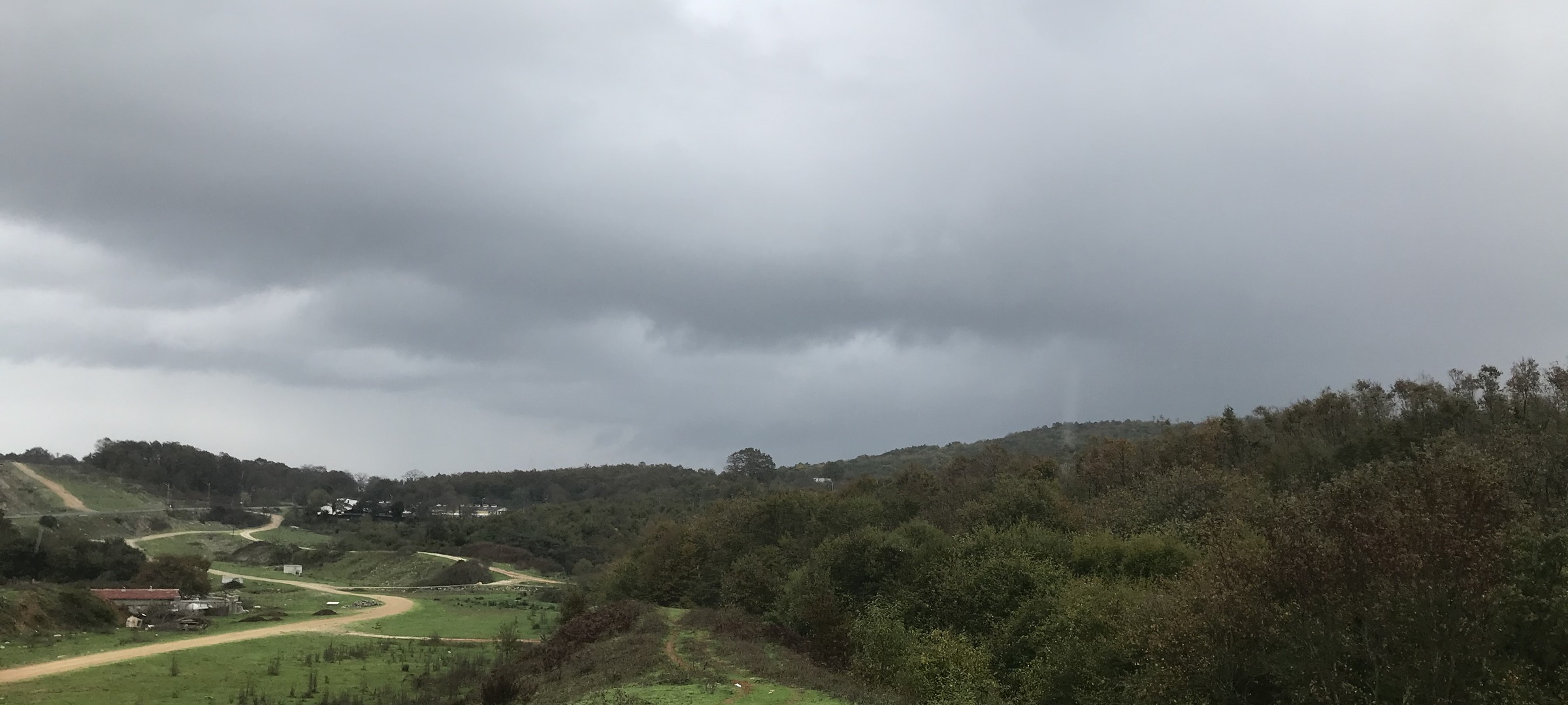
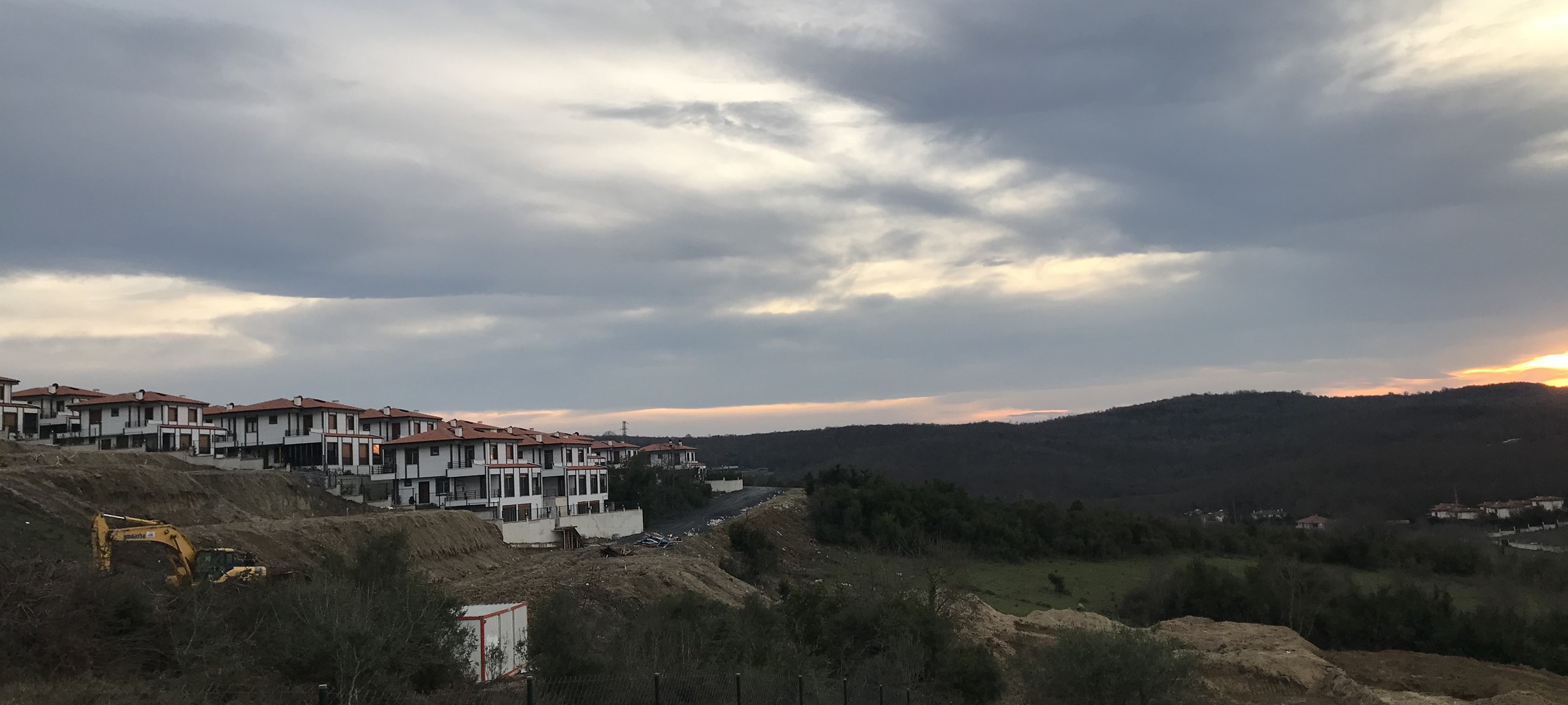
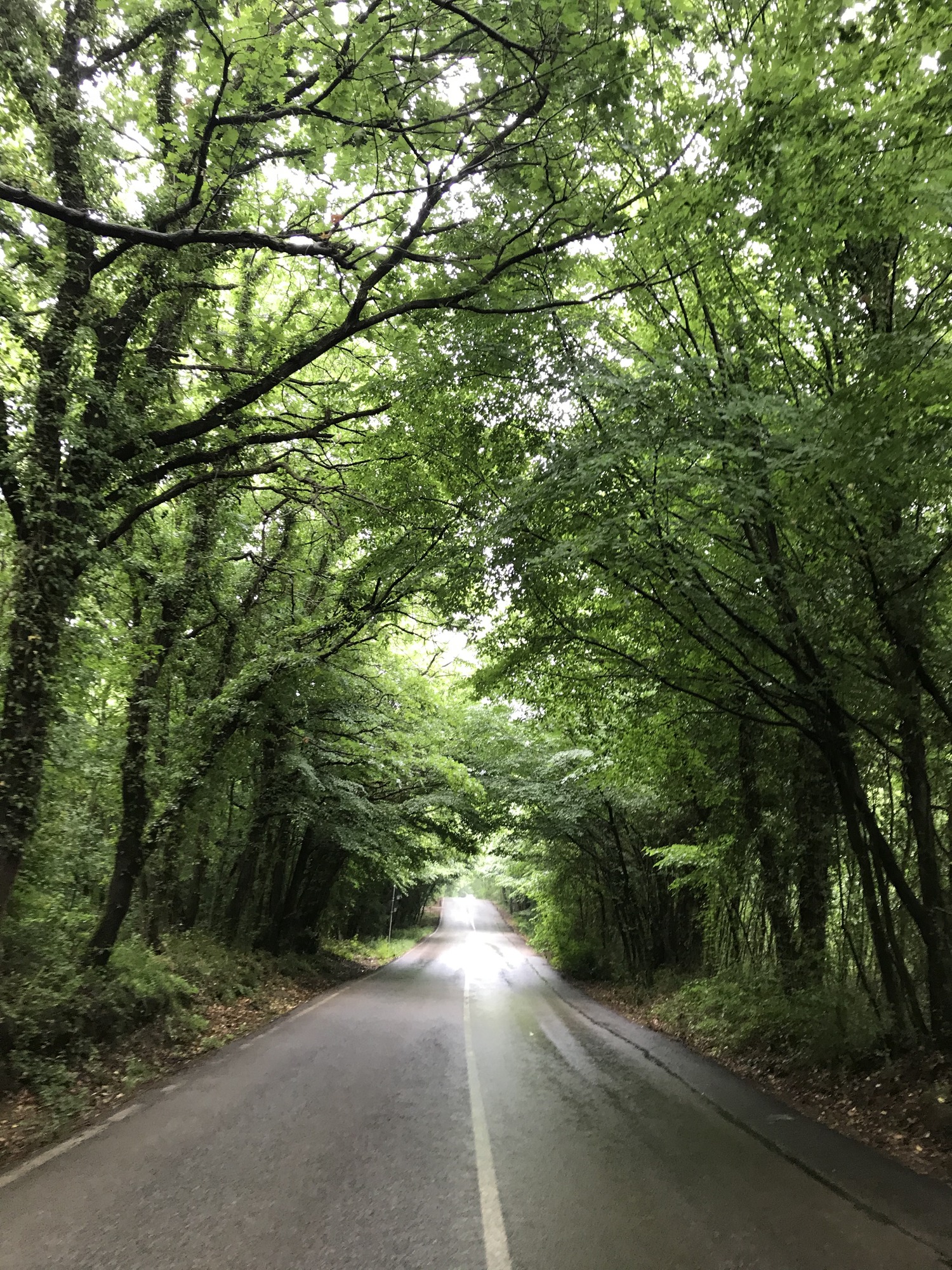
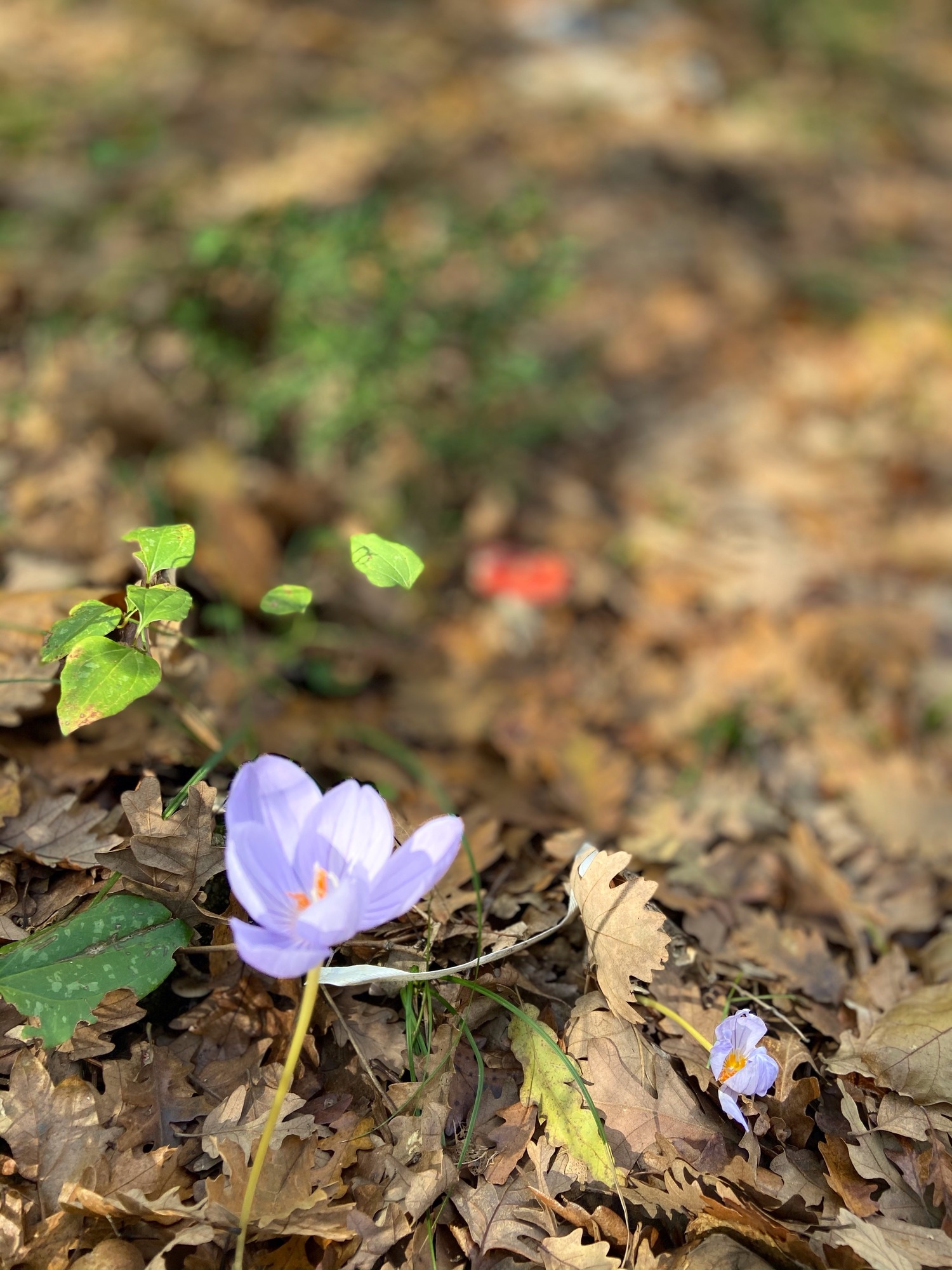
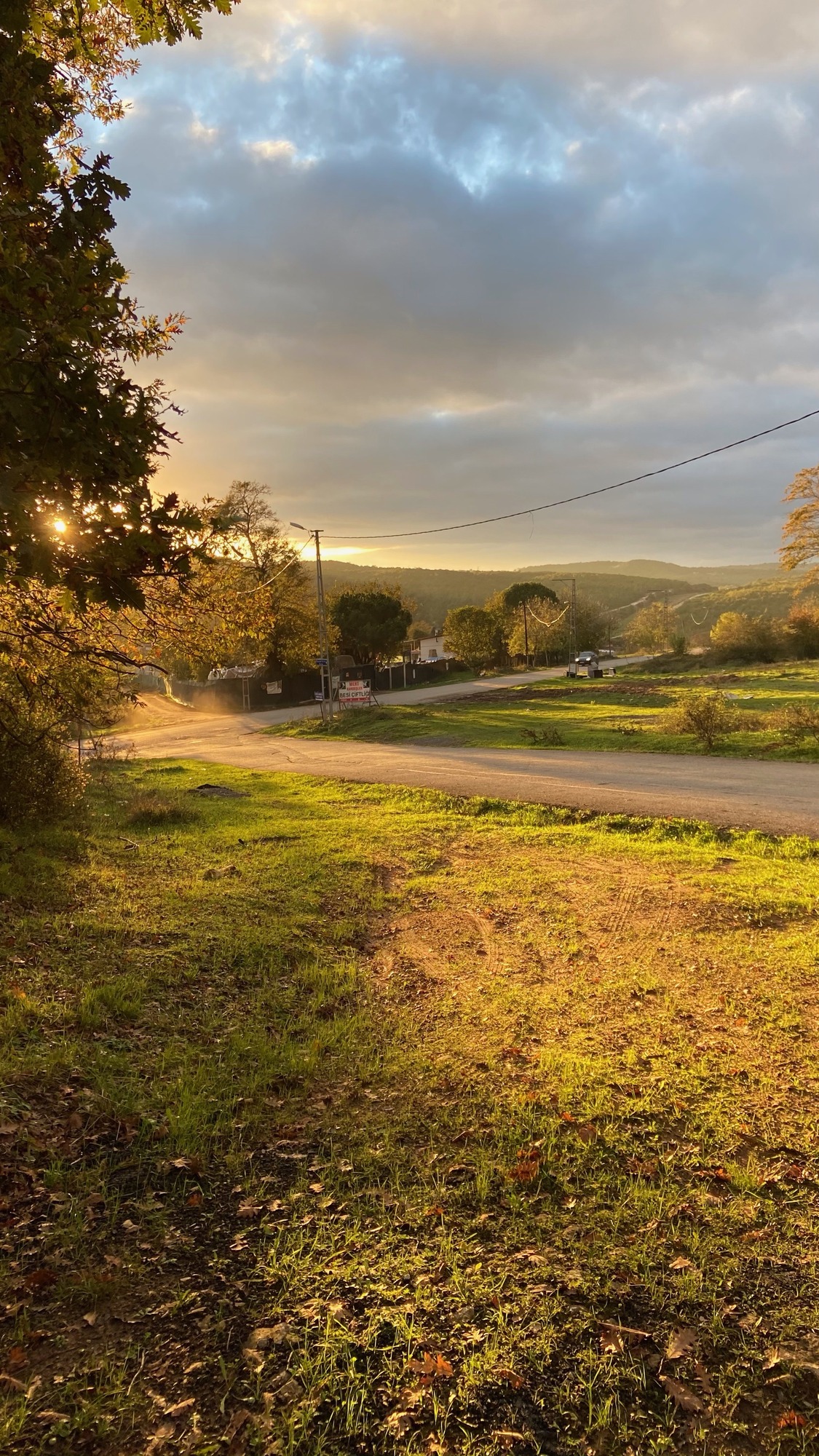
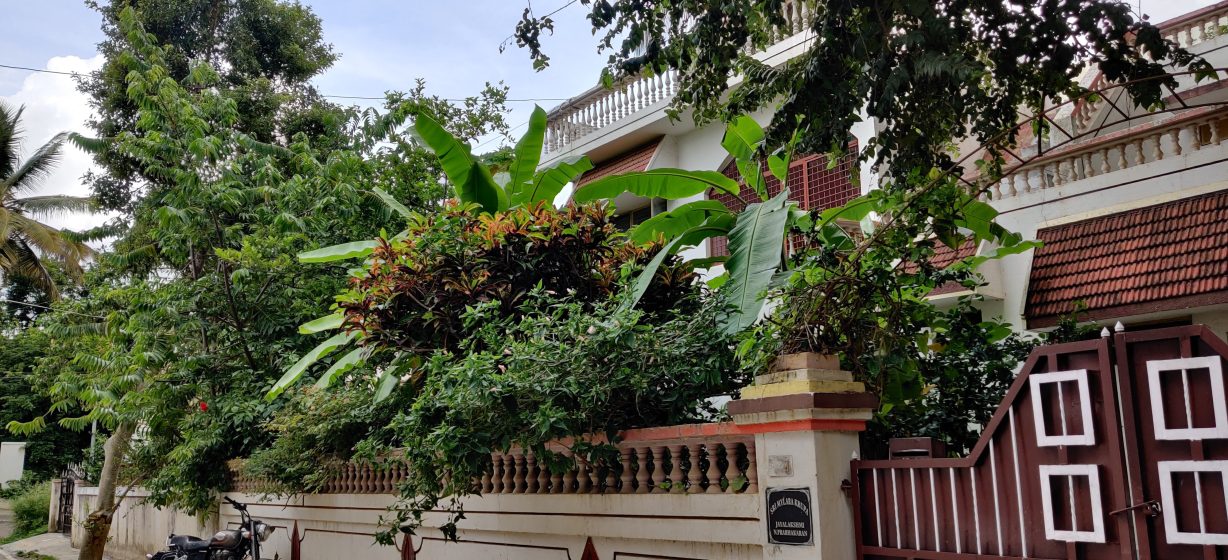
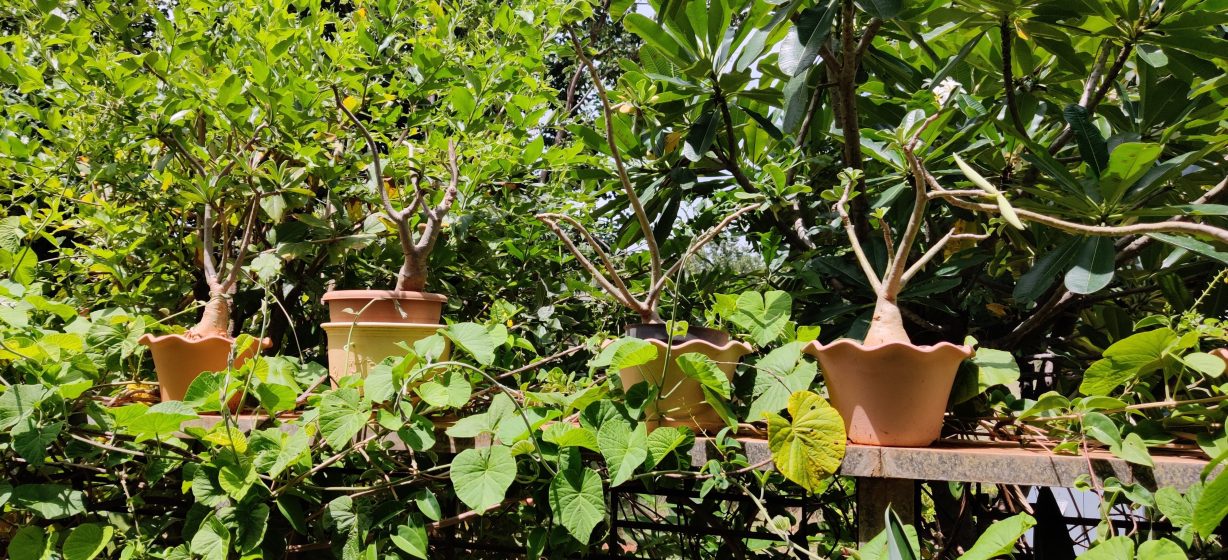
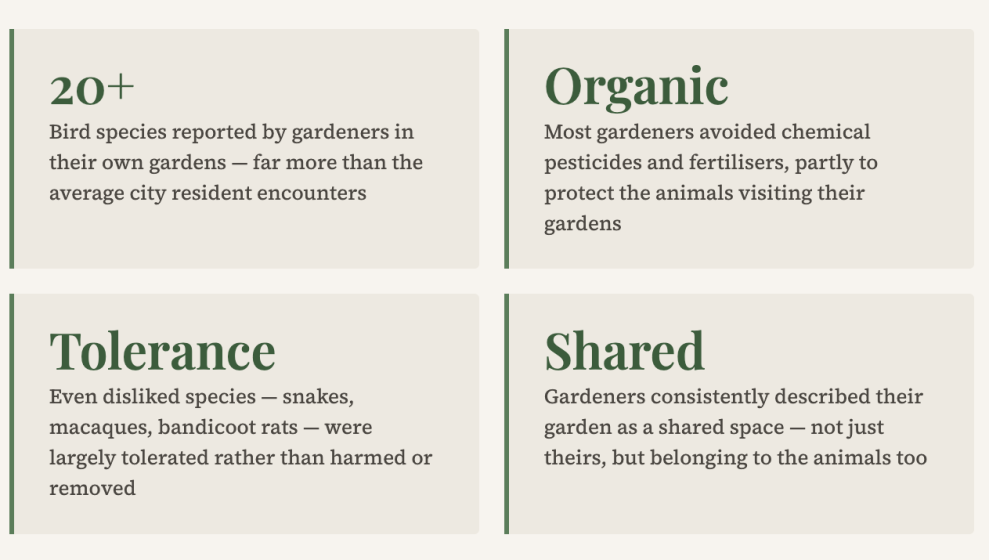
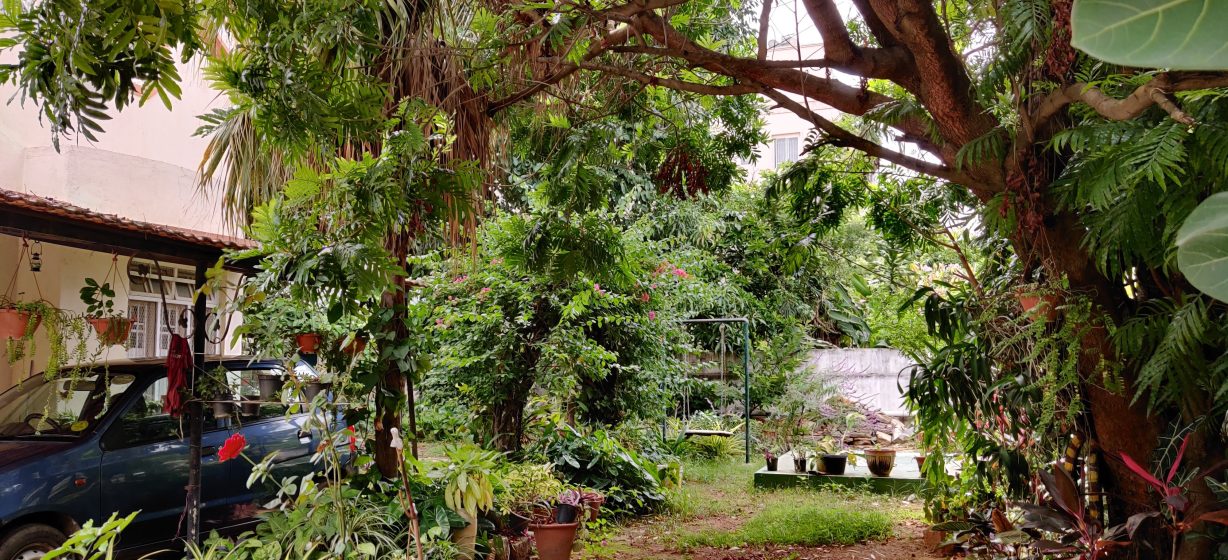
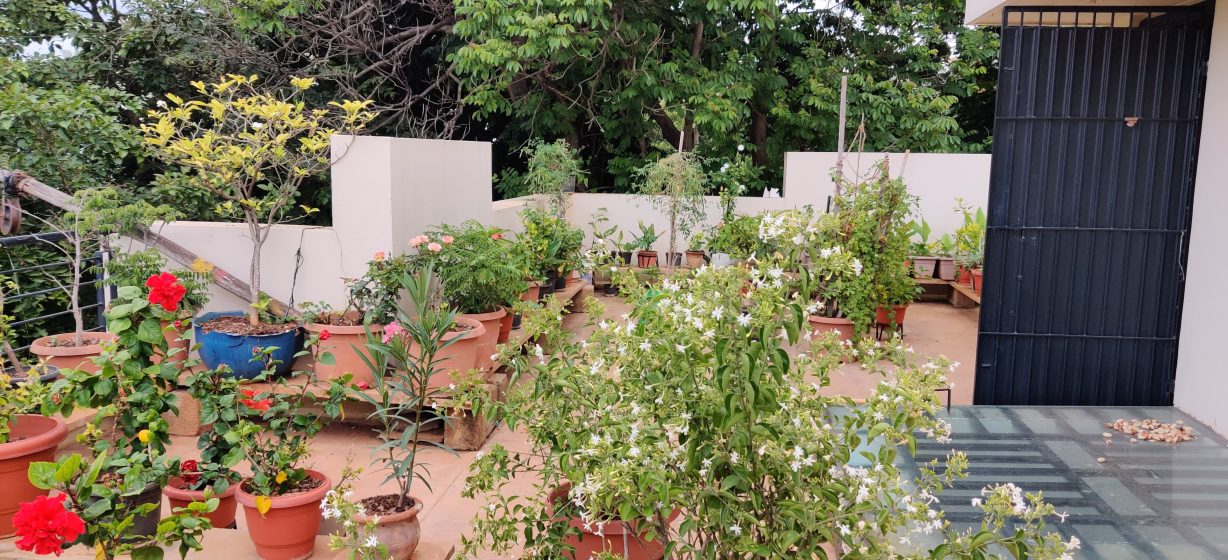




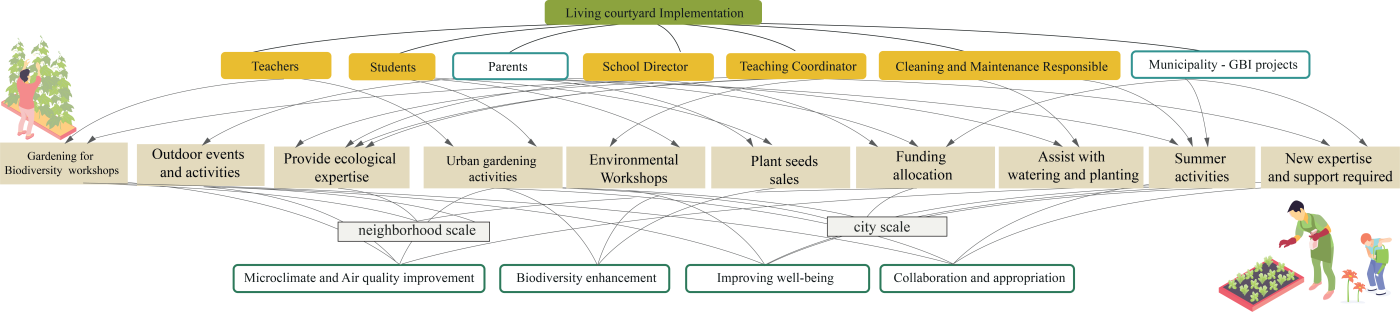
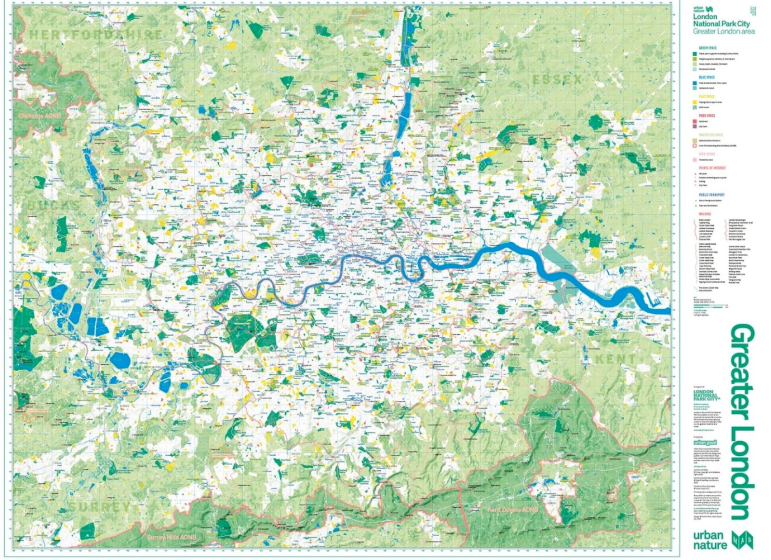




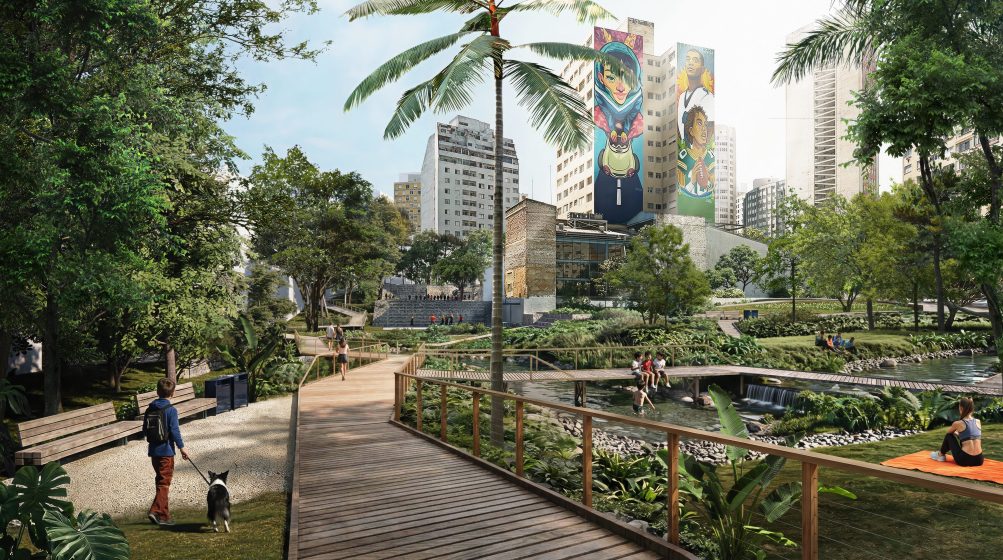
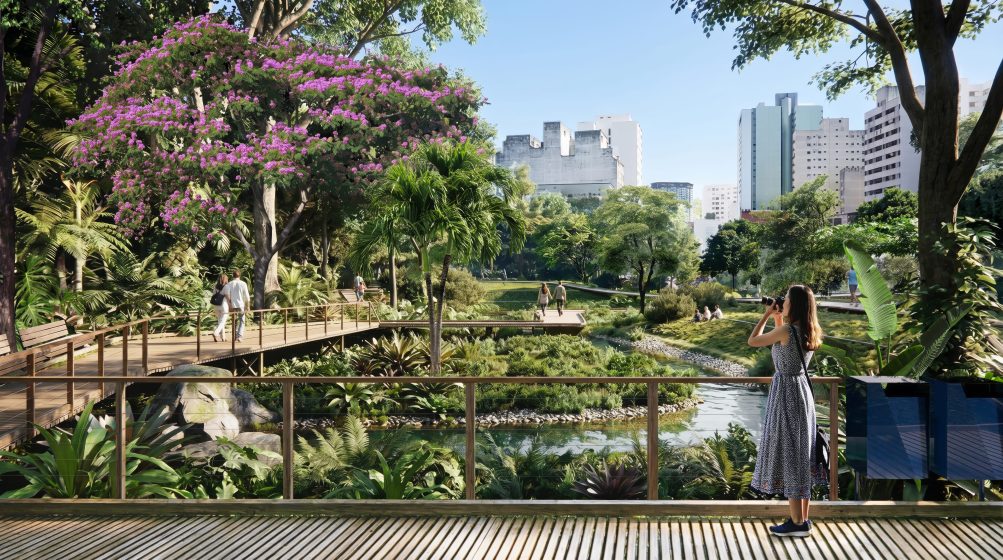
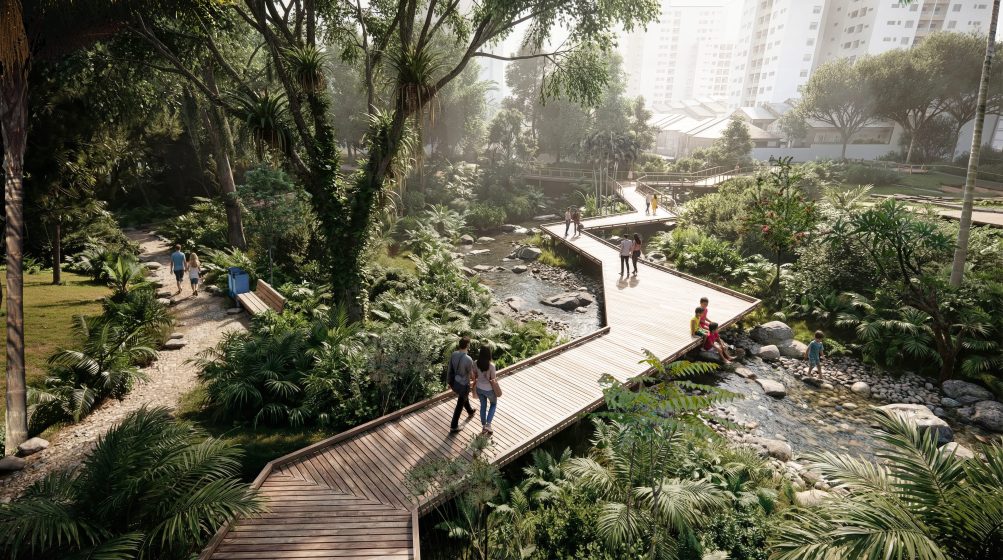



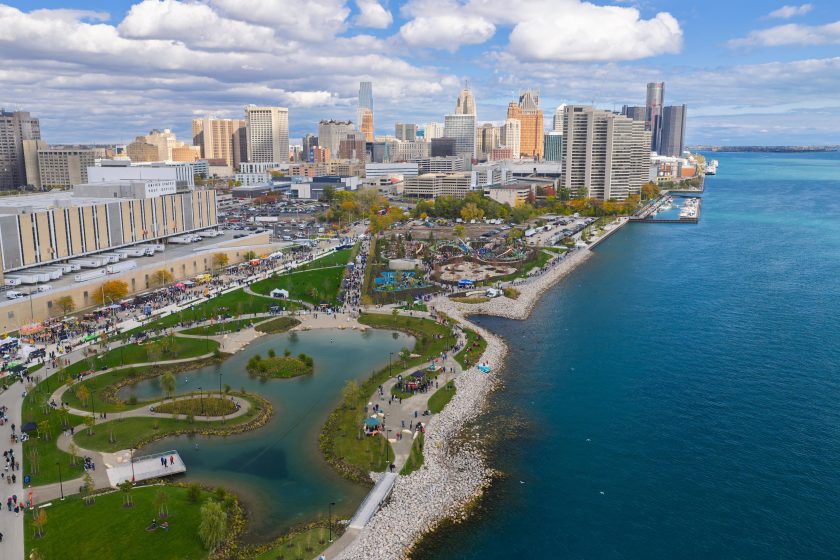




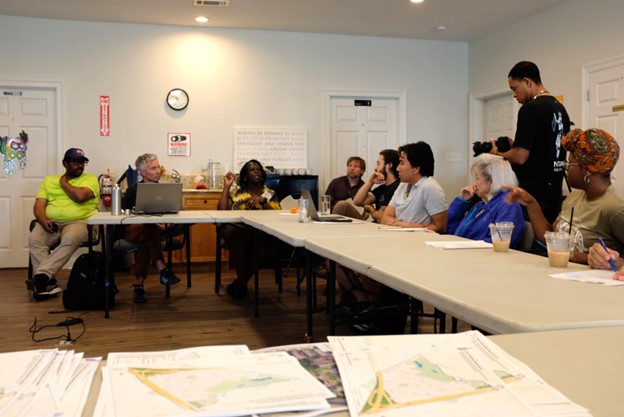

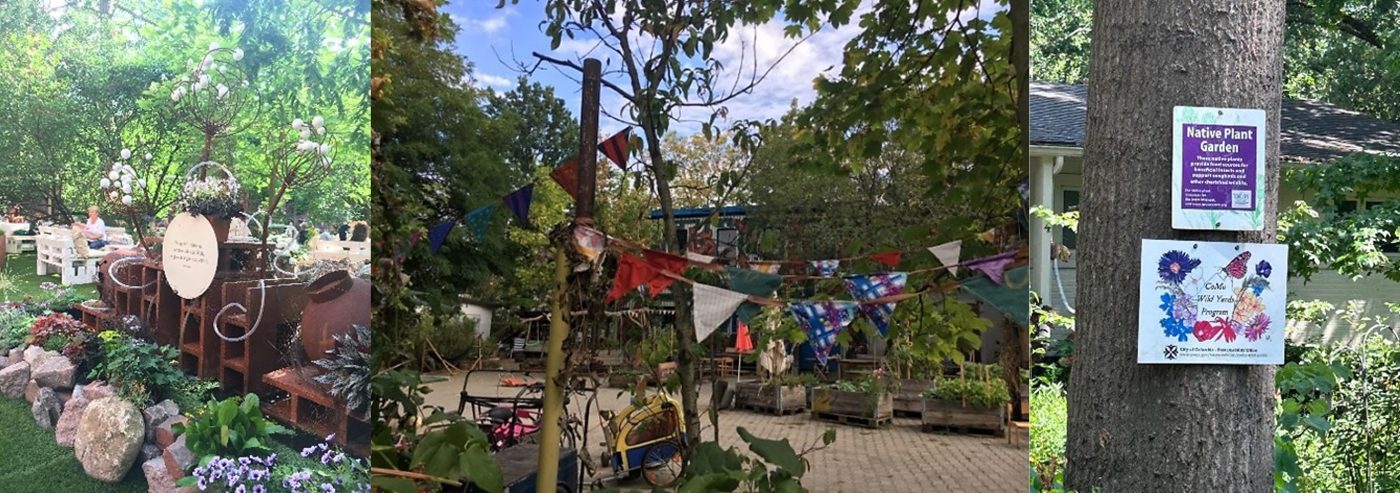


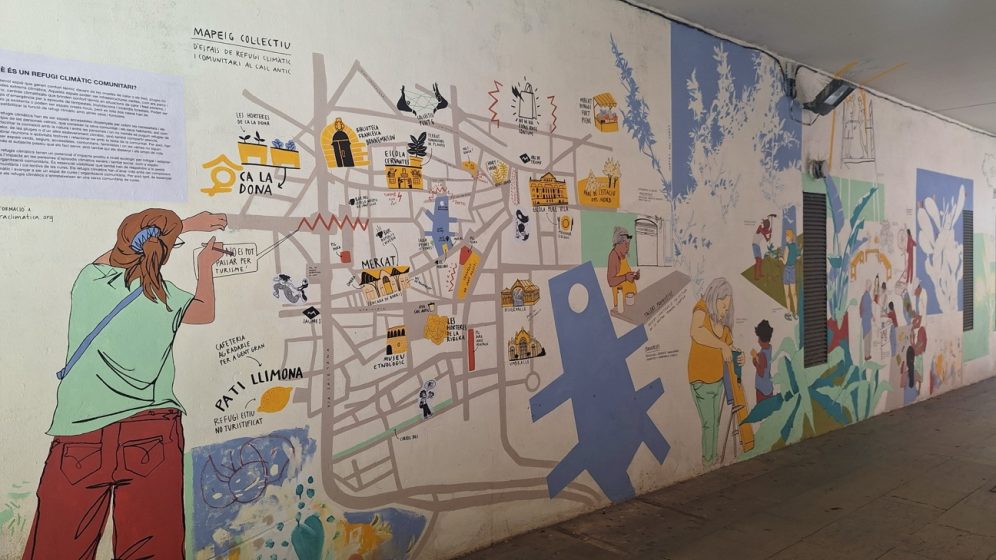

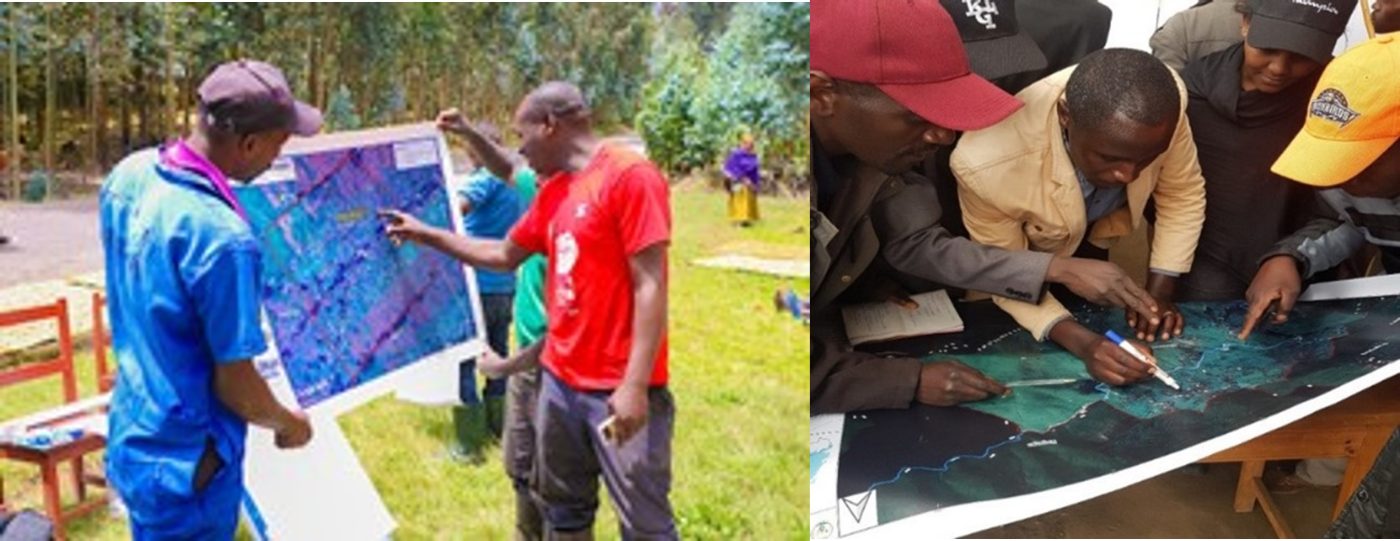
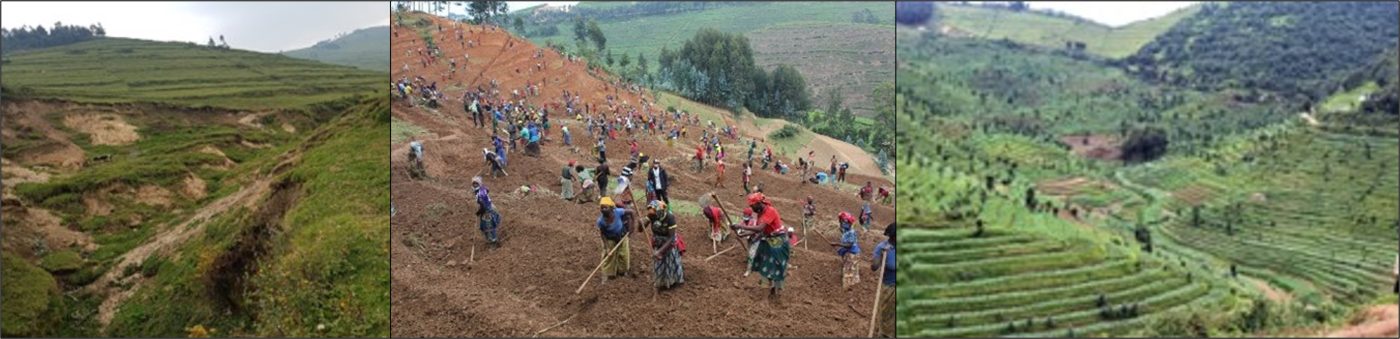

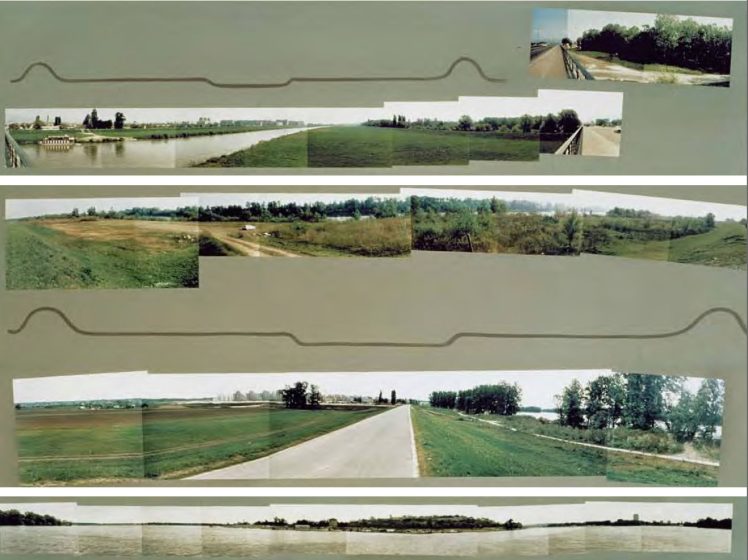
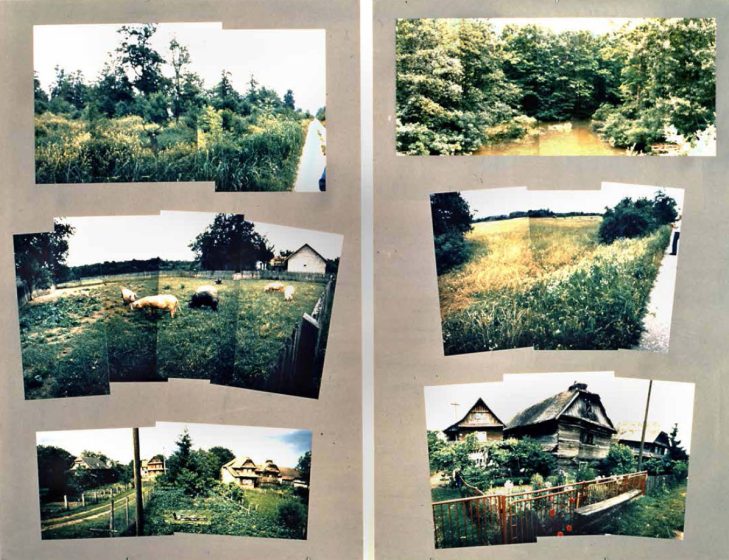

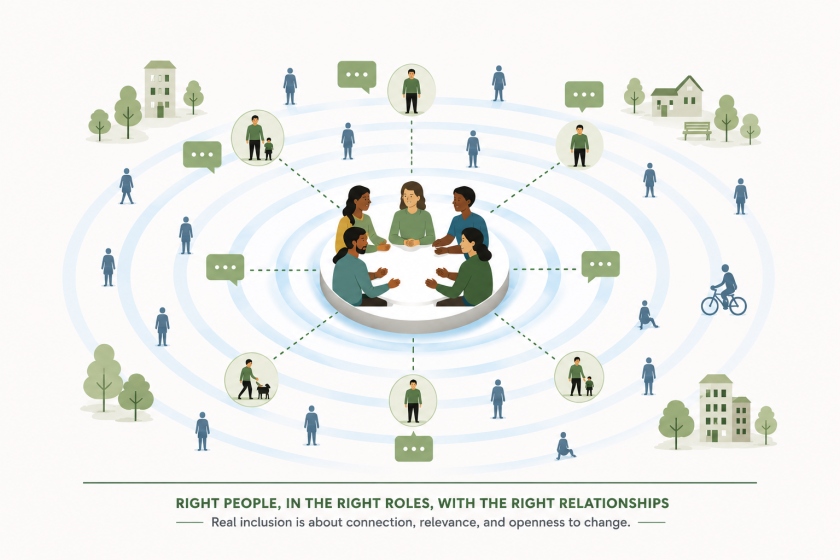 Instead of forcing mass participation, we can build a strong and representative core group. Even a small group, sometimes just 1% of active participants, can create momentum. But that group must remain connected to the wider community. Otherwise, it risks becoming another closed circle.


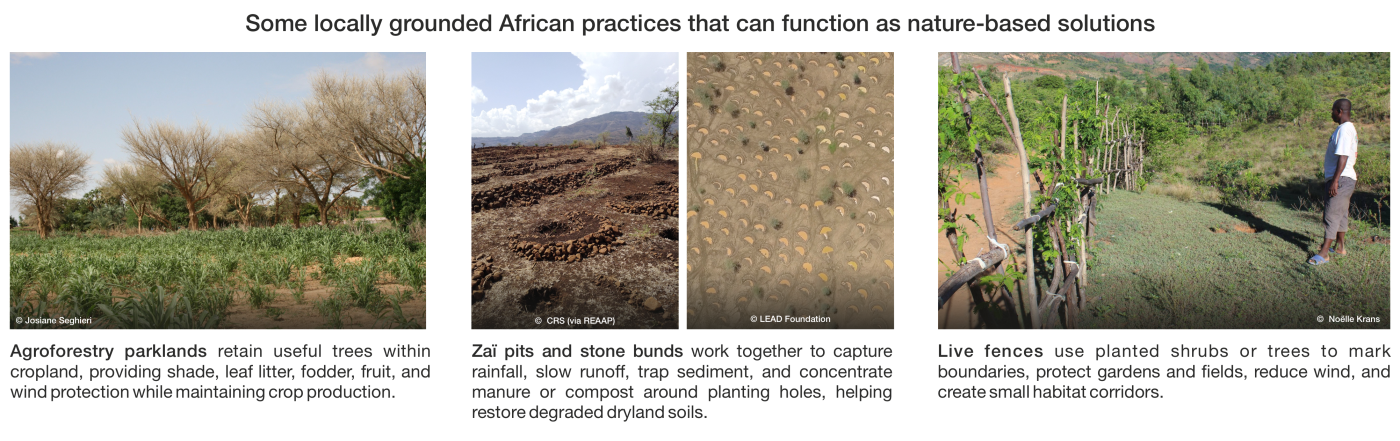



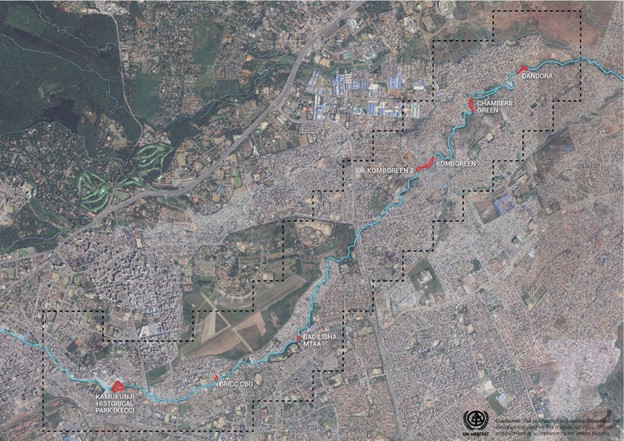
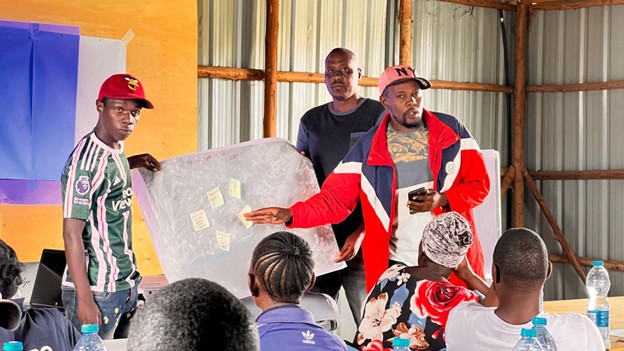
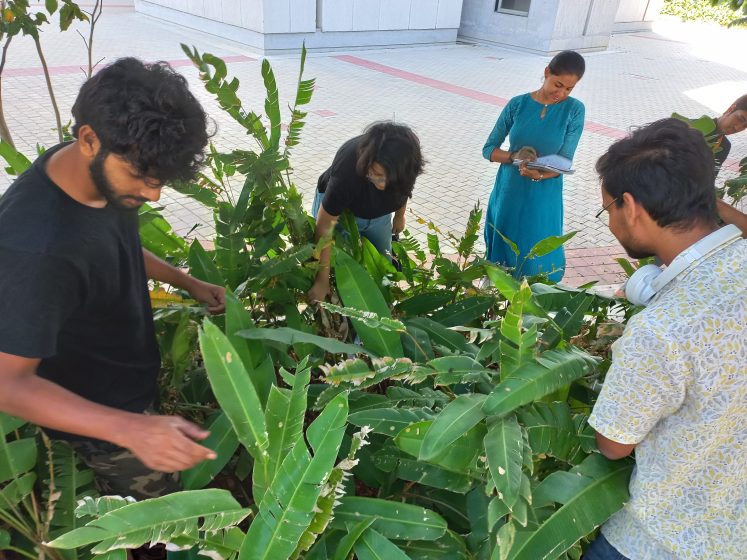
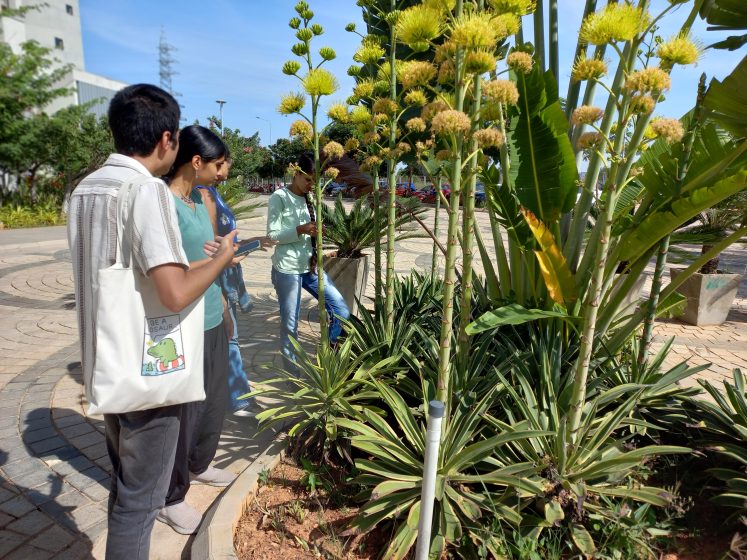
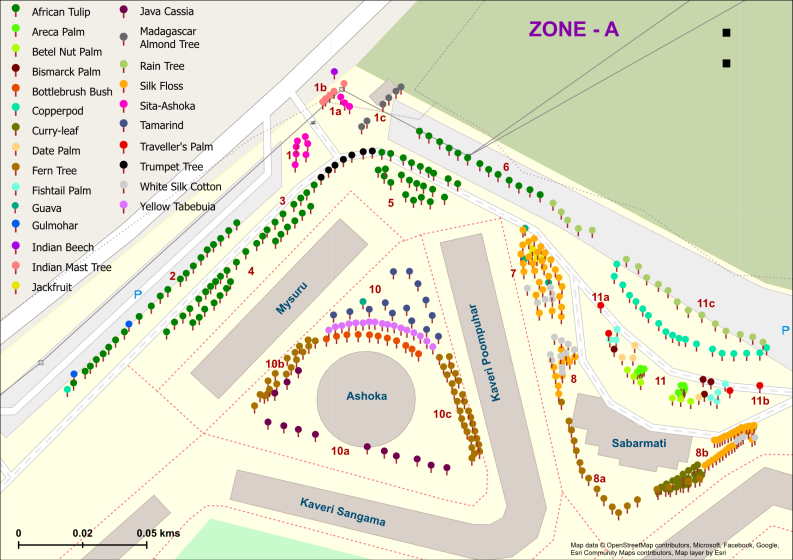
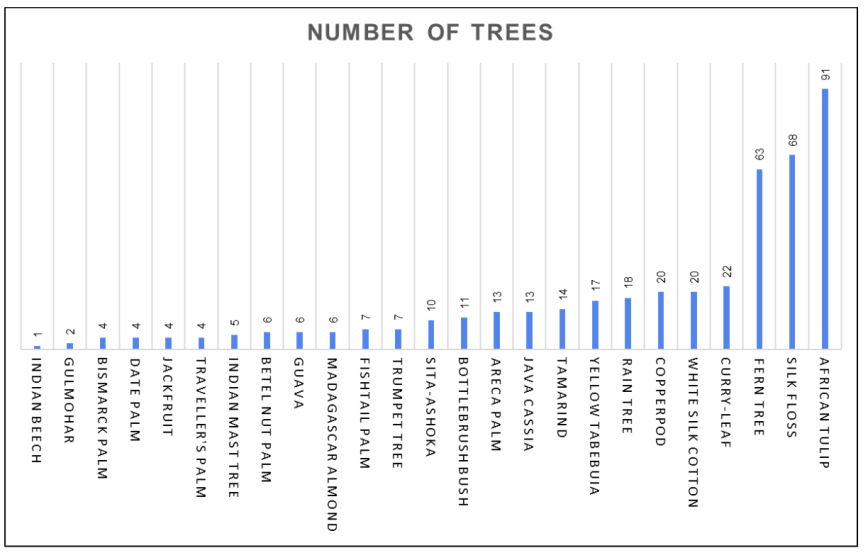

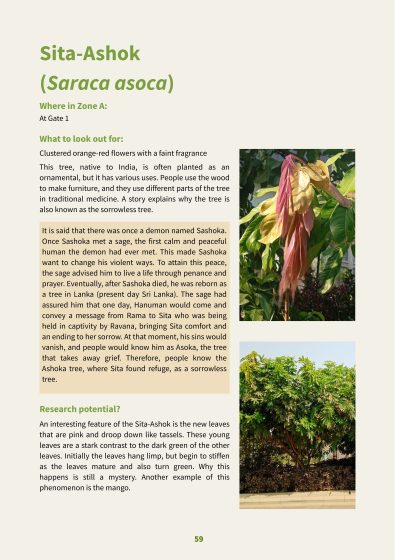
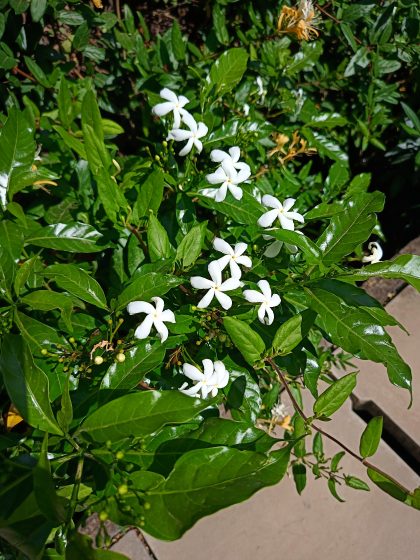
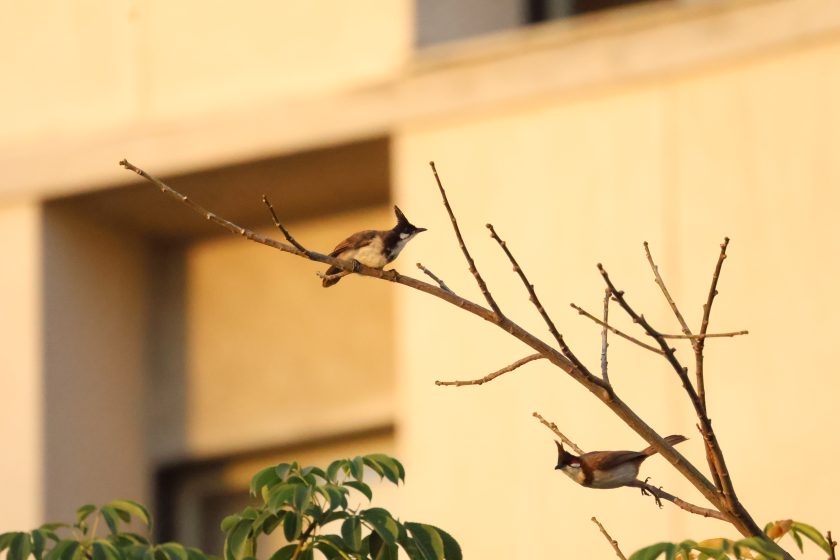
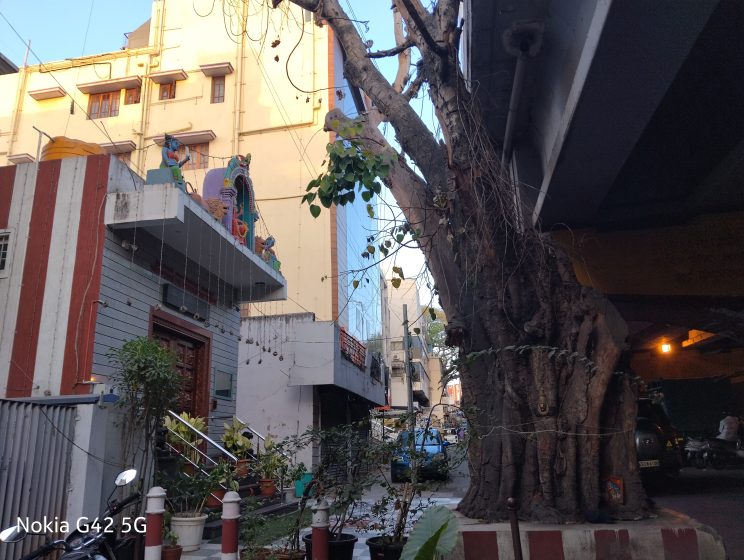
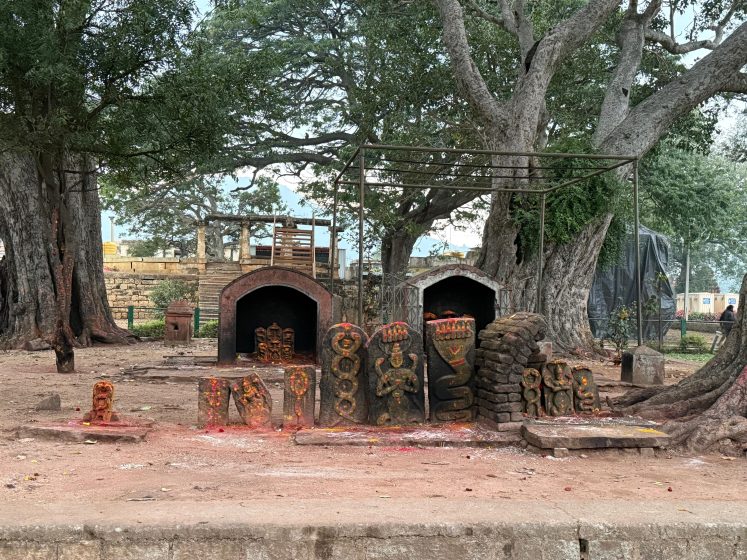
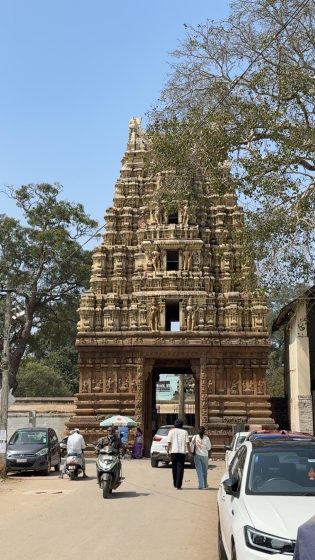
 When the underground water cycle of the surrounding soil becomes disrupted, however, exposed rock begins to dry. The mycelial networks once woven through its joints disappear, and the rock can no longer maintain its moist environment. Fine roots that had spread through the stone die back, and during strong winds—such as typhoons—trees may topple away from the rock as if peeled from it.
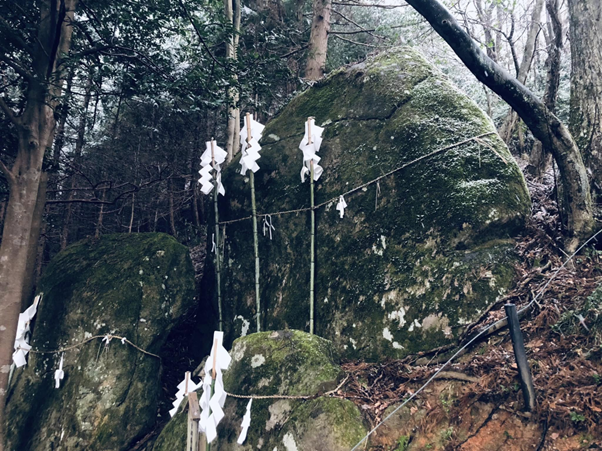
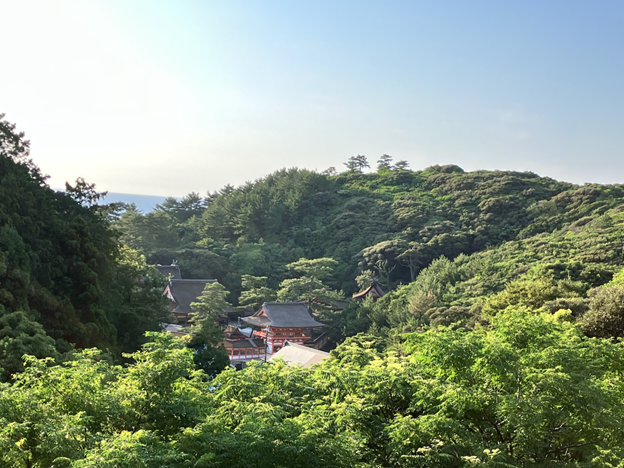

 When visiting sites where tatara ironmaking once took place, one encounters masa-tsuchi—granitic sandy soil that crumbles easily in the hand. In such a state, the land could hardly support rice cultivation. To transform these cut slopes and sediment-filled valleys into terraced paddies and farmland would have required careful soil regeneration through the decomposition of organic matter by microorganisms.
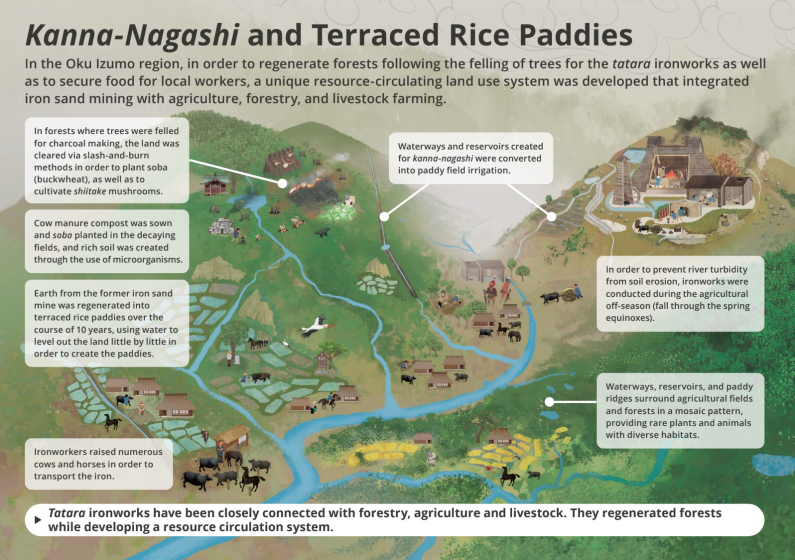 This land’s climate may also have played an important role in making such regeneration possible. The San’in region is known for its persistently high humidity and some of the most intense summer heat in Japan—conditions that naturally stimulate microbial activity, accelerating decomposition and the rebuilding of soil.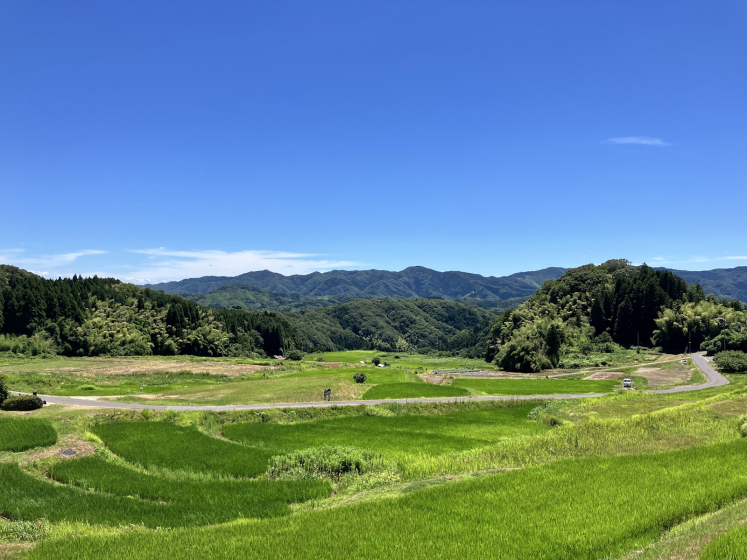
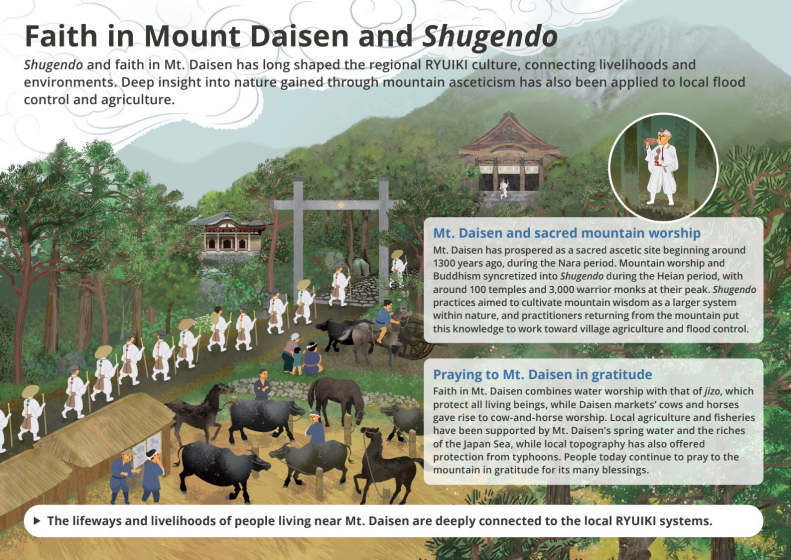

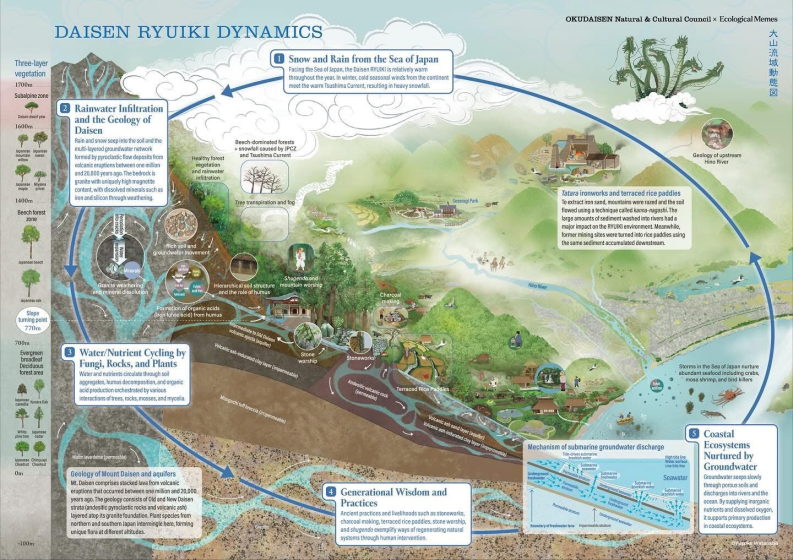
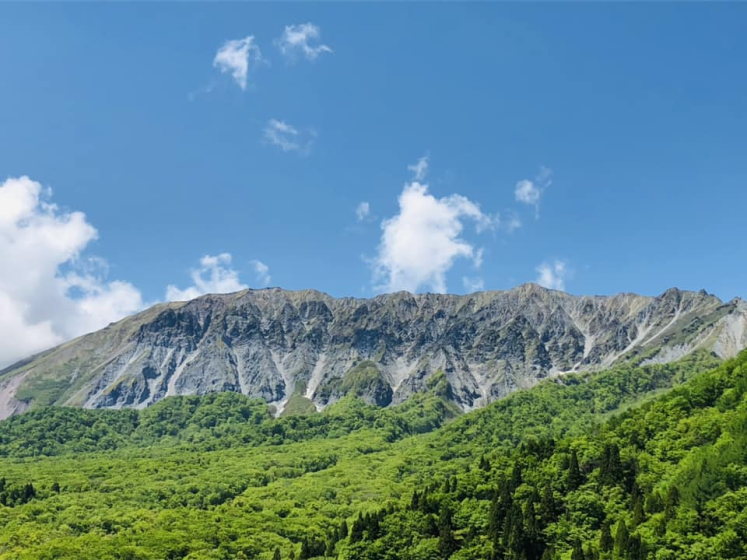
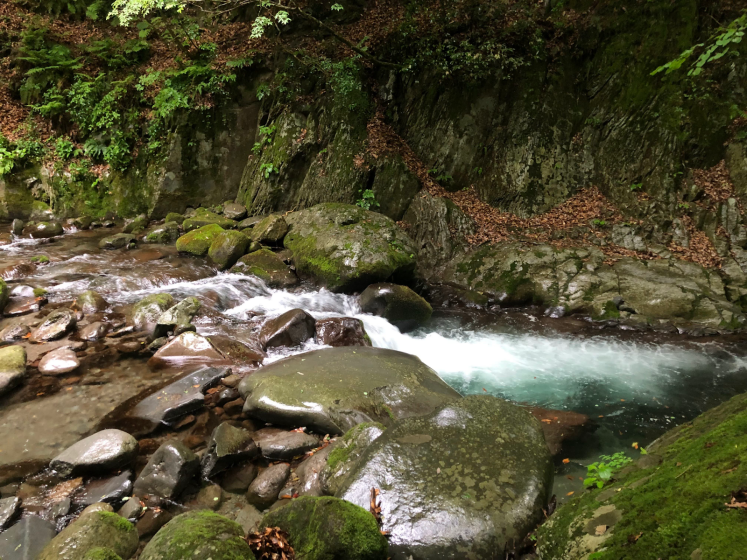
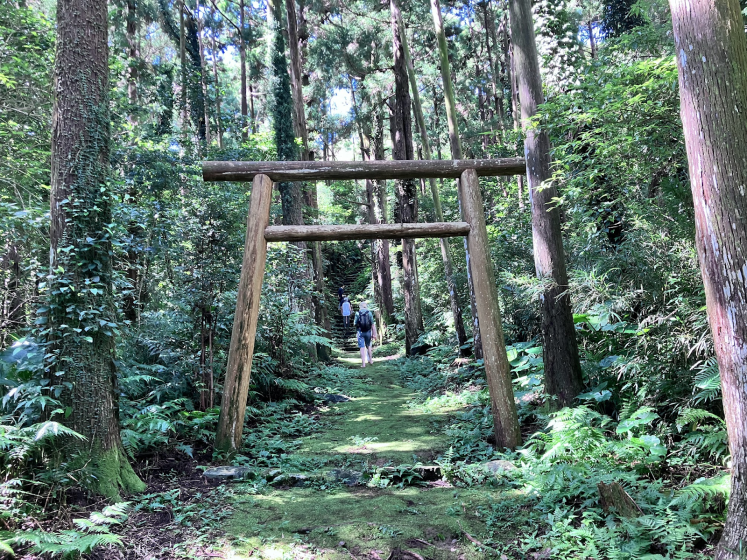



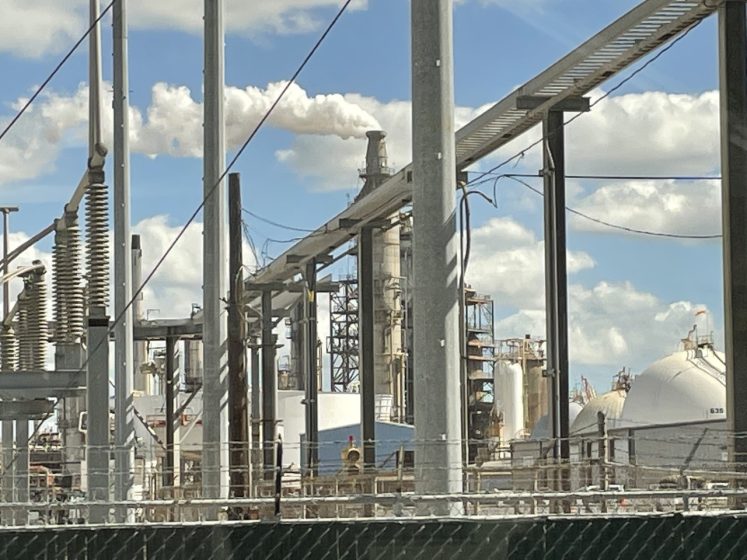
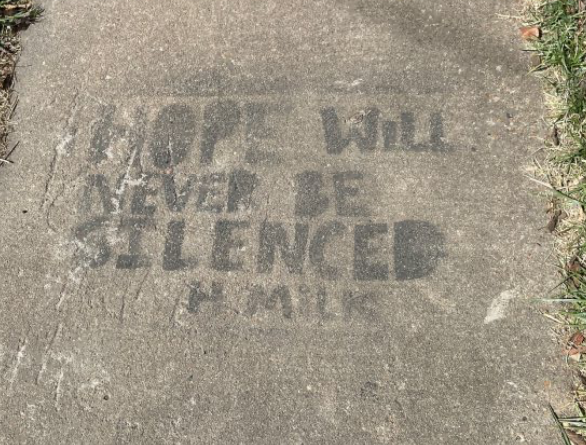





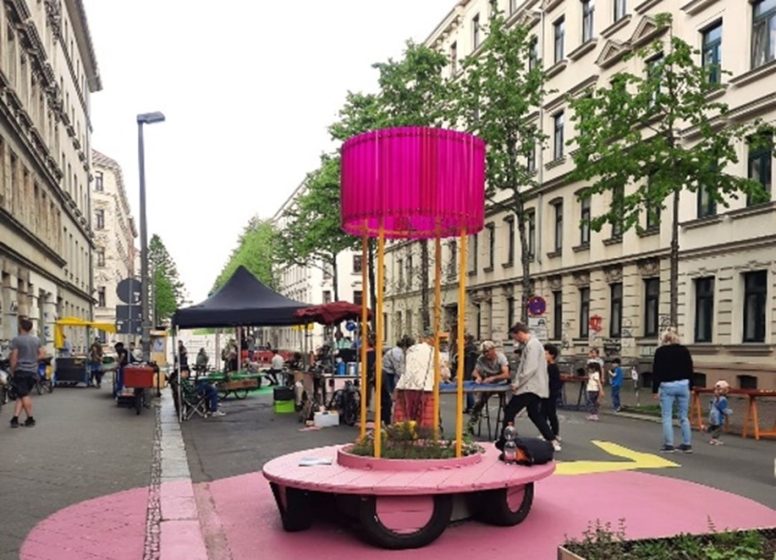









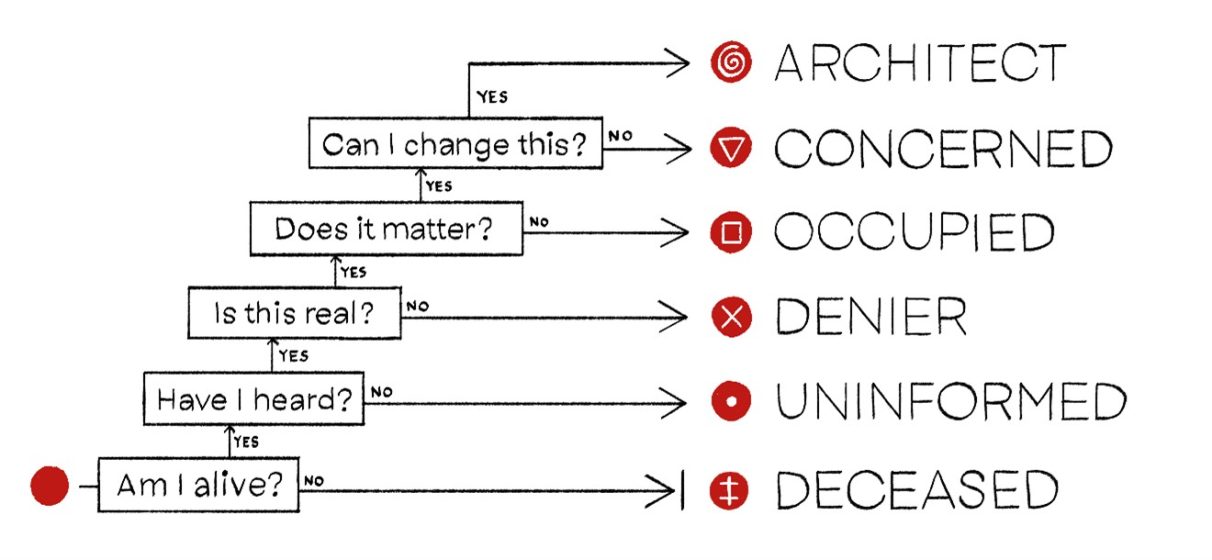

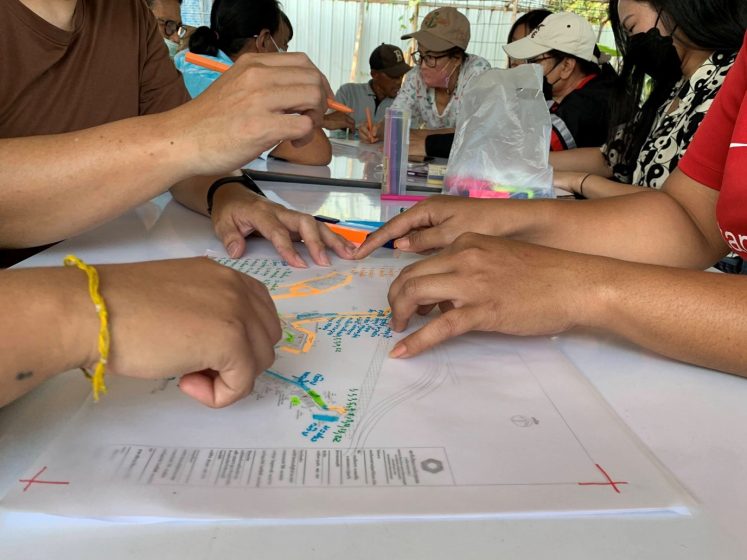




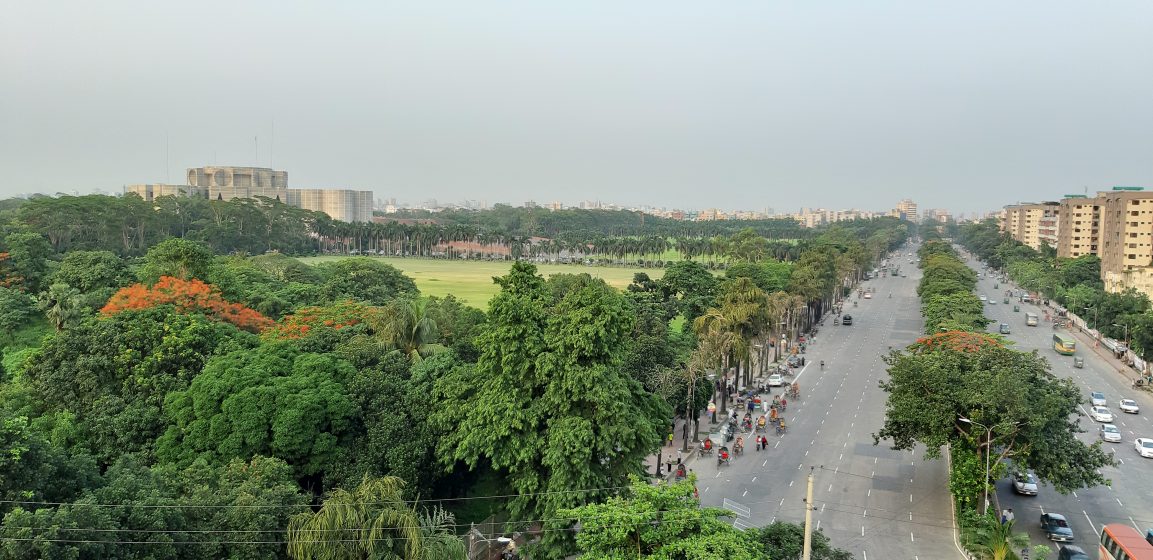
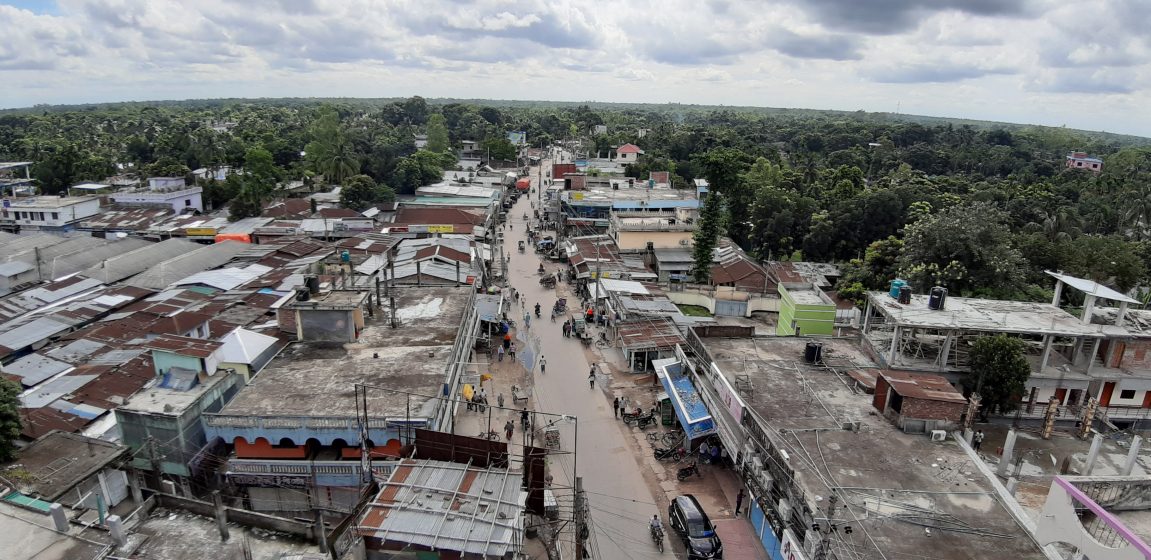


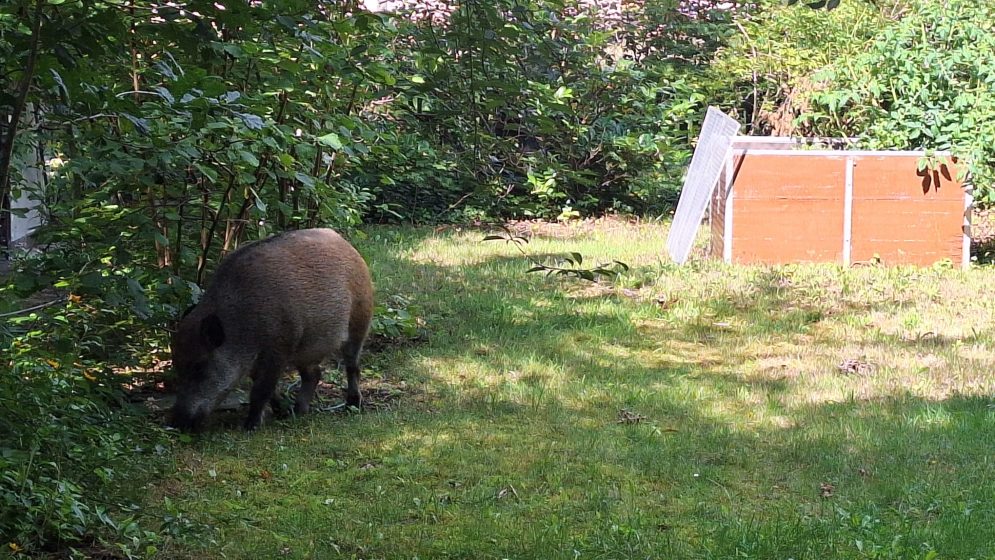

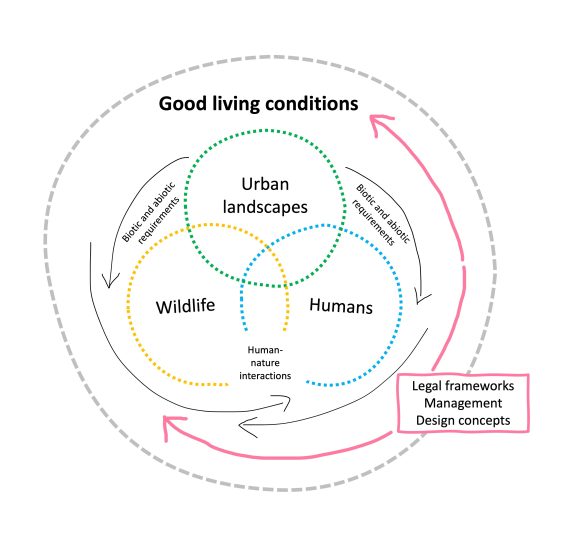

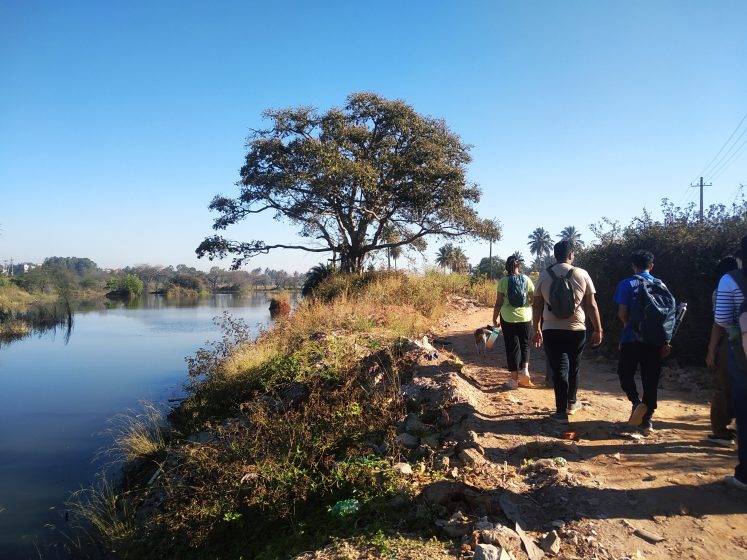
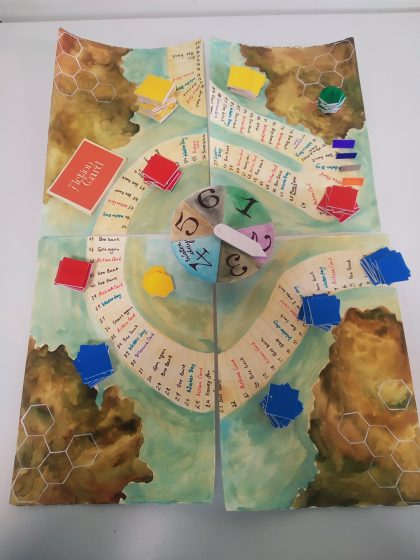












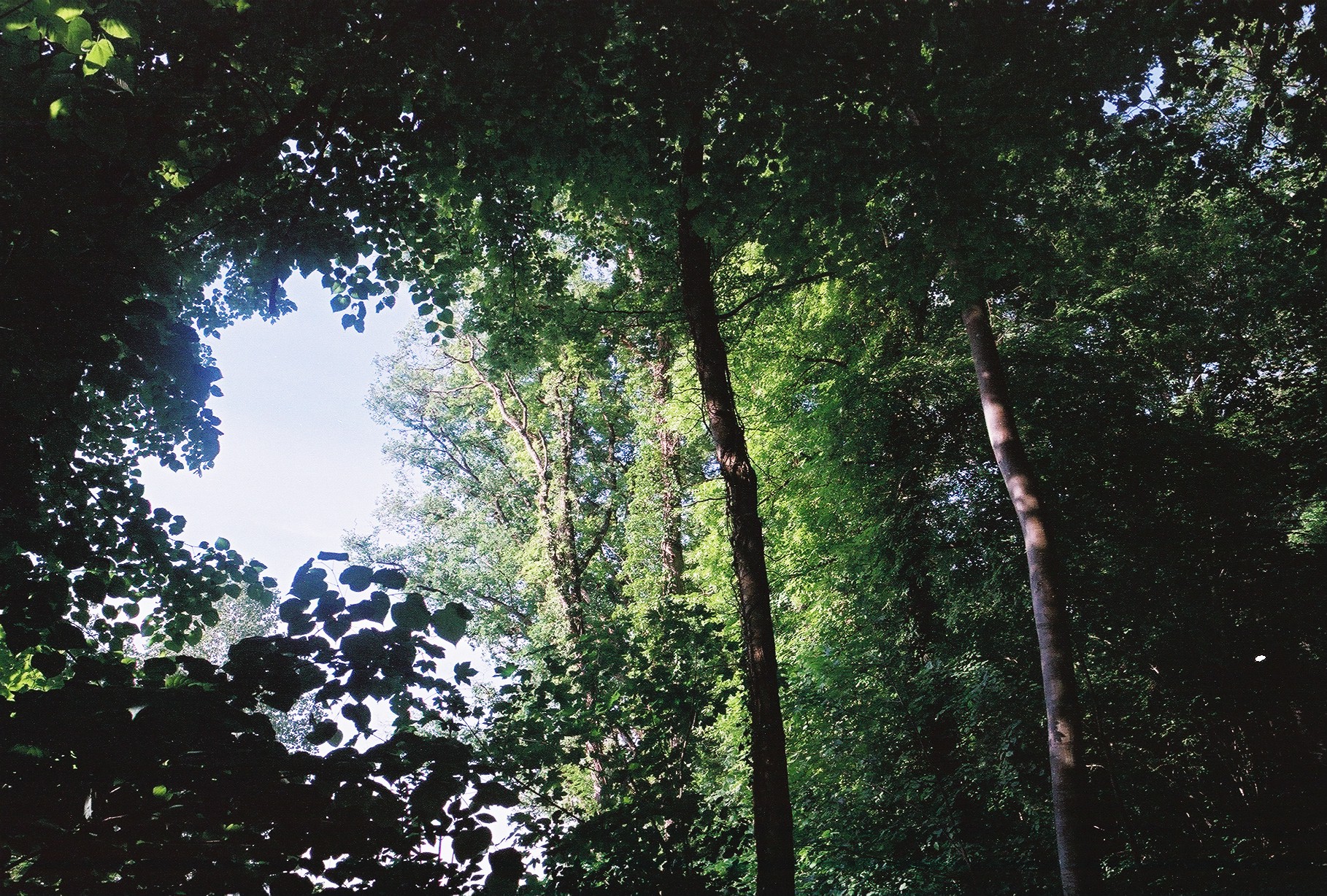
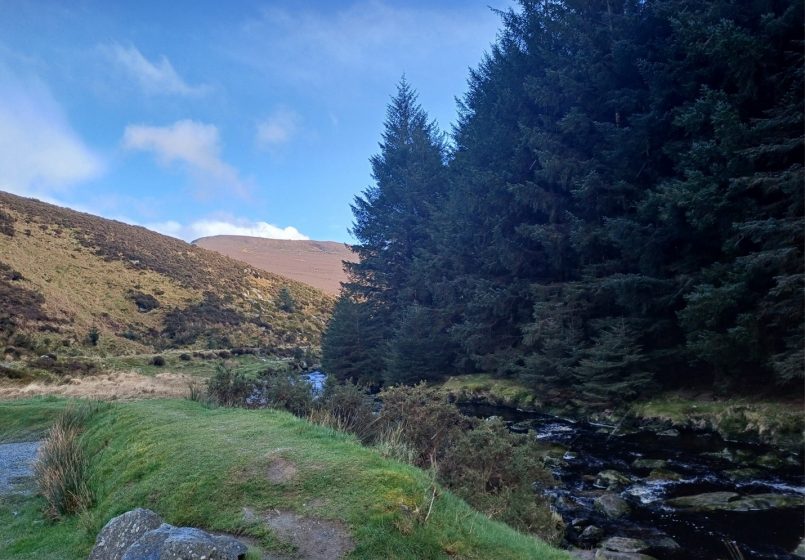
 In recent years, TNOC has greatly expanded our investment in and commitment to art and art-science-practice collaboration. This has taken the broad forms of
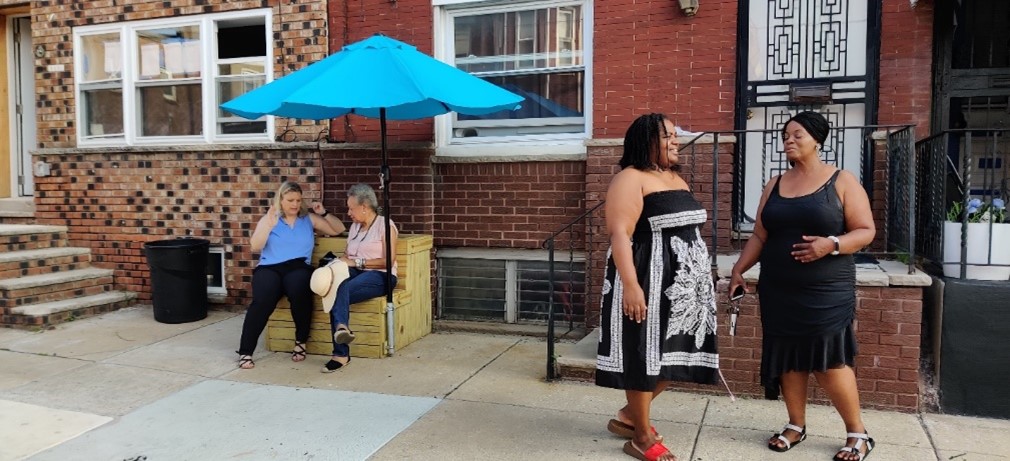
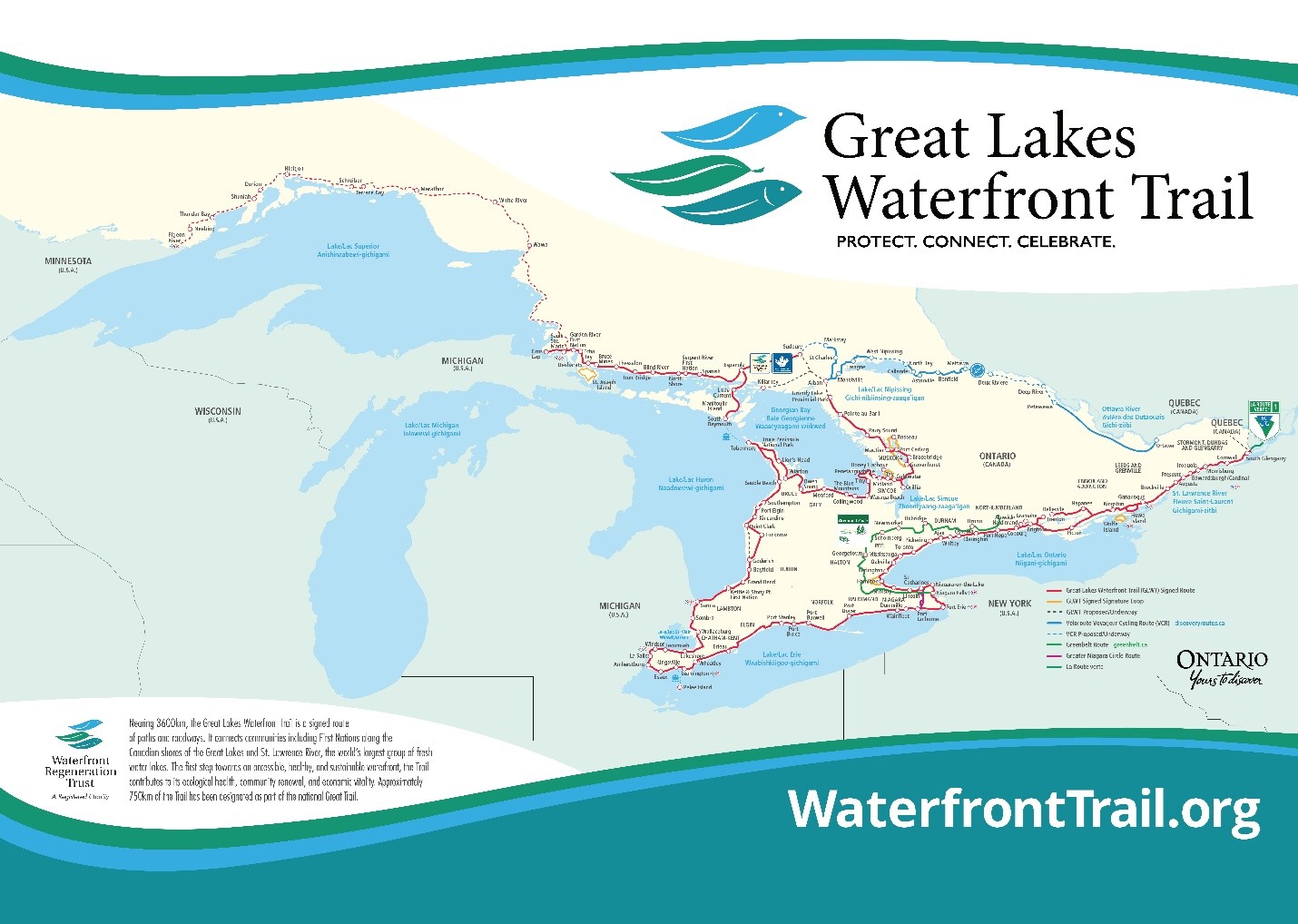

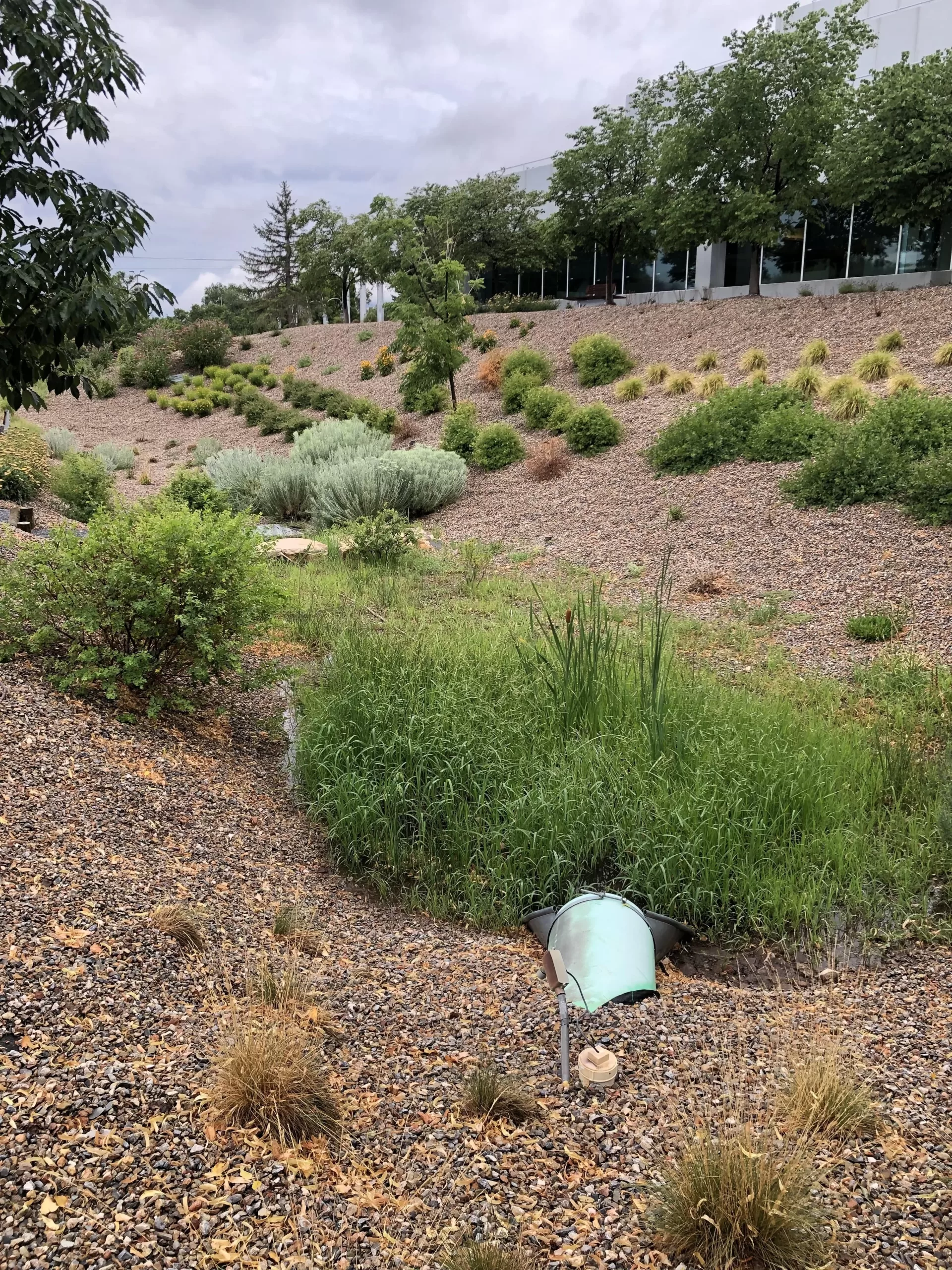
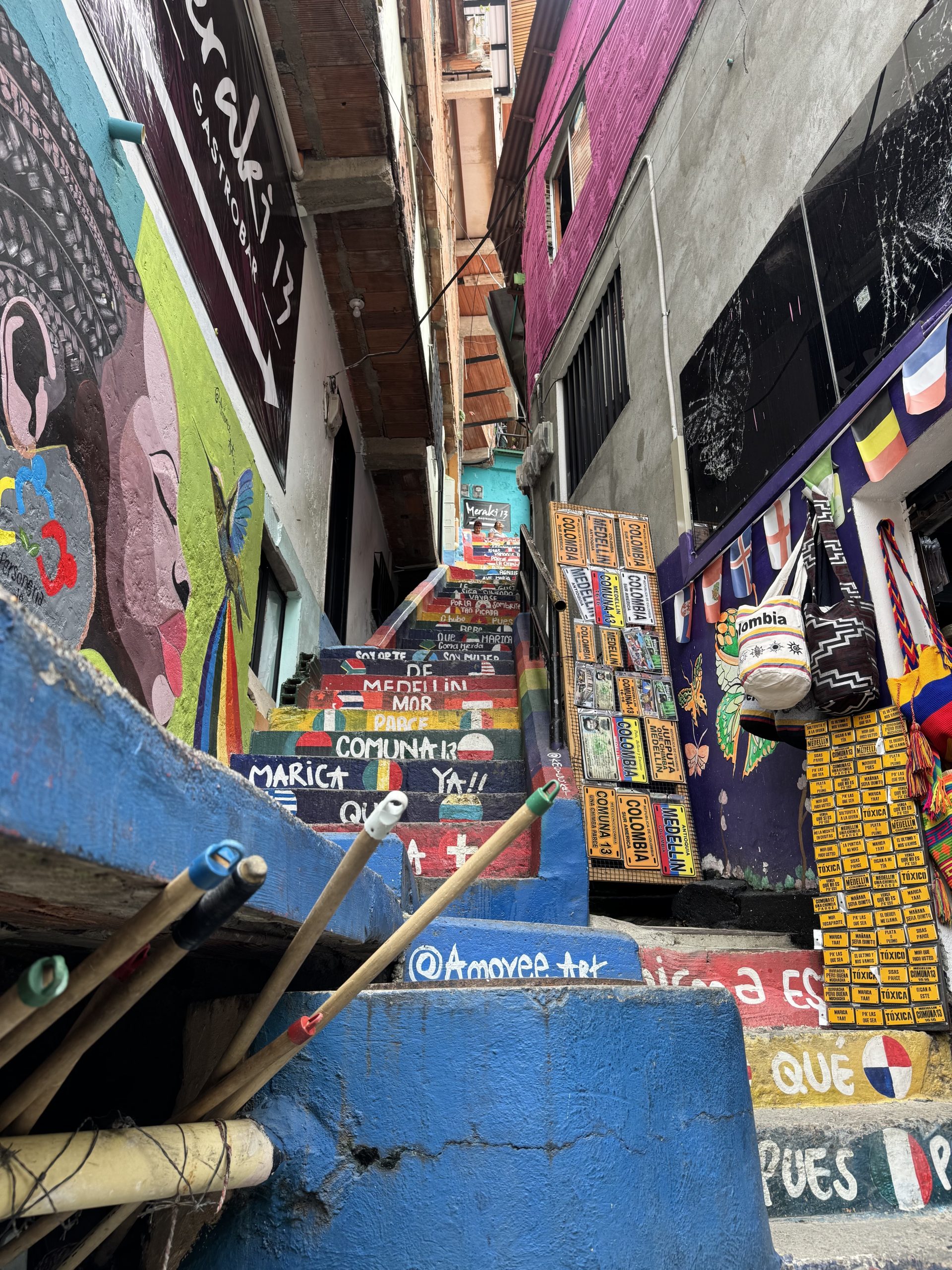


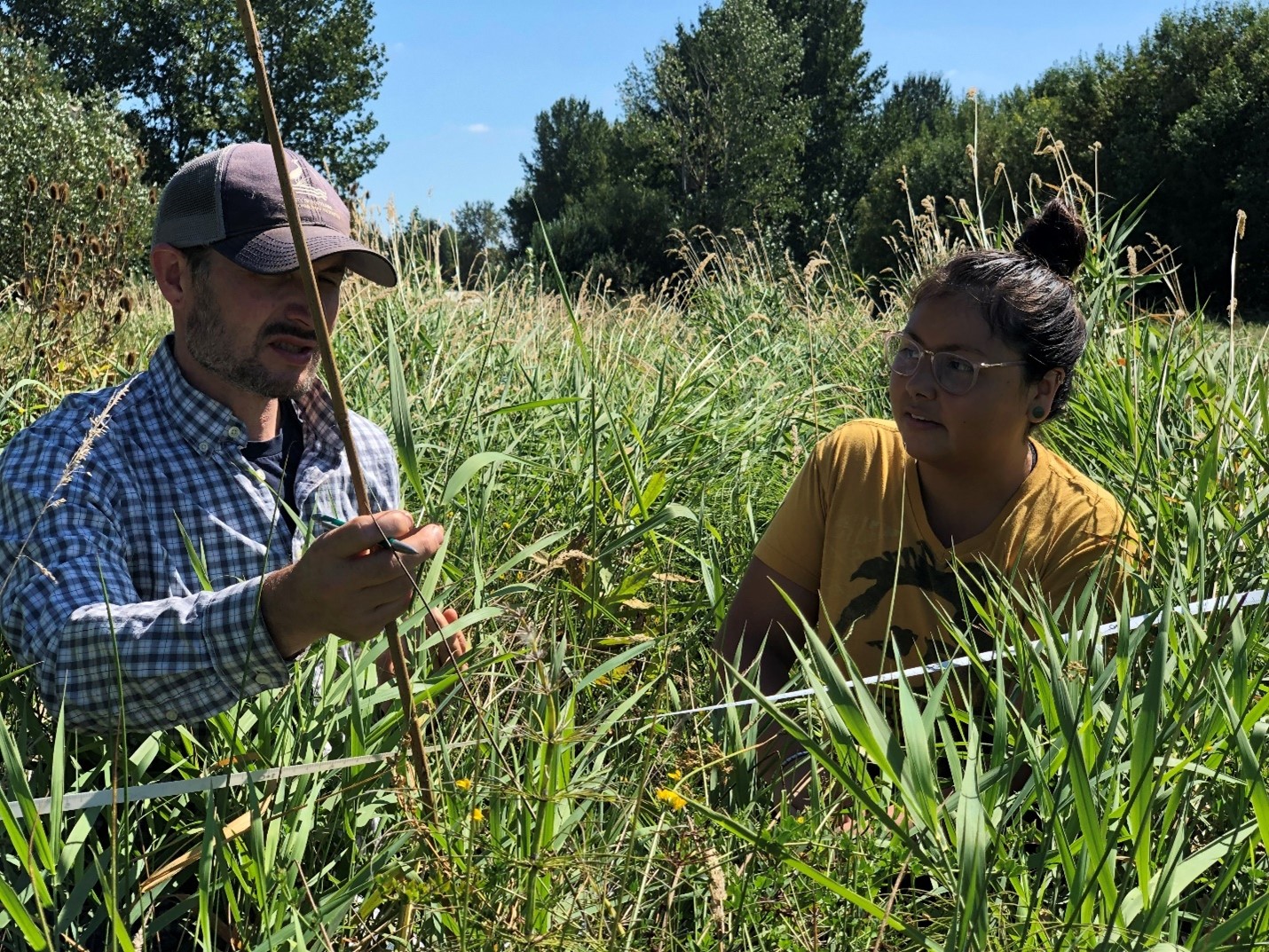
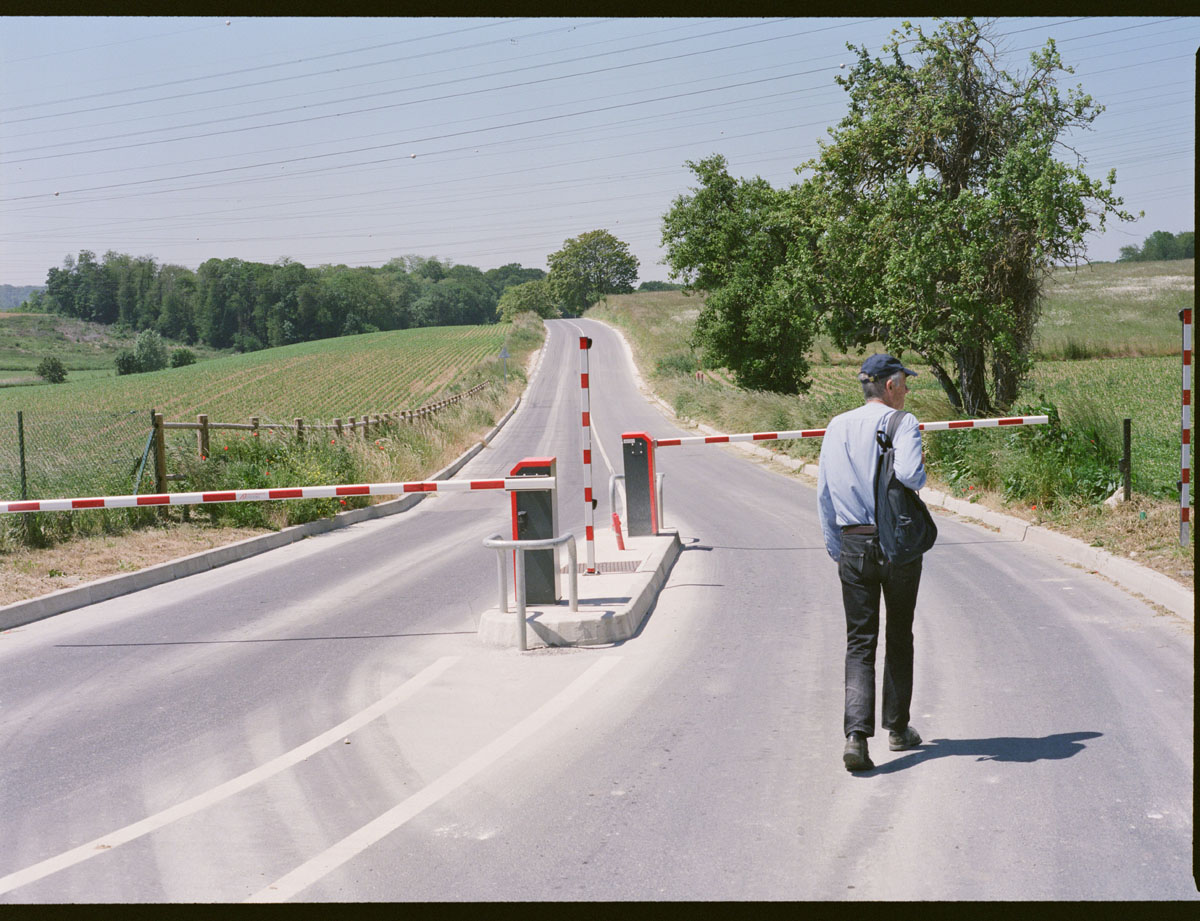
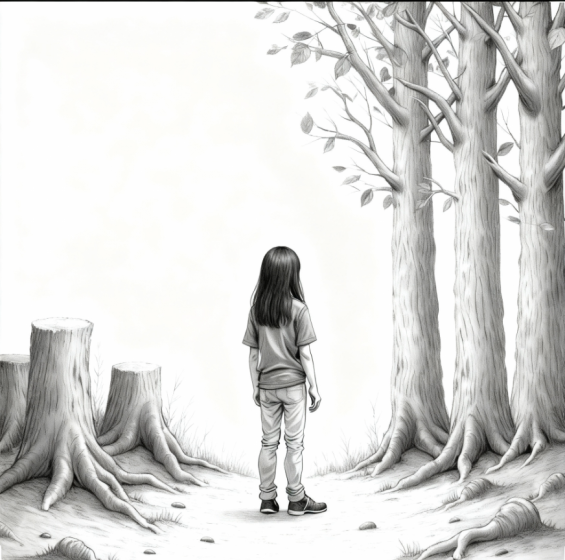





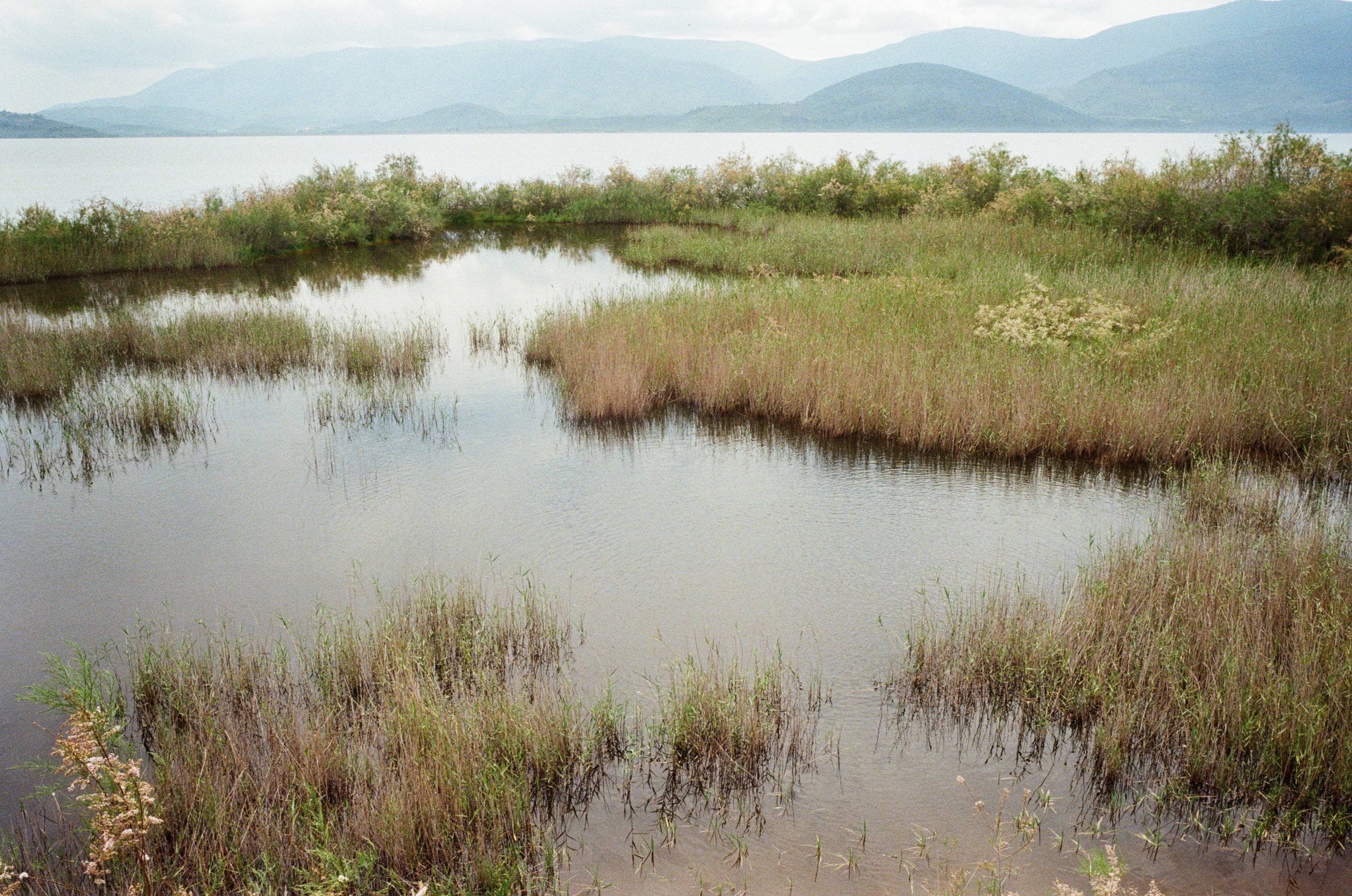


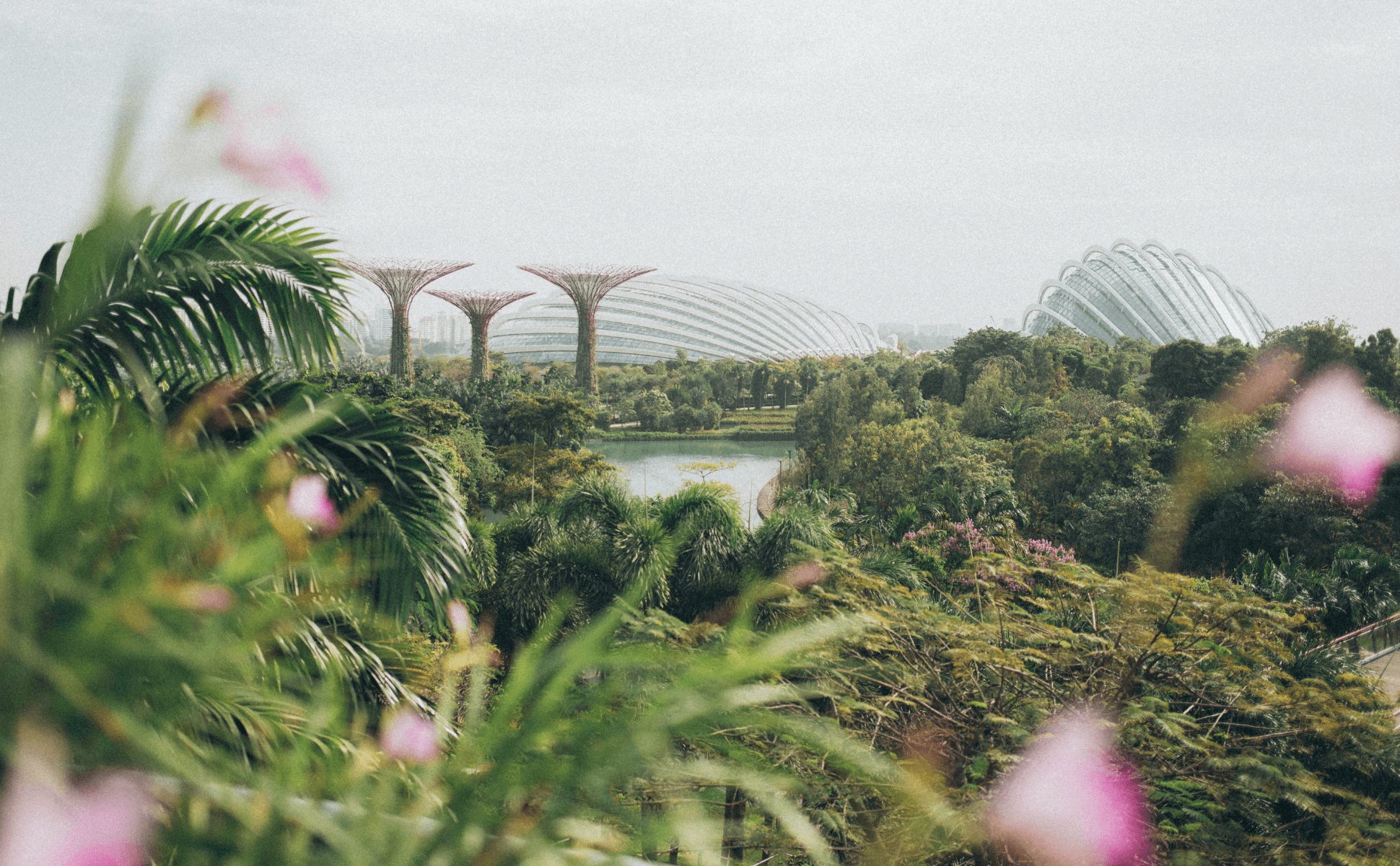


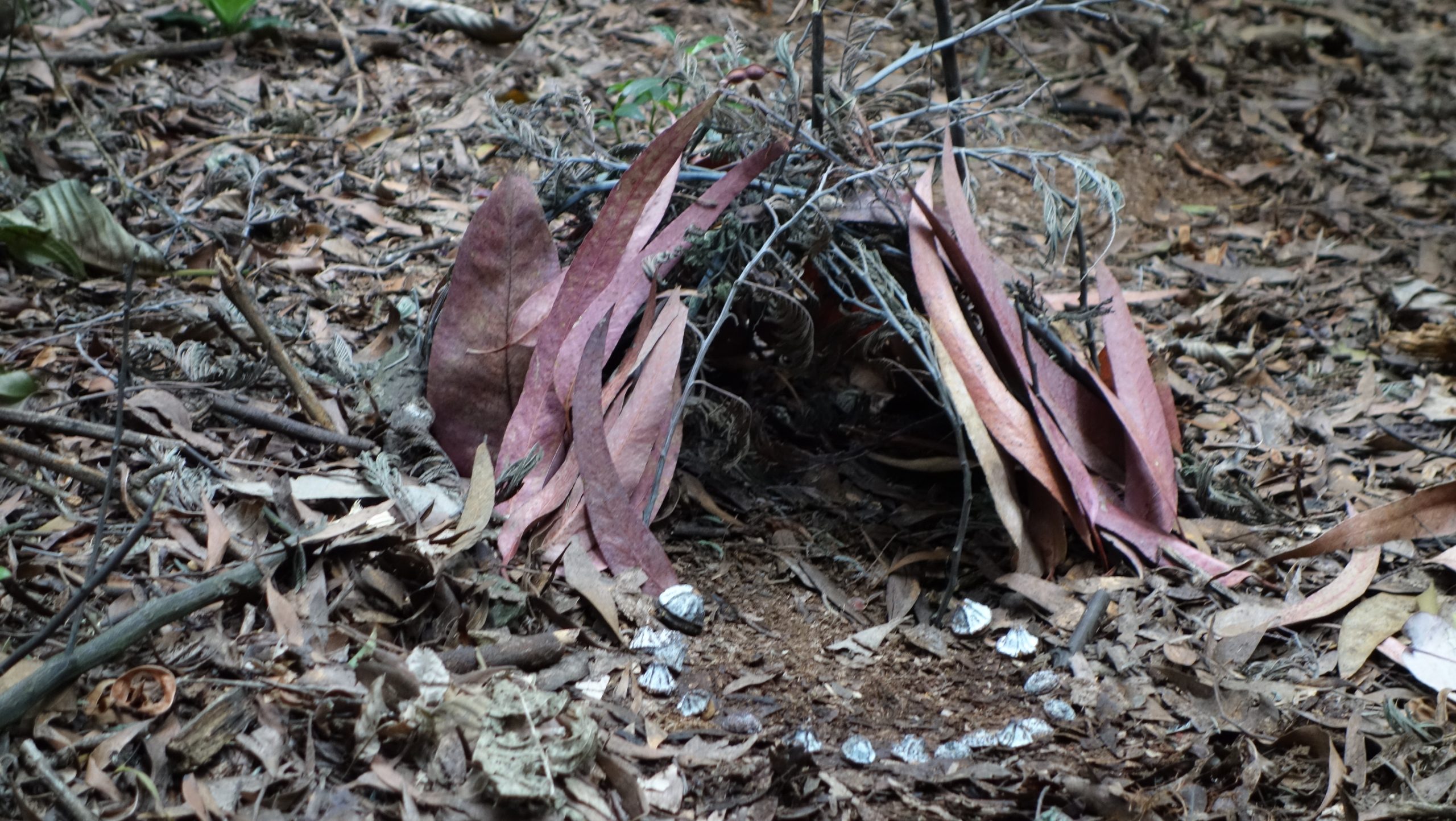
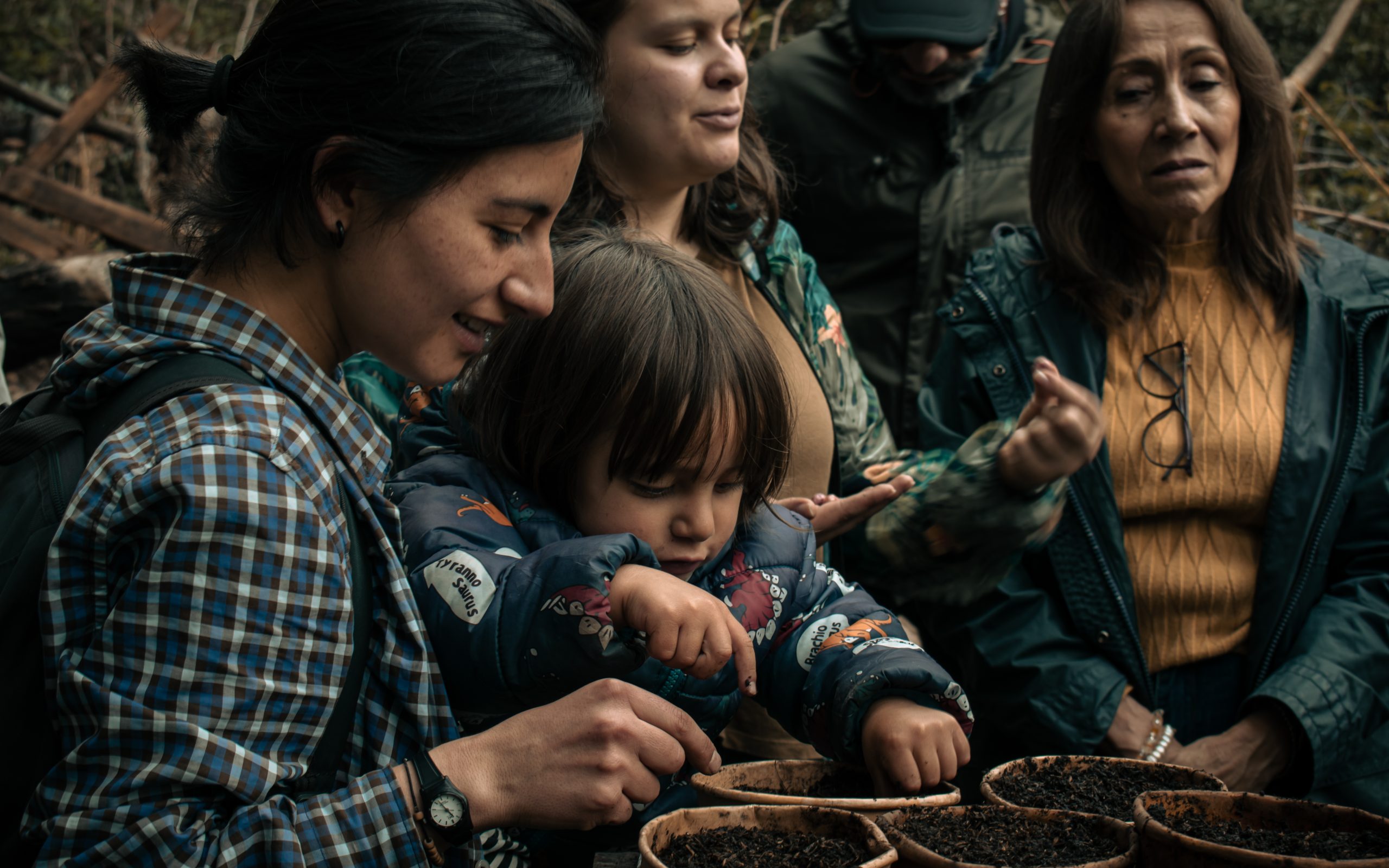

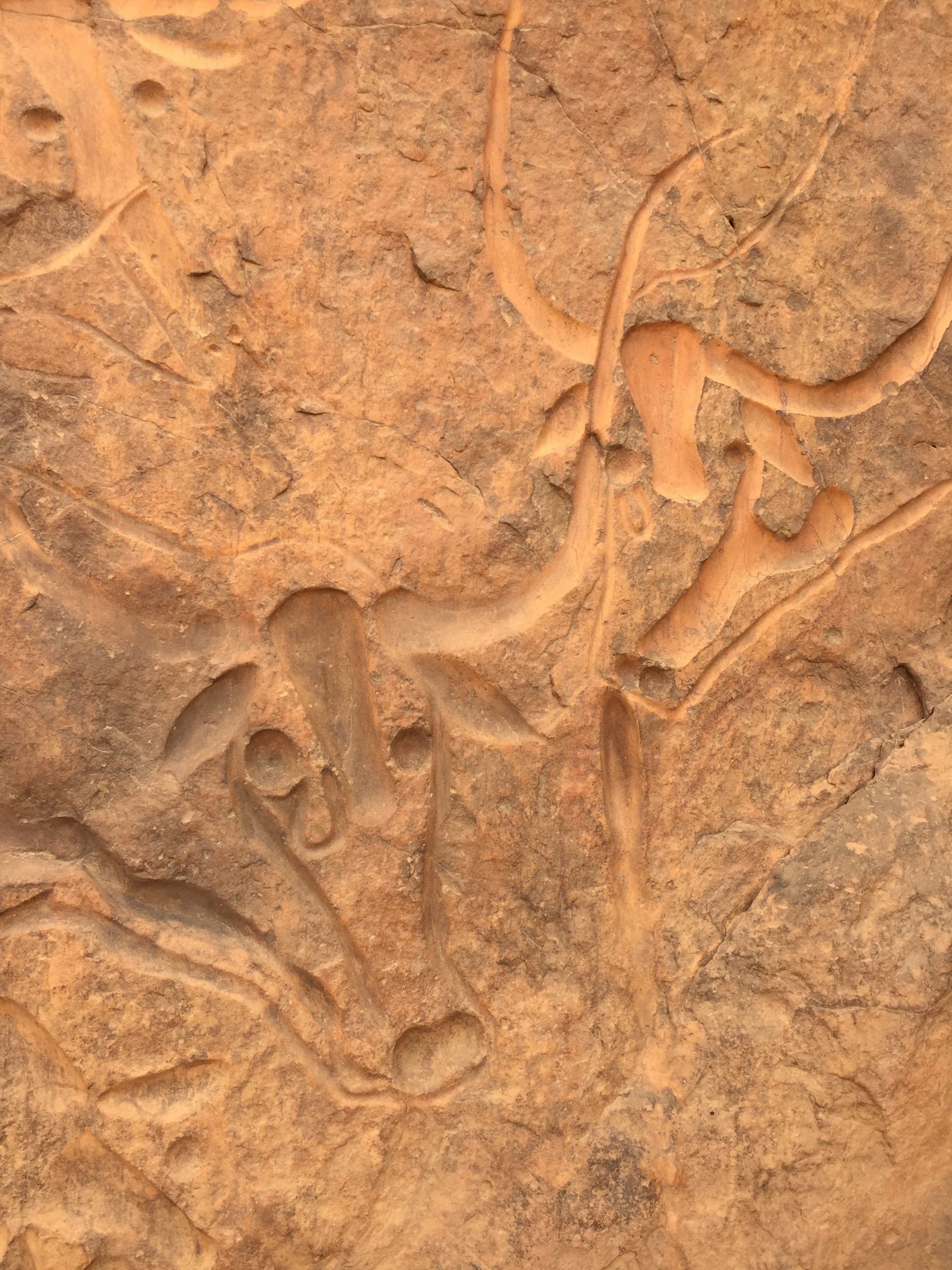
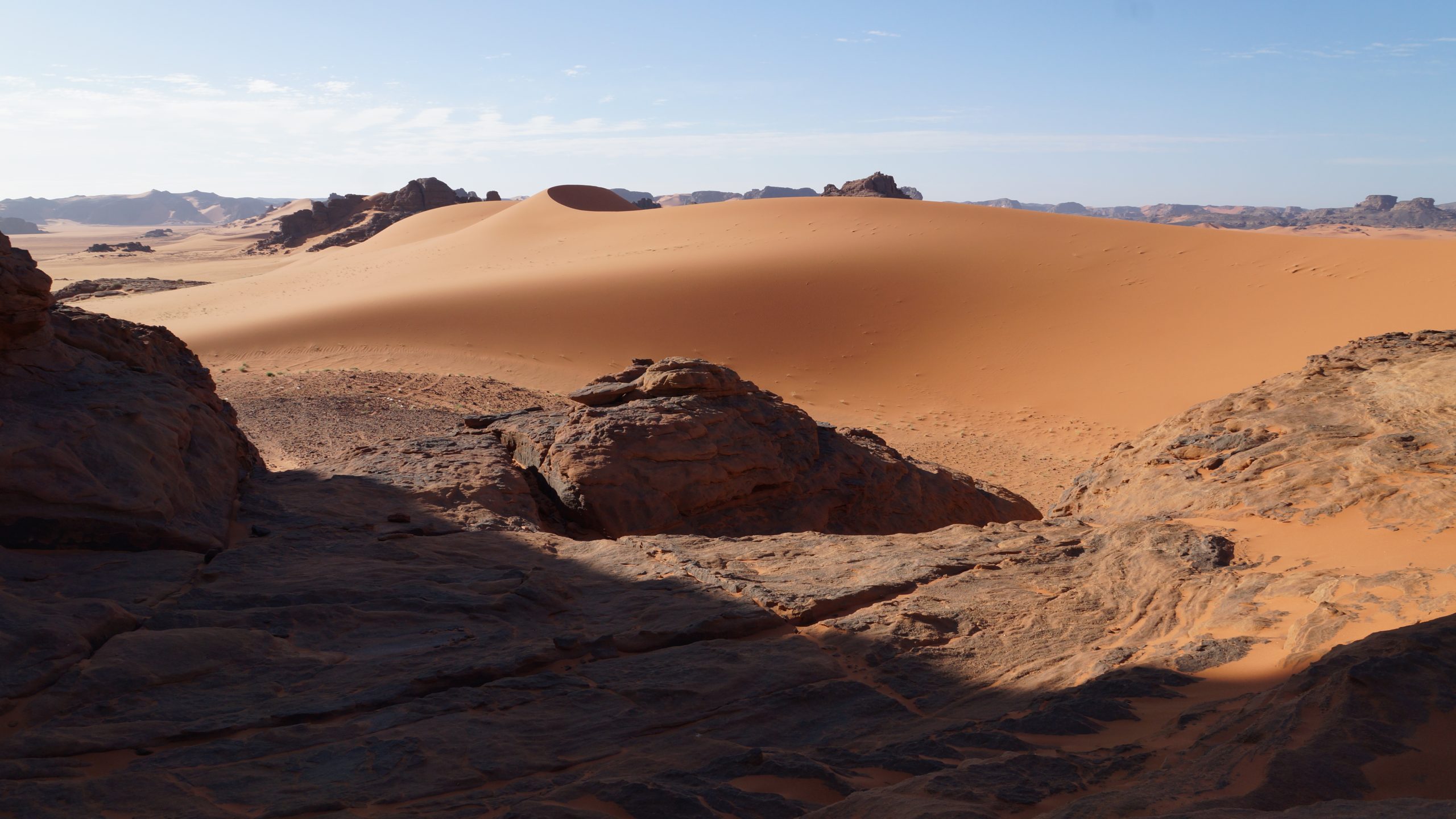

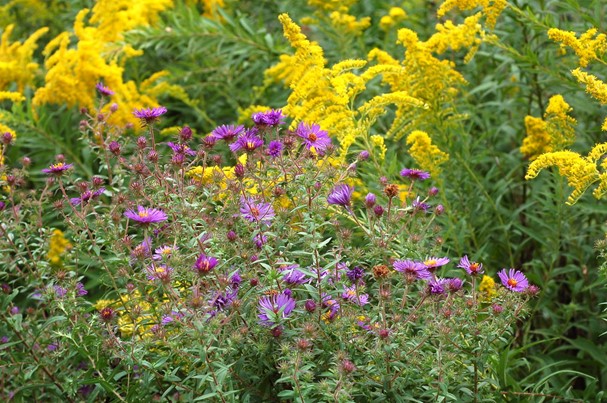

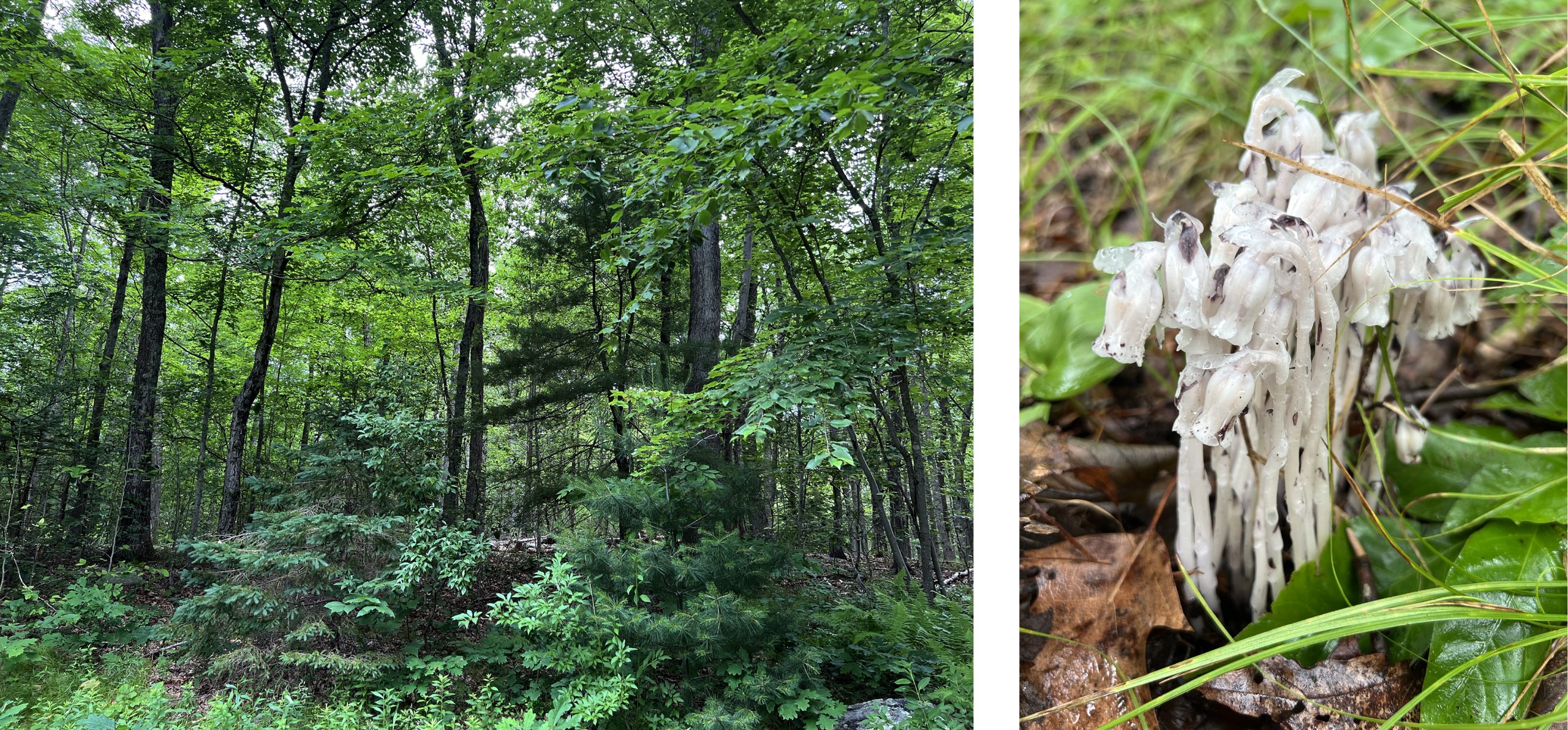
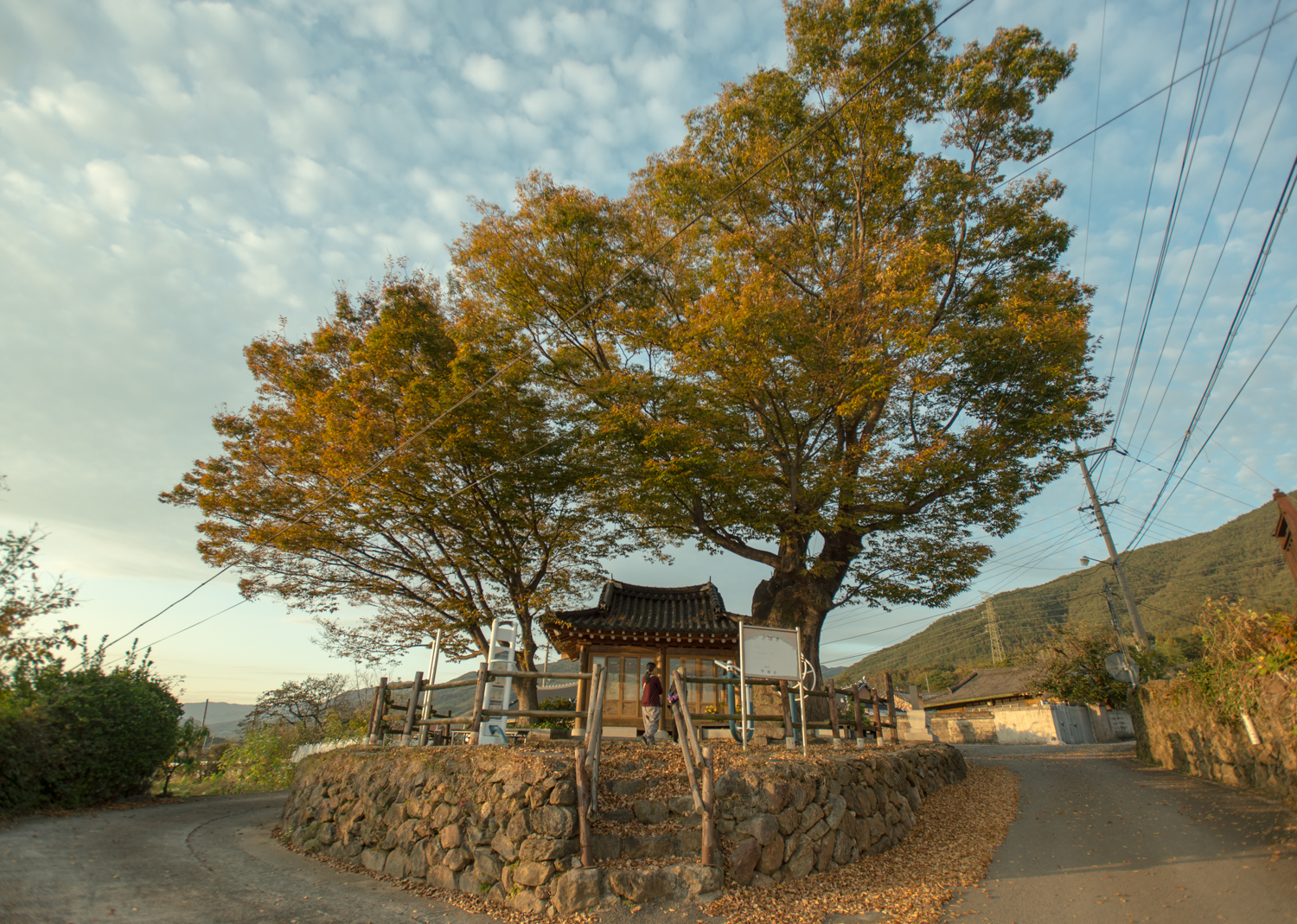
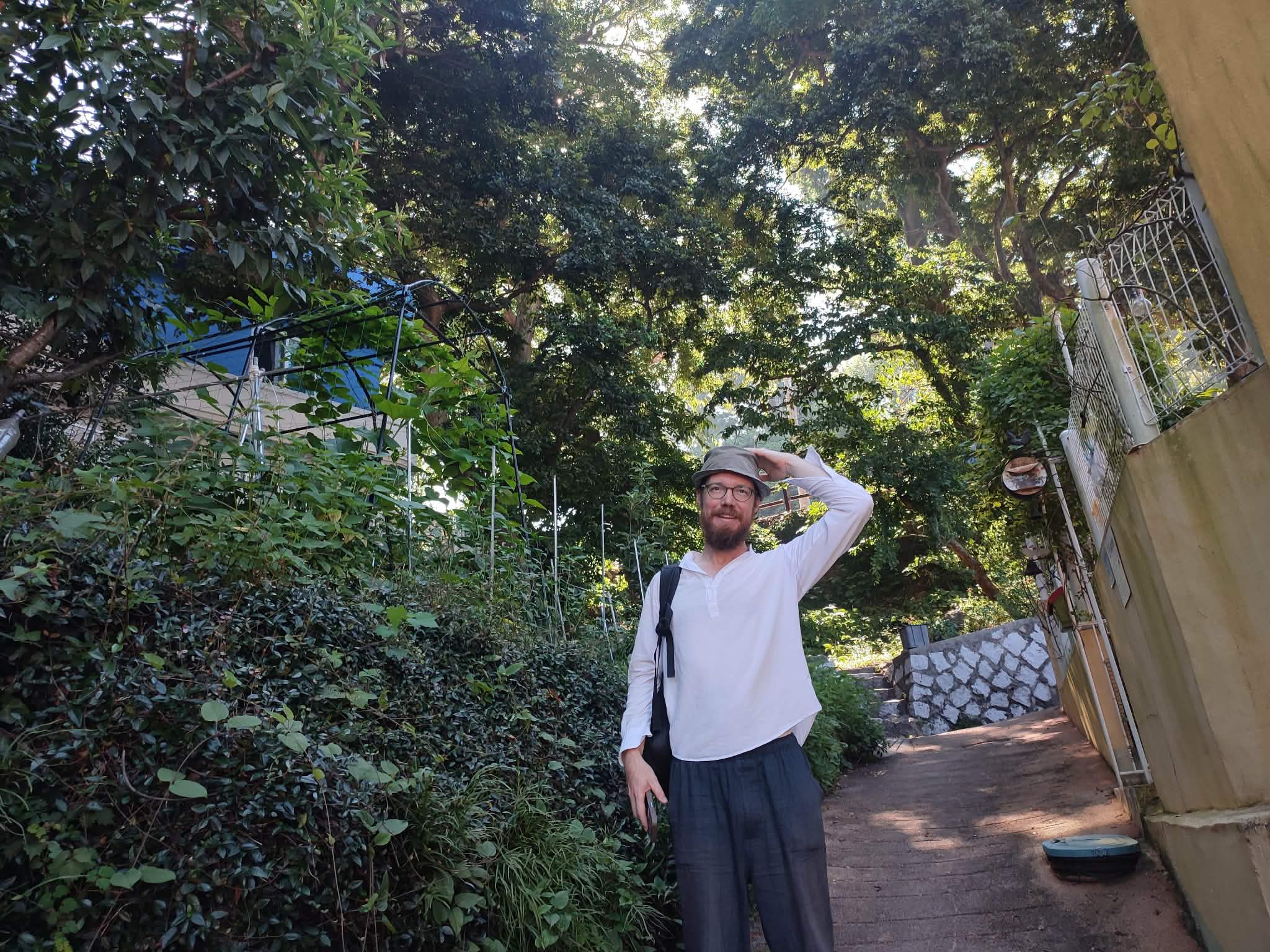




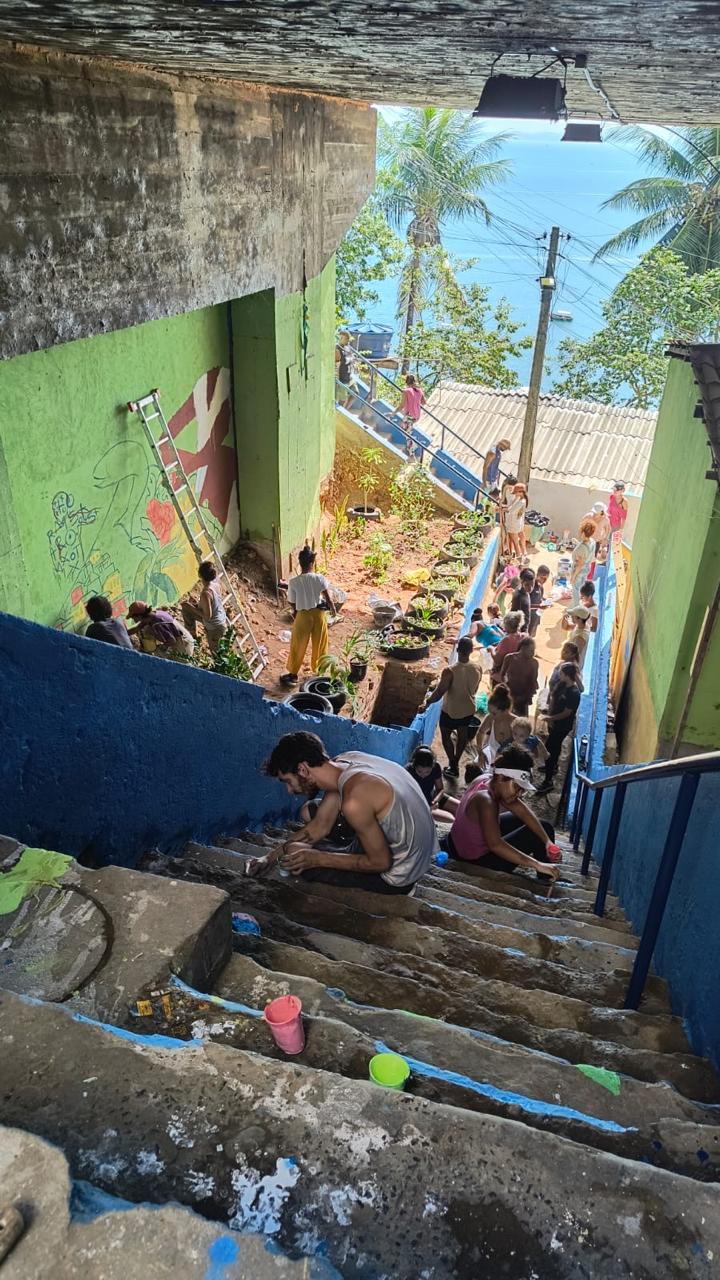
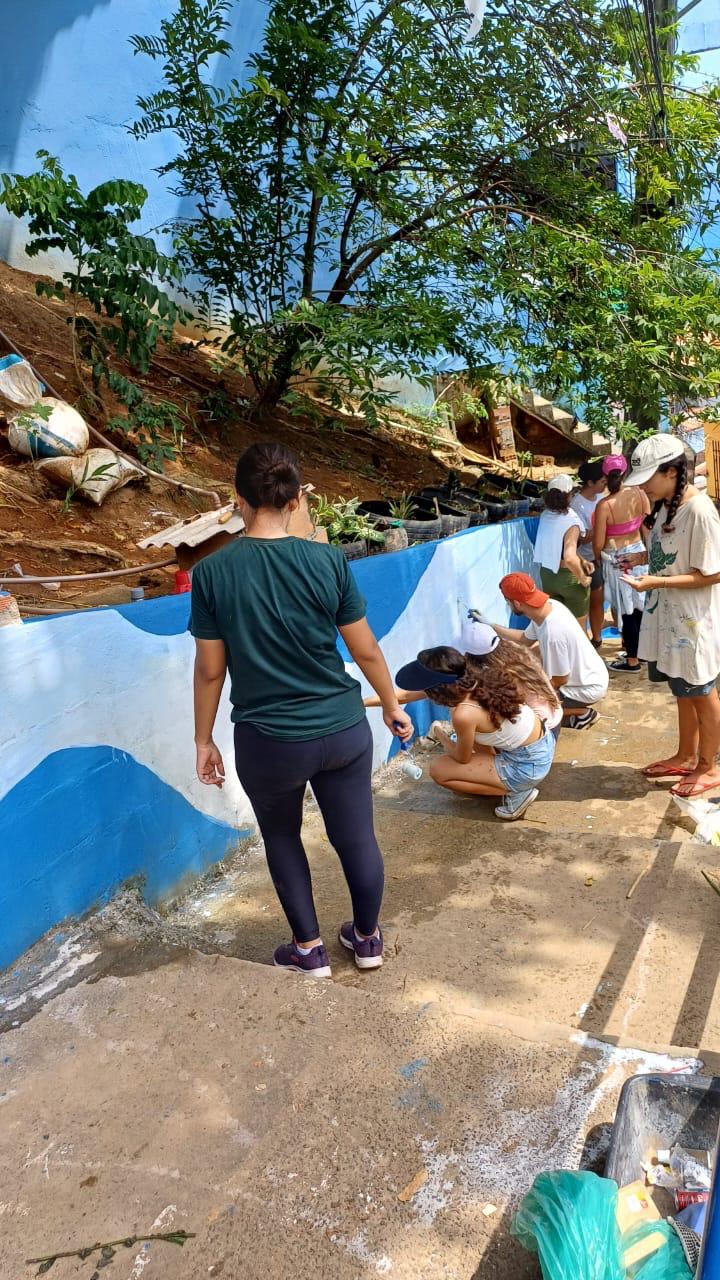 The proposal has Ana Caminha as a visiting resident at FAUFBA. She is president of the Association of Friends of Gegê of the Residents of Gamboa de Baixo (Associação Amigos de Gegê Dos Moradores da Gamboa de Baixo), coordinator of the Gamboa Women’s Group, and, since 2014, one of the coordinators of the Articulation of Movements and Communities of the Old Center of Salvador. She was an important agent in the mobilization of the community.



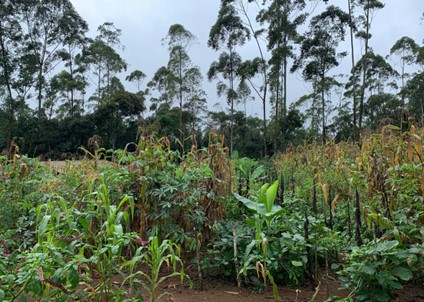


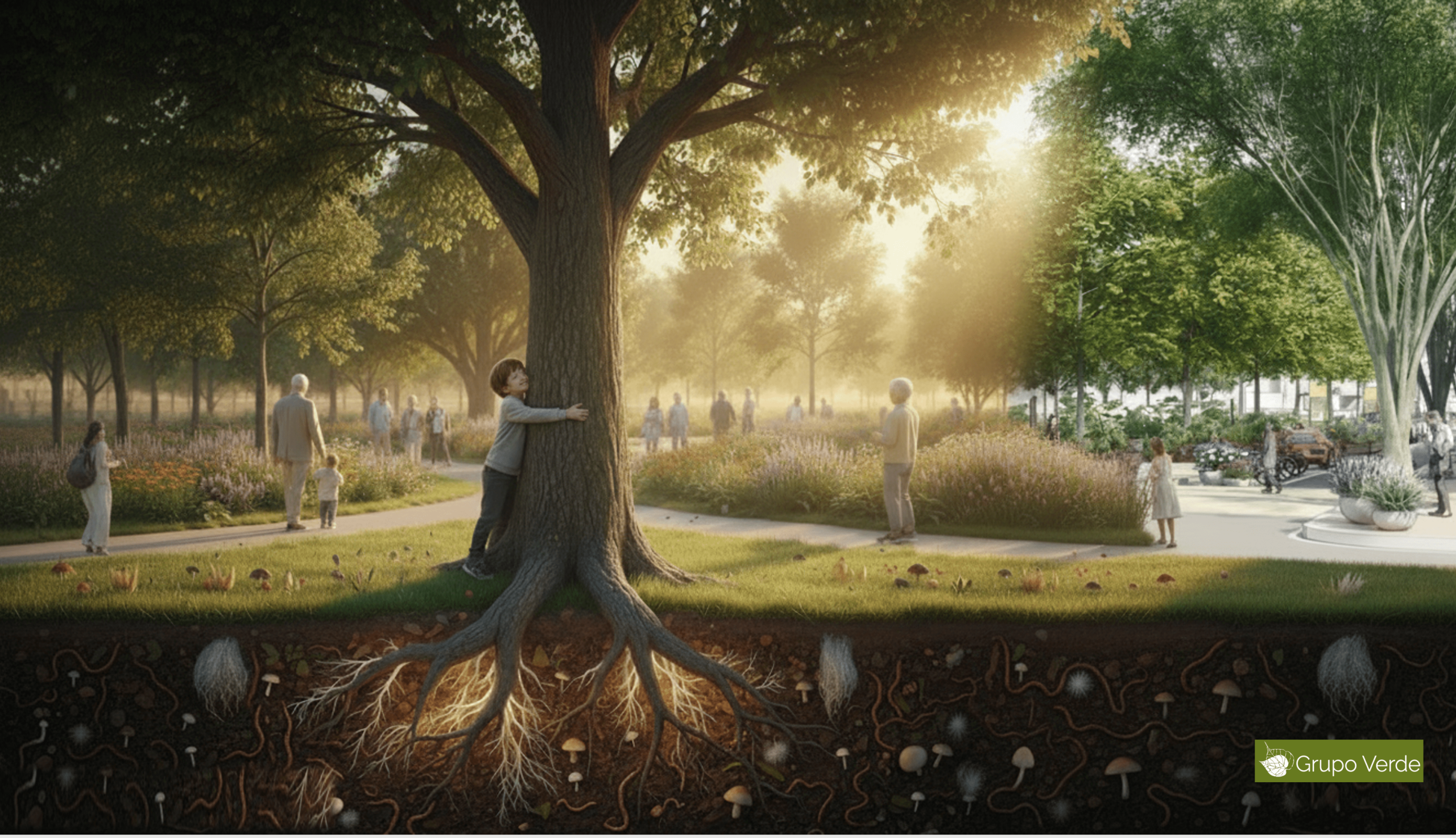


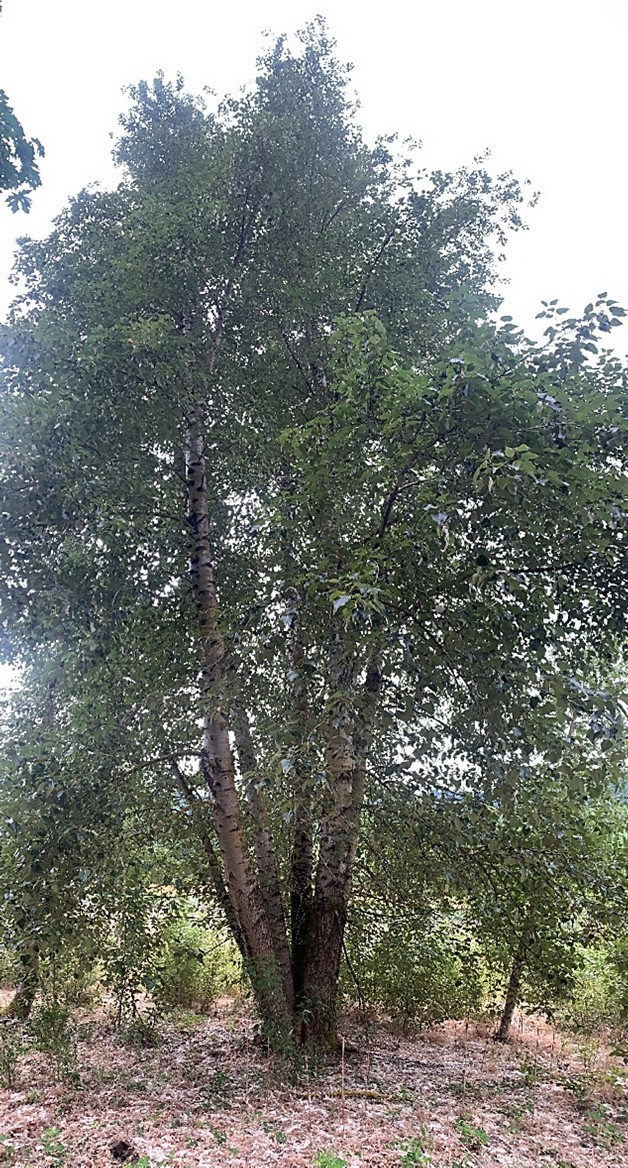


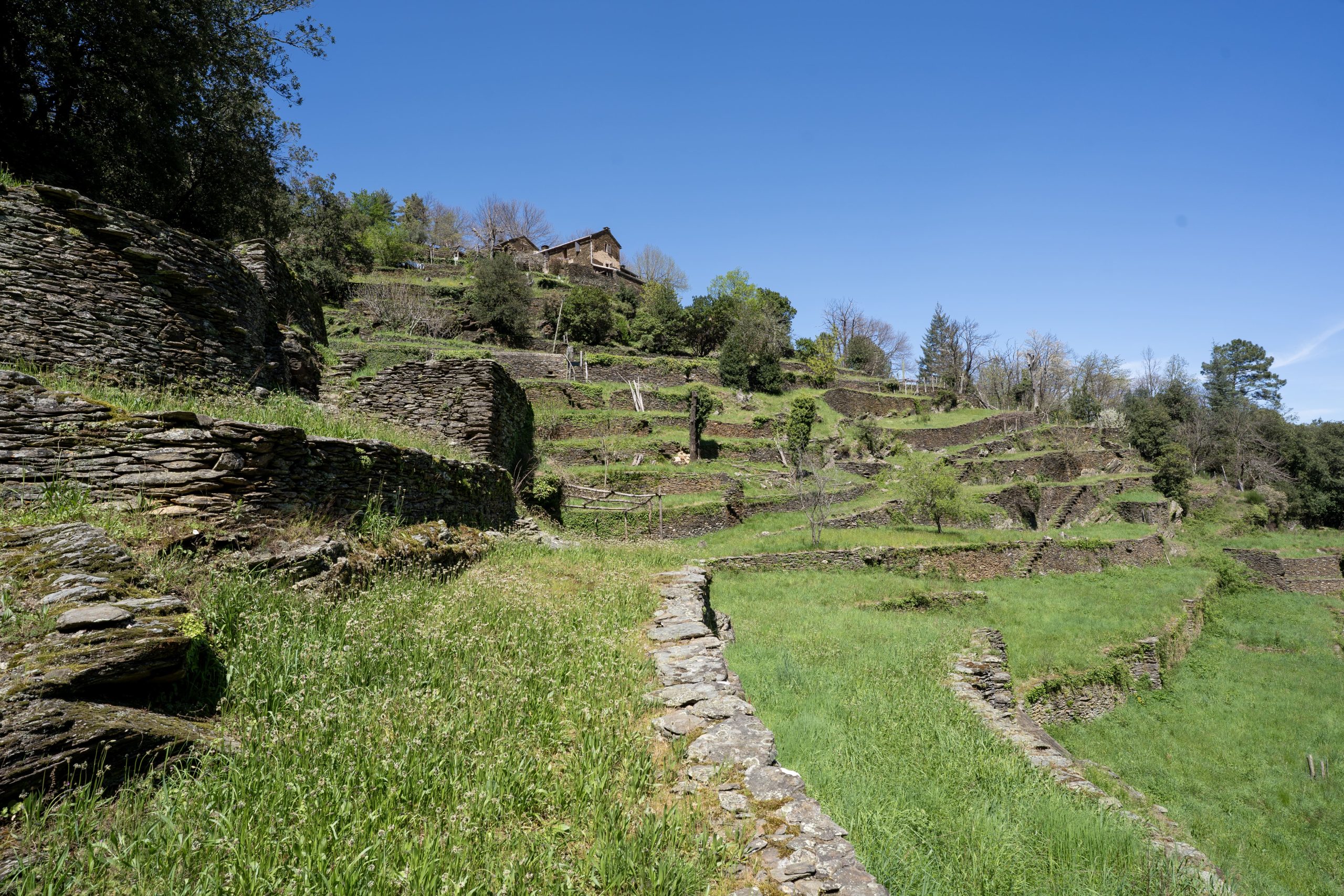
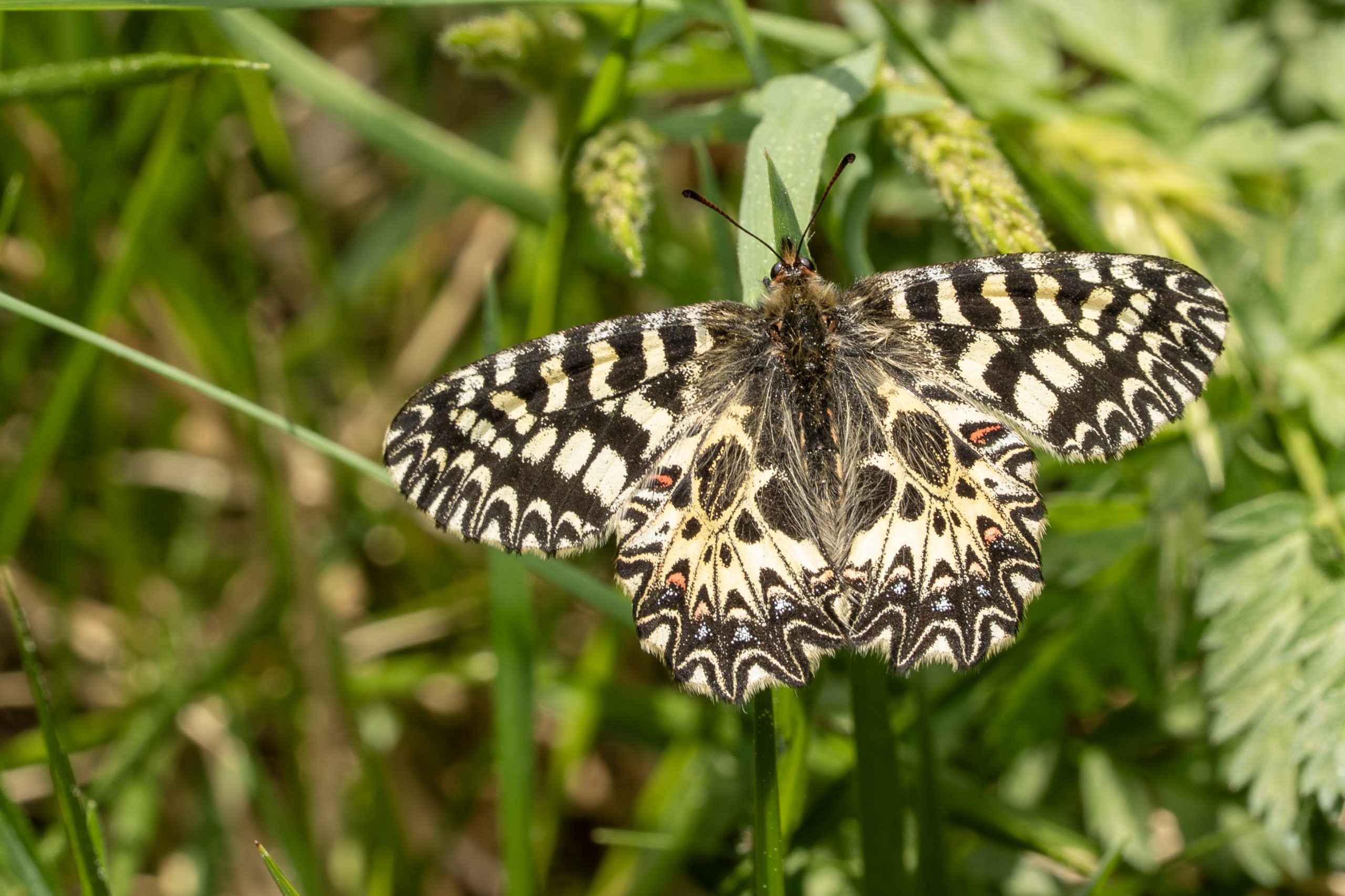





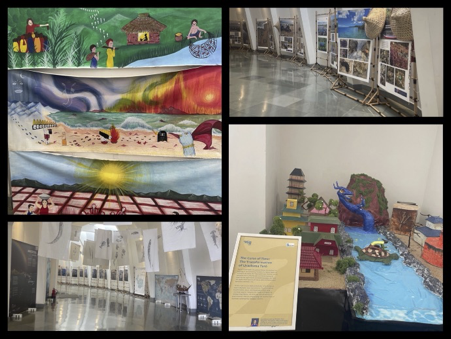
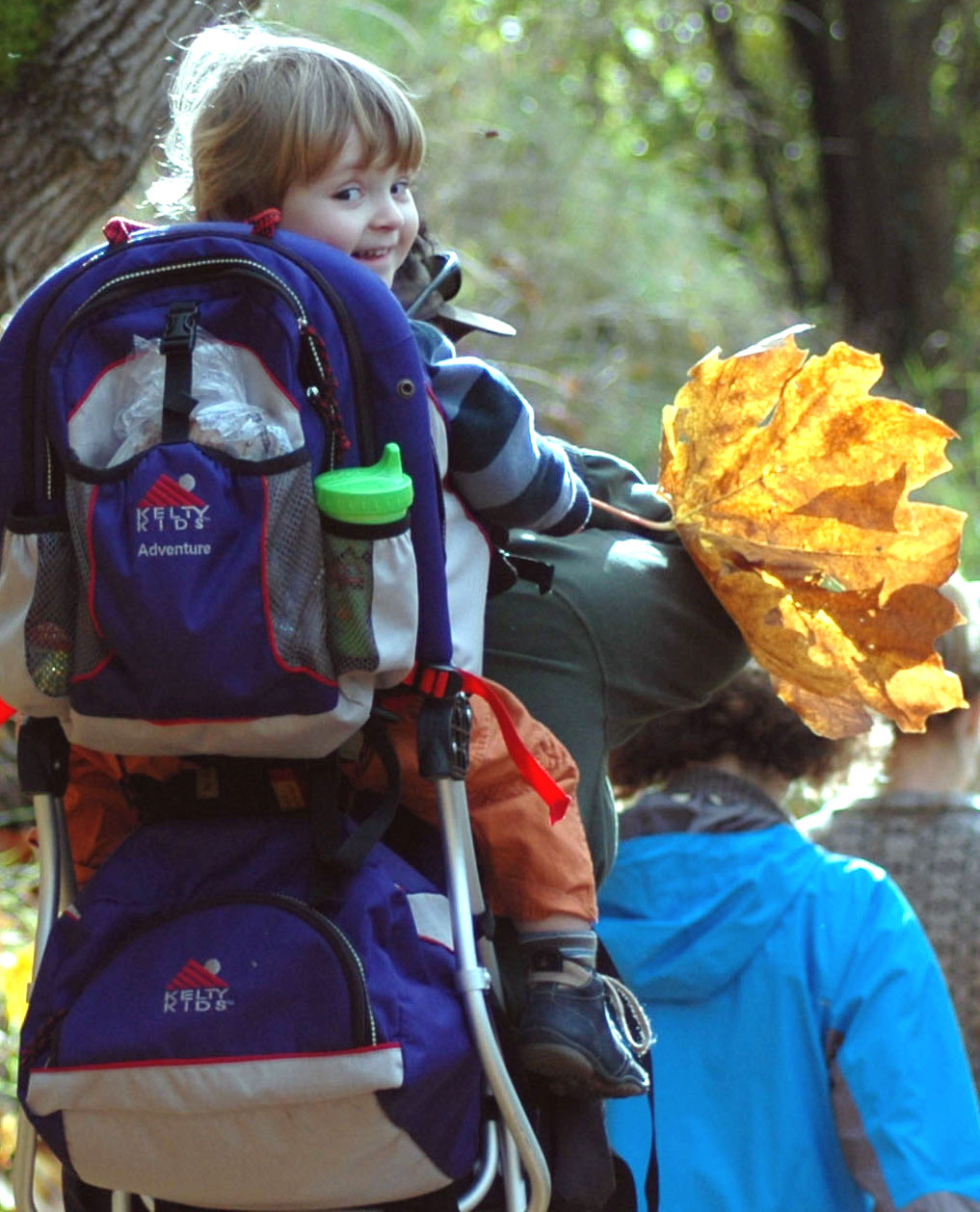


















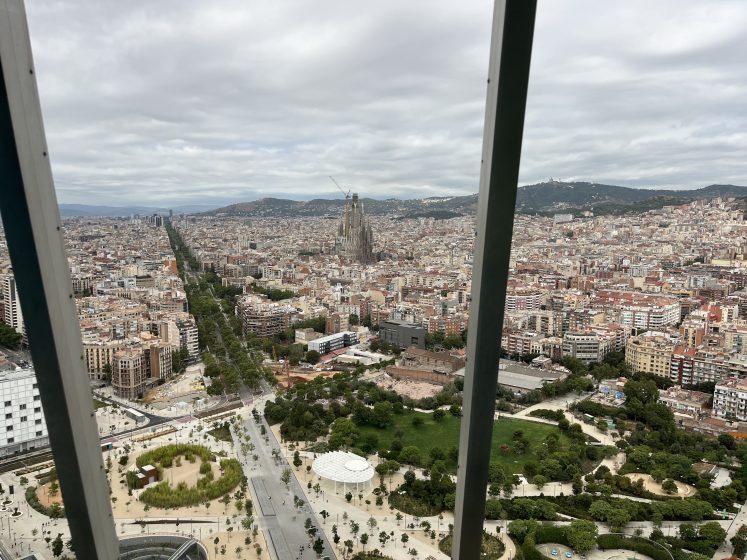
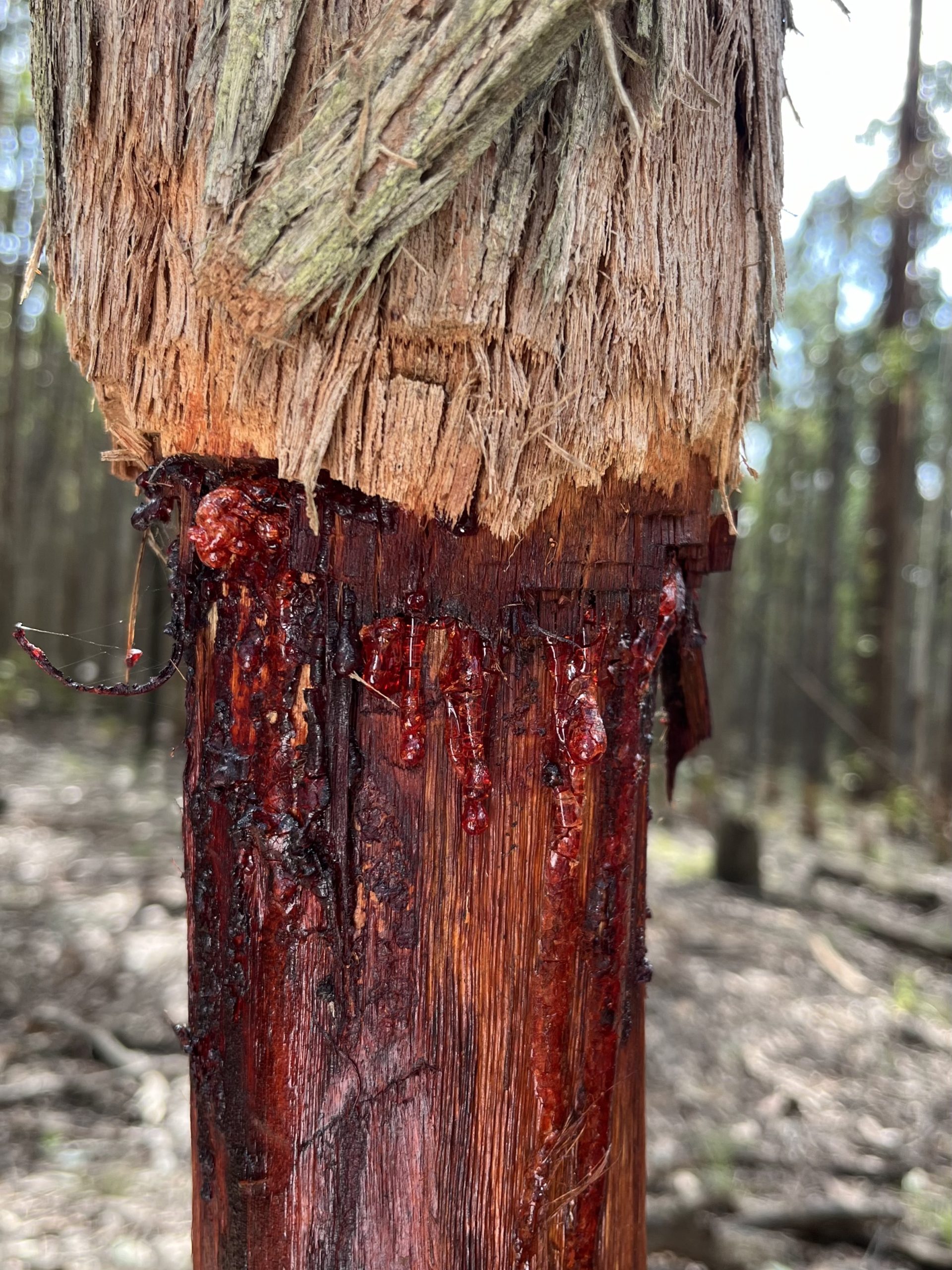








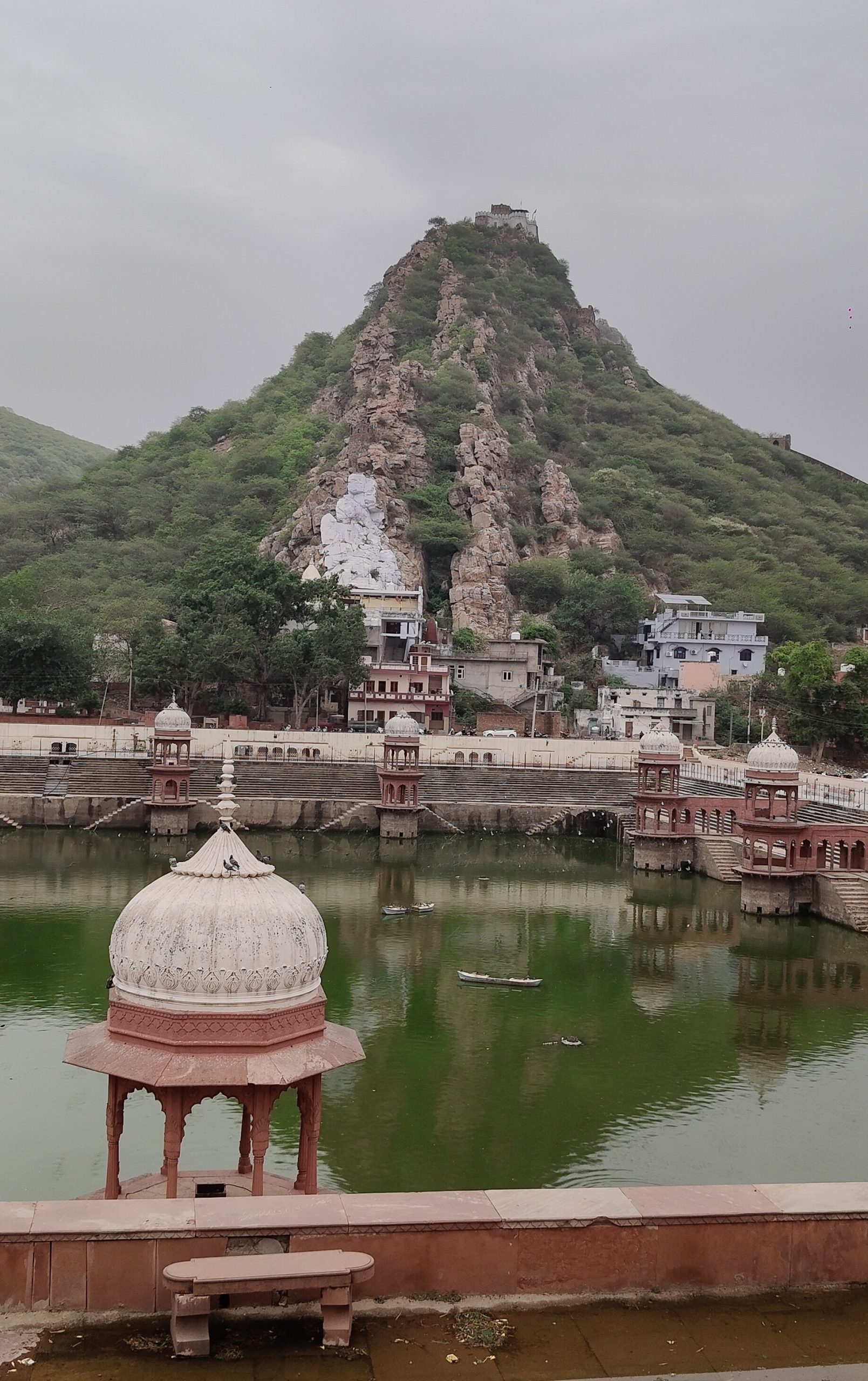









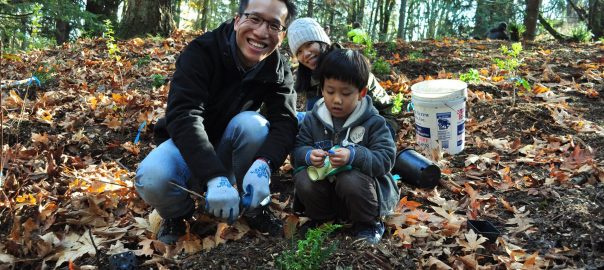




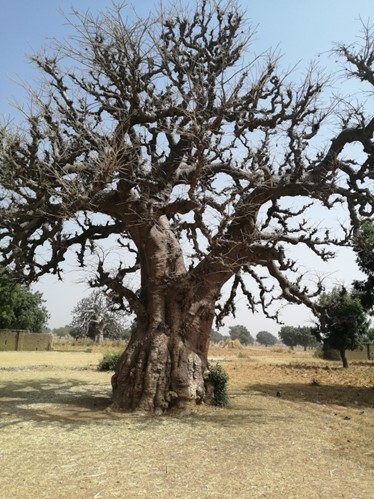




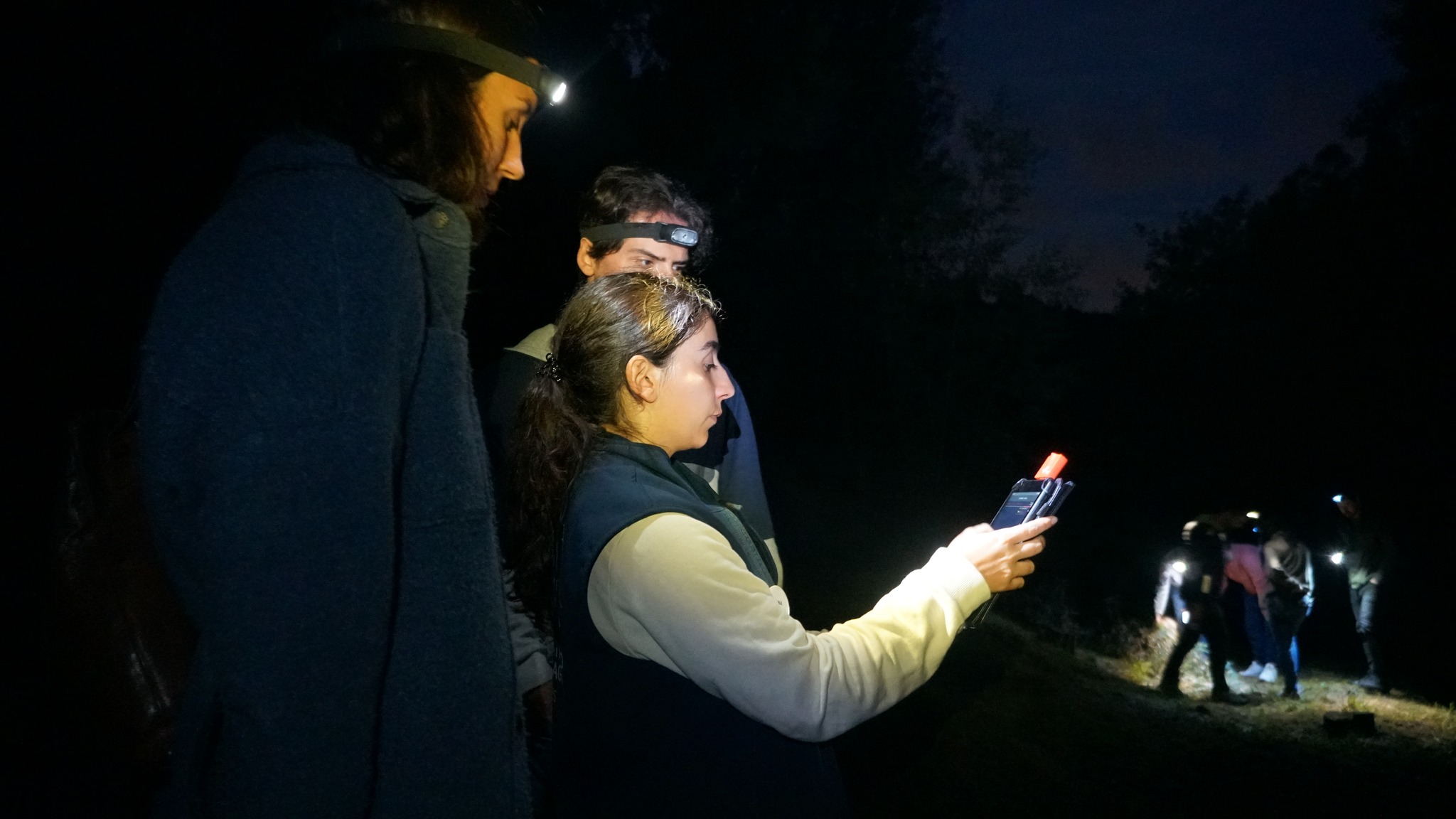


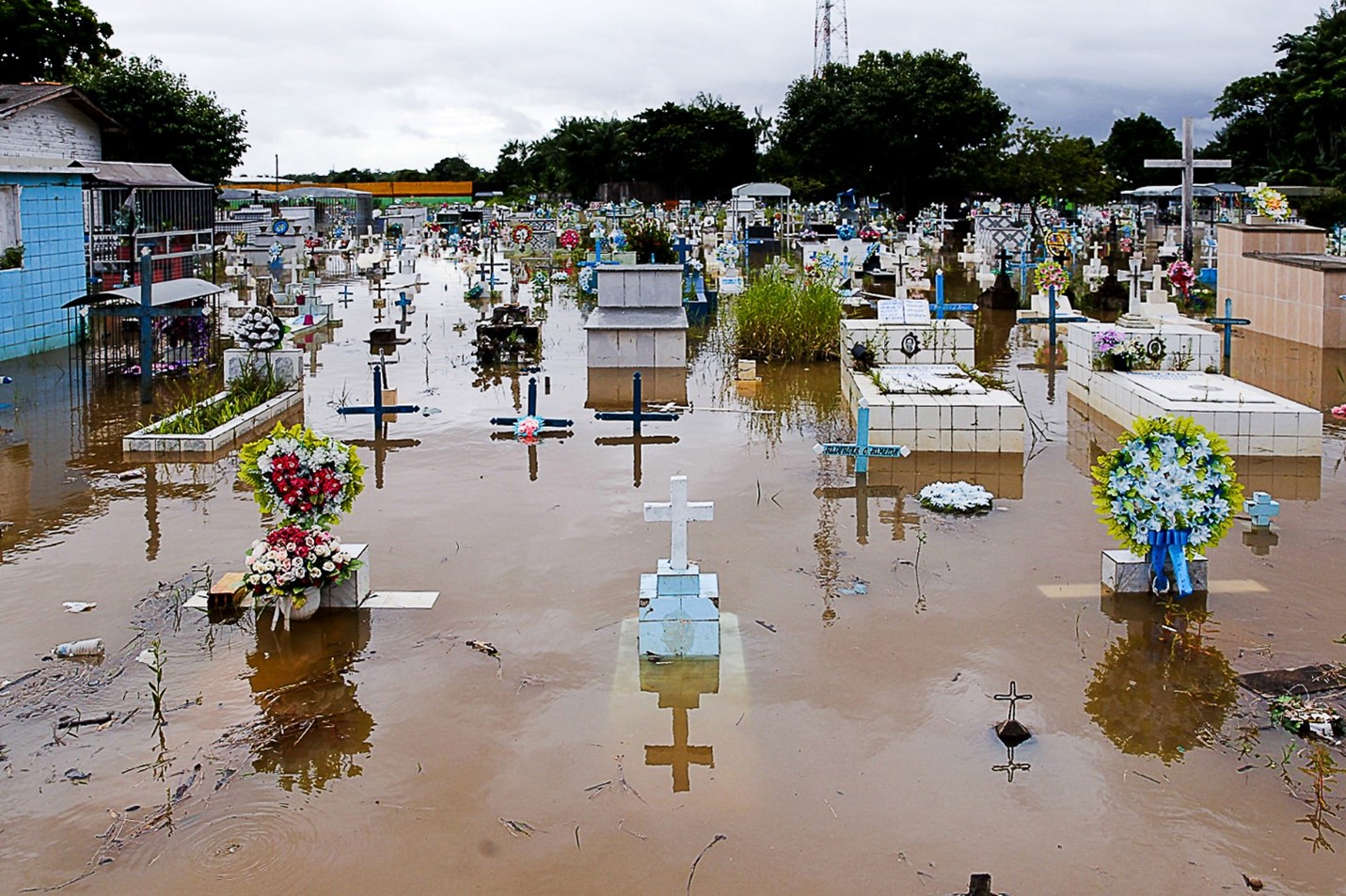


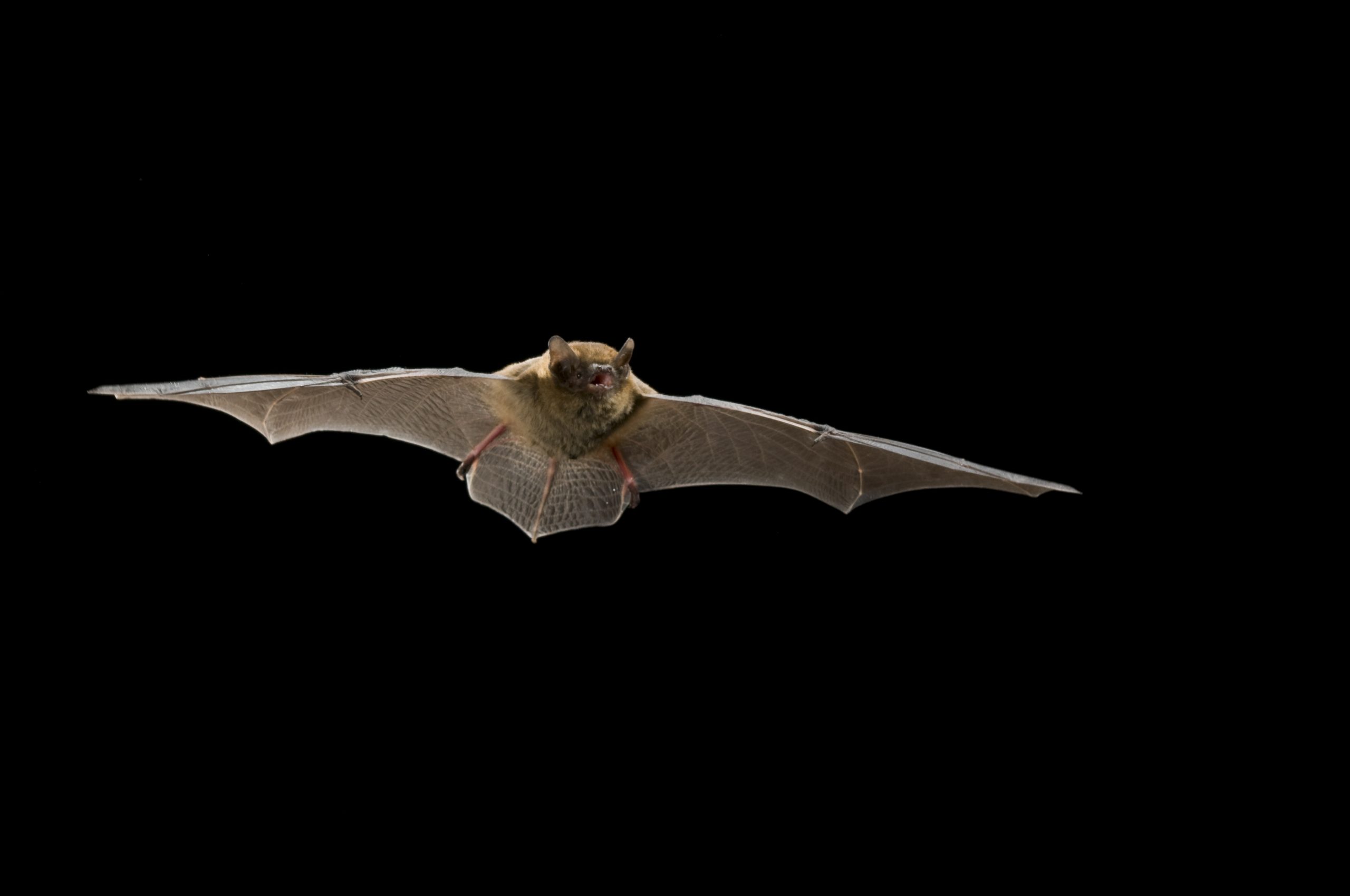
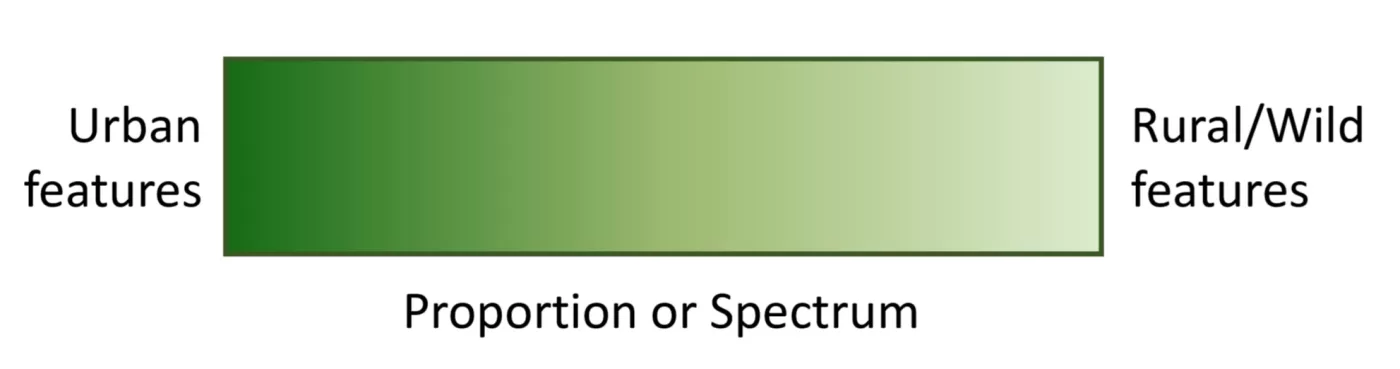 Pure urban and pure rural might be discernable at some places in a landscape, but so would many places that mix urban versus rural livelihoods, lifestyles, and cultural expectations. Connections, some quite local, and others spanning the globe, would continuously or episodically remake the mixtures of technologies available, investment or disinvestment, human populations, and biota (21). The hybrid conditions would be manifest in particular places, that is in ecosystems. It is crucial to recognize that what Lefebvre (22) might call “space” or urban designers, social scientists, and activists (23, 24) might call “place,” are to urban ecologists human ecosystems. Places are the nexus of the impacts and fluxes involved in livelihood, lifestyle, and the technologies and fluxes of connectivity. These places are social-ecological systems that mediate and are altered by the interacting fluxes.
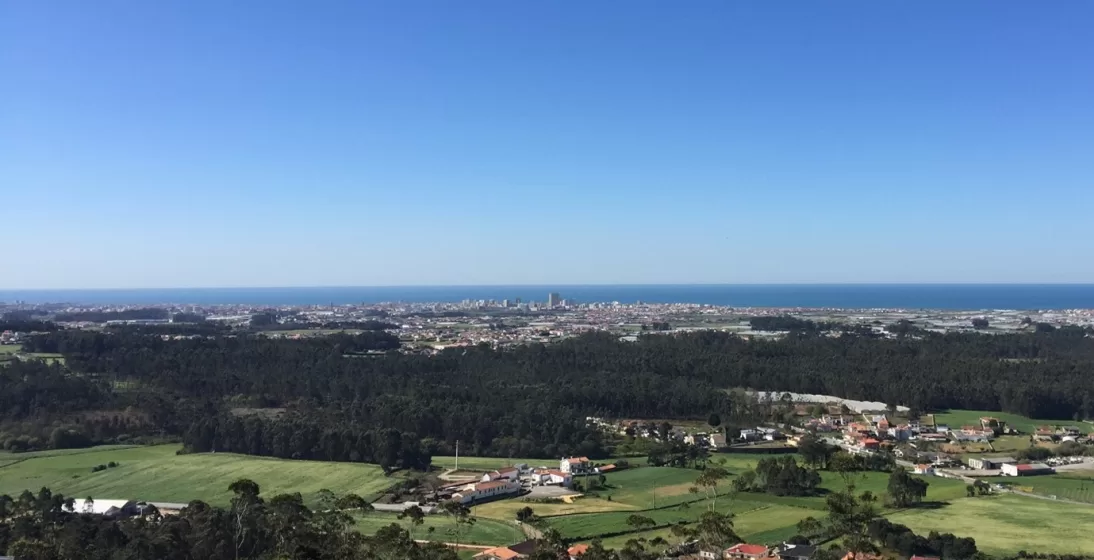


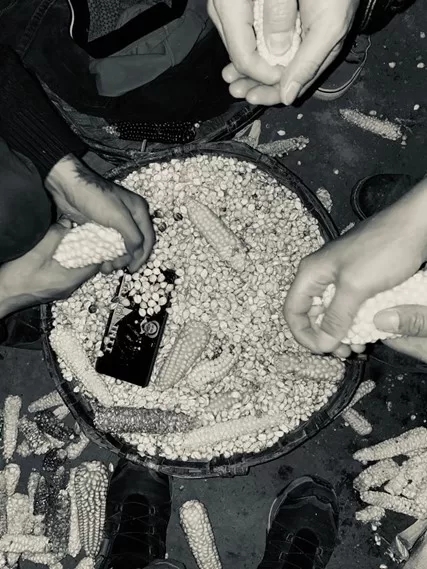
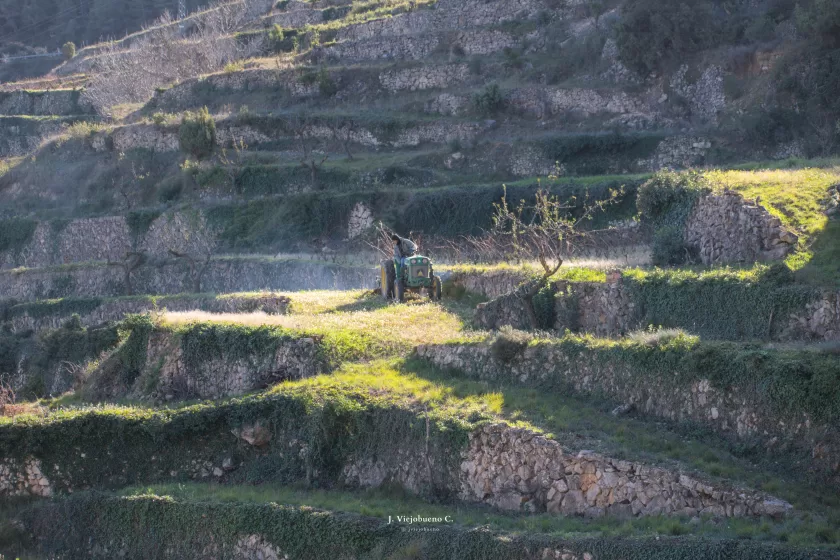 M’aventuro a pensar que potser en això hi ha part de la resposta a com fer front a les divisions urbanes-rurals, de què necessitem per abraçar una transformació d’aquesta dicotomia que tingui en compte les realitats dels paisatges actuals. Segurament ho considero des d’un prisma egoista o egocèntric però no perquè vulgui protagonisme i dictar veritats sinó perquè només m’atreveixo a parlar del que conec més i visc dia a dia.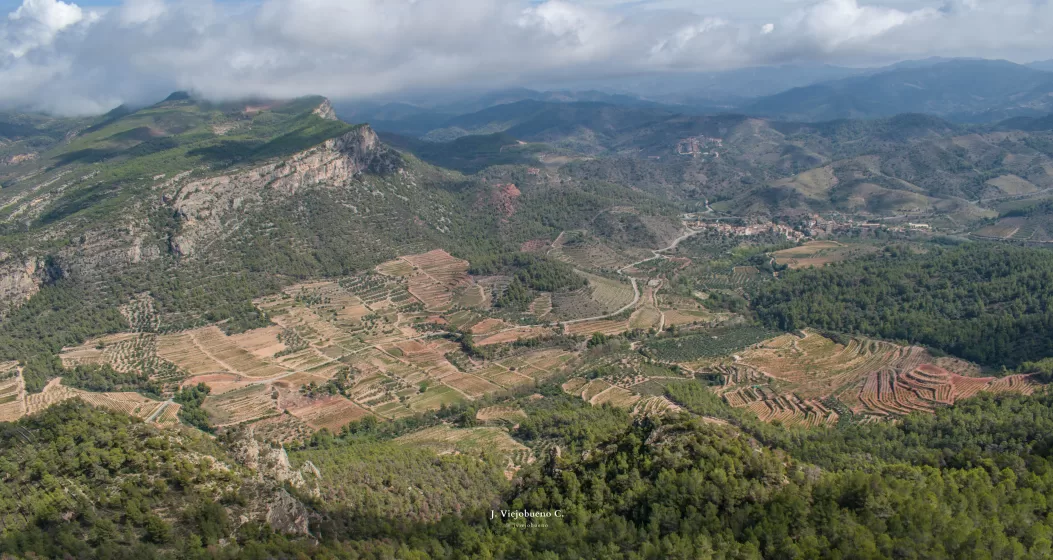
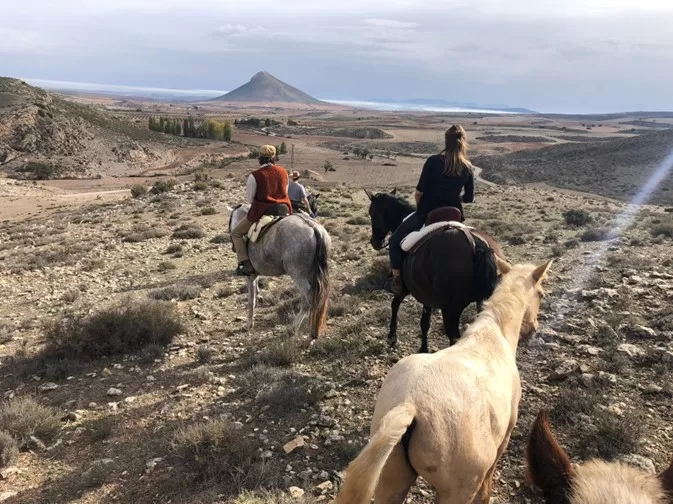

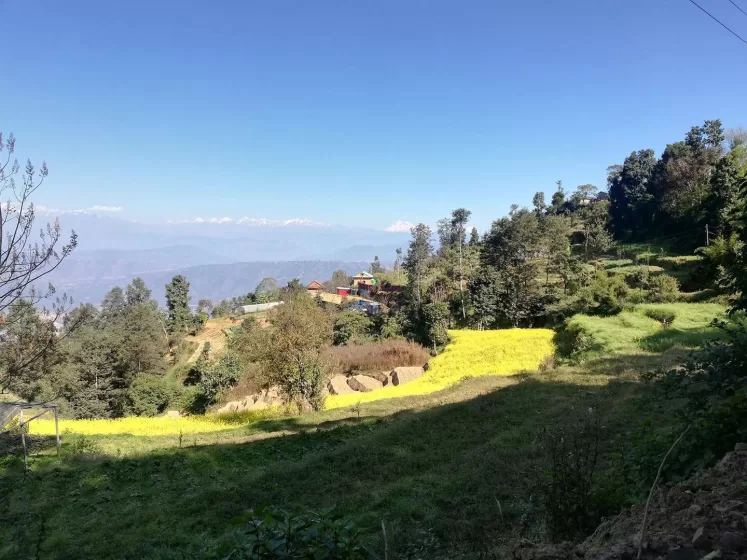 In my work across Nepal, especially through StoryCycle, Karesa, and DreamCities, I’ve seen how rural communities are using modern tools to innovate. Through DreamCities, we engage youth in community mapping, like the Bhiman project, where local stories and aspirations are shared online to help shape better urban planning. This initiative encourages youth to contribute to their communities’ sustainability, giving them a voice in the development process.
 Karesa is focused on strengthening local market systems in rural areas. We work with farmers to implement traceability systems, helping them track food miles and reduce carbon footprints. By connecting farmers directly to urban markets, we create a farm-to-table model that boosts their income and ensures consumers get fresher, more sustainable products. This system eliminates middlemen, improving market access for rural farmers.
 Local markets are crucial for bridging rural and urban economies. As these markets become more sustainable, they help rural communities build resilient economies that can withstand environmental and economic challenges. Karesa helps farmers access better markets, diversify their products, and meet urban demand. This leads to economic inclusion and strengthens rural-urban ties.

 La lección es parar. ¿Cuanto tiempo puedes estar parado, sin hacer nada? El campo te invita a quedarte mirando una hoja de higuera, las estrellas, o observar el movimiento sutil del pájaro.
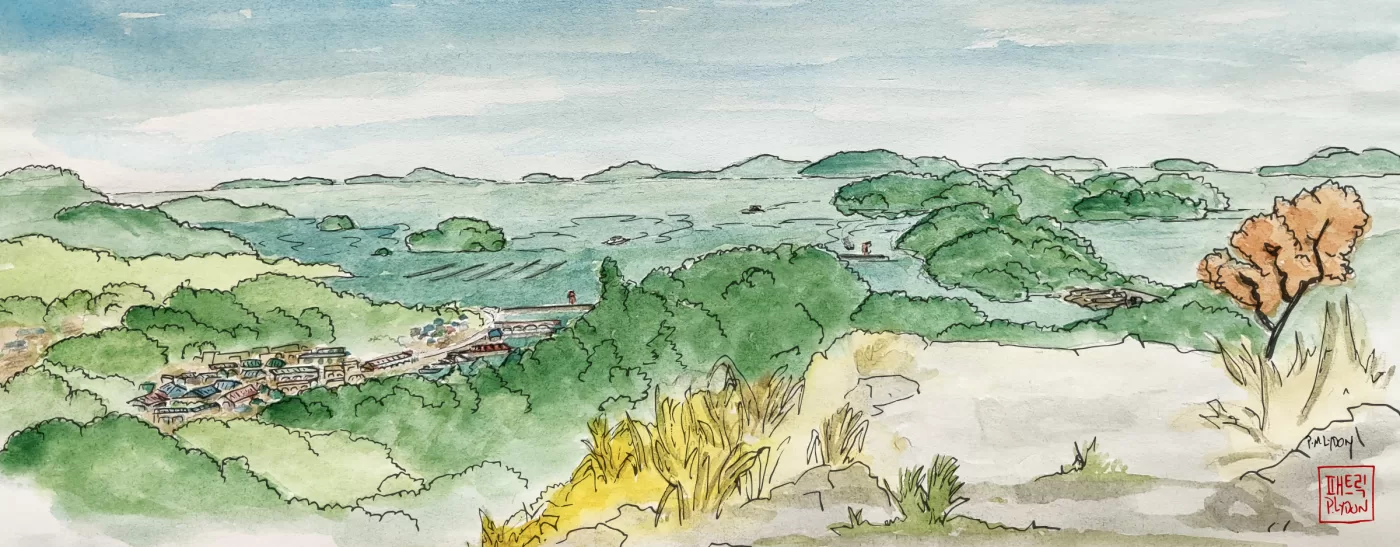


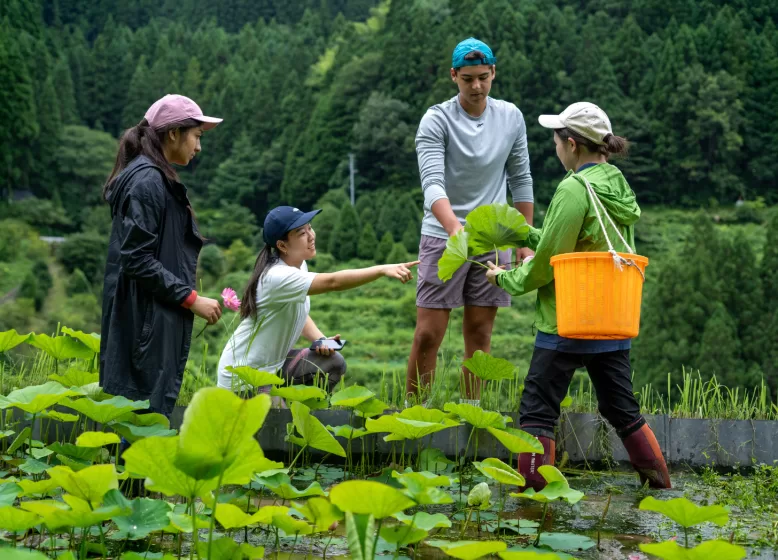 Contemporary Japan is increasingly described as a muenshakai or a “relationless society”. Japan is centralized in Tokyo, one of the largest cities in the world, with a population of over 37 million. In contrast, the village of Kamikatsu has just over 1,300 residents. Yet despite Tokyo’s density and status, many people feel deeply isolated from themselves, from one another, and from the environment. Urban life, driven by capitalist ideals of speed, convenience, and individualism, can lead to disconnection and a loss of purpose.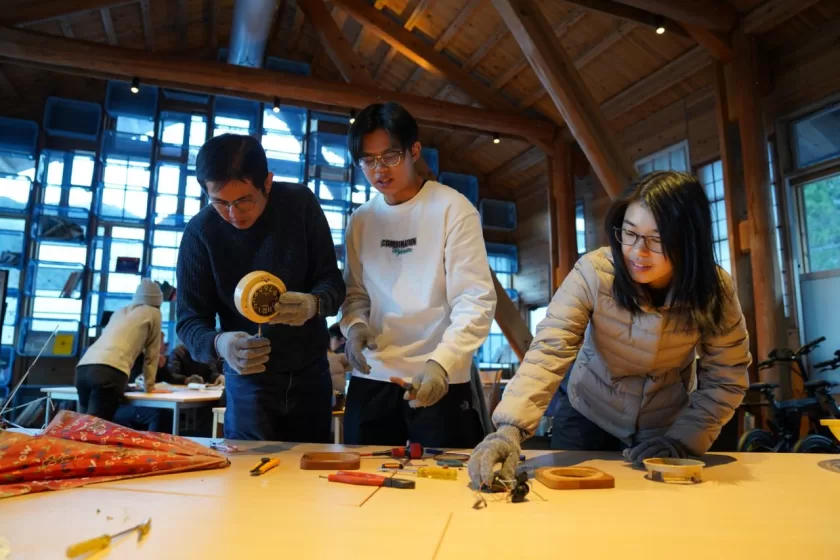
 Traditional values of resourcefulness, reciprocity, and stewardship are interwoven with urban practices of design, architecture, and inclusiveness. Long-standing traditions are being reimagined such as the annual rethatching of kayabuki roofs, now sustained through the support of volunteers. New forms of living are also taking shape, as remote workers find ways to stay connected to cities while also contributing to the local community. As traditional schools face closure, experimental models of education emerge in their place. While many still see the countryside as static, young migrants arrive not to consume a way of life, but to co-create kurashi or way of life.
 Azby Brown, author of the book Just Enough, illustrates how villages in Edo-period Japan (over 250 years ago) were built on interdependence. Farmers, artisans, and households survived by helping each other. Society also lived within their ecological means and people were guided by principles of reuse and resourcefulness. That mindset and practice still echoes in Kamikatsu today.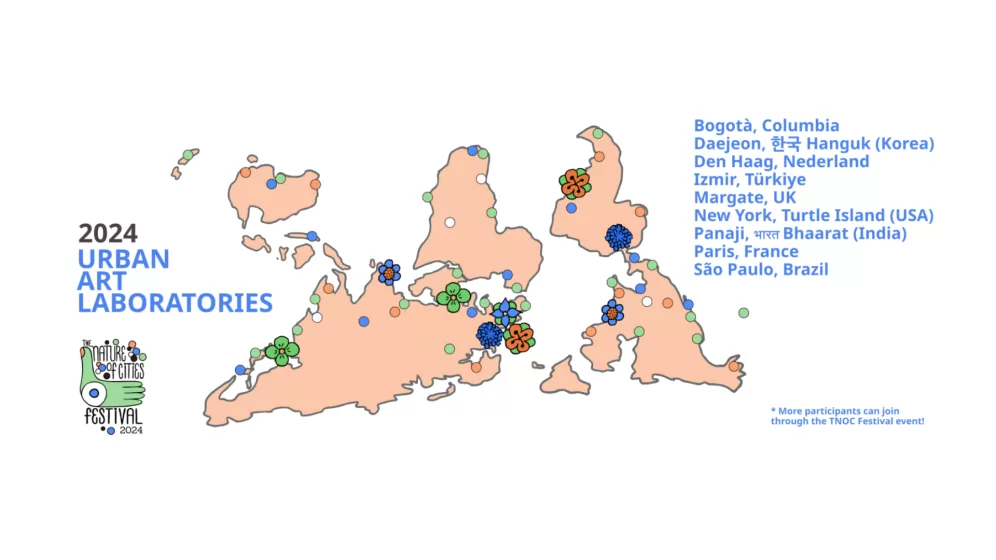
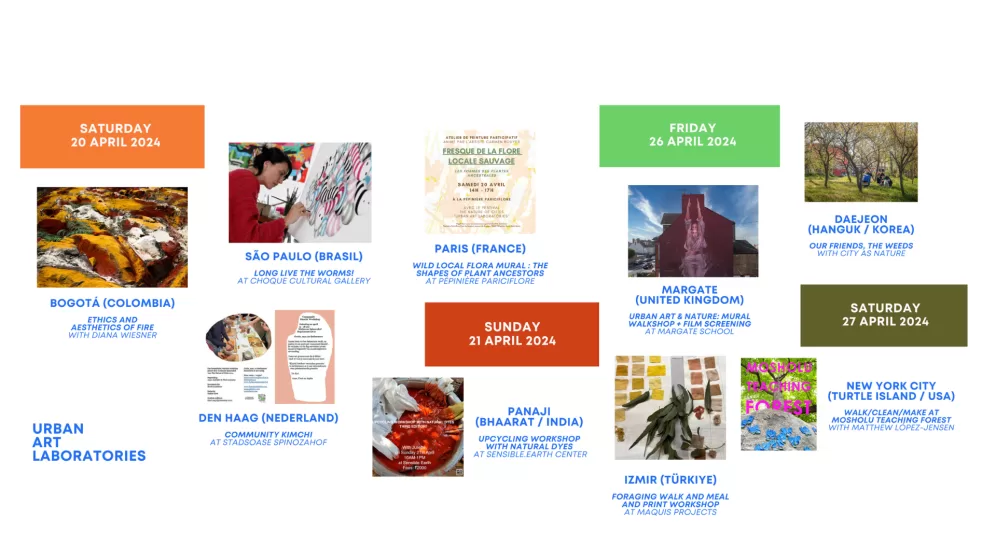 With this intention at heart, groups of Festival participants simultaneously got involved in caring for urban nature through an artistic lens, making it more personal, intimate, and fun! On

 Through this workshop not only did the participants get to upcycle their old clothes, but they also got to learn about sustainability and natural dyes. They left the workshop with a pdf helping them later in their natural dyeing practice. Through different experiences and workshops (natural dyeing, slow stitching…) at the Living Labs of Sensible Earth, we create a community and awareness on sustainability in Porvorim, Goa.




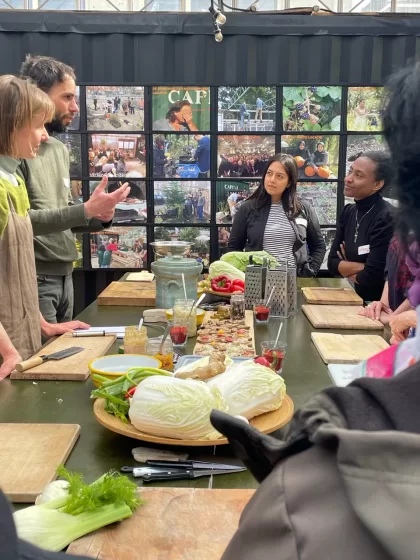





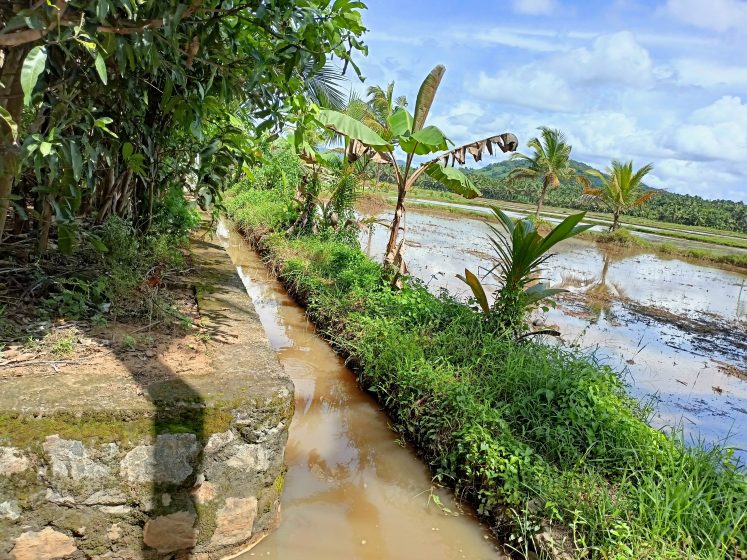
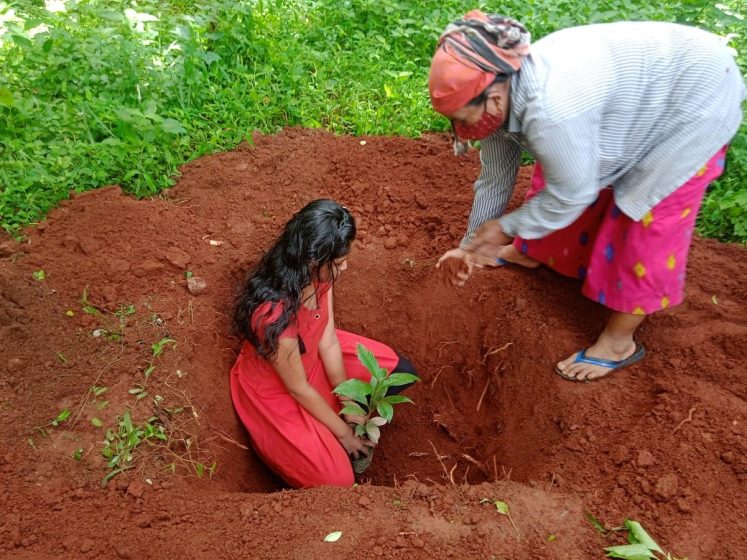
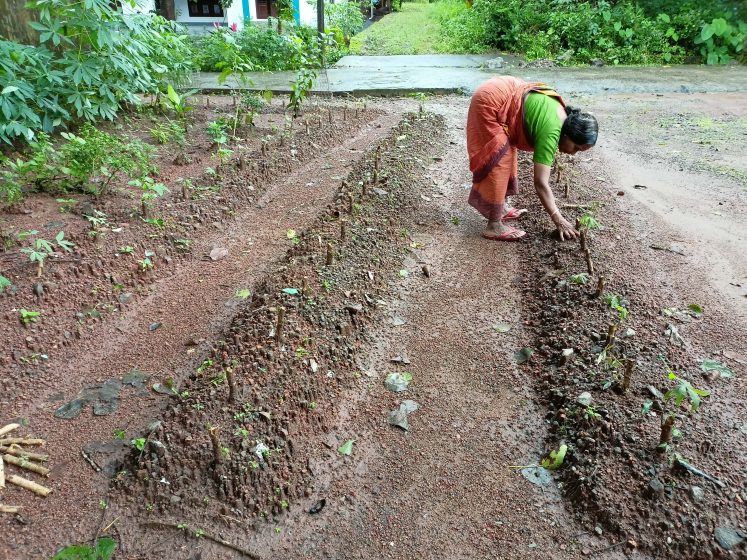
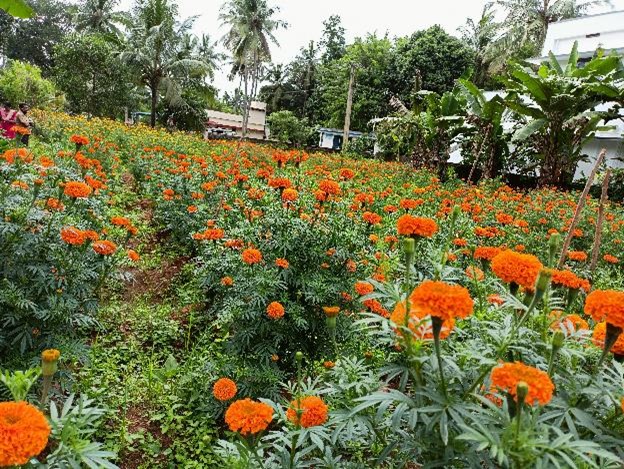
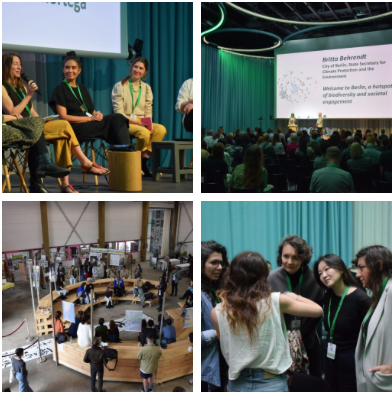
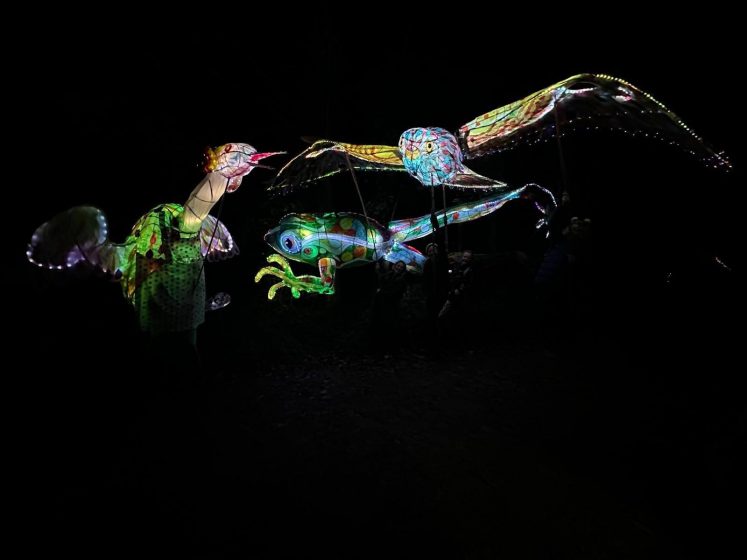
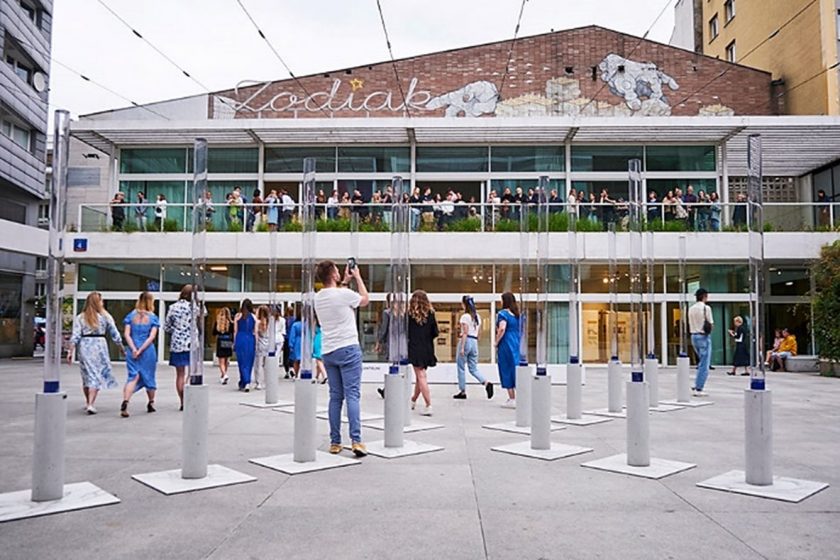
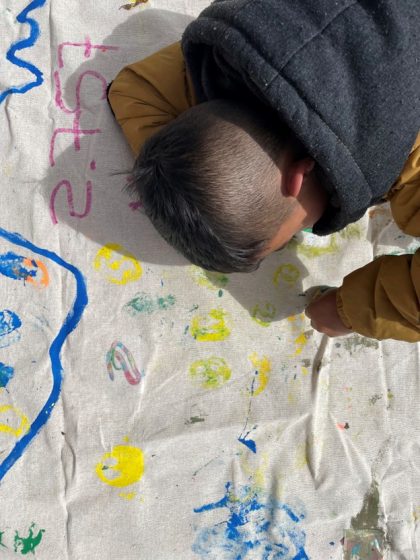
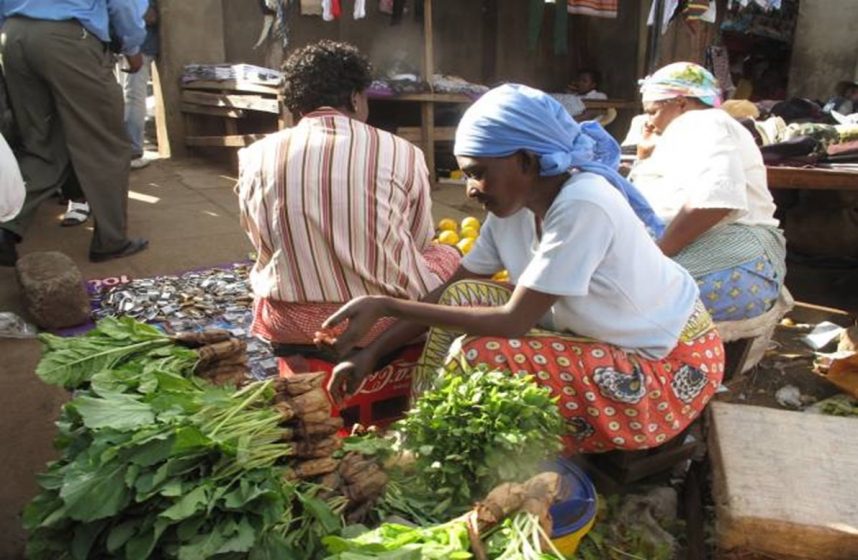
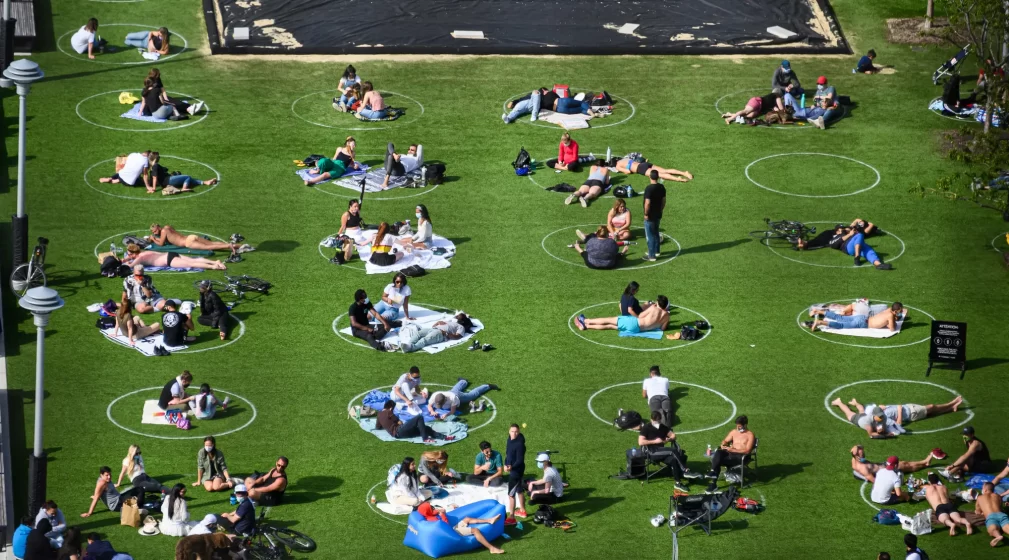
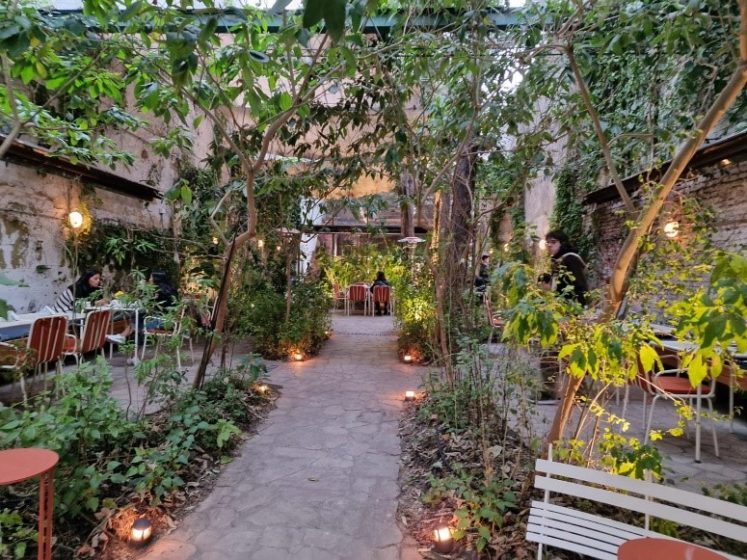
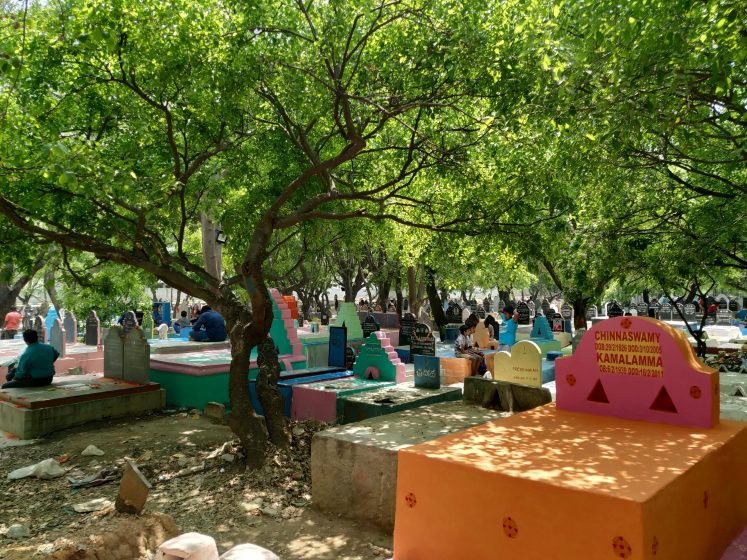
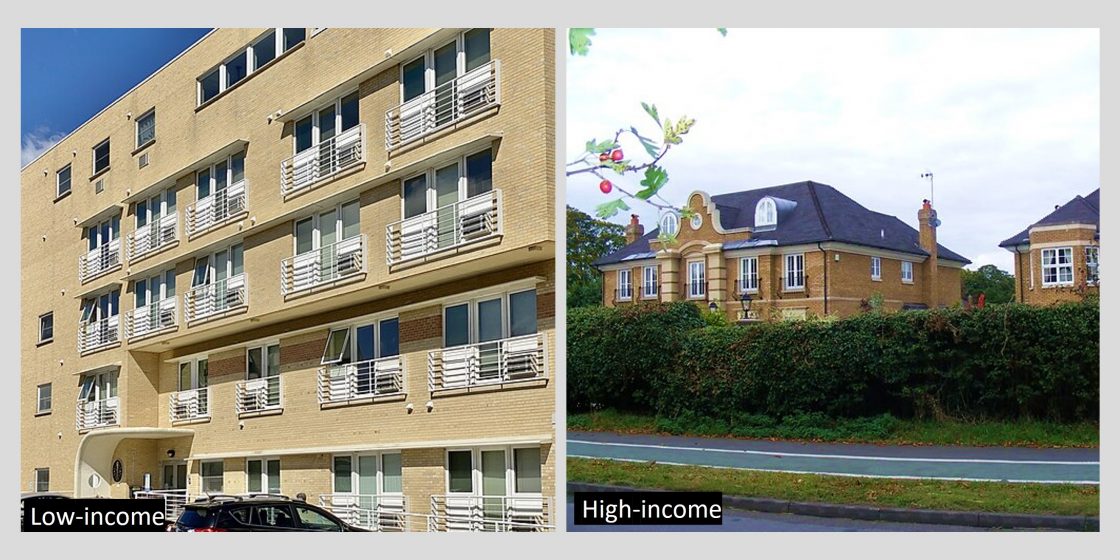
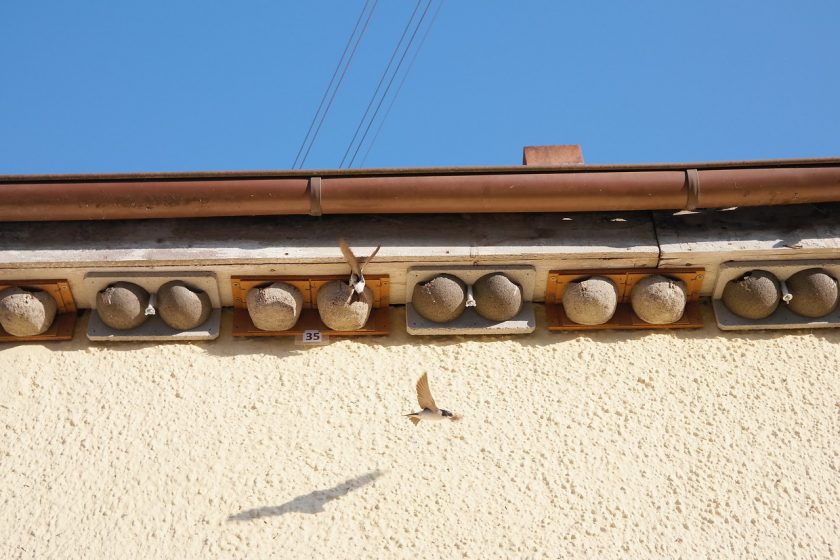
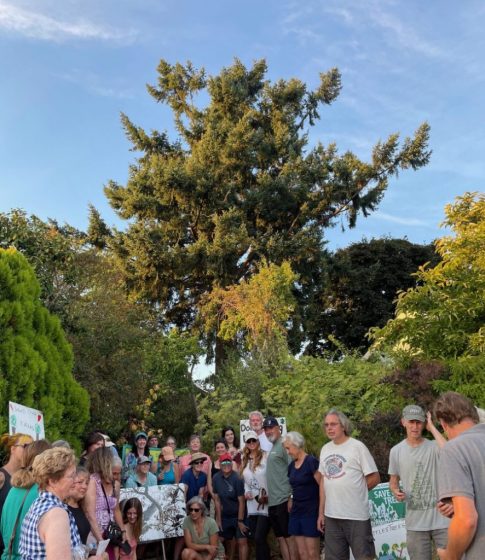
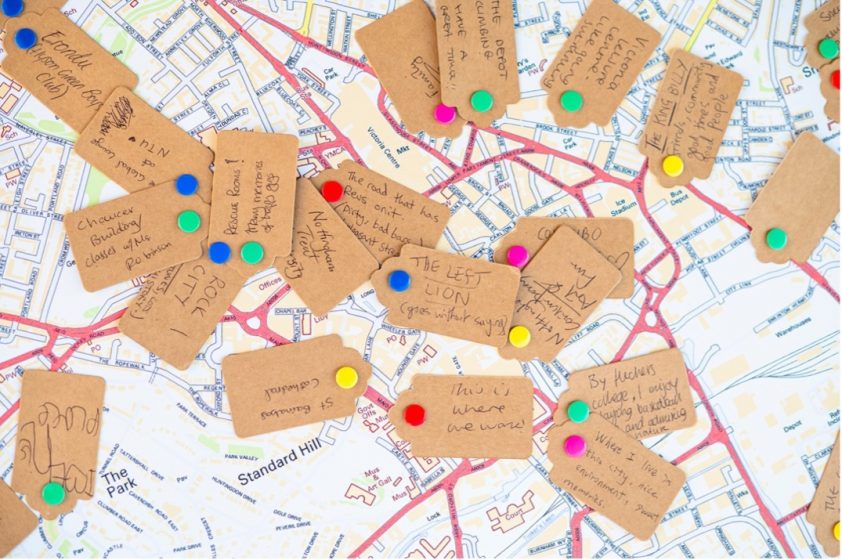



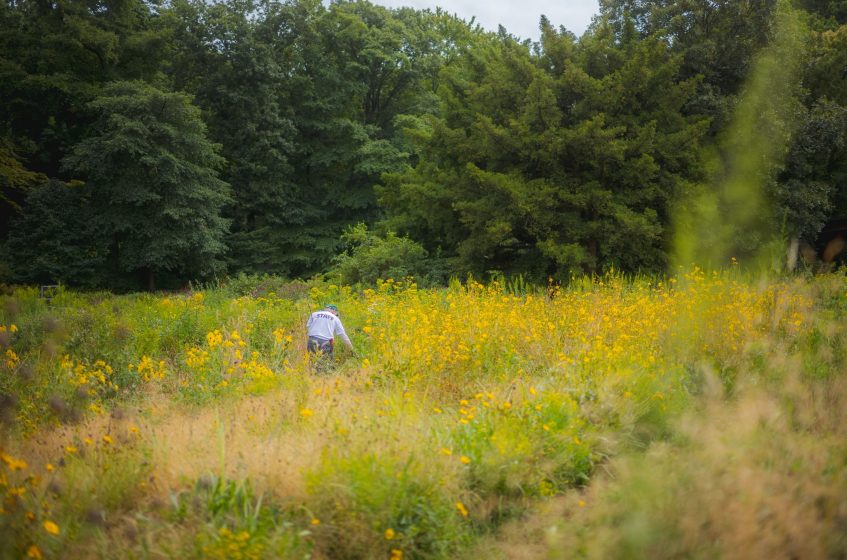






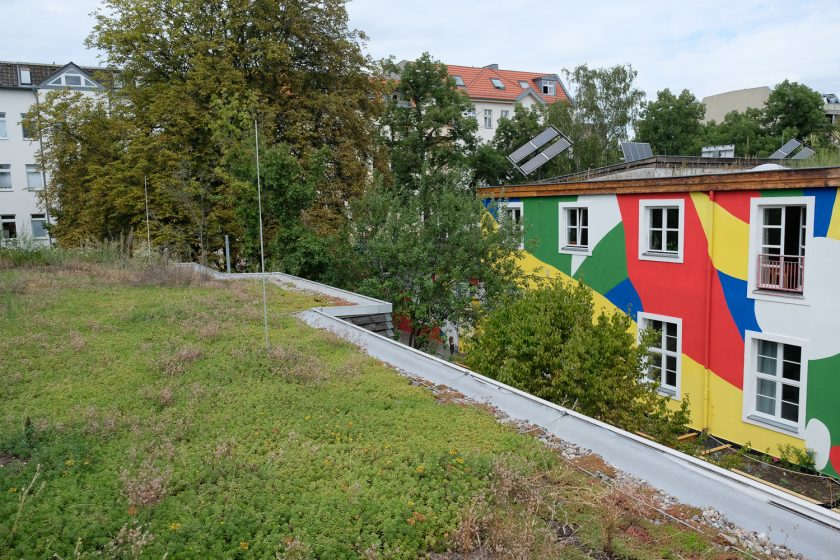




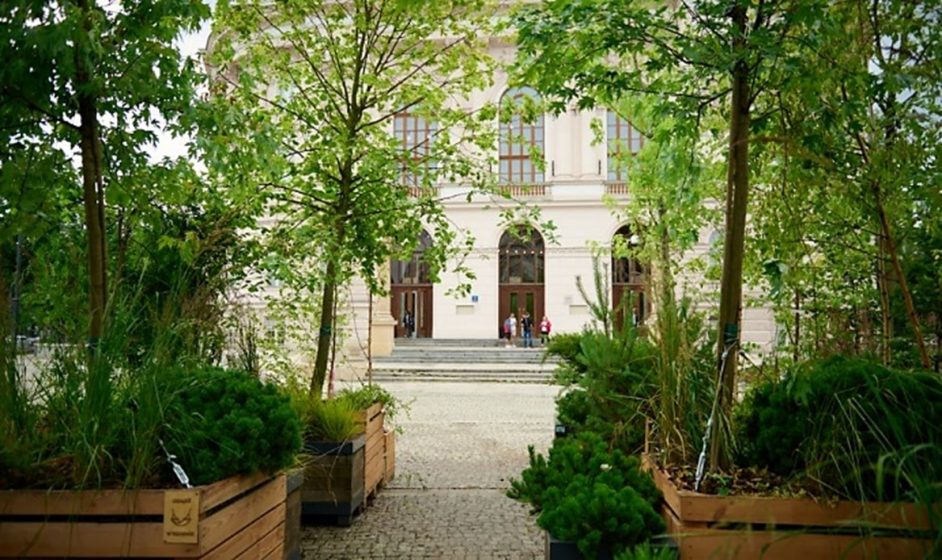
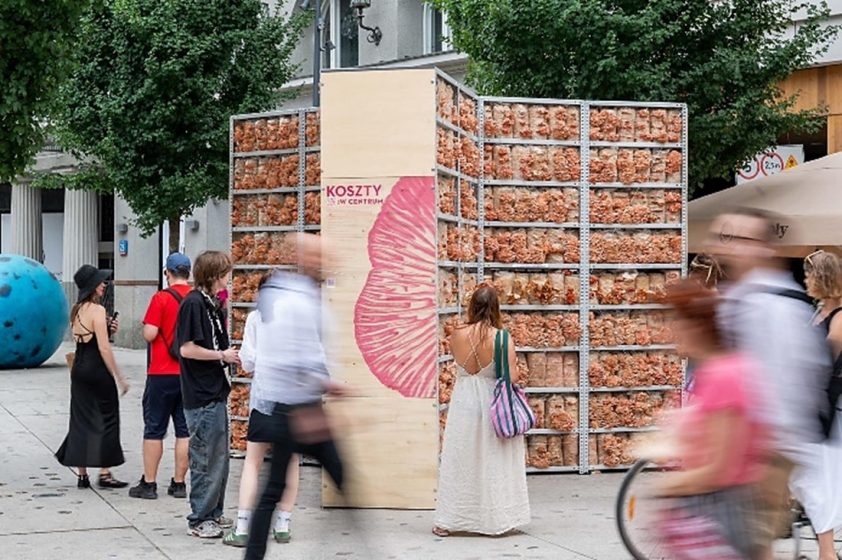



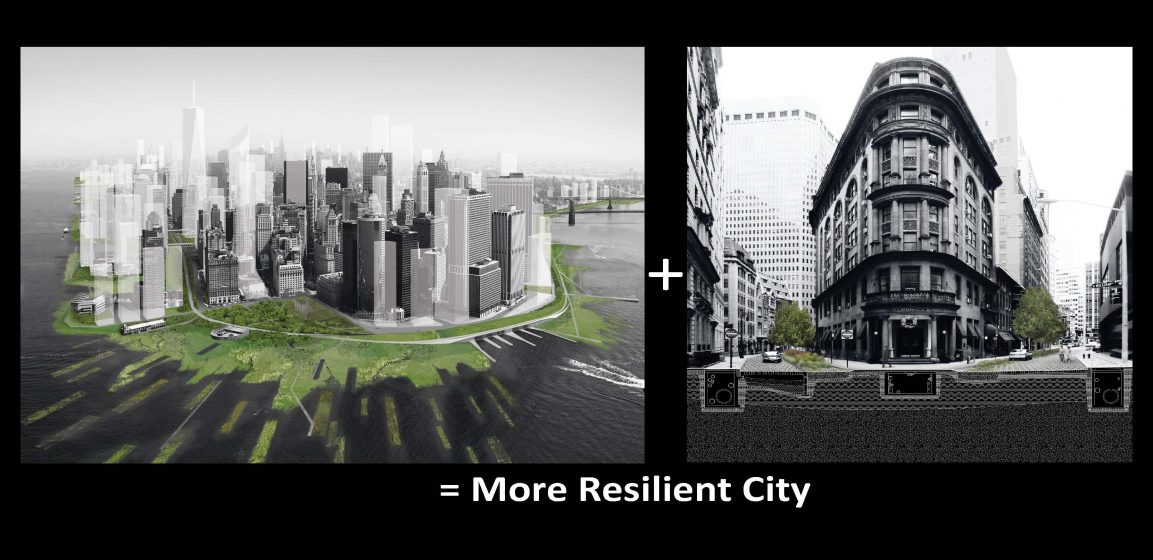
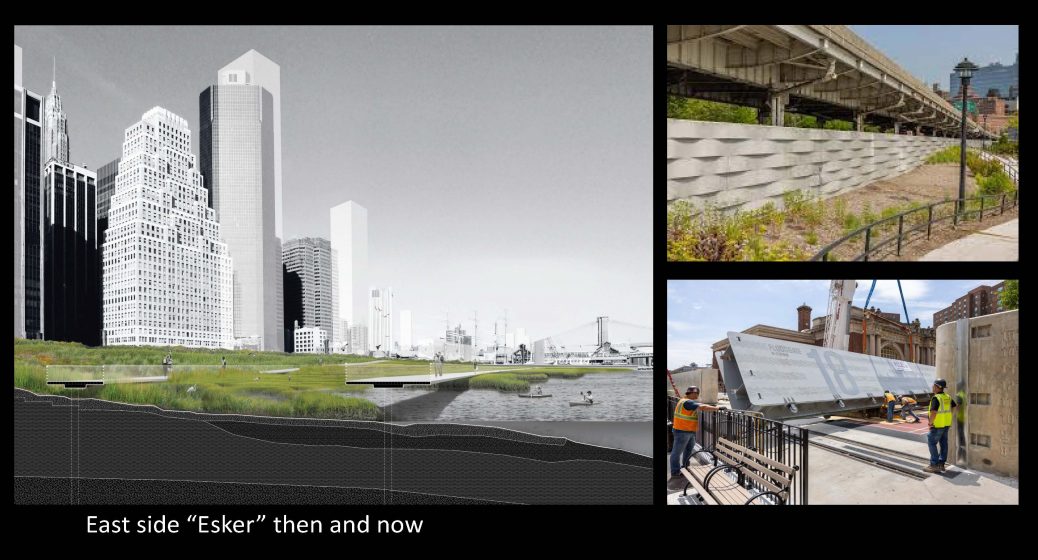





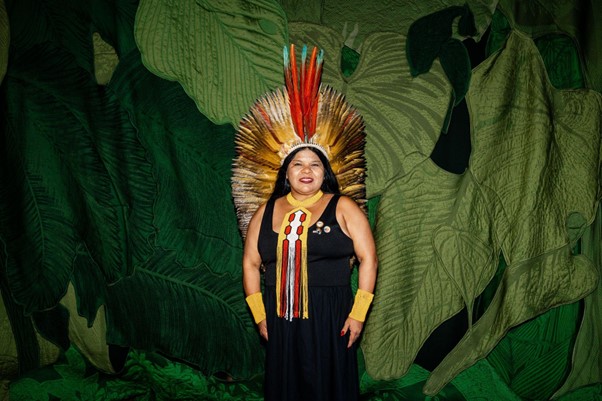
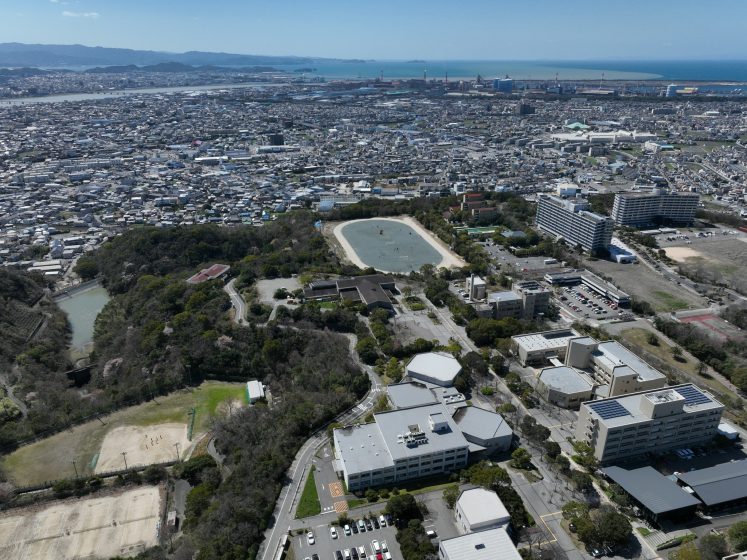
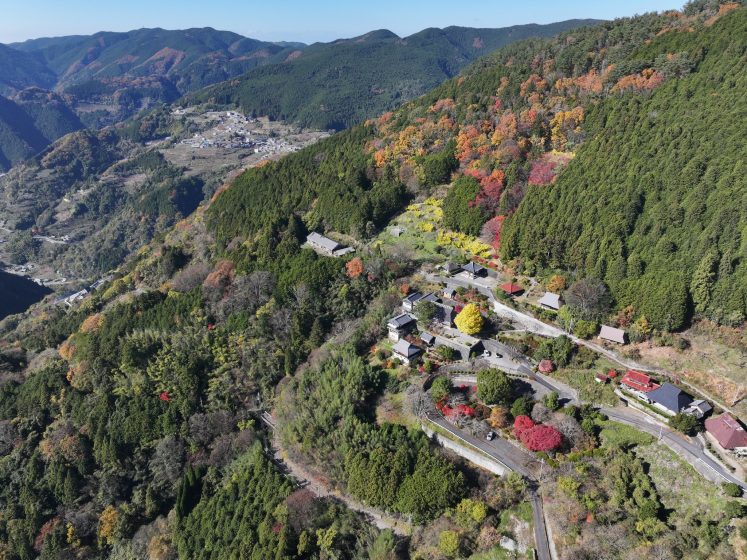
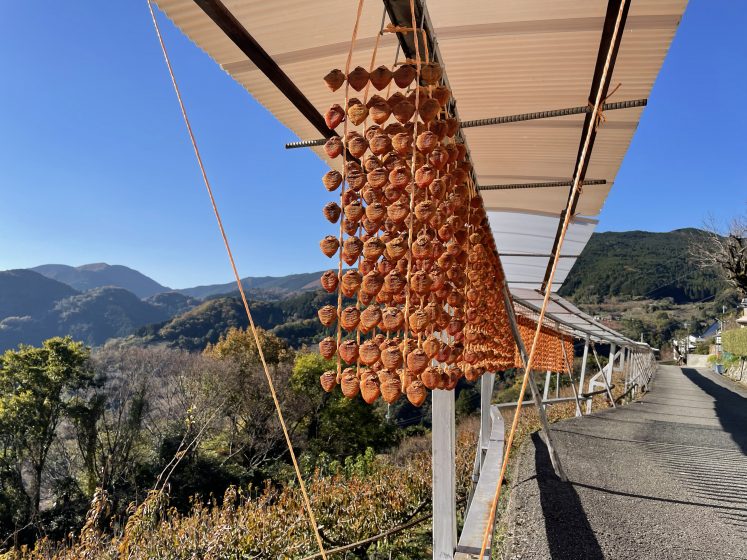
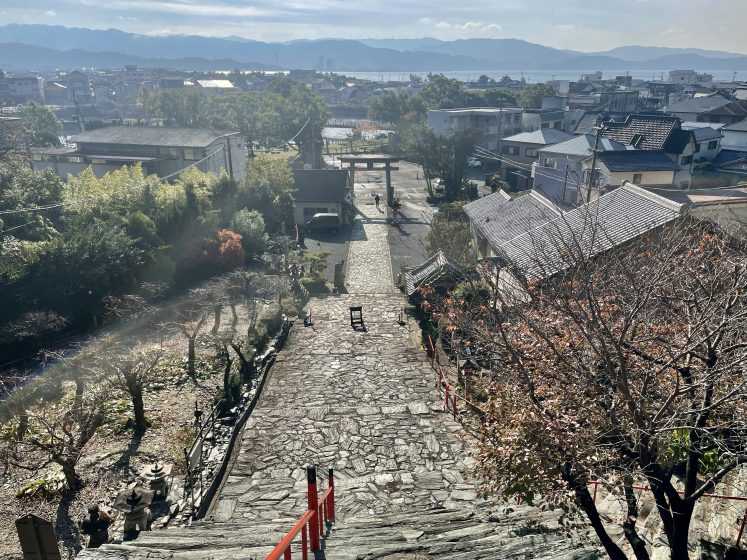
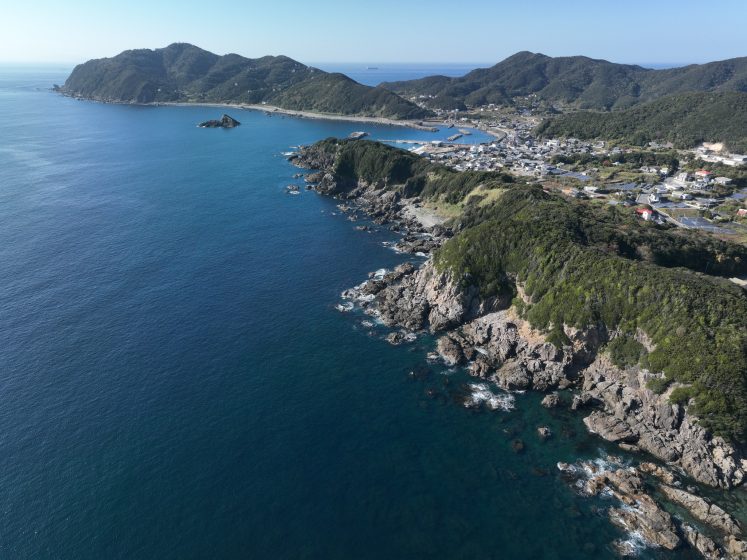
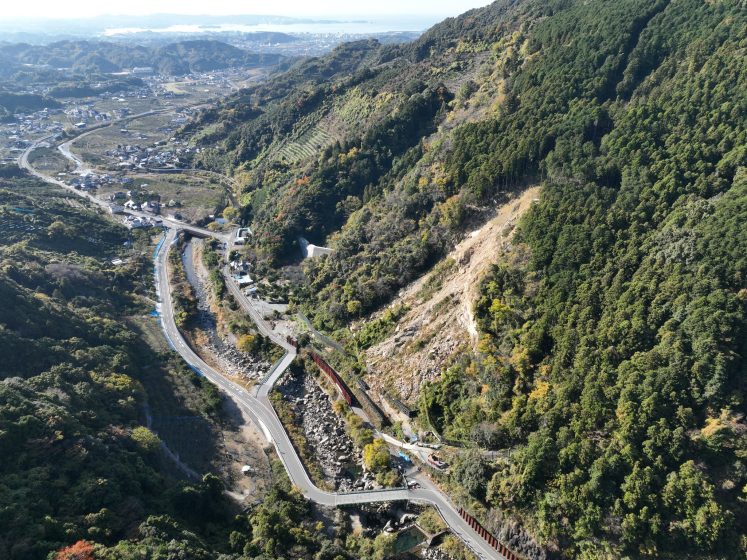
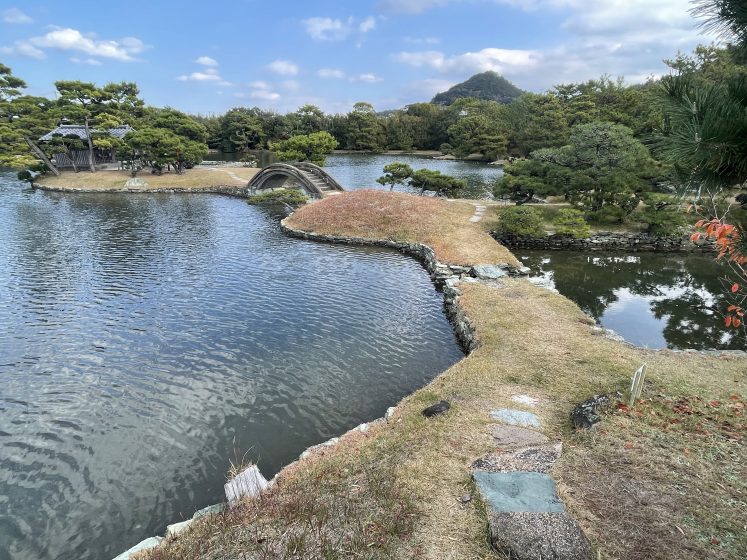
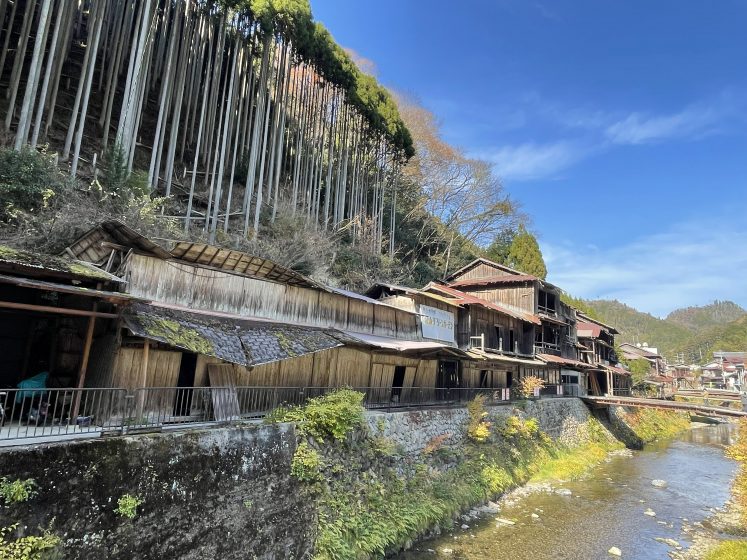
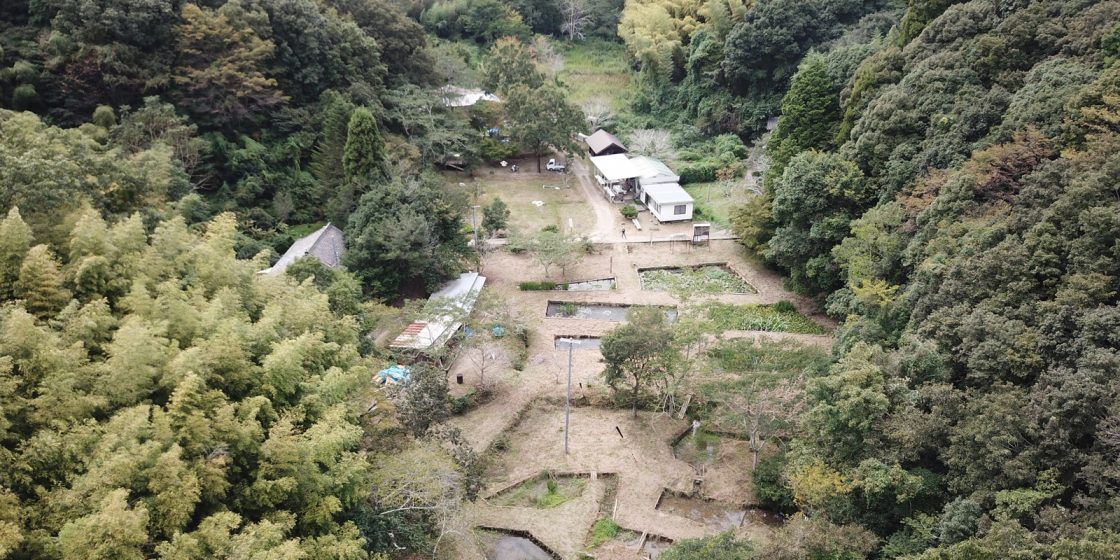






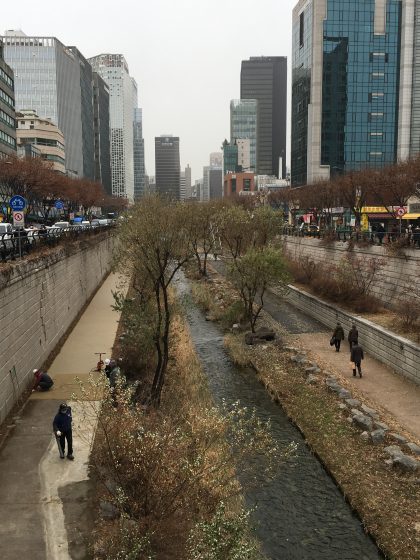


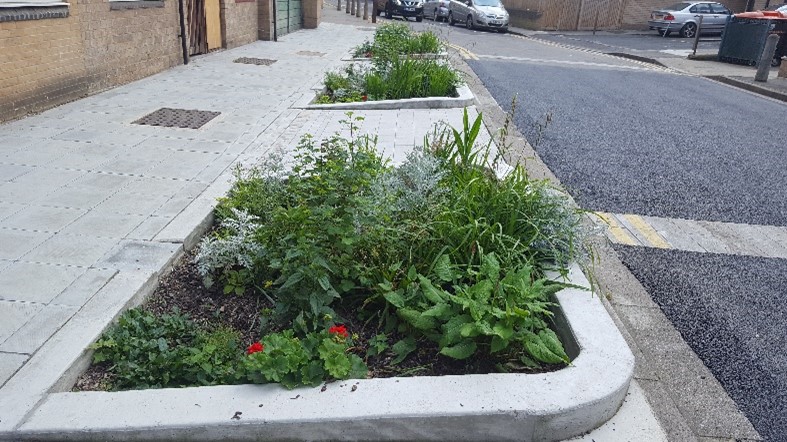

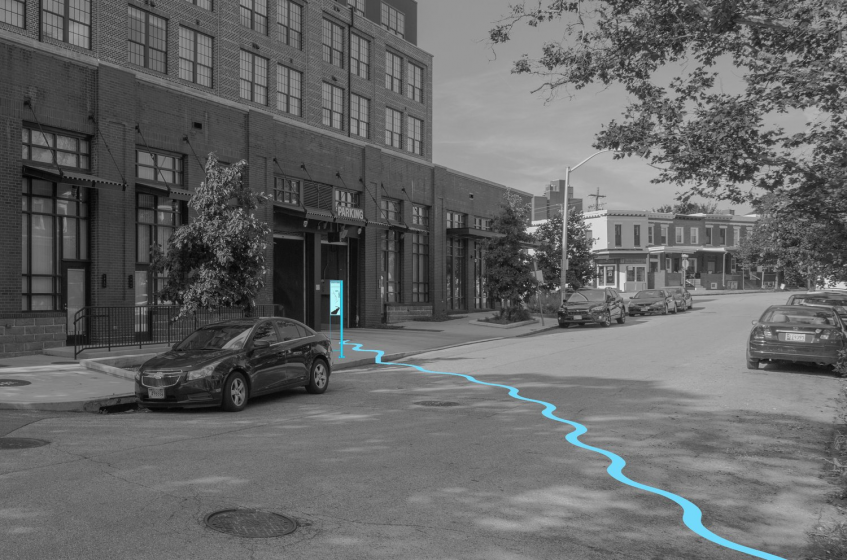

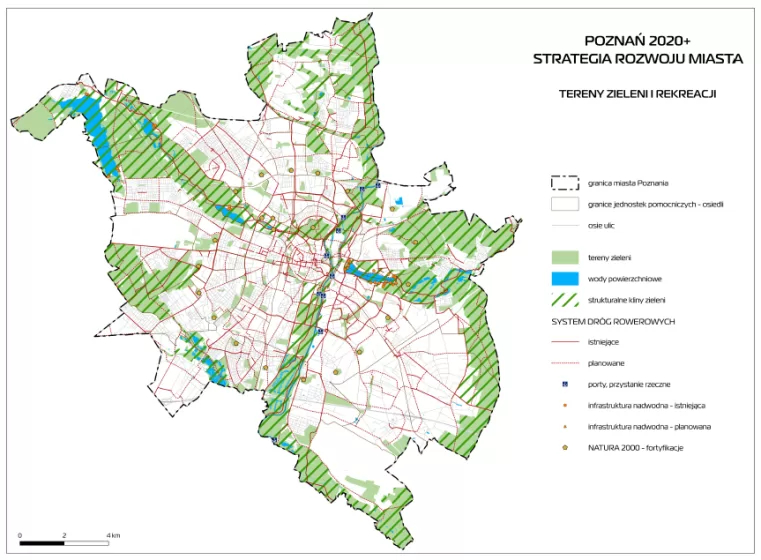




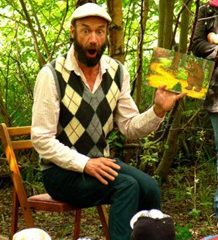
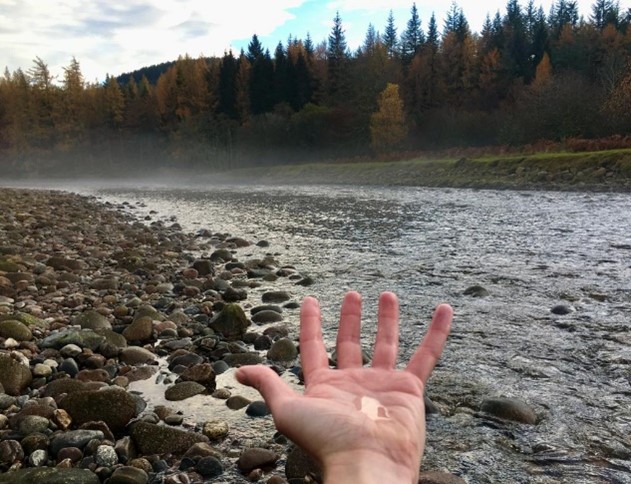

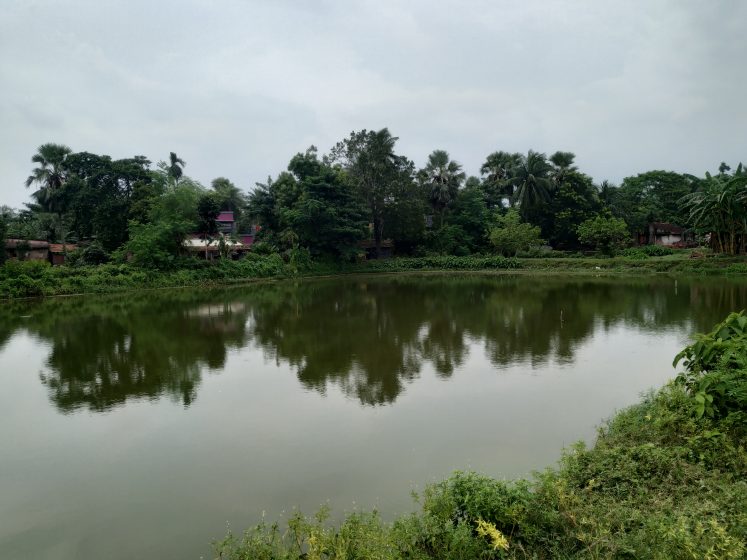
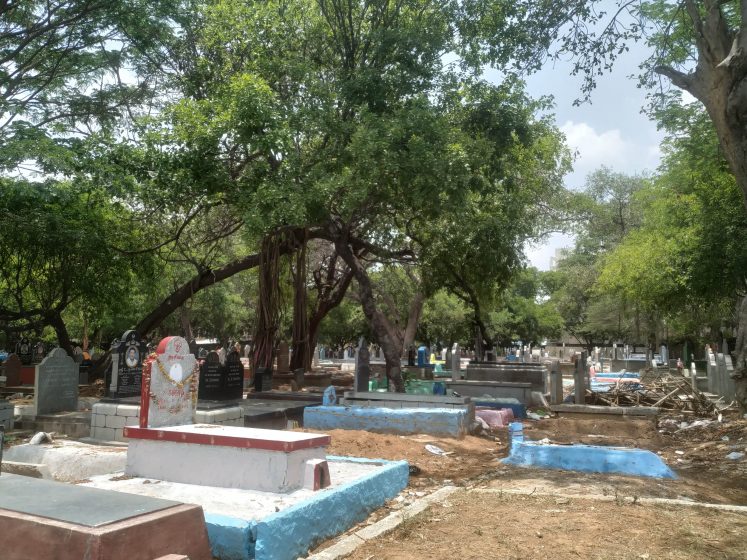







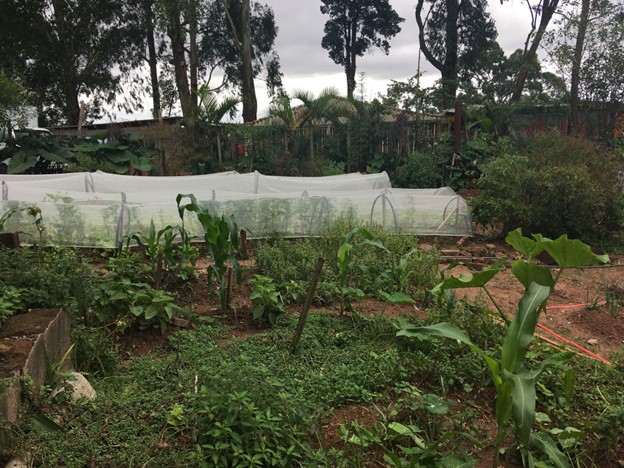



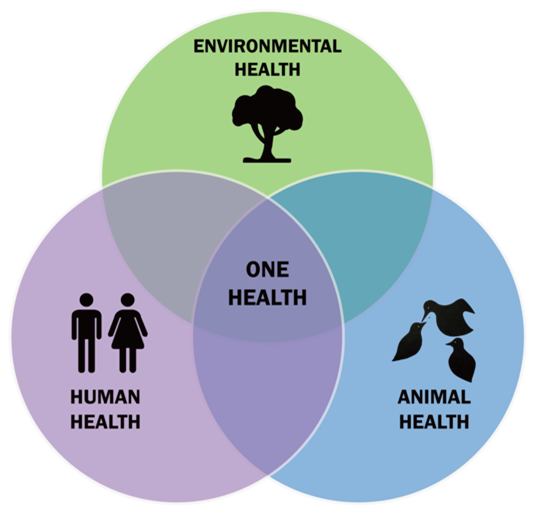
 Connecting the center of the island to the beaches of San Juan, the Río Piedras watershed embodies both celebration and fear. Heavy rains occasionally transform its calm waters into torrents, inundating the city streets. And when hurricanes hit, the once tranquil sea metamorphoses into a tumultuous and vindictive paramour, unleashing its fury with relentless force.
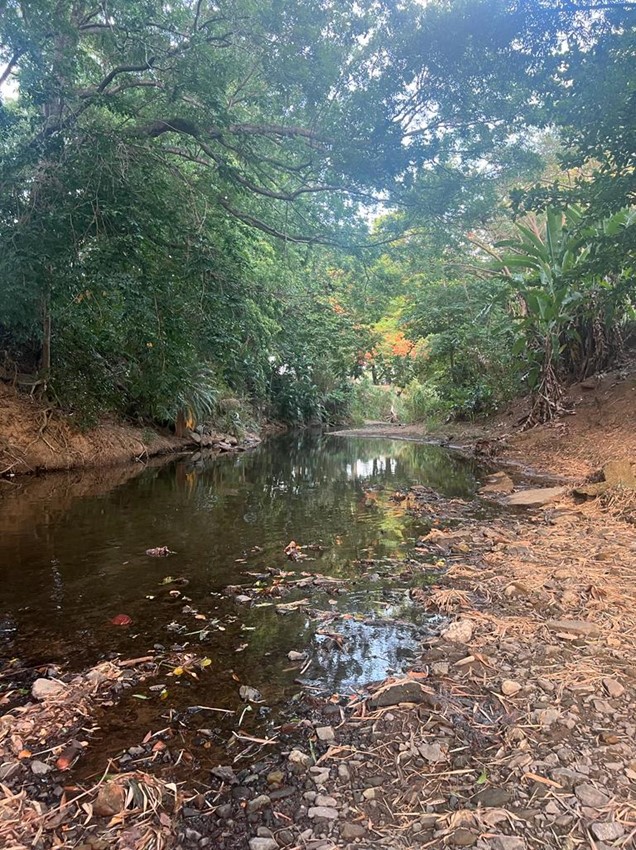 Overall, the Alianza and the local community are demanding fair and transparent processes for understanding the causes and impacts of flooding, including the relationship between flood mitigation options and the values, fears, and concerns of San Juan residents. These can be addressed by collaboratively building representations of the urban system, more broadly considering social-ecological relationships, and explicitly evaluating how citywide NbS fit within a more comprehensive climate resilience strategy.